The Red Hat Society: A Different Chapter

Red hats, purple dresses, feather boas — all signatures of the Red Hat Society. There is even a Queen Mother, Sue Ellen Cooper of Orange County, California, who founded the Society in 1998 after she hosted a fancy tea party for ladies decked out in purple and red. Since then, Cooper has written two best-sellers about her Society, which has spawned thousands of chapters of women with “hattitude” nationwide.
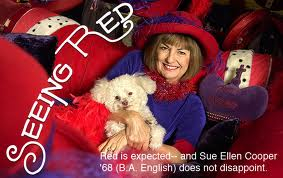
"When I am an old woman, I shall wear purple / With a red hat . . . !"
“When I am an old woman, I shall wear purple / With a red hat . . . !”

My sisters and I had our own Red Hat Lady, my plain Grandma Longenecker’s fancy cousin, Mame Goss, who brought picked-over hats of all colors to us from a millinery shop where she worked in Middletown, Pennsylvania. Getting hats from Mame was heady stuff! She was a main character in the script of our youthful play-acting.

Mame is one step closer to revealing the treasures in her bag now. Soon we lay eyes on the partly smashed trousseau of hats, left over from the spring season. We fight over who gets what, of course.

* * *

“Here’s a straw hat with a polka dot bow, “ I say but cast it aside. Janice and Jean don’t pick it up either. They are eying the red satin bows and lavender netting attached to other headgear.

* * *

“Hey, I want this one,” Janice and Jean tussle over a swoopy hat with pink flowers. Jean finally picks up a white thing that looks like an upside-down, flat-bottomed boat with a wad of blue tulle tied in a fluffy bow in the back. Janice’s is flat and round and dark, not my taste, with black-eyed Susan circling the straw hat. I get the best hat, I believe. It is flat and round too, but navy, and studded with azalea pink silk flowers around the edges. Best of all, I can pull a dark blue net over my face. Instantly, I become a woman of mystery and allure.

* * *

We take our newly-found treasures up to Grandma’s bedroom and indulge in more fantasy. The space between her marble-topped vanity and tall headboard becomes our runway. We take turns prancing in front of her vanity mirror with wavy glass, cocking our heads just so and smiling at our reflections.

One day Auntie Mame brings another batch of hats. When I spy the red felt with broad brim, I know it is mine. Our catwalk this time is not the narrow confines of Grandma’s bedroom, but the front lawn along Harrisburg Avenue: Marian, Janice, and Jean preen for the camera this time. Soon enough we will stuff our hair under a prayer veiling, but until then, we’re fancy girls!

Home movie from the 1950s

Do you remember playing dress up as a kid? What were your costumes? Inquiring minds want to hear your story. 

Moments of Extreme Emotion: Flunking

Yes, I have flunked my driver’s test—again.

Is it the bullet-nosed, grey Studebaker I am learning to drive on, or is it just me? Anyway, the patrolman’s decision is final. I cannot drive alone. At least not yet. I have practiced driving with eight people stuffed into this Studebaker to Bossler’s Mennonite Church and back without crashing. Oh, there are some yells and screams along the way, but I haven’t careened off the road yet. (We’re frugal Mennonites and don’t waste gas on driving two cars if we are all going to the same place. Think: lap-holding, no seat-belts.)

Driving test Studebaker, 1950s
Driving test Studebaker, 1951

The first time I don’t pass my driver’s test is because I can’t parallel park right. (Yes, the ability to parallel park was part of the test back then.) And the second time, the cop says, “You were riding the clutch the whole time. If you keep on doing that you’ll wear out the transmission!” So I have flunked the driving test twice.

Boo Hoo!
Boo Hoo!

Me: I never flunk anything. In fact, I get all A’s in school. Now why can’t I pass this dumb test. I KNOW how to drive!

Mom: “Some people just don’t like girls with coverings on their heads.

Me: Well, that’s ridiculous!

Mom:  When you take the test again, just wear a bandanna on your head. That will cover up your covering and you’ll probably pass.

Me: Why would that make a difference?

I do pass the third time. Hallelujah!

Now please tell me why. This is a multiple choice quiz:

a. I finally got over my nervousness.

b. Three’s a charm.

c. The policeman noticed I wasn’t a plain girl.

d. The policeman suspected I was a plain girl and thought I probably could even drive a tractor. So, “What the heck—She passes!”

Do You Know Your Ethnic Mix?

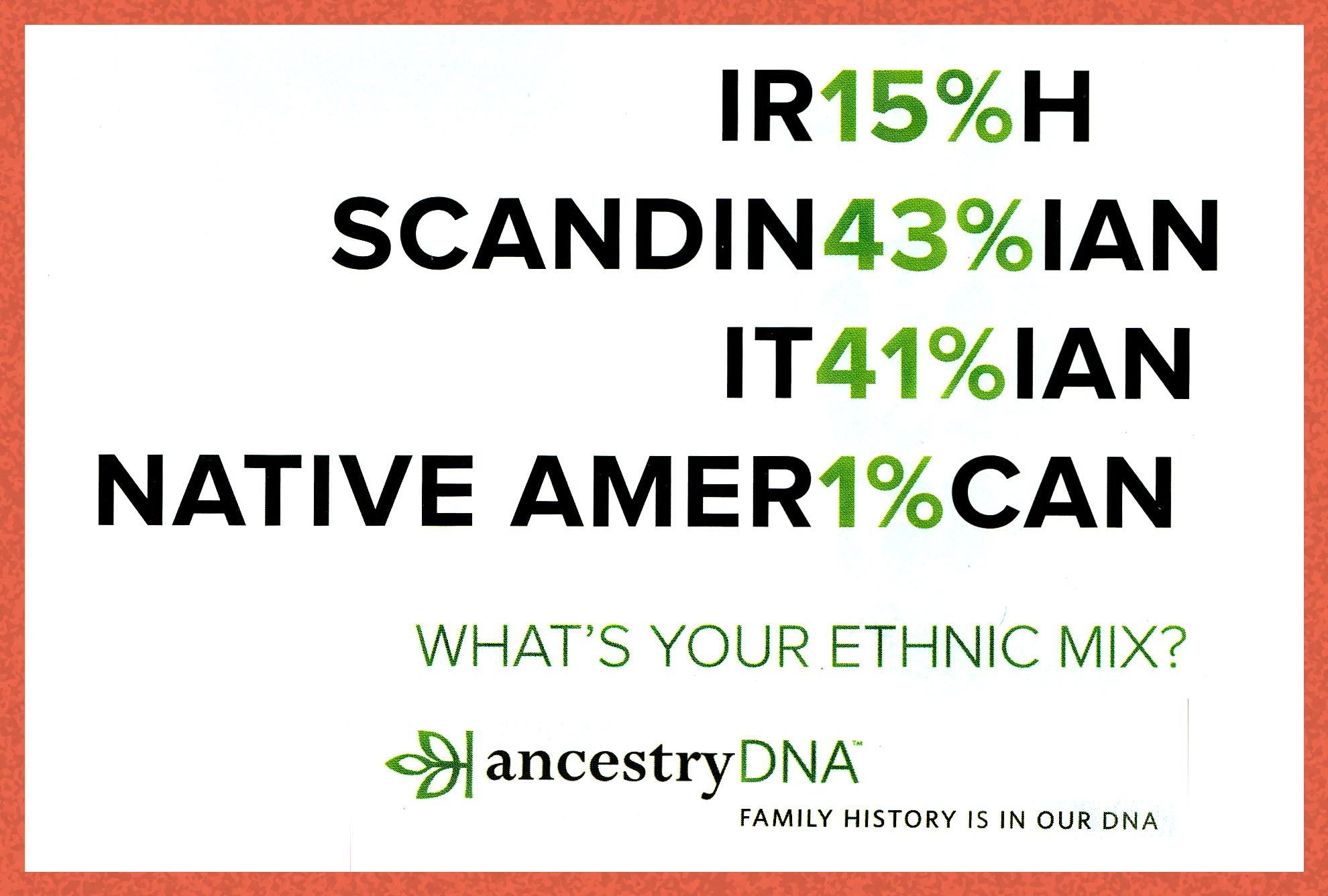
“Your DNA has a story. It’s time to discover it,” invites an ad on the back cover of the February 10, 2014 issue of The New Yorker. “It’s easier than ever to discover your ethnic heritage – and possibly find new cousins along the way,” the advertisement continues. Simply send in a small saliva sample, the key to revealing your DNA strands, which will unlock the secrets of your ethnic roots and disclose where your ancestors lived up to a thousand years ago.

Blog_Ancestry+border_6x4_300

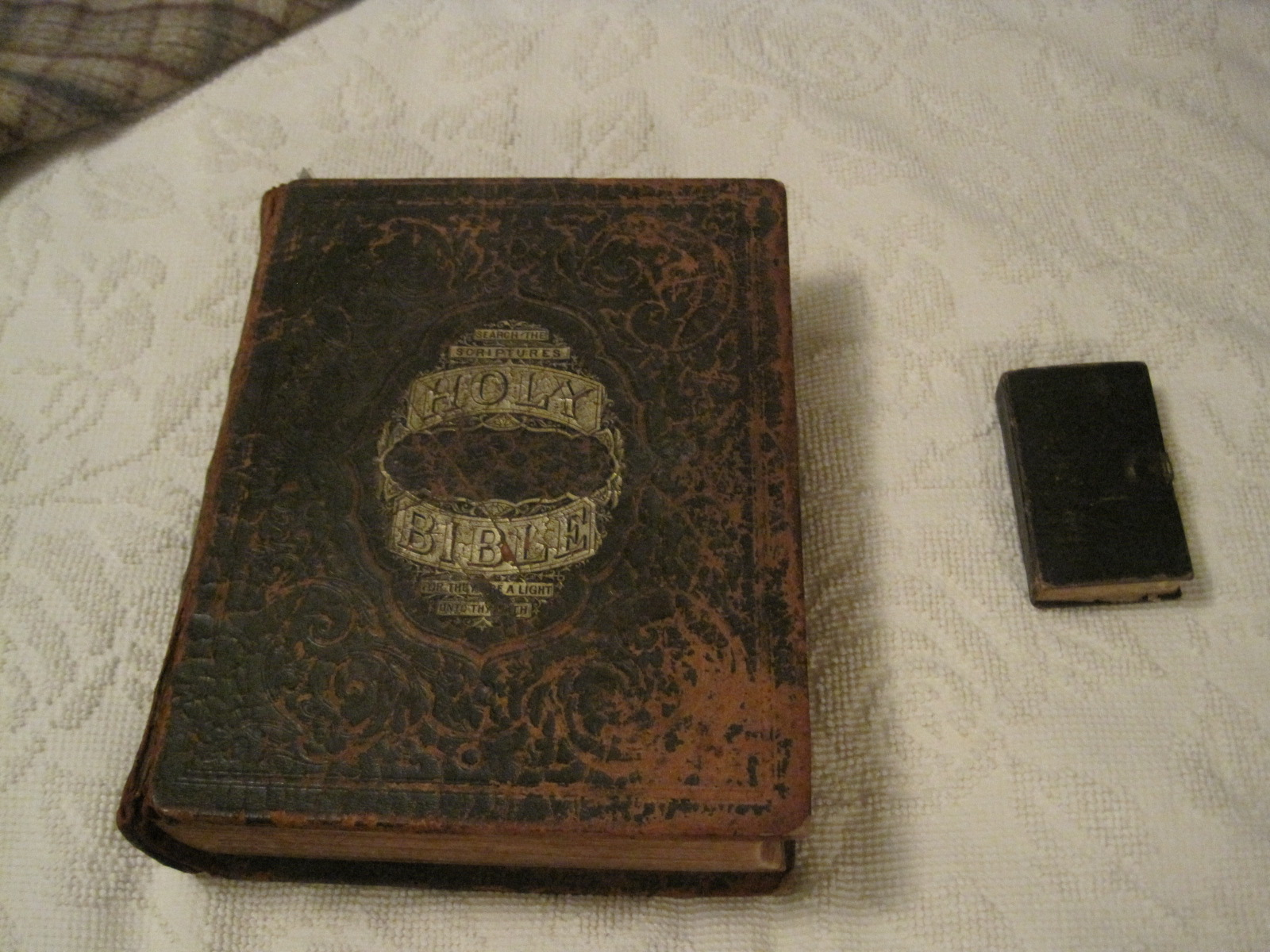
Genealogy, roots, ancestry . . . In my Pennsylvania Dutch family tree, names and dates were often written in the family Bible:

Longenecker Family Bible with German BIble at right
Longenecker Family Bible with German New Testament at right

Eight generations ago, Ulrich Langenegger (1664-1757), left his birthplace in Langnau, Switzerland, because of religious persecution, and moved to the Rhine Valley in Germany and subsequently immigrated to America from Rotterdam on the good ship Hope.

In America, his son, Christian Langenecker (1703-1759) settled in the rich farm land of Donegal Township in Lancaster County, Pennsylvania where followed two more generations of Christian Longeneckers, with the initial “a” in the last name changing finally to an “o.”

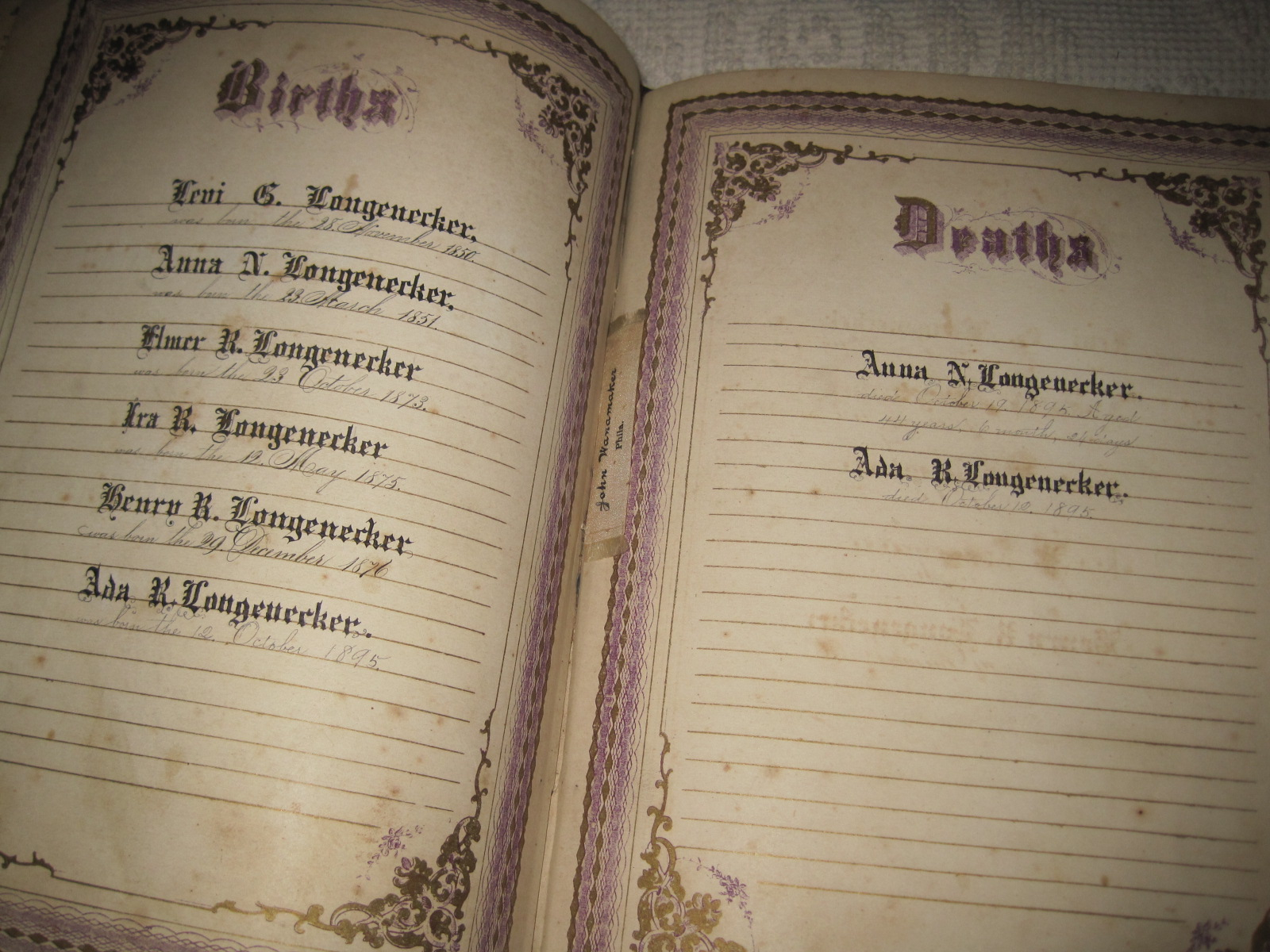
Henry Risser Longenecker, my Grandfather, son of Levi Longenecker, listed in the family Bible.
Henry Risser Longenecker, my Grandfather, son of Levi Longenecker, recorded in the family Bible.

And so the family tree on my father’s paternal side continues:

Christian Longenecker, Jr.  1785-1855 buried in Bossler Mennonite Church Cemetery

John Longenecker  1817-1898 married Nancy Garber, my great-great grandmother

Levi Longenecker  1850-1931 married Annie Risser, my great-grandmother

Henry Longenecker  1876-1946 married Fannie Martin, my grandmother

Ray Longenecker  1915-1985 married Ruth Metzler Longenecker, my mother

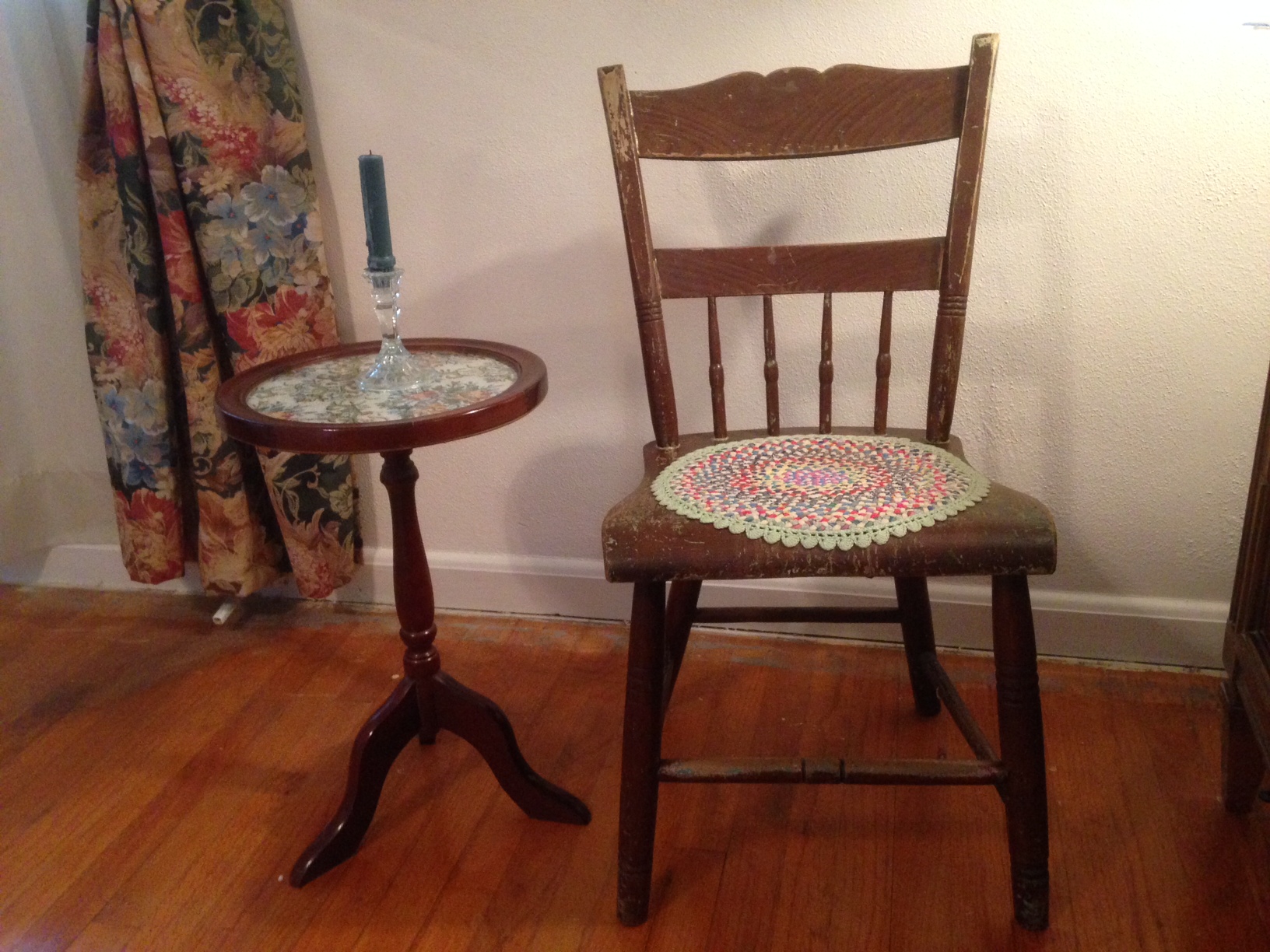
On my father’s maternal side some of our history is recorded on the bottom of a chair given to me in 1975. Even then it had a 150-year-old history of Martins, Brinsers, and Horsts in the lineage of my Grandmother Fannie Martin Longenecker.

The Martin Chair, circa 1815

My mother’s story is a blend of other Pennsylvania Dutch Names: Landis, Harnish, Hernley, and Metzler. After attending the 275th Metzler reunion last June, I wrote a post entitled Another Valentine, A Different Romance, recounting the parallel history of Swiss-German Mennonites who also came to Pennsylvania at the invitation of William Penn to farm the rich soil of Lancaster County.

Because of their unique heritage as plain folks, focus on Mennonite ancestry is not unusual. But interest in tracing one’s ancestry has ballooned nation-wide in the last decade. “Finding Your Roots” the immensely popular PBS series by Professor Henry Louis Gates which aired in 2012 mirrors that trend. Using both traditional research and genetics, the series traces the family roots of such disparate celebrities as Condoleezza Rice, Sanjay Gupta, Margaret Cho, Robert Downey Jr., and Rev. Rick Warren. There are some surprising intermingling of genetic roots among the stories as I recall.

Thus, as our family trees expand and send out branches in many different directions, the fascination with our roots continues: Healthy roots, thriving branches, the tag of Homecoming Weekend at Eastern Mennonite University last fall, says it well.

*  *  *  *  *

Do you know your ethnic mix? Does it matter to you?

Is your story more complex because of adoption?

What fascinating discoveries have you made in learning of your ancestry?

Your thoughts matter to me! I look forward to hearing from you.

False Pregnancy

If I swallow a water-melon seed, my stomach might swell up.

If I touch freckle-faced Ricky with the dirty fingernails, I might grow a baby. Oh no!

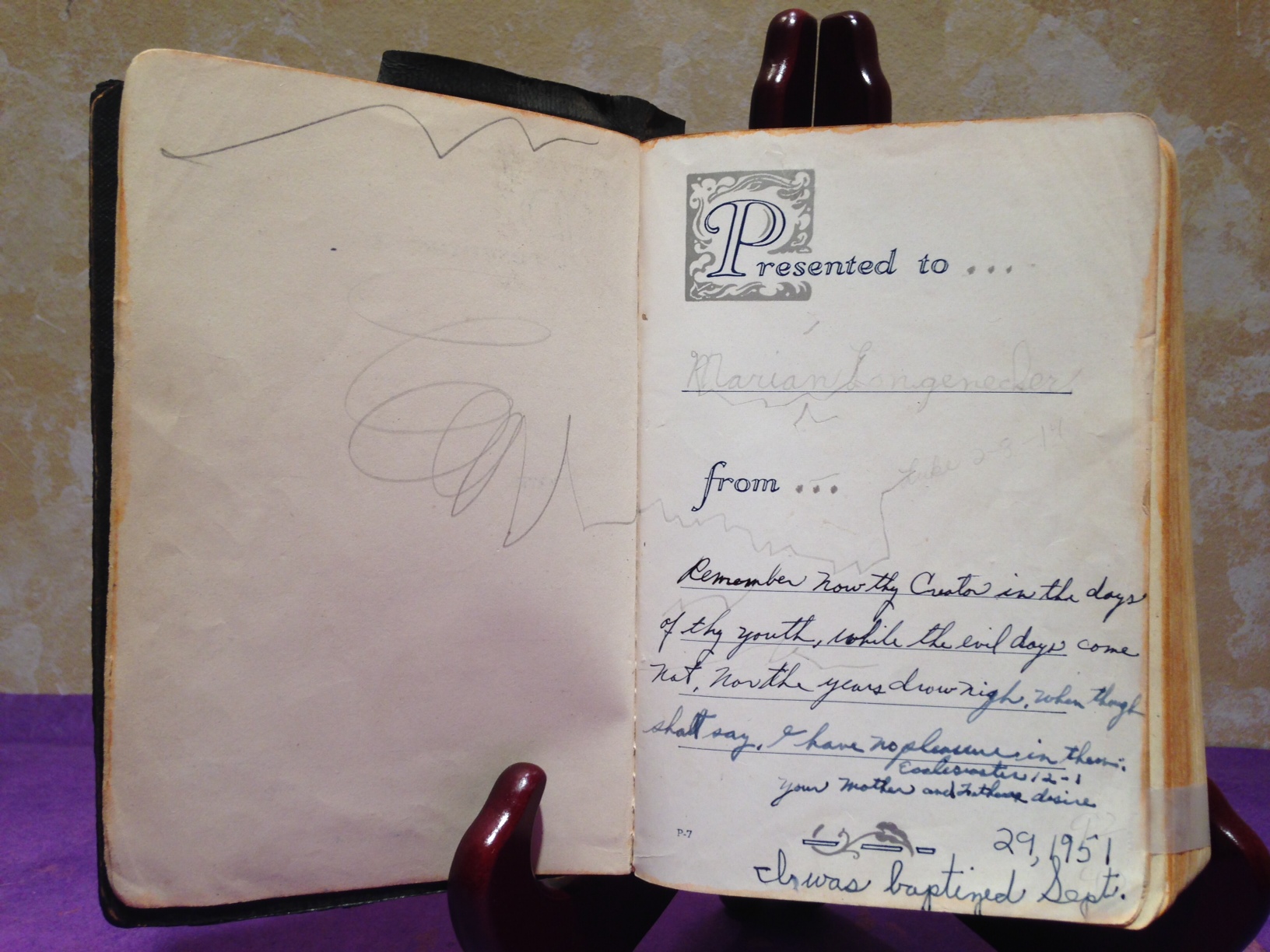
Those were my childhood fears. With a limited sex education, I tried never to swallow watermelon seeds or touch grimy Ricky. But my parents also had fears, largely unfounded. What my Daddy dreaded most as the father of three adolescent girls is that one of us might turn up pregnant some day and bring shame and disgrace upon the family. “We don’t ever want to hear of that happening in our family,” he exhorted. In my Bible he wrote this not-so-veiled admonition from Ecclesiastes:

Daddy's inscription of Ecclesiastes 12:1 in the flyleaf of my Bible
Daddy’s inscription of Ecclesiastes 12:1 in the flyleaf of my Bible

Why he worried about my falling into mortal sin was beyond my comprehension: I always had my nose in a book and rarely dated Mennonite farm boys, or any other boys for that matter.

My experience with the lusts of men were of the non-Mennonite variety in my early teens. Summers I worked behind the meat counter for the Kleinfelters at Middletown Merchandise Mart. No worries with Mr. Kleinfelter, though he was often a bit tipsy, but some of his suppliers were another matter. Oily-haired Mr. Zapcic would creep up to the counter and invite me to “help” him in his produce business in Lancaster. “I need somebody to work behind the counter. You would be perfect!”

“That’s pretty far from Elizabethtown,” I mentioned innocently. Lancaster was almost 20 miles away.

Without my asking, Mr. Z. offered: “Oh, I’d see that you got there. You could ride with me.” It finally dawned on me what he was after and afterwards tried to ignore him. Yet he continued to harass me. Like Pamela in Samuel RIchardson’s novel, I rebuffed the man’s advances. Finally, I had to solicit some Kleinfelter help to get him to let me alone.

*  *  *  *  *

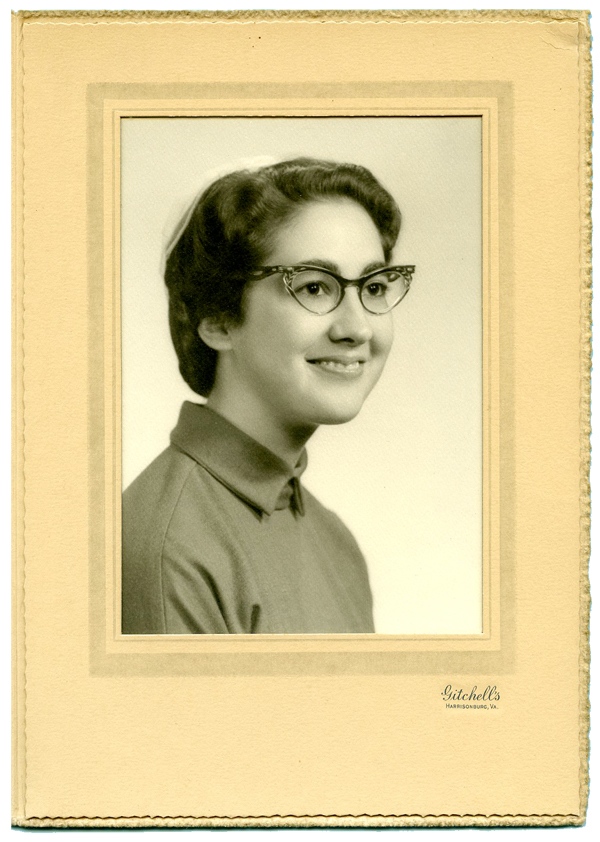
Senior Photo: Eastern Mennonite College

During the summer of 1964 my Aunt Ruthie and I attended Temple University, she to complete her Master in Education degree and me to begin it. From the hamlet of Rheems at 4:30 in the morning, we drove to Lancaster, took a train from Lancaster to Philadelphia, then rode the subway into north Philadelphia and walked eleven blocks to the campus of Temple University with classrooms filled with students who chain-smoked. I still wore a prayer veiling with a crown of dark brown braids fastened with hairpins underneath, ever the epitome of moral innocence. Ruthie’s classes lasted longer than mine, so I waited for her on a circular, wooden bench on the grassy campus outside the classroom.

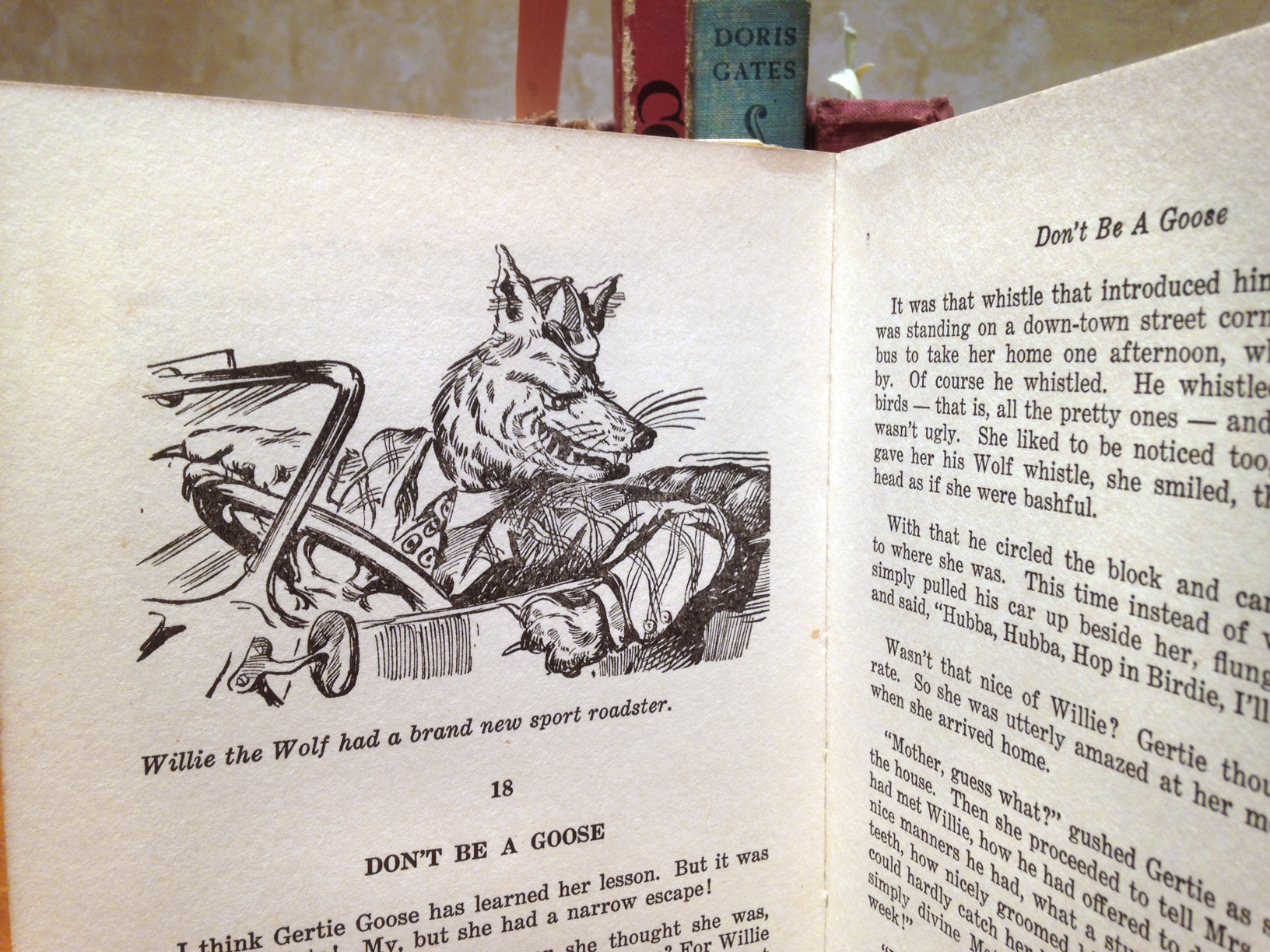
A suave older man approaches me and raves about my hair. It could be a scene right out of Bird Life in Wington, Gertie the Goose meets Willie the Wolf.

I notice at once his pearly white, even teeth and brushed back hair. Is he a college student? He for sure doesn’t look like one. Other students are milling around, I notice, so what could be the harm in talking to this stranger?

Willie: “Sprechen ze deutsche?” Not waiting for an answer, he spouts, “You have gorgeous hair. It’s so thick and glossy.”

Gertie: Oh,uh [Insert Pennsylvania Dutch lilt] . . . why thank you.

Willie: I own a hair salon in the suburbs of Philly. I’d take you there and give you a different hair-do. It would frame your face really nice.

Gertie: Really?

Willie: Of course, I wouldn’t charge you anything.

Gertie: Well, thank you.

The dialogue continues for another minute or two, and then two things happen: I feel an electrical zap down my spine and a visitation from the Holy Spirit, who urgently whispers — “NO!” in my ear: “Run for your life. This guy is up to no good.”

Scales fall from my eyes as I swiftly dismiss his cunning ideas–and find an excuse to leave the bench and search desperately for Aunt Ruthie. Her class must be over. Soon, I hope. God, I hope soon!

Willie the Wolf in roadster tries to seduce Gertie Goose
Willie the Wolf in roadster tries to seduce Gertie the Goose in Calvin Reid’s cautionary tales

It’s your turn. Any narrow escapes from unsavory characters in your early years? Other threats to your moral virtue?

Your story is welcome here, and I will always reply.

Canned

I have just finished reading The Dirty Life, On Farming, Food, and Love by Kristin Kimball. And today my blogger friend, Susan Nicholls, has posted a piece entitled “Canned” complete with appetizing photos of the canned goods, stored on shelves for savory eating on wintry days like these.

Kimball’s book describes how she trades a life in the publishing world of Manhattan for growing vegetables, raising pigs and cattle on the farm of a man she had interviewed just months earlier. The story is told with the backdrop of the old/new movement toward local food, community-supported agriculture, a network of consumers and farmers who share the benefits (and risks) of food production. Consumers pay at the beginning of the growing season for a share of the anticipated harvest and then receive honey, eggs, meat, and dairy products, fruits and vegetables, whatever is in season.

Susan’s blog post “Canned” is a reminiscence on the stored wealth of nourishment in the cellar of her childhood. In her post today she recalls her grand-parents’ farmland and the “garden” of one and one-half acres her own family cultivated when her children were little. She reminds us of so much we take for granted in our land of abundance. Read it above!

S.K. Nicholls's avatarS.K. Nicholls

images (2)

I was in the grocery store yesterday and browsing the local produce…much of it not so local, being shipped from Chile, Spain, Costa Rica, California, and Mexico, but fresh nonetheless. Fresh watermelon and cantaloupes year around!

It is January and there were fresh beans, peas, broccoli, cauliflower, lettuce, asparagus, squash, cucumbers, cabbages, snow peas, avocados, apples, pears, oranges, tomatoes. We take so very much for granted in this global economy. I am not talking smartphones, computers, and tablets, but simple luxuries, like fresh food.

My grandparents had a huge farm, and they had a garden that covered three acres. They taught me about gardening and harvesting.

When my own children were growing up, we had an acre and a half that was garden space.

I can’t say that we grew organic, because pesticides and herbicides were used. I can’t say it was better or worse for us, but it…

View original post 441 more words

War and Peace: Rhyme & Reason

On the eve of the Gulf War exactly 23 years ago today, I took a walk in the brisk evening air. As I rounded the curve of Emerald Isle Circle West in our neighborhood, I noticed the scarlet blush in the sky at sunset. With that striking image in mind and an imminent war on the national consciousness, I wrote these words:

CRIMSON SKY AT DUSK

The throat of the sky is inflamed,

livid with anger at the war it must swallow,

gagged by the bloodshed which rages in the jaws

of Babylon.

An olive branch on its tongue,

the dove of peace

touches the parched flesh with healing.

constrained by love

which sends streams

into the desert.

January 21, 1991, eve of Gulf War

Mennonites are pacifists, adhering to the tenets of nonresistance: opposed to war, not participating in military service, but sharing love and overcoming evil with good. I am no longer a Mennonite, but I choose peace over war, whenever possible.

Dove of Peace: Mennonite Central Committee logo

On her show last week, Diane Rehm interviewed the former Secretary of Defense, Robert Gates, on the publication of his book, Duty: Memoirs of a Secretary at War. Having served under eight Presidents, Mr. Gates reflected on the hard decisions national leaders must make concerning going to war and keeping the peace. One memorable line from the former Secretary, who often spoke in terms of pros and cons: “We [Americans] over-estimate our ability to shape events in other countries.” At the end of 51 minutes, Diane Rehm concluded the interview with another memorable remark: “I wasn’t supposed to say this on air, but thank you to all who serve.” And the piped in music carried her voice away.

I suppose that’s how I think about war, with ambivalence: I don’t applaud war. Peace is preferable, peace is the goal in all conflict, in my opinion. But when I see a man or woman dressed in a military uniform, often at an airport, I often approach them and say “Thank you” too.

Do you side with either viewpoint about war? Is it hypocritical to embrace both?

Were there war heroes or conscientious objectors in your family history? Inquiring minds want to know.

I love when you read and comment. And I will always reply.

Mennonites and Race: A Longenecker Lens

This week we celebrate Martin Luther King Day, a tribute to the man with a vision for racial equality in the twentieth century and beyond. Just so, this post pays tribute to his dream and his legacy through a Mennonite lens.

Dr. Martin Luther King

“Jesus Loves the Little Children, All the Children of the World, Red, Brown, Yellow, Black and White,They are Precious in His Sight, Jesus Loves the Little Children of the World.”

As a tiny tot I was taught this song in Sunday School at Bossler’s Mennonite Church in the 1950s though the entire congregation was white. I saw children with slanted eyes and yellowish skin in picture books and a few black people in Lancaster and Harrisburg or maybe on the PRR train on our way to Philadelphia. But there were no children of a different skin color at Rheems Elementary School.  Or even at Elizabethtown High School. Not a one!

It was ancestry, not skin color, that made a difference in my family. Grandma Longenecker, benign soul though she was, did make disparaging remarks about other ethnic groups. She called a woman she was slightly acquainted with in Bainbridge “The Hunky Lady.” From her tone, I think Grandma Fannie was referring to the woman’s origins in Hungary, and therefore different from us, the Pennsylvania Dutch. And she made no bones about her view of Irish housekeeping. If we made a mess playing in her big kitchen, she’d remark, “It looks Irish in here,” and we’d be tidying up behind her broom. Fast!

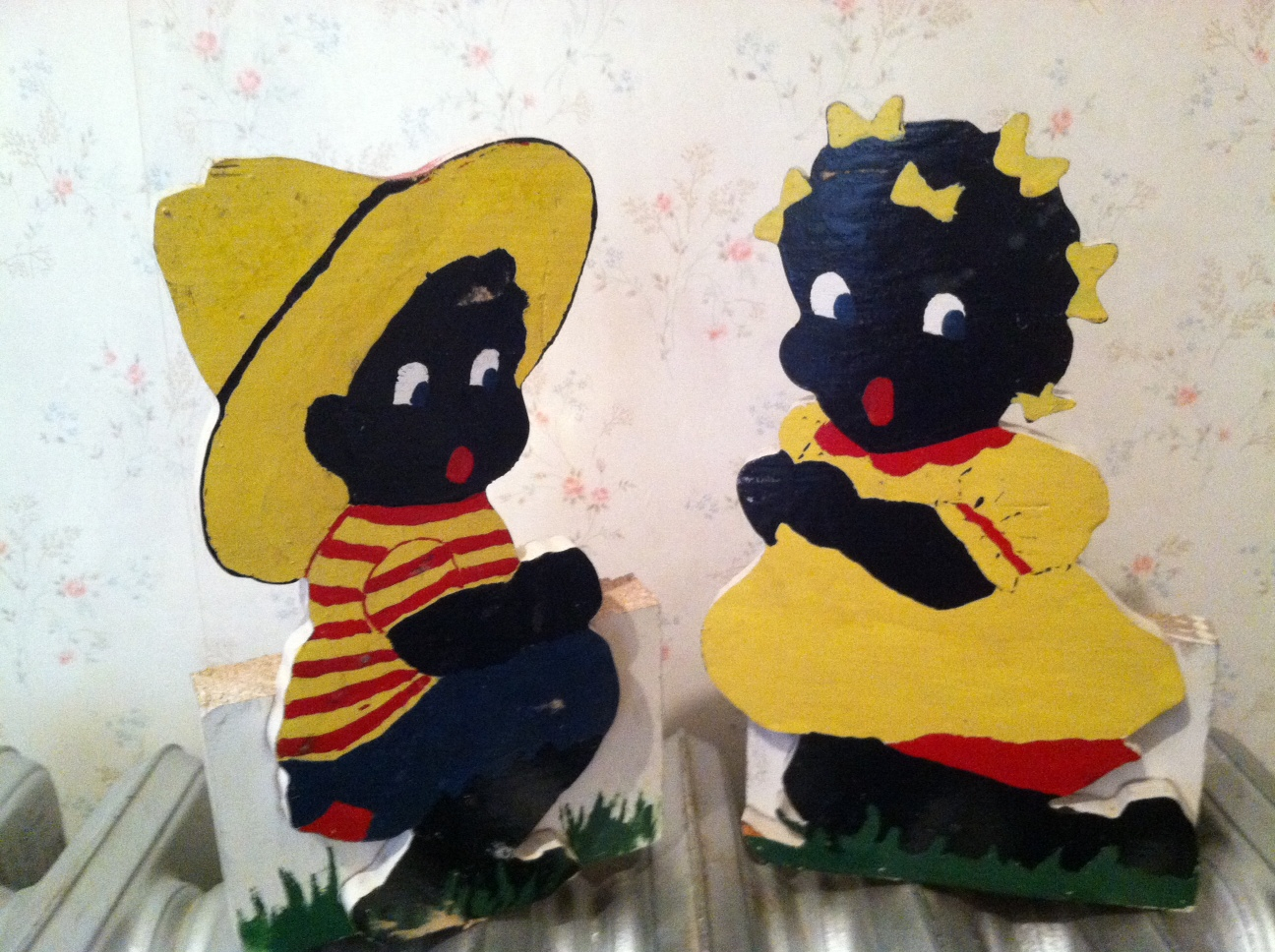
In a recent visit to the attic, I came upon a pair of bookends featuring two pop-eyed black faces, a boy and a girl, painted in grade school.  Were such children curiosities to us? Novelties? Why would my teacher approve of  such an art project? Along with stories like Little Black Sambo, they were obviously part of the folklore of another era, not at all politically correct by today’s standards.

blackBookends

My first encounter with a black person, up close and personal, was with little Chico Duncan, a black boy from New York City, who came to our home for a week in the “Fresh Air” program in which volunteer families would give city children summer vacations in the country. (Shirley Showalter’s book Blush devotes an entire chapter to her friendship with their family’s Fresh Air girl.) The most fascinating thing about Chico was his hair, kinky black and glistening. Was his hair naturally oily or did he put on something from a bottle? I longed to touch it and feel the texture, but fear or embarrassment or both restrained me from even asking. Besides, he was a BOY, and I had hoped for a girl to play with!

But that was years ago. Now at Bossler’s Church, children who sing “Jesus Loves the Little Children” may actually be sitting besides a child with a darker skin tone. The church treasurer, a former missionary, has an Ethiopian husband; one farm family has adopted African-American twin babies. There is a couple of Middle-Eastern descent. The Bishop, Director of African Programming with Eastern Mennonite Missions, has biological grand-children of Kenyan-American ancestry.

And my Grandma Longenecker? For at least two decades through Lutheran Social Services, she and Aunt Ruthie sponsored families from all over the world—particularly Viet Nam, Africa, and eastern Europe. They, along with many other Lancaster County families, welcomed the immigrants and refugees from countries at war for weeks or months at a time until they could get a job, an apartment of their own, even acquire an education.

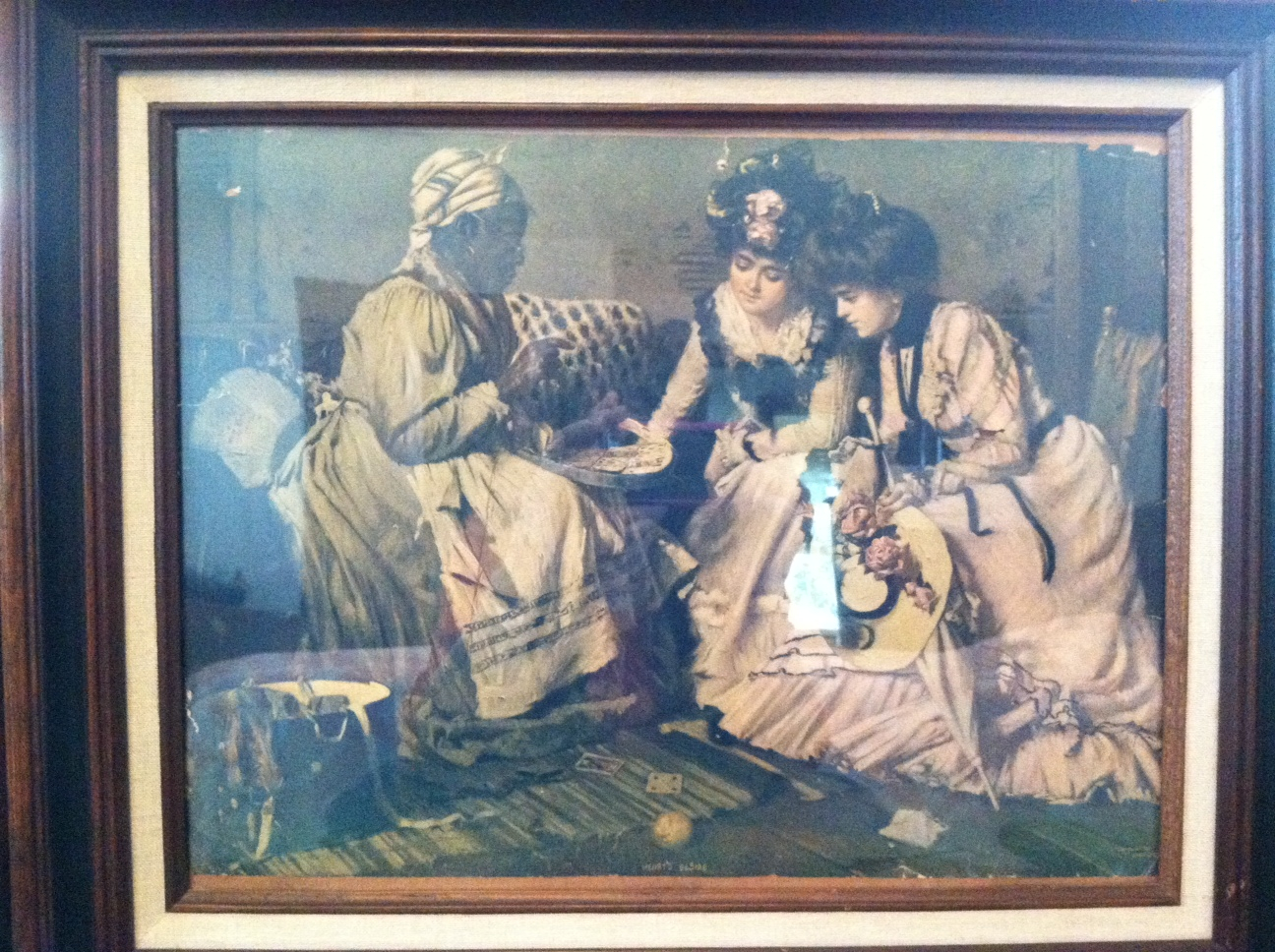
A few months ago, I re-visited Aunt Ruthie’s bedroom, (now unoccupied because she lives at Landis Homes) and saw on the wall as if for the first time, a framed picture of three women:

CardGame2

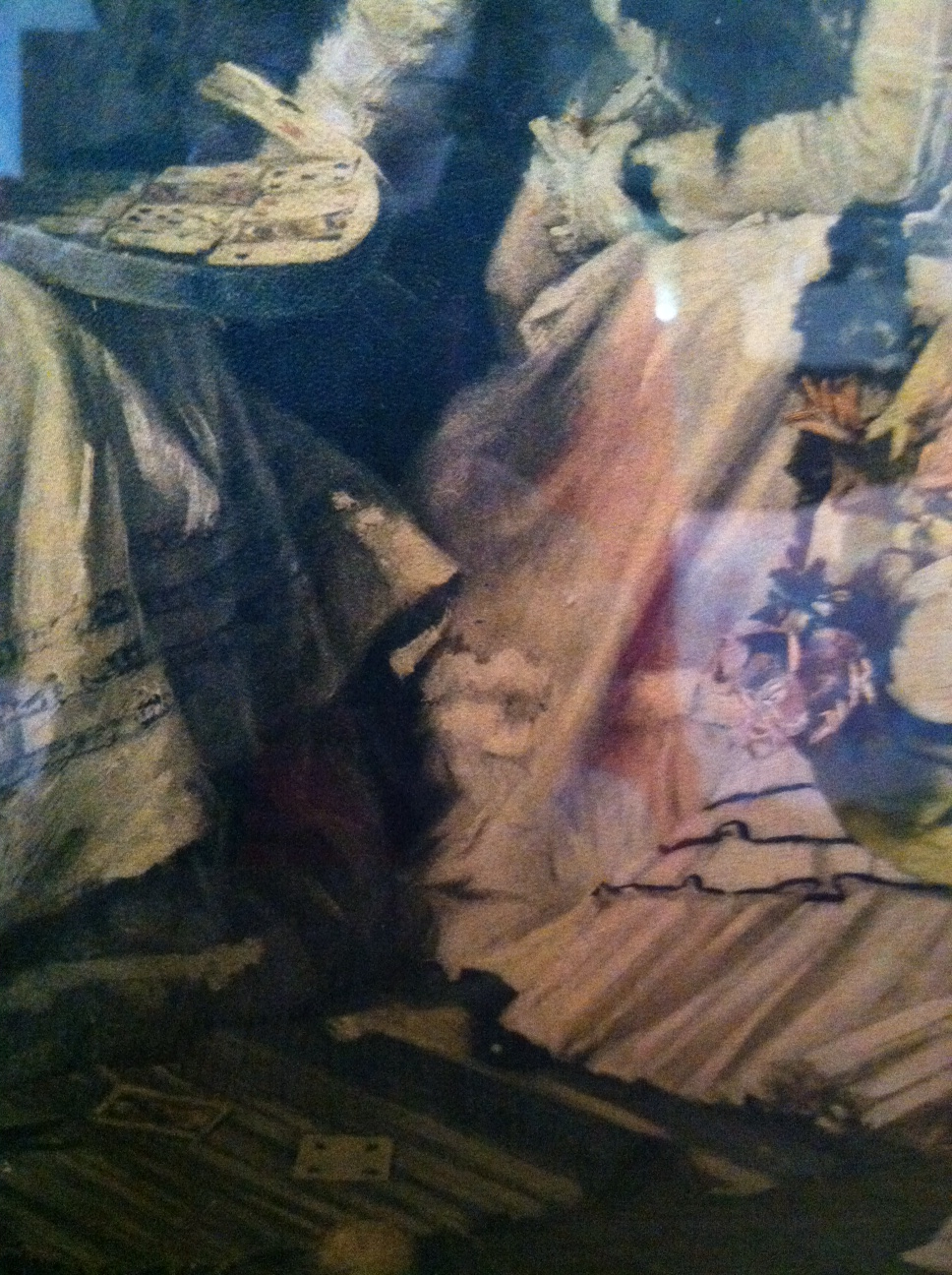
Two elegantly dressed Victorian women and a black woman, obviously a maid, playing cards. Is the maid holding the card tray for the other two? Is she teaching the ladies tricks of the trade? Are all three playing the game? Three would make a better game, don’t you think?

Detail: Women Playing Cards

What experience with race did you encounter as a child? What story or anecdote can you add? I love when the bell chimes with your comment!

Up in the Garret

MAtticReading

Books, books, books!

I had found the secret of a garret-room

Piled high with cases in my father’s name,

Piled high, packed large,—where, creeping in

and out

Among the giant fossils of my past,

Like some small nimble mouse between

the ribs

Of a mastodon, I nibbled here and there

At this or that box, pulling through the gap,

In heats of terror, haste, victorious joy,

The first book first. And how I felt it beat

Under my pillow, in the morning’s dark,

An hour before the sun would let me read!

My books!

Elizabeth Barrett Browning, Aurora Leigh

Anna Quindlen in her splendid 84-page book How Reading Changed My Life describes reading as her “perfect island.” She doesn’t say where the island exists, so it can be anywhere the reader imagines it to be.

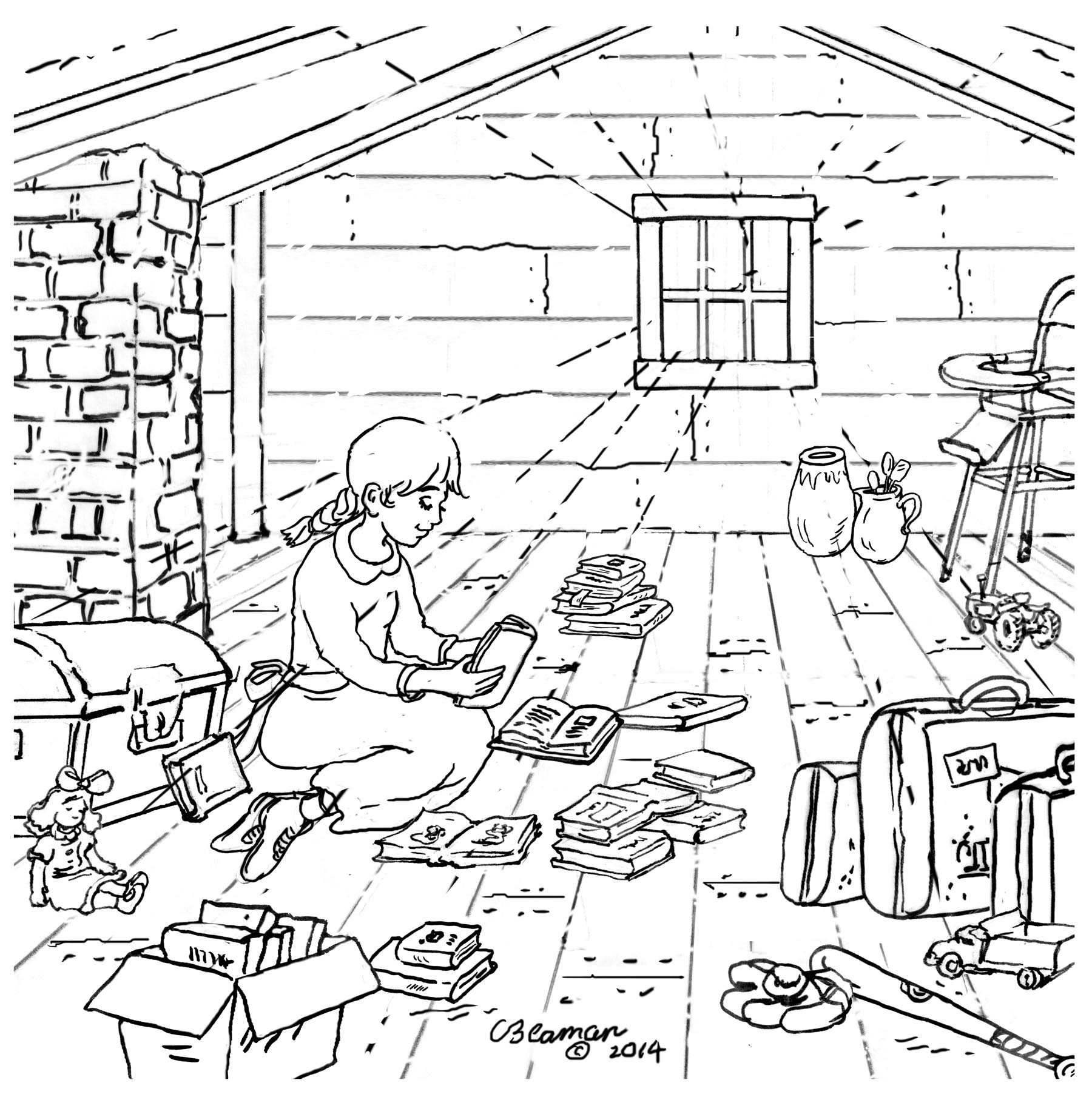
My perfect island as a girl was the attic under the sloping roof, unless it was summer steamy hot, or winter frosty cold. Then my nest was on my bed, or flopped on the davenport, across a chair, anywhere . . . .

My books were not like Quindlen’s list of “10 Books for a Girl Who Is Full of Beans.” I didn’t read her noble suggestions like Little Women, Anne of Green Gables, Madeline, or even A Wrinkle in Time as a young girl, but I did become addicted to the Cherry Ames series, books in the mold of Nancy Drew: Cherry Ames, Student Nurse, Army Nurse, Flight Nurse. If you have read them, you may know Cherry, short for “Charity,” is the heroine in a series of 27 mystery novels with hospital settings between 1943 and 1968.

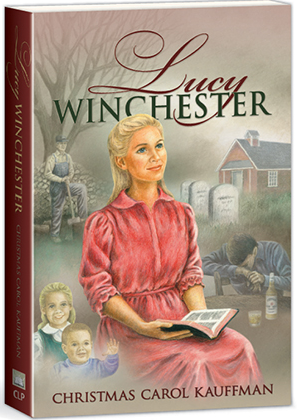
I slurped up Lucy Winchester by Mennonite author Christmas Carol Kauffman, the story of Lucy’s spiritual quest to find peace “set against the backdrop of two difficult marriages and many sorrows, broken promises, sickness, infant deaths, alcoholism, and poverty.”

LucyWInchester

In a trip up to the attic again as an adult, my sisters and I rummaged through the stash of antique books (they’re over 50!) and divvied them up among ourselves.

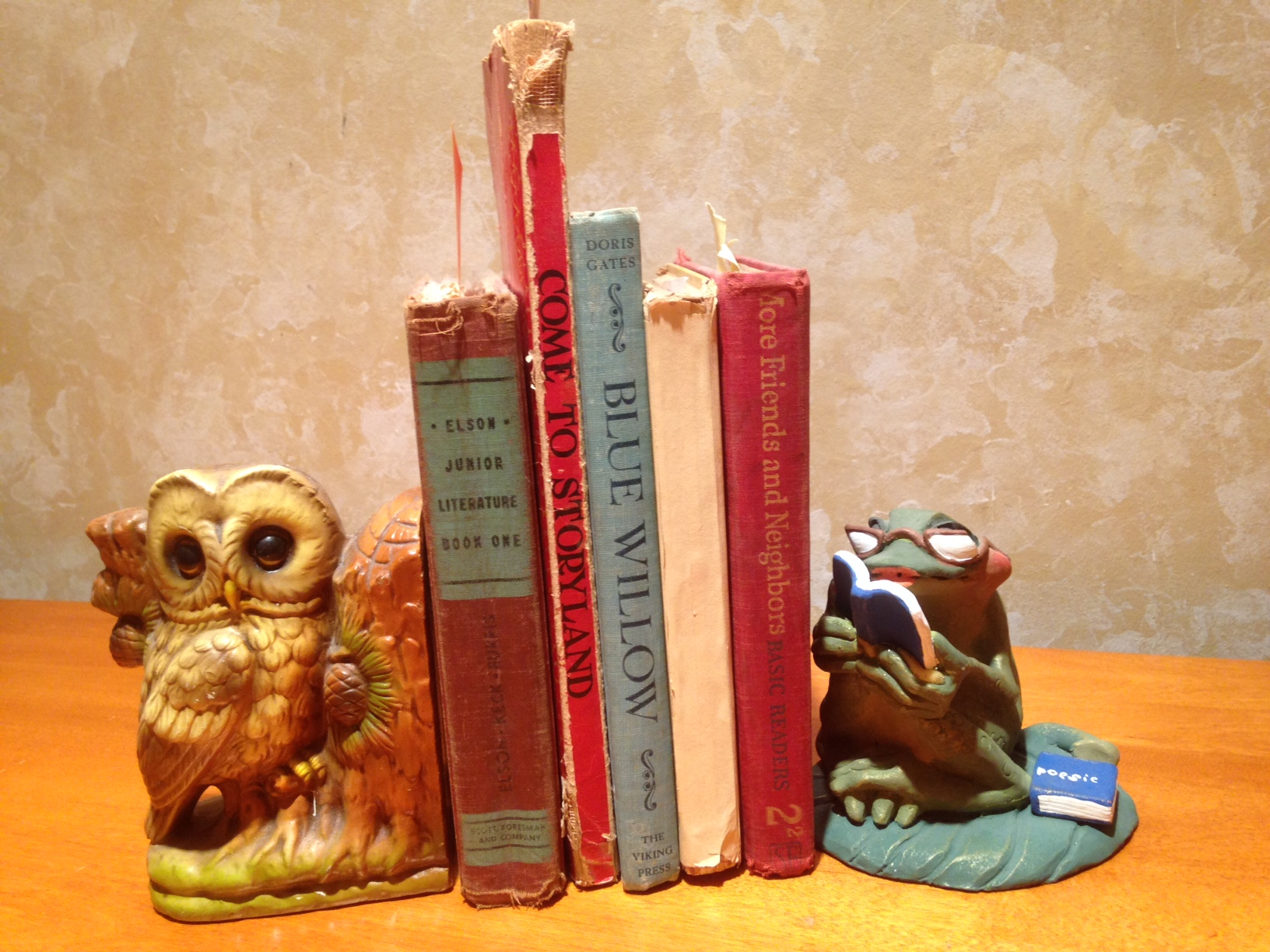
Yes, I read books, books, lots of them, but these are what remain from girlhood days:

ChildStorybooks

The book whose spine is taped up is entitled Bird Life in Wington (1948) a book of parables by Rev. J. Calvin Reid, pastor of  Mt. Lebanon Presbyterian Church in Pittsburgh,

Willie the Wolf in roadster tries to seduce Gertie Goose
Willie the Wolf with fangs in roadster ready to pounce on naive Gertie Goose

who invented the First Birderian Church of Wington to deliver sermonettes to parishioners named Professor Magpie, Baldy Eagle, Mr. Heron, a fisherman–you get the idea.

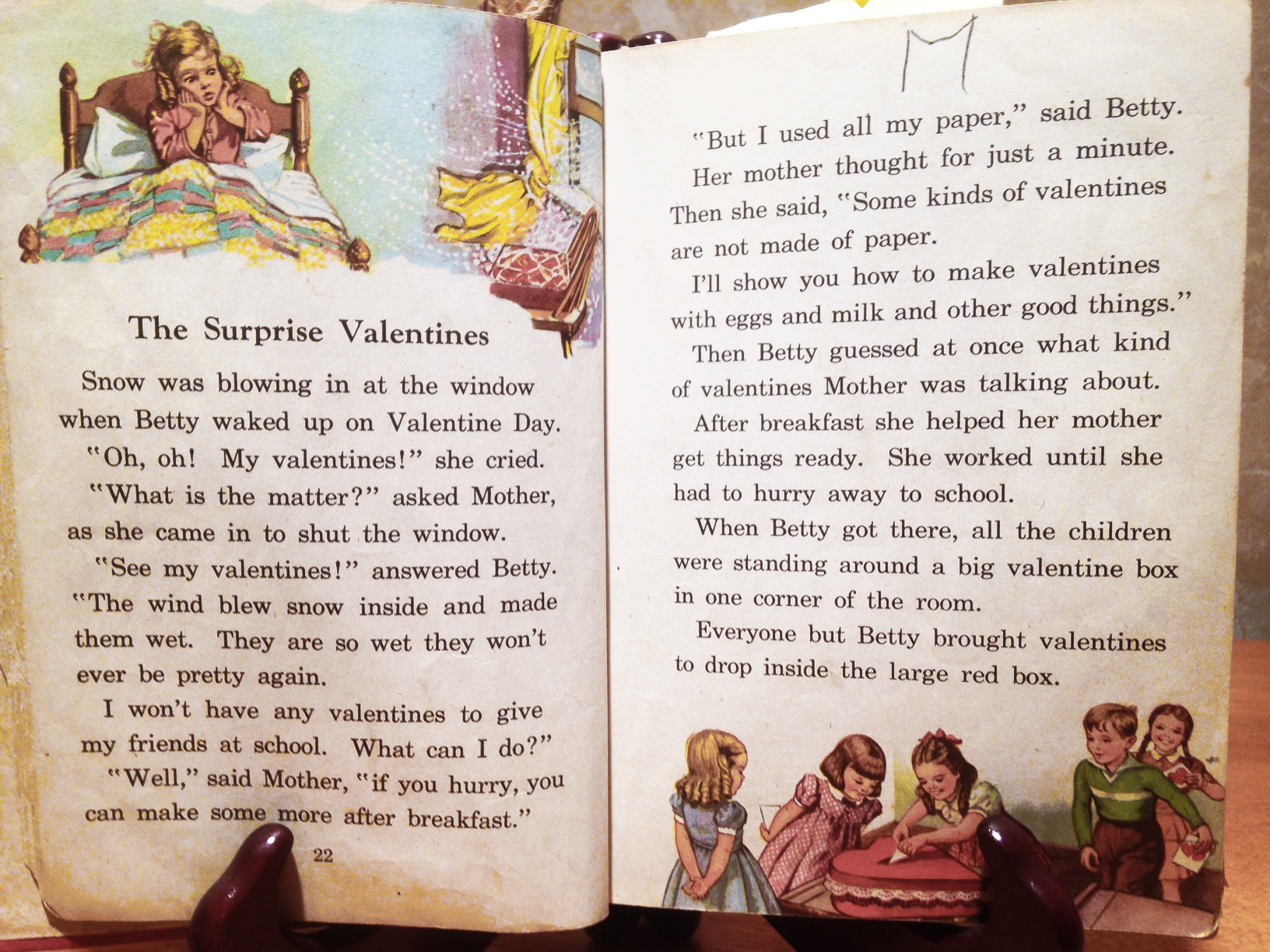
More Friends and Neighbors (Scott-Foresman & Company, 1941)

The images in this Valentine story are imprinted on my mind with cookie cutter precision, the secret to the surprise valentines that replace the snow-damaged paper cards by the window. This reader also contained the story of the “The Woman Who Used Her Head” by chopping a hole in her roof to accommodate the lofty altitude of her Christmas tree. 

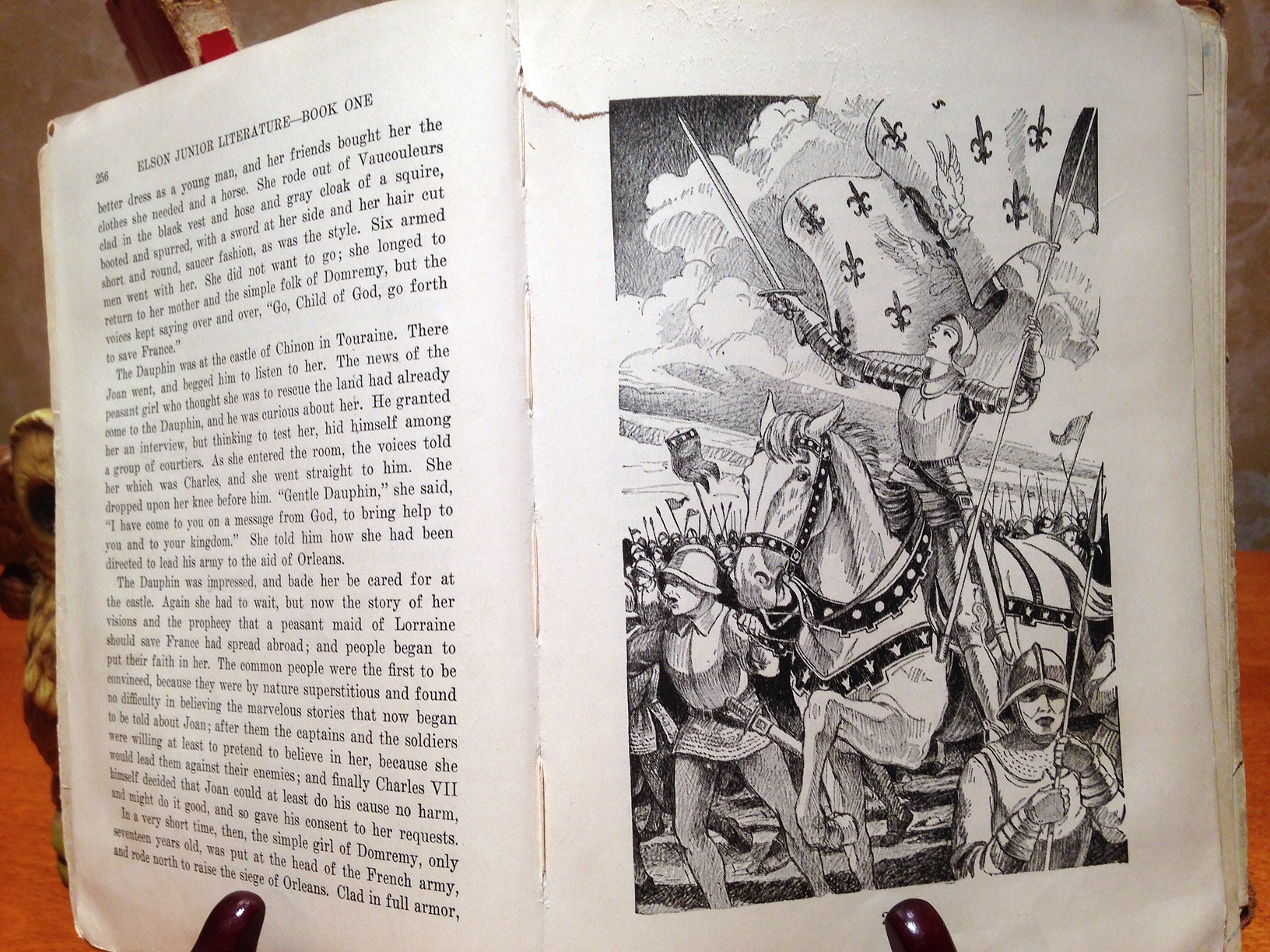
I always loved to turn the page and find an etching in the Elson Junior Literature Book One

Finally, a “real” literature book with Hawthorne’s The Great Stone Face, Emerson’s poem The Snowstorm, announced by “all the trumpets of the sky,” Longfellow’s The Courtship of Miles Standish, and Joan of Arc, the heroic maid who saved France from conquest. A vision, voices, an ancient prophecy–what could be more romantic for a plain Mennonite girl who dreamed of castles, and princes, and fulfillment, oh my!

Did this post jog your memory of textbooks, gift books, library books from your own past?

Please tell us about them.

Another invitation to vote for my story in The Gutsy Story Contest:

To Vote: http://soniamarsh.com/2014/01/vote-for-your-favorite-december-2013-my-gutsy-story.html

Sm.pleaseVote

To Read the Story:  http://soniamarsh.com/2013/12/rising-above-the-pettiness-to-focus-on-the-positive-by-marian-beaman.html

Huge Thanks to those who have already voted!

Note to Vote + Grandma’s Pork & Sauerkraut Dinner

New year, new opportunity: Vote for My Gutsy Story @

http://soniamarsh.com/2013/12/vote-for-your-favorite-december-2013-my-gutsy-story.html

Blog_Please Vote_3x3_300

Haven’t read it yet? There’s still time!

http://soniamarsh.com/2013/12/rising-above-the-pettiness-to-focus-on-the-positive-by-marian-beaman.html          THANK YOU!

Grandma’s Pork and Sauerkraut Dinner

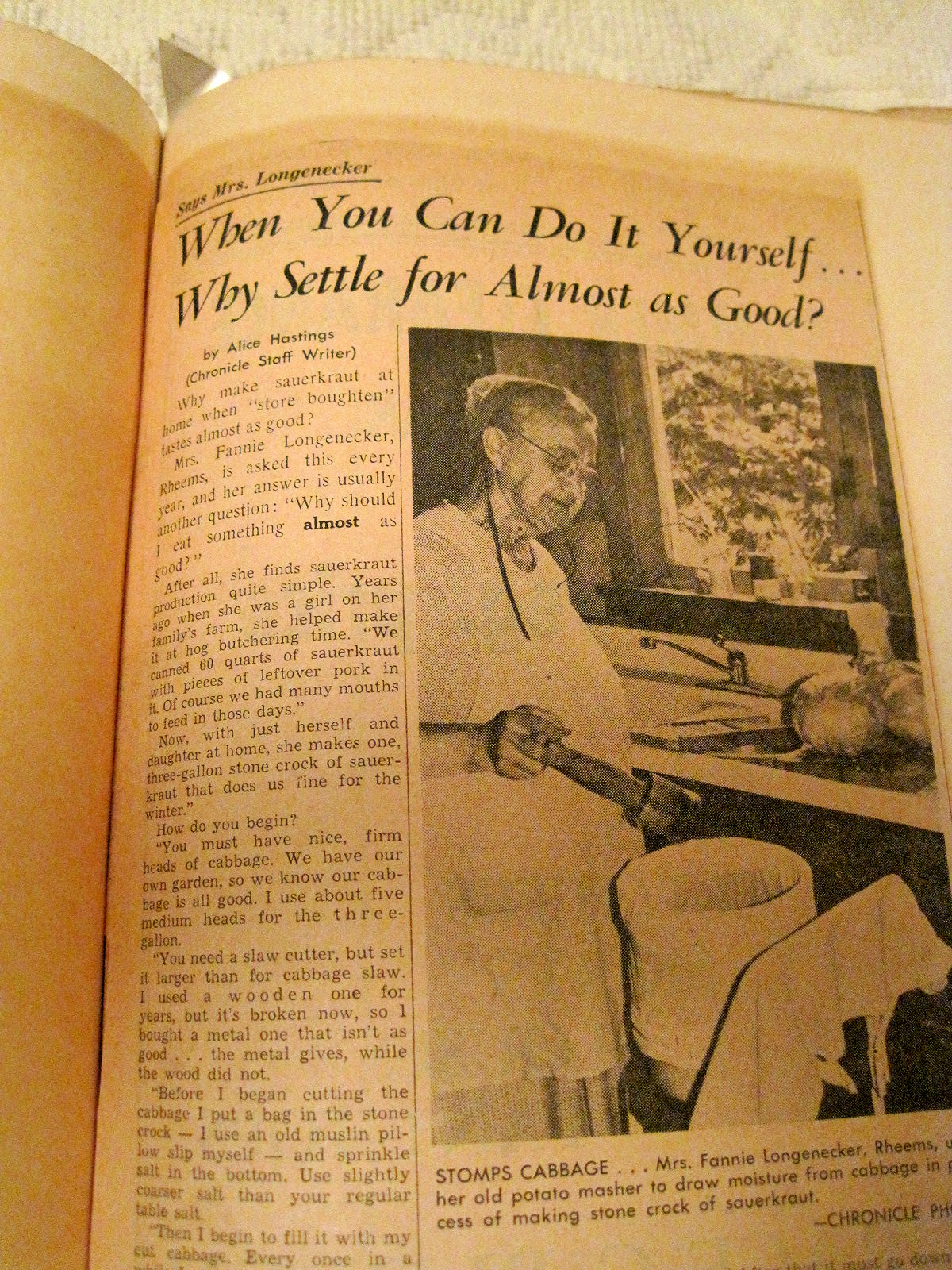
GmaSauerkrautArticleAs the article in the Elizabethtown Chronicle explains, my Grandma Fannie stomped cabbage by using “her old potato masher to draw moisture from cabbage in the process of making stone crock sauerkraut.” The Longenecker family always had pork and sauerkraut, along with mashed potatoes and apple sauce, for New Year’s Day as well as other times during the year.

Just like many Pennsylvania Dutch families in 2013, we observed this New Year ritual with a menu of pork & sauerkraut and mashed potatoes.

Pork basted with mixture of meat juices, minced garlic, fresh dill, onion salt and dry mustard Sauerkraut with caraway seeds; baked apples
Pork basted with mixture of meat juices, minced garlic, fresh dill, onion salt, dry mustard
Sauerkraut with caraway seeds; baked apples

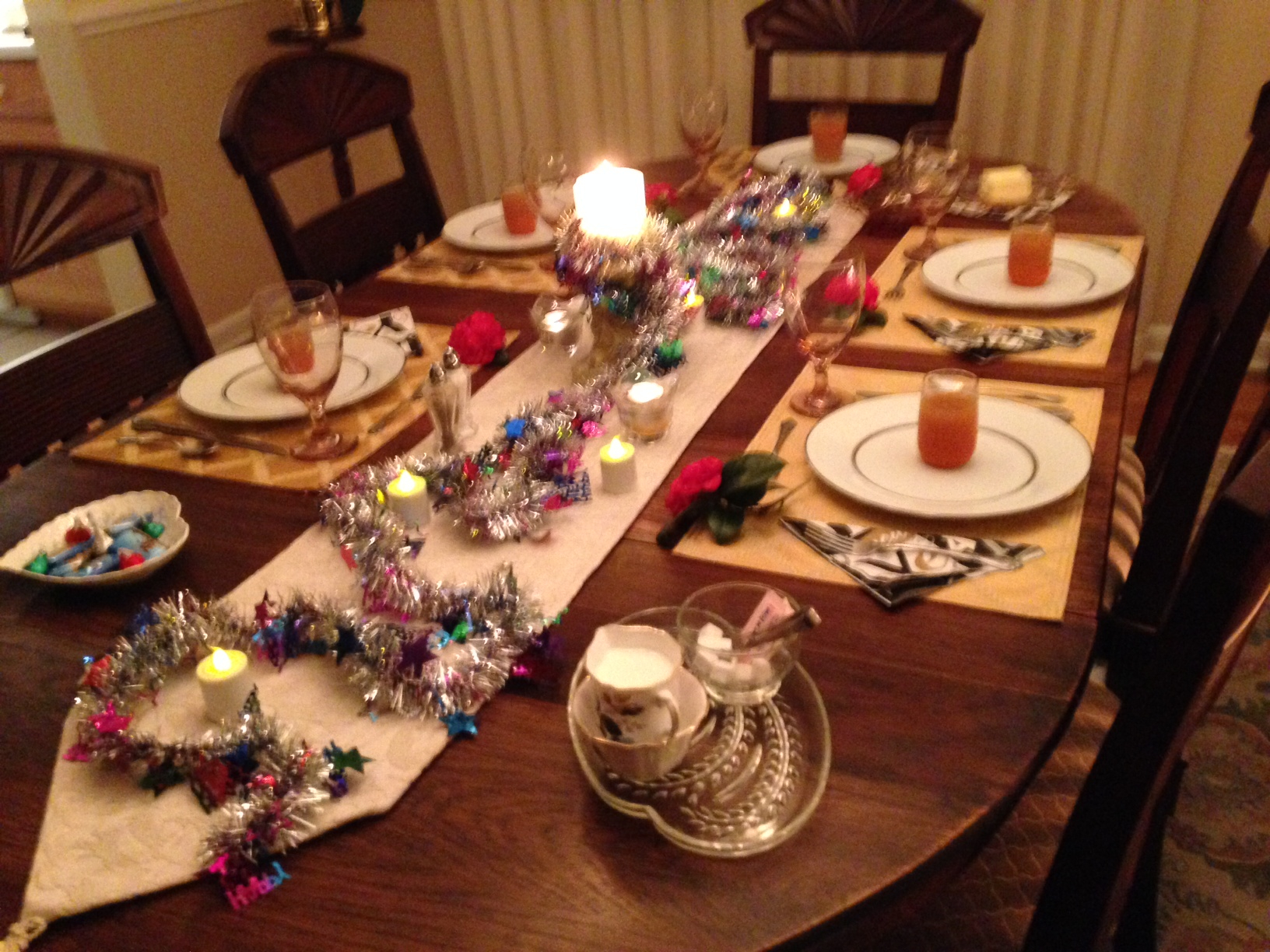
Around the table, counting our blessings: “. . . . Hitherto hath the Lord helped us.” I Samuel 7:12

New Year's Table

Your comments and mine make a conversation.

I will always reply!

Grandma’s Victorian Greeting: Happy New Year!

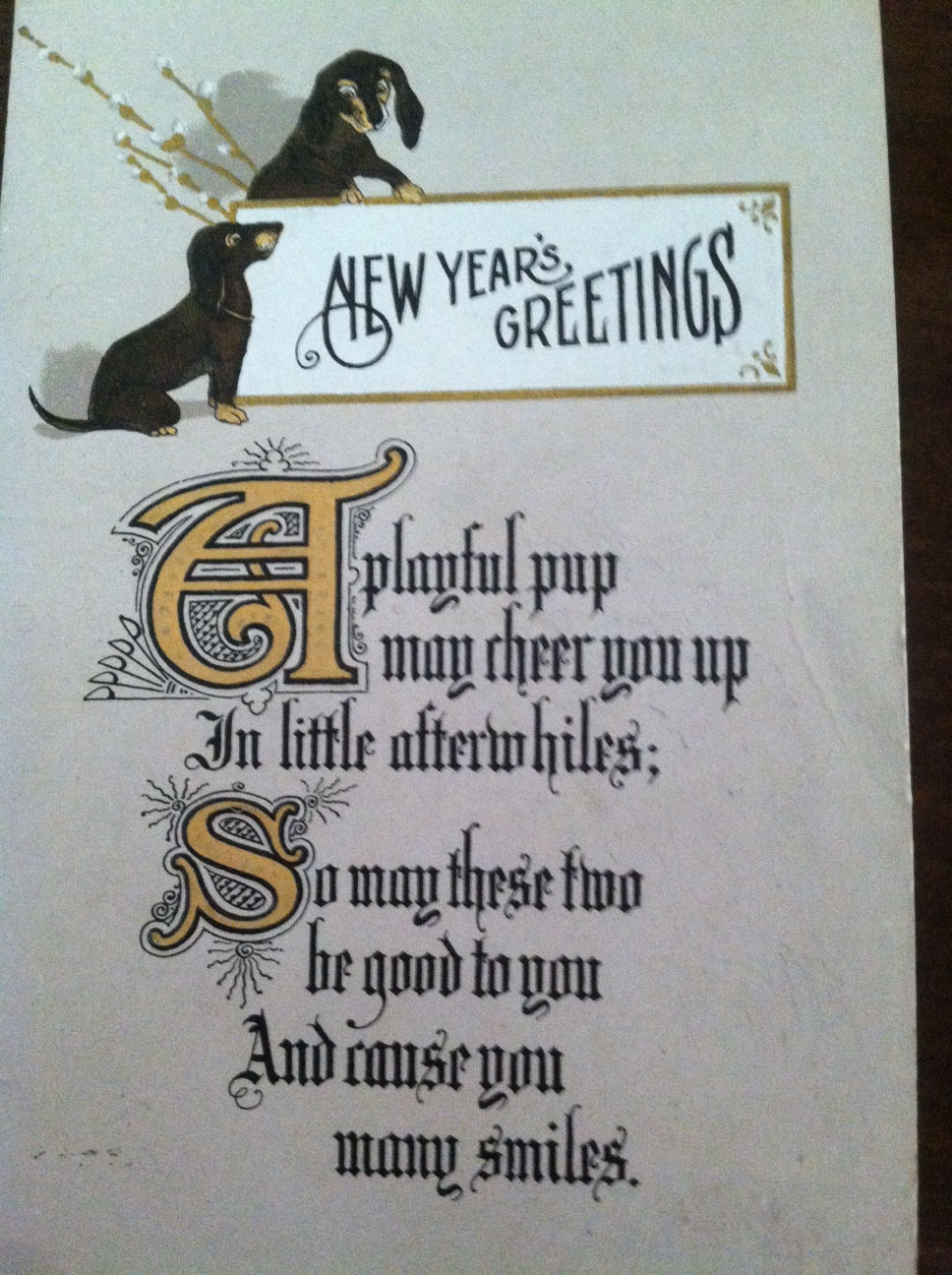
Here is a postcard from precisely 100 years ago: Grandma Fannie Martin Longenecker’s New Year’s greeting passed down to me and then to our daughter Crista who now displays it in a frame with her holiday decorations:

NewYearPostcard

They were called penny postcards for a reason!

back of postcard

Yes, it’s 100 years old, postmarked December 30, 1913. Notice there is no street address in a town of thousands and certainly no zip code, not instituted until the 1960s. “R.R.” means Rural Route. Dauphin County adjoins Lancaster County to the west.

Have you held on to old postcards or letters? Where do you keep them?

Inquiring minds want to know! Please join the conversation.

                         *    *    *    *    *    *    *    *    *

VOTING BEGINS THURSDAY for My Gutsy Story on author Sonia Marsh’s website: To read the story: http://soniamarsh.com/2013/12/rising-above-the-pettiness-to-focus-on-the-positive-by-marian-beaman.html

Voting for My Gutsy December 2013 Story begins Jan. 2 and ends Jan. 15, 2014.