Purple Passages with a Camel

via Google Images
via Google Images

Birthdays 

The great thing about getting older is that you don’t lose all the other ages you’ve been.    – Madeleine l’Engle

The secret of genius is to carry the spirit of the child into old age, which means never losing your enthusiasm.    – Aldous Huxley

There are years that ask questions and years that answer.    – Zora Neal Hurston

It takes a long time to grow young.    – Pablo Picasso

Friendship

Throughout our lives, friends enclose us like pairs of parentheses. They shift our boundaries, crater our terrain. They fume through the creaks of our tentative houses, and parts of them always remain . . . .

–  Beth Kephart, memoirist and National Book Award nominee.

Friendship is the source of the greatest pleasures, and without friends even the most agreeable pursuits become tedious.  – St. Thomas Aquinas

Friends are a reflection of the issues we are working on. – Melody Beattie

Be Yourself

Today you are you! That is truer than true! There is no one alive who is you-er than you!    – Dr. Seuss

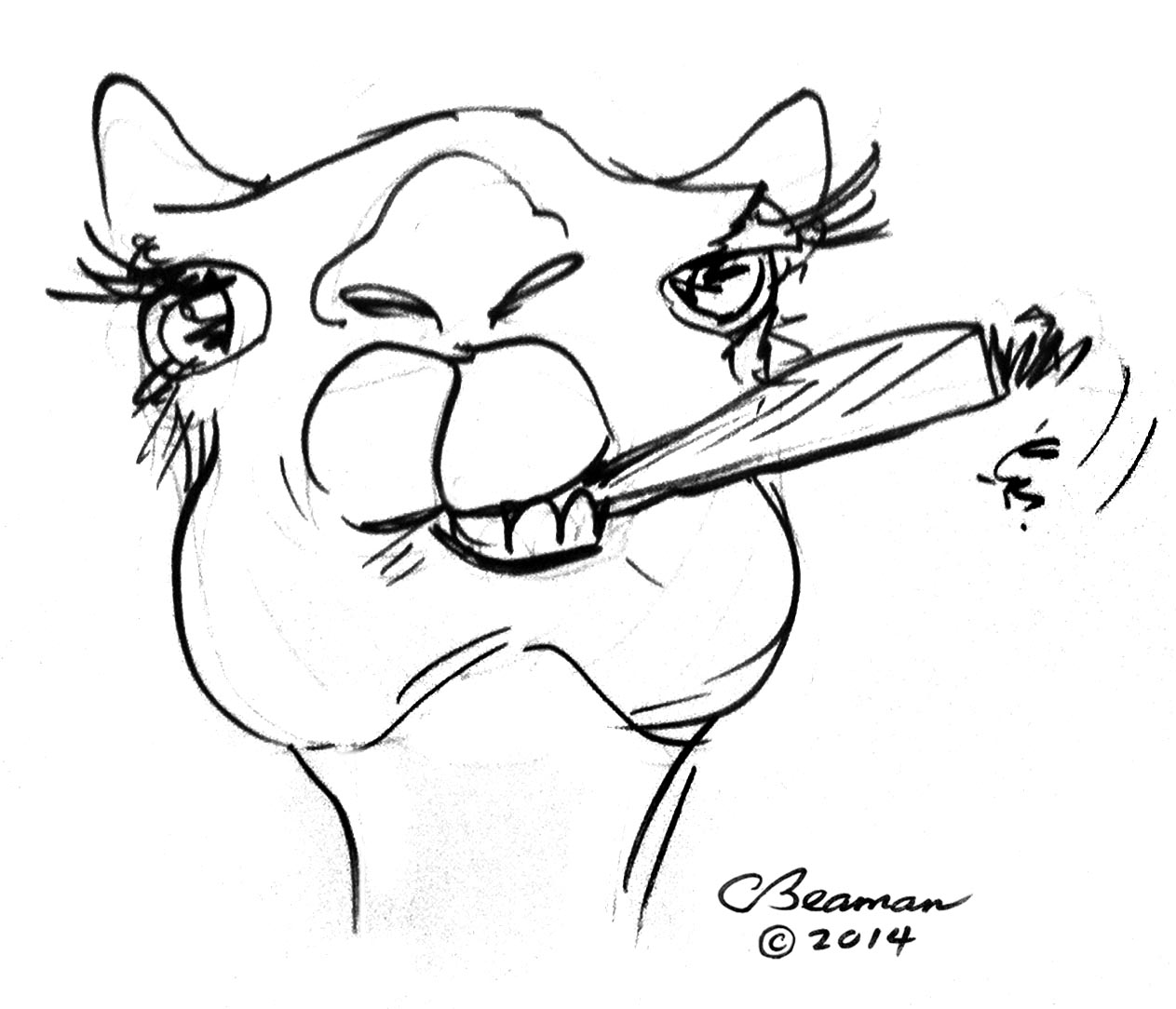
Do not free a camel of the burden of his hump; you may be freeing him from being a camel.   – Gilbert K. Chesterton

Camel w cigar_4x3_300

Humor

Some of us suffer from a debilitating mental disorder called irony deficiency. Seeing a doctor won’t help, but seeing a paradox will.”   – Swami Beyondananda

Yesterday’s the past, tomorrow’s the future, but today is a gift. That’s why it is called the present.   – Bill Keane, comic strip creator “The Family Circus”

GiftBag

And a Question:

Why should the aged eagle stretch its wings?    – T. S. Eliot

Your answer: _ _ _ _ _ _ _ _ _ _ _ !


I look forward to your response and to your musings on anything else that strikes your fancy. While you’re at it, why not add a quote too. The humor section could use some beefing up.    🙂

Thank you.

Marriage to a Difficult Man: Part II

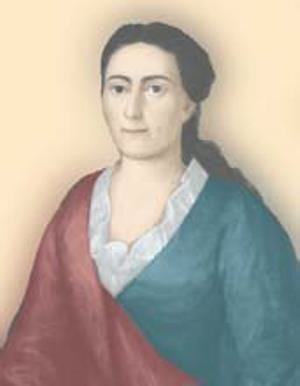
Sarah Edwards portrait: Google Images

Sarah’s Flair for House-keeping

She was the kind of woman who took the trouble to tie her hair with a ribbon for breakfast when many wives came down tousled; who spent an extra minute to stamp a design on a block of home-churned butter; who knew how to give a flourish to simple dishes with parsley, spearmint or sage, all grown in a square of herbs by the kitchen door; who, when she had a bowl of peas to shell, would take it out into the sunshine in the garden. She put in day lilies, hollyhocks, pansies, pinks–the flowers women loved to plant on the frontier, for it gave them a sense of putting down roots.  (31)

Reviewer Jennifer Lee muses further on Sarah’s homey housekeeping, efficiency tempered by composure:

She knew how to keep a house clean at its vitals, without stuffy cupboards left unaired or parlors sealed off. The house was open, used, full of clues that the family living in it had vivid interests. Books were left on tables, actually being read, not used as parlor props. There would be needlepoint on a rack by a sunny window and a lute in a corner. Esther, singing, might be putting up a hem for Sukey [Susannah] while a boy did his Latin lesson. It was the opposite of the kind of house where things were preserved in mothballs in locked boxed. Its ambience was of windows flung open, of easy access.


Key to Harmony in Their Uncommon Union

Contrary to popular belief, the author of the fiery sermon “Sinners in the Hands of an Angry God” observed quiet passion in the pulpit but also preached on grace and redemption. And he treated Sarah “as a fully mature being, as a person whose conversation entertained him, whose spirit nourished his own religious life, whose presence gave him repose.” (35) Likewise, Sarah “let him be sure of her steady love, and then freed him to think.” (66)

A woman of charm, practicality and tact, Sarah like her mate was strong as iron, realizing that “she had chosen to marry the sort of man who did not give in when he believed a matter of deep principle was at stake.” (112)

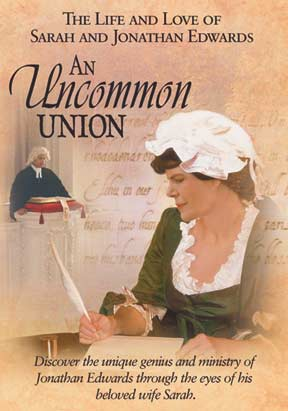
Cover: Google Images

Edwards’ Parting Words to Sarah

Remembering the love of his life, the charming but stalwart Sarah, who wore a “pea-green satin brocade with a bold pattern” to their wedding (24), Jonathan Edwards spoke these words “not about heaven or hell, or about books or theories.” He spoke of Sarah:

Give my kindest love to my dear wife, and tell her that the uncommon union which has so long subsisted between us has been of such a nature as I trust is spiritual and therefore will continue forever.  (201)

*  *  *

Coming next: Laundry at the Longeneckers

Marriage to a Difficult Man: Part 1

In case you thought I would be writing an exposé about my difficult marriage to artist Cliff, you’d be wrong. I may write about my own marriage at some point, but it would have a different title.

The marriage under the microscope is that of Sarah Edwards to the famous colonial theologian, Jonathan Edwards, best known for his fire-and-brimstone-sermon, “Sinners in the Hands of an Angry God.”

MarriageDifficultCOVER

You may surmise that the title comes from the mouth of a fed-up wife to her biographer. However, the book is Elisabeth Dodd’s commentary on the unique union of Jonathan & Sarah Edwards often using primary sources like diaries and letters to show the personal, human side of this towering figure of faith. The blurb from Amazon touts this 1971 classic on the domestic life of Sarah and Jonathan Edwards, the most famous theologian of colonial America, as a “tempting blend of family guidance, sociological study, . . . and devotionally-oriented American historical biography.”

According to Dodds, Jonathan was a “moody, socially bumbling, and very shy young man of twenty” already a college graduate and professor at Yale, when he first met the vibrant thirteen-year-old Sarah, who had “burnished manners, and skilled at small talk.” Completely smitten by Sarah, Edwards

. . . took to walking past her her house at night for a glimpse of a candle flickering behind an upstairs shutter. When a boat came into Long Wharf with a cargo from England, he would manage to be around as it was unloaded. Almost every ship from England brought a box for the Pierreponts, and there was a chance that James [Pierrepont] would bring a daughter down with him as he checked his orders […]. Edwards even tried to improve his social dexterity, and admonished himself, “Have lately erred, in not allowing time enough for conversation. (16)

Both avid readers and nature lovers, Jonathan and Sarah married and raised a family of eleven children, in whose education both parents were heavily invested. At the end of the day this firebrand preacher and proponent of the Great Awakening of the eighteenth century, took off his jacket and wig and, smoking his pipe, devoted a full hour to his children and took them on trips with him individually.

What about Sarah though? It’s true, when he wasn’t preaching, Edwards was usually holed up with his books, but he often “read aloud to her from his skull-cracking sessions in his study,” recognizing her as his intellectual partner. (164)  And Sarah knew he would reserve time for her alone away from the house, often spent horse-back riding.

Why is this Puritan Preacher called difficult then, as the book’s title would suggest? Actually, I get the impression he was more eccentric than harsh, more odd than obstinate at home as this quote suggests:

Edwards was less than helpful as a host,  for he was still a light eater and would often finish his meal before the others did. He would then slip out to his study, returning to the table only when he was alerted that the others had finished and he was needed to preside over the grace which was always said at the end of meals as well as at the beginning. (56)

Peculiar in his eating habits, Edwards was also either eccentric or just being practical in recording his sermon notes. “He kept old bills and shopping lists, stitching them together into handmade notebooks in which he copied out his sermons on the unused side of the papers. Because his sermons were saved, we have a record of the everyday details of his family’s life together.” (31)

One reviewer comments that “Suffering was a part of Sarah’s life, too. Her husband’s brilliant mind and heart were never adequately recognized until shortly before his death. An insane man once spread false accusations about him.” Their teenage daughter Mary died of tuberculosis. Money was sometimes scarce.

Sarah herself went through a short period of mental breakdown, “nerves stretches like an over-tuned viola.” (72)  Her support and comfort, Edwards persuaded her to take a trip to Boston with him, taking her away from the fish-bowl of the parish and the constant demands as mother and hostess to a steady stream of visiting preachers.

Nevertheless, Sarah herself a woman of heart, intellect and purpose maintained a contented home, a home that produced healthy, well-balanced children all of whom carried on the genius of their parents. As author Dodds implies, a trust in the living God runs as a common thread throughout Sarah’s life story, giving her strength to carry on.


Part II will answer the questions:

1. What kind of house-keeper was Sarah?

2. Why was their union called uncommon?

3. What were Edwards’ parting words to his wife?

*  *  *

Do these details about the Edwards’ marriage surprise you?

Is there an “uncommon union” in your family’s past? Your own history?

Remembrance of Things Past: She Kept His Sweater

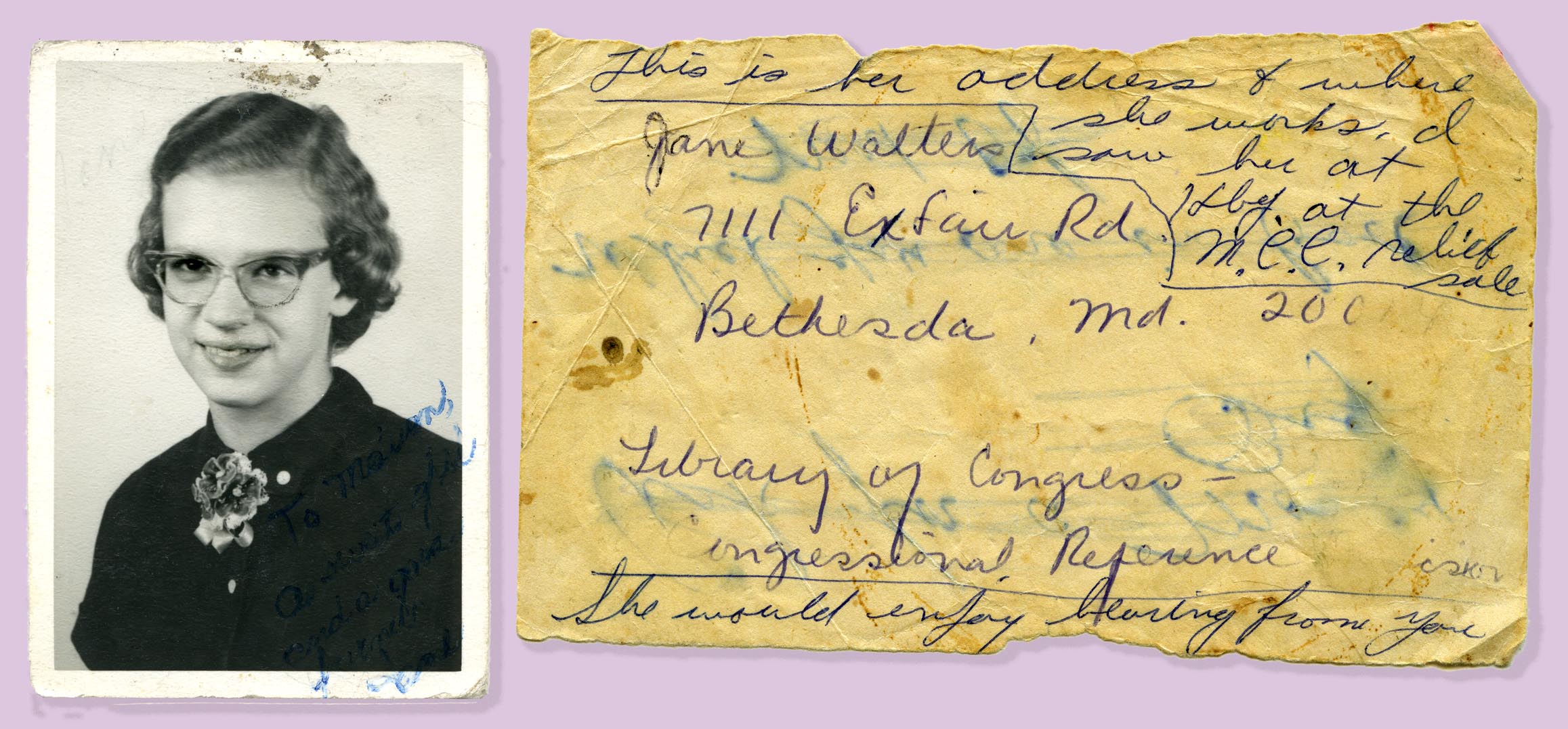
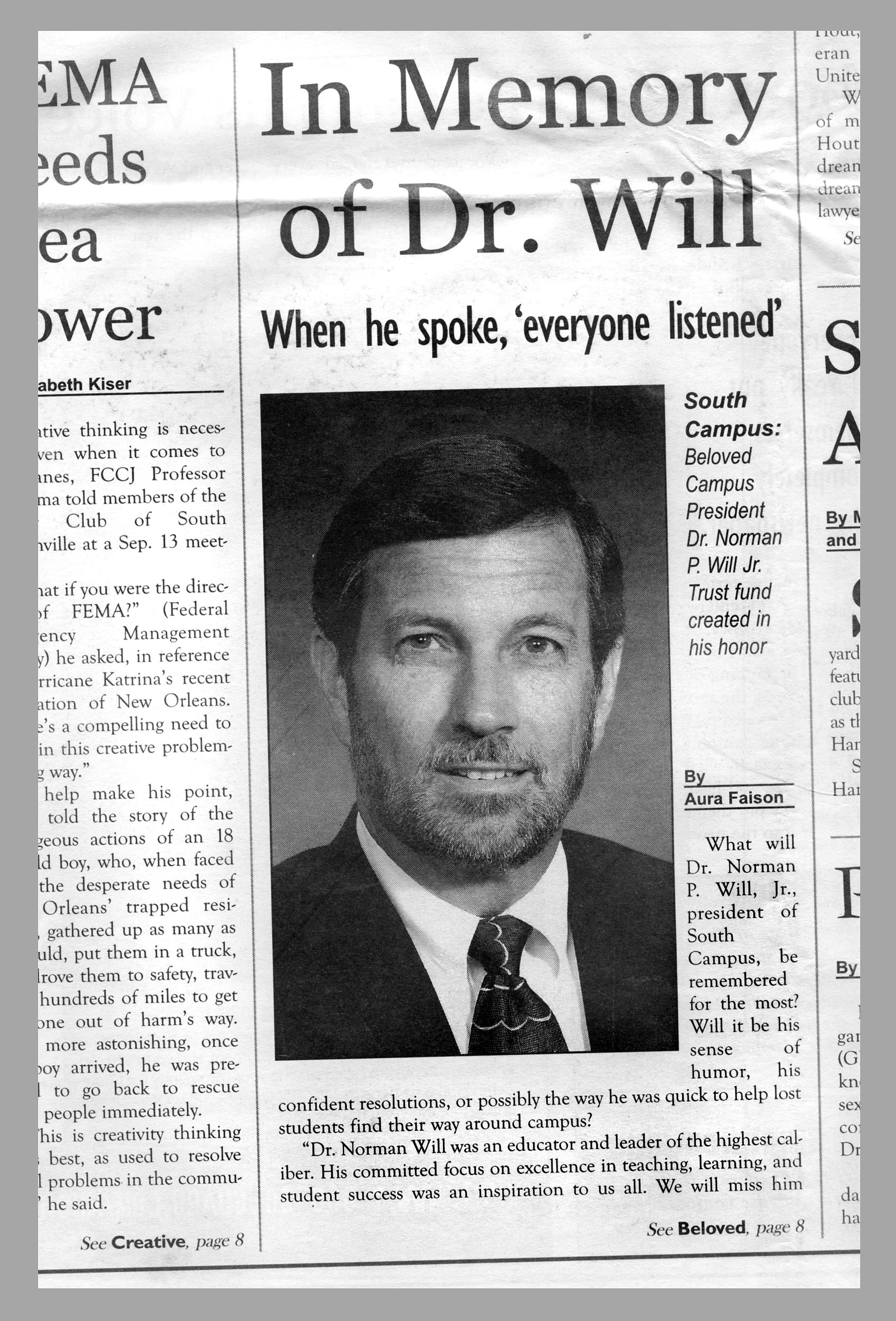
Jane Martin Walters never attended a single Elizabethtown High School Class Reunion, and Dr. Norman P. Will no longer attends college graduations as a president emeritus at Florida State College at Jacksonville. Yet, they both linger in my memory though Jane died in her mid-twenties and Dr. Will in his late-fifties. I have vowed to get rid of memorabilia in anticipation of down-sizing one day, but I can’t – I just CAN’T – part with the pieces of paper that attach their memory to mine.

Jane was smart, very smart, and excelled in college prep track classes in high school. Unlike mine, her learning appeared to be effortless. And her home life quiet and orderly too. After a snow day off from school one winter Jane remarked that she loved snow days because her Mom would pop popcorn, and she and her family would sit by the fireplace and read or play games. In contrast, after the thrill of sledding on traffic-free roads passed, our house was noisy, no hearth for refuge in sight.

Jane and a note from my mother who saw her in Harrisburg at the MCC (Mennonite Central Committee) relief sale.
Jane and a note from my mother who saw her in Harrisburg at the MCC (Mennonite Central Committee) relief sale – 1960s

You might get the impression I felt envious. But I didn’t. Jane was poised on a pedestal in my eyes, and I admired what appeared to be her calm cadence through life. When I heard she married and worked at the Library of Congress in the Congressional Reference Department, I was pleased. Maybe I’d visit her in Washington D. C. some day. But some day never came. She died of cancer shortly after after her marriage and at the beginning of a promising career. Aunt Ruthie told me, “She ate a nice dinner with her family, said her goodbyes and died in her sleep that night.” I was devastated.

*  *  *

Dr Will_Campus newspaper_FCCJ

I admired Dr. Norm Will too, though in a vastly different way. An English professor had become a college president: All’s right with the world! College operations purred along smoothly with Dr. Will at the helm. He advocated free thought, offering friendly evening colloquia for faculty on diverse topics like current ideas in neuroscience and the health of Florida’s St. Johns River. But on the first day of Convocation in 2005, Dr. Will did not appear. He had died the night before while sipping wine and reading The History of God by Karen Armstrong, a text I later happened to reference in my paper for The Oxford Roundtable.

In her piece “Dealing with the Dead” (The New Yorker, October 11, 2010), Jennifer Egan discusses the deaths of three close family members and observes that she has kept an article of clothing from each: her grandmother’s 3-tiered necklace of fake pearls, her father’s navy-blue wool V-neck sweater, and her stepfather’s gray and burgundy argyle sweater. Though the pearls eventually broke as she rounded a corner in the East Village, Jennifer vows to wear the sweaters “until they unravel into shreds” because she likes their feel against her skin. Author Egan shares wisdom gained from loss as she opines:

  • “Wearing the garments of a person I loved was like being wrapped in a protective force field.”
  • “When the clock stops on a life, all things emanating from it become precious, finite, and cordoned off for preservation.”
  • Keeping items from those who have passed on “is a way of keeping them engaged in life’s daily transactions—in other words, alive.” [Italics mine.]

I will add a quotation of my own from Shakespeare’s King Richard III: So wise so young, they say, do never live long.” And then from Scripture:

  “So teach us to number our days that we may apply our hearts unto wisdom.”           Psalm 90:12  KJV

*  *  *

Have you experienced loss? Is your story like any of the stories I tell or very different? Here’s the place to share it.

Blog Tour

MarianStudyLong2

Here is my study. When the magic happens, it happens here. Actually, it might happen in the flower garden just outside my window in the form of a thought or image which gets transferred from my head to my fingers at my desk. . . .

Every once in a while, fellow bloggers alert me to a writing challenge, many of which I pass over for lack of time or interest. This time, Traci Carver invited me to participate in a Blog Tour. I couldn’t turn her down. Why, just last week we had lunch together. Besides the “tour” is an intriguing way to play tag and learn about other writers’ habits and sources of inspiration while sharing my own. So, a big shout out goes to Traci, story-teller extraordinaire, who turns the cotton of her everyday experience as an English teacher into pure gold. A true Southern belle, Traci is a master of the anecdote. Her stories derive from the small Georgia town she grew up in, the fishing villages of Southeast Asia where she lived for 7-8 years, or from European travel. Now to the questions:

1. What am I working on now?

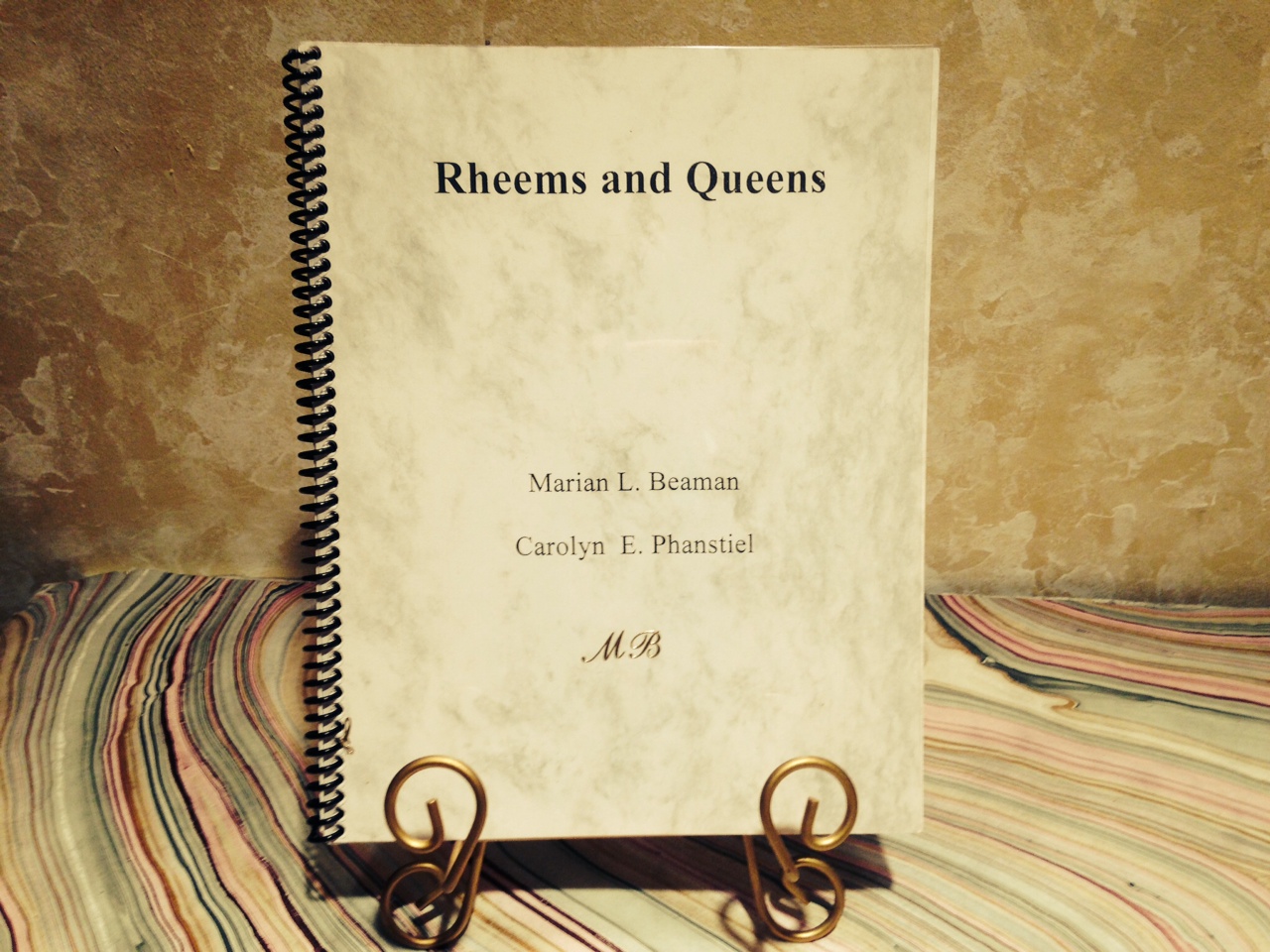
Three unrelated things at the moment: Preparing for a trip to Pennsylvania soon where I will mine more stories for this blog, purging clothes from the spare bedroom closet to make space for a long-term guest, and writing every single day. My blog has taken shape from 8-9 journal scribblings along with a set of paired stories written with my friend Professor Carolyn Phanstiel before we both retired from teaching.

MarCarBOOK

There is a .doc on my computer desktop where my memoir is taking shape. Right now, it doesn’t have enough structure to “roll it through a printing press,” as Traci wisely observes.

2. How does my work differ from others in the genre?

According to Jerry Waxler, a Memoir Revolution is in full swing. Each year thousands of new memoirs pour onto the shelves. Millions are writing memoir right now. Even in the Mennonite sub-culture, hundreds of memoirs have been published since Canadian Mennonite Katie Funk Wiebe’s publication of Good Times with Old Times, touted as “an egg with a double yolk” because it is part memoir, part how-to-write-your-own-story book.

So how is my writing different? Well, my world view has been tempered by time and place. No longer a Mennonite, I still identify with many aspects of an Anabaptist vision. Also, I was transplanted to Florida as a newly wed which would affect my perspective. Then too, I have a large set of artifacts and some living relatives that connect me firmly to my past. Like other memoirists, especially of the academic variety, I tend to weave the literary with the familiar. Sometimes readers say they can detect humor in my writing voice, which I hope makes my writing appealing, if not unique.

3. Why do I write what I do? 

What motivates me to write is my compulsion to leave a legacy for those who follow, particularly my family. Beyond that, I write what I know and to find out what I don’t know. Many stories are nostalgic, some reflect strong feelings of embarrassment, surprise, endearment (Search the “Moments of Extreme Emotion”); others are historical or hysterical.

4. How does my writing process work?

I was asked that question a few months ago, and the answer turned into a post on the blog of Kathy Pooler, whose memoir launches in this July. A legal-size pad, colored sticky notes, WORD docs, and photos are often part of the process.

Like Traci, I will tag two innocent bystanders, Merril Smith of Yesterday and Today: Merril’s Historical Musings, and Judy Berman of earthriderdotcom.

A published author of encyclopedic proportions (and I mean that literally) Merril’s blog posts frequently become meditations on the mundane, for example “Airing Out Some Thoughts on Laundry.”  Her About page describes her as writer, editor, independent scholar, focusing on the history of women, sexuality, and culture. She has published consistently since 1997 with a forthcoming book with the titillating title: Cultural Encyclopedia of the Breast.

Judy invites you to travel down the corridors of her mind as she narrates stories she heard growing up, from her travels, her family, and experiences in various jobs as radio and newspaper reporter and English teacher. Judy has received numerous blog awards, including The Versatile Blogger Award and The Sunshine Blog Award. In a Father’s Day tribute, Judy included a photo of Dad and her stranded alongside the road trying to fix an over-heated motor.

Merril and Judy: You’re “it”!


Purple Passages with a June Bride

Creativity

You can’t use up creativity. The more you use the more you have.       ―  Maya Angelou

MayaAngelou2

[Hear her read her valiant poem “Still I Rise” here.]

Creativity is intelligence having fun.     ― Albert Einstein

Make a careful exploration of who you are and the work you have been given, and then sink yourself into that. Don’t be impressed with yourself. Don’t compare yourself with others. Each of you must take responsibility for doing the creative best you can with your own life.

           Galatians 6: 4-5  The Message


Giving and Health

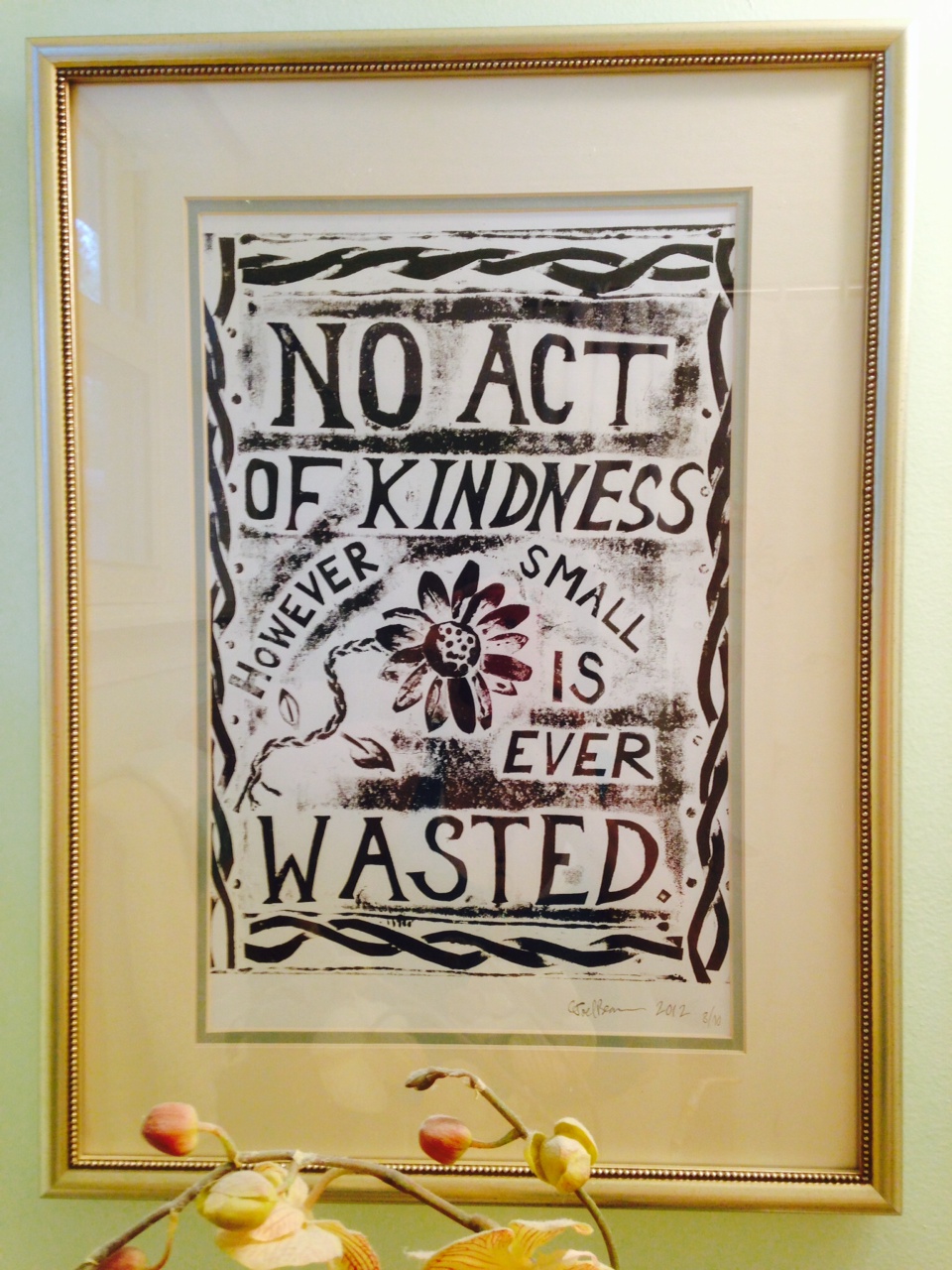
Dr. Stephen Post conducted a survey at forty-four major universities that revealed that giving protects your overall health twice as much as an aspirin protects your heart against disease. Why Good Things Happen to Good People (7)

Original art: C. Joel Beaman
Relief print: C. Joel Beaman


Being Young in Heart

Another belief of mine is that everyone else my age is an adult whereas I am merely in disguise.”  ― Margaret Atwood, Cat’s Eye


June Brides & Marriage

Wedding of Ruth Longenecker and John Weaver, 1950s
Wedding of Ruth Arlene Longenecker and John Weaver, Bossler’s Mennonite Church, 1950s Bride carries white Bible with lacy handkerchief Groom wears plain (frock) coat


Marriage is more like an airplane than a rock.

You have to commit the thing to flight, and then it creaks and groans, and keeping it airborne depends entirely on altitude attitude. Working at it, though, we can fly forever.             ― Michael Grant in the San Diego Union


The Educated Mind & an Opposing Viewpoint

It is the mark of an educated mind to be able to entertain a thought without accepting it.

― Aristotle, Metaphysics


Life’s Irritations

Everything that irritates us about others can lead us to an understanding of ourselves.      ―  Psychiatrist Carl Jung


Memory and Time

Remembering is so basic and vital a part of staying alive that it takes on the strength of an instinct of survival, and acquires the power of art. Remembering is done through the blood, it is a bequeathment, it takes account of what happened before a man is born . . . . It is a physical absorption through the living body, it is a spiritual heritage. It is also a life’s work.      ― Eudora Welty in                her book On Writing in which she quotes Faulkner (103).

In fiction, time can throb like a pulse, tick like a bomb, beat like the waves of a rising tide again the shore; it can be made as the whisper of attrition, or come to an end with the explosion of a gun  (98).

Memory is deceptive because it is colored by today’s events. ― Albert Einstein

Memory. . . is the diary that we all carry about with us.  ― Oscar Wilde
 *  *  *
Add more color to June’s Purple Passages!
Reply with your own quote. Or respond to one above. 

grapes

I promised an answer to the puzzling question from the last post.

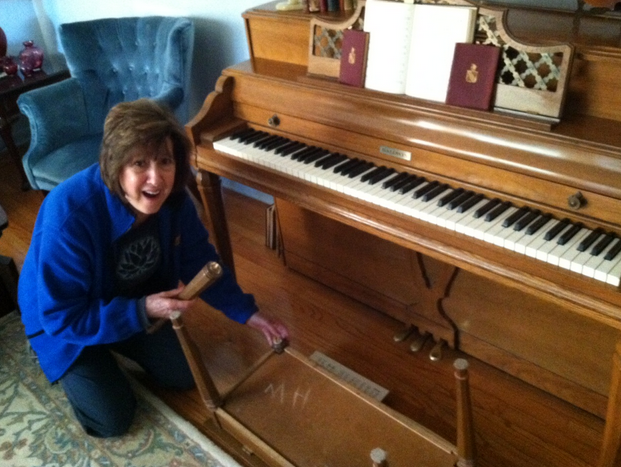
BrokenPianoBenLeg

How did this happen? Here is our best guess:

Our children, now in their forties, were in their late teens when Cliff and I decided to leave them at home alone while we took a short weekend trip. One of the children was very mature and responsible (or so we thought), so we felt safe to leave. When we returned home, pictures on the walls were askew, there was evidence of under-age drinking, and one leg on the piano bench had obviously been broken off but bandaged up with rough, brown U-Haul tape. Our kids’ explanation then was that they had a small party but more came, uninvited, when word spread that there were no parents at home. Yes, the cliché fits here exactly: “When the cat’s away . . . !”

At the time of the first break, Cliff repaired the leg with a wooden dowel, which has lasted until a few weeks ago. Then Mr. Repairman had to reinforce the leg with a sturdier steel dowel. The END. (We hope!)

Coming next:  Hats Off to Dad

HatsOffGift


Purple Passages and a Laugh: May 2014 Edition

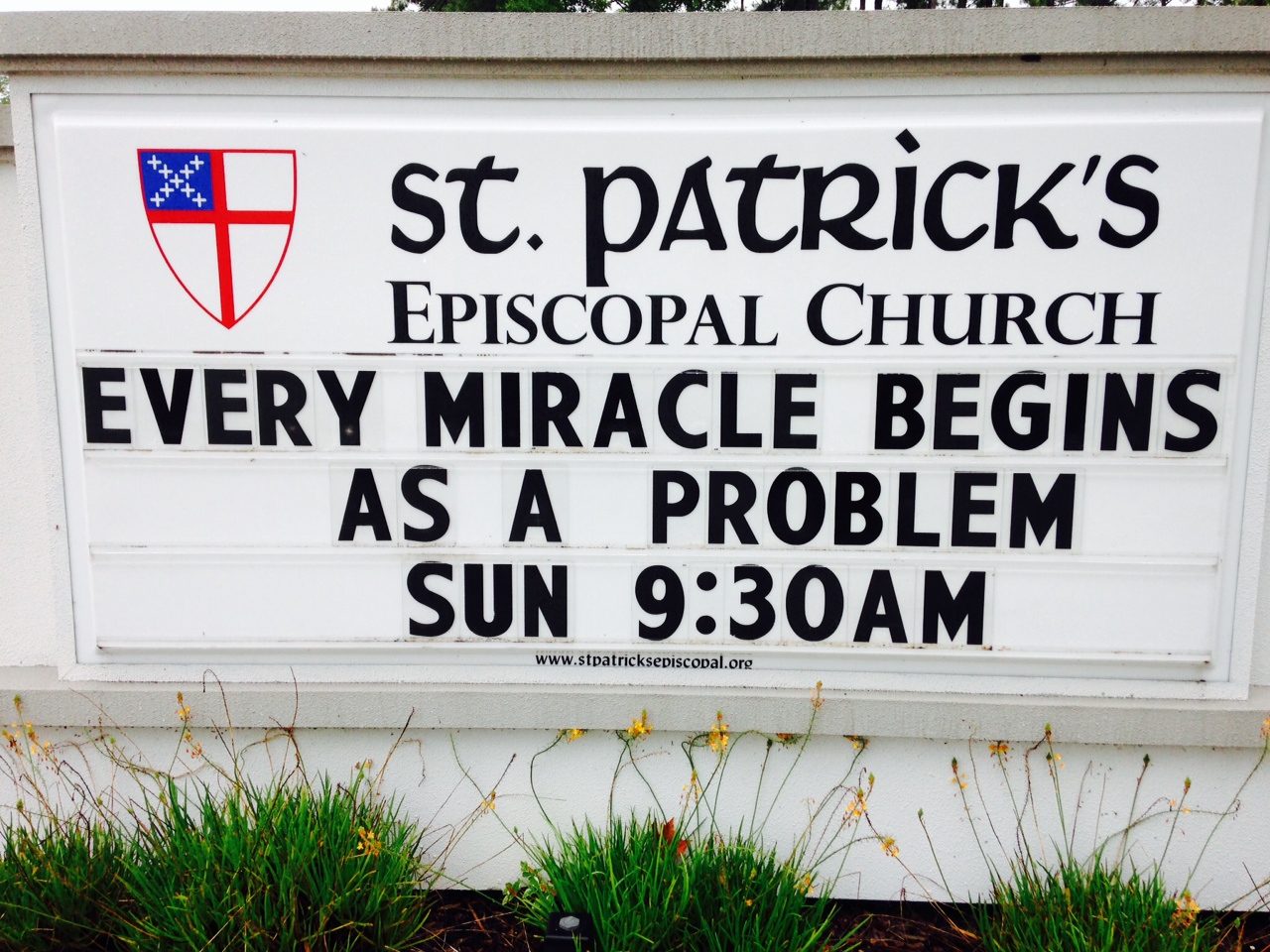
Miracles & Problems

MiracleProbSign


Uncertainty & Faith

The opposite of doubt is not faith. It’s certainty. Faith based on certainty is no faith at all.      Anne Lamott

Embrace the present. Uncertainty is no excuse for paralysis. Do not wait for good to happen for yourself in order to do good for others.     Leymah Gbowee

Now faith is confidence in what we hope for and assurance about what we do not see.     

Hebrews 11:1   NIV


Tea and Books

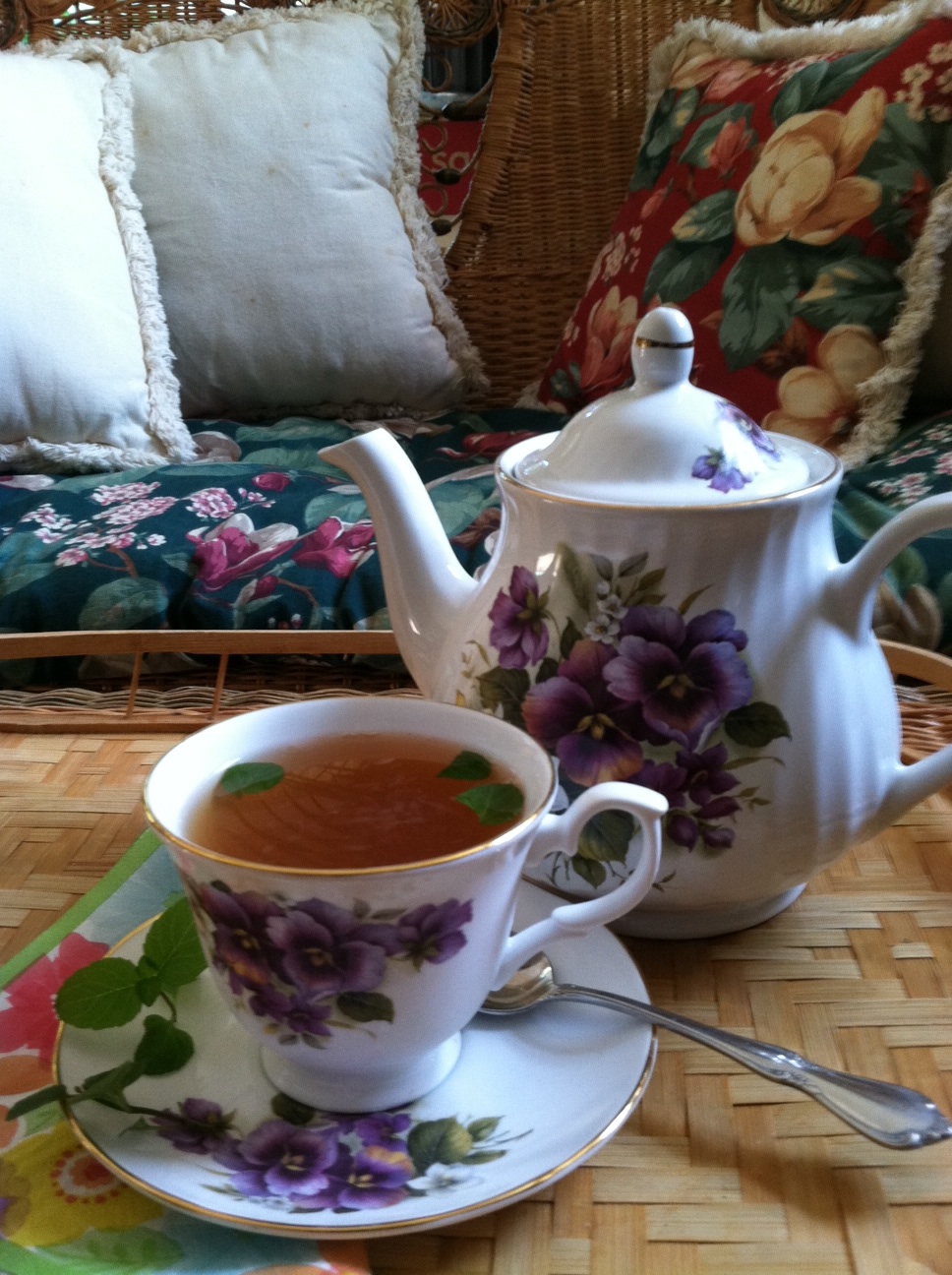
You can’t get a cup of tea big enough or a book long enough to suit me. C. S. Lewis

TeacupVertical


Mothers & Mother’s Day  

This year has celebrated its 100th anniversary in America

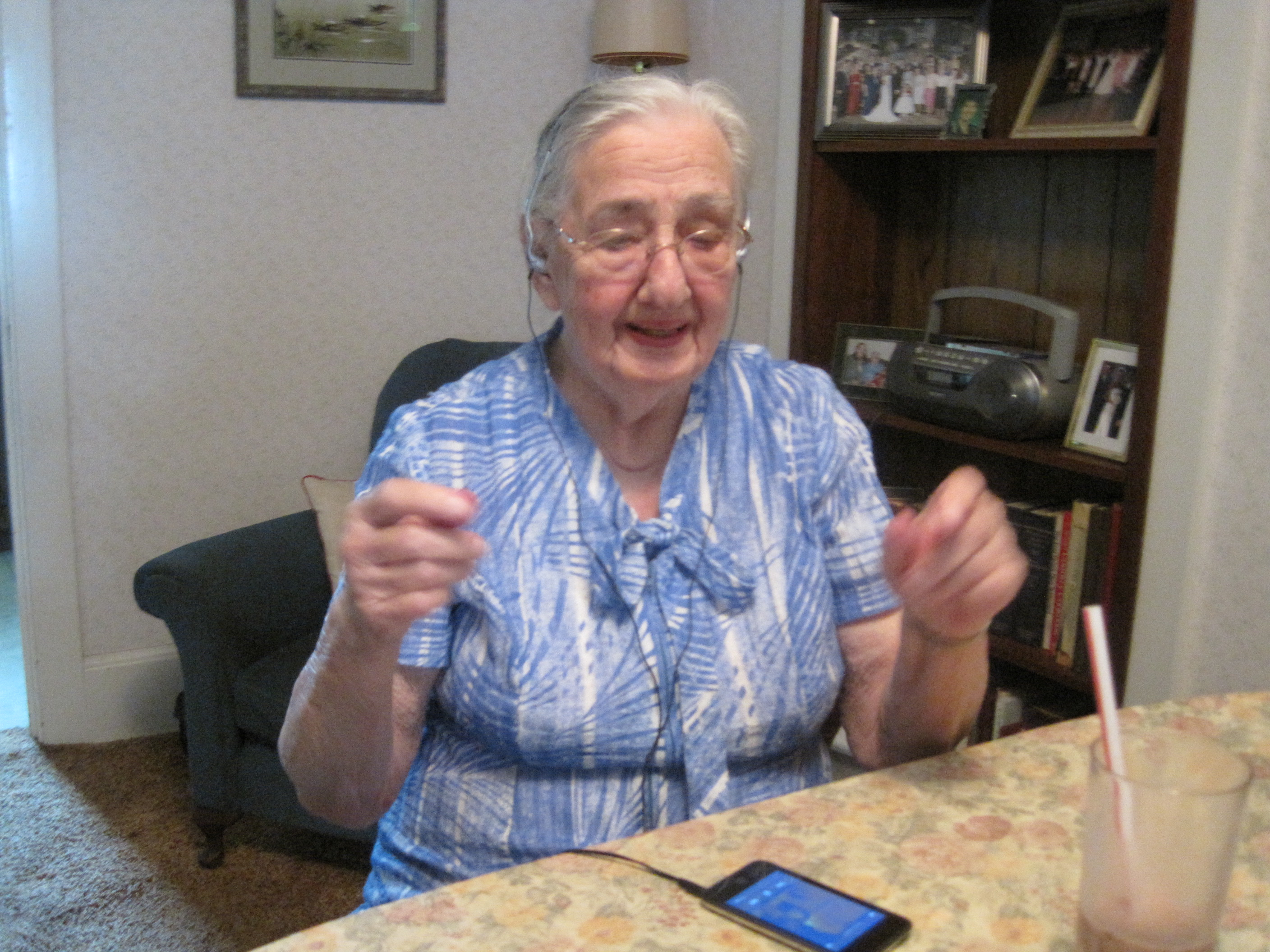
Mother jivving to "Turn Your Radio on and Listen to the Music in the Air"
Mother jiving to “Turn Your Radio on and Listen to the Music in the Air” on my iPod

A mother’s happiness is like a beacon, lighting up the future but reflected also on the past in the guise of fond memories.

Honore de Balzac

I am sure that if the mothers of various nations could meet, there would be no more wars.

 E. M. Forster

Roses and Love Life

RoseWall

I once had a rose named after me and I was very flattered. But I was not pleased to read the description in the catalogue: no good in a bed, but fine up against a wall.        Eleanor Roosevelt

Laughter is carbonated holiness. 
― Anne Lamott

*  *  *

Add a quote or comment on one you’ve read. Please do!

And you can be sure I’ll join the conversation.

(Coming next: “Where the Magic Happens” showcasing author Mary Gottschalk)

Fighting Spirit: Rhetoric, Rotten Rulers, and a Sex Strike

Is a family graduation on your calendar this year?

As a faculty member at Florida State College at Jacksonville (then Florida Community College), I attended graduation every year in full regalia with hundreds of ecstatic grads, joyful families, and proud faculty and administration.

The Tawdry Tale

One year stands out though: 2001. State Representative X rose to the podium to deliver the commencement address and announced that his remarks would be short and to the point. Relieved, the audience sat back to enjoy a brief speech entitled A Short Guide to a Happy Life.  Hmm . . . the title sounded familiar, I thought. Then he went on to tick off the main points: 1. Don’t confuse life with work. 2. Life is what happens when you are making other plans. 3. If you win the rat race, you are still a rat. . . . Then it dawned on me. I have heard this all before. In fact I’ve read it. Recently. In a book. In a book by Anna Quindlen with the same title. This man with an honorable title in high office is plagiarizing his speech, giving no credit to Quindlen or reference to her book. His whole speech. Boldly. Baldly. With no bones about honesty!

QuindlenShortGuide

My sense of justice on high alert, I set out to right the wrong. No, to expose the guilty. I contact the campus president in charge of graduation. Yes, she will check up on my suspicion and she does follow through. There are more emails and phone calls, which in the end boil down to the critical question: Where is the audio recording of that address? Alas, it is never un-earthed. We are told the recording mechanism failed (?) and thus no incriminating evidence is available. Sadly, just my words remain which have now fallen. Flat. On deaf ears.

*  *  *

My own college graduation is a distant memory. When I graduated from Eastern Mennonite College with a degree in English, I was still a plain girl, but with a B. A. degree in English education. I don’t remember at all who spoke at the commencement address or what the topic was, but I am sure there was an emphasis on service to others, demonstrating peace while upholding justice, still strong tenets of my alma mater, now Eastern Mennonite University.

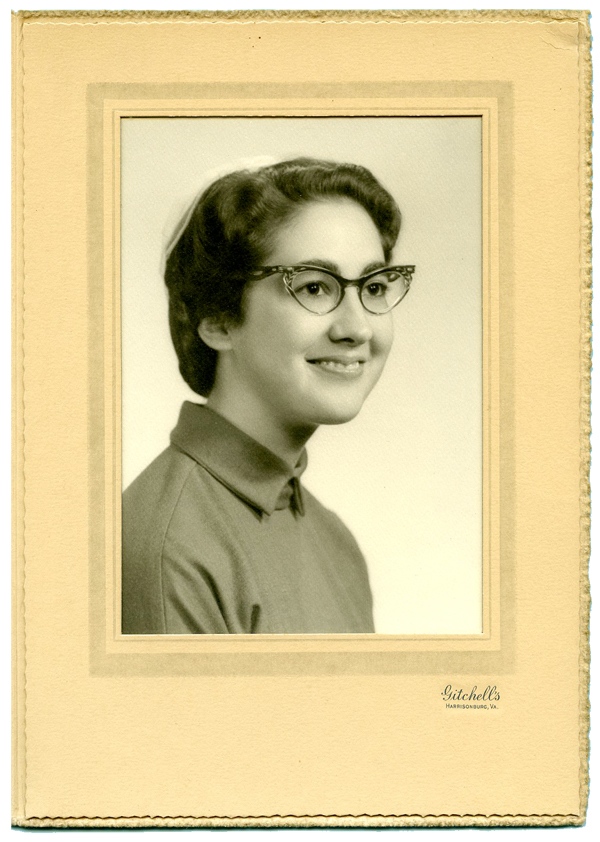
Senior Photo: Eastern Mennonite College


The Nobel Laureate

Tomorrow another graduation occurs. On Sunday, April 27, 2014 an honorable woman, Leymah Gbowee, co-winner of the 2011 Nobel Peace Prize and a 2007 EMU alumna, will give the 96th annual commencement address at Eastern Mennonite University. Gbowee was the focus of a documentary “Pray the Devil Back to Hell,” which demonstrates how women, both Christian and Muslim confronted then-Liberian President Charles Taylor “with a demand for peace and end a bloody 14-year-old civil war.” Her genius: Gbowee rallied women, all dressed in white from various ethnic groups to lock arms, protest, and over time literally pray the ruthless rebels, including the President, into retreat. They even staged a sex strike which her book describes in more detail. In 2007 Leymah Gbowee received a Master of Arts in Conflict Transformation from the Center for Justice and Peace-building at EMU, also her alma mater. No doubt in her graduation speech she will make reference to her book: Mighty Be Our Powers: How Sisterhood, Prayer, and Sex Changed a Nation at War.

BookLaymahGbowee

But I can assure you—she has plagiarized neither her book nor her speech!

*  *  *

When have you become outspoken against an injustice?  What were the results?

Have you heard of Leymah Gbowee? Anyone else you know with her qualities?

Happy Birthday, Will!

News Flash!

ShakesBirthdayCrown

To mark Shakespeare’s 450th birthday, “the Royal Shakespeare Company is spearheading a three year Jubilee, between 2014 and 2016, that will involve theatre performances, events and live streaming cinema around the world.”

*  *  *  *  *

Florida State College students: Of course they're discussing Shakespeare!
Florida State College students: Of course they’re discussing Shakespeare!

It’s April 23 in my college class of English Lit students. Each has brought in a can of Coke, Dr. Pepper or bottled water. I bring cupcakes—chocolate and vanilla for the party.

Reputedly, April 23, 1564 is the birthday of William Shakespeare, the Bard of Avon. It is also the date of his death in 1616, but we are celebrating his life, especially the writing of his gushy love sonnets (“Shall I compare thee to a summer’s day?”) and his play, King Lear, which we have just read with all that fussing about a father’s will, sister sniping, revenge and murder. The body count is always high in Shakespeare’s tragedies.

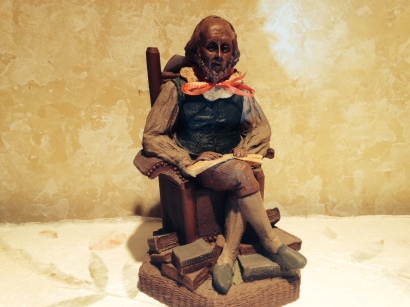
A fixture at every birthday party, Shakespeare wore a bow today.
A fixture at every birthday party, Shakespeare wears a bow today.

Until I was out of high school, I did not realize that my Mennonite Mom was referring to Shakespeare’s line “God has given you one face, and you make yourself another” (Hamlet) when she chided me for wearing makeup. “I’m happy with the face God gave me,” she would retort.

And Grandma Longenecker probably wasn’t aware she was quoting from Midsummer NIght’s Dream either when she tried to comfort me with the words of Lysander: “The course of true love never did run smooth” over my break-up with David, a boyfriend in college. And of various presidents, Truman, Eisenhower, or Kennedy, she would quote from Shakespeare’s Henry IV: “Uneasy lies the head that wears the crown.” I can still hear her cracking the “C” in crown.

Other quotes you may know: 

  • Better three hours too soon than a minute too late.
  • If music be the food of love, play on.
  • Suspicion always haunts the guilty mind.
  • No legacy is so rich as honesty.
  • What’s in a name? That which we call a rose by any other name would smell as sweet.
  • O, had I but followed the arts!
  • ‘Tis better to bear the ills we have than fly to others that we know not of.
  • With mirth and laughter let old wrinkles come.
  • This above all; to thine own self be true.

What special sayings do you remember from your childhood?


What quotes by Shakespeare can you add to the list?

I love it when you comment!

Please check it out: My writer friend, Traci Carver, teacher at Valwood School, a college prep high school in Valdosta, GA, posted on her blog a creative classroom scene from Shakespeare’s Romeo and Juliet featuring foam pool noodles and Twitter hashtags. Creative and memorable!


Purple Passages: A Dragon with a Gift, April 2014

LILACS

LILACS

April is the cruellest month, breeding

Lilacs out of the dead land, mixing

Memory and desire, stirring

Dull roots and spring rain.

T. S. Eliot The Waste-Land


When Lilacs last in the dooryard bloom’d

And the great star early droop’d in the western sky in the night,

I mourn’d, and yet shall mourn with every-returning spring.

Ever-returning spring, trinity sure to me you bring,

Lilac blooming perennial and drooping star in the west,

And thought of him I love.


Walt Whitman, elegy commemorating the death of Lincoln, 1865


EASTER

Easter is very important to me, it’s a second chance.  ―  Reba McEntire

Do not abandon yourselves to despair. We are the Easter people and hallelujah is our song.    ― Pope John Paul II


LAUGHTER

Laughter is the shock absorber that eases the blows of life.    (Unknown)

Laughter is a tranquilizer with no side effects.  ―  Arnold H. Glasgow


WORK

Nothing is really work unless you would rather be doing something else. ―  J. M. Barrie

When you can’t figure out what to do, it’s time for a nap.    ― Mason Cooley


CHALLENGE

Challenge is a dragon with a gift in its mouth. Dragon and Gift_final_shade+color_crop_5x5_300

Tame the dragon and the gift is yours.

Noela Evans, on persevering through problems, endurance

Shakespeare says it another way, but with a toad:  Sweet are the uses of adversity which, like the toad, ugly and venomous, wears yet a precious jewel in his head. 

READING

Reading gives us someplace to go when we have to stay where we are. ― Mason Cooley

One rainy Sunday when I was in the third grade, I picked up a book to look at the pictures and discovered that even though I did not want to, I was reading. I have been a reader ever since.   ― Beverly Cleary

Marian Reading_14mos._2x4_300 THE  FUTURE

The best thing about the future is it comes one day at a time.  ― Abraham Lincoln

 *   *   *

Do you believe a challenge is a dragon with a gift in its mouth? A story about this that comes to mind . . . ?

What category can you add a quote to? 

What other topics would you like to see in this monthly feature, Purple Passages?

Coming next: Mennonite Flashback III: Rabbits and Rings