Face to Face Encounters: The Very Best Kind

Author Kathy Pooler invites her readers to gather “around her kitchen table” for weekly discussions on her blog post. Readers of Laurie Buchanan’s blog know she usually posts on “Tuesdays with Laurie.” Most bloggers publish posts on specific days of the week which their subscribers have come to anticipate. It is a call for intimacy among kindred spirits in the often impersonal environment of cyberspace.

Yes, there are helpful forums available online that attempt to add sight and sound to the interaction. For example, author/writing coach Sonia Marsh and writing organizations like NAMW (National Association of Memoir Writers) frequently schedule Google Hangouts and tele-seminars that combine live voice and Skype-inspired imagery, adding another layer of intimacy to enhance the exchange of ideas.

Social media like Facebook, Twitter, and Pinterist all allow postings of photos with text. Facebook often seems like a picnic with “likes” for yes’s, and sometimes offers back and forth conversation like a game of ping-pong. And I think of Twitter as a kind of hors d’oeuvre party with guests flitting like bees from one cluster of flowers to another, sipping nectar here and there.
Flickr Image
Flickr Image

Yet it’s true. Without the internet, I would never have even met writers whose friendships have been cultivated from countries all over this planet– Australia, Canada, Sweden, South Africa, or the Philippines. And unfortunately the chances of meeting these fine folks for coffee or tea any time soon seems pretty remote. When possible though, face to face encounters add a three-dimensional quality that is hard to duplicate online.

This past October, I was invited to share breakfast with Shirley Showalter, famous for her memoir BLUSH, in her home overlooking the Shenandoah Valley near Harrisonburg, VA during Homecoming at EMU.
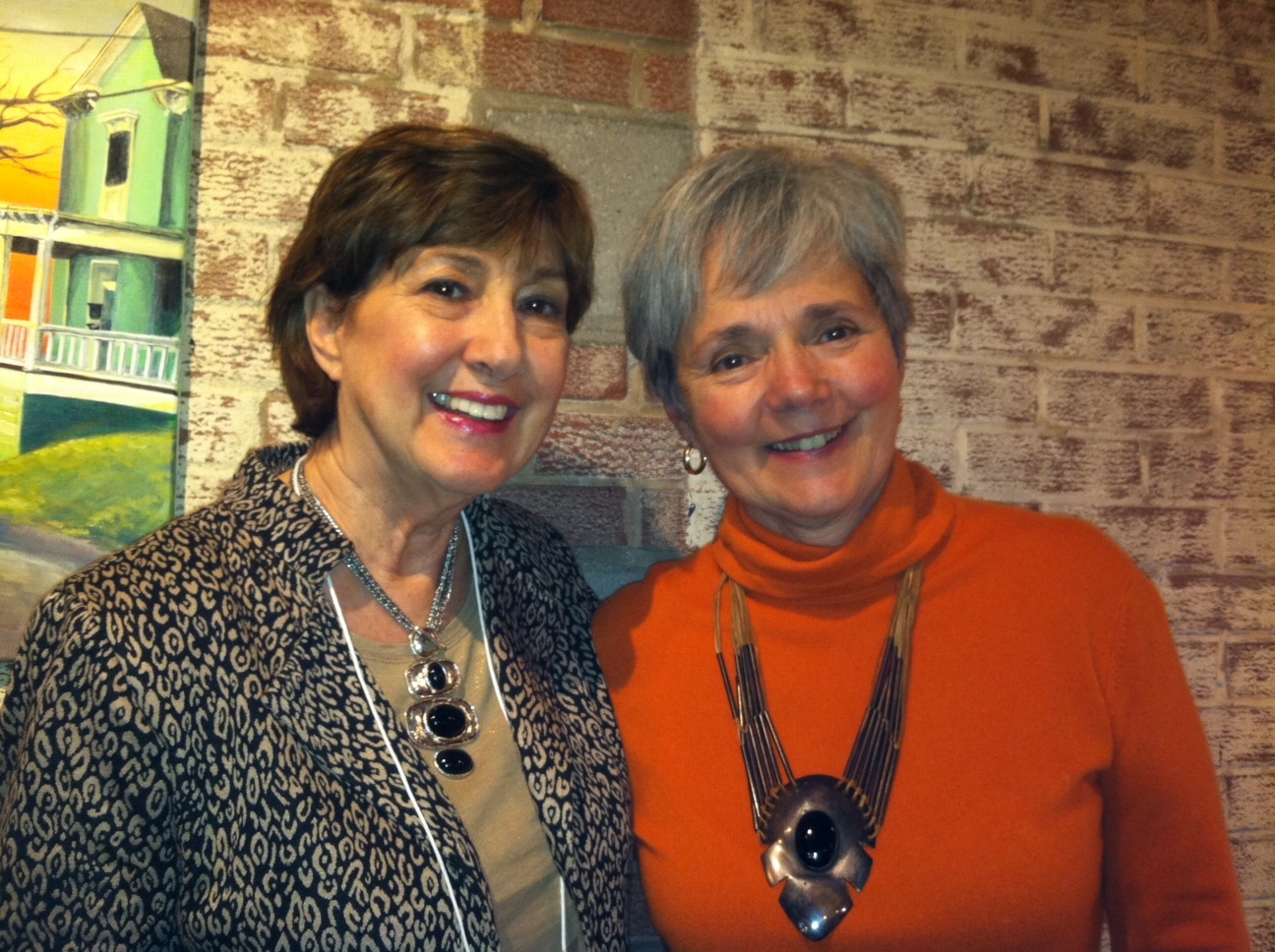
SHSandME

This past Saturday in June I met blogger Traci Carver, teacher and writer extraordinaire, as she breezed through Jacksonville on her way further south, meeting for lunch at Cozy Tea in the Riverside area of Jacksonville. Though a generation apart, we found common ground discussing teaching English, Downton Abbey, European travels, our families, other shared interests. Her award-winning blog claims she is from the cotton pickin’ South, yet she has an international world view having lived in Southeast Asia for several years. A story-teller extraordinaire, she spin tales from the cotton of everyday life into pure gold.
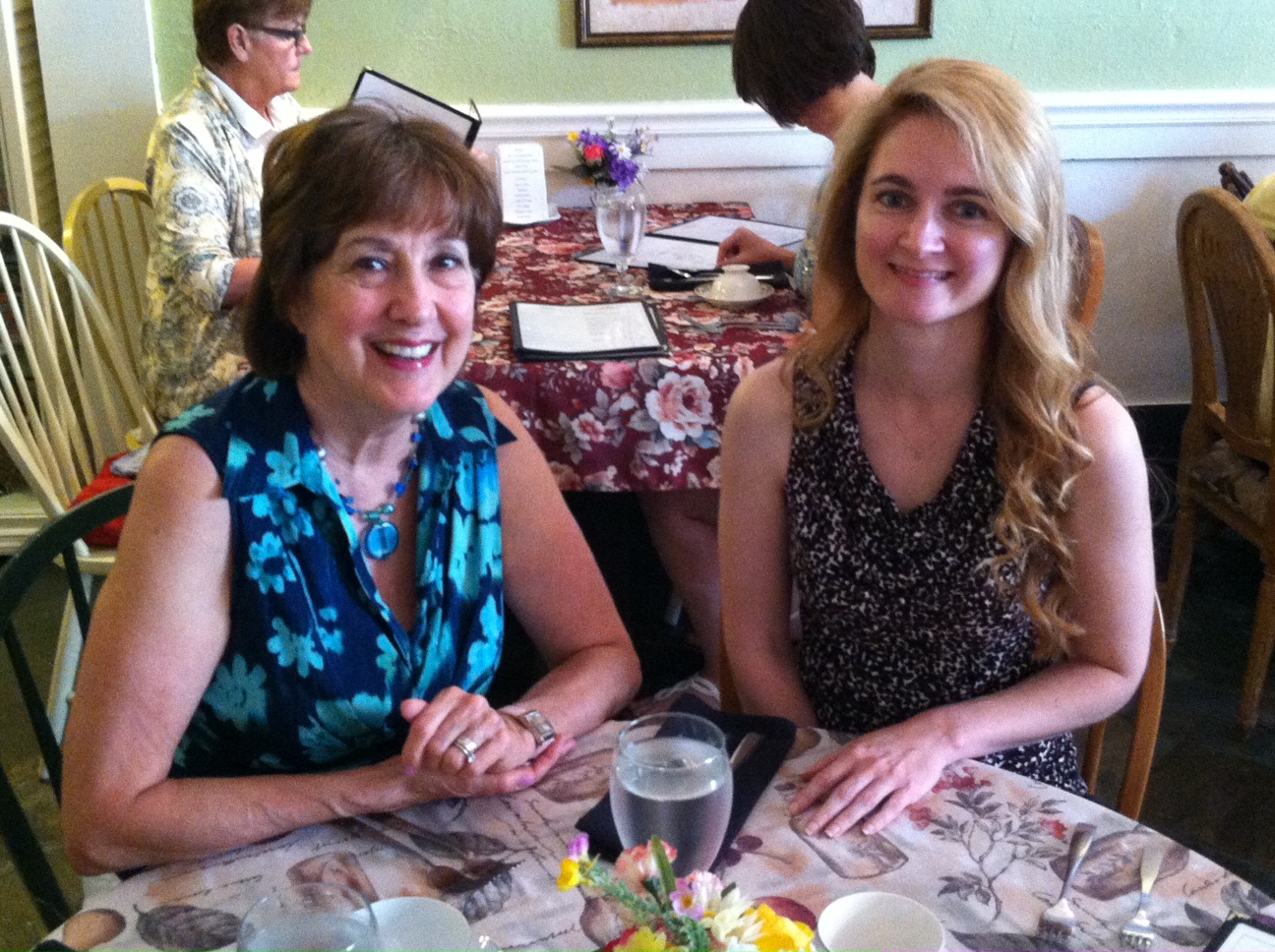
TraciMarianCozyTea2

In each case, the encounter was only an hour or two in length, but a level of intimacy develops in face to face encounters that online encounters are hard-pressed to duplicate. Obviously, non-verbal cues and nuances of personality and facial expression are often masked by the limitations of tiny pixels on posts.

Despite claims by science fiction writers, the phenomenon of transmogrification seems a long way off, probably a good thing! Thus, many writers find writing conferences in glamorous cities a great way to meet, greet, and even bond over coffee or lunch.

In the meantime, we can hope for serendipitous encounters along the way with our fans and fellow writers. I know I do!

*  *  *

Have you had a face-to-face encounter with someone you have known only through the internet?

Someone whom you’ve known for a long time, but haven’t seen again until recently? Any other special encounter?
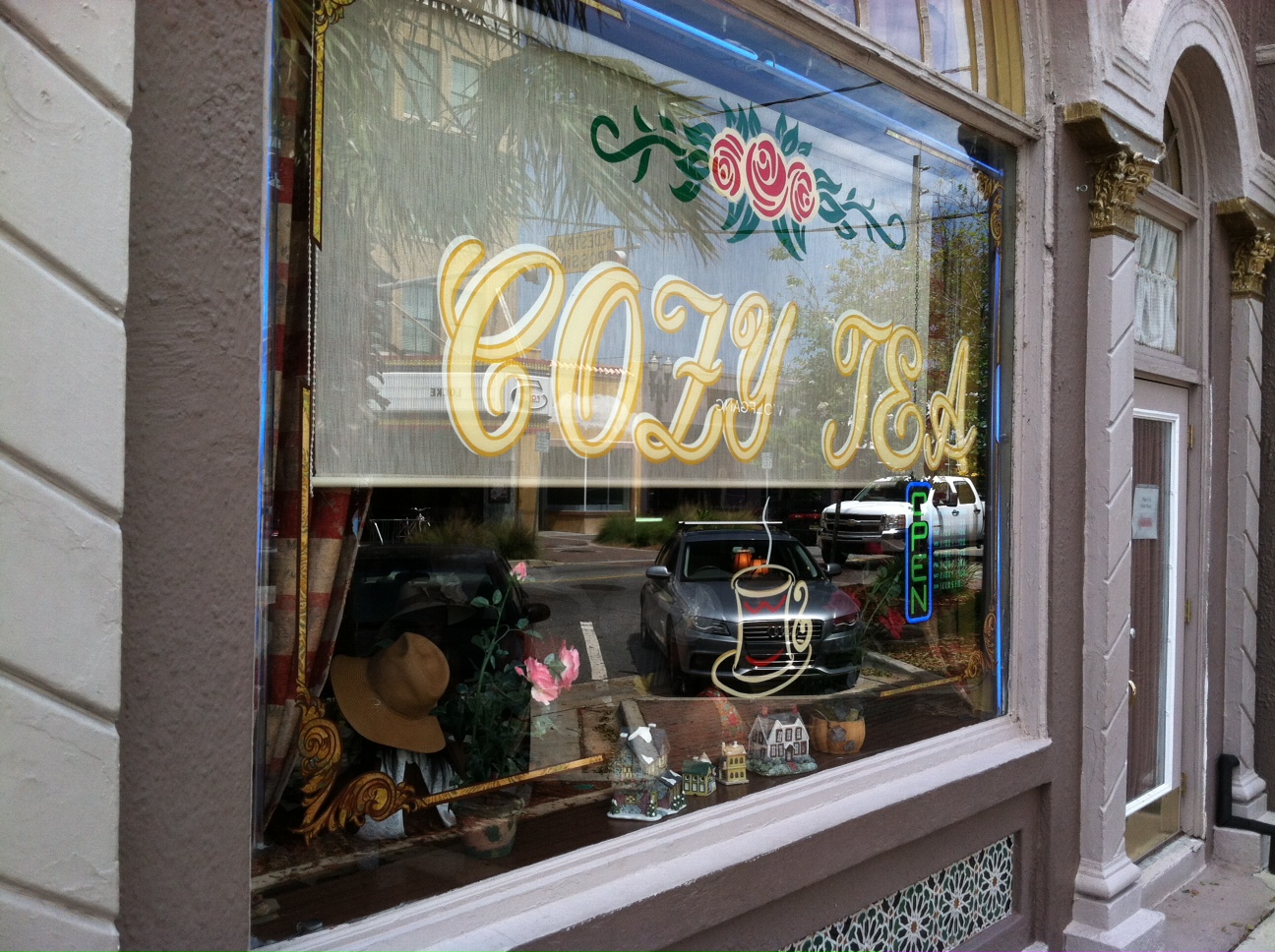

CozyTeaSign


Blog Tour

MarianStudyLong2

Here is my study. When the magic happens, it happens here. Actually, it might happen in the flower garden just outside my window in the form of a thought or image which gets transferred from my head to my fingers at my desk. . . .

Every once in a while, fellow bloggers alert me to a writing challenge, many of which I pass over for lack of time or interest. This time, Traci Carver invited me to participate in a Blog Tour. I couldn’t turn her down. Why, just last week we had lunch together. Besides the “tour” is an intriguing way to play tag and learn about other writers’ habits and sources of inspiration while sharing my own. So, a big shout out goes to Traci, story-teller extraordinaire, who turns the cotton of her everyday experience as an English teacher into pure gold. A true Southern belle, Traci is a master of the anecdote. Her stories derive from the small Georgia town she grew up in, the fishing villages of Southeast Asia where she lived for 7-8 years, or from European travel. Now to the questions:

1. What am I working on now?

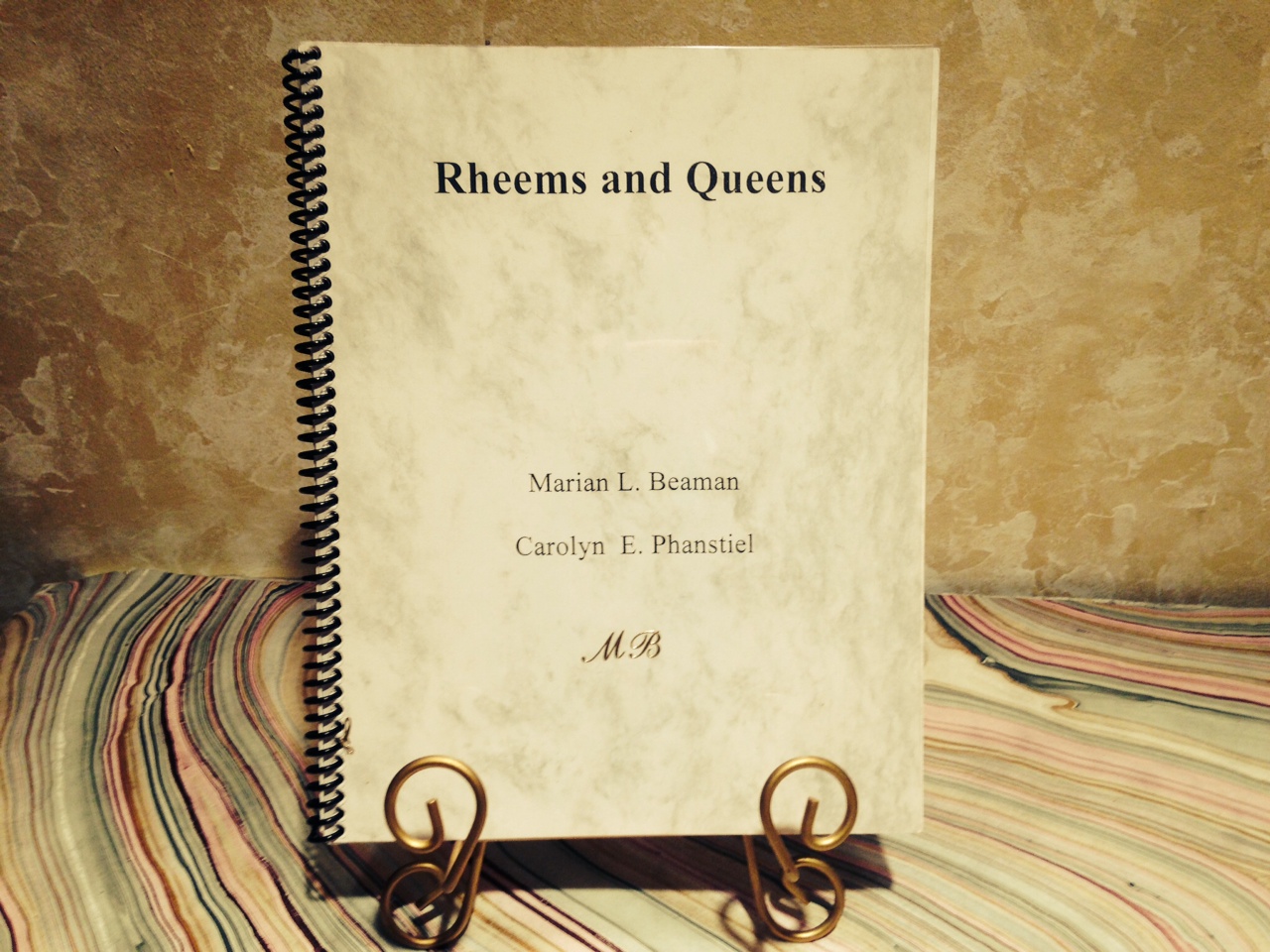
Three unrelated things at the moment: Preparing for a trip to Pennsylvania soon where I will mine more stories for this blog, purging clothes from the spare bedroom closet to make space for a long-term guest, and writing every single day. My blog has taken shape from 8-9 journal scribblings along with a set of paired stories written with my friend Professor Carolyn Phanstiel before we both retired from teaching.

MarCarBOOK

There is a .doc on my computer desktop where my memoir is taking shape. Right now, it doesn’t have enough structure to “roll it through a printing press,” as Traci wisely observes.

2. How does my work differ from others in the genre?

According to Jerry Waxler, a Memoir Revolution is in full swing. Each year thousands of new memoirs pour onto the shelves. Millions are writing memoir right now. Even in the Mennonite sub-culture, hundreds of memoirs have been published since Canadian Mennonite Katie Funk Wiebe’s publication of Good Times with Old Times, touted as “an egg with a double yolk” because it is part memoir, part how-to-write-your-own-story book.

So how is my writing different? Well, my world view has been tempered by time and place. No longer a Mennonite, I still identify with many aspects of an Anabaptist vision. Also, I was transplanted to Florida as a newly wed which would affect my perspective. Then too, I have a large set of artifacts and some living relatives that connect me firmly to my past. Like other memoirists, especially of the academic variety, I tend to weave the literary with the familiar. Sometimes readers say they can detect humor in my writing voice, which I hope makes my writing appealing, if not unique.

3. Why do I write what I do? 

What motivates me to write is my compulsion to leave a legacy for those who follow, particularly my family. Beyond that, I write what I know and to find out what I don’t know. Many stories are nostalgic, some reflect strong feelings of embarrassment, surprise, endearment (Search the “Moments of Extreme Emotion”); others are historical or hysterical.

4. How does my writing process work?

I was asked that question a few months ago, and the answer turned into a post on the blog of Kathy Pooler, whose memoir launches in this July. A legal-size pad, colored sticky notes, WORD docs, and photos are often part of the process.

Like Traci, I will tag two innocent bystanders, Merril Smith of Yesterday and Today: Merril’s Historical Musings, and Judy Berman of earthriderdotcom.

A published author of encyclopedic proportions (and I mean that literally) Merril’s blog posts frequently become meditations on the mundane, for example “Airing Out Some Thoughts on Laundry.”  Her About page describes her as writer, editor, independent scholar, focusing on the history of women, sexuality, and culture. She has published consistently since 1997 with a forthcoming book with the titillating title: Cultural Encyclopedia of the Breast.

Judy invites you to travel down the corridors of her mind as she narrates stories she heard growing up, from her travels, her family, and experiences in various jobs as radio and newspaper reporter and English teacher. Judy has received numerous blog awards, including The Versatile Blogger Award and The Sunshine Blog Award. In a Father’s Day tribute, Judy included a photo of Dad and her stranded alongside the road trying to fix an over-heated motor.

Merril and Judy: You’re “it”!


7 Things I Do that Remind Me of Home

Over forty years ago I left Lancaster county and my Mennonite life. Though I have visited dozens of times since then, Jacksonville, Florida, has been my home. Nonetheless, every single day I notice myself repeating rituals that reveal the imprint of my early training.

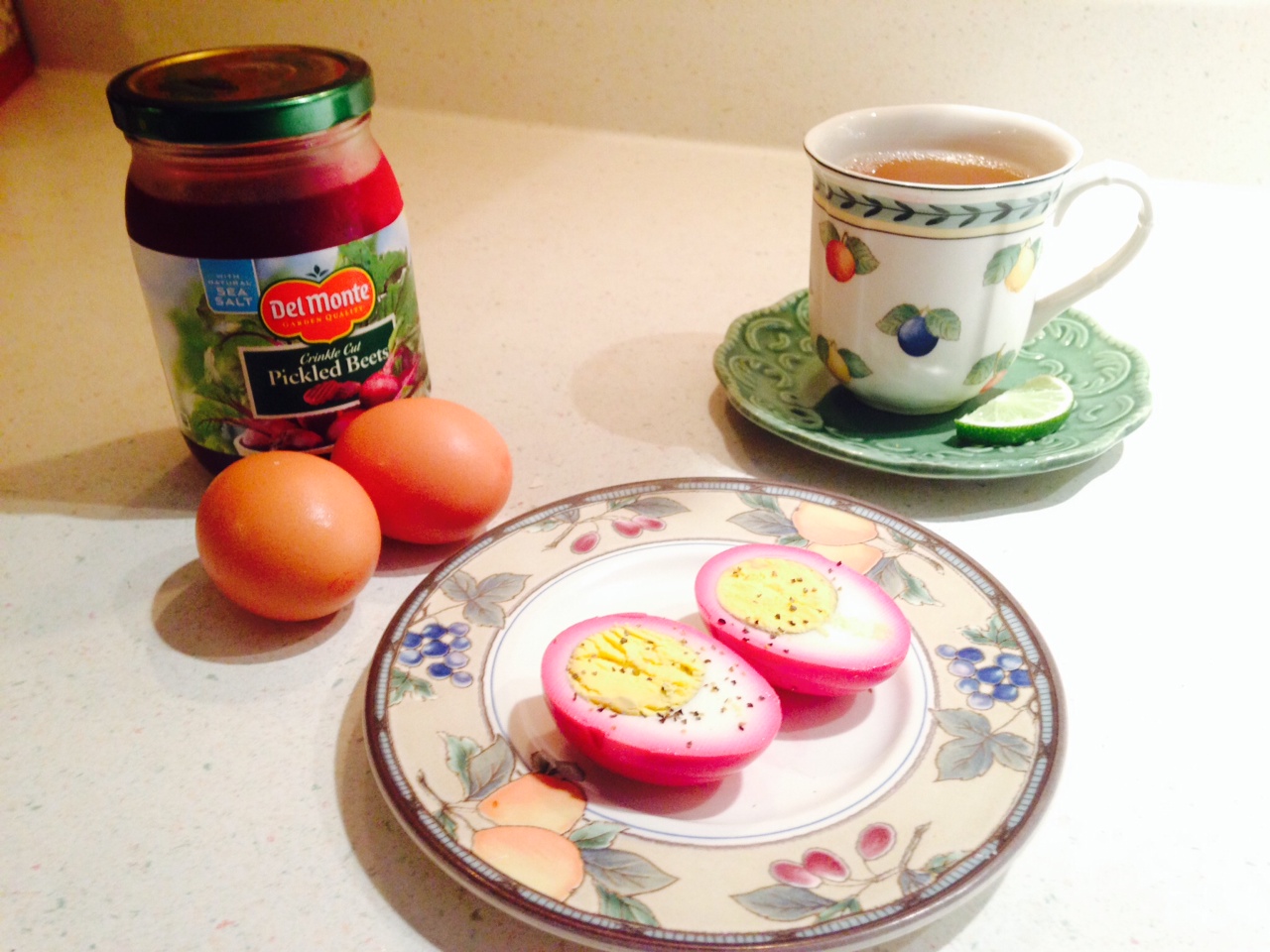
1. Eat pickled eggs – Usually reserved for Sunday dinners and picnics, I eat them for breakfast almost daily now.

Hard-boiled eggs pickled in beet juice

2.“Outen the light” – I don’t use that Pennsylvania Dutch expression any more, but when no one is in a room, I make sure the light switch is turned off. “Don’t burn a hole in the daylight” is a saying that has burned into my psyche.

3. Wash dishes – Mother never had a dishwasher, except her own hands. Though I’ve had a dishwasher most of my married life, I often wash dishes by hand: fine china, big kettles, forks. Sometimes warm, soapy water is soothing.

Daddy drying dishes - Only on Sundays after church!
Daddy drying dishes – Only on Sundays after church!

4. Re-use aluminum foil –  I never use Reynolds Wrap only once. It is cleaned off, folded and stored for multiple uses. (But I don’t scrape the residue from the wrapper of a stick of butter anymore unless it’s a big hunk. )

5. Tidy up – After retiring from full-time teaching, I dismissed my cleaning lady, so cleaning the house is in my domain once again. Dusting is the bane of my life, but I can’t abide dirty floors. Mother’s house was cleaned stem to stern once a week on a Friday with deep cleaning heralding the spring and fall seasons.

6. Water the maiden-hair fern – Grandma Longenecker loved ferns. She loved the misty, floaty, lacy aesthetic of ferns. My sister Janice has kept alive some off-shoots of Grandma’s. Here’s my maiden-hair fern:

fern

7. Go up and down stairs – The Longenecker home place has 2 floors and an attic. The staircase between them has 18 steps. When it was time for bed, Mother would say, “It’s time to go up the wooden hill!” Now at almost 96, she still uses her stairs, once in the morning and once at bed-time. Bowed with age into an L-shape she ascends, fiercely defending her independence.

Our tri-level has a pair of stairs, 7 steps each. Good for keeping those calf muscles in shape.

If you don’t know what to do, just take the first step. “To take the first step in faith, you don’t have to see the whole staircase.”    Martin Luther King, Jr.


StaircaseBeaman

Are any of these points similar to those in your life?

What can you add to the list from your own experience?


Purple Passages: A Dragon with a Gift, April 2014

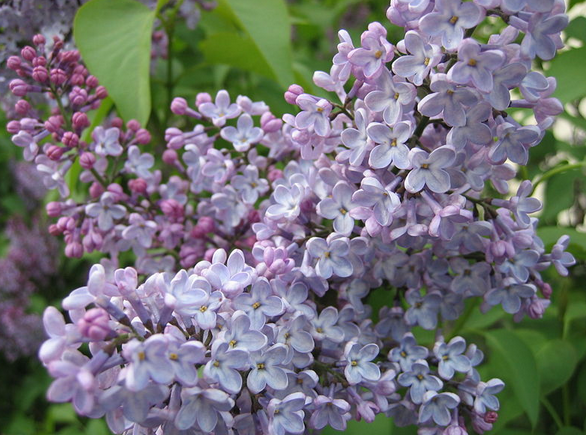
LILACS

LILACS

April is the cruellest month, breeding

Lilacs out of the dead land, mixing

Memory and desire, stirring

Dull roots and spring rain.

T. S. Eliot The Waste-Land


When Lilacs last in the dooryard bloom’d

And the great star early droop’d in the western sky in the night,

I mourn’d, and yet shall mourn with every-returning spring.

Ever-returning spring, trinity sure to me you bring,

Lilac blooming perennial and drooping star in the west,

And thought of him I love.


Walt Whitman, elegy commemorating the death of Lincoln, 1865


EASTER

Easter is very important to me, it’s a second chance.  ―  Reba McEntire

Do not abandon yourselves to despair. We are the Easter people and hallelujah is our song.    ― Pope John Paul II


LAUGHTER

Laughter is the shock absorber that eases the blows of life.    (Unknown)

Laughter is a tranquilizer with no side effects.  ―  Arnold H. Glasgow


WORK

Nothing is really work unless you would rather be doing something else. ―  J. M. Barrie

When you can’t figure out what to do, it’s time for a nap.    ― Mason Cooley


CHALLENGE

Challenge is a dragon with a gift in its mouth. Dragon and Gift_final_shade+color_crop_5x5_300

Tame the dragon and the gift is yours.

Noela Evans, on persevering through problems, endurance

Shakespeare says it another way, but with a toad:  Sweet are the uses of adversity which, like the toad, ugly and venomous, wears yet a precious jewel in his head. 

READING

Reading gives us someplace to go when we have to stay where we are. ― Mason Cooley

One rainy Sunday when I was in the third grade, I picked up a book to look at the pictures and discovered that even though I did not want to, I was reading. I have been a reader ever since.   ― Beverly Cleary

Marian Reading_14mos._2x4_300 THE  FUTURE

The best thing about the future is it comes one day at a time.  ― Abraham Lincoln

 *   *   *

Do you believe a challenge is a dragon with a gift in its mouth? A story about this that comes to mind . . . ?

What category can you add a quote to? 

What other topics would you like to see in this monthly feature, Purple Passages?

Coming next: Mennonite Flashback III: Rabbits and Rings

Purple Passages with a Fish & a Kiss

Purple Passages with a Fish & a Kiss, March 2014 Edition

Winter

Winter lies too long in country towns; hangs on until it is stale and shabby, old and sullen.     Willa Cather, My Antonia

If winter comes, can spring be far behind?     Percy Bysshe Shelley “Ode to the West Wind”

Gardens

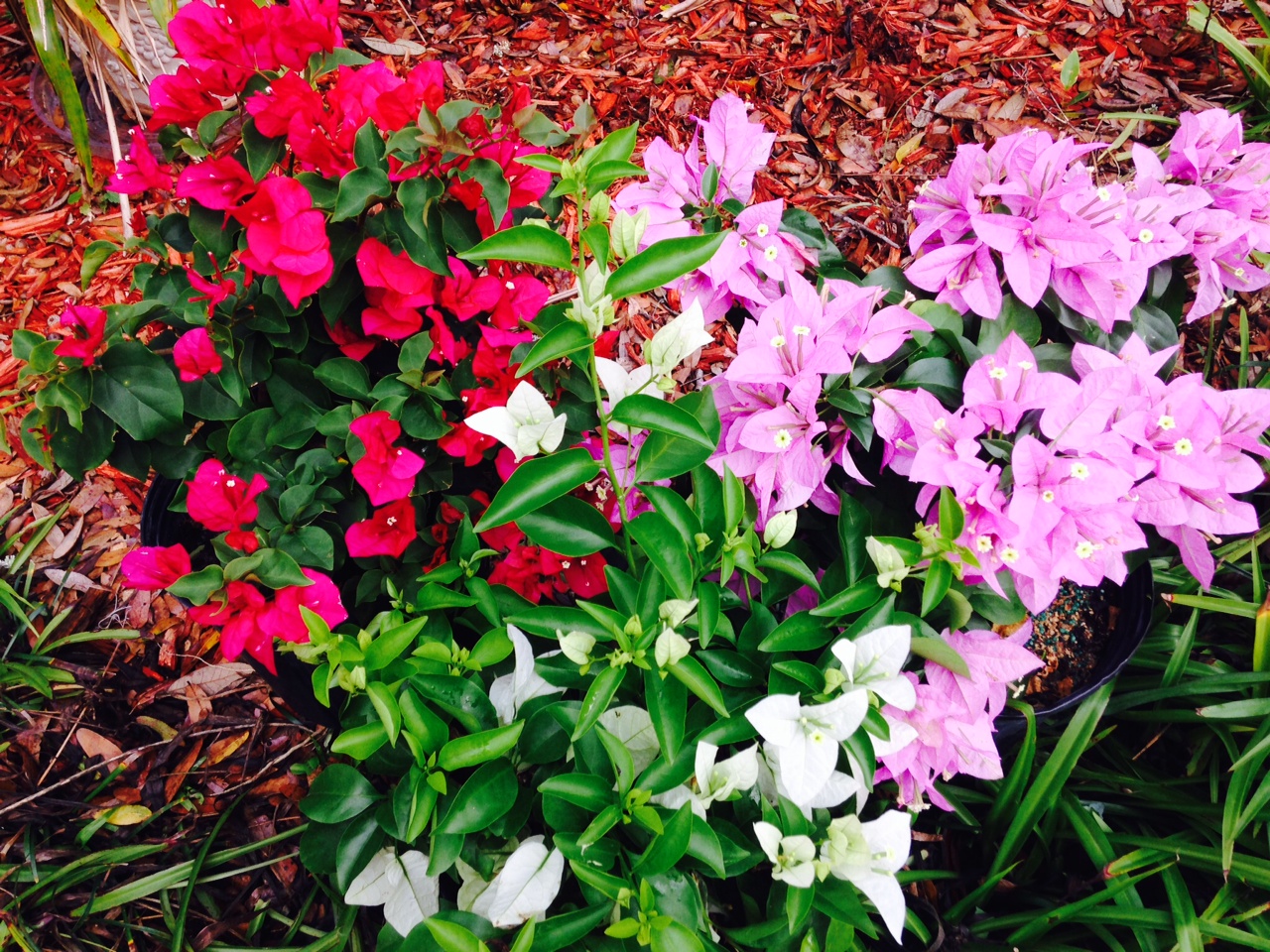
Bougainvillea in my Garden

The garden is one of the two great metaphors for humanity. The other, of course, is the river.      Anne Lamott, Bird by Bird

Grief

In God’s garden of grace, even a broken tree can bring forth fruit . . . . The greater the grief the fewer the words.         Pastor Rick Warren on The View: Friday, Dec. 7, 2013

The way to love anything is to realize that it may be lost.    G. K. Chesterton

When a loved one becomes a memory, the memory becomes a treasure. Author Unknown   (viewed on Kathy Pooler’s website, January 27, 2014)

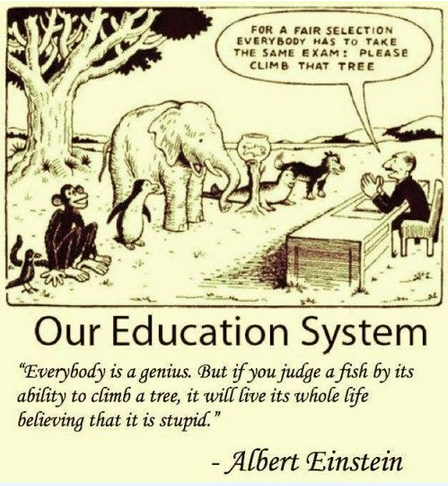
Einstein

bestEinsteinFishQuote

(Quote on education attributed to Einstein but disputed by some sources.)

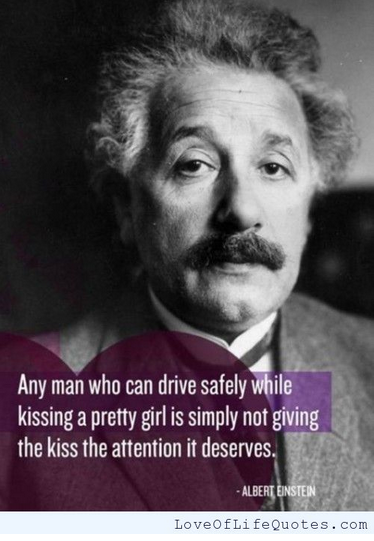
KissingEinstein

 SUCCESS and HAPPINESS

Success is not the key to happiness, happiness is the key to success. If you love what you are doing you will be successful.         Dr. Albert Schweitzer  (Quoted in Daily Devotional: The Word for You Today, Dec. 2013–Feb. 2014.)

Question Mark w border1_1x1_300

Dear Reader: You may have noticed I have included only one garden quote today.

Can you add a quote or a thought about gardening or beauty?

Can you add any other quote to the themes this month?


Facebook: http://www.facebook/marian.beaman/

Twitter: www.twitter.com/martabeaman

10 Ways My Grandma & I are Alike (or Unlike)

Grandma Longenecker with niece and maid-of-honor Evelyn ("Honey")
Grandma Longenecker with niece and maid-of-honor Evelyn (“Honey”)

10 ways I’m like (or unlike) my Grandma Longenecker  

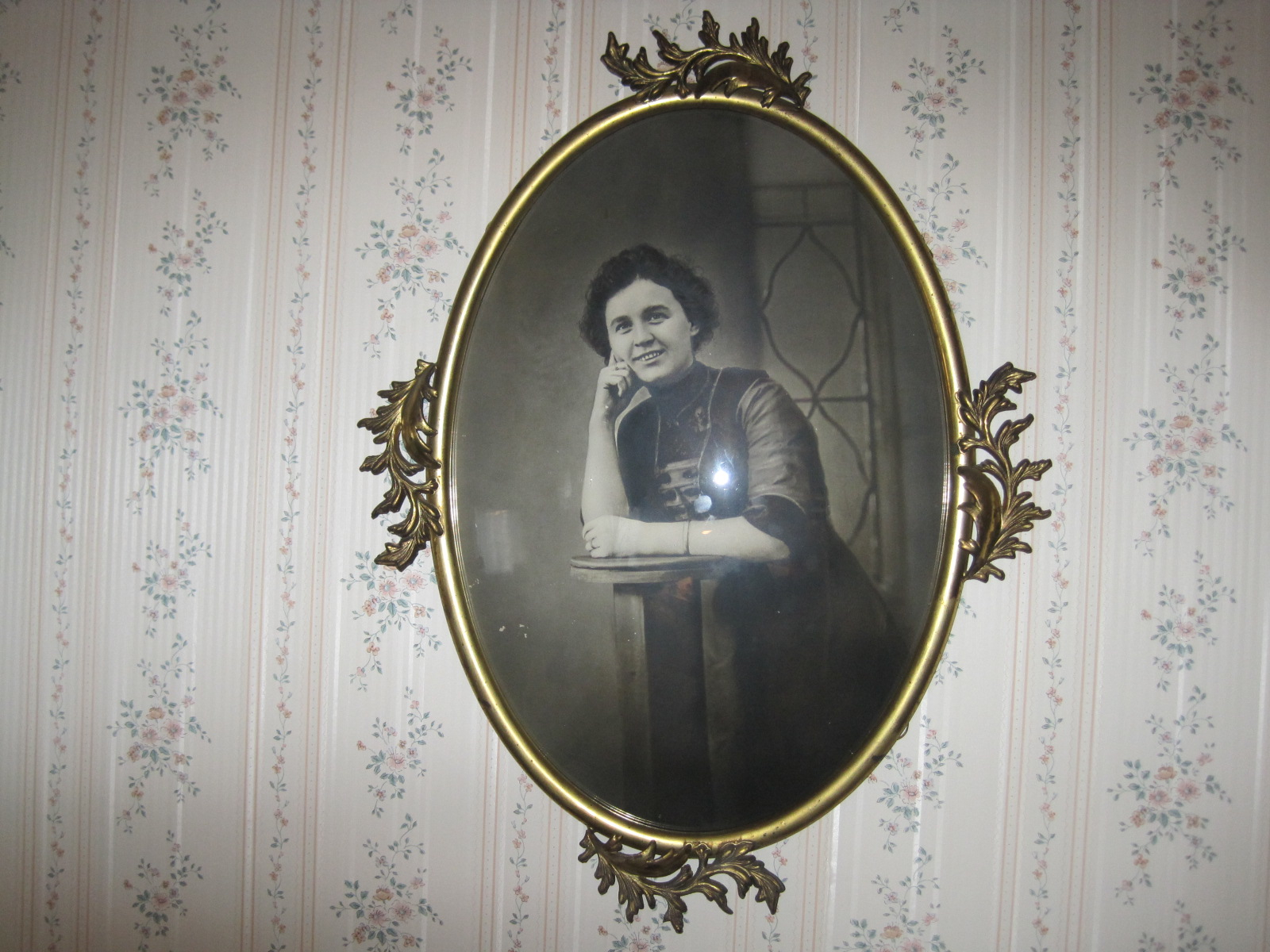
1. She started fancy and turned plain. I reversed the cycle, plain to fancy.

GrandmaPortrait

2. She always wore black laced-up shoes with heels to do housework. For me, it’s tennis shoes in winter and sandals in the summer. No heels in the kitchen.

3. She never voiced criticism about a person (except once). I am an exception to her rule.

4. She wished to have prettier hands. I love the compassion and service her work-worn hands reveal.

5. She never learned to drive. I passed my driver’s test on the third try.

6. She never watched television. I’m a Downton Abbey addict.

7. Her sewing machine was rarely silent. Mine has been stowed away in favor of a computer.

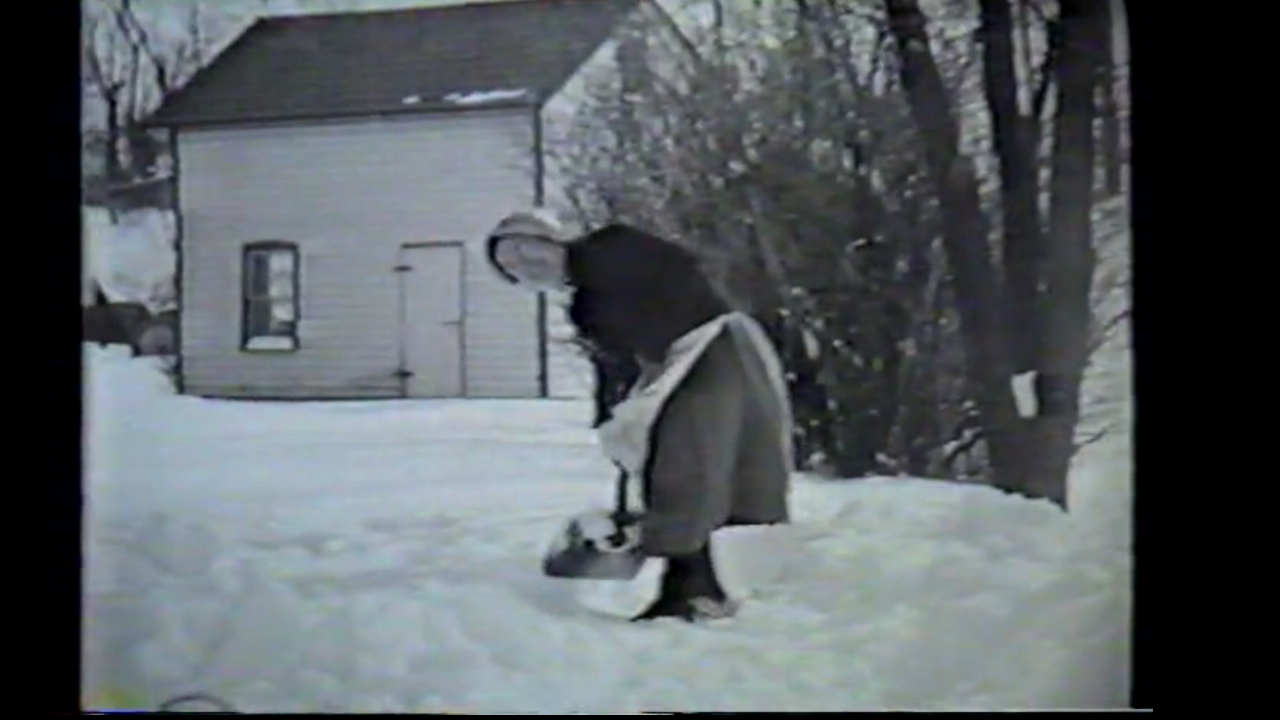
8. She shoveled snow in Pennsylvania. I now live in Florida sans snow…

Grandma in sun-bonnet shoveling snow in Pennsylvania, 1950s
Grandma in sun-bonnet, skirt,  and apron shoveling snow in Pennsylvania, 1950s

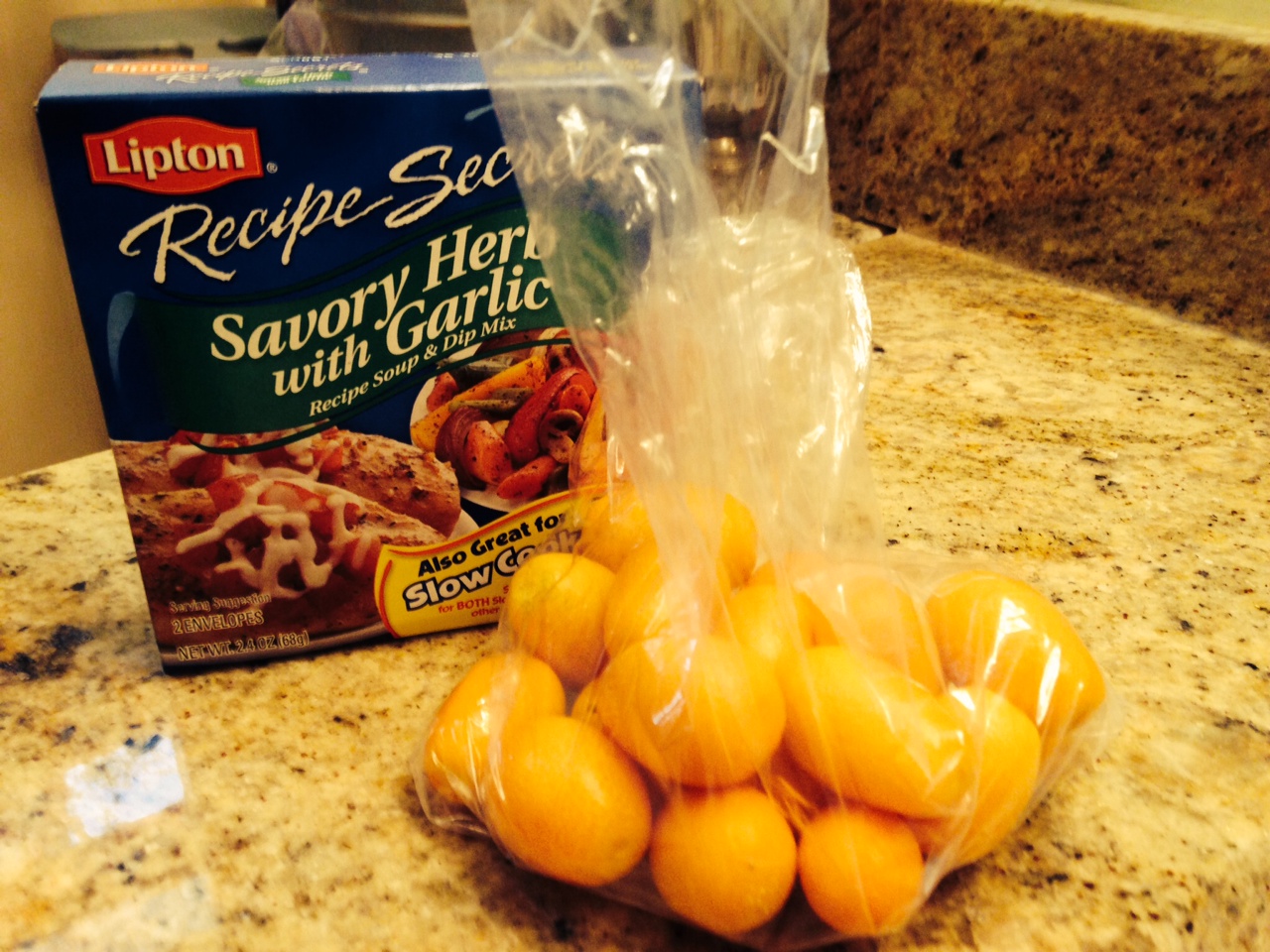
9. No one left her house without a garden snip or a tasty morsel from the table. I seem to have the same sharing habit. So does my sister Janice!

Home-grown kumquats and soup mix
Home-grown kumquats and soup mix for a recipe from sister Janice

10. Grandma loved knee-slapping humor. Sister Jan remembers she even fell off a chair once overcome by gales of laughter. I don’t need an excuse to laugh either.

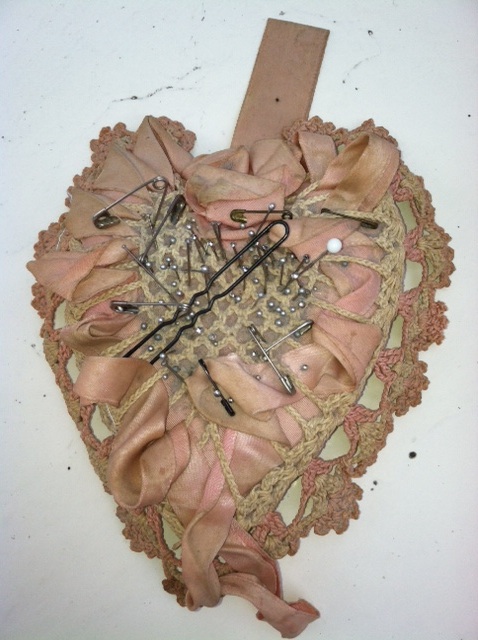
One of her pincushions - I'll never part with it!
One of her pincushions  I’ll never part with

Question Mark w border1_1x1_300

What habits or preferences have been passed to you from a relative?

What other similarities or differences have been passed between the generations?

Blurry Images: The Mothering Instinct

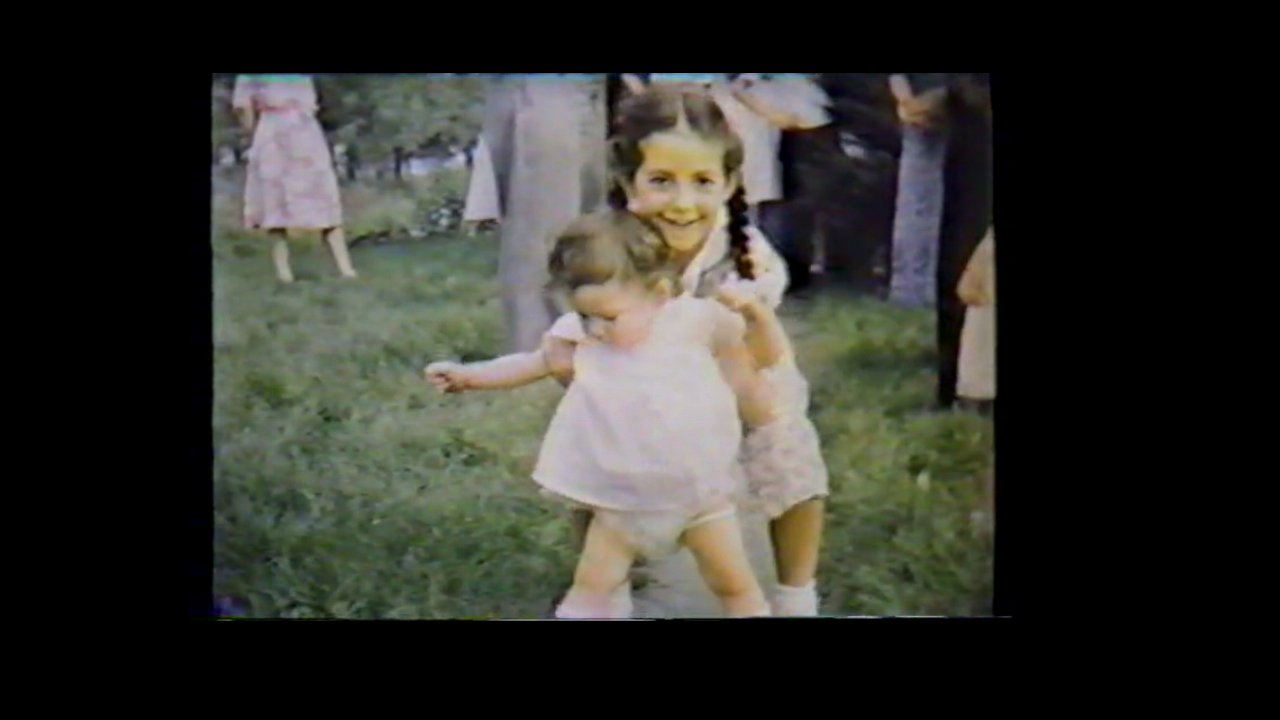
Looking at indistinct footage from 16 millimeter home movies of the 1950s has invited me to examine from a distance the much younger, and in many ways different, version of myself. Not surprisingly, I appear in the “mothering” mode in many of the shots. I have always assumed such behavior was because I was the first-born child.

But where does the mothering instinct come from? Is it inborn? Learned from one’s own mother? Are some born without it? Who knows. The jury is still out on the answers to some of these questions.

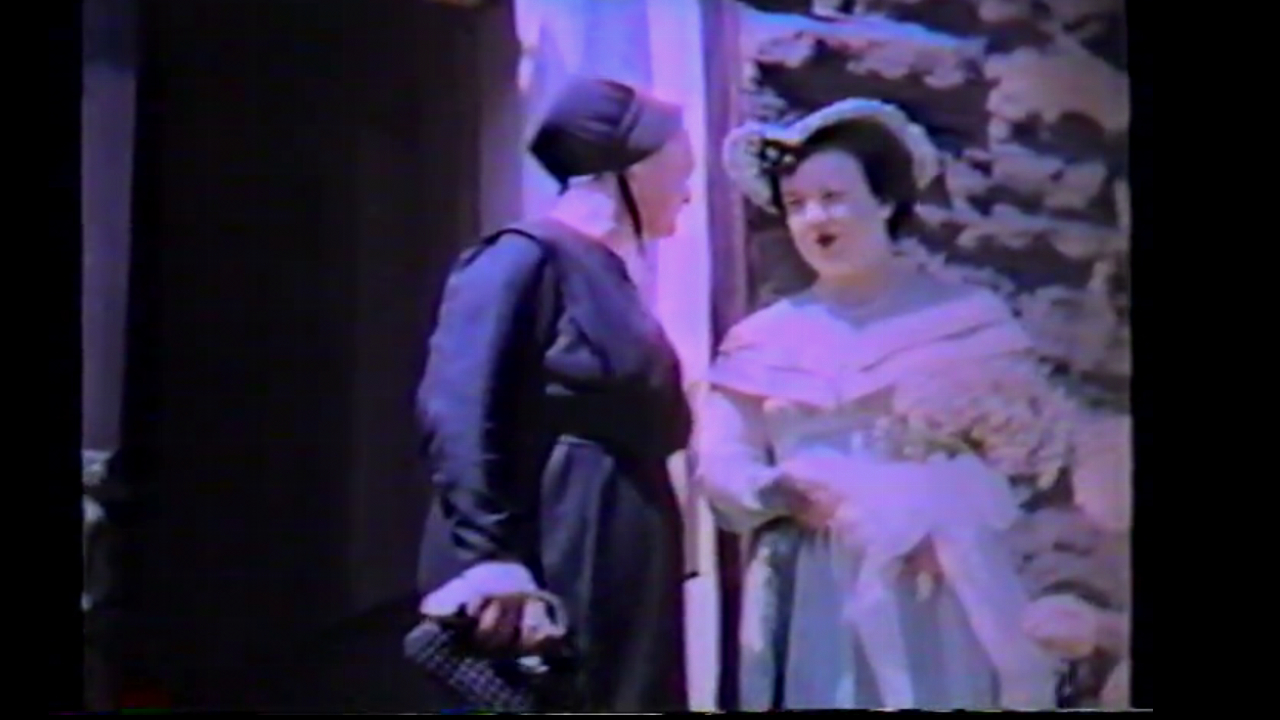
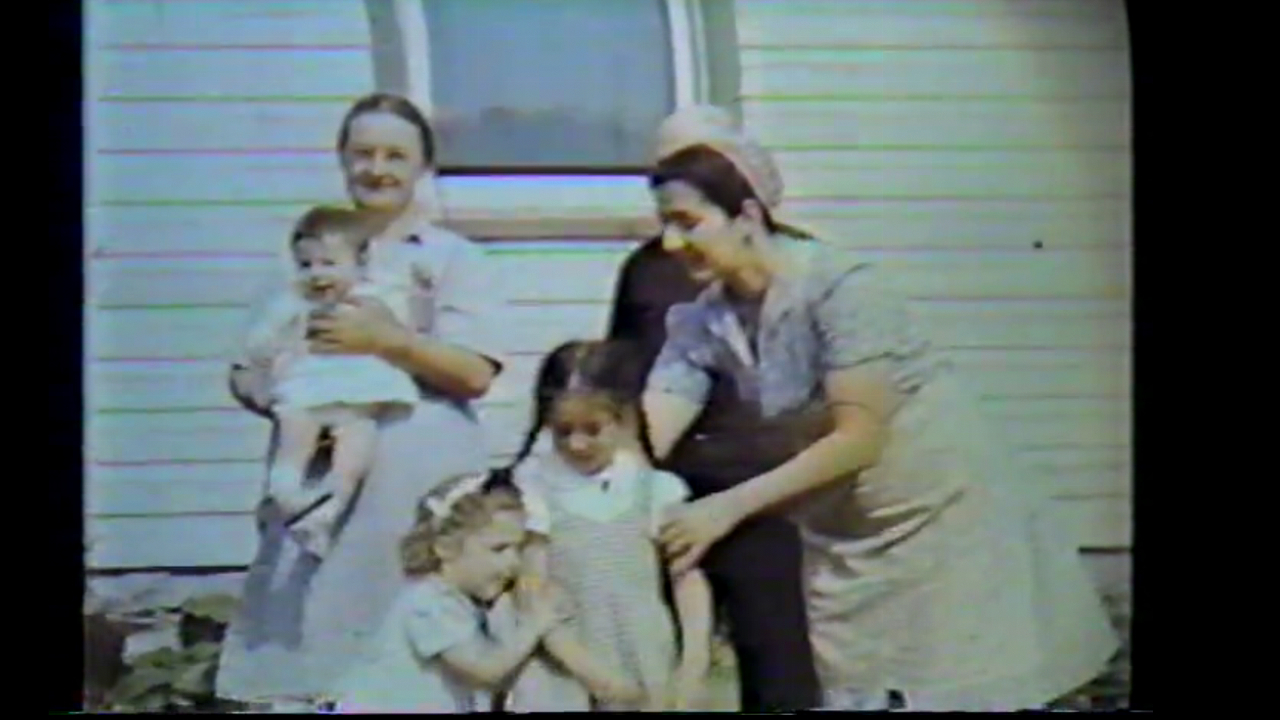
Mother guiding me with pigtails for the photo shoot with Grandma
Mother positioning me with pigtails for the movie shoot with Grandma

My mother was not the firstborn in her family but she was the oldest girl, so when her own mother died when she was nine, there were high expectations for her including milking two cows in the morning before she went to school. All too soon, she became a little mother alongside the house-keeper, nurturing her two younger siblings.

In the sit-com Everybody Loves Raymond, “Mother-ish” is the word Mama Marie Barone has used to describe her modus operandi.  Although I cringe to compare myself at any age to meddling mama Barone, it did seem natural for me to take on such a mothering role in my family. After all, I was the first-born, always ready to “tend” the younger ones.

Big sister helping little sister Jean to walk

Even looking straight ahead, I was aware of wiggly little sister, who would spoil the photo if she crawled away in this video clip:

*  *  *  *  *

Several years later, with a prayer covering almost as big as my mother’s and with motherly aplomb, I held my baby brother Mark.

13-year-old "mother" holding baby brother Mark
13-year-old “mother” holding baby brother Mark, with sister Jean

Alfred Adler was one of the first theorists to suggest that birth order has a profound effect on personality. However, his ideas about birth order have been repeatedly challenged by other researchers, like Cliff Isaacson, who argue that birth order is not a fixed state but subject to other influencing factors. Other studies (Scientific American) claim that family size, rather than birth order, is a better predictor of personality than birth order. Yet the concept of the take-charge, bossy (did I say “mother-ish?”) first-born persists in popular psychology.

Question Mark w border1_1x1_300

I wonder where you are in your family’s birth order: first, middle, last, or an only child?

Do you think this has influenced your personality at all?

Thanks for replying. You will always hear from me and probably learn from other commenters too. The stories continue!

Mennonites, Ventriloquists, and Memoir

The wild, permissive Rentzels with a red porch light live next door to our family, the Mennonite Longeneckers, one of several plain families that live on Anchor Road.

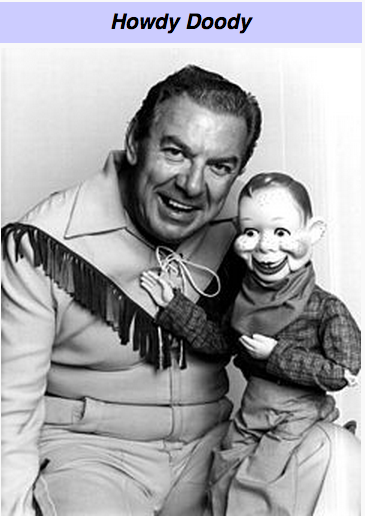
Image: Wikipedia
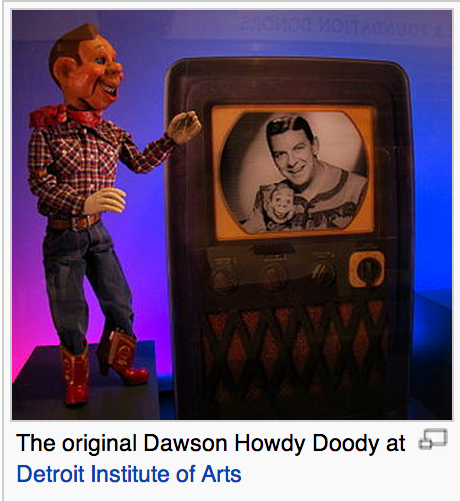
Image: Wikipedia

In their parlor, the Rentzel’s old Emerson black & white TV has introduced me to the wonders of The Howdy Doody Show with Buffalo Bob. As often as I can, I escape at 4 o’clock every day, running next door to ask Mammy Rentzel whether I may watch the show. Of course, she says Yes. I become part of the Peanut Gallery, mesmerized by Howdry Doody himself, a freckle-faced boy marionette with 48 freckles, one for each state of the Union in the 1950s.

EmersonTVHowdyDoody

My favorite parts are seeing Quaker Oats shot from guns, cannon-style and laughing along with the speechless Clarabell the Clown, who talks with a honking horn or squirts seltzer water. The shades are always pulled in the Rentzel’s tiny living room that smells like pipe smoke and mothballs, adding to the secretiveness of my television viewing. We’re not allowed to have a TV at home. Our church forbids it, but there is no rule to keep me from watching shows on somebody else’s TV! (Statement of Christian Doctrine and Rules and Discipline of the Lancaster Conference of the Mennonite Church,1968, Article V, Section 7):

Television programs are often destructive to the spiritual life and undermine the principles of separation from the world, the precepts of Christian morality, the proper respect for human life, and the sanctity of marriage and the Christian home.

Yet, Phineas T. Bluster, Clarabell the Clown, and Howdy Doody himself, continue to cast their spell upon me. Before I knew the word, I observed that Buffalo Bob Smith was a ventriloquist, himself voicing words that appear to come from the mouth of Howdy Doody.

The word ventriloquist derives from two Latin words: “venter” referring to the belly and “loqui,” to speak. Isn’t that what writers do? Speak on paper or computer screen from a place deep inside themselves where language mixes with thought and feeling.

Critic Brian Boyd says of writer Vladimir Nabokov, “In his novels Nabokov can not only ventriloquize his voice into the jitter and twitch of [his characters], but he can also” invent incidents . . . names, relationships.” Like a ventriloquist, Nabokov in his autobiography entitled Speak, Memory translates his life experiences into words.

Yes, memoir writers do just that: Give life to their memories by putting them into words. If your life is recorded as jottings in a journal or collected as photos in albums, you are “writing” memoir, perhaps starting out as amusement for yourself, but just so bequeathing a legacy to the next generation.

I’ll bet you may already have recorded your history, ventriloquizing your voice into something tangible: letters to family members in college, love letters, scrapbooks, family photo albums (physical or online) even recipes.

Question Mark w border1_1x1_300

How are you ventriloquizing your experience: art, journals, recipes, a memoir?

Inquiring minds want to know. The conversation starts (or continues) with you. As you know, I will always reply.

Dear Heart: My Driver’s License Speaks

Tucked under the signature of my Florida driver’s license are two words in blood-red that indicate that I am an organ donor. 

Blog_Marians FL License_4x2_300

This means that if I were in a fatal crash, my kidneys, liver, lungs, corneas—even my heart could be harvested for transplantation. Harvested and transplanted, two very agricultural-sounding terms for the brutal evisceration that must transpire before another human being can benefit from these vital organs.

via Goodreads
Image via Goodreads

Eleanor Vincent describes the impact of such a supreme gift from a mother’s point of view in her poignant memoir, Swimming with Maya: A Mother’s Story. When her 19-year-old daughter is left in a coma induced by a crushing fall from a horse, Eleanor struggles to make a heart-rending decision. What should be the fate of Maya’s healthy organs? Especially her heart. In the end, Maya’s heart is given to middle-aged Chilean businessman and father of two young children. Along this bumpy ride to full acceptance, Maya’s mother, whose husband no longer played a role in her daughter’s life, begins to think of Fernando, the heart recipient, as her daughter’s adopted father, “a kind of benign benefactor.”

Without telling anyone . . . I appoint Fernando the titular head of my family—a family that has shattered on the physical plane but one that I reconstitute in the ghost realm of my imagination. Seeing Maya’s continuing life through transplantation offers me a spiritual replacement for the searing physical absence of my daughter. She is dead, yes, but not entirely. Fernando experiences her vitality. As the home of Maya’s heart, he becomes a father figure for my daughter. As long as I see it this way, I don’t have to conduct the tug of war between my pain and his healing all alone. (216)

  *  *  *  *  *

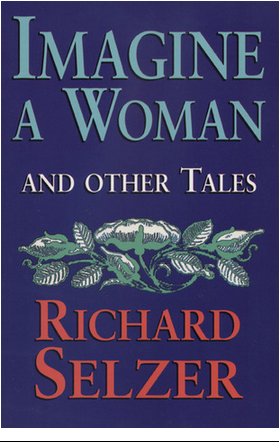
via Goodreads
Image via Goodreads

Like author Eleanor Vincent, surgeon and writer Richard Selzer describes the sense of comfort the emphatic, but soothing, lub-dup, lub-dup conveyed to the ear of the fictional Hannah, who made an equally heart-wrenching decision to donate her husband Sam‘s heart so that its recipient Henry Pope can live. As she lowers her ear to Henry’s chest, she senses her husband’s presence:

She could have stayed there forever, bathed in the sound and touch of that heart. Thus she lay, until her ear and the chest of the man had fused into a single bridge of flesh across which marched, one after the other, in cadence, the parade of that mighty heart. (27)

Clearly, organ donation of a loved one is dear, costly in both physical and emotional terms.

The designation “organ donor” has been on my driver’s license for a long time. I am not young, like Maya, or even in early middle-age, like Sam, So, I ponder, if donation became an option, would medical people even want my organs? Would my husband sign the papers to authorize such a donation? Now he says “Okay” to the kidneys, lungs, and corneas and possibly other tissues. But No! to my heart.

Your heart belongs to me, he says.

The case, apparently, is closed.

Do you know someone who has participated in organ donation either as a donor or as a recipient?  Have you? Other thoughts?

*  *  *  *  *

I’m celebrating my blog-i-versary. One year ago yesterday my first blog post was published. Thank you, thank you for making this first year so rewarding and memorable!

Thank you, dear reader!