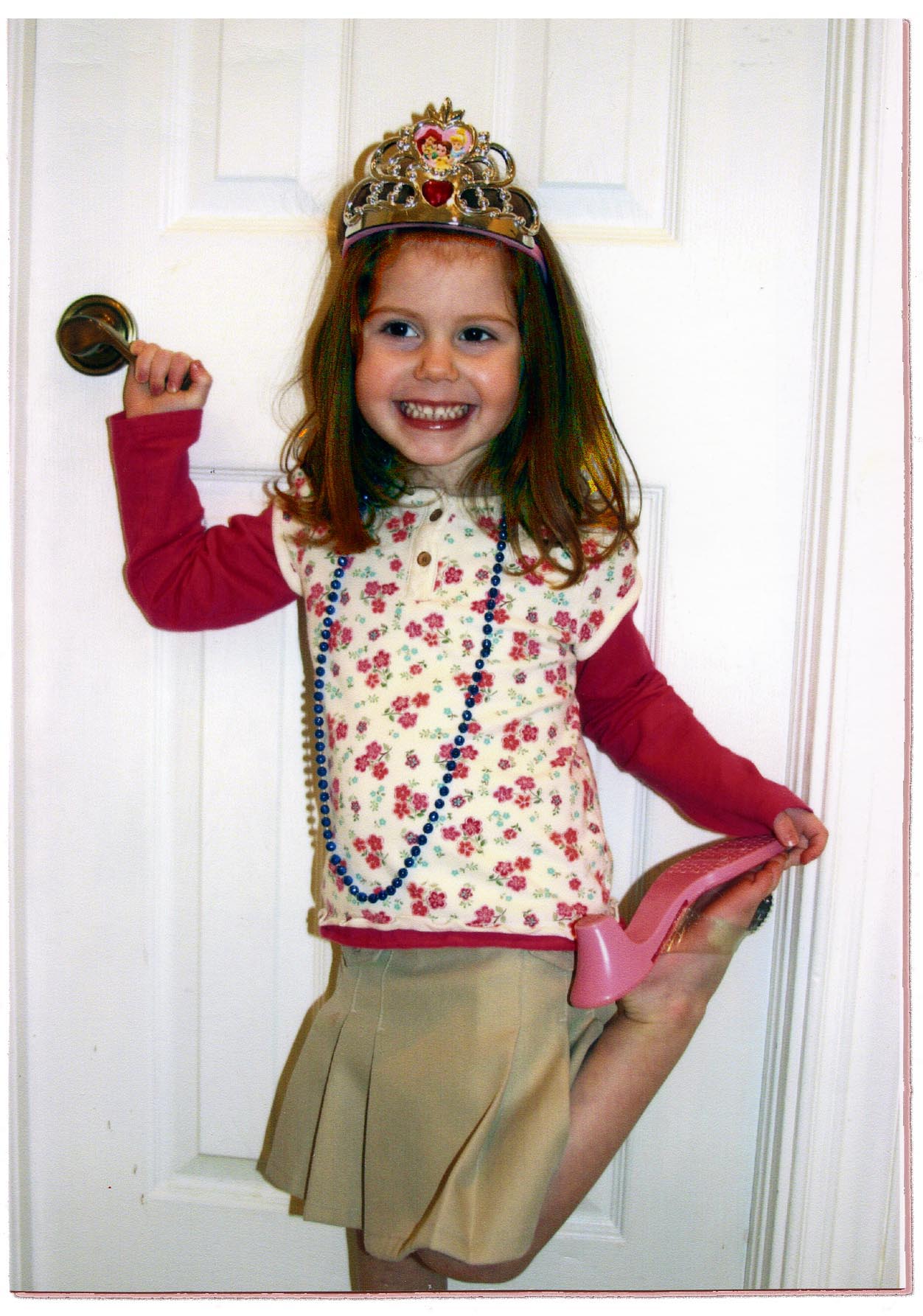
My auburn-haired granddaughter Jenna is very cute, and people frequently tell her how pretty she is. From an early age (here at 3 1/2), she has loved to primp and preen.
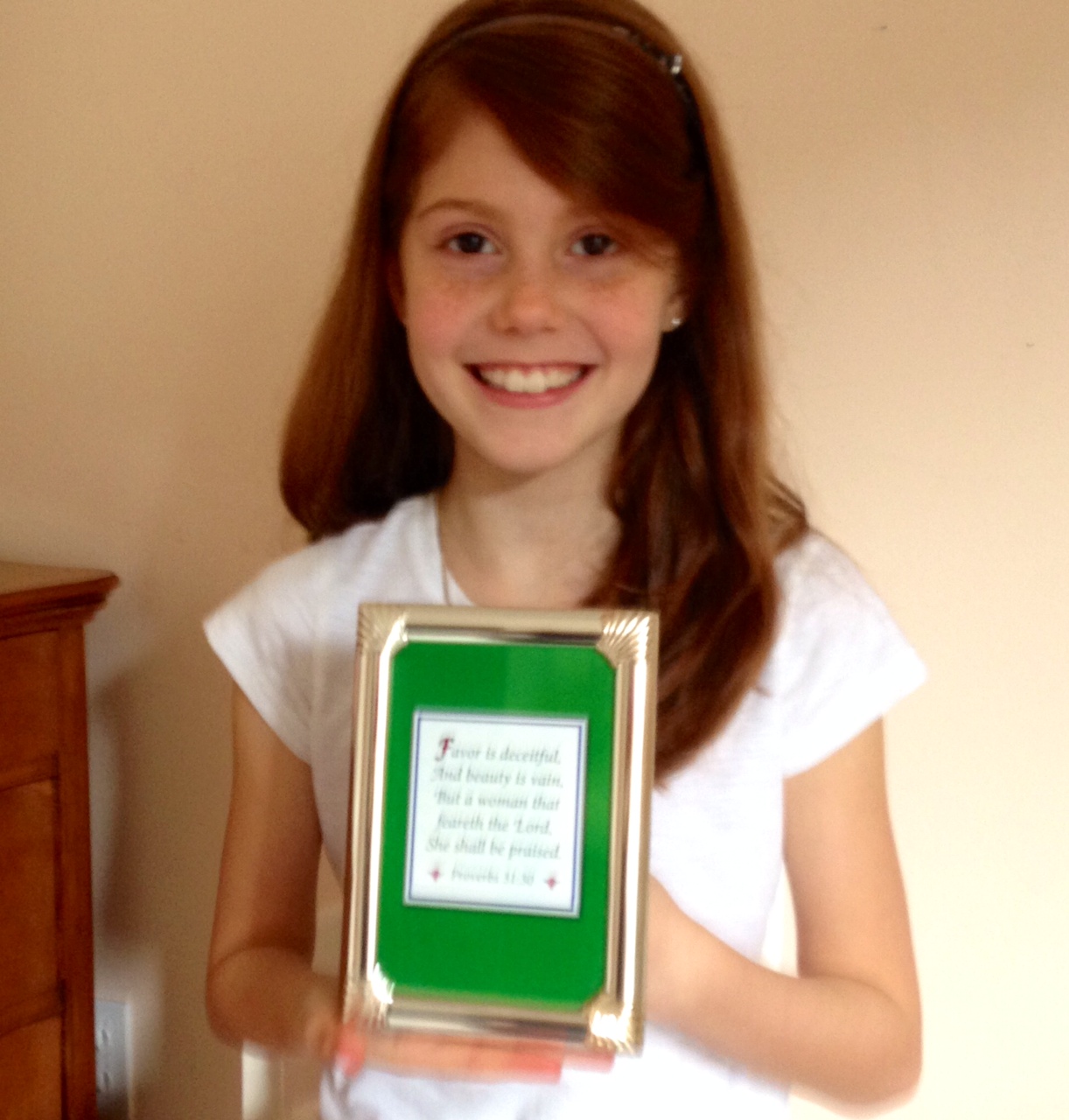
Even before she turned two, she would wake up, put on a gaudy plastic tiara and blue Lucite high-heels and toddle around her bedroom, every inch a princess. And there’s certainly nothing wrong with play-acting. But since then, in our Nana/Grand-daughter talks, I have reminded her that there are two kinds of beauty, the inside and outside kind. One lasts. The other one fades. Last year for her 9th birthday, her Grandpa and I collaborated on a gift to help her remember the meaning of inner beauty as she blossoms into a young woman.
It looked like this:
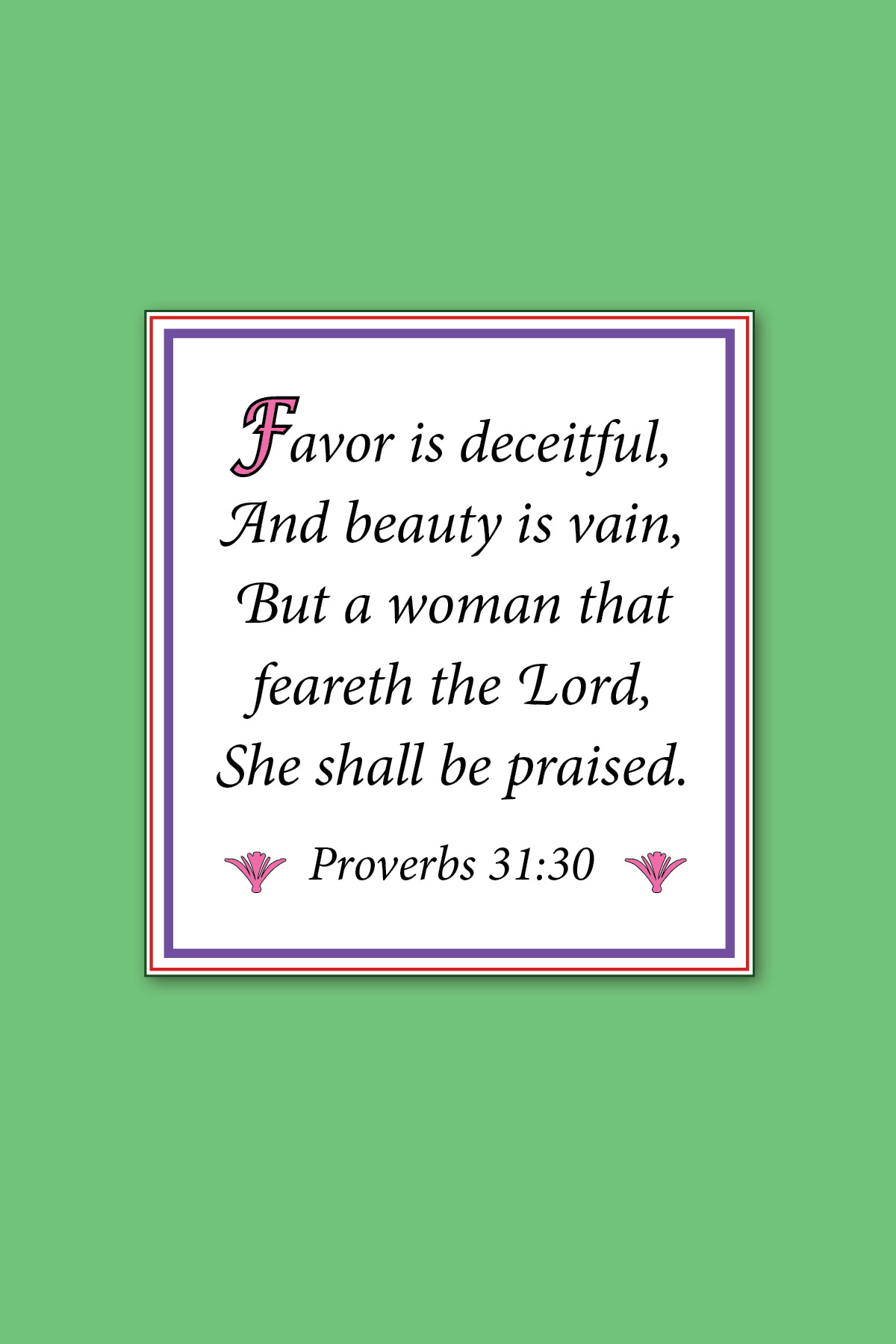
Here is the verse close-up:
We have talked about the meaning of those solemn and ancient words from the King James Version: favor, deceitful, vain — and have discussed what the verse written centuries ago might be saying to a young girl like her today. She knows for sure that there is nothing wrong with being attractive, but looks are not the most important thing in her life.
to be continued . . .
Wanda’s Story
I don’t know Wanda’s last name, but I know what she looked like before/after her appearance on the TV show “What Not to Wear.” Hosts of the show, Clint Kelly and Stacy London, help Wanda, a family therapist from San Diego, transform from boring beige to beautiful blue. In the course of the metamorphosis, the 47-year-old career woman, reveals that she grew up in a Mennonite culture and thought of beauty as something “to be frowned upon,” something even “dangerous” to use her description.
Here is Wanda’s frumpy before and stylish “after” look:
You can see her “before” pict and hear a snippet of her story on this short YouTube
For Wanda, no more “monochromatic modesty or khaki catastrophe.” She exclaims at the end of the show: “Now I can walk into the future with my inside and outside more coherent.” In the grand finale, a band of friends and relatives gather around the stage to applaud the transformed Wanda who glitters in stylish heels and a purple “date” dress.
As the banner on my welcome page shows (Mennonite prayer veiling paired with a pair of sassy red heels), I can certainly relate to Wanda’s viewpoint. You can read about it in a former post. My own metamorphosis from plain to fancy did not happen nearly as quickly as hers, but over the years I have tried to focus on the qualities that reflect inner beauty just as I try to model them for my grand-daughter Jenna.
What about you? Maybe you are not 40-something anymore. You might be 50, 60 or beyond. Still there’s beauty at any age. That’s certainly what I think.
Do you (as Wanda now thinks) believe your inside and outside appearance should match?
How do you define Beauty?
Coming next: Moments of Discovery: Mother’s Quilts
To my friends both in the northern and southern hemisphere, some thoughts about the weather. All quotations from BrainyQuotes.
Sometimes I wish I was the weather, you’d bring me up in conversation forever. And when it rained, I’d be the talk of the day. — John Mayer
I like the cold weather. It means you get work done. — Noam Chomsky
Wherever you go, no matter what the weather, always bring your own sunshine. — Anthony J. D’Angelo
Scarves, mittens, and hats are a great way to express your personality in the cold weather. — Brad Goreski
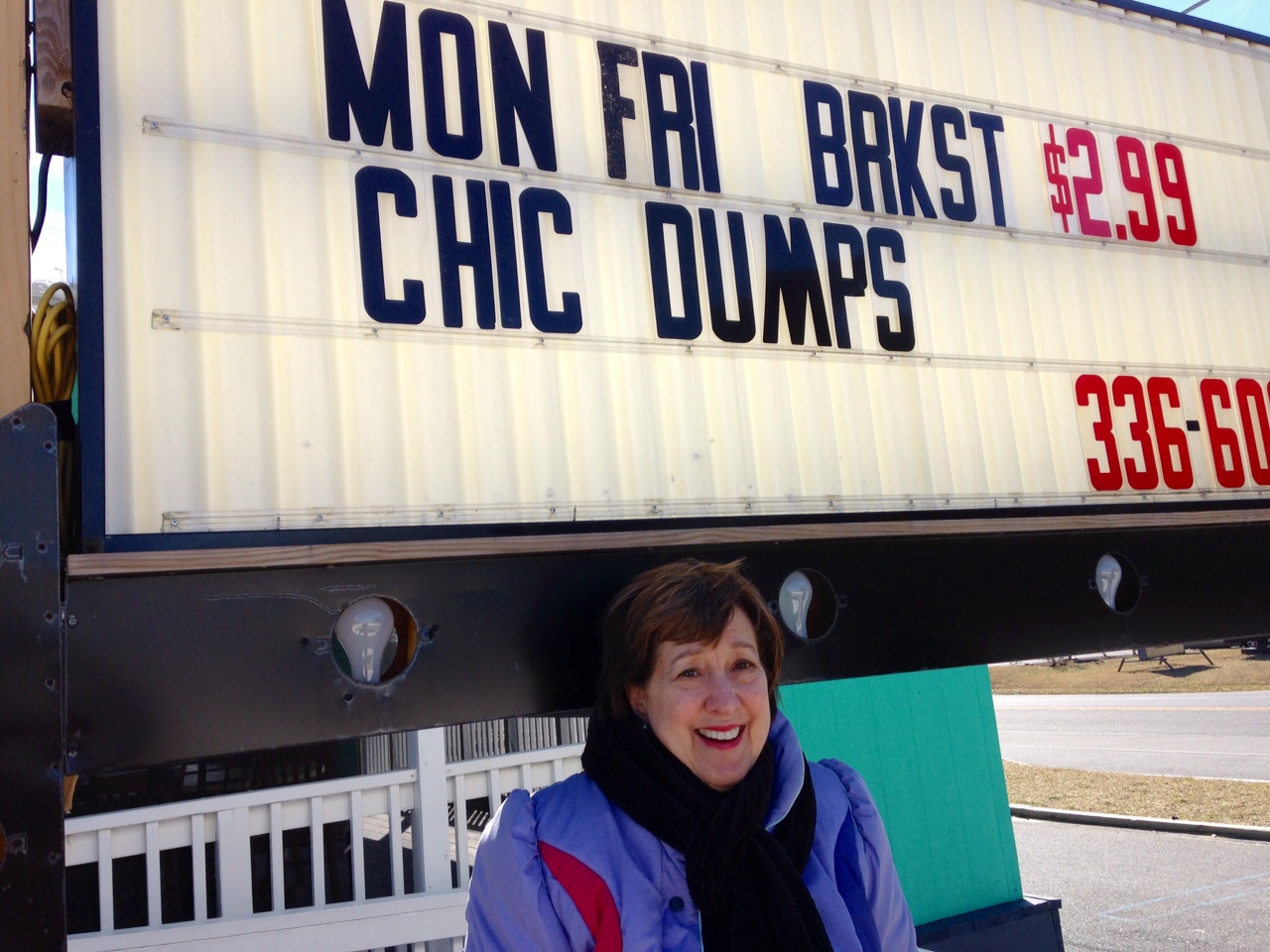
Where’s my hat? Freezing temps on Chincoteague Island, VA Chic Dumps? Best guess: Chicken and Dumplings
People don’t notice whether it’s winter or summer when they’re happy.
— Anton Chekhov
For there is no friend like a sister / In calm or stormy weather; / To cheer one on the tedious way, / To fetch one if one goes astray, / To lift one if one totters down,/ To strengthen whilst one stands. –– Christina Rossetti
(from “Goblin Market”)
A friendship can weather most things and thrive in thin soil; but it needs a little mulch of letters and phone calls and small, silly presents every so often – just to save it from drying out completely. — Pam Brown
The forecast: Spring will come!
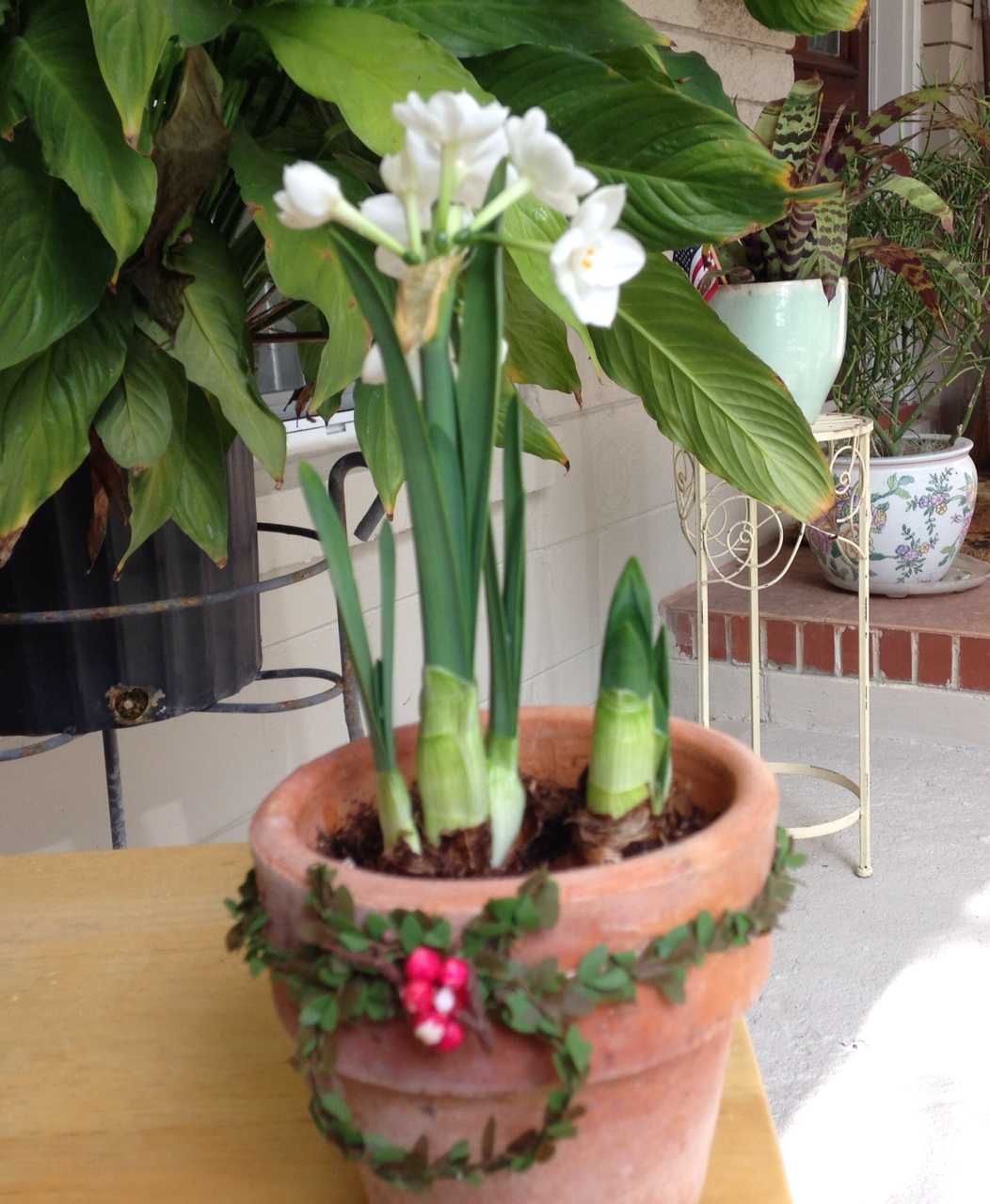
Paperwhites from the narcissus family, with their “delicate color and sweet, musky fragrance,” a forecast of spring to come.
While the earth remaineth, seedtime and harvest, and cold and heat, and summer and winter, and day and night shall not cease. Genesis 8:22 KJV
I’m guessing you agree with some quotes more than others. One or two you may completely disagree with.
Can you add another one? We’ll be listening . . .
Coming next: Wanda: Boring in Beige or Beautiful in Blue?
Once upon a time, there were five memoirists who met online through their writing websites. One of them, Janet Givens, who had a rustic log house on Chincoteague Island, Virginia, invited four blogging friends to join her for a writers’ retreat: Kathy Pooler, Joan Rough, Shirley Showalter and me.
According to Janet, “It was grand.” At the end of the week, we all agreed. Now, you ask, what made the week so special?
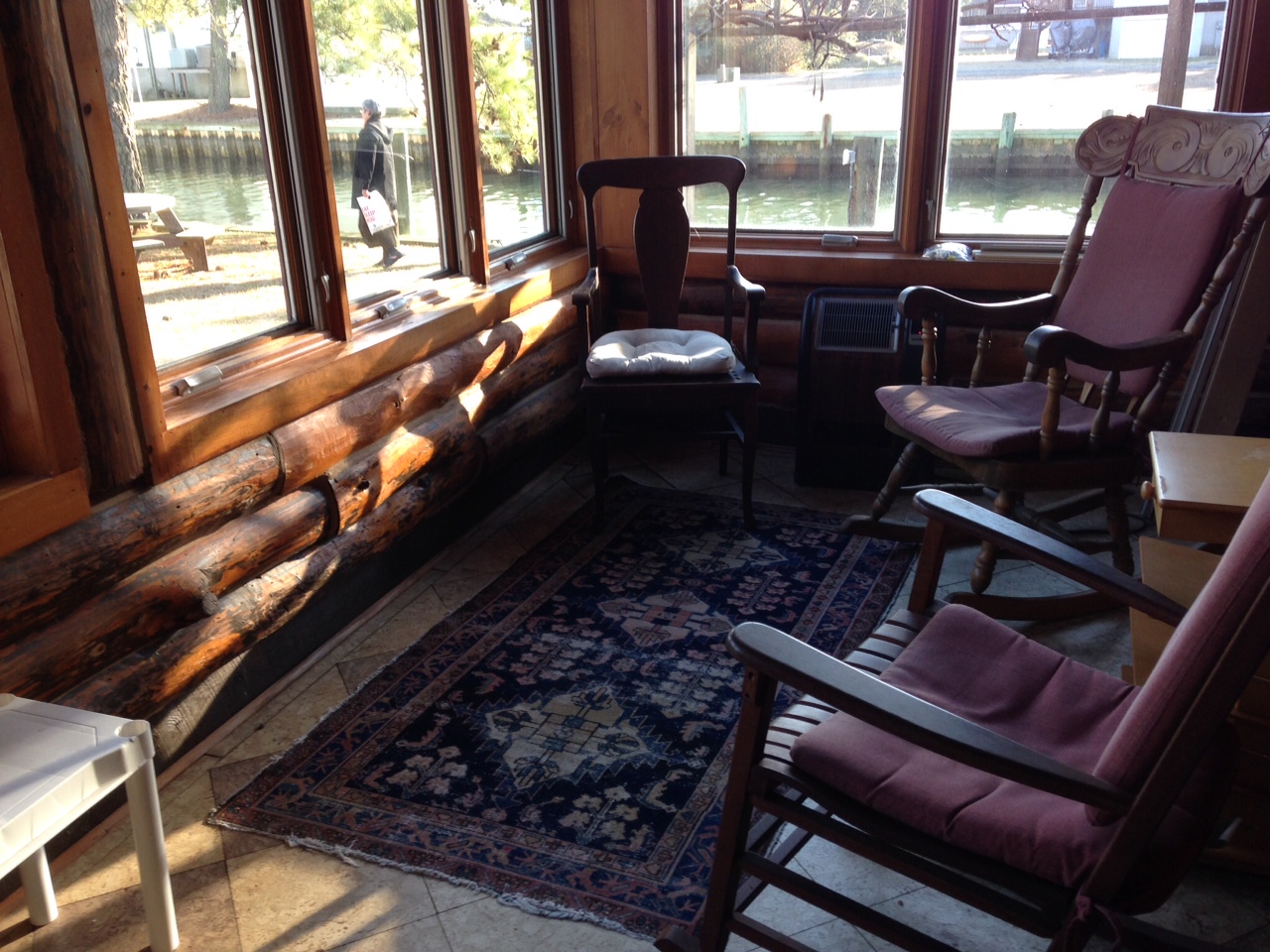
First of all, the spacious log house was charming:
And there is an enclosed porch where we ate breakfast overlooking a canal and the shimmering Oyster Bay facing east.
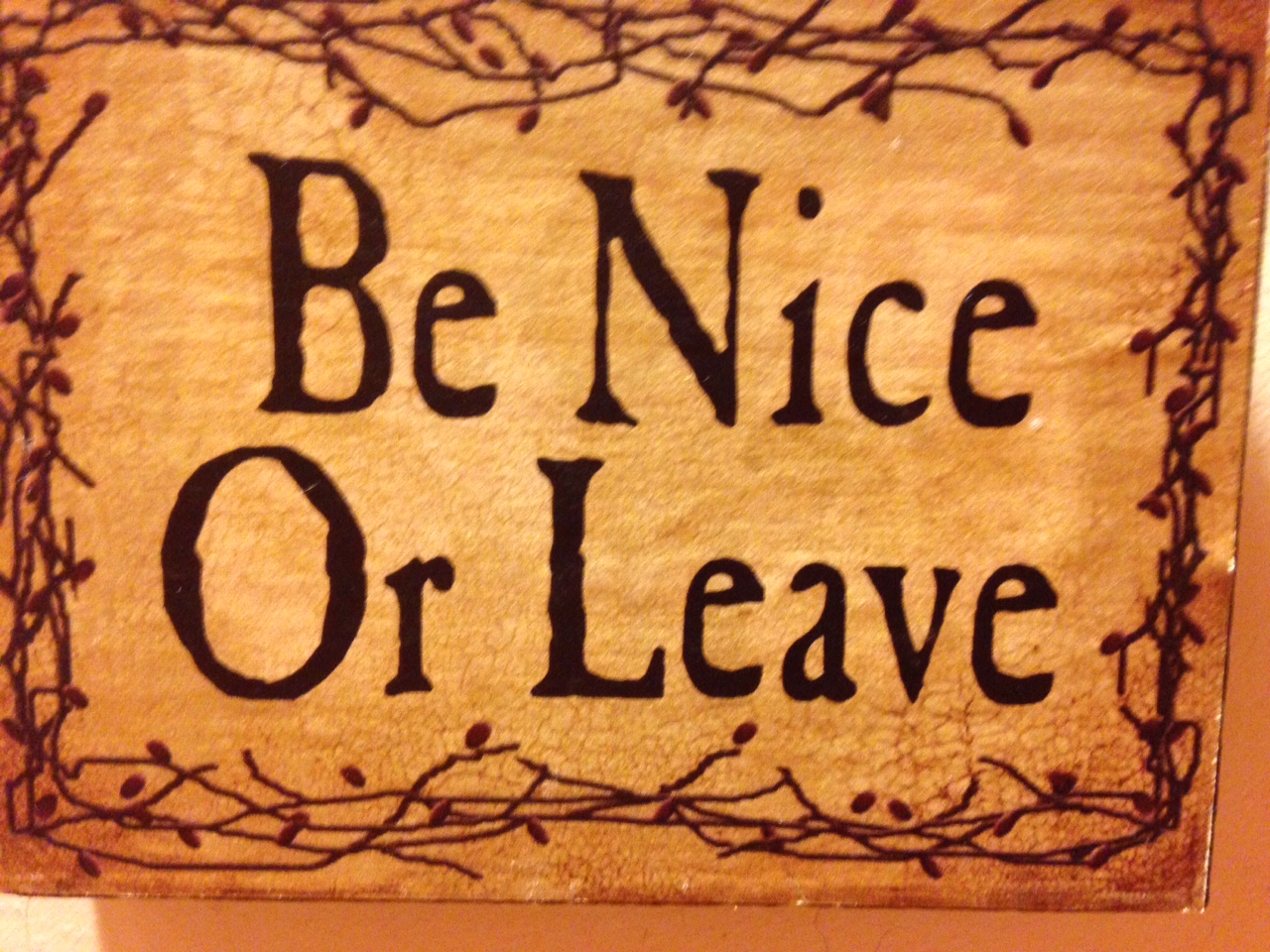
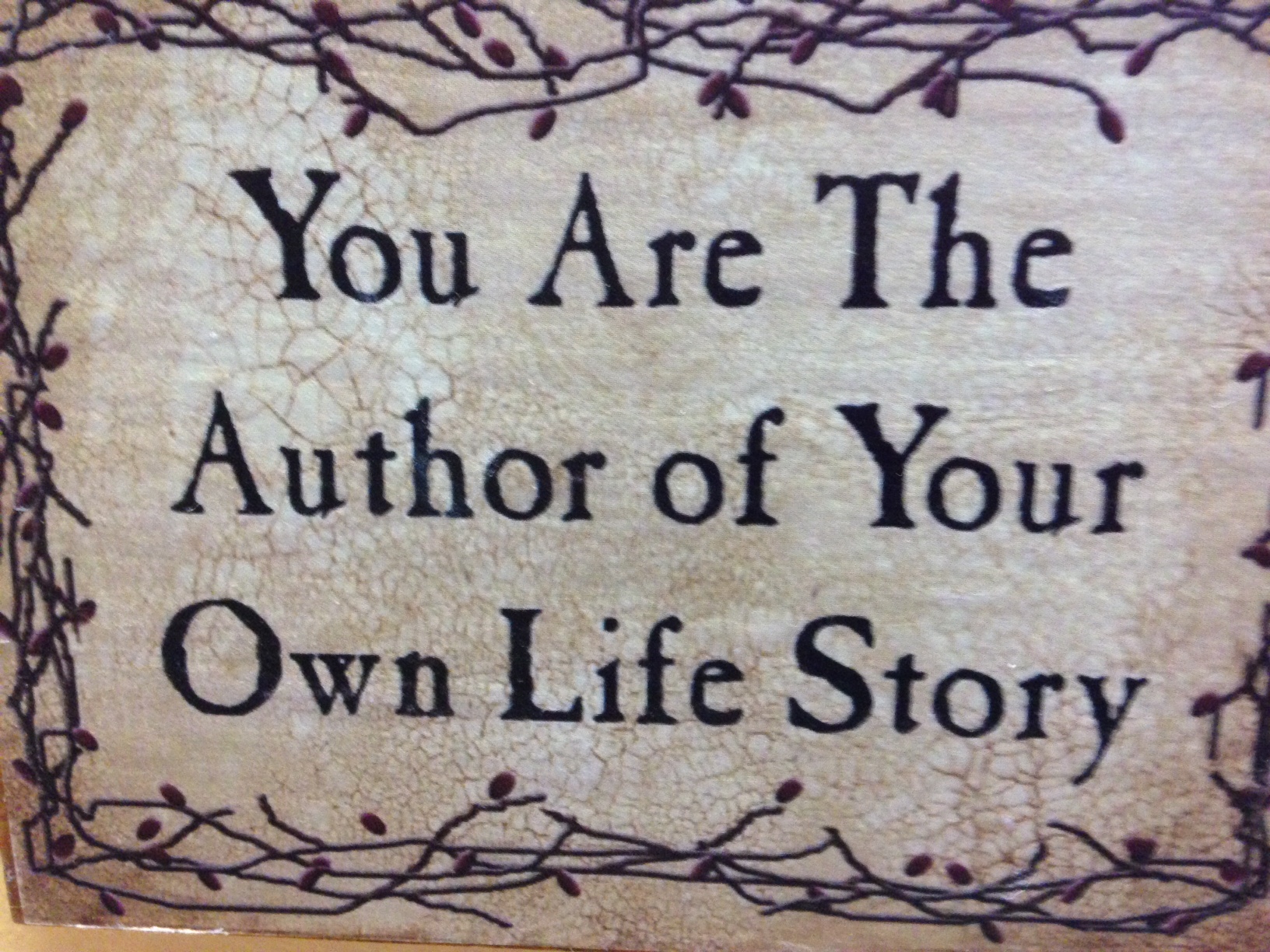
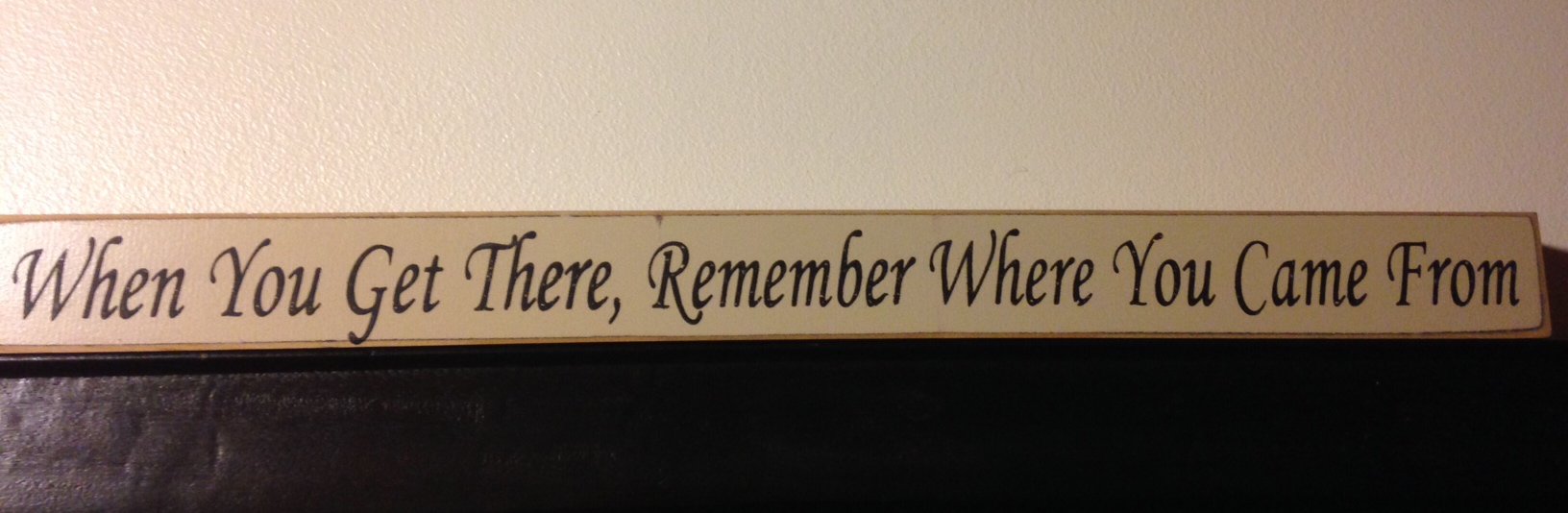
All around the house were clever or catty sayings on wooden plaques:
No one was voted off the Island. We all stayed.
That’s right: Everyone behaved!
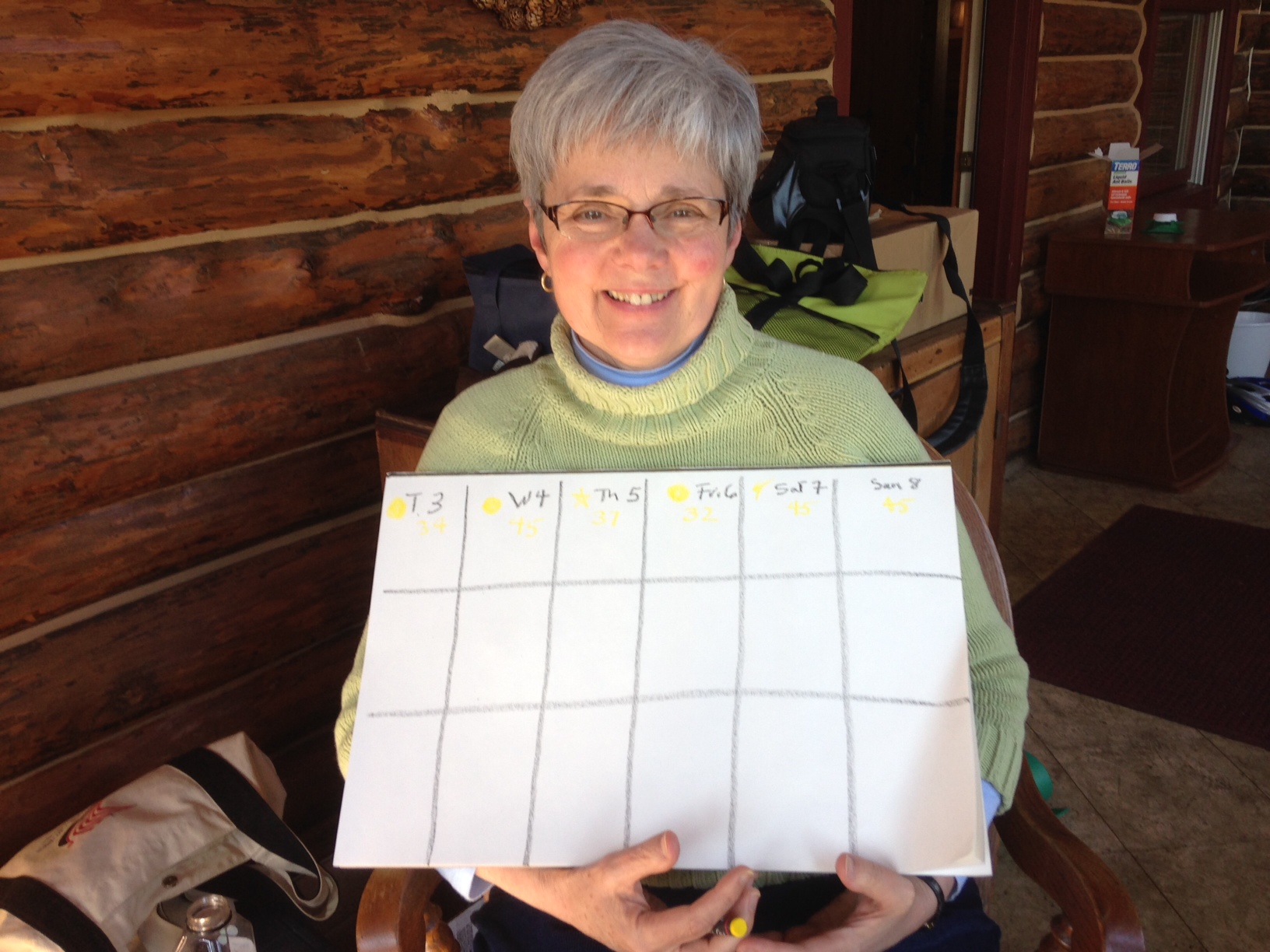
As we began, we did have a plan to include the clichéd 3 F’s and a W: food, fun, fellowship – and writing, of course. In a joint effort, Shirley recorded on paper how our days might unfold.
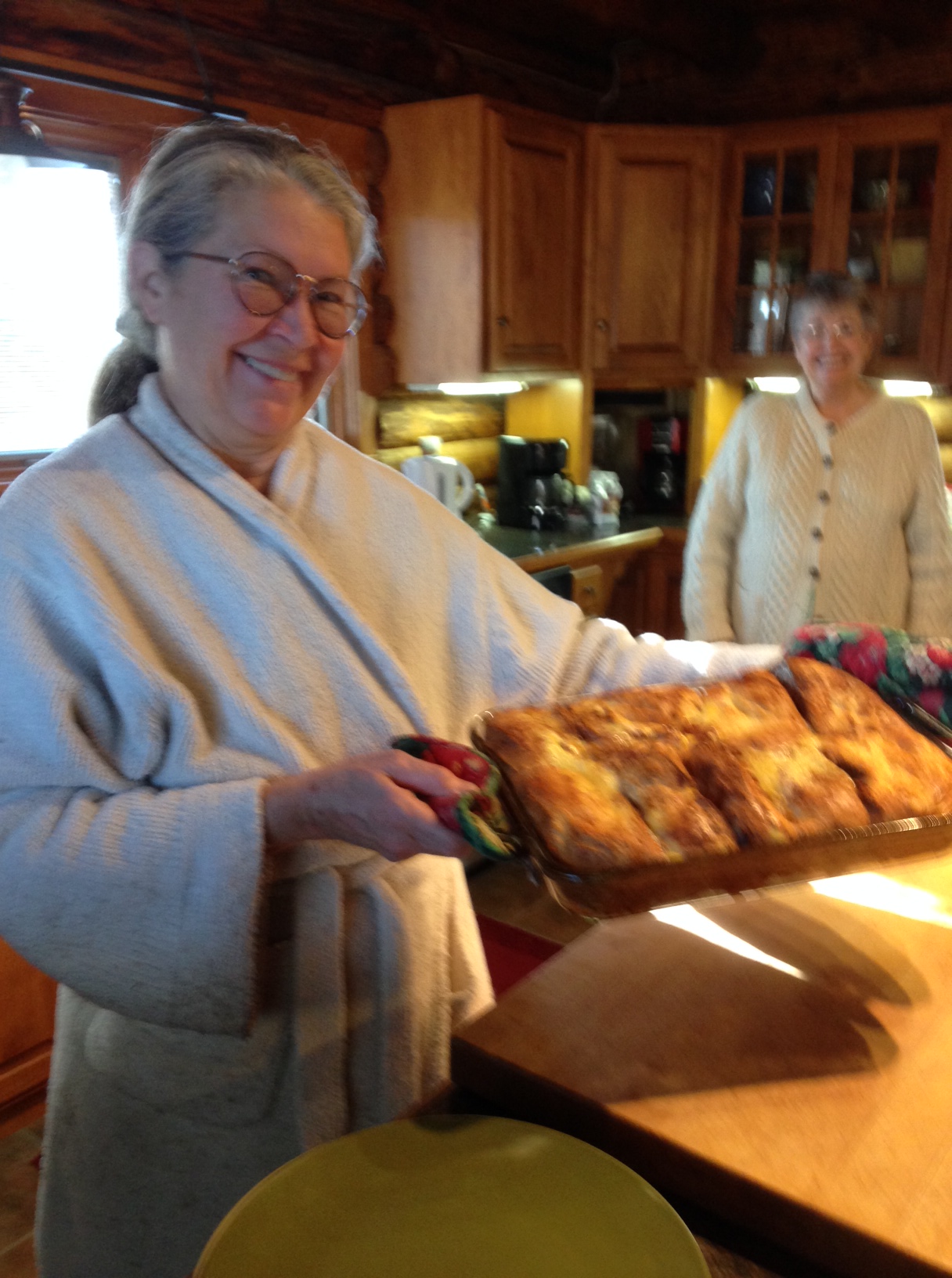
Every day, we enjoyed breakfast together, one day with French toast oven-baked by our host Janet with Joan beaming her blessing:
Then we had writing time and do-it-yourself lunches with afternoons for more writing or walks.
Some days it was cold!
One fairly warm day, we all took a hike into the Assateague Preserve to see the world-renowned ponies, made famous by Marguerite Henry’s Misty Books. According to one friend’s pedometer, we logged about 3 miles walking the beach and side trails.
And we enjoyed the exhibit at the Visitors’ Center:
Other Days, we wandered along the main road in Chincoteague. As we explored, we found some interesting sights.
And a mailbox replicating the house of the owner in the distance:
Mailbox replica of house behind
Every evening, we had healthy meals: Chicken chili, frittata, stuffed sweet potatoes, pasta fagioli. This night, Joan is helping Shirley serve broccoli soup with Waldorf salad.
After dinner from Tuesday – Saturday, we gathered on the comfy sofa and chairs close to the wood stove. From 7 – 9:30 one of us had the spotlight with an opportunity to get feedback on our writing or blogging. As a beginning memoirist, on Tuesday night, I got clarity about the focus for my story. Distributing a preliminary outline, I asked, “Where in all this muddle is my true story?” Happily, I got wise words from three women who’ve already published memoirs (Kathy, Janet, and Shirley) and one (Joan) with a book poised for publication.
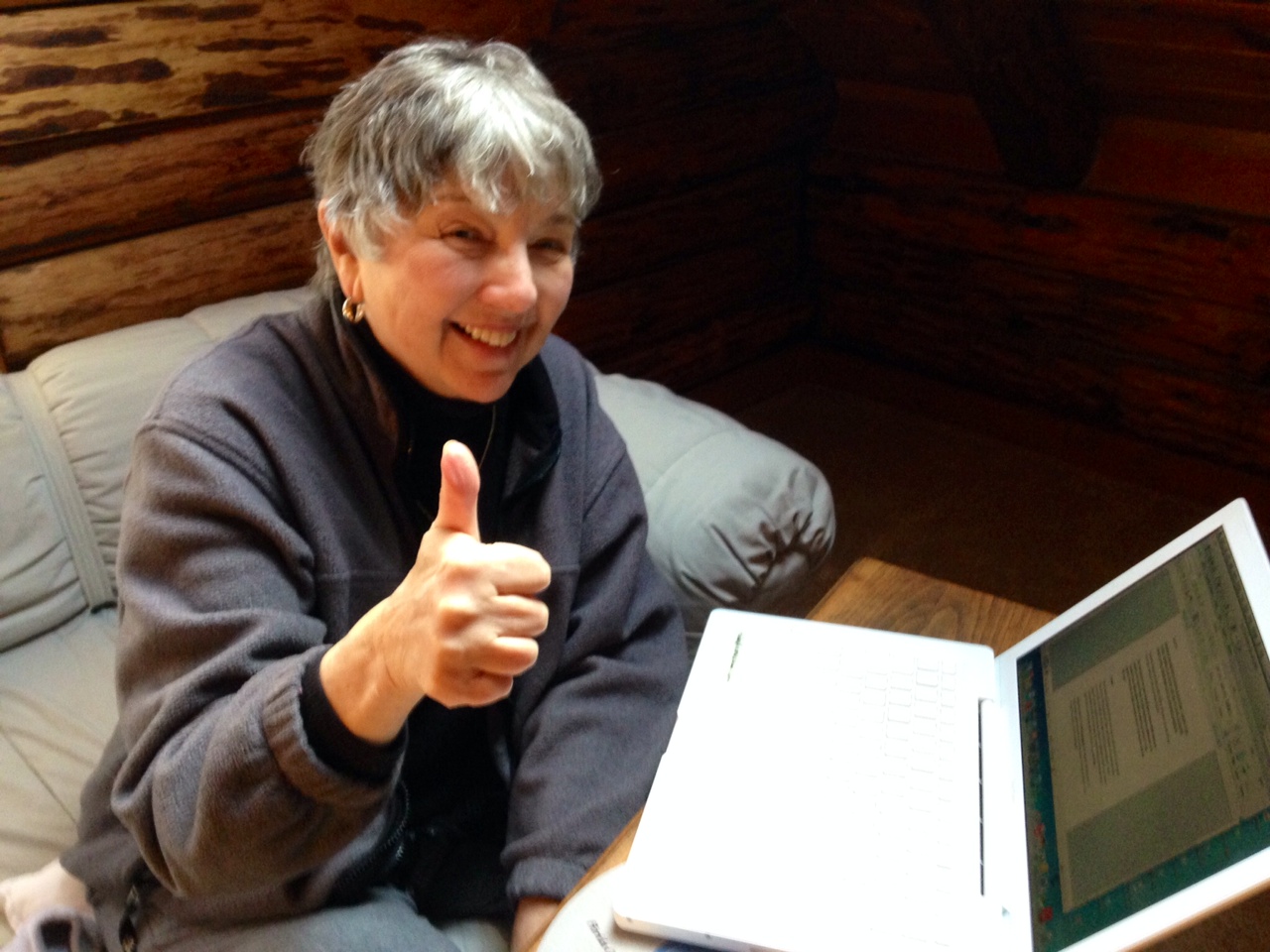
After struggling through revisions, my room-mate Kathy, gestures her approval of my story blurb and synopsis:
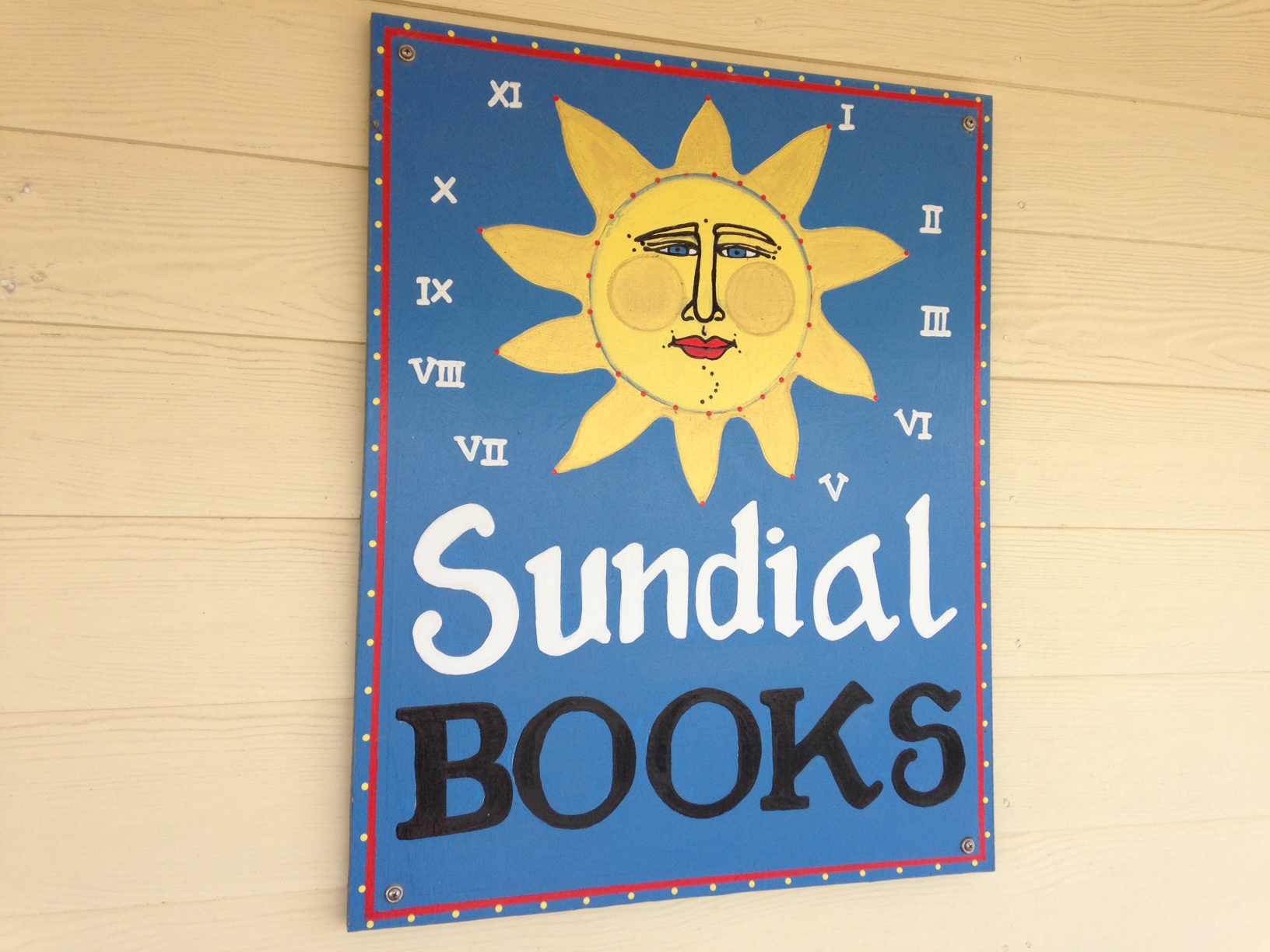
On Sunday, our last full day together, we joined Janet at the Sundial Book store for her author talk/book signing.
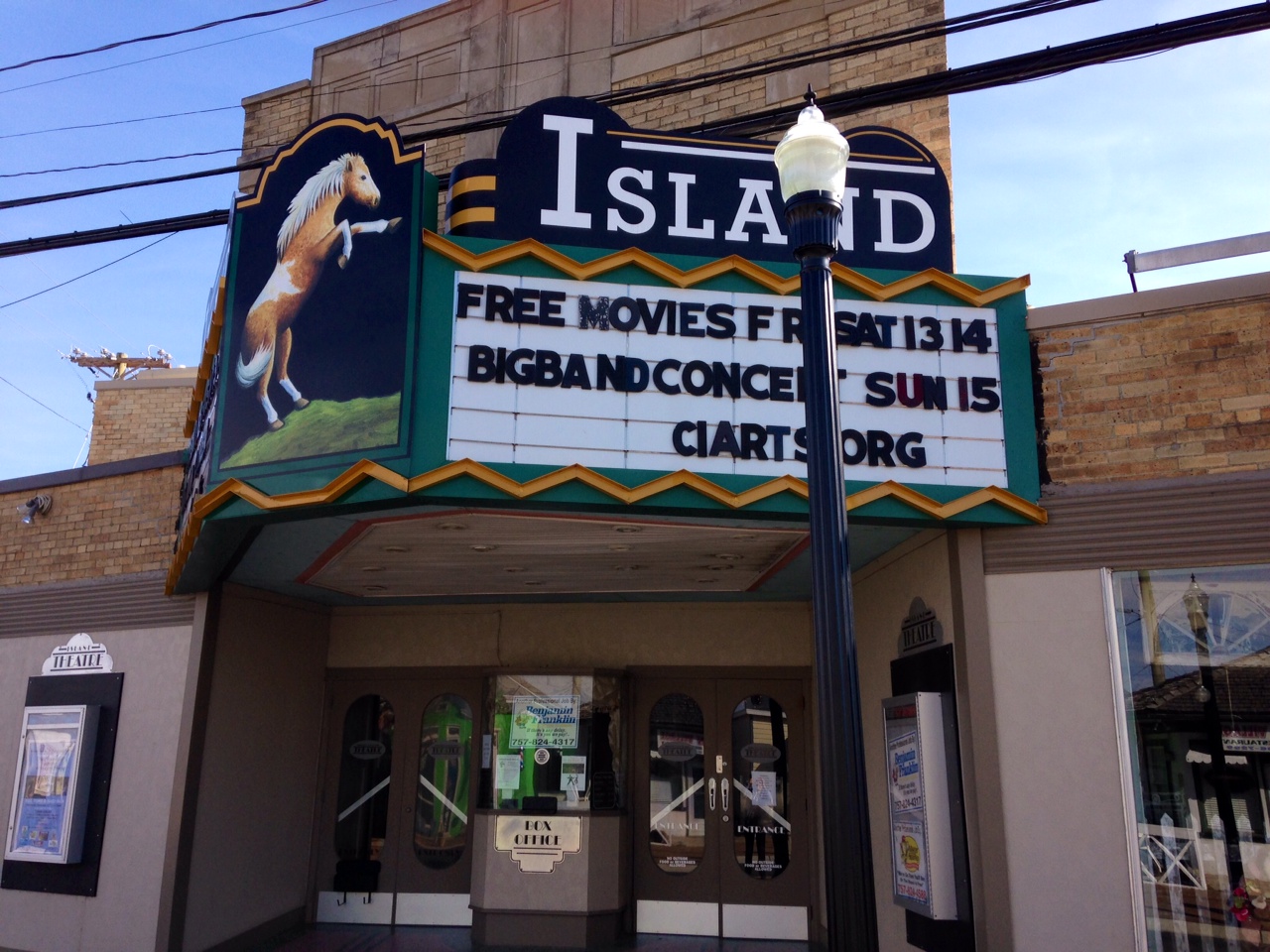
Afterwards we bought books and other gifts for our loved ones. Leaving the store, we spotted the theatre marquee across the street . . .
. . . and behind the store, outsized LOVE chairs by the bridge. (Think Lily Tomlin dwarfed in a big chair here.)
Finally, we gathered again to celebrate the productive week and our deepened friendships as we watched back-to-back episodes of Downton Abbey. As the week ended, we all wrote off into the sunset.
* * *
Our story, like Downton Abbey, proceeded in chronological time but with some flashbacks, like many good stories.
My version of The Week at Chincoteague is based on a variation of the story model by PIXAR, the moviemaker who tells perfect stories like Toy Story I and II. Since 1995, their storytelling wisdom has spawned many a tall/true tale. Yes, Shirley shared this link with me last week, which I pass on as a template for your own story. Here is the PIXAR prompt page.
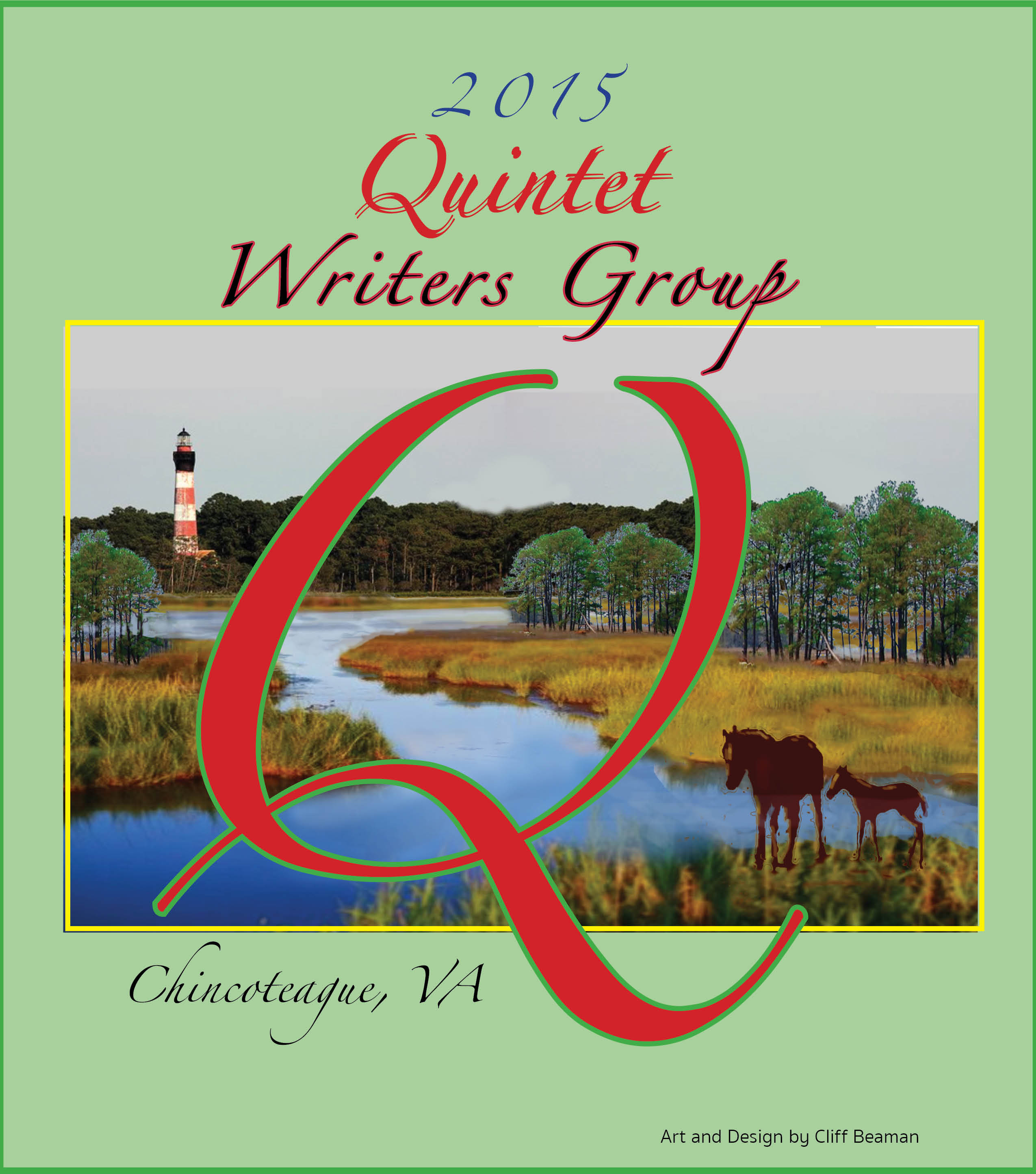
My husband Cliff designed the cover for our photo albums of the week:
Alternate Title: Cinco Chinco Chiques
In today’s post title, I promised you a Wonder, and here it is:
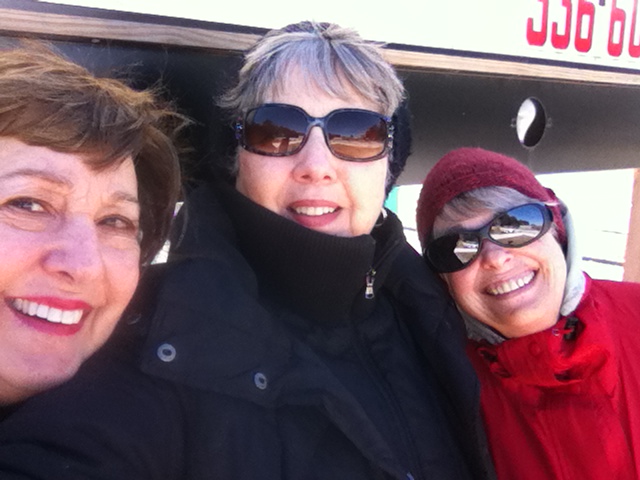
Standing: Janet Givens, Kathy Pooler, Marian Beaman Seated: Shirley Showalter, Joan Rough
Five writers, none of whom had met all the others, retreat to a magical island for a WONDERful time, honing their writing skills and deepening friendships.
ClickHEREfor more information on how to reserve Janet’s log house for a writers’ retreat or your own family vacation!
We love words! Share some of your thoughts here . . .
Coming next: Purple Passages and a Weather Forecast
Actor Tom Hanks in the movie Forrest Gump tries to strike up a conversation with a tired nurse seated beside him on a park bench. Holding a box of chocolates in his hand, Forrest offers her a treat, “My mother always said, “Life is like a box of chocolates. You never know what you’re gonna get.” You remember the scene. Here is a 38-second clip from the movie:
“Health by chocolate” is one of the phrases that popped up on the web when I researched the health benefits of eating chocolate, which may stem from the antioxidant flavonoids find in the cacao bean. Another website listed 9 benefits of eating chocolate. Rich and delicious dark chocolate especially (at least 70 % cacao, a disease-killing bullet) is “good for more than healing a broken heart” it touts.
Among the nine benefits included in this article were a healthy heart, possible weight loss (because it lessens one’s cravings for other sweet, salty, and fatty foods), stress reduction, and even higher intelligence in the short term because chocolate boosts blood flow to the brain.
The box of chocolates Forrest Gump was holding contains way more calories than this article suggests because the candies were probably filled with nougat, sweet cherries, caramel, and other taste-bud ticklers. But he’s right, unless the box lid is imprinted with the different flavors, you never know what you are going to get. Usually, though, the surprise is pleasant.
In the 2000 movie Choclat, Vianne Rocher, played by Juliette Binoche, tries to guess Roux’s (Johnny Depp’s) favorite chocolate confection. Vianne tries more than once to offer the treat that will get an “Aha” from him, including presenting him with one in a special white box. Later she succeeds unexpectedly as you can see here:
l
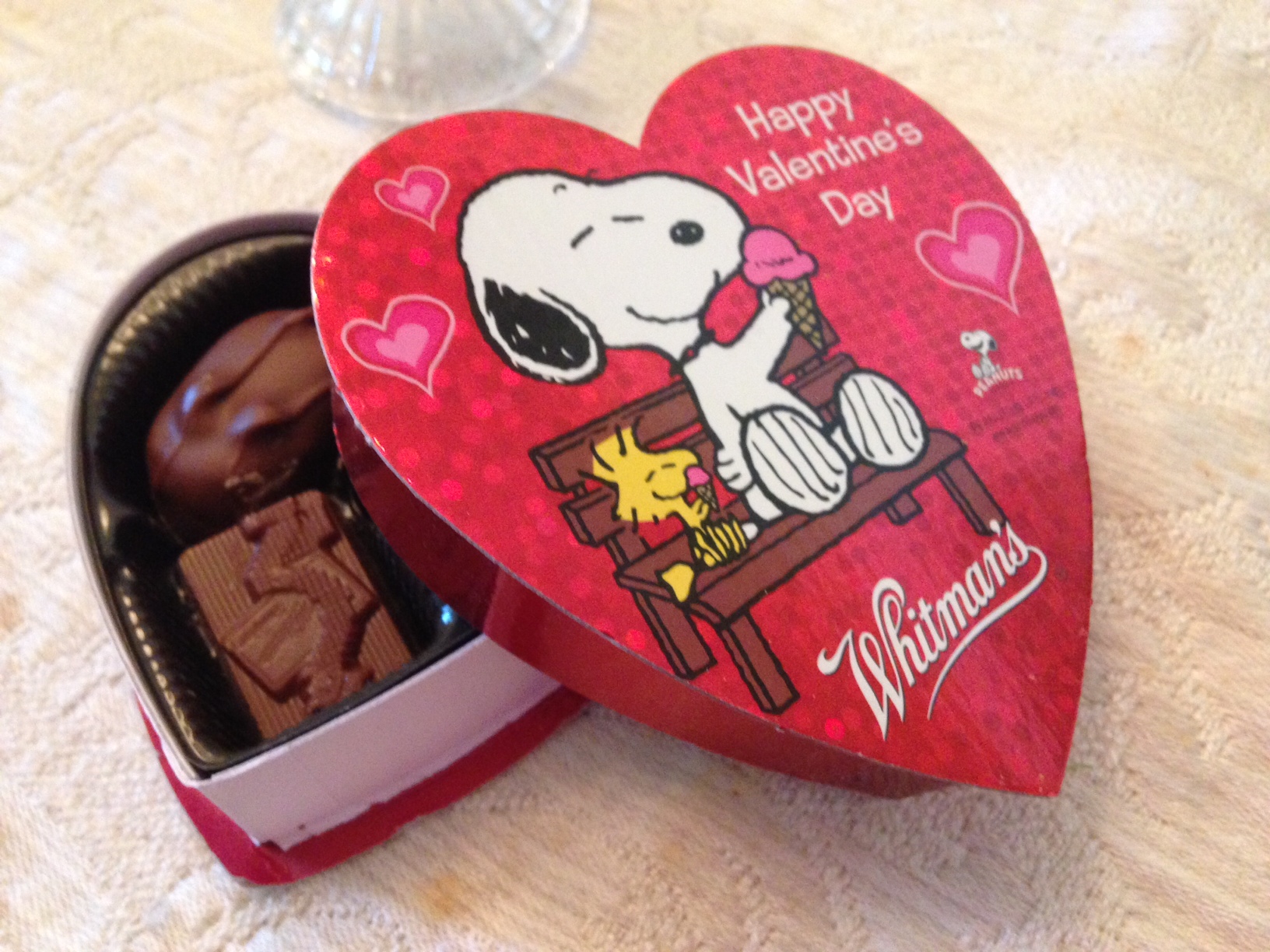
Receiving or giving a box of chocolates (or even savoring hot chocolate) is a welcome experience any time of year.
What is your relationship with chocolate? What is your favorite kind of chocolate?
Remember punching out valentine cards that came 8-10 to a page and addressing them to send to your classmates? Back then the do-it-yourself craze hadn’t caught on in the Valentine’s Day department. A least, not at Rheems Elementary School. Though we may have made a special card for Mom in art class, shiny, mass-produced cards were de rigueur for others.
Now websites galore displays steps, even videos, for creating your signature card. Author and Visual artist Kathryn McCullough suggests: “If spending a small fortune on store-bought greeting cards doesn’t appeal to you and you have an old phone book, scissors, and glue, maybe a bottle cap or two (and a bit of imagination), you can create a Valentine that expresses love for both your partner and the planet.” She promises that if you can cut and paste, you can create a card from scratch that looks like this:
My husband Cliff, like Kathryn, is a visual artist and sometimes comes up with hand-made cards, none of which requires a button or a glue gun.
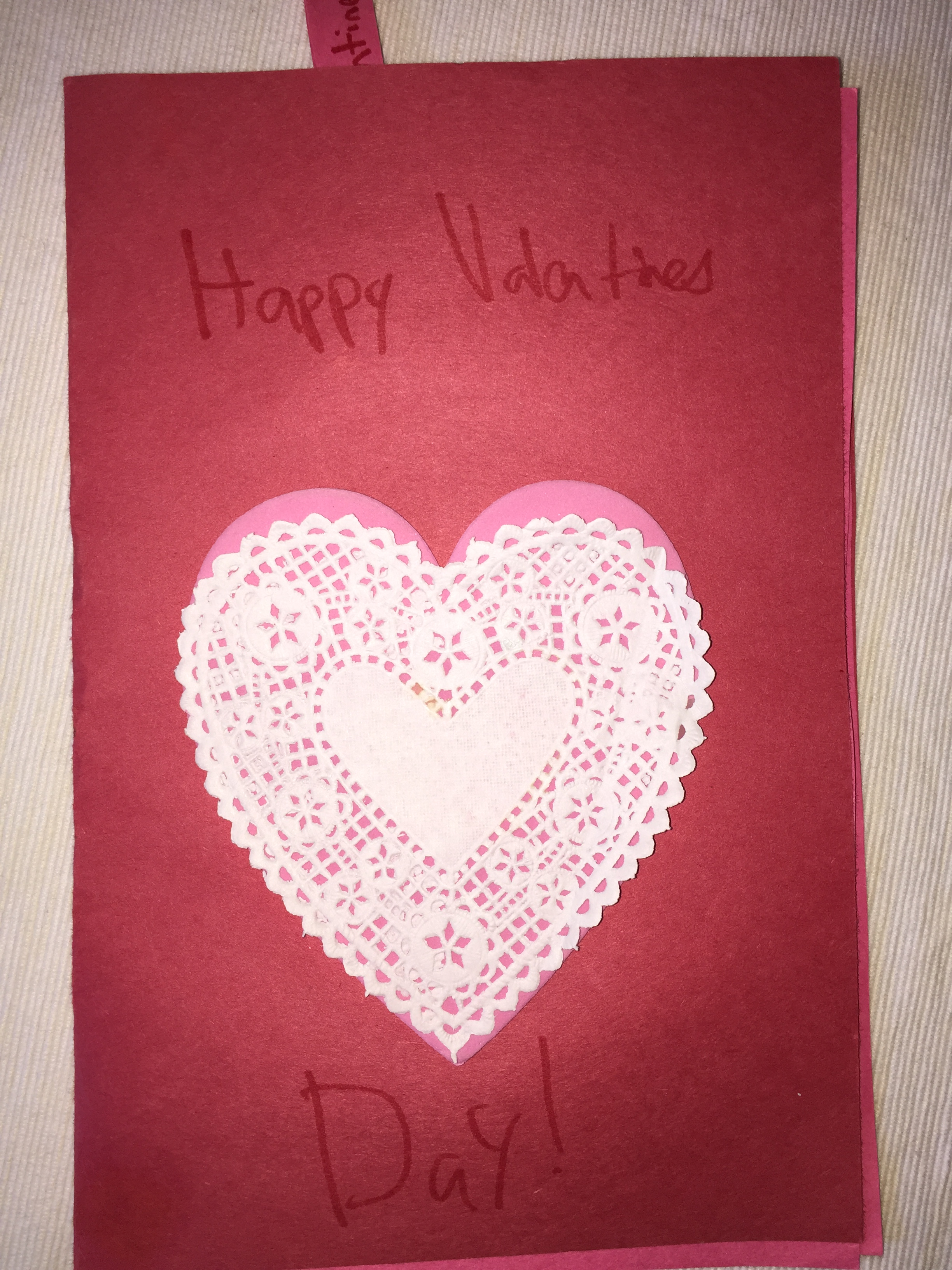
I, on the other hand, buy my valentines in a store. Once though I got up the nerve to make my own card, raiding my sewing closet and cutting up old cards, fashioning lace and felt paper into my version of a DIY Valentine. Here is the result, a little worse for the wear:
Kids create spontaneously and usually don’t want to bother with bottle caps, lace or fancy paper. Crayons, construction paper and doily hearts will do too.
Jenna’s ValentinePatrick’s card
Did you ever create a valentine from trash? When was the last time you made (or received) a home-made valentine?
My high school yearbook The Elizabethan sports such 3-syllable last names as Aschendorf, Biesecker, Espenshade, Hippensteel, Oxenrider, and Zimmerman. In Lancaster County, Pennsylvania any roster of names would be heavily represented by families of German-Swiss origin.
Yes, there were Smiths, McLaughlins, and Youngs, but the Pennsylvania Dutch names far outnumbered them. On class rosters there were no names from the Cyrillic alphabet like Lyashchenko or like Chang, formed of Asian characters. Not a one. Yet as our world has grown more culturally diverse, so have the class rosters and phone directories of small towns like Elizabethtown, Pennsylvania.
In the January 6, 2015 edition of Performance Today, Fred Child referred to a list of musicians with jaw-breaking names. You can find the complete list on their Facebook page, but here are a few choice ones:
Composer Carl Ditters von Dittersdorf
Conductor Hans Knappertsbusch
Poet Walther von der Vogelweide
Composer Einojuhani Rautavaara
Composer Heinrich Ignaz Franz von Biber
Conductor Gennady Rozhdestvensky
Musicologist Cuthbert Girdlestone
Tenor Wolfgang Windgassen
Ditters von Dittersdorf rolls most trippingly off the tongue as does the very onomatopoetic Windgassen. Imagine a tenor named Wind-gassen. Or even a wood-wind player with such a name!
My journal of our trip to the English countryside records place names that also tickle the tongue and the funny-bone. As I admonished my husband/driver to keep left while driving with a right-sided steering wheel, cute towns whizzed by with no-kidding names like Gigglewick, Blubberhouse, Wigglesworth, Nook, Cow Brow, Button Moon, and Hutton Roof. No, I didn’t make these up! There was even a Curl Up and Dye Hair Salon.
In Scotland menus feature haggis (chopped sheep hearts, livers, mixed with oats and spices), bashed neeps (turnips), and champit tatties (mashed potatoes). In Ireland we encountered the quaint village of Ballyvaughan, and Cairig Beag, a Bed & Breakfast not far from the town of Sneem with houses colored bright orange, Kelly green, and sunny yellow.
What’s in a name? that which we call a rose / By any other name would smell as sweet . . . .
In Act II of Romeo and Juliet, Shakespeare writes of the star-crossed lovers who bear the names of their feuding families, Montague and Capulet, implying that the names of things [people] do not affect who they really are or their love for each other.
“A rose is a rose is a rose . . . ” Gertrude Stein
Actually, in the expression “a rose is a rose is a rose,” Ms. Stein was referring to the English painter Sir Francis Rose, not to the flower as is commonly supposed. Now the phrase has come to define anything that is incapable of explanation.
What place or people names strike you as fanciful or interesting in another way?
I love words! Share some of yours.
Bonus: As it happens, this week memoirist/friend Shirley Showalter blogs on the power of naming as a way to find one’s vocation and calling. Read about it here.
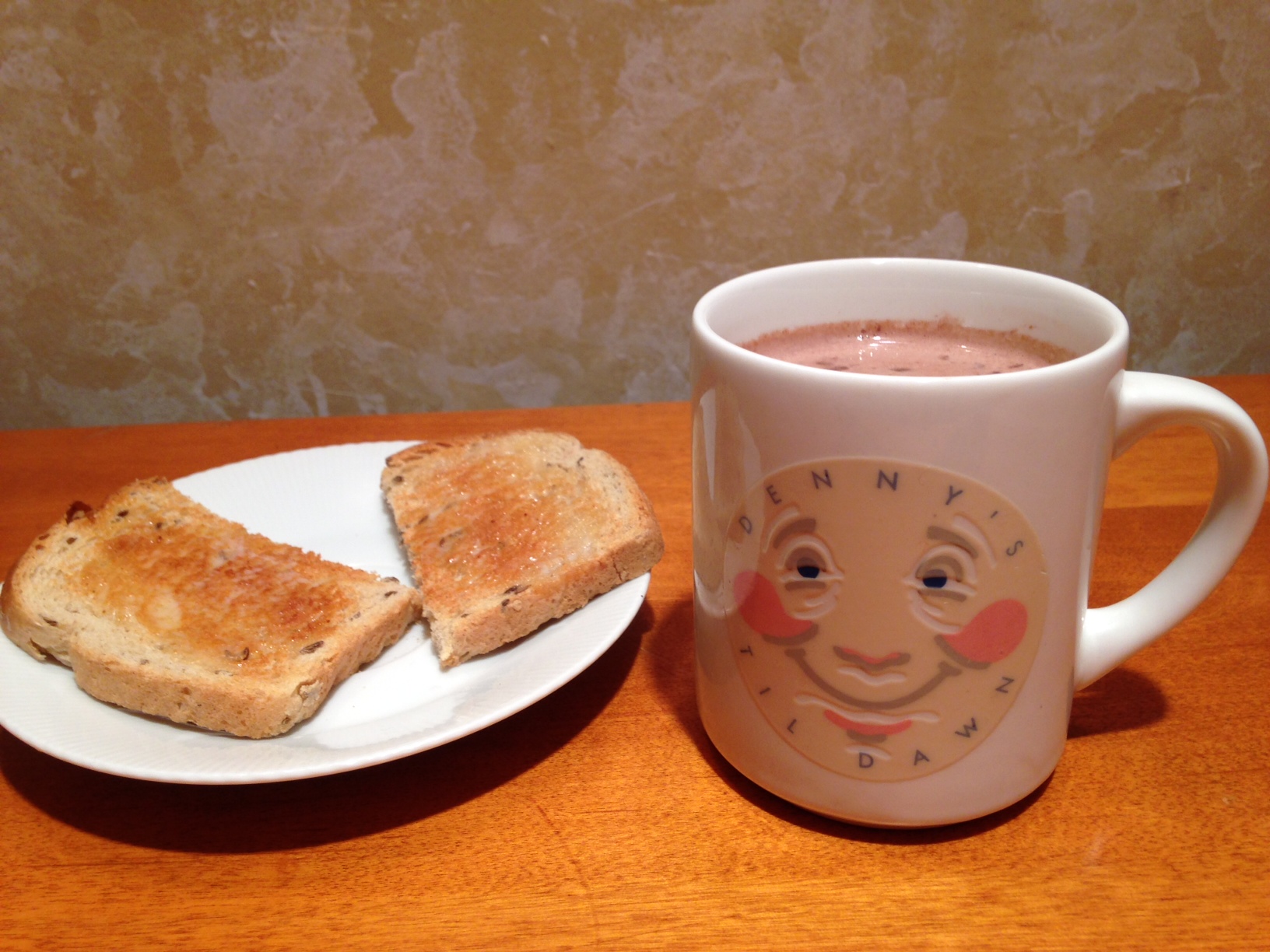
What is your favorite warm beverage? It’s February, and by now you have tweaked the art of finding comfort in a cup. Is it tea, coffee or a hot toddy?
Maybe it’s hot chocolate!
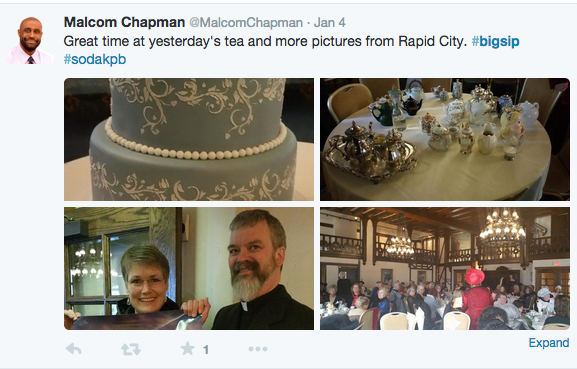
In promoting the Fifth Season of Downton Abbey, PBS used tea to tantalize. Twitter was chirping with the hashtag #BIGsip and illustrations of how to party like the British:
The tea at these fancy gatherings was probably brewed through ceramic or metal sieves. I doubt there was a tea bag in sight!
Once I was invited to a tea party at my professor’s home. There was a bold disclaimer on the invitation: Tea will NOT be served. Instead, there were other fanciful beverages, none of which was served warm. Twice I invited faculty to my home, and we actually had flavored tea – and coffee.
So, back to the question: What is your favorite warm beverage (and/or treat) this time of year? Spread some sugar, honey, or . . . .
A woman is like a tea bag ~ you can’t tell how strong she is until you put her in hot water. Eleanor Roosevelt
Bonus: RANDOM ACTS OF COFFEE! Coffee drinker pays it forward ordering coffee for the next 500 (gasp!) customers at Canadian coffee shop.Read all about ithere!
Do you have winter fun – sledding, tobogganing, ice skating, even skiing? Maybe now it’s a vicarious experience with kids or grandkids. I wrote about it last year in another post. Since then, I’ve paged through albums to find photos of our Floridian family having fun in the ice and snow.
In winter, skating was even better, the whole body thrown into orbit. Ice-skating was my sport, the only athletic passion of my piano-playing, book-reading, indoor girlhood: A northern pleasure, a cold-weather art form (129).
SKATING
Grandson Ian wobbly at first on cold ice on a warm day in St. Augustine, Florida. Outside temperature was almost 70 degrees, the ice got slushy, maybe a good thing for beginners.
SKIING Gliding, sliding down a hill, that’s what skiing is under the best possible circumstances.
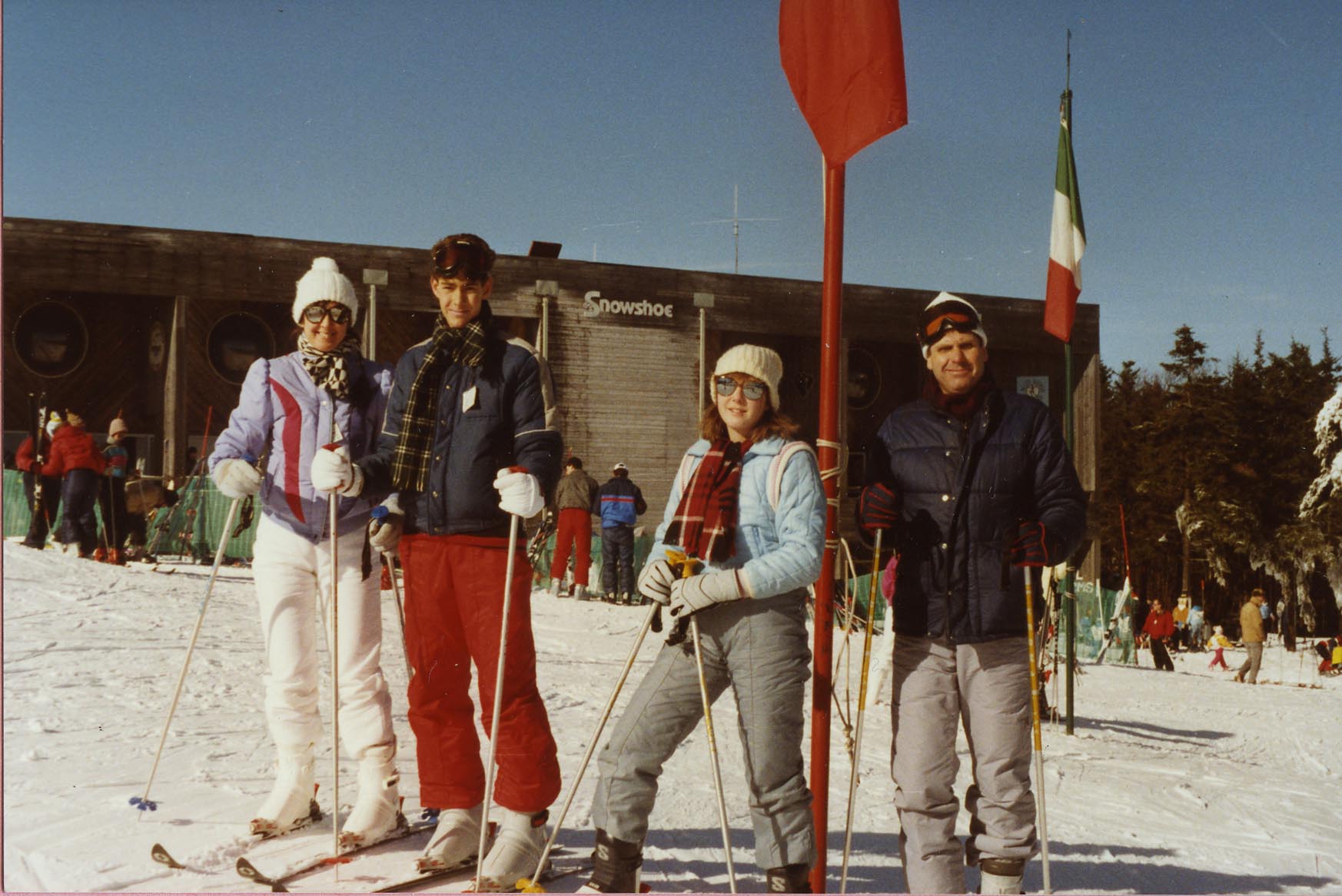
Before they left the nest, Joel and Crista with parents in Snowshoe, WV
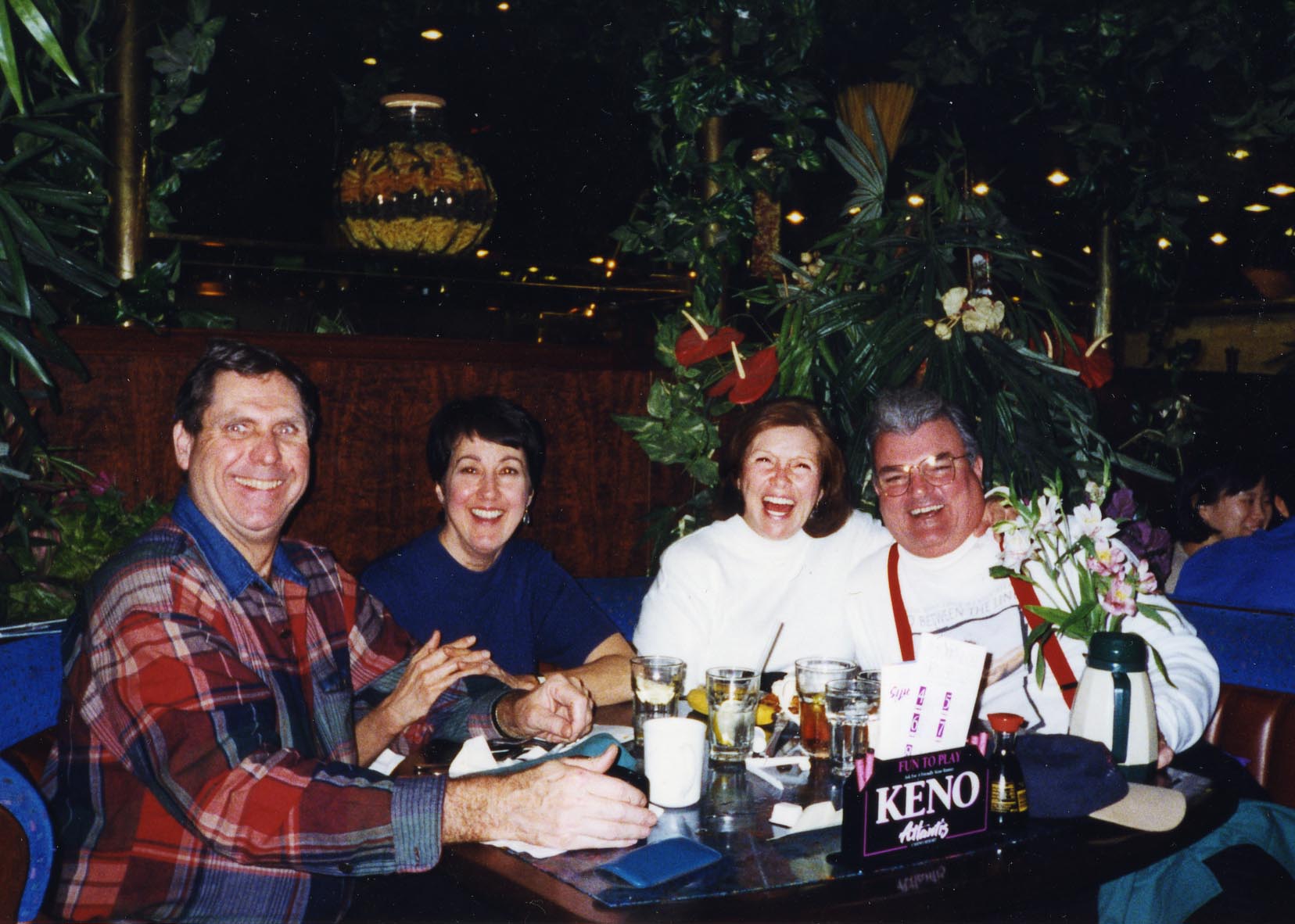
What’s so hiliarous?: Helen and Charles Blankenship warming up with us after a cold day on the slopes at Lake Tahoe, California
SNOWFLAKES
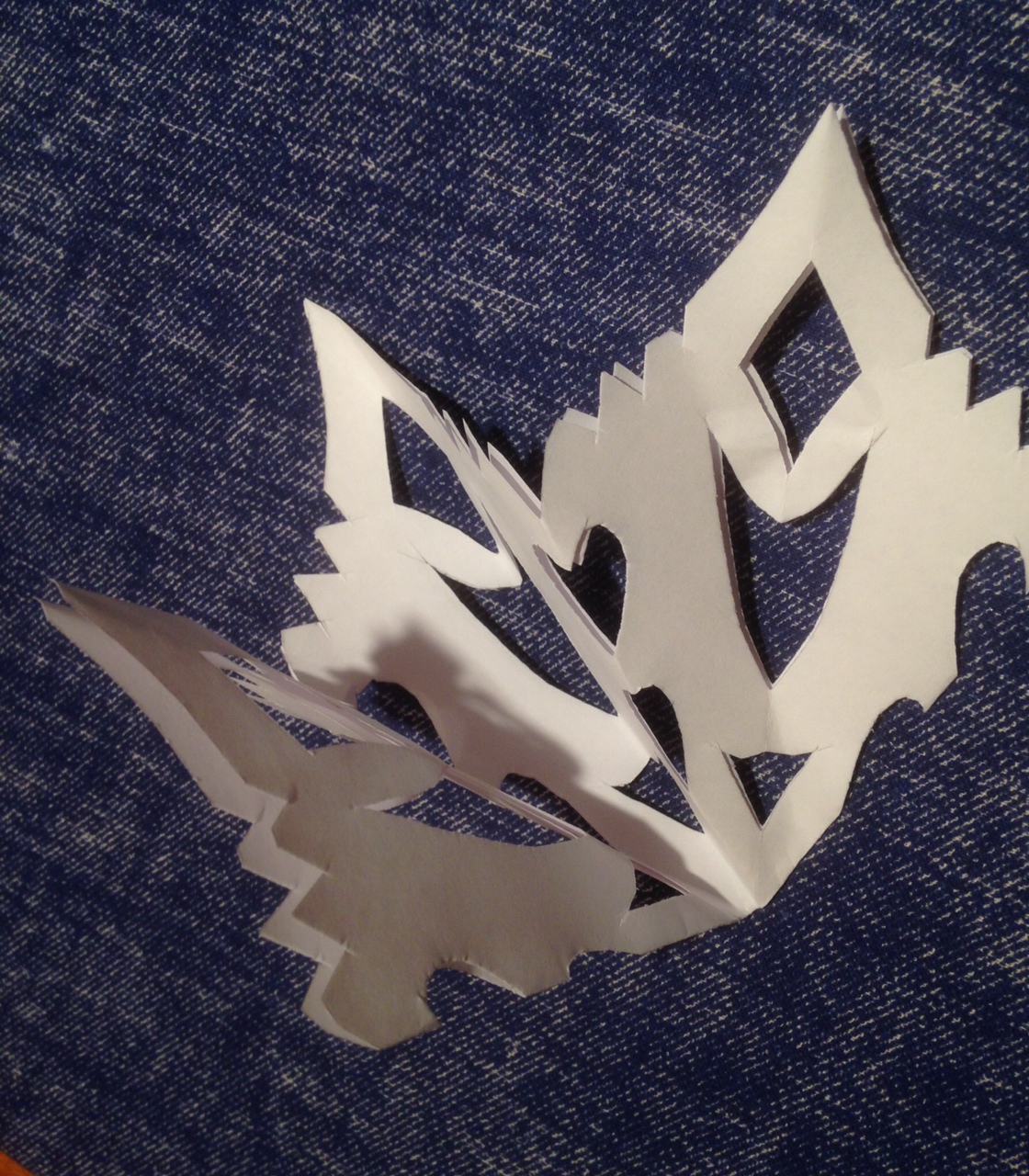
Do you remember cutting out paper snowflakes like this?
For detailed instructions with a video, click here.
Snowflakes make Emily Dickinson want to dance a jig, so she says!
I counted till they danced so
Their slippers leaped the town,
And then I took a pencil
To note the rebels down.
And then they grew so jolly
I did resign the prig,
And ten of my once stately toes
Are marshalled for a jig!
Your turn: What is your winter fun? Sledding, tobogganing, ice skating, even skiing? Maybe now it’s a vicarious experience with kids or grandkids. We’re dying to find out.
January 28, 2014 – It is six months to the day since Mother passed away. I feel melancholy now. Maybe the cold weather has something to do with it, but more and more I miss the warmth of our Saturday morning long-distance phone calls and sitting around her dining room table, the tingly warmth of homemade vegetable soup in my belly.
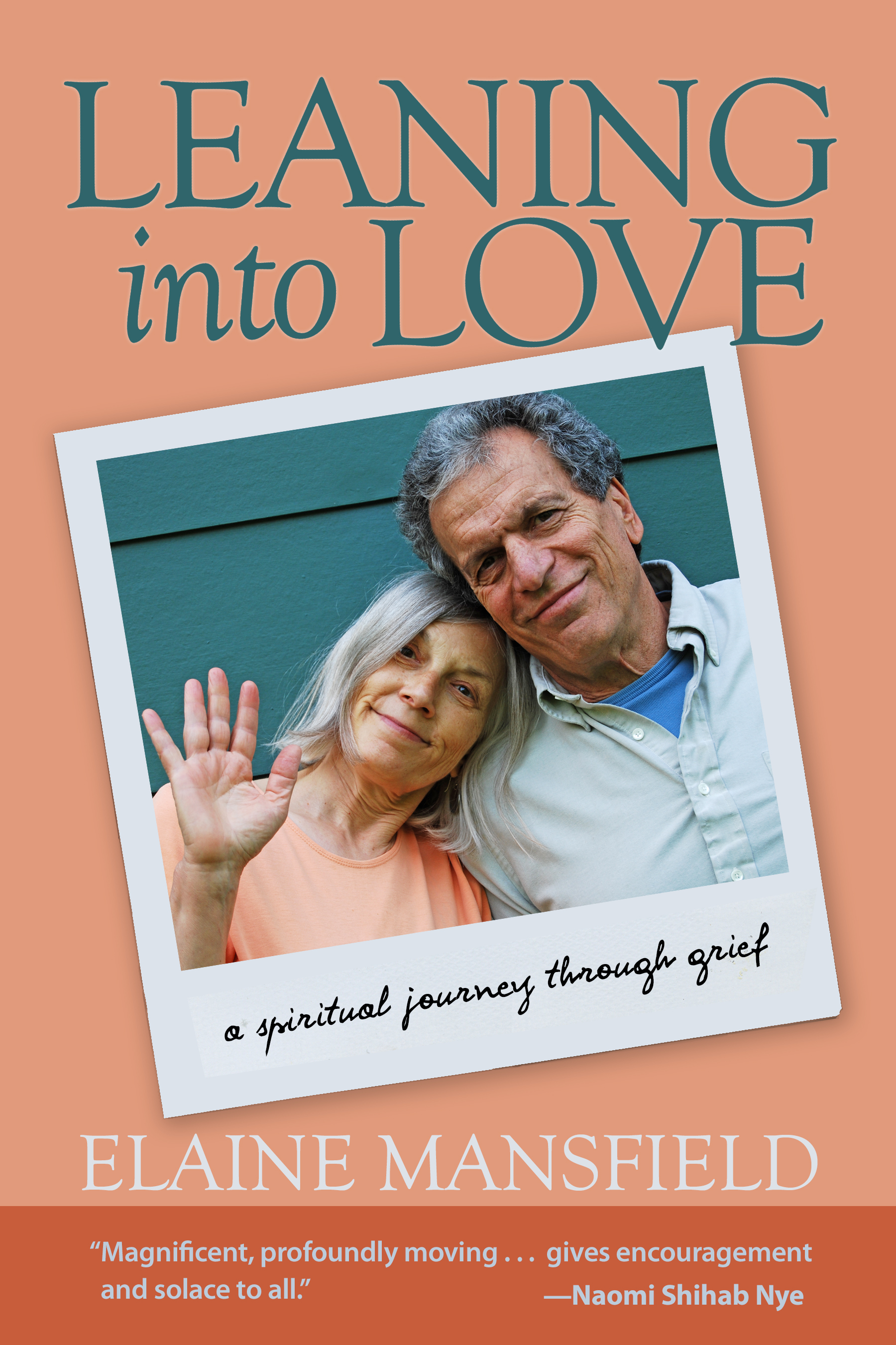
Elaine Mansfield too has experienced loss – of her mother and of her husband both in a 13-month time span. She eloquently records the loss of her husband in a memoir entitled Leaning into Love: A Spiritual Journey through Grief (October 2014)
Elaine and I definitely differ in our world view and philosophy of life, hers based on Jungian psychology and meditation, and mine with a distinctively Christian perspective. Yet pain is pain, and we share the intimate, human experience of grief.
Here is our conversation about Elaine’s unique journey:
MB:How did your mother’s passing in 2007 affect you and Vic?
EM: My mom had Alzheimer’s Disease for twelve years. Her body was curled in a fetal position and her eyes were closed. She had been unresponsive for years. She died quietly during a lull in Vic’s cancer treatment, so grieving for my mother merged with anticipatory grief for Vic.
MB:Why did you write Leaning into Love: A Spiritual Journey Through Grief?
EM: At first, I wrote to digest and understand what had happened. When times are rough, I pay attention to life’s lessons. Writing was my way of doing that. During Vic’s illness, I kept journals so I could remember every detail during an emotional time. Five years after his death, my experiences became a book to help others deal with love and loss. I also hoped to create an engaging memoir that would interest any reader.
MB:What is the main theme of your book?
EM: The book is about a strong marriage and the initiation of losing a trusted partner: dissolution of the old order, then a period of confusion and despair, then a slow return to new life and possibility.
MB:In the book you promise your dying husband of 42 years, “I’ll find a way to be all right.” What lies behind this statement?
EM: Vic and I shared every joy, sorrow, and dream. We’d had an intimate relationship since I met him when I was 21. He was concerned about leaving me and concerned about my grief. Even while I did all I could to help him live, I felt determined to find a way to make life work after his death. He was relieved when I said so. Of course, I had no idea how challenging that would be.
MB: Just like in your blog posts, you use poetic language in your book to describe bereavement and your slow recovery. For example, you describe a group of dolphins as “luminous revelations leaping from the great unconscious sea.” What other descriptive lines from the book are you especially proud of?
EM: “Our first kisses taste of tears and the knowledge that our time together is finite.”
“Mostly he sleeps, but when he’s awake, he whispers words of sweet gratitude.”
“Despite my better judgment, hope floats in, ethereal and transient as a feather.”
MB: What will readers learn from the book? What is the take-away?
EM:Everyone loses things they love—people, jobs, homes, health, dreams. It’s natural to grieve and long for what we cherish. I’ve learned that facing our losses and sorrows makes us more realistic and open-hearted human beings. We understand what matters in life and see that everyone suffers. In this way, sorrow leads us to kindness.
MB: Your book attracts readers who have dealt with or are now dealing with loss. What is your best advice to them?
EM: Experiment and find what comforts you: solitude, friends, nature, music, therapy. The smallest rituals helped me. I left flowers at the gravesite and said prayers there. Writing brought me daily comfort.
Watch for small signs of joy and hope. A bird chirping. The first spring flower. A child’s laughter. Grief is part of life. Give yourself time to feel what you feel. Open to grief and let it open your heart to love.
After a career as a health counselor and writer, Elaine’s work has focused on bereavement and loss since her husband’s death in 2008. Elaine facilitates bereavement support groups at Hospicare and Palliative Care Services in Ithaca, NY and writes for the Hospicare newsletter and website. She also writes a weekly blog about the adventures and lessons of life and loss, leads workshops, and lectures on bereavement topics. Her articles have been published in The Healing Muse, Open to Hope, Shambhala Sunspace, KirstyTV, Caring.com, Alzheimers.net, GriefHealing, and elephantjournal.
About Leaning into Love:
“Reading this beautiful memoir of love and loss and triumph felt to me like a sacred journey into the very heart and soul of the courageous woman who writes it.” Marty Tousley of Grief Healing.
“Not only a touching and courageous memoir about love, illness, death and grief, Elaine Mansfield’s Leaning into Love is a manual for healing that offers us the emotional and spiritual tools needed to grow and even flourish through Life’s deepest crises.” Dale Borglum, Living/Dying Project
Remember the days when kisses and hugs displayed affection at the end of hand-written letters? XXX OOO
Then came smiley faces with a circle, two dots for eyes, and curvy mouth, maybe even a dot for the nose. Hugs were shown as parentheses: (((( )))) They still are!
With online communication, showing mad, sad, or glad emotions has become sophisticated, expressed graphically as emoticonswhichcan be divided into three styles, western or European, Asian, and a two-channel style which includes Japanese.When I write an email message, I can choose from these icons shown below. Just hover over the desired icon, click on it, and I can be cool, with glasses, cry, feign innocence, wink, claim my lips are sealed, ask for money, even YELL (last icon).
Facebook has even more choices: Confusion conveyed here!
Some Facebook icons are called stickers. And they are large and sticky! If perchance, you click on one of these, the emoticon swells to a one-inch size, gobbling up your text. I have learned to refrain!
If you want to get really fancy on Facebook, Beep the Meep is available, a fictional alien who appeared in the weekly comic strip Dr. Who Weekly.
If felines are your friends, by all means click on Pusheen the Cat, a roly-poly character in an animated comic series.
Author Angela Ackerman has commented on how writers can use words so they appear as pictures in readers’ minds in her book, The Emotion Thesaurus: A Writer’s Guide to Emotional Expression co-written with Becca Puglisi. The Amazon overview says this about her guide:
One of the biggest problem areas for writers is conveying a character’s emotions to the reader in a unique, compelling way. This book comes to the rescue by highlighting 75 emotions and listing the possible body language cues, thoughts, and visceral responses for each. Using its easy-to-navigate list format, readers can draw inspiration from character cues that range in intensity to match any emotional moment.
In other words, show in graphic detail that your character is angry, don’t announce it, easier said than done.
Blogger A. Piper Burgi has posted more vivid word choice suggestions for writers in a recent blog postentitled Increase Your Emotional Vocabulary.
+ + + + +
What do you think of the emoticon craze online? Is it right down your alley or do you think the icons are goofy or fake?
If you are a writer, what are your secrets to conveying emotion with words?
Bonus: A curious story: The man with a frozen smile (Jonathan Kalb, “Give Me a Smile,” The New Yorker, January 12, 2015)
Coming next: Acquainted with Grief: Author Elaine Mansfield Speaks























 Plain and Fancy