Signs and a Wonder: St. Simons Island

Nestled in the marshes east of Brunswick, Georgia, is charming St. Simons Island. Golfers, bicyclers, and fishermen revel in its delights. Fresh Atlantic shrimp were available at the Mullet Bay Cafe during our week-end getaway. Tourists, like us, strolled along the streets of St. Simons village, canopied with centuries-old live oaks.
OakStSimons

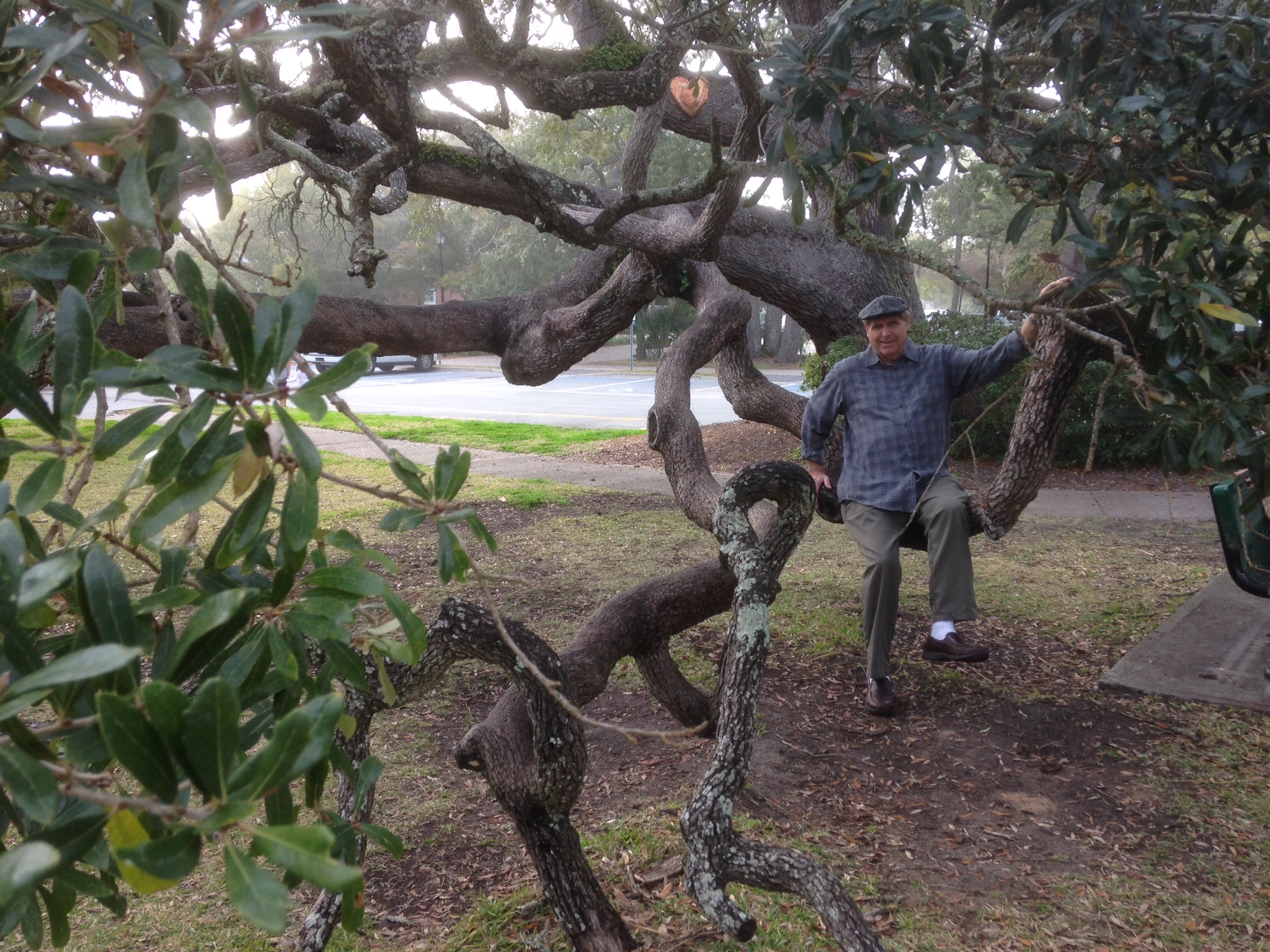
Some of the oaks had mutated into this:

GnarlyOak

Here the limbs from ancient live oaks gracefully curved downward, touched the soil, forming a self-sustaining tree, and then over the years grew upwards until it grafted into its mother tree, a type of amazing Möbius structure.

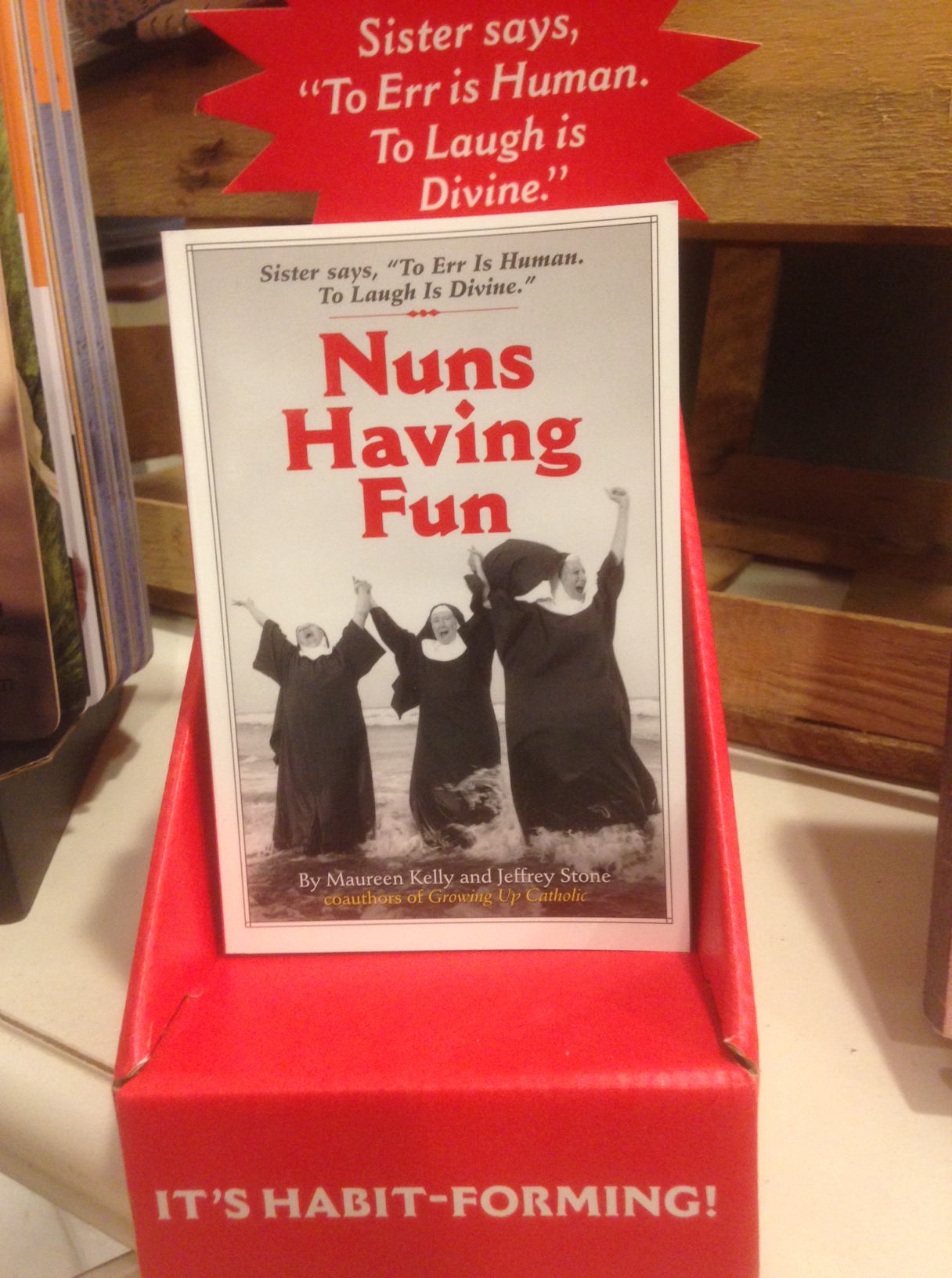
Cute shops, one which boasts “Extraordinary Things You Don’t Need,” display books, curios and signs like these:
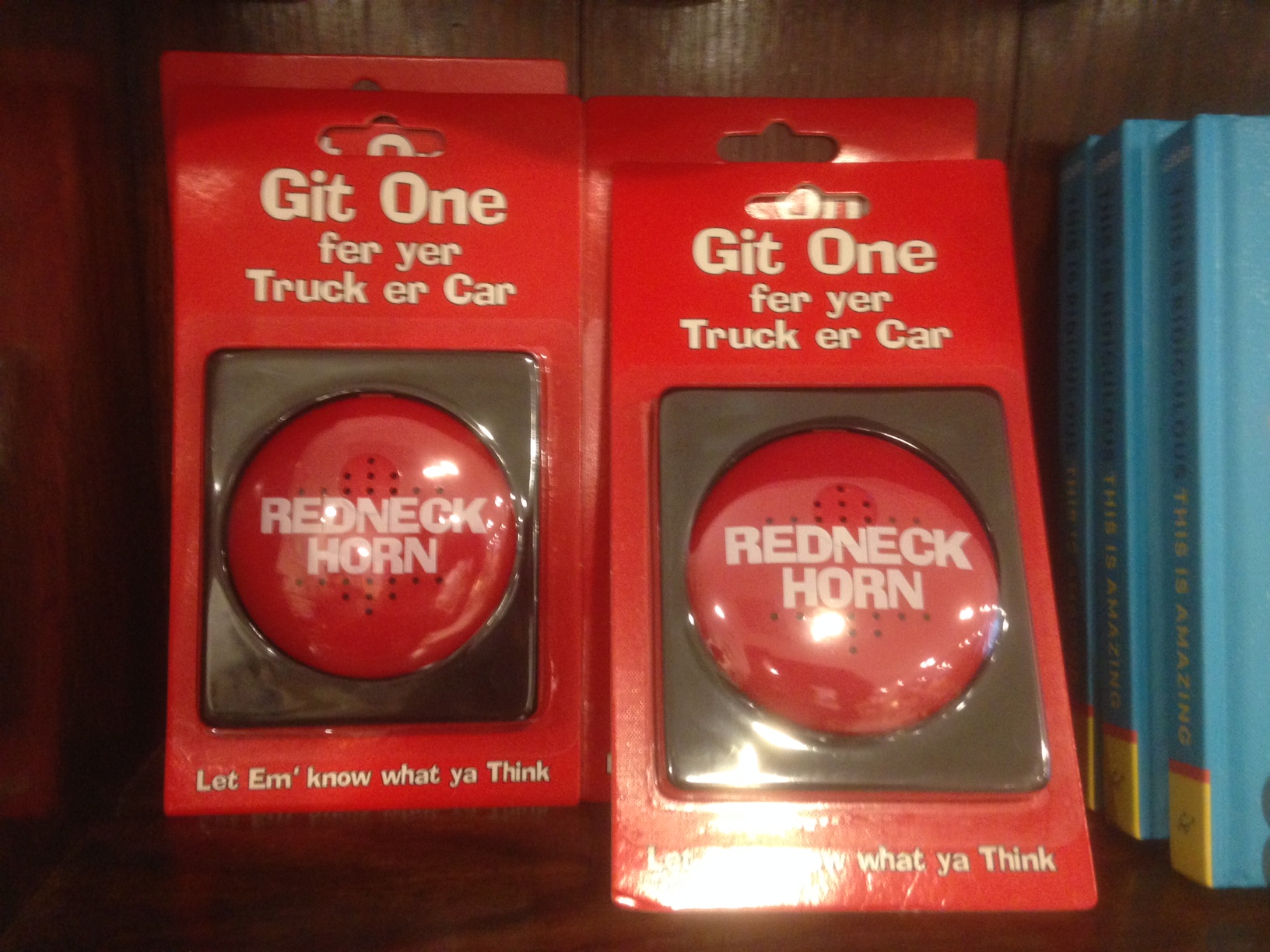
RedneckHornCondimentSignNunFunSign

And for the canine lovers:

DogBook


If you are crafty, Pane in the Glass is your source for stained glass hobby supplies. You need a week, not just a weekend to explore St. Simons Island.


Away from town, two other attractions grabbed our attention: Fort Frederica, a military town on the colonial Georgia frontier, which defended the settlers from Spanish invaders and Old Frederica Church, also called Christ Episcopal Church, where Charles and John Wesley preached.

In 1961 author Eugenia Price discovered St. Simons Island on a book-signing tour, “In the cemetery for Christ Church, she saw a tombstone for the Reverend Anson Dodge and his two wives. This inspired her to research the area, including history and famous figures. She would spend the remainder of her life writing detailed historical novels set in the American South, many of which were critically acclaimed. Her early works, particularly the “St Simons Trilogy” which consists of the books “The Beloved Invader” (1965), “New Moon Rising” (1969) and “Lighthouse” (1972) were extensively researched and based on real people.”

Finally, we behold a lovely wonder, the signature stained glass window in the church, depicting the original plain structure, which could easily pass for an early Mennonite meetinghouse, without the steeple of course.

FredericaChurchStainedGlass


Have you visited an historic town recently?  A charming town you can recommend for a weekend getaway?


Coming next: Mad, Sad, Glad: Emoticons Show It All
Signs and Wonders: Manheim and Elizabethtown, PA Style

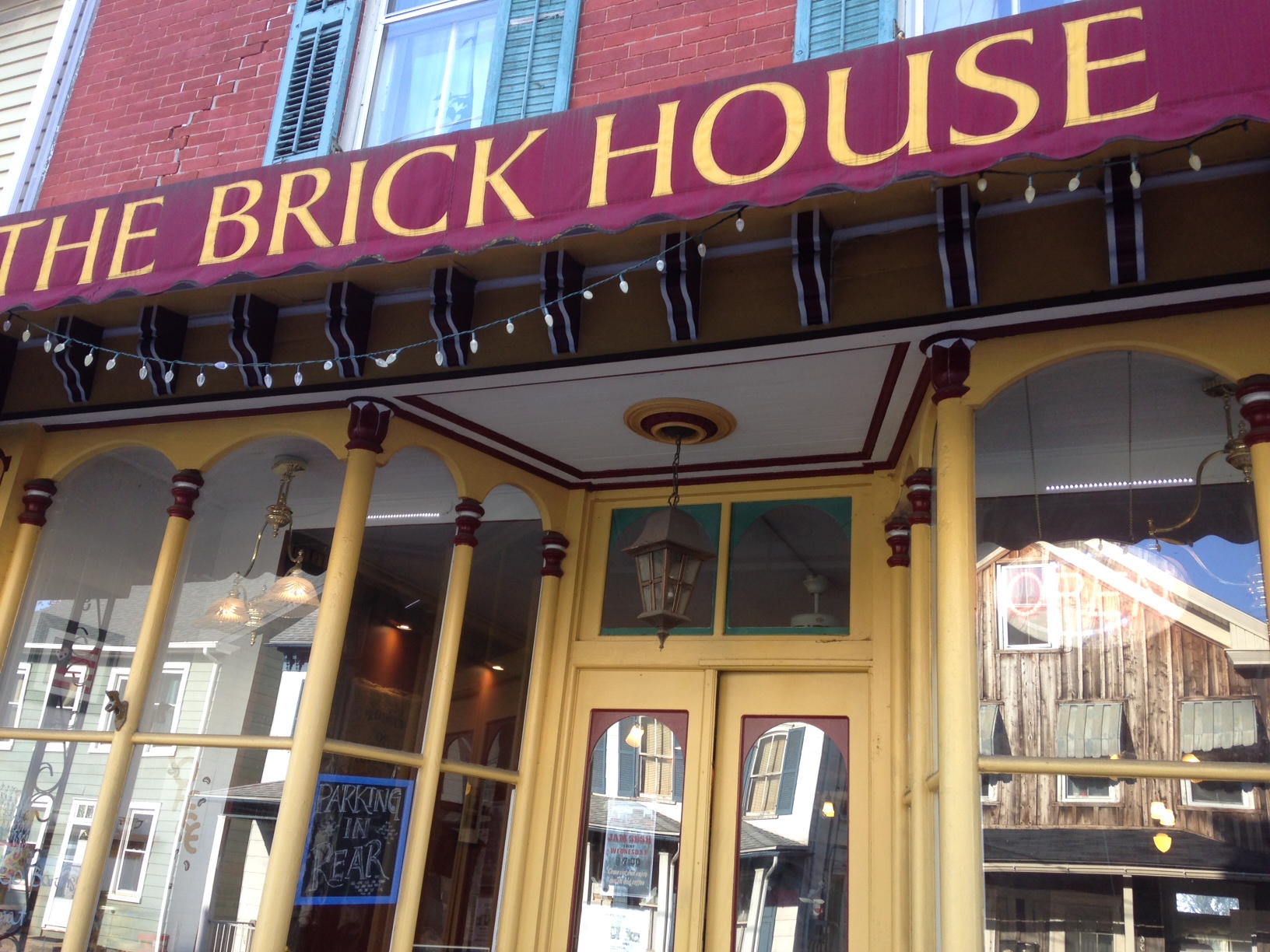
The Brick House Cafe along Main Street in Manheim, Pennsylvania, is getting free advertising from me today.

BrickHouse1

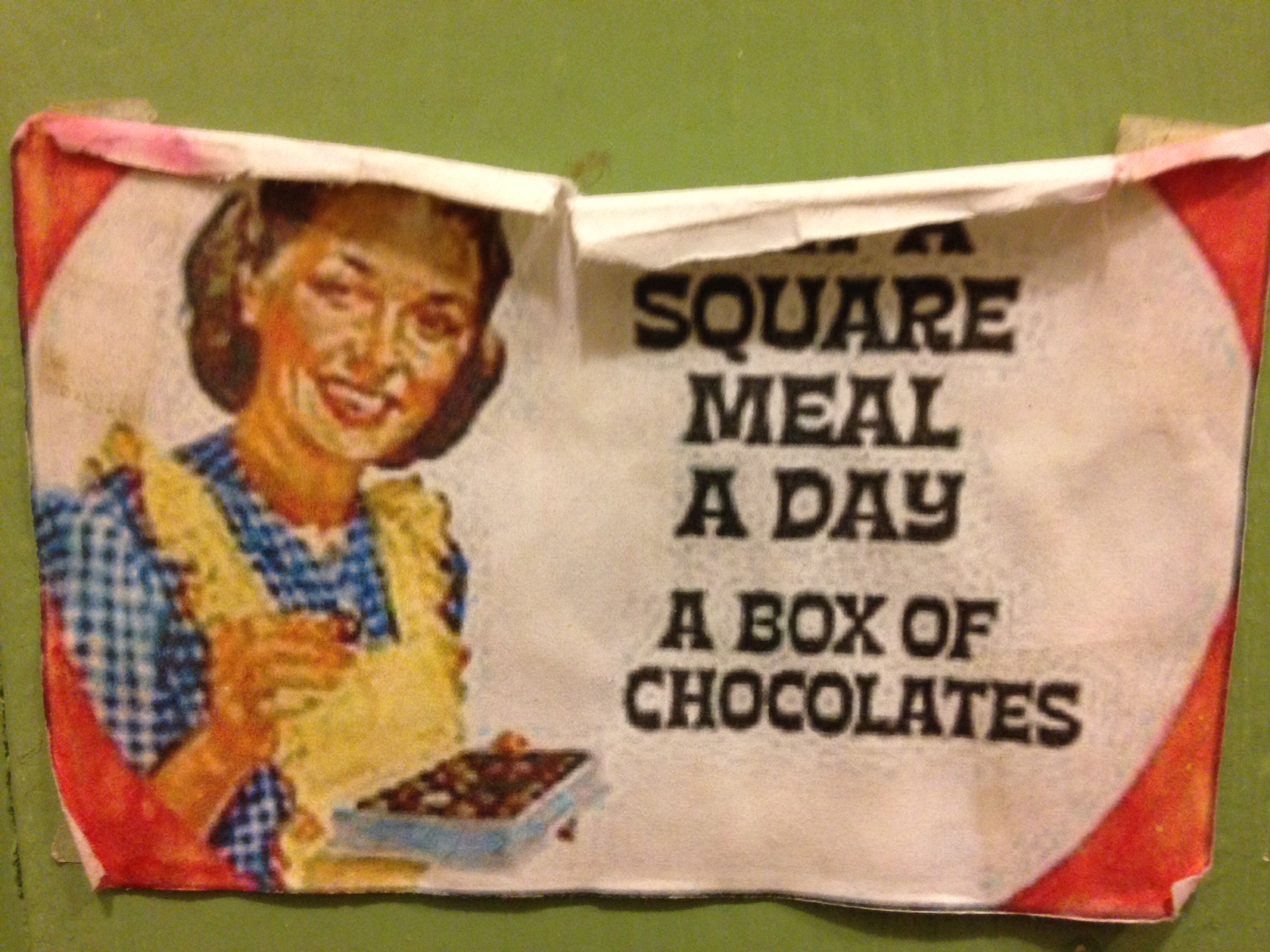
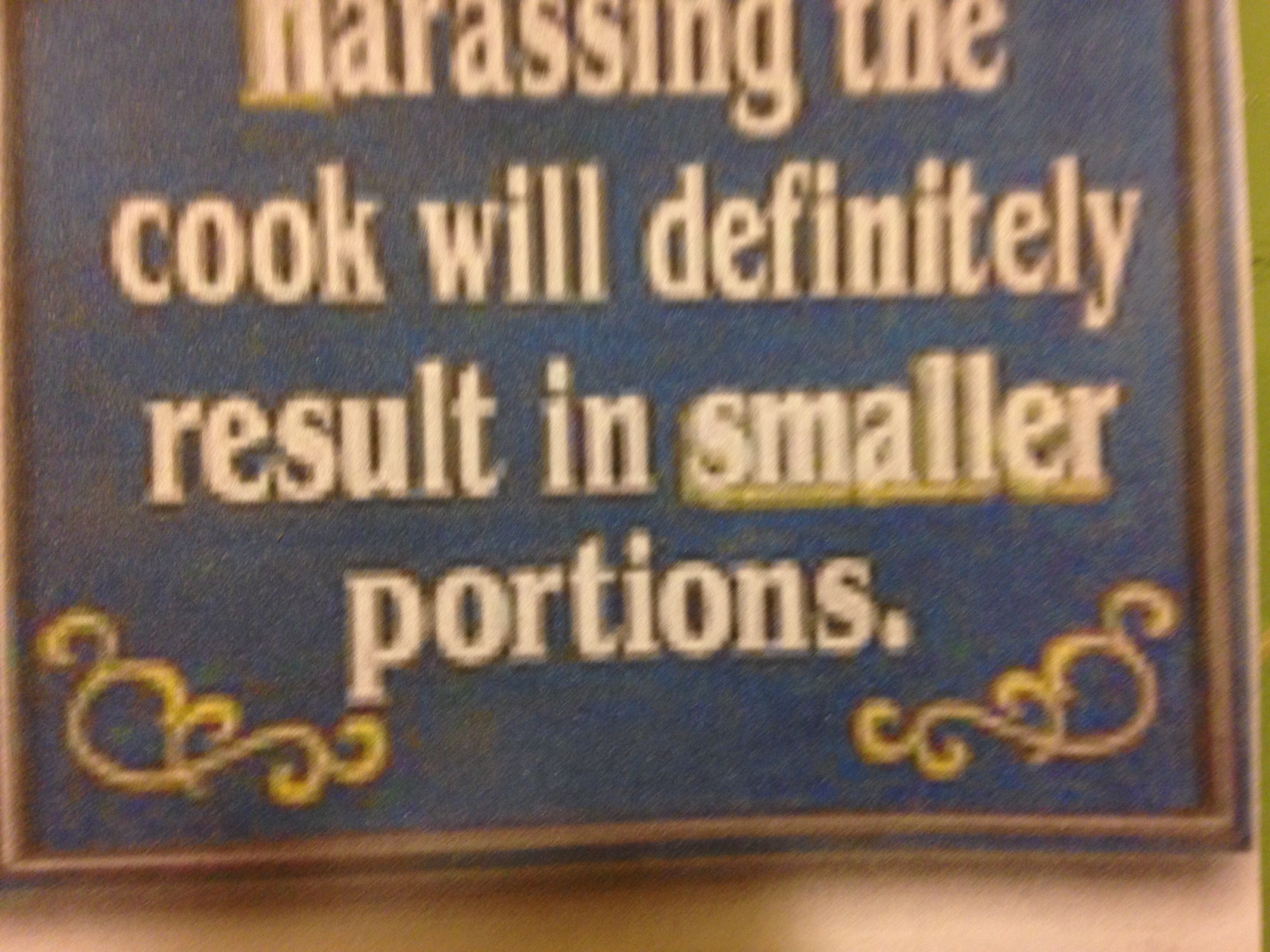
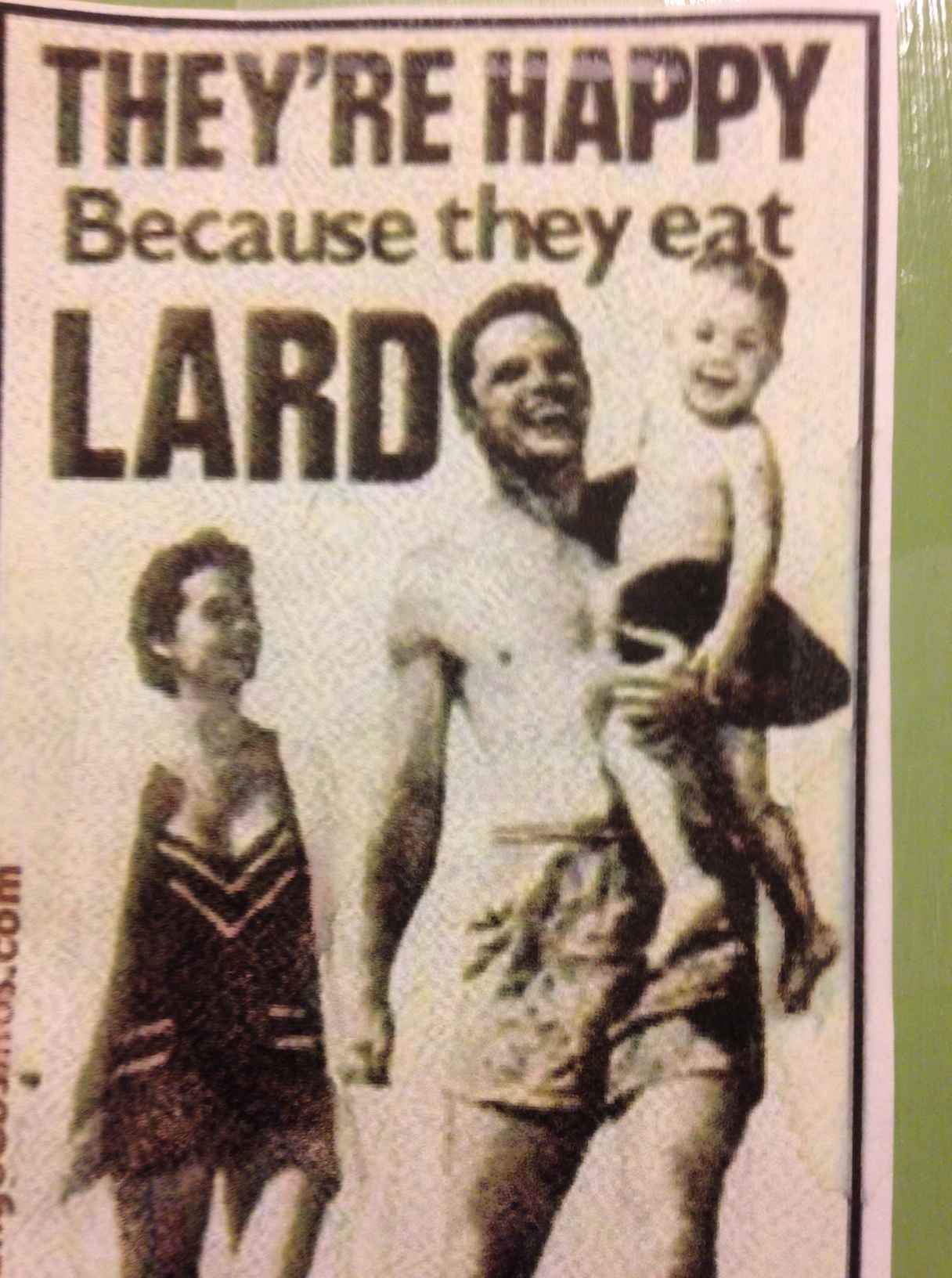
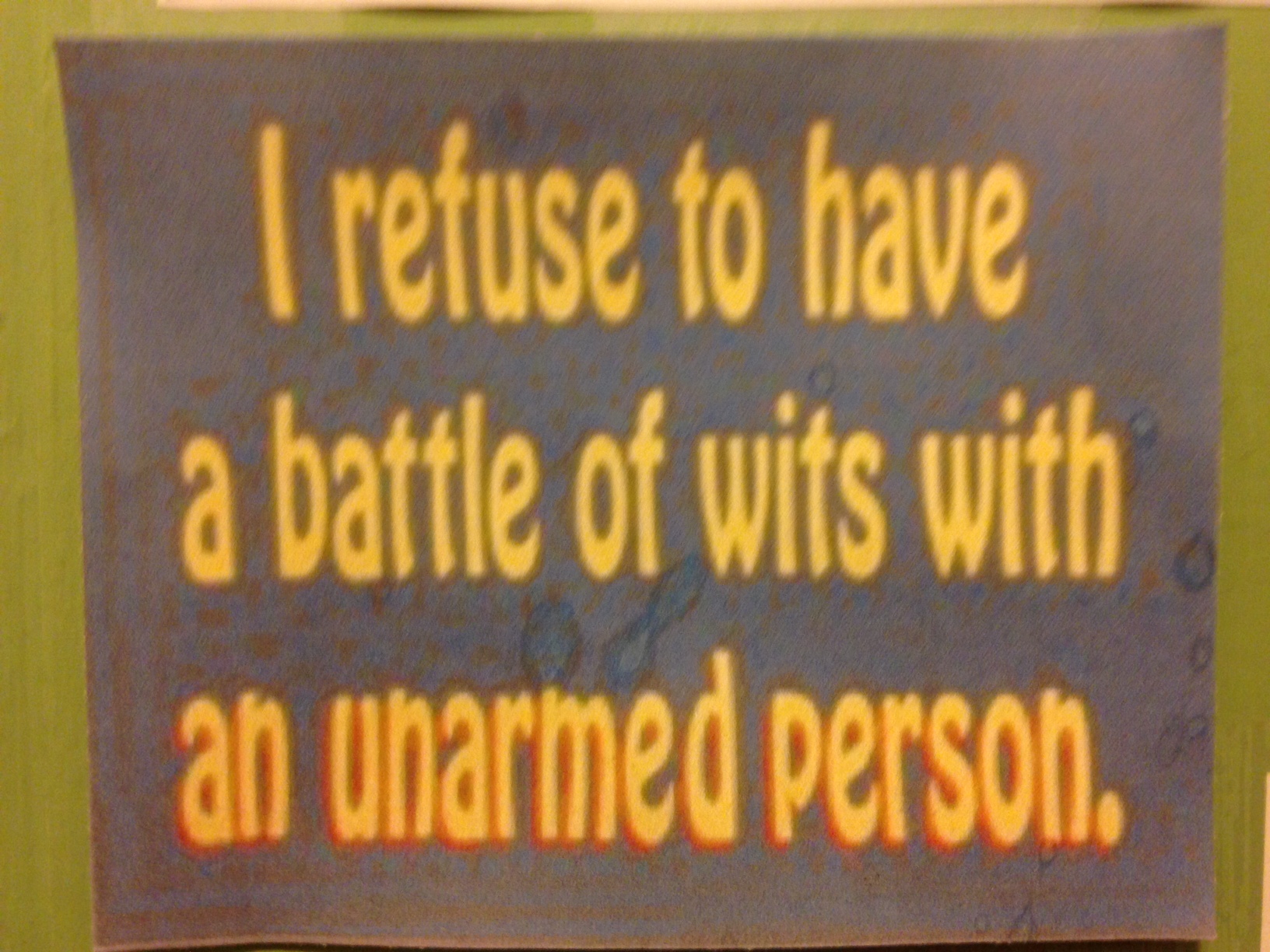
In a sister city named for its counterpart in Mannheim, Germany, The Brick House serves freshly prepared soups, salads, and sandwiches. It also serves up another “S” – Signs from the 1950s. Take a look!

BoxChocolatesHarassingCookSignLardFamilyBattleOfWitsSign

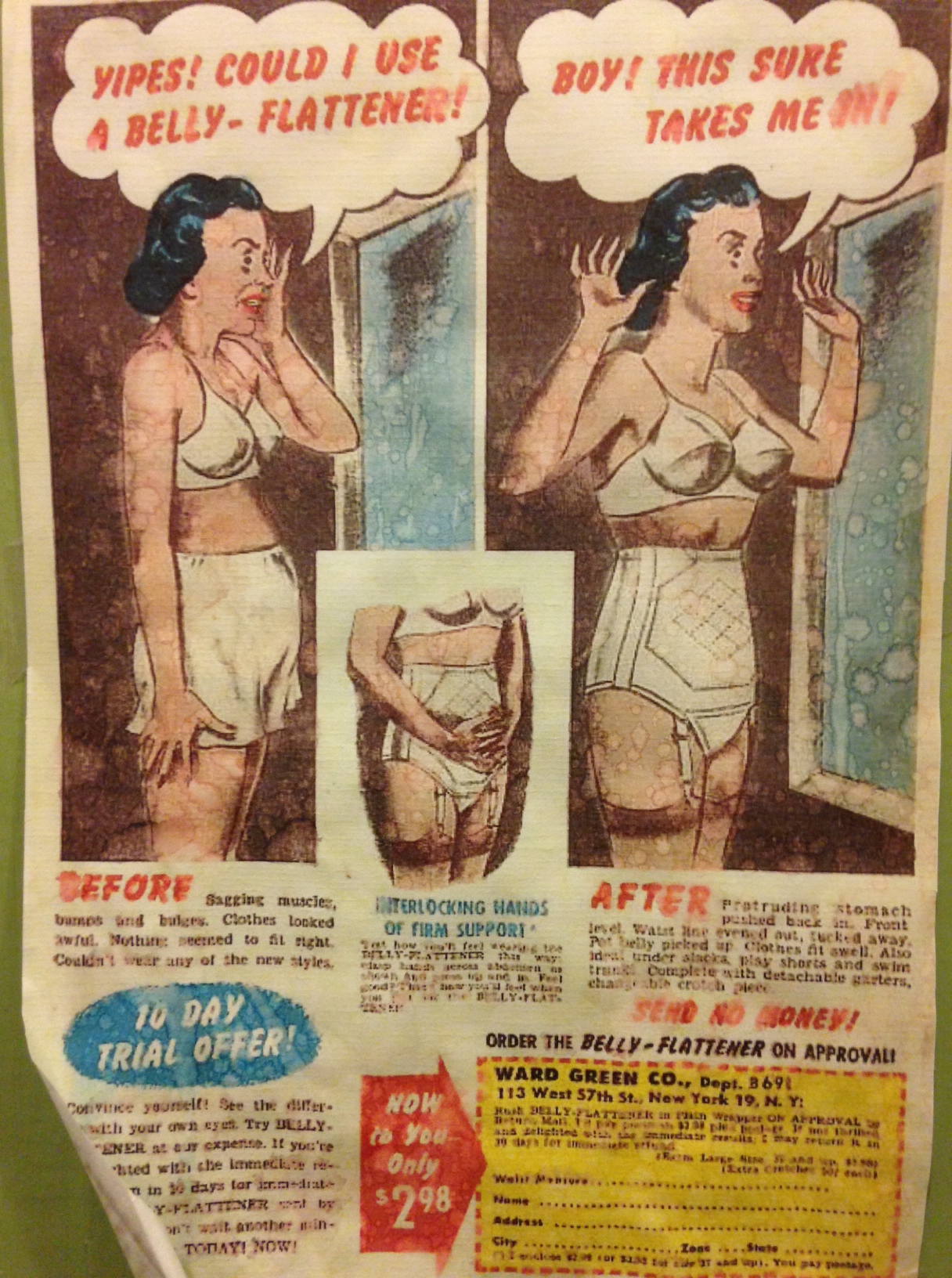
And finally, this:

CorsetWoman

All posted on the back of the Ladies’ Restroom door! Now I have to wonder what was posted in the Men’s Restroom. . . .


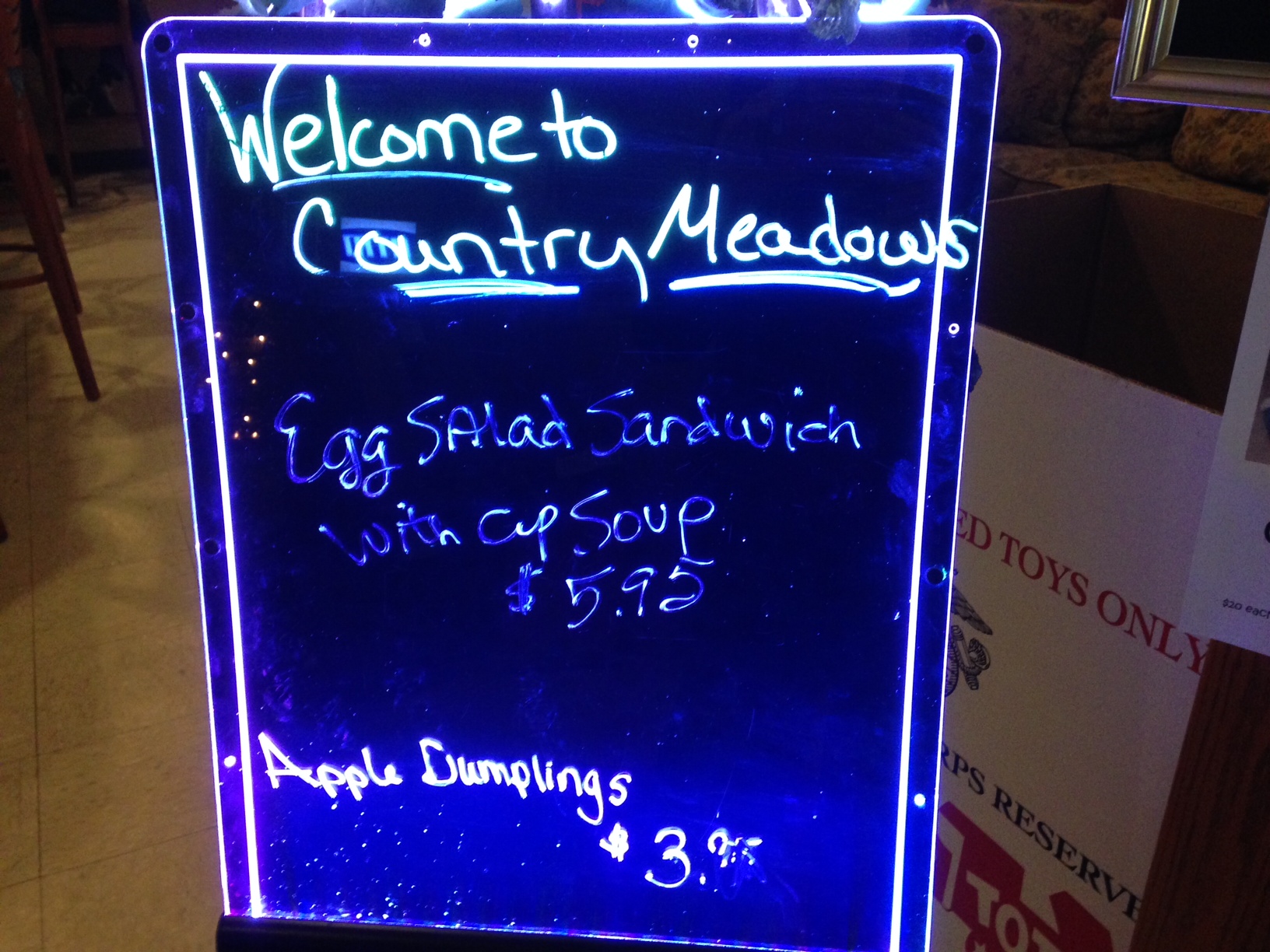
Country Meadows restaurant, nestled in a grassy knoll northwest of Elizabethtown, boasts a menu of stick-to-your-ribs PA Dutch food along with some high-calorie choices.

Screen Shot 2014-11-24 at 1.02.51 PM

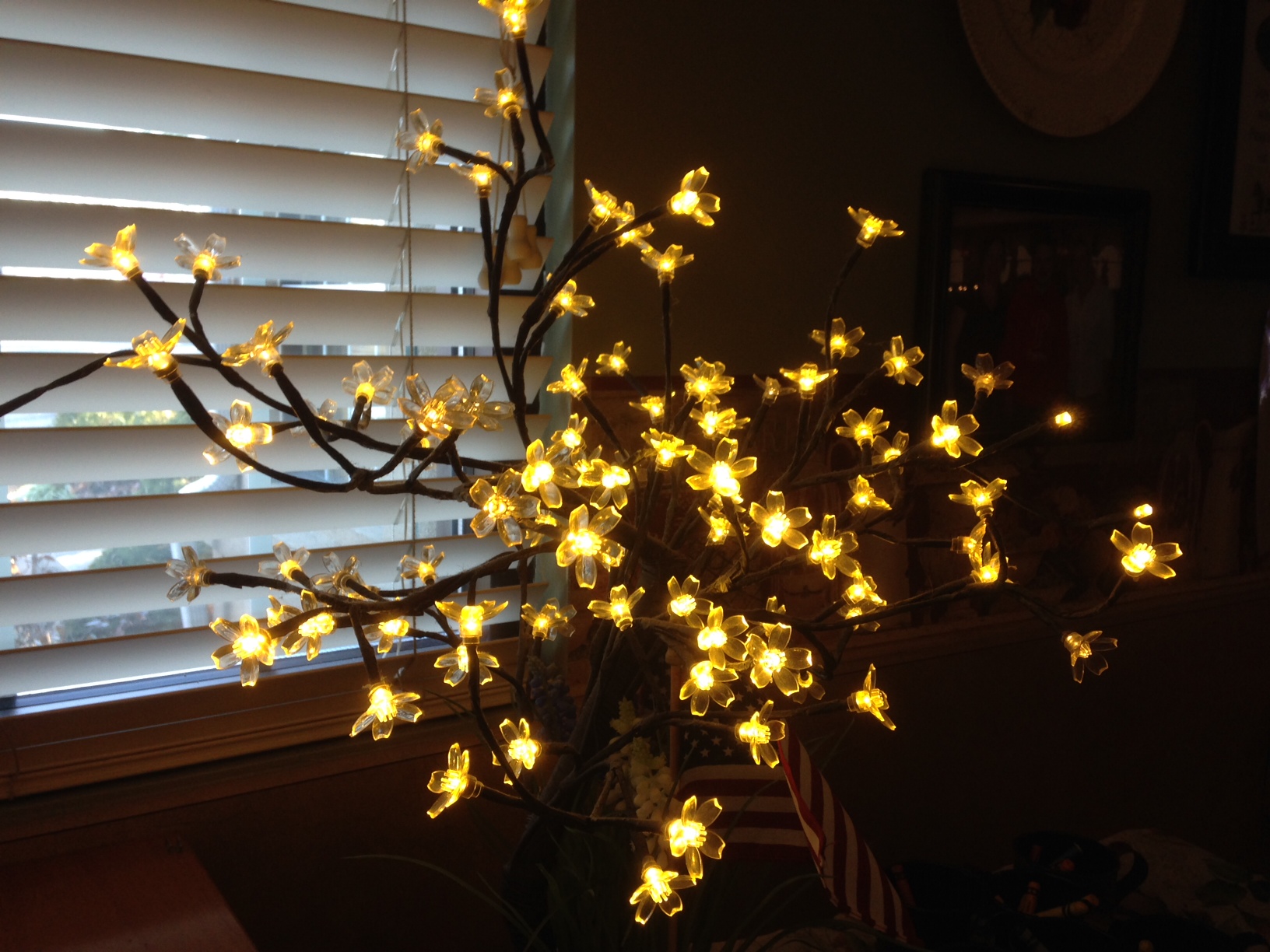
Signs are few here, but there is lots of neon in the decor . . .

CountryMeadowsGold

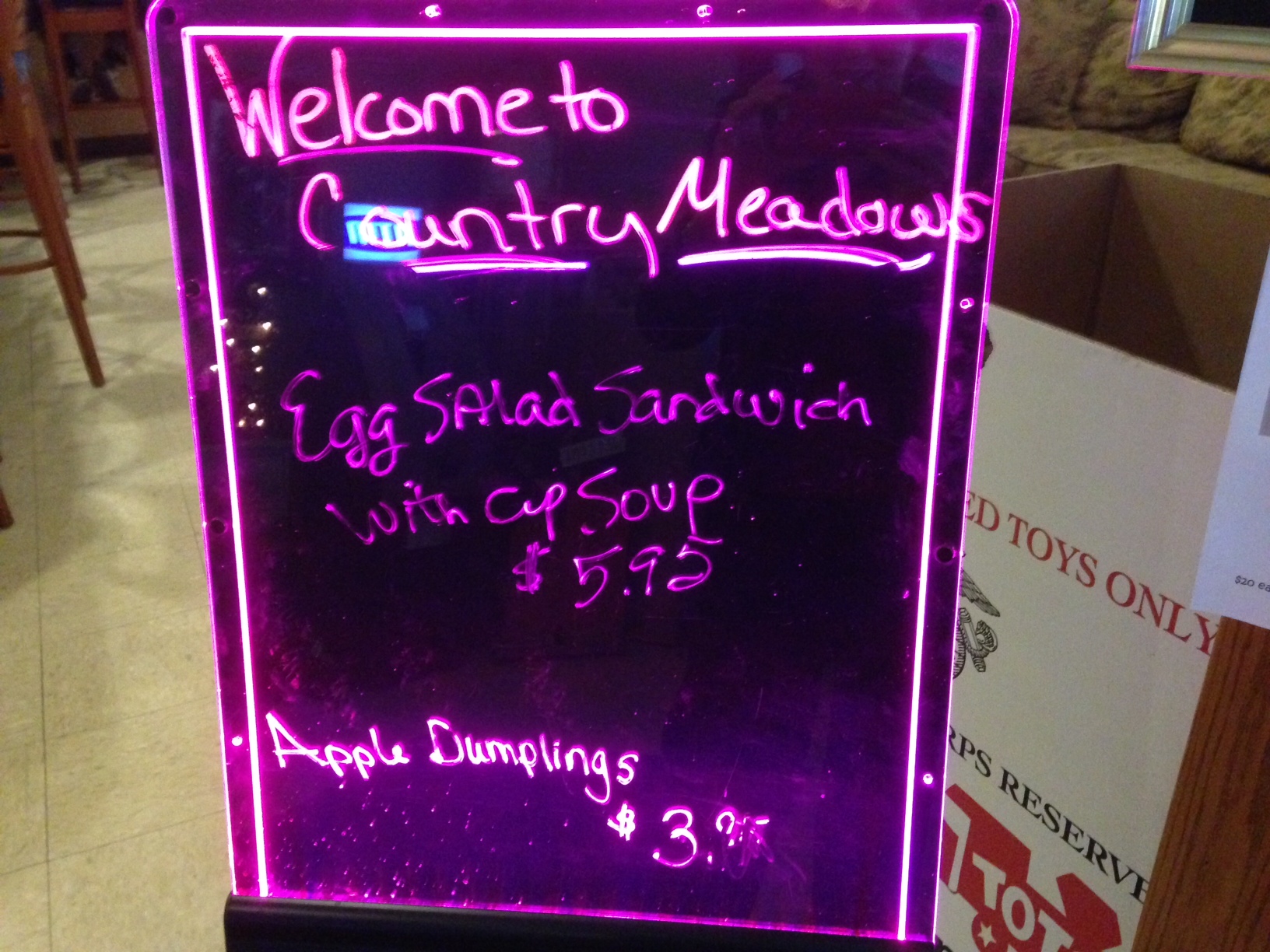
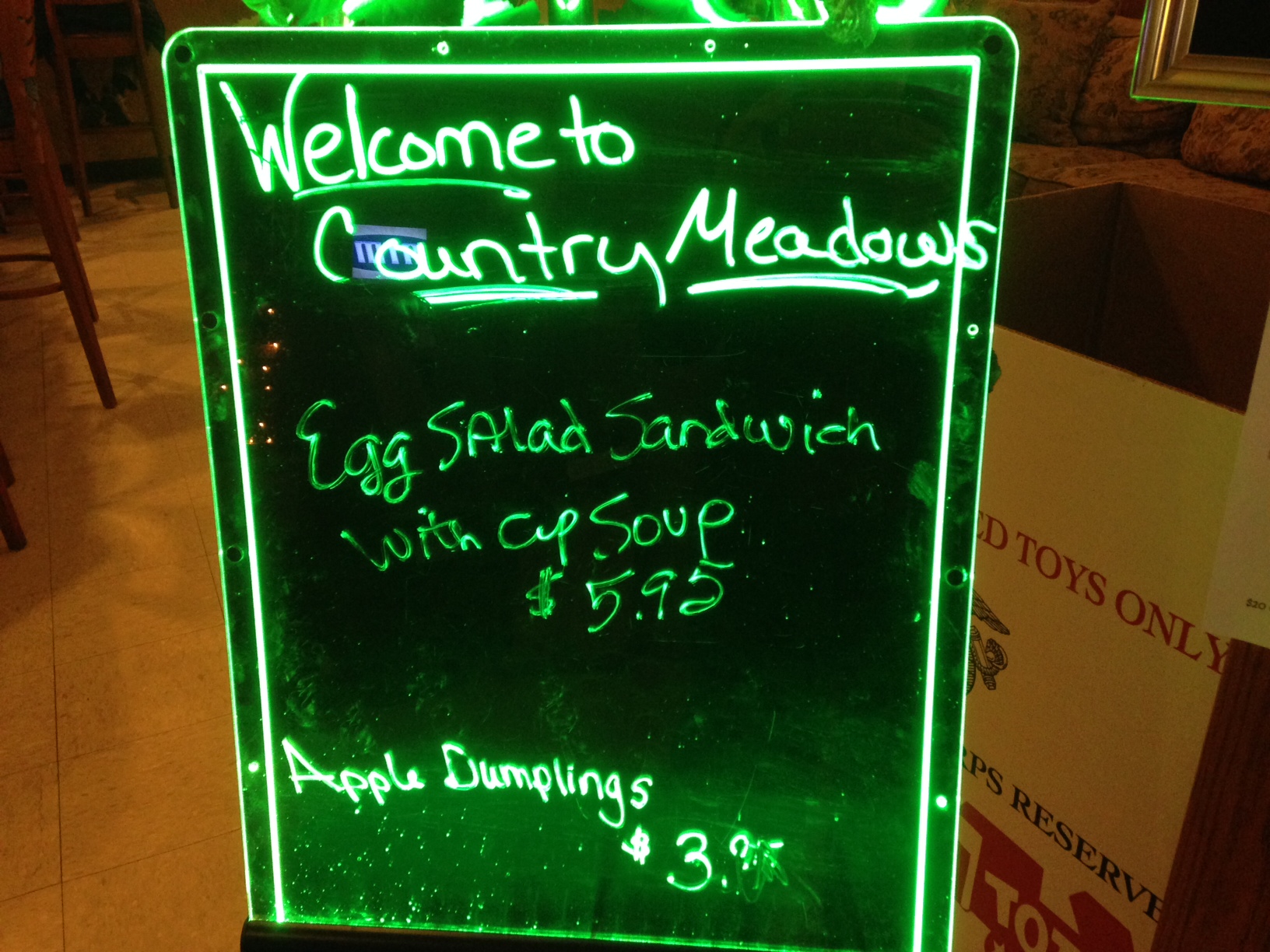
. . . and advertising their specials:

CountryMeadowsBlue

CountryMeadowsPurpleCountryMeadowsGreen

If you are waiting for a table, you can see all the specials in every rainbow hue.


John Lanchester, a confessed foodie, talks about our eating habits in the November 3, 2014 issue of The New Yorker. In an essay entitled “Shut Up and Eat” Lanchester explains that

Once upon a time, food was about where you came from. Now, for many of us, it is about where we want to go–about who we want to be, how we choose to live. Food has always been expressive of identity, but today those identities are more flexible and fluid: they change over time, and respond to different pressures.

Then he elaborates on the craze of pickles, kale, and his mother’s favorite dish, spag- bol, a British recipe “that blends a meat ragù of a northern-Italian type with the dry pasta beloved in the south. . . .”

*  *  *

Signs and Wonders has been a theme in several previous blog posts: once in Monterey, CA, Jacksonville, FL and earlier in Elizabethtown, PA. Check them out if you missed them.

Today’s post is a hodge-podge: Restaurants in Lancaster County and their menus, goofy signs in restrooms, and a New Yorker article on how we identify with food.

Care to comment? Any or all of the above topics are fair game. You may even add a strange sign you’ve seen!