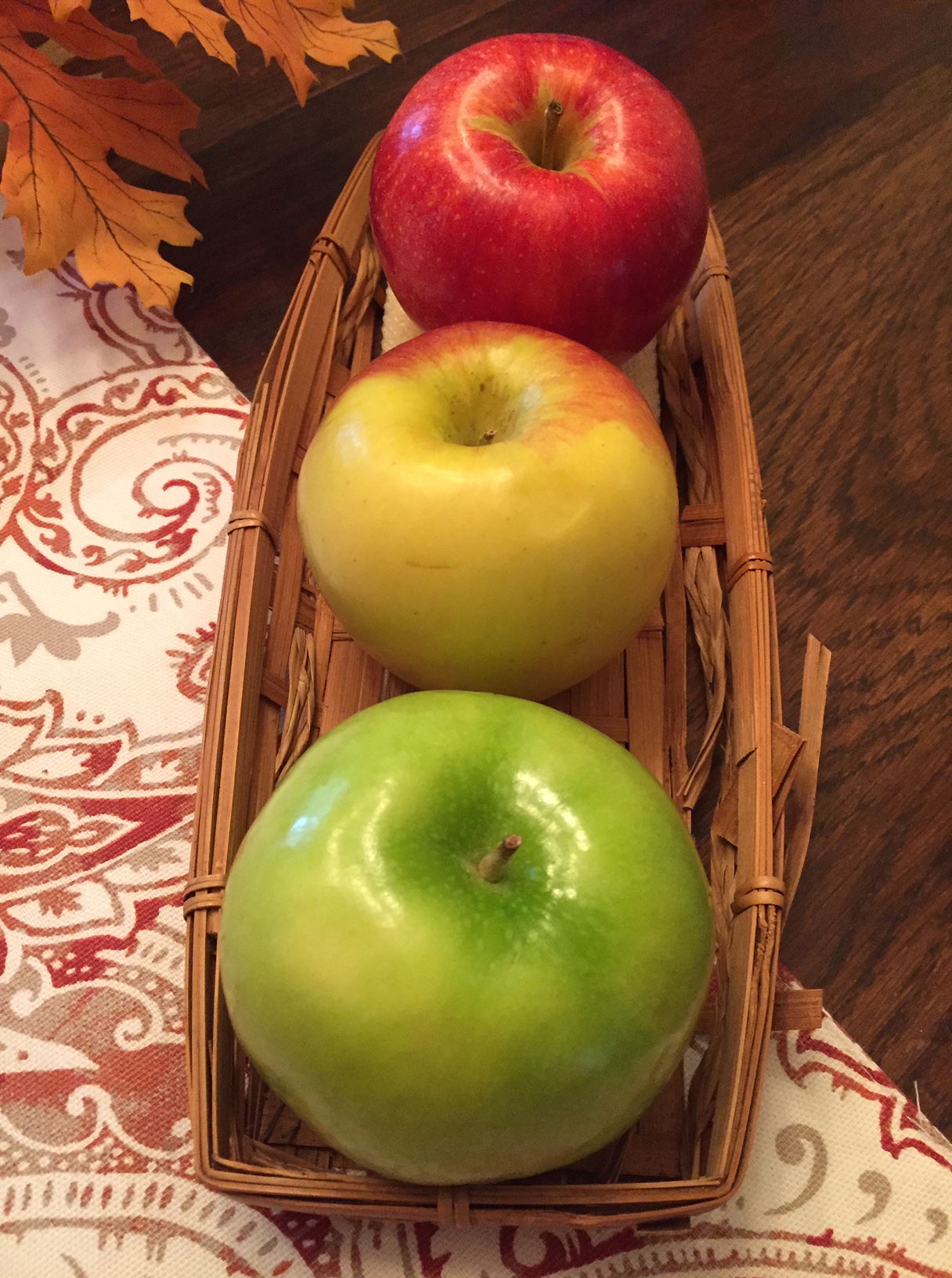
A green apple, a yellow apple, and a red apple, it’s like a fruity traffic light you can eat . . . . Did you know that my love has the consistency of applesauce? It’s true—and juicy. ~ Jarod Kintz
I ate a slice of humble pie, and it tasted like apples. ~ Jarod Kintz
Thoughtful Slices
It is remarkable how closely the history of the apple tree is connected with that of man. ~ Henry David Thoreau, “Wild Fruits”
Anyone can count the seeds in an apple, but only God can count the number of apples in a seed. ~ Robert H. Schuller
Every thought is a seed. If you plant crab apples, don’t plan on harvesting Golden Delicious. ~ Bill Meyer
Healthy Slices
Eating apples is good on so many levels. There’s fiber in the skin that’s really good for you. It helps with digestion and helps you absorb all the nutrients of everything you’ve eaten that day. Apples are a really good thing. ~ Rebecca Romijn
A Story Poem
Grandma Longenecker’s Apple Schnitz
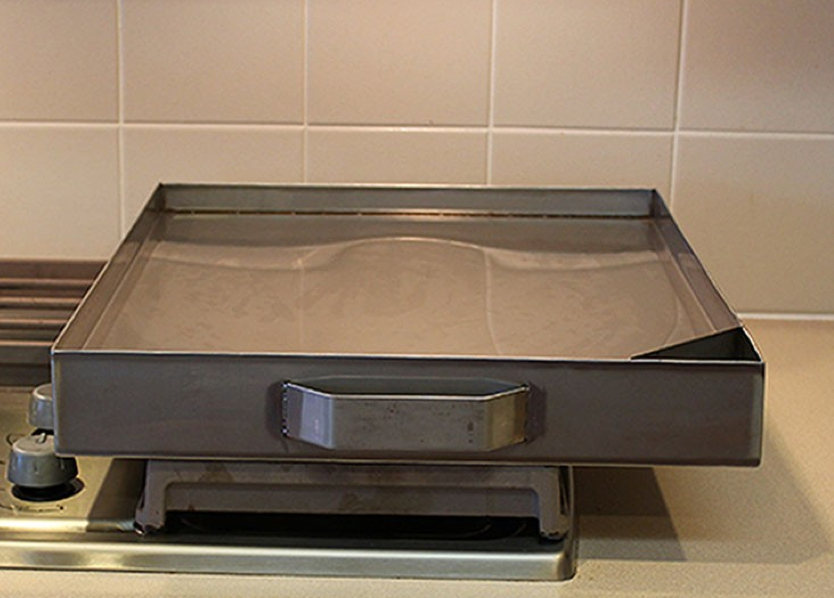
Grandma Longenecker dried apple slices locked in nutrients and flavor on a vintage food dehydrator similar to this updated one.
Food dehydrator: Google images
The flavor was concentrated, tart, and oh so chewy. Uh-um-good! These look just like Grandma’s! Later Aunt Ruthie Longenecker took over the tradition.
Apple Schnitz: Kauffman Farms
Red, Amber on Green Background – Van Gogh’s Apples
Do you associate apples with this season of the year? Any favorite recipes with apples? Thank you for adding quotes, recipes, or anything else that comes to mind here!
Dollar Discovery! On September 10, 2015 I opened an envelope dated April 30,1962 that Mother sent me in college. I had read her letter then, but did not open the Bossler Mennonite Church bulletin where she had tucked a dollar bill (series date 1957) until now. I wonder now whether she was testing to see if I had taken the time to open the bulletin she enclosed.
When I opened the bulletin commemorating Church College Day, a few weeks ago, out tumbled a “Silver Certificate” dollar bill backed by REAL money, not the “Federal Reserve” bills we carry around in our wallets nowadays.
US district Judge J. Skelly Wright ordered the desegregation of elementary schools in New Orleans, LA.
John Kenneth Galbraith, then U.S. Ambassador to India, wrote a letter to President Kennedy proposing a negotiated peace between North Vietnam and South Vietnam.
At the Ealing Jazz Club in London, Brian Jones was introduced to Mick Jagger and Keith Richards. The three would become the heart of The Rolling Stones.
Walter Cronkite replaced Douglas Edwards as the anchorman for the CBS Evening News.
The Century 21 Exposition World’s Fair opened in Seattle, Washington on April 21, 1962
What was happening in the Longenecker house then?
Here are unadulterated excerpts from Mother’s letter:
“Hello to all the gals at Peachey House. . . . “Did you get your book – – – I mean your ‘Books,’ The Post Master want to know when you got the book we send. Don’t for-get to tell us he want to see know how long it took to get to E. M. C.”
“. . . I called LaVon’s mother on Fri. the way it sounds Maybe you are taking her place. she is going to work for Dr. Walmer 5 weeks then she is going to be counsler at a few camps. She is sure you will like it. She said you even get off the fourth of July with Pay. she knows they pay over a $ a hour but she didn’t know right yet how much.” (Lavon Nolt (Kolb) is a school friend: We attended first grade → college together. Here Mother is discussing summer work for me.)
“. . . I started to tell you Janice [sister] and I were at the Mother & daughter banquet on Fri. eve. they really had a nice program. & plenty of food such as fruit cup, a very large slice of Ham loaf, baked potato, corn & peas, cold slaw, pickles & olives, celery & carotts, ice cream & cake Mints & nuts. Well, we were just stuffed.”
“. . . When you get your check get it cashed then you will have when you need.”
There are two references to money in this letter, three if you count the dollar bill I didn’t discover until now. I don’t remember what the check was intended for or the amount, but it was probably not enough for books or tuition. And seldom did Mother write a letter that didn’t mention a menu or food preparation.
I know now that she equated food with love. And she knew that money, even a little bit, would sweeten my passage through my college days too.
God bless the memory of my mother, who knew the value of a dollar . . .
. . . and the appeal of a home-cooked meal!
Did this post prod memories of happy surprises about money or food? Join the conversation here.
The closest thing I ever came to living in a convent was my year in the dormitory at Lancaster Mennonite School. It was much like living in the dorm at my alma mater, Eastern Mennonite College, now a University, but only more awkward. “Awkward?” you ask. “In what way awkward?”
As beginning teachers Verna Mohler (Colliver) and I were squirreled away in the LMS girls’ dormitory. Because of our tiny salaries, living here represented a major cost savings, but being so close to students, we sacrificed privacy. You can read all about this experience in last week’s post.
Students and faculty alike dressed plainly at LMS, no jewelry or fancy dress allowed. Students were sequestered from the world in other ways too: no competitive sports teams, no band or orchestra, and no theatre department.
My prior life in college was similar but a tad looser. There were intramural sports at EMC but musical expression was limited to various choruses which sang a cappella in four-part harmony. A highlight of the year came each spring when the music department presented Alfred Robert Gaul’s oratorio The Holy City, its celestial strains ringing in the rafters. However, no band or orchestra existed there either. And certainly no theatre department. To be fair, students performed plays staged in the chapel as for example Thornton Wilder’s Our Town. Our graduating class donated to the college its first piano.
During my junior year at EMC when the college dormitory was filled to overflowing, eight women students were selected to live on the edge of campus in a home called Peachey House.
Verna Mohler and I lived with six others including Martha Maust, who wrote in Verna’s yearbook: ” What with mice sitting on the kitchen floor, a chicken in a book-bag, plus eight girls with plenty of vim, vigor, and yelling power you couldn’t expect anything but great times.” Then too we lived through the mighty snowstorm in the winter of 1961-62 that cut us off from the rest of the campus.
One of my fondest memories is playing the violin with Thelma Swartendruber (Chow) one of my roommates here in the Peachey House living room.
I had played my instrument at Elizabethtown High School, where I was the only Mennonite girl in the orchestra simply thrilled to wear a fancy dress for concerts. My violin case followed me to college. Sunday afternoons we played with others, sometimes even with a faculty member whom I later dated.
* * *
Mennonites have always had a love affair with music ~ hymn books, tuning forks, and four-part acappella singing a staple of all worship services in this era.
Though the Lancaster Conference Mennonite Church did not allow instrumental music in the 1960s, many Mennonite families had a piano at home. We had one, a mahogany Marshall & Wendell upright with melodious richness, especially evident when I pushed down on the damper pedal for a gorgeous, sustained tone.
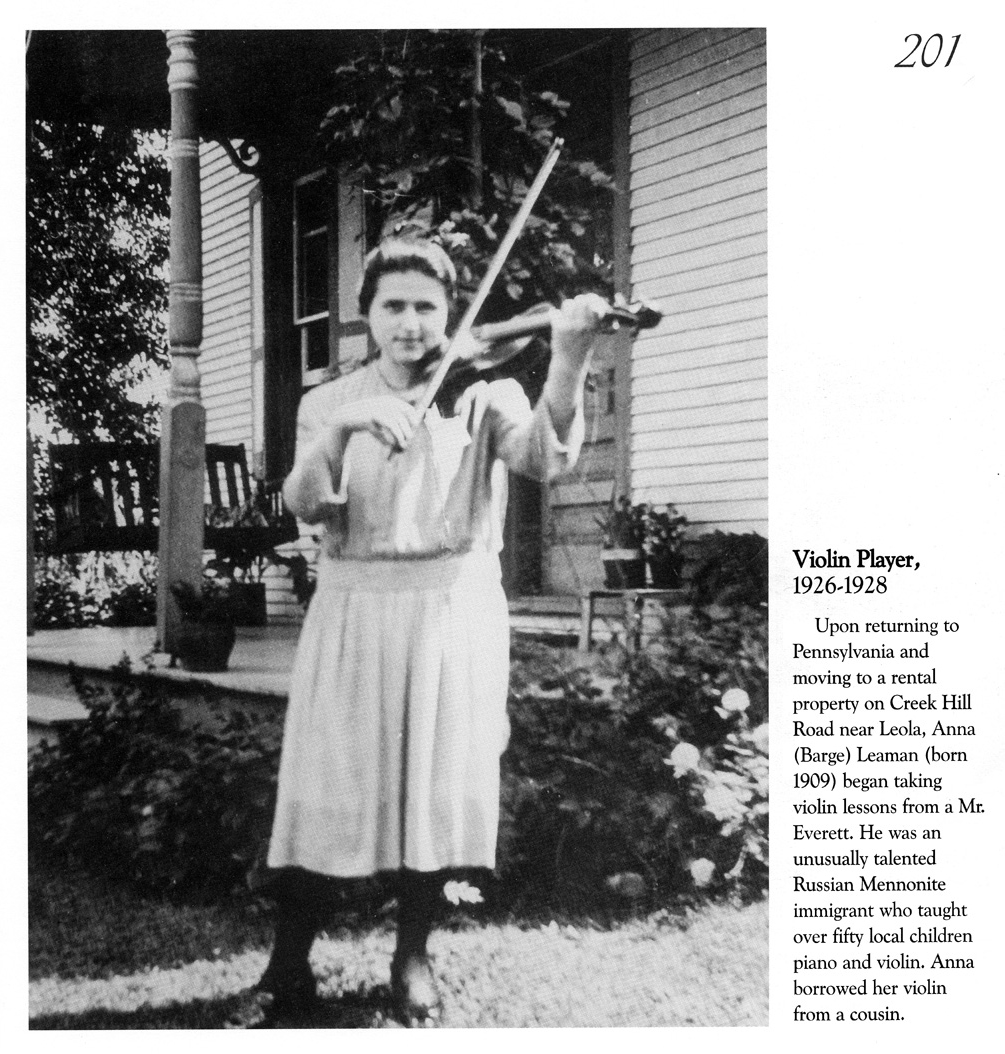
The photo below portrays a young Mennonite girl, Anna Leaman, with covering and caped dress circa 1926 playing the violin. Whether Anna was posing to please her parents or whether she loved playing the violin, it’s impossible to say. I do see a faint smile playing around her lips. Obviously she had been taking lessons and making music solo here.
Credit: Mennonite Women of Lancaster County, Joanne Hess Siegrist 1996
But rest assured, when she went to church on Sunday, no piano, organ or violin would drown out the blend of soprano, alto, tenor, and bass voices who worshipped in blessed harmony.
Did you play an instrument during school or college days? Do you still play it? Any anecdotes to add to the dorm life episodes here, or living with a roommate in an other arrangement?
Coming next: Moments of Discovery, The Story Behind the $ Bill
Nuns live in convents. At least that was true in America in the1960s. Strictly speaking I was not an actual nun, a Catholic sister with a habit like Karen Leahy, who left her convent at Mount Maria to pursue a literary life and experience more freedom. (My review of her book The Summer of Yes here.)
As a student at Eastern Mennonite College, where my un-cut hair was piled neatly under a prayer cap, serving the church was held in high esteem. In fact, the idea of service was drummed in to me as a teaching intern. And so, when the dean of education at the college suggested I apply to Lancaster Mennonite School for my first teaching job, I jumped at the chance. I could serve God and pursue a career I already knew I loved.
I didn’t wear a wimple, scapular, or tunic either. But, as a Mennonite girl in the 1960s, I did wear a prayer veiling and caped dress. My prayer veiling served to acknowledge my obedience to church rules while a cape over my bodice muffled whatever feminine contours I may have had then. Like Karen Leahy, known as Sister Marie Cordé, my clothing announced my separation from the world before I uttered a word. It also assumed a higher set of expectations from me.
Even before I joined the faculty at Lancaster Mennonite School, I wore a prayer veiling and a caped dress, but not all the time. Just for church. But now as Sister Longenecker, a teacher at LMS, plain clothing was de rigeur, not optional.
And I could do so with one of my EMC classmates, Verna Mohler. She and I had shared dorm space at EMC. Now we would transplant ourselves into a similar arrangement as beginning teachers at LMS.
Laurel Wreath yearbook, 1965
Verna and I were side by side and plain. She taught American Literature, and I English Literature along with Penmanship and Spelling.
Yes, side by side in the yearbook, The Laurel Wreath, whose table of contents featured 5 divisions: Faculty, Students, Organizations, Activities, and Worship. There was no orchestra or band – no football or basketball teams then either. Certainly no theatre.
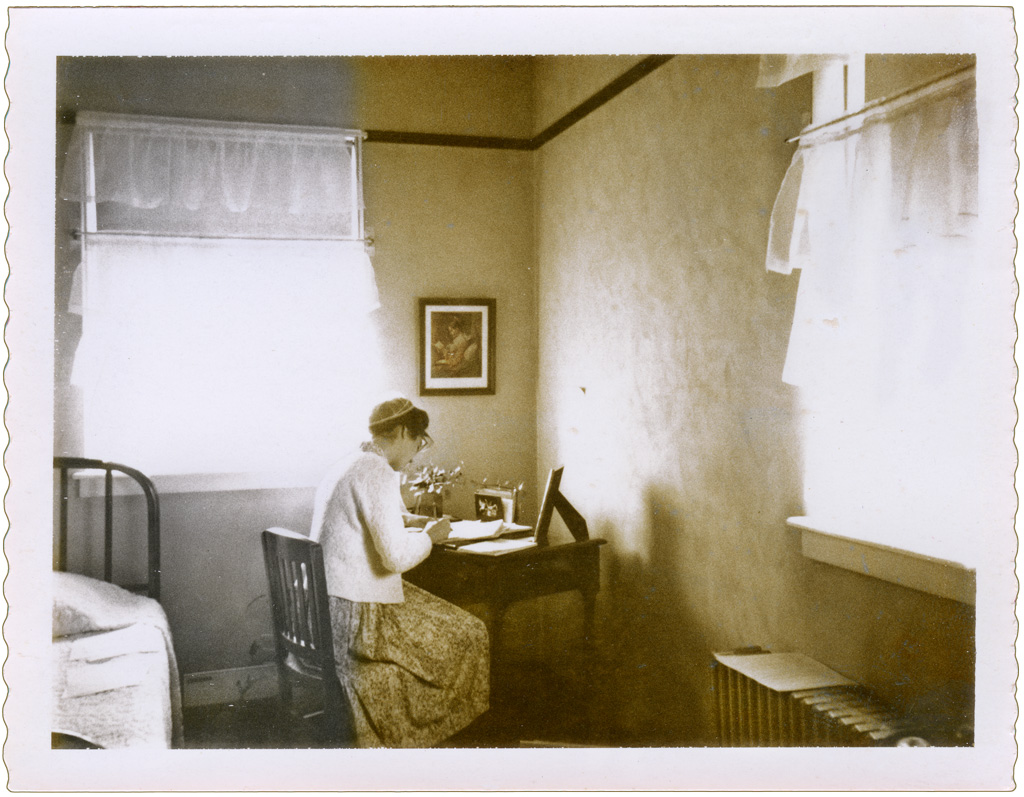
Filmy, white curtains filter pure, virginal light into this teacher’s dorm room study
During our first year of teaching we lived in adjoining rooms in the girls’ dormitory, an awkward situation because of the proximity of students. One evening before supper, I took off my cape and went to the dining hall with just a sweater over my dress. A perceptive student reported me to the Dean of Girls, who gently suggested I mend my ways and remain caped around students at all times.
Of course, our students were plain too . . .
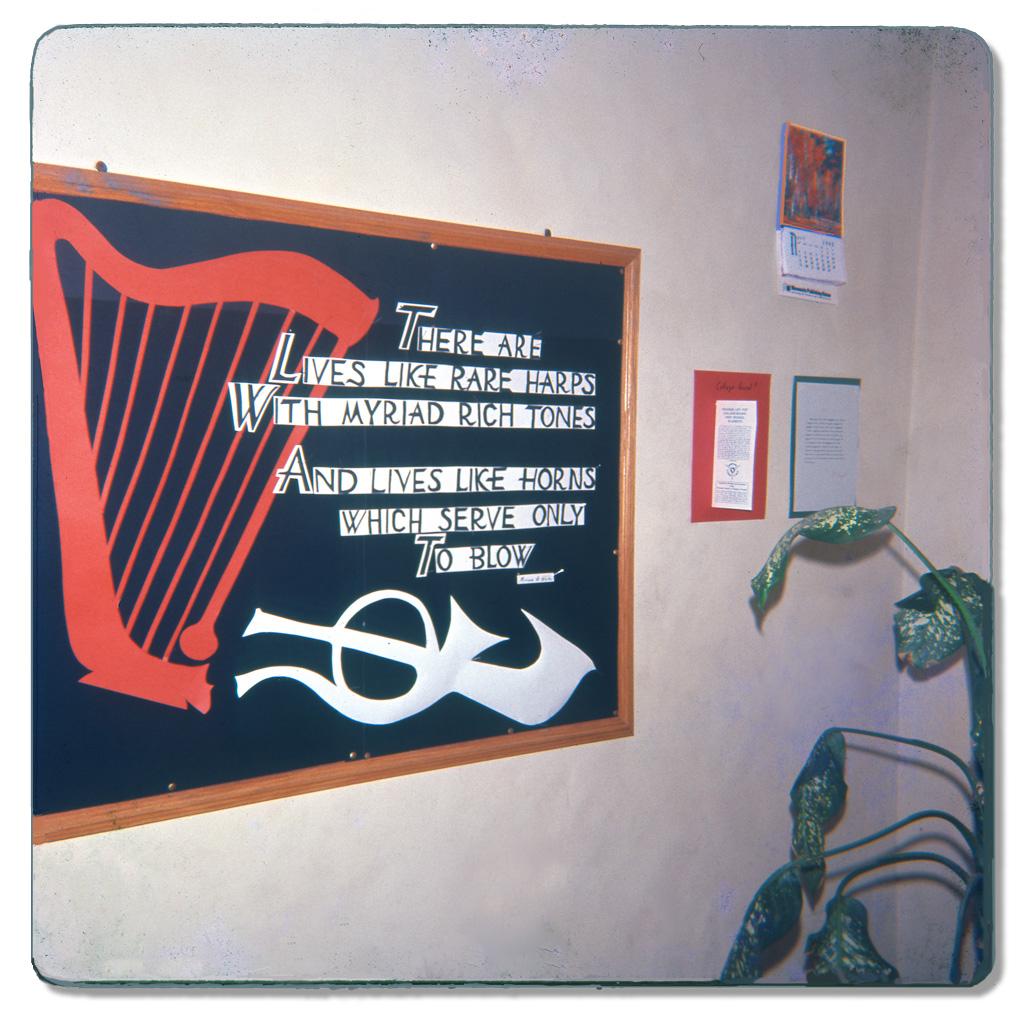
But my bulletin boards were fancy
Even then I liked quotations
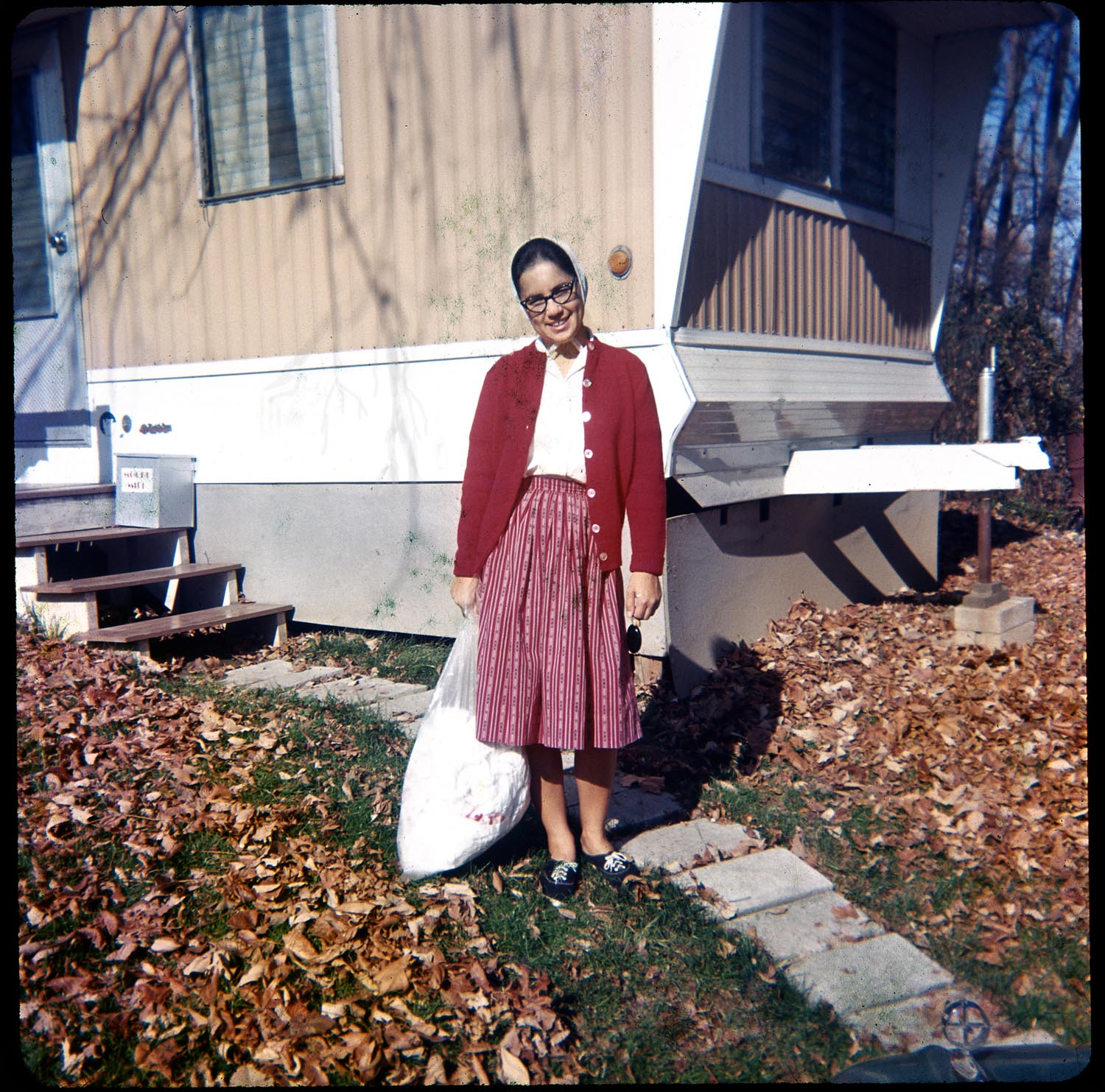
The second year Verna and I moved out of the girls’ dormitory and lived on the edge of campus in a mobile home, which we shared with June Sauder, the Home Economics teacher.
Our trailer was situated in a park-like setting on the other side of the Mill Stream, a bridge between us and campus buildings.
Here again I flirted with danger. One of us rented a TV to see the shocking story of the Kennedy assassination unfold and subsequent funeral proceedings. A student noted the blue glow from our trailer window and reported us to the administration, an action for which we were reprimanded. However, words that we heard on the broadcasts became additions to our students’ vocabulary knowledge: cortege, caisson, requiem.
Sometimes after hours, we skipped wearing the prayer coverings, but always had our heads covered, even if it was with a filmy white bandanna.
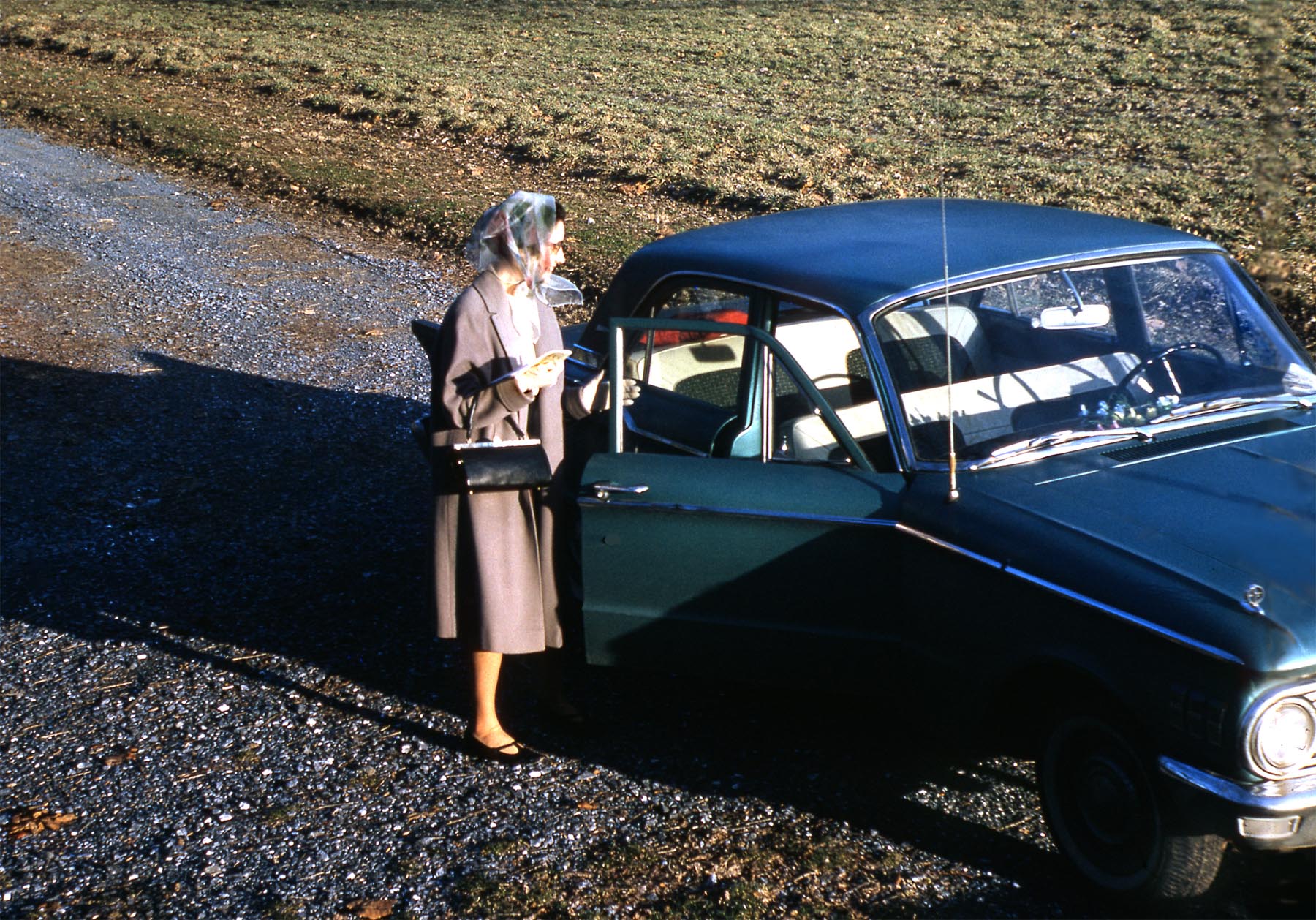
Verna’s Comet became our get-away car when June, Verna and I drove into Lancaster city with serviceable black purses to admire fancy red ones in a shop window, our expressions hopeful.
We wore smaller coverings and no capes when we went shopping in Lancaster
The Lancaster Mennonite School publication, Bridges, to which I still subscribe, has changed dramatically since Verna’s and my short tenure there. Student rosters now include names like Rodriguez, Rosenfeld, and Fukuhara along with the typical Lancaster County Mennonite names Weaver, Harnish, and Nissley.
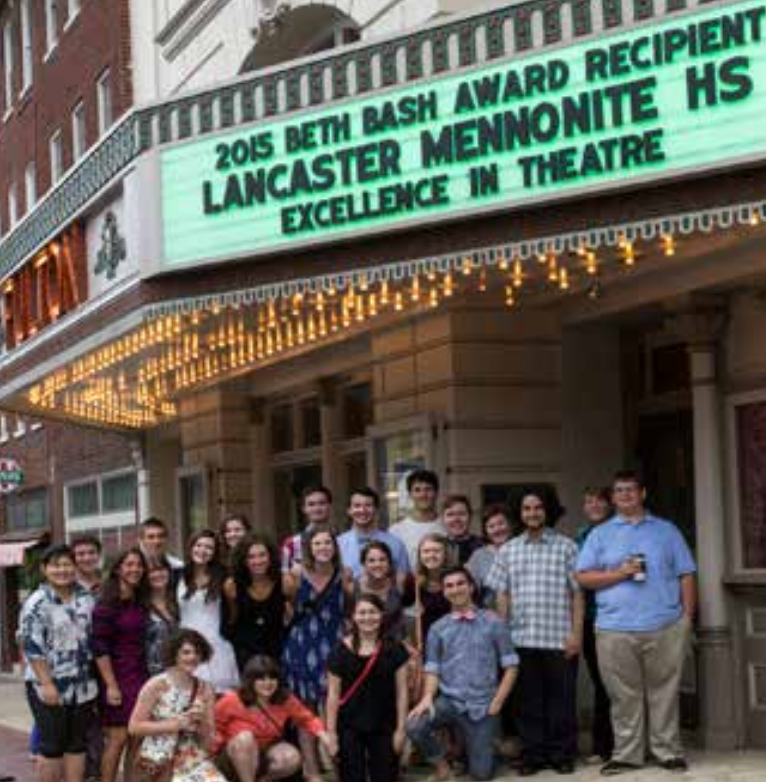
The LMS sports teams are going to the playoffs this year. Lancaster Mennonite and Lancaster Catholic are competing in an international ping-pong tournament. Most interesting of all, the name of Lancaster Mennonite High School appears on the Fulton Theatre marquee in downtown Lancaster displaying the 2015 Beth Bash Award for Excellence in the performance of Shakespeare’s The Tempest. Imagine!
A statement from their current principal J. Richard Thomas reveals the continuing strong spiritual mission of LMS:
As a school, we are building stronger wings and growing deeper roots one student at a time. Here students encounter a risen Christ who calls them to transformation, empowering them to be world changers. Our Graduate Profile states that our graduates will “practice global awareness, cultural sensitivity and humility, respect, an anti-racist lifestyle and compassionate living.”
With stronger wings and deeper roots, the graduates of the class of 2015 were commissioned to walk humbly with Jesus . . . and, in doing so, partnering with God in building a kingdom where individuals “from every tribe, language, people and nation” are gathered together around the Lamb. Revelation 5:9
Is your life, like mine, dramatically different now from your childhood experience? Share your story here.
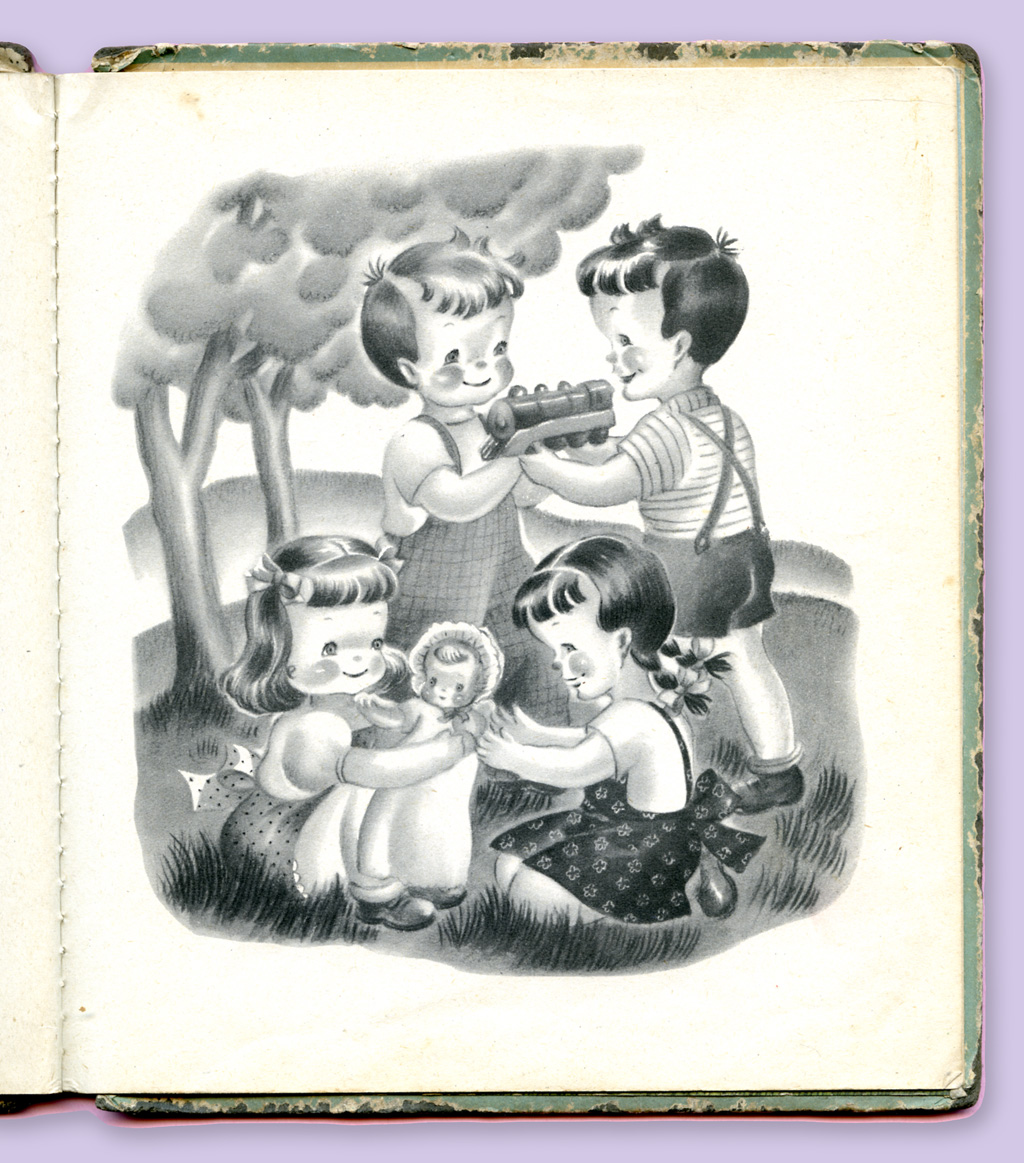
A toy train and a baby doll. That’s what these brother and sister pairs are exchanging with each other.
My Bible Book, 1948 ( 32)
Trading is fun among friends, no matter what their size. Big or little, old or young – most people like to exchange gifts, conversation, sometimes even big ideas.
It is a giant leap from tots trading toys to literary giants exchanging thoughts, but the principle is the same and so are the benefits.
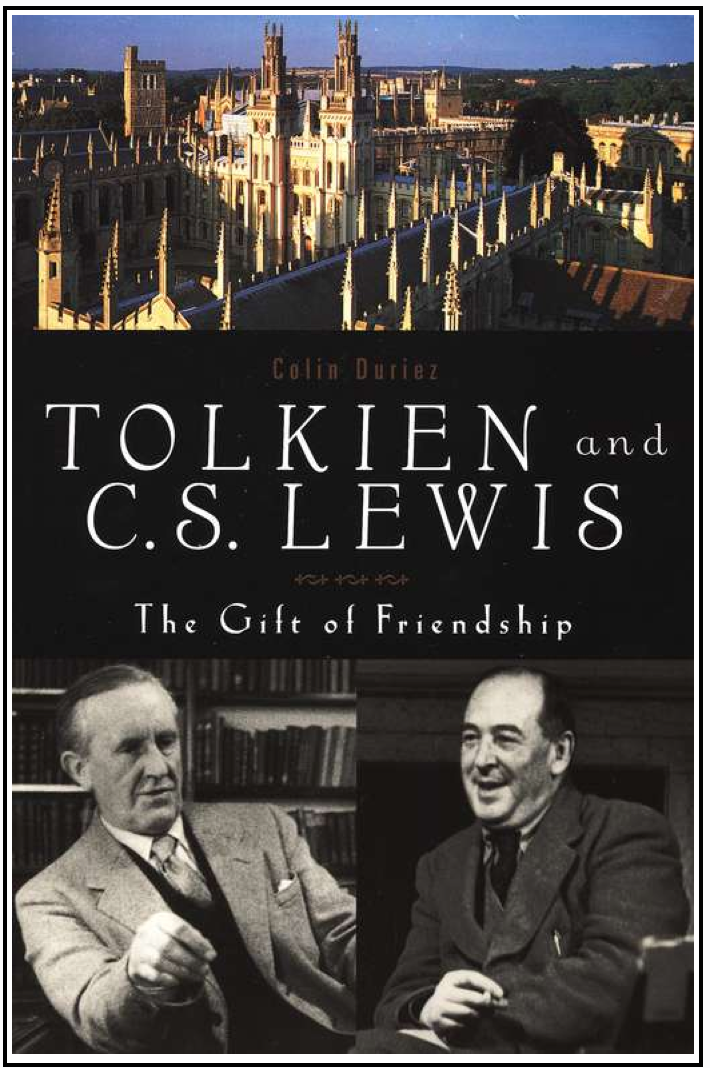
C. S. Lewis and J. R. R. Tolkien, both scholars at Oxford University fired one another’s imaginations in a small group called The Inklings. Both yearned to write science fiction with faith and morality as a central theme. Legend has it that “they literally tossed a coin to decide who would write a book on space travel versus time travel.” Though their early attempts were not completely successful, C. S. Lewis went on to pen The Chronicles of Narnia, and J. R. R. Tolkien wrote the Lord of the Rings series. Generations since then have enjoyed the fantasy of Tolkien’s hobbits and elves of Middle-earth and Lewis’ charming children and Narnian nymphs.
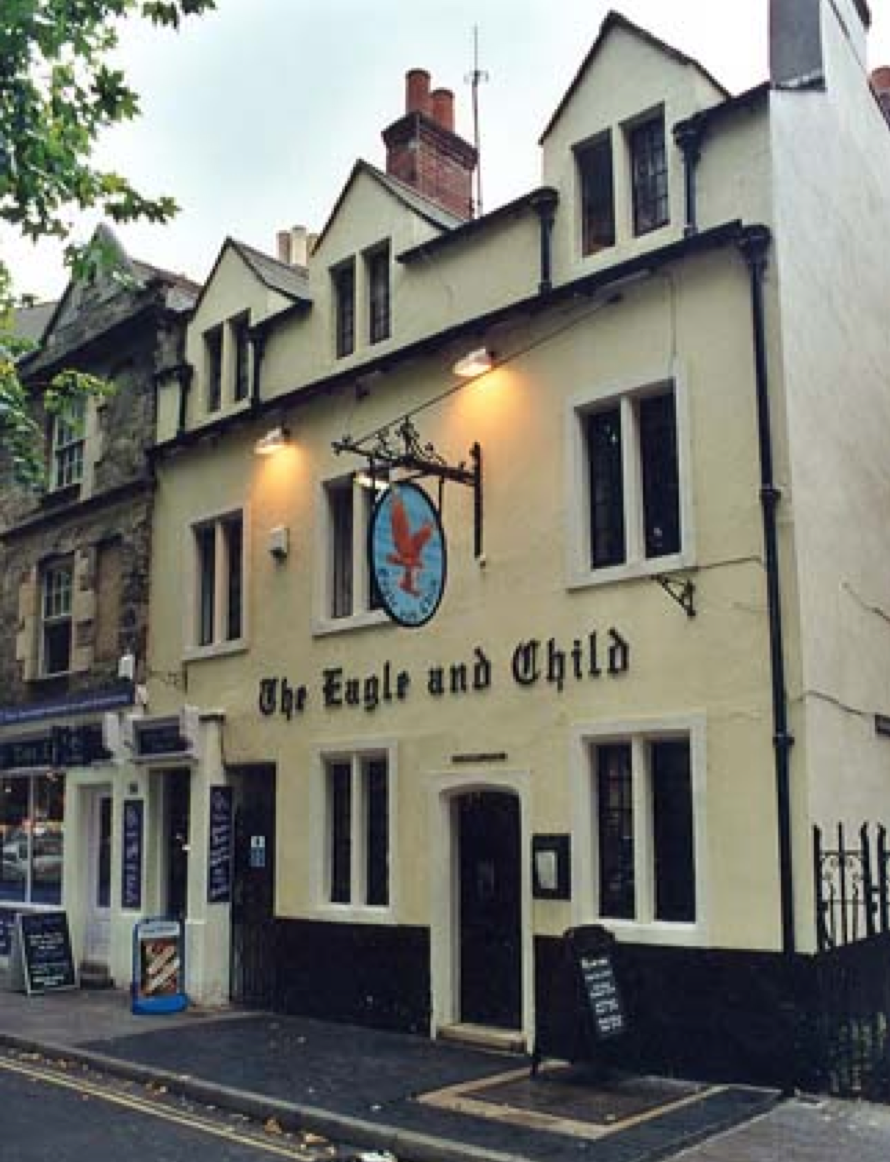
Their haunt? Frequently The Rabbit Room, a snug space tucked away in the Eagle and Child pub, Oxford, where a roaring fire, animated conversation and pipe smoke fueled their imaginations. At least twice weekly these brilliant minds hatched plans for plots and both nurtured and challenged one another’s brain children.
The Eagle and Child – Tuesday morning meeting place of the Inklings with Lewis and Tolkien
* * *
Christiane Northrup, M. D. a frequent PBS-TV presenter, promotes friendship as one of the paths to glorious agelessness. A sub-topic on her website exhorts women of all ages to cultivate varied friendships that she dubs “tribes” of friends. Though I never thought of my friend groups as tribes, I do recognize various kinds of friends I’ve been privileged to know at various times and places in my life.
Church Friends
Writer Friends
Standing: Writers Janet Givens, Kathy Pooler, Marian Beaman Seated: Shirley Showalter, Joan Rough at Chincoteague Island, February 2015
Colleagues at Florida State College in Jacksonville
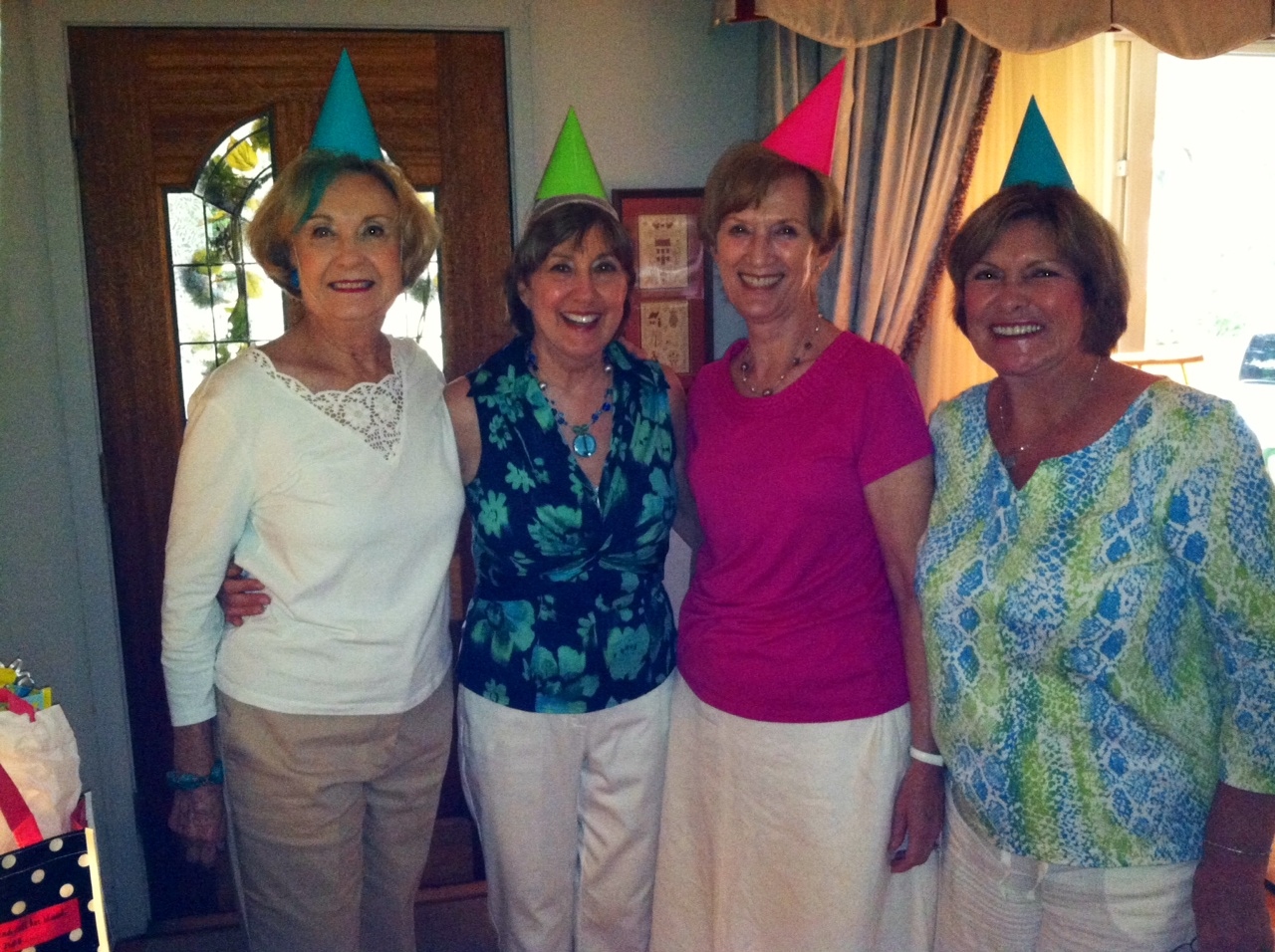
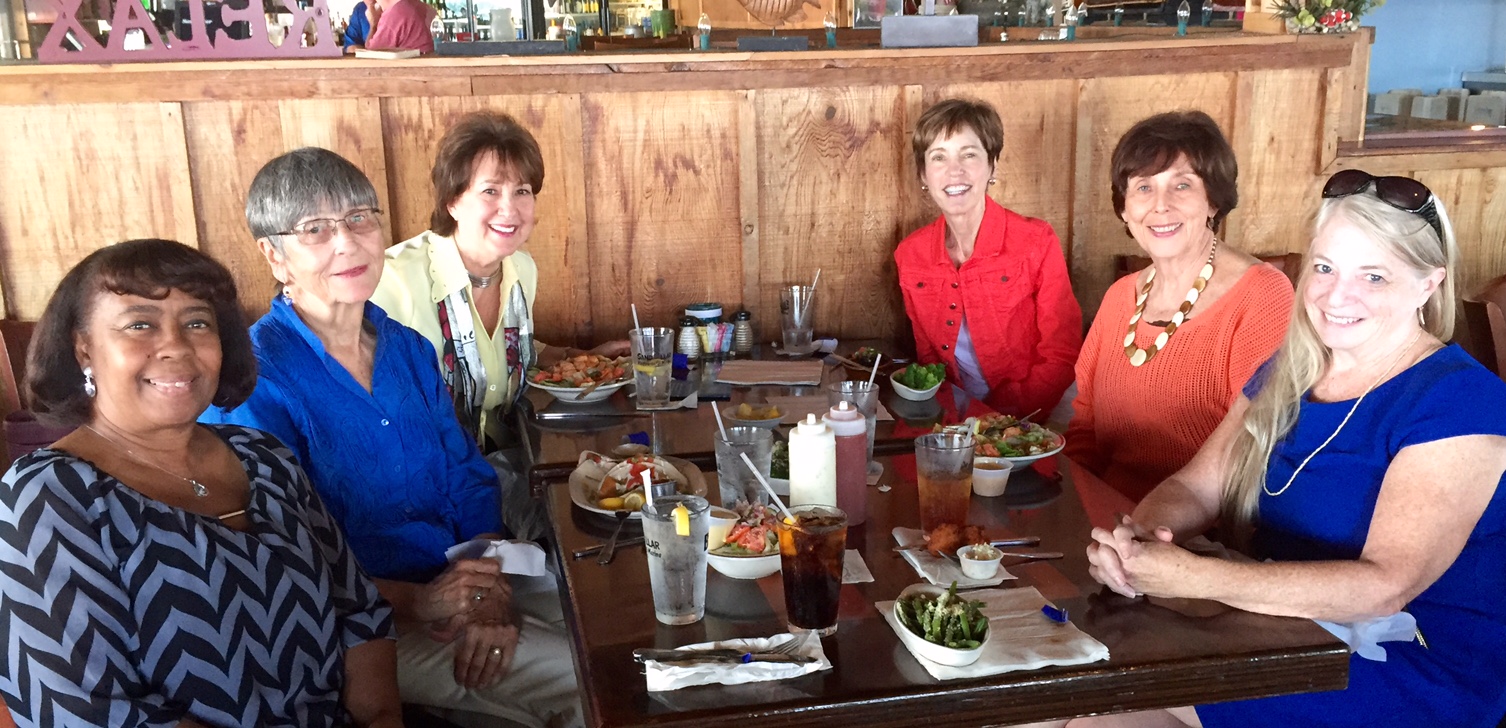
Retired FSCJ English faculty women, friends who lunch
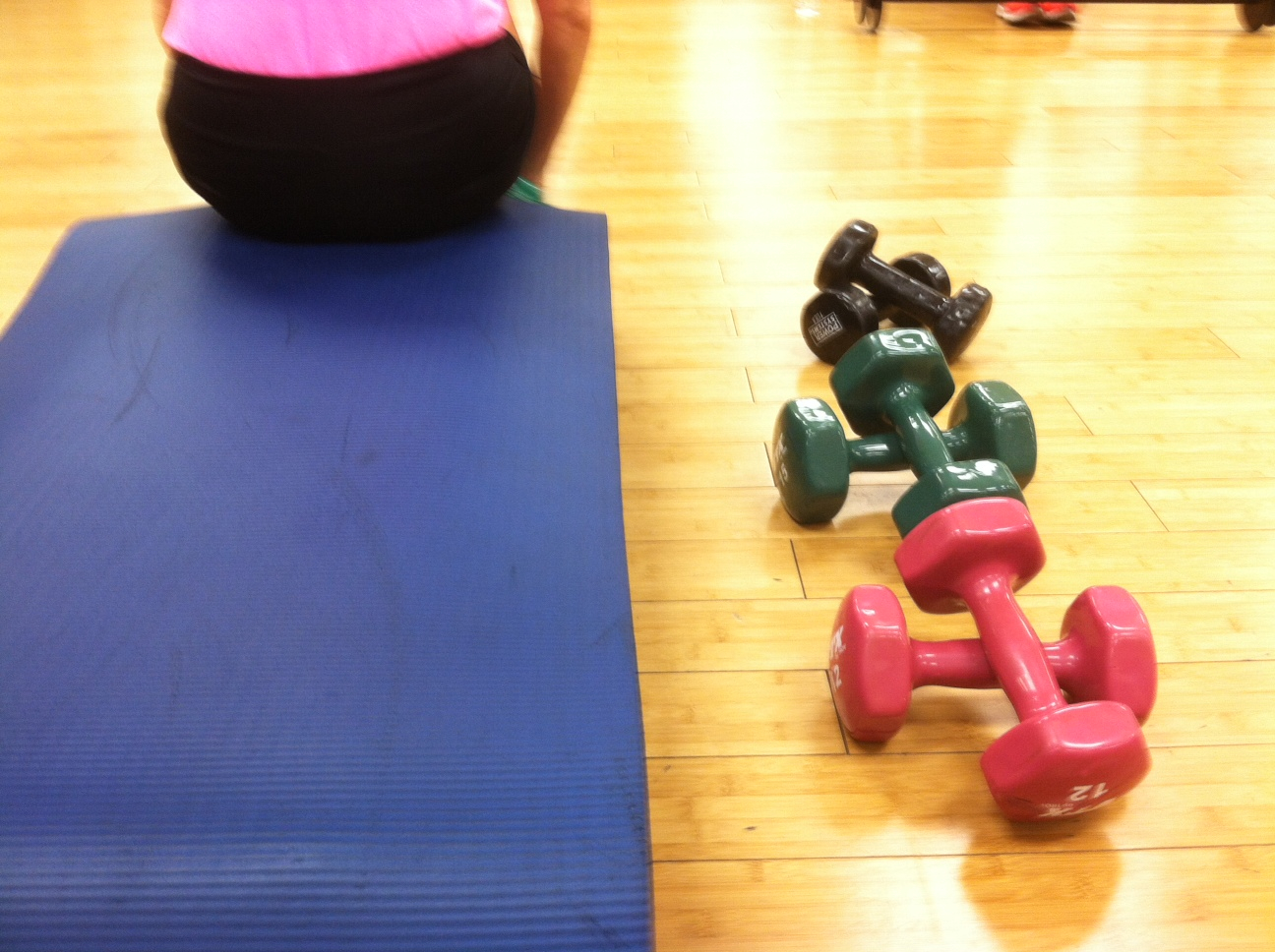
Friends at the Gym (They’re bashful!)
Friends from Eastern Mennonite College
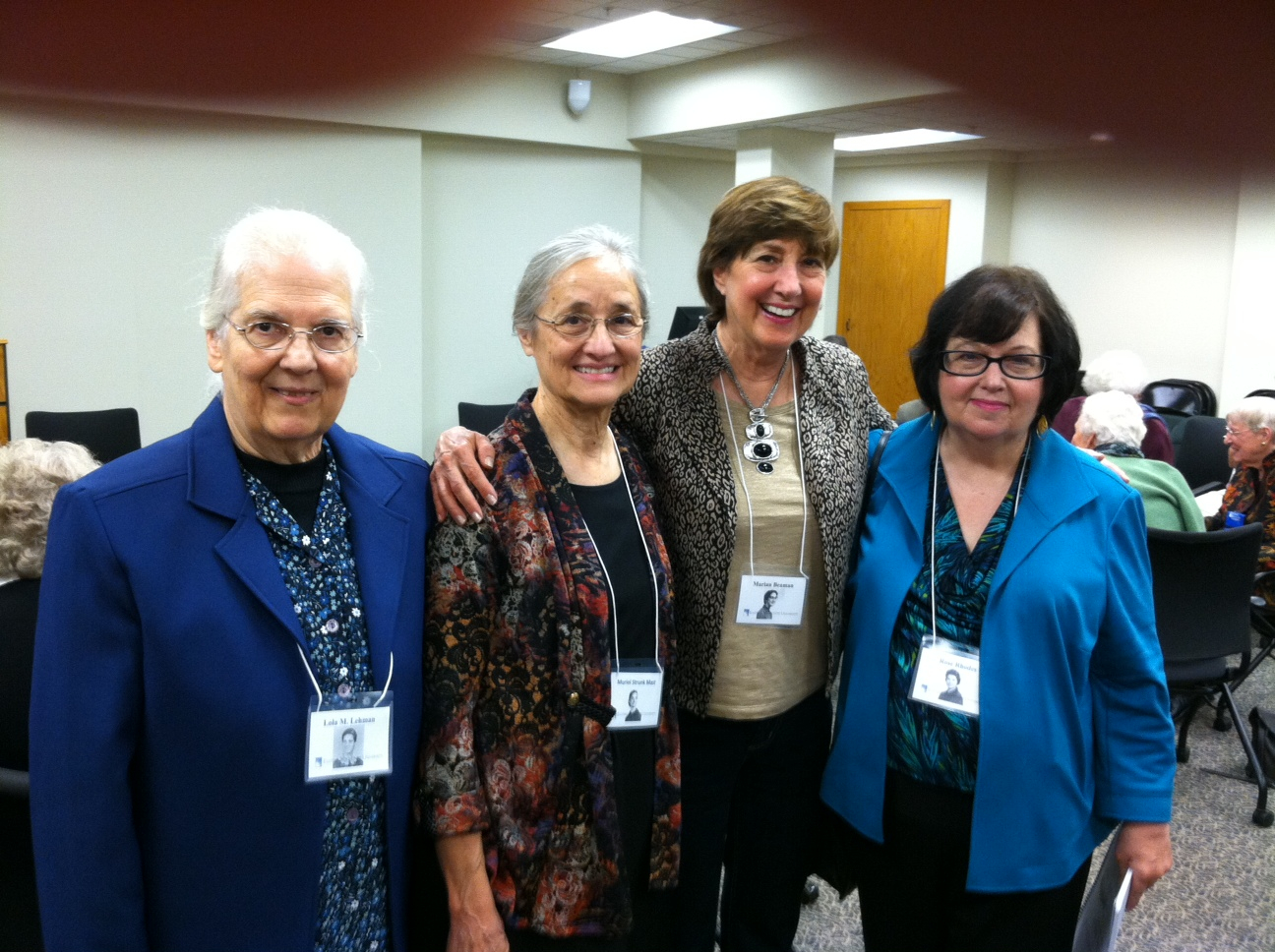
Other room-mates and friends: Our name tags imprinted with college yearbook photos.
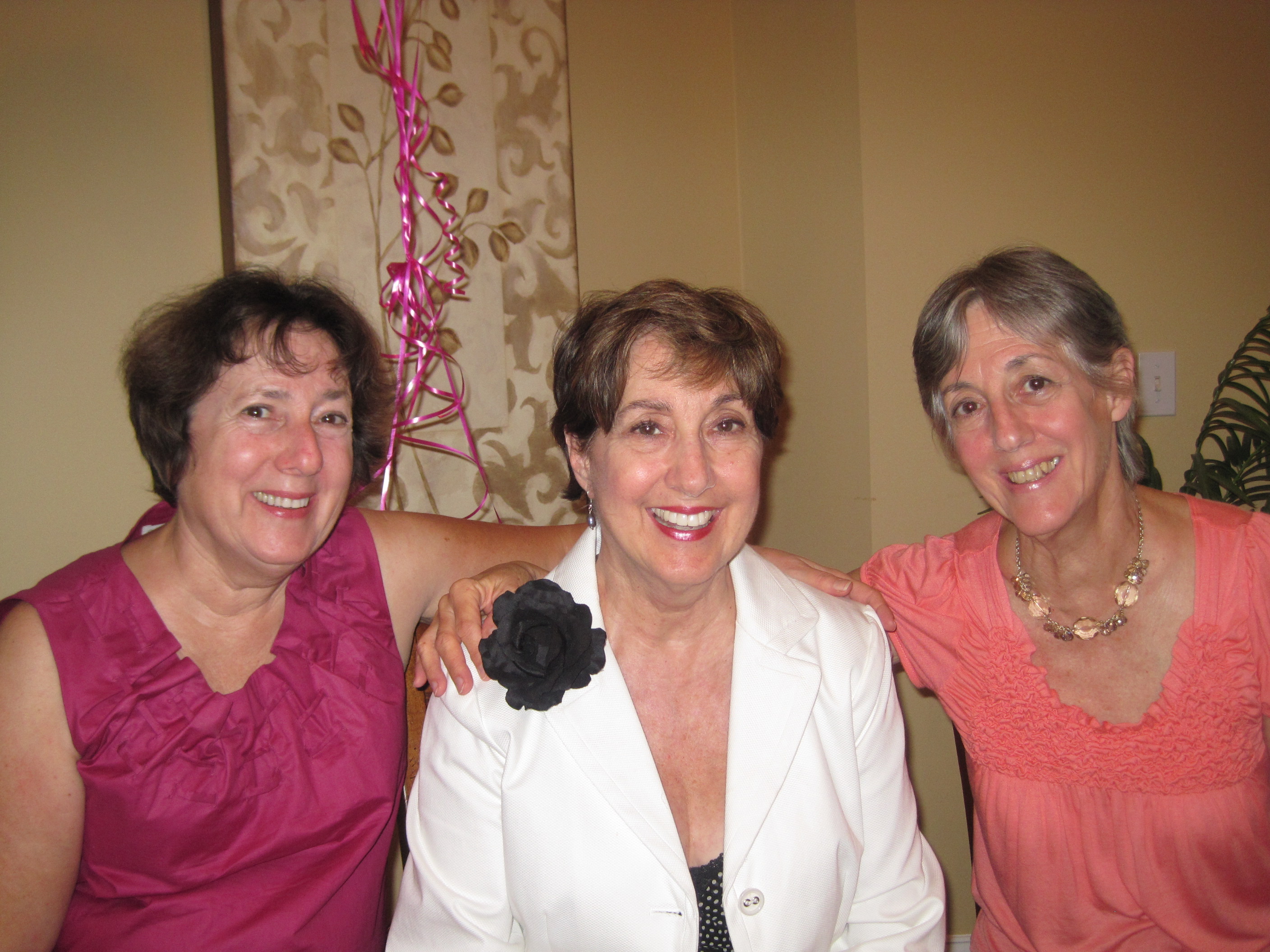
Even sisters can be friends!
My friendship with Verna Mohler Colliver is one I’ve maintained since college days as room-mates at Eastern Mennonite College (now University). I caught up with Verna at our last college reunion.
My college room-mate Verna Mohler Colliver and me at EMU Homecoming, 2013
Since the reunion, Verna and I have exchanged photos and slides of ourselves as beginning teachers at Lancaster Mennonite School in the 1960s. Indeed, she helped me hatch a plan to reflect on those early years in our careers by providing some photo “fuel” for two upcoming blog posts. That’s what friends do. And I appreciate it too!
As iron sharpens iron, so a man sharpeneth the countenance of his friend.
Proverbs 27:17 King James Version
Do you have “tribes” of friends? Do you see them often? How do you keep your friendship(s) alive?









 Plain and Fancy
