Moments of Extreme Emotion: Meet Me Under the Bougainvillea

I have had many moments of extreme emotion. Some you may know about like flunking my driver’s test, an explosion in the curio cabinet, and a broken piano leg — and some you may not.

According to my journal, this particular moment lasted almost an hour and happened in Positano, Italy, a terraced town poised on a peninsula along the Amalfi coast by a vertiginous slope to the sea.

Positano_6x4_300

Quaint Positano rises up, up, up to houses crouched in cozy rows and leans down, down, down to the snug little village below. We leave the charming hotel, Villa Rosa, to spy out the sights and shopping. Positano itself is dripping with bellissimo scenes: lemons the size of grapefruit, grapes a million, shiny red peppers, elegant shoppes, delikatessens. Cliff wants to check out the sights first and I prefer the shopping, so we decide to meet at a certain time and place “under the bougainvillea” before we go our separate ways for awhile.

Now a host of pergolas of bougainvillea adorn the village, each pergola with blooms that cascade like crimson waterfalls. Of course, I think he must mean the one on the way down the steep street leading into the village.

Upper bougainvillea - where I thought we'd meet
Upper bougainvillea – where I thought we’d meet

In one of the shops, plates of lemon yellow and Mediterranean blue catch my eye with painting on the back “dipinto a mano per alimenti Positano” – hand-painted dish. They come bubble-wrapped so I can snuggle them against breakage between layers of clothing in my suitcase, I think. I can’t decide between the blue and the yellow, so I get two of each, complementary.

Soon it’s noon, the time we agree to meet before lunch. So I meander back up to the brilliant bougainvillea to people-watch and wait for my prince. I wait and wait and wait. No Cliff in sight! That’s just like him – losing track of time when he’s snapping photos. The minutes pass and I’m starting to get mad. The temperature on my “mad” gauge rises even higher as the sun beats down furiously on my head. Why didn’t I wear a straw hat and then I think “Where is that man?”

Mad turns slowly to sad as I realize he must have fallen over from heat exhaustion and now is lying at the foot of the Duomo, his camera case splayed out beside his prostrate body. Oh, my goodness, do they have ambulances in such a small town? I haven’t heard sirens here unlike Rome where horns hee-haw all hours like electronic donkeys. Finally, I convince myself Cliff’s not dead and probably still wandering around. My emotions cycle between mad and sad a few more times until I see a tall, blond man approaching me looking very mad himself, certainly not glad to see me again.

C.   “Where have you been? I’ve been waiting for you by the bougainvillea for almost an hour now!

M.   “Well, I could ask the same thing. I have been waiting ages under this pergola for you. I thought you might have keeled over from the heat. Where in the world were you?”

C.   “Don’t you remember?  The last thing we talked about was the bougainvillea by the Duomo, so I thought that was the place we were supposed to meet!”

Where Cliff thought we'd meet - by the Duomo
Where Cliff thought we’d meet – by the Duomo

We rehearse the scenario far too long and try to resolve the mix-up by arguing our own points of view, an exercise in futility. What we do agree on finally is a cool place for lunch which for us is a tomato-drenched pasta (larvae-shaped noodles) entré and an omelet. I exchange a pile of eggplant “aubergine” for an “ensalada mista,” garden salad.

Bellissimo!


I’ll bet you have a story similar to this one but with a different setting or a comment about this one.

Don’t be shy. Leave a reply!

PlatesPositano

Fishing on the Delaware 1950s

Daddy was an avid hunter (pheasants and deer mostly) and an eager fisherman. The outdoors took him away from the stresses of his business, Longenecker Farm Supply, and helped him literally recharge his batteries. I never went hunting with him, but he invited me once or twice on deep-sea fishing trips in my early teens.

Many summers ago, friends from Bosslers’ along with a few relatives chartered a boat and went deep sea fishing in the Atlantic south of the Delaware Bay. Unlike the New Testament disciples who fished with empty nets all night long until they followed the wisdom of Jesus, we PA Dutch fishermen hauled “em in right and left”– starboard and port. And unlike the disciples who had to cast their “nets” on the other side, we had a great catch without switching to a different strategy. Unbelievably, we novice fishermen were rewarded with a net-breaking haul of bass or trout. Somehow the figure of the number 68 (or maybe it was just 65) sticks in my mind as the amount of fish I caught single-handedly that day. Others easily topped my number. No fish tale here!

FishingDelaware

(I’m the one with the bandanna and sweater on the left side of the boat; Daddy is grinning behind Uncle Paul whose hand is raised.)

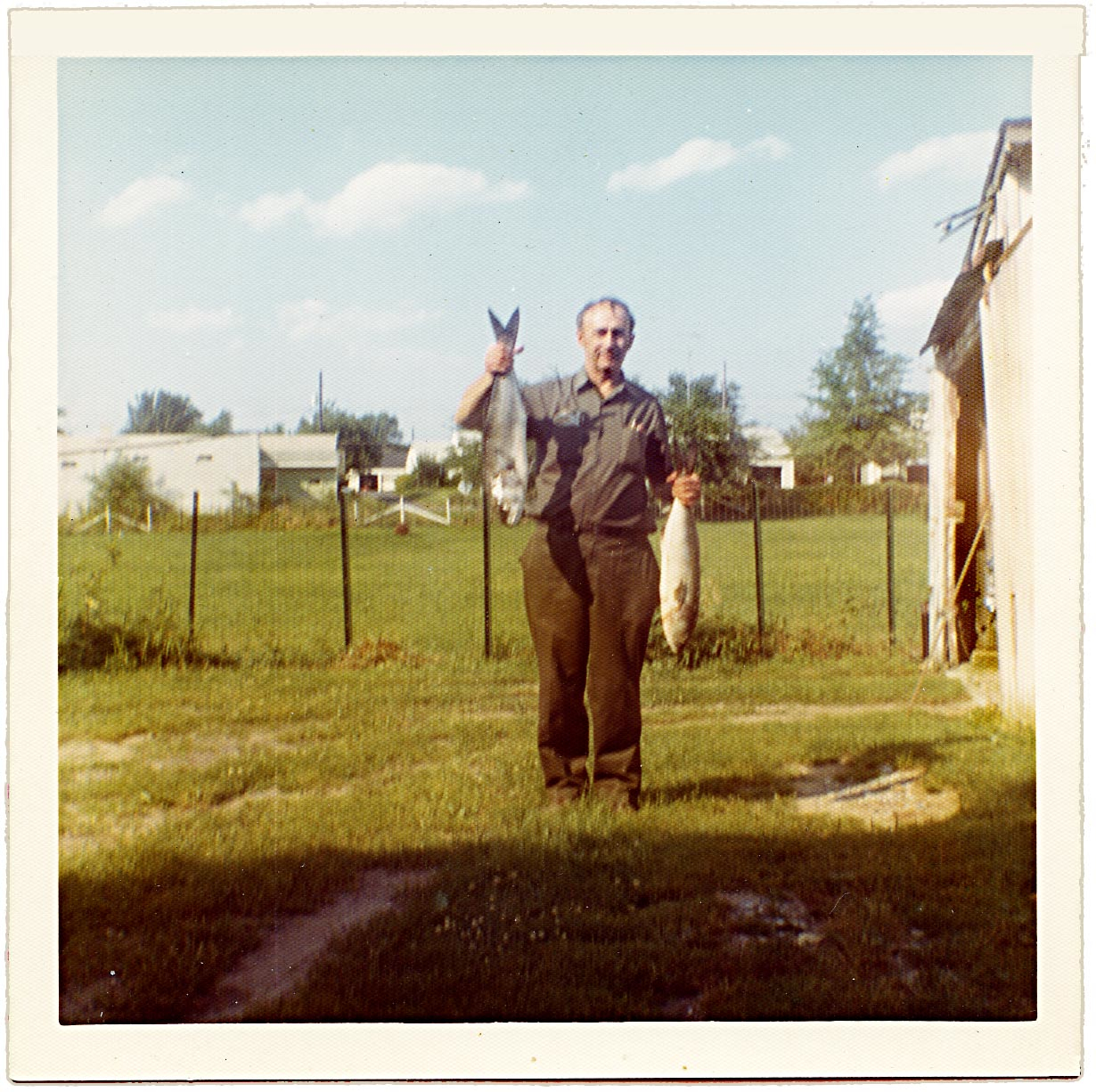
Ray holding fish_final_4x4_300 (1)

Generally, I had a strained relationship with Daddy. The stories of the ill-begotten bike and his unannounced violin purchase on earlier posts underscored his lack of knowledge of relating to me as his oldest daughter and subsequently my resistance to his overtures toward making a satisfactory connection.

But outside the walls of our house, taking walks or catching fish together, such barriers disappeared. These photographs evoke these pleasant memories, times when we were in tune with nature and with each other as father and daughter.

Childhood that place where purity of feeling reigns, was merging into adolescence, where ambiguity begins.

Mary Peacock in The Paper Garden  

And that is where I was, the age of ambiguity and change.

  *  *  *
Comments? A question? An anecdote from your own experience growing up. 

Marriage to a Difficult Man: Part II

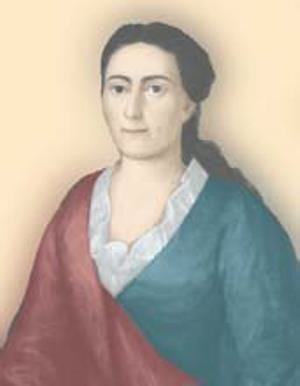
Sarah Edwards portrait: Google Images

Sarah’s Flair for House-keeping

She was the kind of woman who took the trouble to tie her hair with a ribbon for breakfast when many wives came down tousled; who spent an extra minute to stamp a design on a block of home-churned butter; who knew how to give a flourish to simple dishes with parsley, spearmint or sage, all grown in a square of herbs by the kitchen door; who, when she had a bowl of peas to shell, would take it out into the sunshine in the garden. She put in day lilies, hollyhocks, pansies, pinks–the flowers women loved to plant on the frontier, for it gave them a sense of putting down roots.  (31)

Reviewer Jennifer Lee muses further on Sarah’s homey housekeeping, efficiency tempered by composure:

She knew how to keep a house clean at its vitals, without stuffy cupboards left unaired or parlors sealed off. The house was open, used, full of clues that the family living in it had vivid interests. Books were left on tables, actually being read, not used as parlor props. There would be needlepoint on a rack by a sunny window and a lute in a corner. Esther, singing, might be putting up a hem for Sukey [Susannah] while a boy did his Latin lesson. It was the opposite of the kind of house where things were preserved in mothballs in locked boxed. Its ambience was of windows flung open, of easy access.


Key to Harmony in Their Uncommon Union

Contrary to popular belief, the author of the fiery sermon “Sinners in the Hands of an Angry God” observed quiet passion in the pulpit but also preached on grace and redemption. And he treated Sarah “as a fully mature being, as a person whose conversation entertained him, whose spirit nourished his own religious life, whose presence gave him repose.” (35) Likewise, Sarah “let him be sure of her steady love, and then freed him to think.” (66)

A woman of charm, practicality and tact, Sarah like her mate was strong as iron, realizing that “she had chosen to marry the sort of man who did not give in when he believed a matter of deep principle was at stake.” (112)

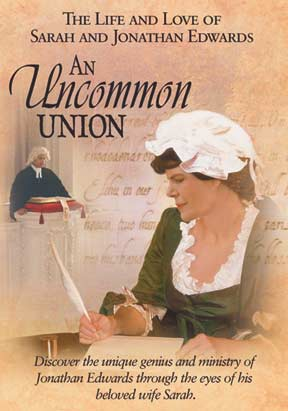
Cover: Google Images

Edwards’ Parting Words to Sarah

Remembering the love of his life, the charming but stalwart Sarah, who wore a “pea-green satin brocade with a bold pattern” to their wedding (24), Jonathan Edwards spoke these words “not about heaven or hell, or about books or theories.” He spoke of Sarah:

Give my kindest love to my dear wife, and tell her that the uncommon union which has so long subsisted between us has been of such a nature as I trust is spiritual and therefore will continue forever.  (201)

*  *  *

Coming next: Laundry at the Longeneckers

Remembrance of Things Past: She Kept His Sweater

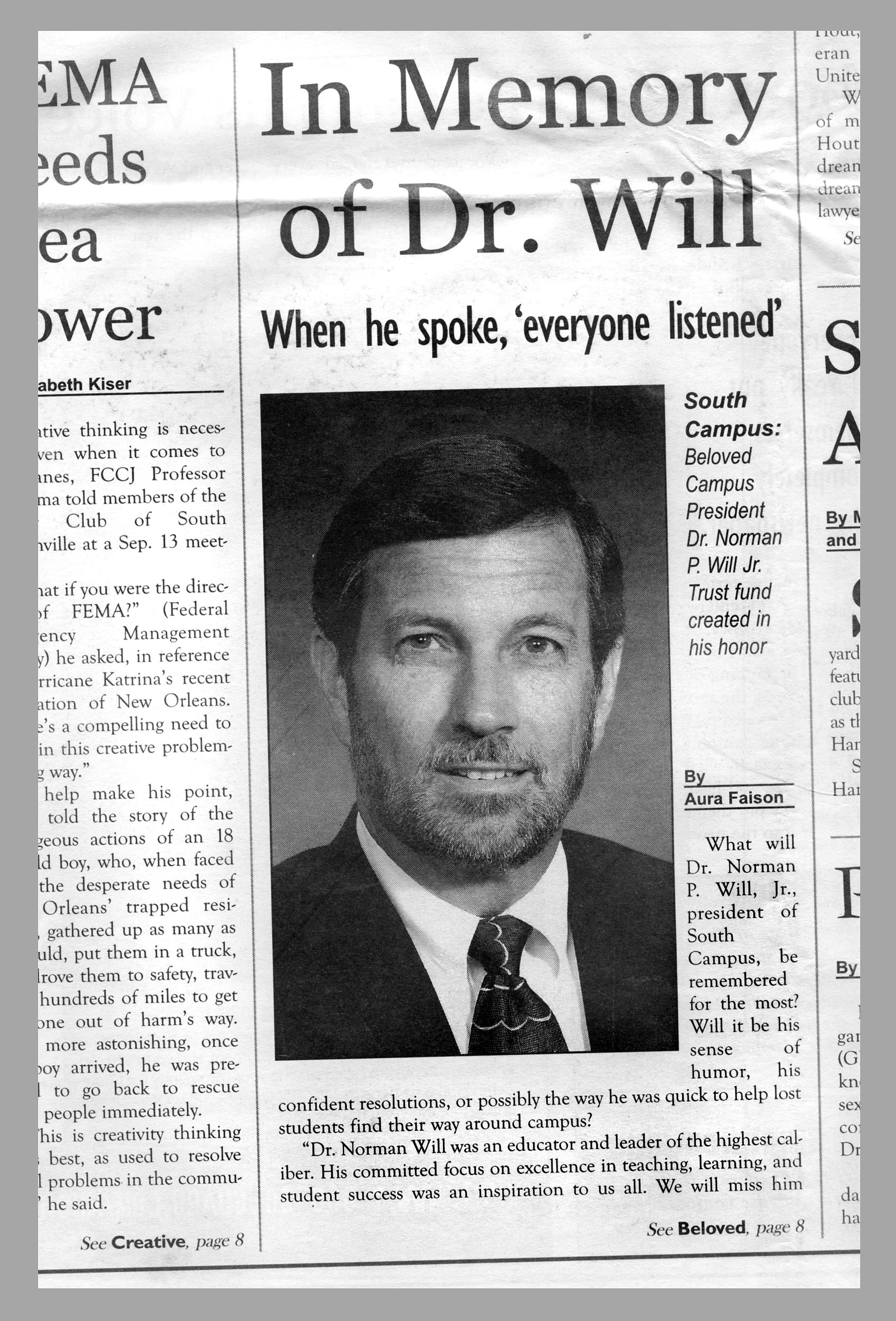
Jane Martin Walters never attended a single Elizabethtown High School Class Reunion, and Dr. Norman P. Will no longer attends college graduations as a president emeritus at Florida State College at Jacksonville. Yet, they both linger in my memory though Jane died in her mid-twenties and Dr. Will in his late-fifties. I have vowed to get rid of memorabilia in anticipation of down-sizing one day, but I can’t – I just CAN’T – part with the pieces of paper that attach their memory to mine.

Jane was smart, very smart, and excelled in college prep track classes in high school. Unlike mine, her learning appeared to be effortless. And her home life quiet and orderly too. After a snow day off from school one winter Jane remarked that she loved snow days because her Mom would pop popcorn, and she and her family would sit by the fireplace and read or play games. In contrast, after the thrill of sledding on traffic-free roads passed, our house was noisy, no hearth for refuge in sight.

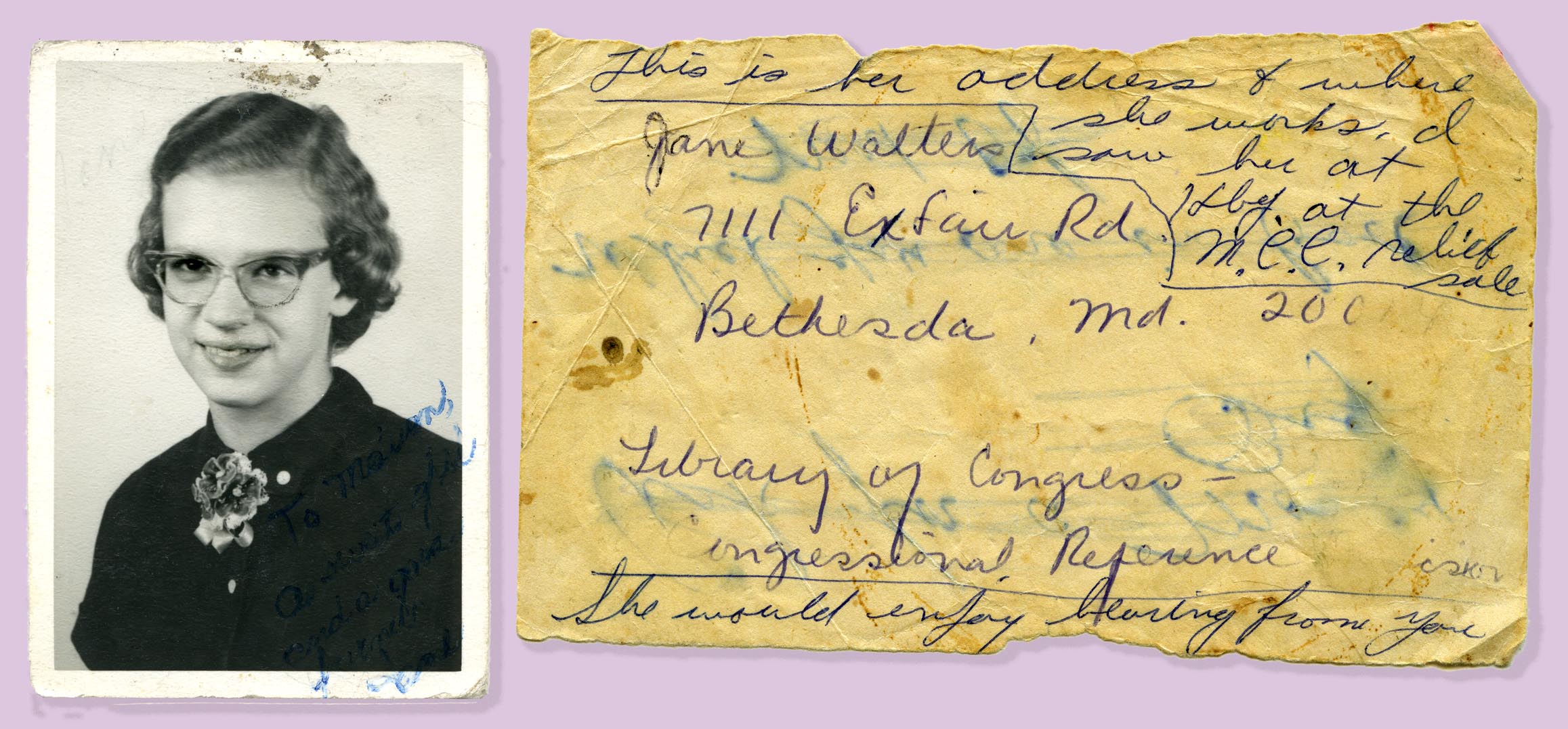
Jane and a note from my mother who saw her in Harrisburg at the MCC (Mennonite Central Committee) relief sale.
Jane and a note from my mother who saw her in Harrisburg at the MCC (Mennonite Central Committee) relief sale – 1960s

You might get the impression I felt envious. But I didn’t. Jane was poised on a pedestal in my eyes, and I admired what appeared to be her calm cadence through life. When I heard she married and worked at the Library of Congress in the Congressional Reference Department, I was pleased. Maybe I’d visit her in Washington D. C. some day. But some day never came. She died of cancer shortly after after her marriage and at the beginning of a promising career. Aunt Ruthie told me, “She ate a nice dinner with her family, said her goodbyes and died in her sleep that night.” I was devastated.

*  *  *

Dr Will_Campus newspaper_FCCJ

I admired Dr. Norm Will too, though in a vastly different way. An English professor had become a college president: All’s right with the world! College operations purred along smoothly with Dr. Will at the helm. He advocated free thought, offering friendly evening colloquia for faculty on diverse topics like current ideas in neuroscience and the health of Florida’s St. Johns River. But on the first day of Convocation in 2005, Dr. Will did not appear. He had died the night before while sipping wine and reading The History of God by Karen Armstrong, a text I later happened to reference in my paper for The Oxford Roundtable.

In her piece “Dealing with the Dead” (The New Yorker, October 11, 2010), Jennifer Egan discusses the deaths of three close family members and observes that she has kept an article of clothing from each: her grandmother’s 3-tiered necklace of fake pearls, her father’s navy-blue wool V-neck sweater, and her stepfather’s gray and burgundy argyle sweater. Though the pearls eventually broke as she rounded a corner in the East Village, Jennifer vows to wear the sweaters “until they unravel into shreds” because she likes their feel against her skin. Author Egan shares wisdom gained from loss as she opines:

  • “Wearing the garments of a person I loved was like being wrapped in a protective force field.”
  • “When the clock stops on a life, all things emanating from it become precious, finite, and cordoned off for preservation.”
  • Keeping items from those who have passed on “is a way of keeping them engaged in life’s daily transactions—in other words, alive.” [Italics mine.]

I will add a quotation of my own from Shakespeare’s King Richard III: So wise so young, they say, do never live long.” And then from Scripture:

  “So teach us to number our days that we may apply our hearts unto wisdom.”           Psalm 90:12  KJV

*  *  *

Have you experienced loss? Is your story like any of the stories I tell or very different? Here’s the place to share it.

Two Vignettes: Mom’s Green Stamps & E-town’s Rexall Drug Store

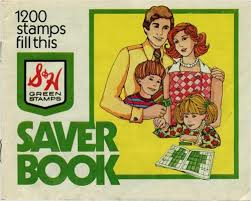
All images: Google Images

“Mare – yun,” my mother calls (yells, actually), “It’s time to lick the green stamps again. The books are on top of the kitchen table.” Mom likes to interrupt my reading. To me time with my books is serious business but to her it’s play. Not working. Wasting time with books unless it’s homework, she thinks.

As I moisten the stamps with my tongue, the glue tastes gooey and sweet. Mom usually receives one Green Stamp in exchange for every dime spent at check-out. I fill the two or three green books until they are fat, each stuffed with 24 pages of unevenly gummed and incompletely perforated paper rectangles. Books of these items can be redeemed for gifts. Mother gets a catalog from the stamp company’s showroom, then matches the item she wants against its price in stamps, paying for it with stamps rather than with cash. She probably has something picked out already. I notice the cover on the ironing board has lots of scorch marks and is wearing thin, so I guess she’ll get an ironing-board cover with one of the books.

Illustrations: Google Images

The gifts are usually household items like a set of mixing bowls, an ironing-board cover or something big, as writer Phyllis Tickle describes when she traded her green stamps for her daughter Nora’s baby stroller:

Surprisingly cheap is usually just cheap in premium exchanges, I have found. It certainly was in this case. The thing was made of aluminum so light and thin that the frame itself could not have weighed in at a full pound. The whole stroller did not weigh in at two. The wheels were scarcely a half-inch wide and definitely not a quarter-inch thick.


The sides and back of the contraption were of a plasticized, loosely woven plaid fabric neither Sam [husband] nor I could identify. The result was a kind of sling-on-wheels that had grown less and less appealing to my maternal instincts as I had become more and more of a mother and less and less of a mother-to-be. However, we did have a stroller. Hmmmm . . . .


Later, she concedes though “those were the good old days when strollers were strollers and not miniature, padded tanks.” (294).

A shoppers’ rewards program for loyal customers, the Sperry and Hutchinson Company dates as far back as 1896. During the 1960s, the  company issued three times as many green stamps as the U.S. Postal Service. After a series of recessions and the decreasing value of the stamps most house-wives didn’t think saving stamps was worth the trouble. However, green stamps still persist in popular culture. In A Hard Day’s Night (1964), starring the Beatles, John Lennon mentions Green Stamps when joking to Paul McCartney that he’ll get the best lawyer they can buy. In the hit “Speedy Gonzales” (1962) by Pat Boone, Mel Blanc sings the final words of the song in Speedy Gonzales’ voice, “Hey Rosita, come quick, down at the cantina they’re giving green stamps with tequila!”

*  *  *

Mother doesn’t drive to the Green Stamp showroom on her own to redeem her stamps because she doesn’t have a license.  But there’s a Lancaster – Elizabethtown bus that goes right by our house along Old Route 230. She knows when to tell me to pull on the cord over-head that buzzes to tell the driver where to stop in town. We’ll go to the W. T. Grant store because it has most of what she needs. Our next stop is  the Gladdell Shop with pretty dresses. In the window I see a sleek, lavender dress made of chiffon fabric on the mannikin. It’s pleated at the waist and has a belt with a rhinestone-studded buckle. I imagine jut how slithery and cool it would feel gliding over my skin. I would be instantly chic and stylish, not plain. But Mother is completely blind to the fancy frocks and heads for the lingerie department. A night-gown? Some hosiery? (She always orders a boring shade called “gun-metal.”) No, she has picked out a smocked, tricot bed jacket in blue with a bow to wear in the hospital over her gown when Mark is born and visitors appear.

The shopping trip gets even sweeter near the end. Mom will check her watch, so that we will have just enough time to go to the Rex-All Drug Store before the bus picks us up heading back east. Dr. Garber usually dispenses pills in little white envelopes from his office, so we are not interested in the pharmacy at the drug store.

ice cream soda

Instead we head straight to the soda fountain which is as close to theatre as I’m going to get. Stepping inside the chrome rails that mark the fountain area off from the rest of the store, we sit on the red leatherette cushioned stools that spin. Fluorescent tubes of light above the fountain equipment advertise bubbly ice cream sodas with a straw. Above it like rays from the aurora borealis but stretched around the perimeter of the fountain area is a glow of bluish-purple lights illuminating the walls. Then I look up and see stars sparkling from the ceiling. I’m in heaven. Until the bus comes all too soon.

What story can you tell about green stamps or soda fountains?

Something you can add about a different memory from the 1950s or 60s? 

Kathy Pooler and Independence Day: Her Story of Freedom

??????????????????????????????????????????????????????????????????????????????????????????????????????????????????????????????????????????????????????

This July, my friend and author Kathy Pooler will be celebrating Independence Day in a big way launching her memoir in early July. The book’s title Ever Faithful to His Lead: My Journey Away from Emotional Abuse hints at the road Kathy has traveled from victim to victor with faith as her guiding light. Her story speaks of the liberation she experienced as her renewed faith enabled her to cope with multiple family upheavals including a spouse’s alcoholism, domestic abuse, two divorces, and her own struggle with cancer and heart disease.

Faith is walking to the edge of all the light and taking one more step.     Author Unknown


Kathy’s Story:

As a “cradle Catholic,” I was born into and brought up with all the traditions and ceremonies of the Roman Catholic faith. I have, by conscious choice and deepening desire, remained true to these beliefs and teachings, except for a period in my twenties when I questioned and even rejected them.

As is often the case, my faith did not deepen until I had to face several life-altering challenges. It was then that my religion became my faith and my spirituality, the source of comfort and meaning in my life. Therein lies the heart of my upcoming memoir, Ever Faithful to His Lead: My Journey Away From Emotional Abuse.

One of the threads in my story is the role my faith played in getting into and out of two emotionally abusive marriages.

I asked myself as I wrote my memoir “How does a young woman from a stable, loving Catholic family make so many wise choices about her career but so many poor choices about love that she ends up escaping with her two children in broad daylight from her second husband for fear of physical abuse?”

The truth was this: A loving family, a solid career and a strong faith could not rescue me until I decided to rescue myself. 

So what does faith have to do with all of this?

  • Faith has been a way to nurture my own soul. I know spirituality is a very personal issue, but I do want to say that finding meaning in our lives is very important. It does not have to but this search for meaning can involve religious traditions. As mentioned, I am a Roman Catholic and find great meaning in praying and observing many rituals of my church including Holy Communion. Some other ways I nurture my soul is through Al-Anon, family friends, and following my passions of writing, exercise, reading, playing the piano. The main point is that we each need to find what works for us just as we respect each others’ right to do the same.
  • Honor yourself:  When I learned to sit still long enough, I found what I wanted and needed and then learned to honor myself and my needs. I was able to  carve out my own time and space to “follow my bliss.”
  • Hope matters: And perhaps the most important for me: Never, ever give up hope.

Excerpt from her book:

Tuesday was Ed’s bowling night. As my belly began to swell in my third trimester, my weekly vigil became more difficult. I sat by the bay window wondering when he’d return home and what condition he’d be in after his night of drinking.

My slow rhythmic breaths echoed through the quiet darkness and steadied the anxiety bubbling up from the pit of my stomach, colliding with my view of what I wanted and needed. My thoughts drifted to my great-grandmother. The visions of that tiny woman with her unwavering faith came to me in whispers and glimpses throughout my entire life.

Great-Grandma Ranze, Mom’s grandmother, had been pregnant with her ninth child when her husband died at the age of thirty-three. Surely I could get through this. The memory of watching Grandma Ranze praying the rosary when I was eight years old warmed me as I sat by the bay window on that cold night. I grabbed my rosary beads and started praying. It made me feel close to her.

* * *

This was one of many times in my life when my faith in God bolstered my hope and gave me strength for the battle. Faith is a gift given to me and nurtured in my childhood by Great-Grandma Ranze. She planted the seeds of faith in me as I faced my own challenges. She is still with me when I say my daily prayers.

Kathy’s Faith and Her Career:

My faith in God also guided me throughout my entire career as a nurse and nurse practitioner.

Every morning on my way to work, I prayed that I would remain open to being God’s servant in caring for the ill or in carrying out whatever role I happened to be in at the time—clinician, educator, administrator. I often prayed with or over patients with their permission. I said many silent prayers for those who were not comfortable.

I also prayed for the strength to deal with whatever I had to face—a dying patient, a difficult family/coworker/physician. Jesus is the Divine healer and if Jesus is in me then I am the vehicle for carrying out His will.

This is the faith that enabled me to walk away from two emotionally abusive marriages with two children. It has been through these challenges that my faith has deepened, and I have found freedom from emotional abuse.

Kathy asks: How about you? How has faith worked in your own life?

KathyPoolerBrighter

Kathleen Pooler is a writer and a retired Family Nurse Practitioner who is publishing on a memoir, Ever Faithful to His Lead: My Journey Away From Emotional Abuse and working on a sequel, Hope Matters: A Memoir about how the power of hope through her faith in God has helped her to transform, heal and transcend life’s obstacles and disappointments:  domestic abuse, divorce, single parenting, loving and letting go of an alcoholic son, cancer and heart failure to live a life of joy and contentment. She believes that hope matters and that we are all strengthened and enlightened when we share our stories.

She blogs weekly at her Memoir Writer’s Journey blog: http://krpooler.com

Kathy’s Links:

Twitter

LinkedIn

Google+ 

Goodreads   

Facebook  

Pinterest

One of her stories “The Stone on the Shore” is published in the anthology: “The Woman I’ve Become: 37 Women Share Their Journeys From Toxic Relationships to Self-Empowerment” by Pat LaPointe, 2012.

Another story: “Choices and Chances” is published in the  “My Gutsy Story Anthology” by Sonia Marsh, September 2013.

*  *  *

Can you relate to any part of Kathy’s story?

What questions do you have for Kathy?

Both she and I will join in the conversation today. You can bet on it!

pubslush-sig-logo200-2

The  30-day Pubslush Crowdfunding Campaign for my memoir, Ever Faithful to His Lead: My Journey Away From Emotional Abuse was launched on May 12 and ends at midnight on June 11.

By making a contribution you will help spread the messages of hope, resilience and courage to those seeking freedom from abuse. Here’s the link to the campaign:

http://pubslush.com/books/id/2076.

If you are unable to make a contribution, I’d be most appreciative if you would share this link with others. Thank you!


:


Where the Magic Happens

Sailboat

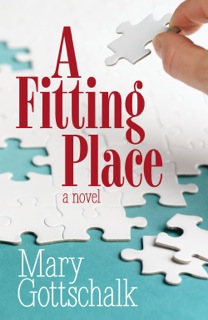
I am happy to introduce a new writer to these pages, Mary Gottschalk. Actually you have already visited Mary’s website if you read my recent post on her blog Flying the Coop: Leaving Mennonite Land. But though she is new to my blog, Mary is certainly not a new author, having published a memoir, Sailing Down the Moonbeam in 2008 and just off the press her first novel, A Fitting Place (May 2014).

Mary will tell you that she and I have competely different life experiences and views of the world, but our writing shares a common theme of willingness to leave our comfort zones.

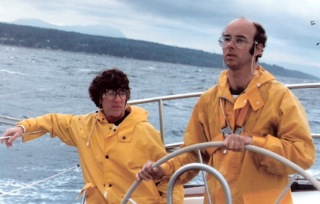
Mary’s Turn: Unlike Marian, I didn’t grow up in a religious environment or have a close-knit family. I first left home at age 13 to go to boarding school, and never lived at home again for more than a month. The love of my life did not show up until I was in my 60s. Much like Marian’s journey from plain to fancy, however, I have been perennially in search of new ideas and new perspectives. I’ve often had to lose sight of the metaphorical shore in order to find them. Ironically, the most dramatic change in my perspective came when I had literally lost sight of the shore, a day when I was roughly a thousand miles out into the Pacific Ocean, heading west along an unmarked route. That day, my husband and I were two years into a planned circumnavigation of the world in a 37-foot sailboat. Much as Marian chose to leave her natal community, I chose to abandon a successful New York career in high finance to explore the larger world.

Around the world with Mary and Tom

Throughout our cruise, we’d often had to trim our sails to unpredictable winds and set our rudder to compensate for erratic currents. We sailed as close to our intended course as we could, but all too often, we ended the day someplace other than where we’d set out to go. As good sailors on a well-fitted sailboat, not much could go very wrong, but we knew that if something did, we would probably die. Life and death were pretty much out of our hands. That watershed day, a sunny afternoon with clear skies and calm seas, it struck me that sailing was a metaphor for life. I suddenly understood that I’d had no more control over my life and death when I lived and worked in New York City than I did while sailing on the Pacific Ocean. And it seemed obvious that if I couldn’t control my fate, I might as well spend my days doing something meaningful and satisfying, rather than wasting precious time and energy trying—all too often in vain—to meet the expectations of others. It seemed equally obvious that if I hadn’t decided to sail away from the metaphorical as well as the geographic shore, I’d still be living under the illusion that I could actually control my life.

It is this last concept—that you grow the most when you step outside your comfort zone—that has been the driving force behind my life as an author. My memoir, Sailing Down the Moonbeam starts with my decision to step out of my comfort zone from a professional and cultural perspective. It ends as I begin a new, more purposeful way of life that has sustained me for a quarter of a century.

moonbeam

But few people can quit their jobs and head off into the sunset. I wanted to explore the growth that can take place when a woman stays close to home. In my novel, A Fitting Place, Lindsey Chandler is hurtled out of her psychological comfort zone by the betrayal of those she most trusts. Her journey to emotional maturity begins when she begins to re-examine her entire value system, including loyalty, marriage and gender roles.

A Fitting Place Cover Design_293 pages_Cream

Mary asks you, “How has stepping out of your comfort zone changed your life?”

 *  *  *

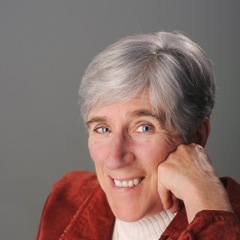
More about Mary: MaryProfilePic

Mary has made a career out of changing careers. She spent nearly thirty years in the financial markets, including consulting projects in New York, New Zealand and Australia. Along the way, she dropped out several times. In the mid-80s, at age 40, Mary and her husband Tom embarked on the three-year sailing voyage that is the subject of her memoir, SAILING DOWN THE MOONBEAM. When the voyage ended, she returned to her career in finance, but dropped out again to provide financial and strategic planning services to the nonprofit community. In her latest incarnation, she is a full time writer. Her first novel, A FITTING PLACE, was released May 1, 2014.  She lives in Des Moines, Iowa.

Contact Mary:

Website

Twitter

Facebook

LinkedIn

Google+

Links to her Books:

Sailing Down the Moonbeam 

A Fitting Place

A Dozen Daughters: My Mother’s Other Family

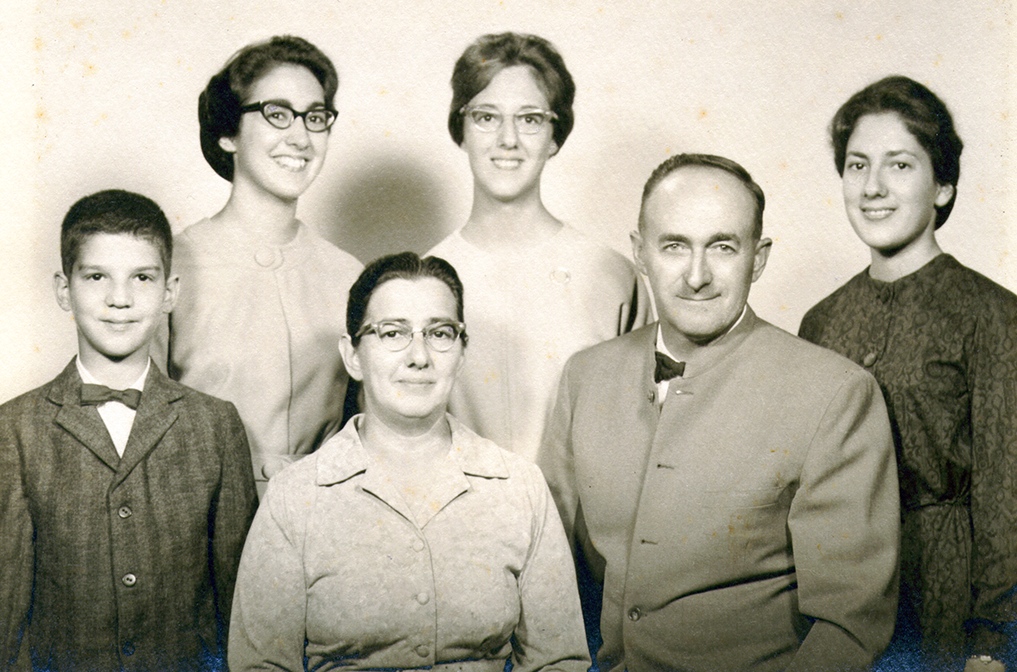
Longenecker family portrait circa 1961: Mark, Marian, Janice, Jean with parents

This is the family I grew up in: my parents Ray and Ruth with my two sisters and one brother. But after I left home and eventually married, my parents had more children. No, my mother was not a modern-day Sarah. She didn’t have babies in old age. But in their early sixties, Mother and Daddy “adopted” another set of children, about a dozen daughters in all, through an agency called New Life for Girls.

Because they entered my parents’ lives after I left home, I never felt jealous of them. They were simply unknown to me, mysterious. Oh, I did meet two of them, Gloria and Julie. They came to see my mother when she visited her first two grandsons born in Chicago in 2003. By then these girls both had grown children of their own.

Gloria’s Story

Gloria grew up in inner city Chicago with an alcoholic father who beat her mother and more than once tried to choke her with a dog chain. Her mother, single now with 8 children to feed, had to go to work. Alone in the world, Gloria turned to drugs and men, looking for love. She set her sights on rich men, men she hoped would take care of her. But the rich men were users, drug dealers or worse. Not surprisingly, Gloria became pregnant at age 14.

One day an evangelist named Brother Raymond, came into Gloria’s neighborhood. She responded to this kind man’s message of salvation and made a profession of faith in Jesus Christ. Though her heart had changed, Gloria’s life didn’t get any easier. Several times she slid back into her old ways and had more babies out of wed-lock. The hard times made her harder. She became tough as nails, always looking for a fight.

Finally, Brother Raymond suggested a way out. “There is an agency called New Life for Girls in Pennsylvania that might help you get your life on track. To enter their program though you would have to agree to their rules and stick by them. Also, your children would be staying in a separate facility.”

Gloria: “Oh no, I can’t be separated from my children!”

Brother Raymond: “Well, then we’ll try to find a host family for you, so that on weekends you can visit with them in a nice Christian home in the country.”

And that’s how my parents’ lives intersected with Gloria’s.

Weekends with the Longeneckers

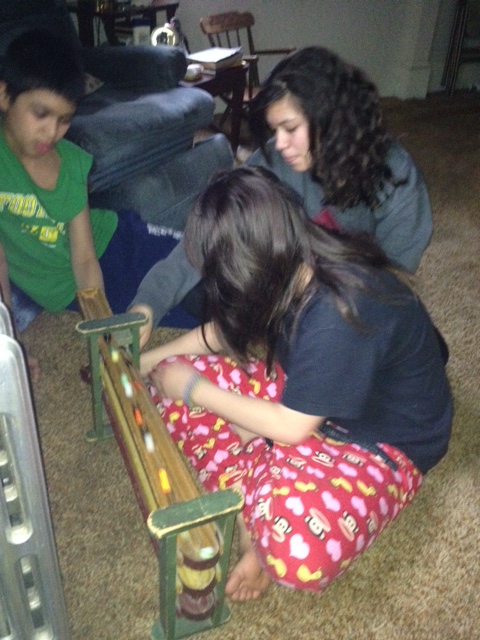
Gloria was looking for an anchor and she found one in her weekend visits to the Longenecker family on Anchor Road near Elizabethtown. Pennsylvania. Most importantly, she could be with her children. Mother and Daddy would pick Gloria up at the train station with her four children who played with toys including the same marble-roller I played with as a child.

Gloria's grand-children playing with the same marble-roller we had as children: Demetri 12, Inani 13, and Samantha 10.
Gloria’s grand-children playing with the same marble-roller we had as children:
Demetri 12, Inani 13, and Samantha 10.

And she could enjoy Lancaster County abundance. “This is how life should be,” Gloria exclaims as she recalls some of her favorite things:

  • Going to Root’s Sale where fresh farm produce abounds.
  • Helping Mom make applesauce with her metal sieve and wooden mallet.
  • Turning the crank on the ice cream churn, always vanilla with Hershey’s chocolate syrup and peanut sprinkles.
  • Helping with quilting at Bossler’s Mennonite Church Sewing Circle.
  • Eating fresh corn on the cob – and fresh tomatoes out of the garden, both dripping juice.
  • Making tangy home-made root beer from Hires Root Beer Extract, the two-quart jars cooling on their sides in the cellar.
  • Having devotions with my parents on Sunday morning after which my dad would march over to the piano and bang out the melody to “Fill My Cup, Lord,” singing at the top of his lungs.
  • Following the Longenecker rules. And to the letter.

My brother Mark still lived at home when Gloria and her children visited, so she got some first-hand tips on getting children to obey. When Mark questioned Mother about why he had to get up and go to church Sunday morning, Mom would reply, “Because you’re in my house and that is the rule.”

But Gloria recalls Mother’s softer side when she tearfully called her at one point to break the news about yet another unplanned pregnancy: “She never criticized me; she stood by me, and said “’You just have to trust that God is still in control.’”

Gloria Araujo In kitchen with Mother (age 95)
Gloria Araujo in kitchen with Mother (age 95) April 2014

Gloria Today

Over the years, Gloria has told her own children and grand-children this same bold statement when they question her authority: “Because you’re in my house and that is the rule.” And she teaches her clients how to use firm discipline with their children in her role as a social worker at The First Baptist Church of Wheaton, Illinois, where she has recently been appointed deaconess.

“Now I work with many Cuban refugees, help them get into an apartment, find jobs and medical aid—set them on the right track. It feels so good to see lives changed,” she says.

In Retrospect

In a little green autograph book sitting on one of Mother’s living room end tables are listed all the names of the girls from New Life my parents have hosted. This April in her recent visit, Gloria noticed that her name was the first one to be signed in 1978, along with her sister Julie’s. After the signatures of 11-12 other girls, she signed the book again. “It’s only suitable that I sign the last page,” she says.

Therefore if any man is in Christ, he is a new creature:

the old things are passed away; behold, all things become new.

​​2 Corinthians 5:17

 Motto of New Life for Girls


Fancy Dress Finds Plain Girl

Marian_Orchestra Letter E_Rev7x8_170

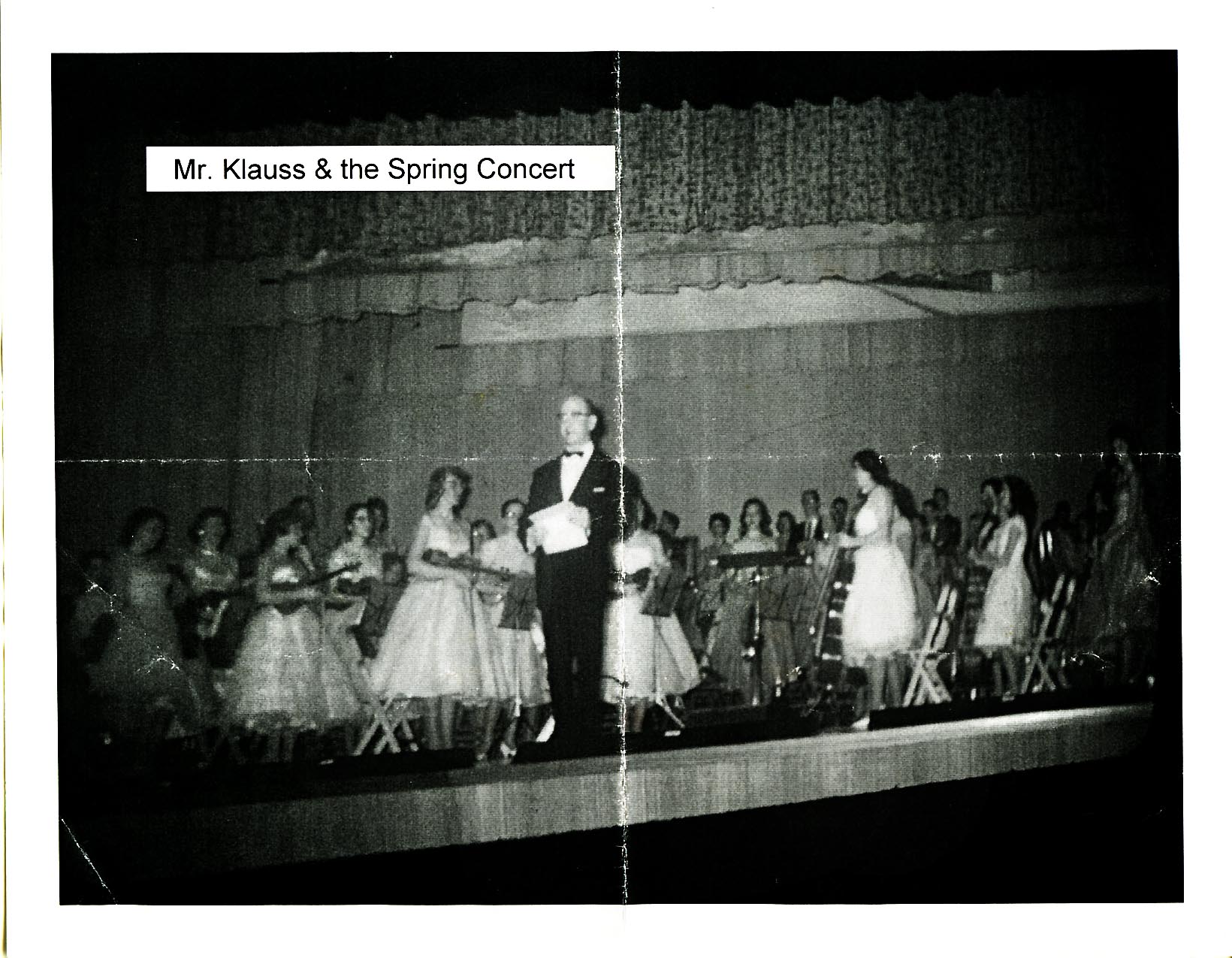
It’s spring concert time and I’m making my fingers fly fast over the strings of my violin pizzicato style, trying to keep up with the syncopated rhythms of The Typewriter Song.


Noah Klauss, the director of our Elizabethtown High School Orchestra, is a fan of Leroy Anderson pieces. Last year we played The Syncopated Clock, the sound of a swinging pendulum tick-tocking in our heads as we played the melody.

I am learning the music all right, but in the back of my mind I worry, “What am I going to wear to the concert?” The outfits I have are mostly home-made. A collar or buttons is the most exciting accessory on my blouses or dresses – no lace or plunging necklines for this Mennonite girl, the only plain girl in the orchestra. Obviously, unlike my friends, I don’t have a fancy gown hanging in my closet.

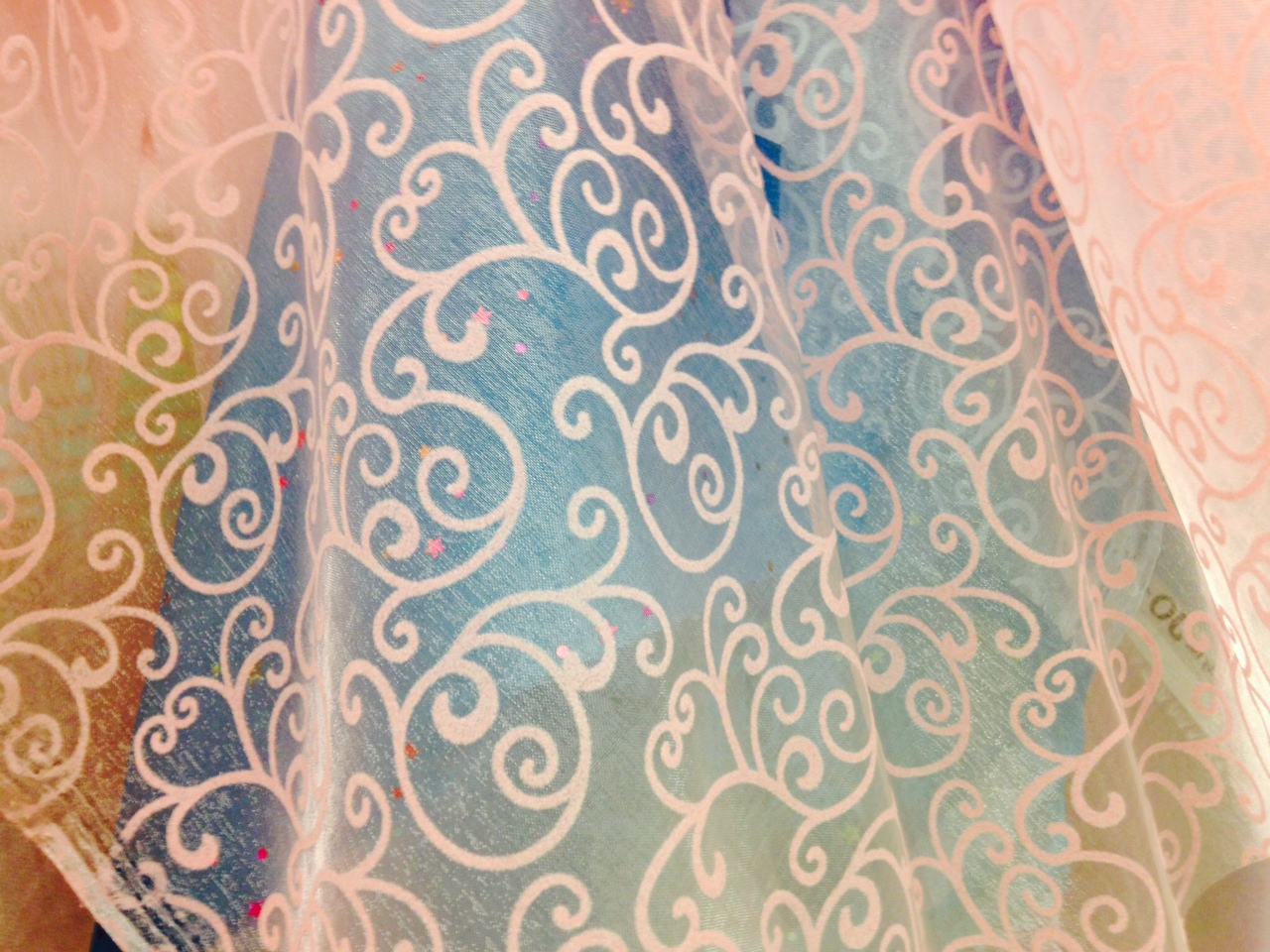
To the rescue: Aunt Ruthie, who out of the blue, gives me a call. Down over the hill I go to our second home, where she and Grandma Longenecker live. As I walk toward the dining room table, Ruthie pulls out part of a bolt of shimmery fabric flocked with swirling designs. I blink at the elegance. Woah!

Flocked fabric similar to actual material

She’s already cut out the pattern and I’m to help her stitch the pieces together. Call me Cinderella! I’m going to the ball with a tea-length gown, a fluffy confection beyond my wildest dreams. Even the pin-pricks at my fitting can’t puncture the feelings of fantasy enveloping me now. Thank God, I won’t stick out like a plain Jane after all.

Take away the buttons and lengthen the skirt, and you have my Spring Concert dress.
Snip off the buttons and lengthen the skirt – Voila! my Spring Concert dress.

Do my class-mates in the orchestra comment about my transformation? I don’t remember what anyone else said, if anything. But I do remember the crinkly sound of my gathered skirt as I sit down, violin in lap. And the brand new, starchy-sweet scent of my luscious frock as I pull the bow over the strings.

I'm the plain girl between two fluffy skirts on the left.
I’m the girl with glasses between two fluffy skirts on the left.

Is there an outfit that recalls special memories for you?


Tell your story here!


Secrets of My Report Card & Other Tall Tales

My mother saved all my report cards. When I retrieved them from the attic, only grade 8 was missing. They are tall documents, sheathed in a coarse, brown envelope. And they speak for me as a student: mostly A’s with a smattering of Bs. Once I got a C- on a history final exam the year my brother Mark was born.

Marian_2nd grade report card_outside_4x4_300

Aside from letter grades A – F (No S’s, N’s or U’s in the 1950s), there is a full page of my elementary school report card devoted to behavior, including attitude toward school work, recitation, and conduct. In second grade, Miss Longenecker checked the box for “Gives Up too Easily.” I was beyond surprised. I was stunned that my teacher who was also my aunt would think that I was a quitter. What made her think that, I wondered. Did I throw down my pencil when I couldn’t do arithmetic? Or start bawling? The next marking period, the box for “Shows improvement” was checked.

Marian_report card_inside_8x6_300

In 5th grade negative check-marks showed up for my conduct. Imagining my teacher Mrs. Elsie Kilhefner would not notice or care, I whispered, earning the tick beside the box “Whispers too much.” The report cards following show I whispered constantly, every once in a while showing a tendency to reform my chatty ways.

Of the 23 ways behavior could be described on these old-fashioned report cards most were negative. Only three indicate something positive, one for each category: very commendable (attitude), very satisfactory (recitation), and very good (conduct). The adage “Children are to be seen and not heard” was prominent in the adult-centered society of the 50s. Not one teacher that I remember told us we were special and destined for greatness.

Since then American culture has leaned more toward the child-centered. In the 1970s my children Crista and Joel heard Mr. Rogers tell them on TV “You are my Friend, You are Special.”

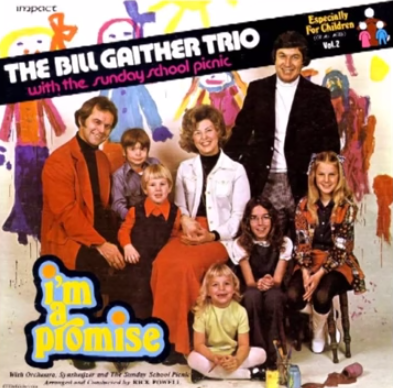
They sang along with the Gaither tune: I am a Promise, I am a possibility. I am a promise with a capital “P” with one stanza that shouts: “You can climb the high mountain and cross the broad sea . . . .”

Cover: Gaither "I am a Promise" album
Cover: Gaither “I am a Promise” album

In 2012 David McCullough Jr. made a 12 3/4-minute speech to the graduating class of Wellesley High School in Massachusetts before a group of privileged, upper-class teens and their perceived-to-be “helicopter” parents.  The speech went viral on YouTube. Entitled “You are Not Special,” McCullough argues that if everyone is special, then no one is.

Other rich points:

1. We have come to love our accolades more than our achievements.(Don’t go to Guatemala so you can impress admissions at Harvard or Yale. Go because you want to serve the people there.)

2. “Selflessness is the best thing you can do for yourself.”

3. Climb the mountain so you can see the world, not so that world can see you.

YourTube screen capture
YouTube screen capture

In other words, through service to others, stand tall  – like my report card from days of yore.

I’m always happy to see your thoughts here – thanks!