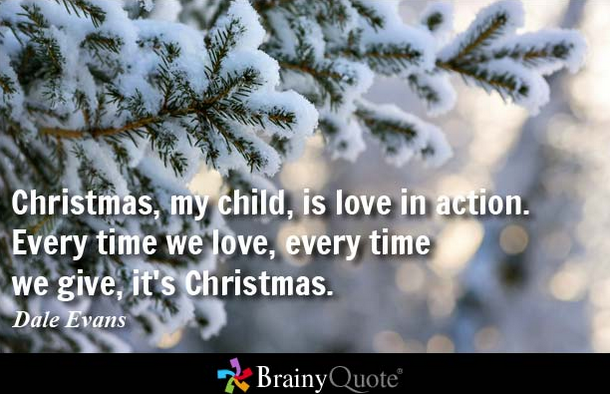
Christmas is not [just] a time nor a season, but a state of mind. To cherish peace and goodwill, to be plenteous in mercy, is to have the real spirit of Christmas. – President Calvin Coolidge
I will honor Christmas in my heart, and try to keep it all the year. – Dickens
* * *
Time to be Aware
Time back tracking:Hezekiah prays for a longer life, and the sun moves backward 10 degrees, for a sign of that promise fulfilled.
Isaiah 38:8b So the sun returned ten degrees, by which degrees [on the dial thereon] it was gone down.KJV
Time standing still:Joshua asks God for the sun to stand still to ensure victory for Israel.
Joshua 10:13bSo the sun stood still in the midst of heaven, and hasted not to go down a whole day. KJV
Fretting over time:“But at my back I always hear / Time’s winged chariot hurrying near. . . “ — Andrew Marvell “To His Coy Mistress”
According to a recent study cited by Jennie L. Phipps (top 20 weekday activities), many retirees spend most of their time sleeping and watching TV or movies.
Apparently, not everyone hears “Time’s winged chariot hurrying near!”
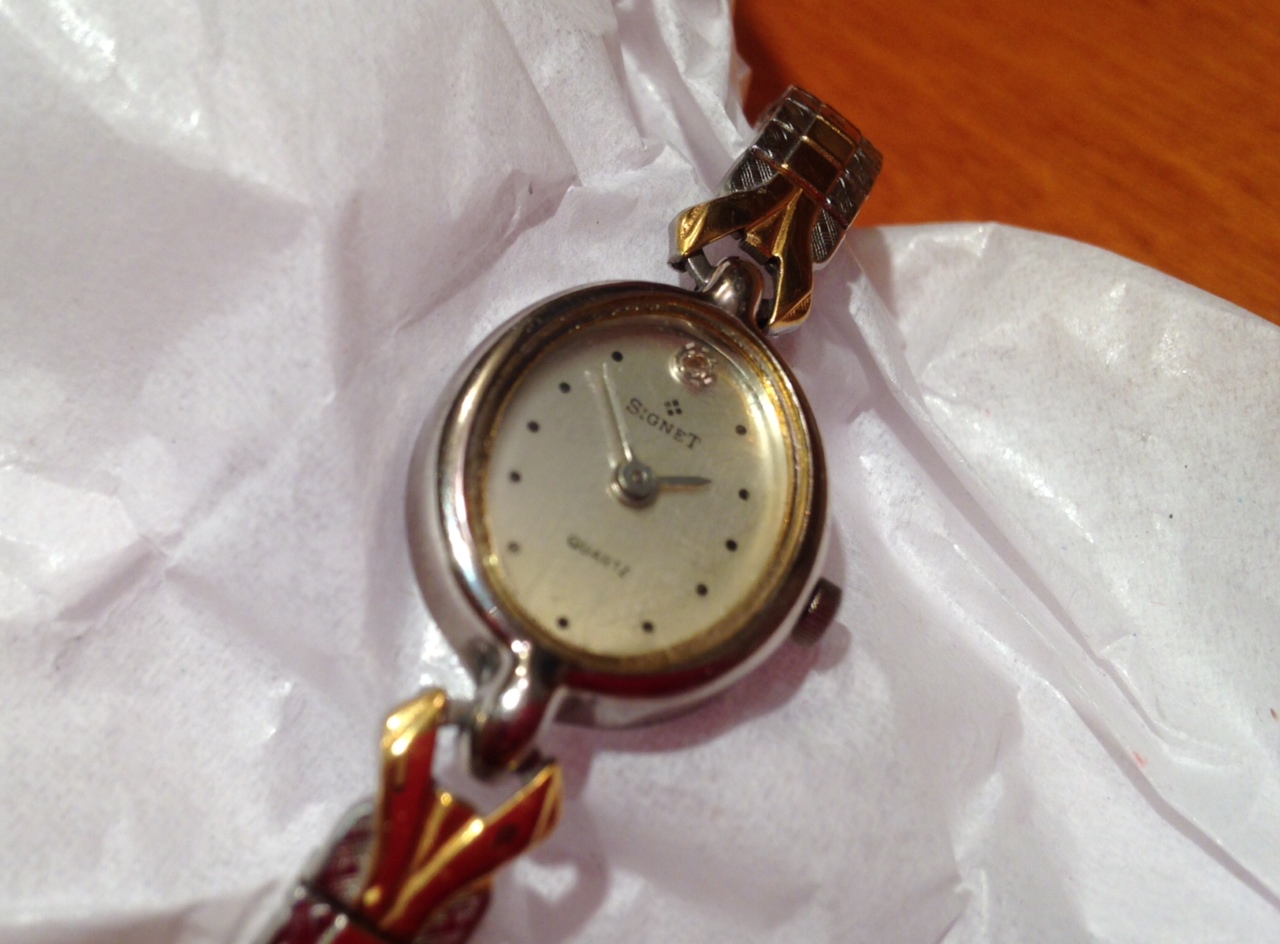
Mother’s wristwatch
Time, in Balance:
To every thing there is a season, and a time to every purpose under the heaven. Ecclesiastes 3:1 KJV
* * *
Holy Curiosity: Time to Stay Alive
The important thing is not to stop questioning. Curiosity has its own reason for existing. One cannot help but be in awe when he contemplates the mysteries of eternity, of life, of the marvelous structure of reality. It is enough if one tries merely to comprehend a little of this mystery every day. Never lose a holy curiosity. – Albert Einstein, German-born physicist
Life must be lived and curiosity kept alive. One must never, for whatever reason, turn his back on life. – Eleanor Roosevelt
Time for Blessing
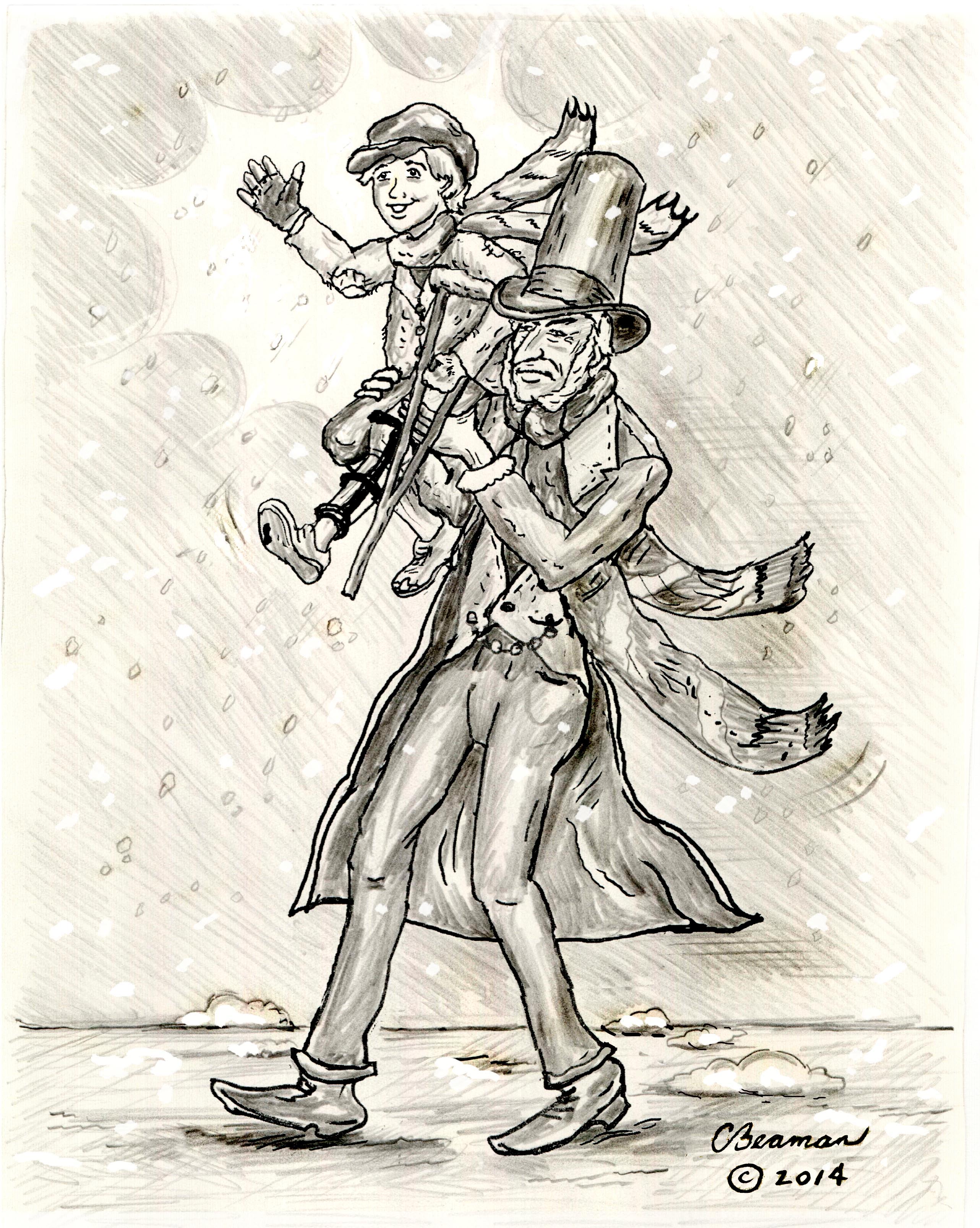
GOD BLESS US, EVERYONE! Tiny Tim
Your turn: How does the passage of time affect you? What are you most curious about? How do you keep the spirit of Christmas (or Hanukkah) alive after the season passes?
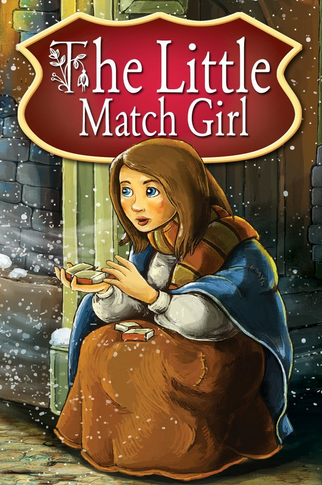
On a cold winter’s eve, a poor girl shivering on the street tries to sell matches afraid to return home to her father who would beat her for not selling all her matches.
Cover: Courtesy Amazon Books
Finding shelter in a nook, she lights matches to warm herself. The matches ignite her imagination and she envisions a Christmas tree and a holiday feast. As she looks skyward, she spies a shooting star and recalls her dead grandmother remarking that such a star means someone is dying and going to heaven. As she lights the next match, she catches a vision of her grandmother, the only person ever to treat her with love and kindness. Finally running out of matches, she dies and her soul is carried to heaven. The next morning, passersby find the little girl dead in the street. They feel pity for her but cannot bring her back to life.
Lives Cut Short
Trayvon Williams and Michael Brown must have had visions of a better life, a bright future. Their visions will be unrealized, their lives cut short by a bullet. While there is still controversy over the details surrounding each case of police intervention, there is no doubt that the outcome raises questions about police reaction in a perceived threatening situation. It should be noted here that black officers, greatly outnumbered by whites in the police force, account for little more than 10% of all fatal police shootings according to one report. But of those they kill, 78 % are black. Main stream media, however, gives little attention to such stories or to those involving black officers and white offenders.
Author Mary Gottschalk speculates on what prompts these high profile shootings of black teens. In a recent blog post, she comments on the lack of respect for cultural differences and asks, “. . . is it a system that trains a white police officer in a black community, when confronted by what appears to be an angry or aggressive black man, to shoot first and ask questions later?”
One commenter to this essay, Janet Givens, offered one explanation: “I’d say fear plays a factor . . . the fact that we often fear what we don’t know: we demonize our enemy to feel morally superior so we can justify defending ourselves.”
And so the conversation continues . . . .
Another Time – A Different Story
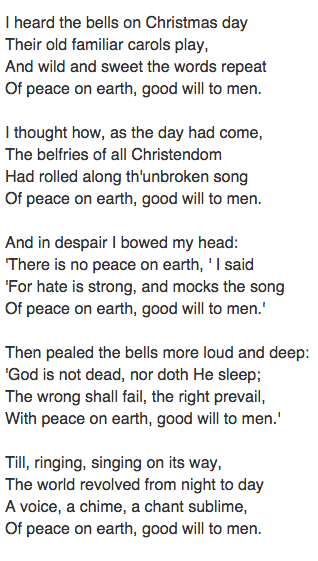
We tend to believe that we live in the worst of times. Maybe this is true. Yet poet Henry Wordsworth Longfellow (1807-1882) documents a terrible time in our nation’s history, the Civil War, fought to secure freedom from slavery. He wrote one of his most famous poems, I Heard the Bells on Christmas Day, having survived the outbreak of the Civil War, the untimely death of his beloved wife Fanny during a house fire, and a severely wounded son Charles. Theses lyrics written in 1864 show the depth of his sorrow but suggest hope and peace as the stanzas progress:
At Christmastime 2014, celebrating peace and joy seems like a mockery given the tumultuous year we have experienced. But wars and unrest have always existed. “Hate is strong and mocks the song of peace on earth goodwill toward men.”
Yet, hearts open to hope can bring a renewed call to action toward peace.
Call to Action
Author Gottschalk in her post last week revealed the little-known personal details about Michael Brown’s mother, Lesley McSpadden, who “was not allowed to approach him as he lay in blazing sunshine in a public street for four hours. Once his body was removed from the street, she was not allowed to see it for two weeks.”
Shirley Showalter, another commenter on Mary’s post, demonstrates what a peaceful call to action looks like as she remarks:
Because of this essay and the story you told about Lesley McSpadden (the mother of Michael Brown), I am going to write her a letter. It’s a little thing, but I want her to feel how this story touched me. Thank you for writing.
Like the little match girl, none of the lives lost on our streets or in our schools can be brought back, but they leave a legacy that can motivate us to hopeful action.
For a shorter version (2′ 20″) of “I Heard the Bells on Christmas Day” by Burl Ives, click below.
Your Turn
What is your take on any of these stories? An opposing viewpoint?
My secret joys (and struggles) show up in my gratitude books. You can see some of them here. But my list this week has sprung from my 9-day trip to Pennsylvania to visit family and take care of Mother’s house in mid-November 2014.
In her devotional book One Thousand Gifts, Ann Voskamp begins with a chapter entitled Surprising Grace in which she discusses how she and her Farmer Husband “give thanks even when things look like a failure.” Or when one experiences loss.
This year Mother died, we’ve had to sell her beloved house and its contents, I’ve struggled with a motley crew of personal challenges, and still I give thanks:
Health – I have an odd muscular neck pain (yes, pain in my neck!) yet I went up and down 3 flights of stairs from attic to cellar dozens of times, no problem.
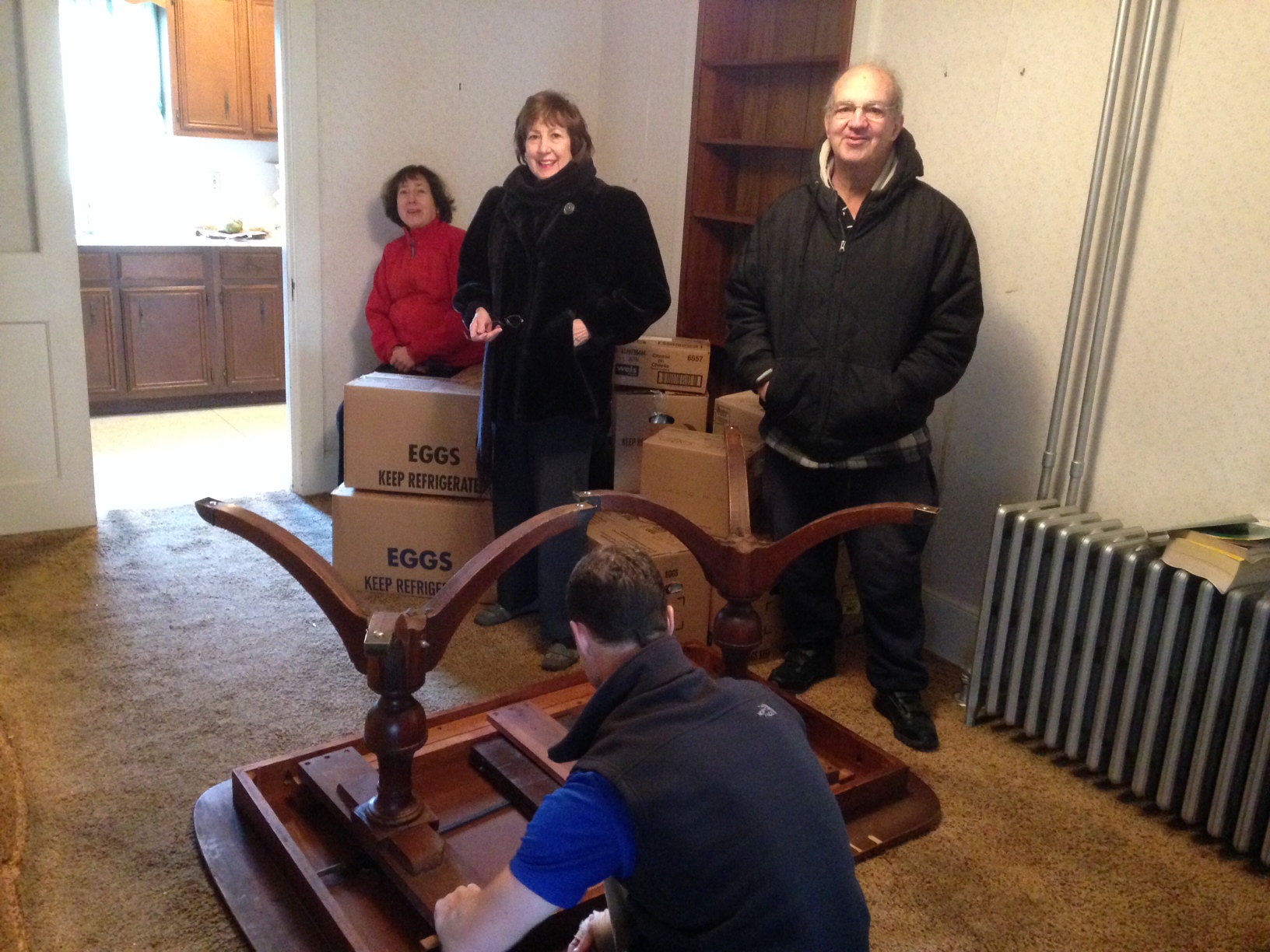
My sisters and brother – We sorted, boxed, laughed, cried, disagreed, but ultimately met the challenge on time.
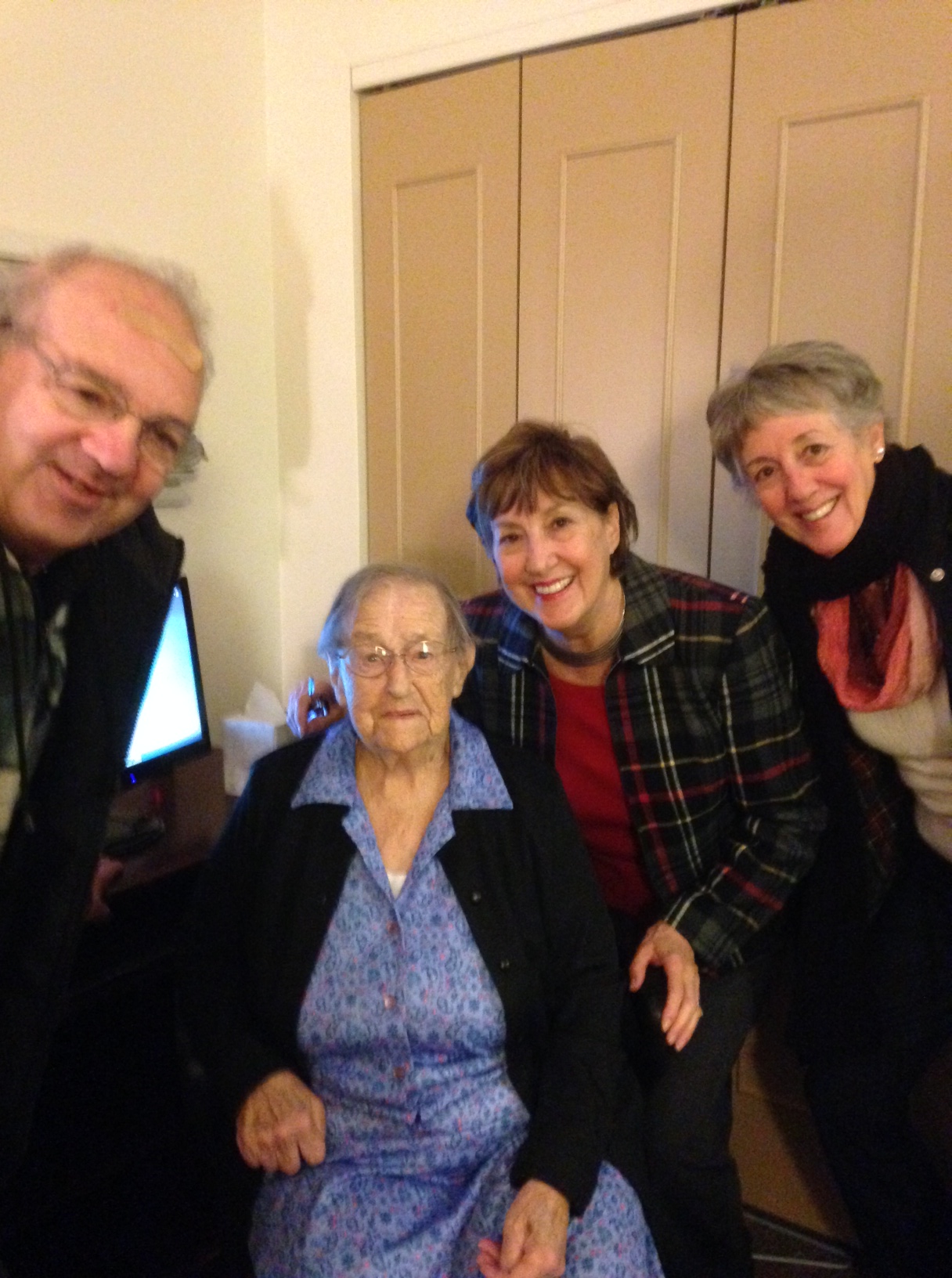
My Aunt Cecilia – She’ll be 100 years old in March, still going strong. We found Aunt Ceci cheerfully playing the Tumbling Blocks game on the computer beside her. “It keeps my mind sharp!” she laughs. A Mennonite preacher’s wife, Aunt Cecilia Metzler raised a family of five children on a Lancaster County farm.
My Aunt Ruthie – The photo is fuzzy here, just like her memory. But after she viewed some of the movies she filmed in her 20s and 30s that appear on other blog posts (here and here) she smiles, “ These pictures really make my mind come alive.”
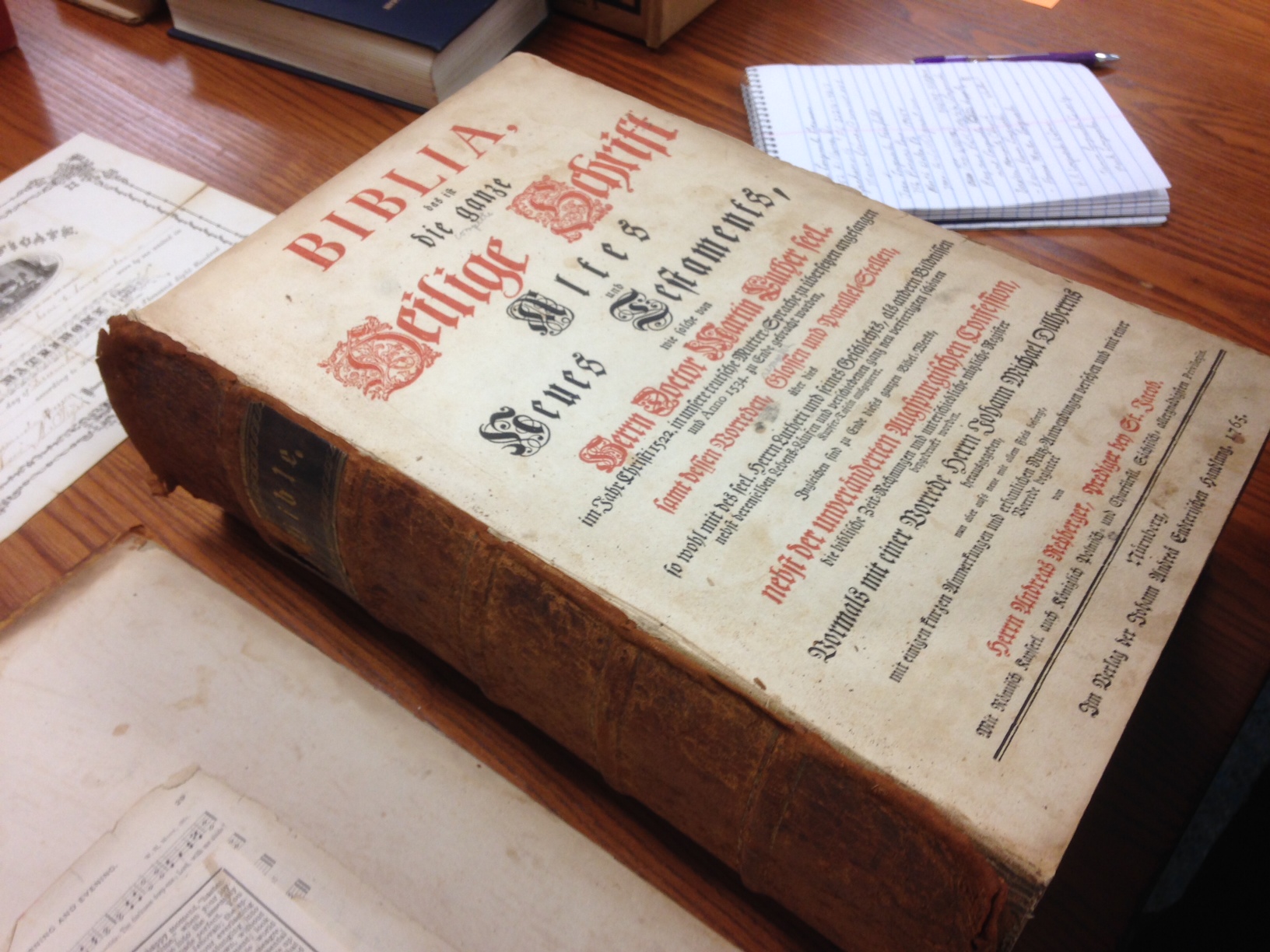
An heritage with spiritual depth – When my ancestors arrived in The New World, they brought with them the Holy Scriptures. This one, the Nuremberg Bible, is dated 1765.
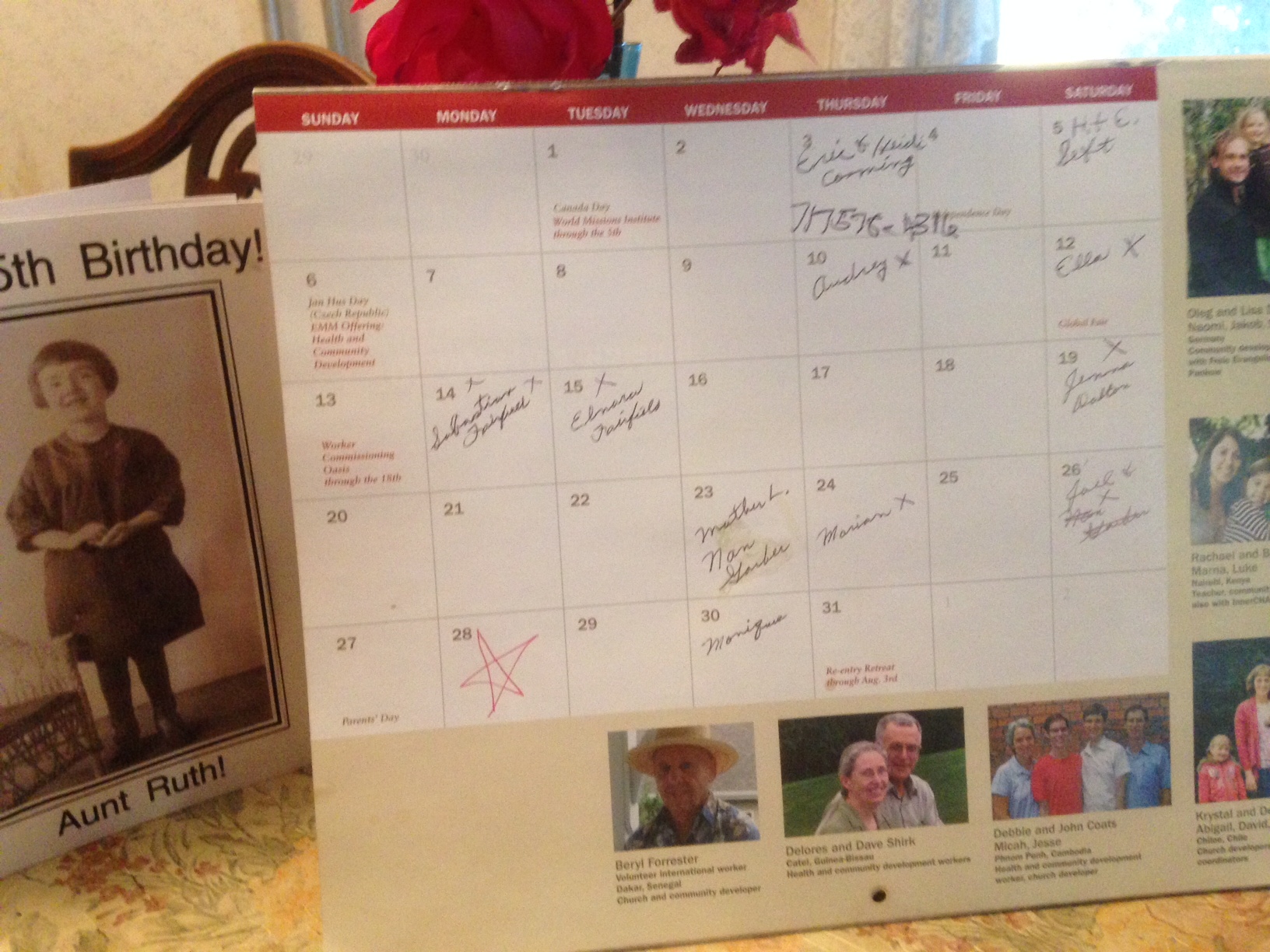
The memory of my Mother – When Mother died, she still had a current driver’s license, paid all of her bills by check, and kept appointments on her calendar. She sent birthday cards to all her children, grand-children, and great grand-children, represented by names penned into the blocks. She died on the 28th of July, a date we marked with a red asterisk.
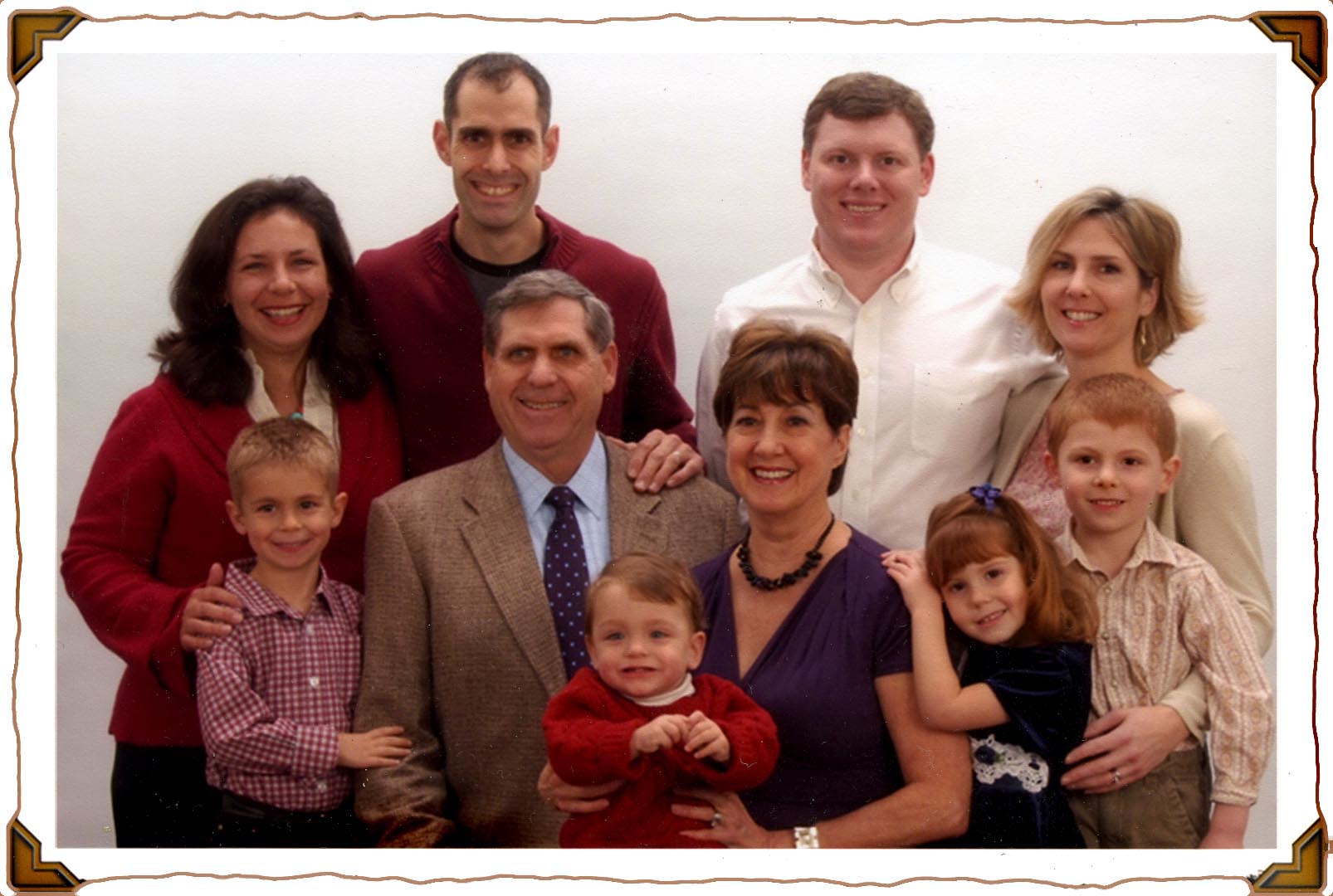
My family – This photo is six years old, taken when baby Ian no longer needed a breathing apparatus. Just so you know: our daughter Crista is blonde, Joel, dark-haired. With the older boys now 11 years old, we are due for an update!
Ann Voskamp continues by quoting the first reference in Scripture containing the word thanksgiving, mingling peace and gratitude:
And this is the law of the sacrifice of peace offerings that one may offer to the LORD. If he offers it for a thanksgiving, then he shall offer with the thanksgiving sacrifice unleavened loaves mixed with oil, unleavened wafers smeared with oil, and loaves of fine flour well mixed with oil. With the sacrifice of his peace offerings for thanksgiving he shall bring his offering with loaves of leavened bread.
Leviticus 7:11 – 13 ESV
My conclusion: Gratitude brings peace and ultimately joy.
Writer Voskamp concludes: ” . . . standing straight into wind is how to fly on His wings of grace.”
Finally, a song I remember from childhood from that seems appropriate for the season:
What are you grateful for? Join me in naming your blessings.
Emily Dickinson was referring to the morning after the death of a loved one, but such hustle could also refer to what happens weeks or months after a loved one dies, and the bereaved are required to sift through that loved one’s possessions.
There is no shortage of articles on how to tackle this bittersweet task. Sara Davidson in a piece in The New York Times asks, “What to do with Mother’s stuff?” which in her case too involved dispatching with a car, furnishings, and memorabilia. Following Joan Didion’s rule, she tried to follow the principle of touching an object only once, making a decision and moving on.
The most emotional aspect of cleaning out a house is sorting the belongings, says Elizabeth Weintraub in an article “Cleaning Out the House After a Death.” She suggests sorting items into three piles or tagging them with color-coded stickers: Items to keep, items to donate or sell, items to throw away. Wendy Schuman outlines “9 Tips for Cleaning Out Your Late Parent’s Home.” She remarks, “Consider the cleaning-out job a labor of love. As hard as it was, clearing out my mother’s home was the last important service I could render her . . . .”
Recently, my sisters and I said our goodbyes again and again as we sorted, reminisced, cried, but forged ahead, emptying drawers, closets, and eventually rooms.
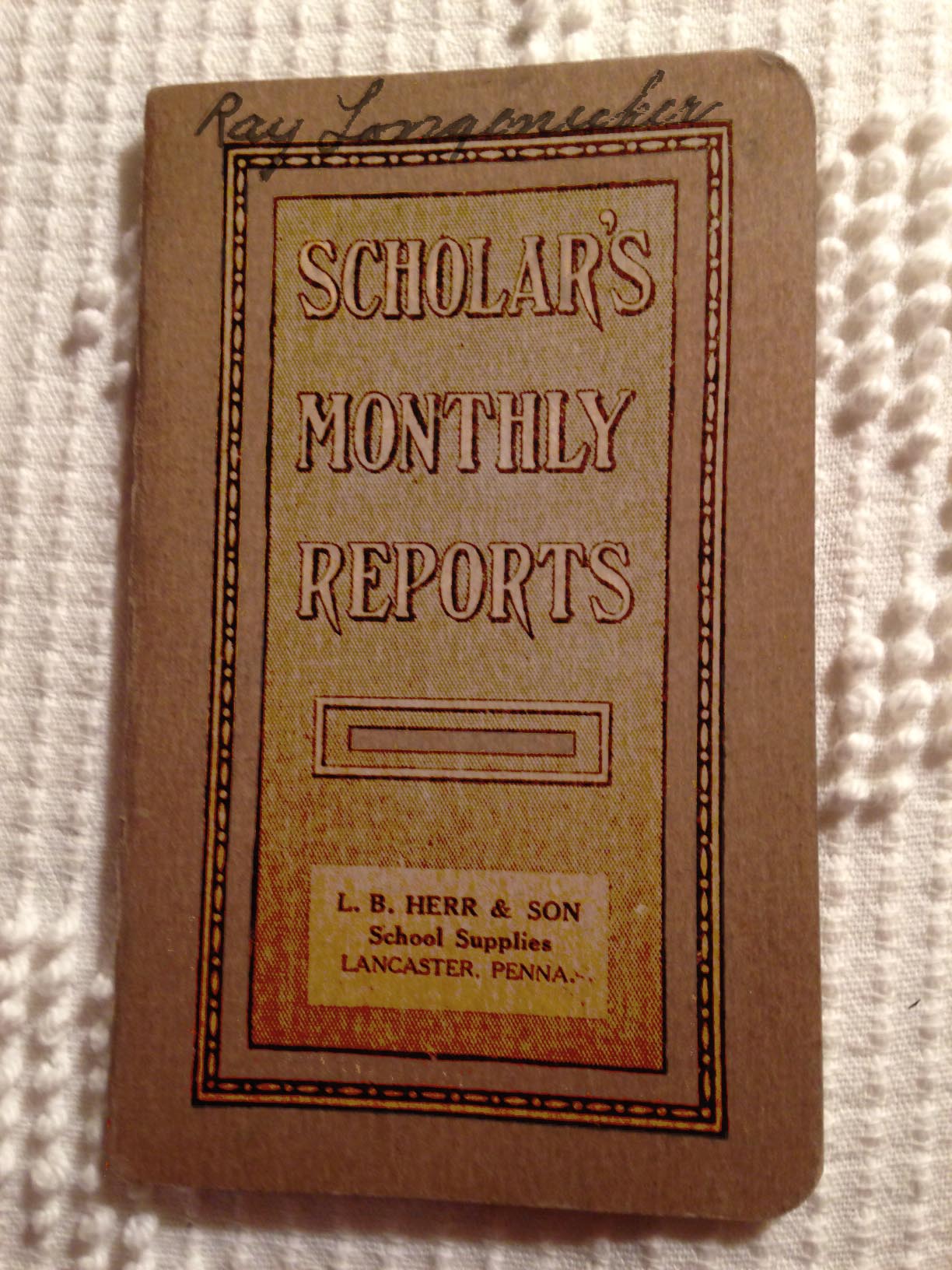
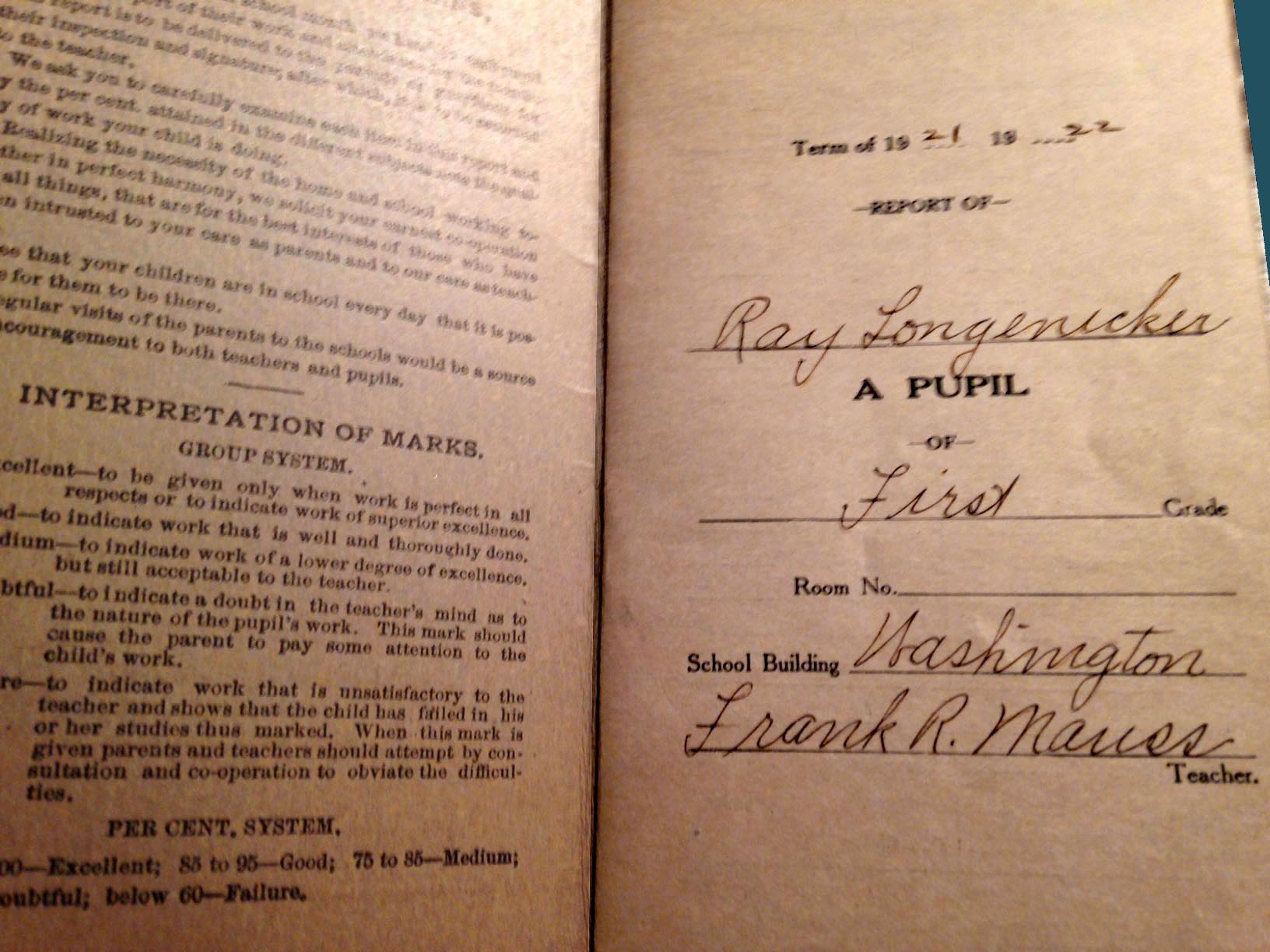
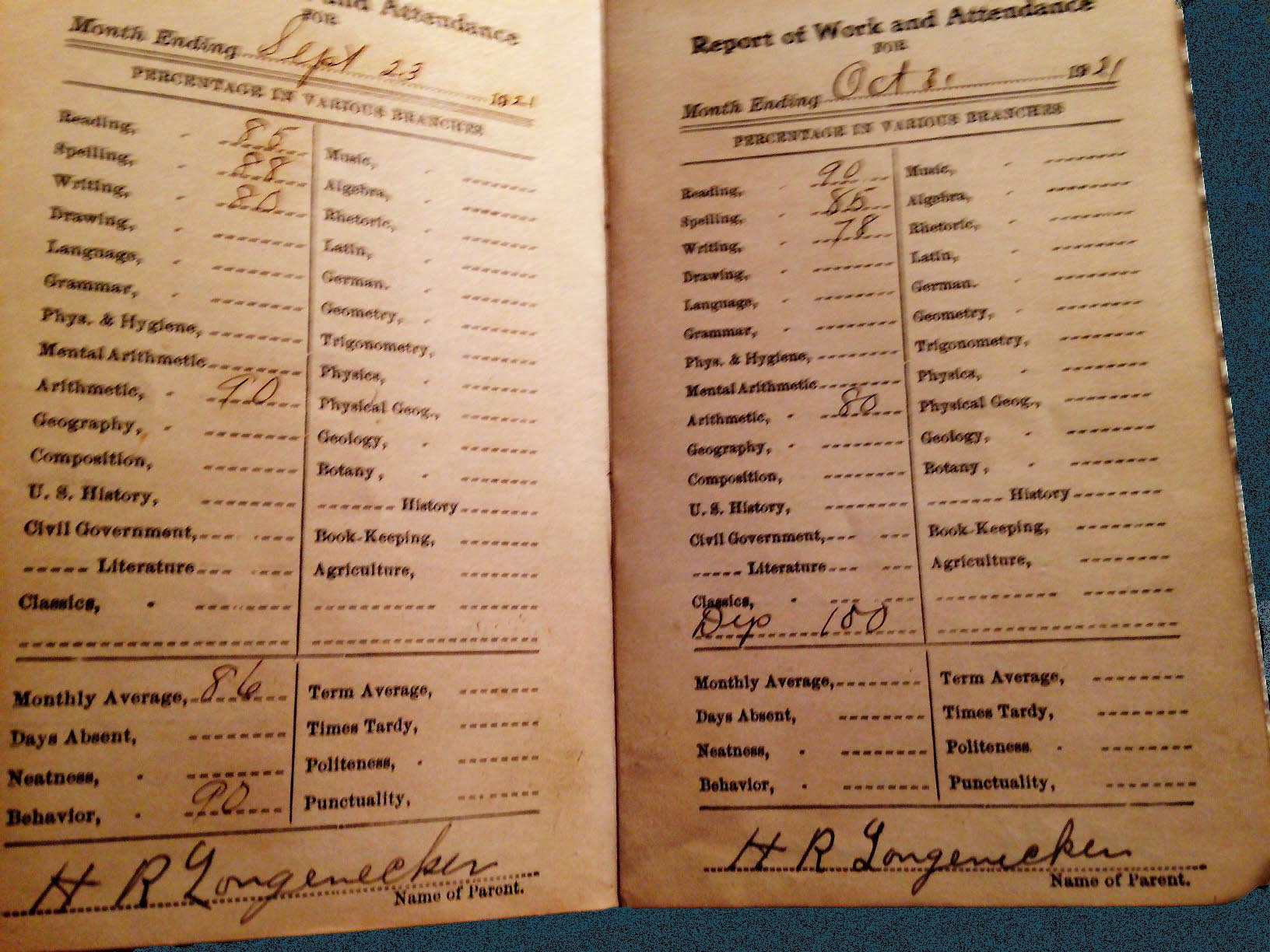
Some discoveries are hidden. Out of sight. Others are hidden in plain view. Last week we uncovered my dad’s first grade report card from 1921-22 in a box on the upper shelf of the closet. It’s a document, really, a fancy booklet with flowing cursive penmanship. The opening page announces the teacher’s name and school, Frank R. Mauss at Washington School, like many schools of the era on the same grounds as the church, in this case Bossler’s Mennonite Church.
There are no vague S’s or U’s for satisfactory or unsatisfactory. Not even an A, B, or C. No, the grades are recorded precisely as percentages: 86% average for the first reporting period. And a 90% for behavior, not quite the teacher’s pet!
* * *
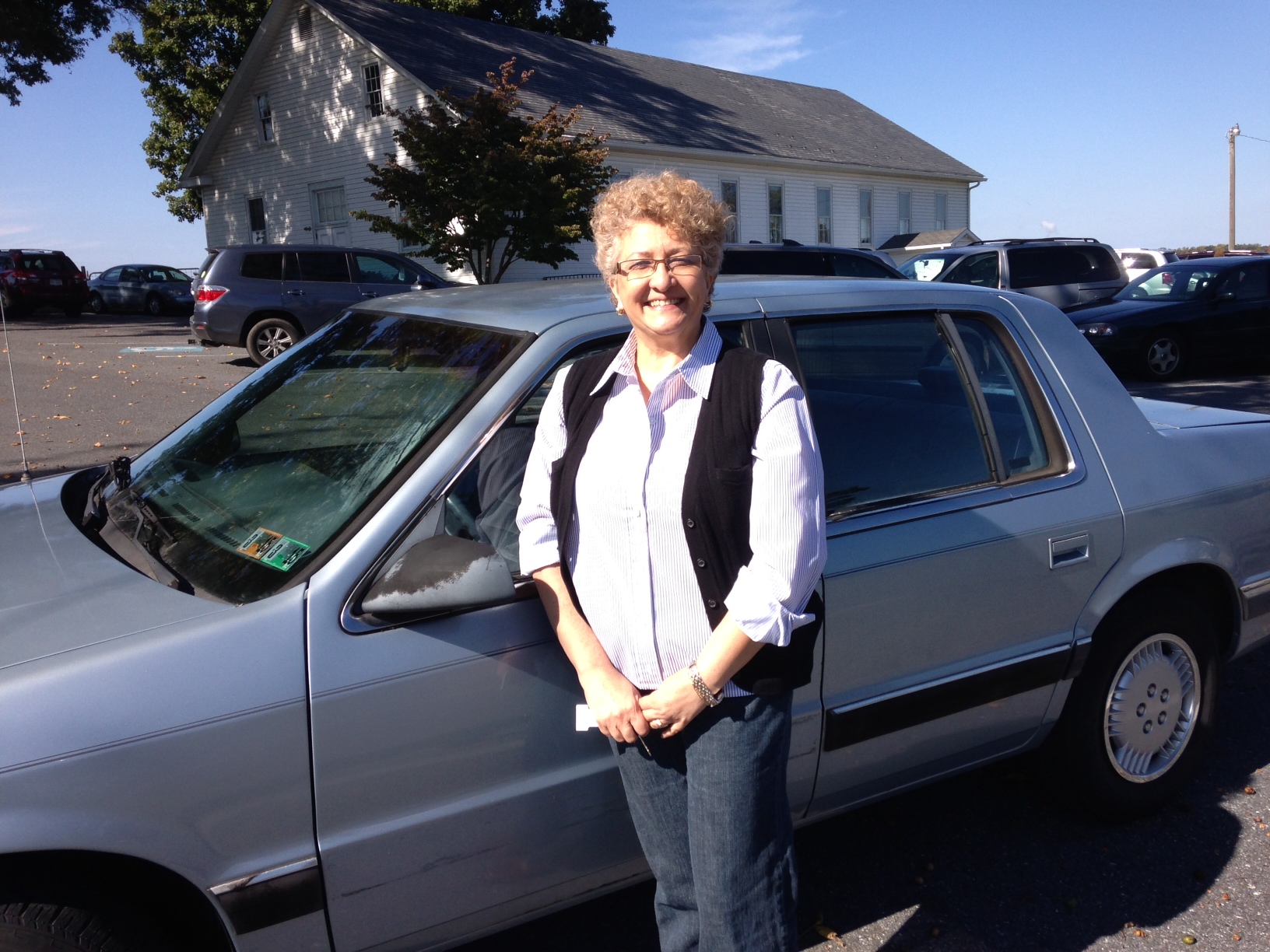
And, yes, other discoveries are hidden in plain view, like Mother’s Dodge Spirit. With 98,000 miles it’s been around the block more than once, but certainly not worthy of an antique license tag. What to do with it? After some deliberation, our sister Jean suggested we offer it to our friend Edda, a member of Bosslers’ Mennonite Church. A first-generation immigrant from Colombia, Edda is getting a foot-hold on a new life in the USA while enabling her son to get a college education. She is tickled pink with our recycled gift. A bonus for us: We get to see Mom’s car parked at church when we visit on Sundays.
Cards and cars – both have a second life, one an artifact to hold – the other, providing a pathway to the next step in adventure for a brave woman.
Valuing the past and the present, both solemn acts, both borne of love. As Wendy Schuman concludes, “As I sorted through her things, I felt surrounded by her presence. In a way, it helped me say my final goodbye.”
Have you had to say goodbye to someone or something you have cherished?
How have you learned to say “Goodbye”?
Coming next: Mom’s Accessories: Bonnets, Hankies, Pins, and More
This time I’m focusing on a birth, our grandson Ian’s miraculous birth seven years ago this week. According to the doctor’s calculations, he was scheduled to arrive on January 9, his Grandpa Beaman’s birthday. Instead he made his appearance on his mother Sarah’s birthday, October 5.
All births are miraculous, really, the tiny embryo maturing into a marvelous baby with millions of synapses making connections within the brain, a sense of rhythm and an ability to breathe and suckle at the same time. One study mentioned that babies can pick out the gender of other babies even when they are cross-dressed, something adults cannot do.
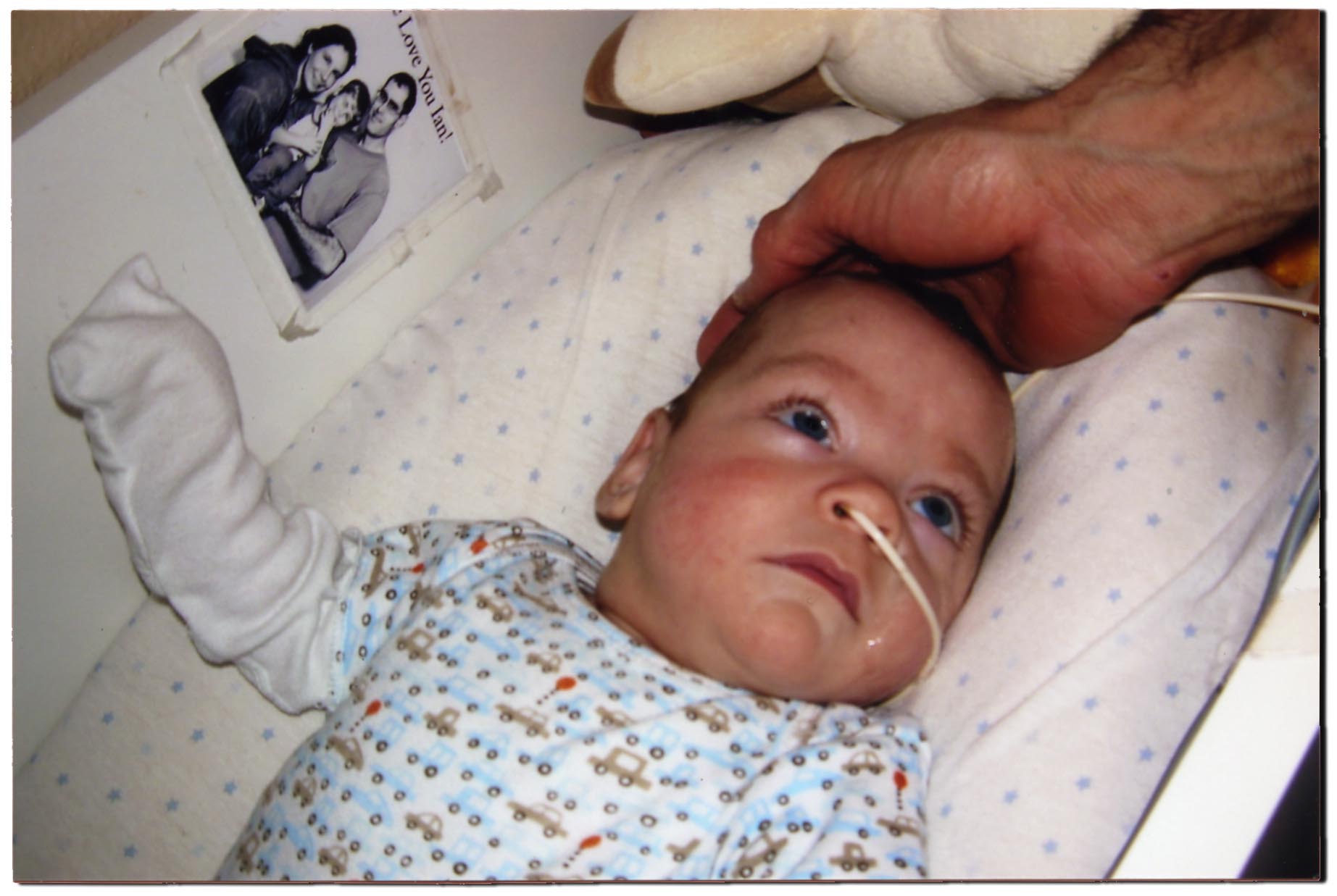
But Ian’s birth at 26 weeks gestation weighing a mere 2 pounds, 5 ounces meant many un-connected synapses and a severely undeveloped breathing apparatus. For weeks it was touch-and-go, and we weren’t certain that we would be bringing him home from the NIC Unit at Wolfson Children’s Hospital. Aside from the frightening awareness that Ian had a hole in his heart, we were introduced to a whole new vocabulary of problems: bradycardia, retinopathy, hip dysplasia. Translation: Slow, interrupted heartbeat requiring a nose cannula, undeveloped blood vessels in retina, and an immature hip ball and sock requiring a harness to hold legs in a frog-like fashion. Here is his photo-story:
Hello, world!
My journal records that on November 29, 2007 Ian weighs 4 pounds, 3 ounces and is taking three bottles a day. He is also employing the services of a speech therapist and an occupational therapist along with physical therapy.
How would a speech therapist help a premature baby who can’t speak or an occupational therapist assist a child whose main job was trying to survive? Speech therapy facilitated the transition from tube feeding to bottle feeding and the occupational therapy improved the range of motion inhibited by hip dysplasia.
“Did you finally bring me home?” asks Ian.
After a 14-week stay in the hospital, Ian is brought home. Glory, hallelujah! Though still on a breathing apparatus, he resumes a more normal life with his family, under the watchful eye of his brother.
“Ian, here’s my advice,” says Dr. Curtis.
Praise God – At age seven, Ian is now at the 98 percentile in height and weight for his age and is taking an advanced course of study in first grade at his school. There are delays in behavioral development though, possibly attributable to his prematurity. But who can be sure whether it’s prematurity or personality.
* * *
I wrote a letter to each of my grand-children before their first birthday and sent it to their home address so it would have a post-mark. In Ian’s case, I waited until the one-year mark to write and send his letter. Call it a welcome-to-the-world, a blessing from Grandma/NaNa in writing. Here is a copy of the letter he received:
Ian has not opened this letter yet though he is able to read. In fact, none of the grand-children have opened and read their letters and I’m wondering at what age they should be read. It seems the opening and reading calls for some special occasion. What do you think? I welcome your suggestions!
For you created my inmost being;
you knit me together in my mother’s womb.
I praise you because I am fearfully and wonderfully made;
your works are wonderful . . . .
Psalm 139: 13, 14 NIRV
Your advice on letter reading welcome. Other comments or suggestions from your own experience. You will always get a reply from me and maybe from other readers. Thank you!
“Every child is a story yet to be told.” Sesame Street
Diners at the Bâtard, an upscale restaurant in Tribeca, NYC can enjoy a dessert dish called milk bread, “A Christmastime treat from Germany,” says the September 1, 2014 issue of the New Yorker. The article goes on to describe this milk bread as having crème-brûlée crackles with innards like French toast or the texture of iced donuts.
My German-Swiss Grandma Longenecker’s milk bread was much simpler. In fact there were only two ingredients: Milk and toast, probably with a little butter. Picture a bowl of warm milk and pieces of toast snippled up making a kind of stew. And she called it milk toast, not milk bread, serving it as a balm for belly aches or whatever else ailed us.
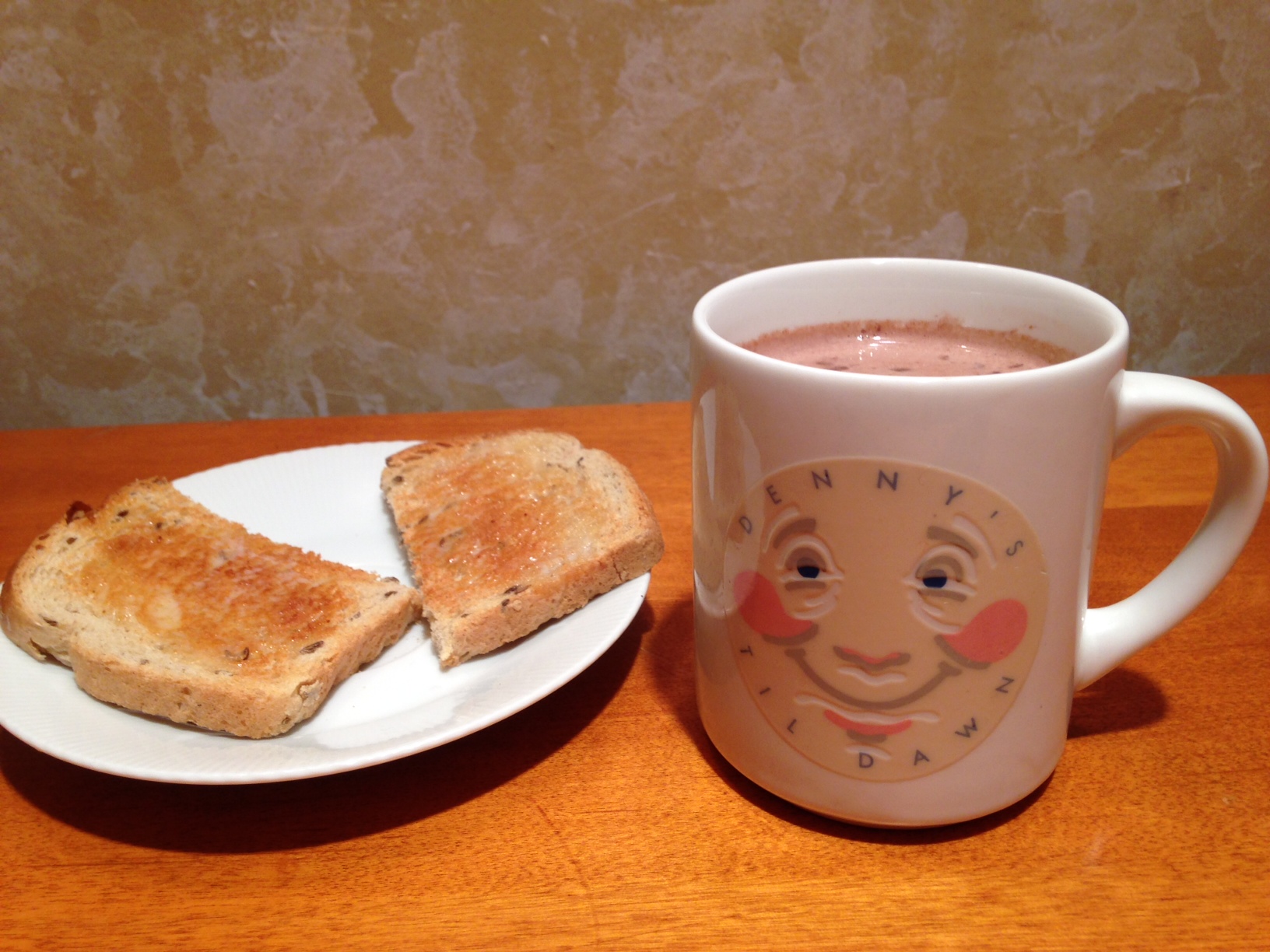
Another milky treat Mother served in the winter-time before school: Hershey’s hot cocoa with buttered toast for dipping. Yes, we dipped the toast in cocoa, inhaled the chocolate fragrance as the warming lump slipped slowly down our throats. Reinforcement for the cold walk to the bus-top. Uh-um, good!
Do you have any milk with bread images in your memory bank? Any other cool weather warm-up recipes to share?
Coming next: 10 Things Our Family Did/Didn’t Do on Sunday
The earth laughs in flowers.” – Ralph Waldo Emerson
MIRRORS
Life is a mirror and will reflect back to the thinker what he thinks into it. – Ernest Holmes
Mirrors can both reflect and distort as Tennyson suggests:
And moving through a mirror clear
That hangs before her all the year . . .
But in her web she still delights
To weave the mirror’s magic sights . . .
– The Lady of Shalott
An old friend is the best mirror. – George Herbert
* * *
PHOTOGRAPHY
Definition of photograph before the digital era: a picture painted by the sun without instruction in art. – Ambrose Bierce
Photography takes an instant out of time, altering life by holding it still. – Dorothea Lange
Later we’ll look at photographs, the way every family does, making much of the frozen moments, the icons of ancestry, the dead laughing right in your face, or just staring that non-committal historical gaze.” – Patricia Hampl The Florist’s Daughter
What Tallulah Bankhead thinks about photographs: They used to photograph Shirley Temple through gauze. They should photograph me through linoleum. Ha!
* * *
Photographs and mirrors. Your thoughts or quotes about either.
Sunsets, especially sunsets on the beach are # 1 on the list of clichés to avoid in photography. Yet beach sunsets persist on Instagram and Facebook because they are breath-taking, evocative.
Photo credit: Jackie Gassett
. . . the gauzy hinge between sea and sky, the limitless horizon dividing the elements, the disappearing point where we were headed.”
Patricia Hampl The Florist’s Daughter
My mother had a placid and accepting attitude toward life and death. At her funeral the hymns sung by the congregation were full of hope, “I Stand Amazed” and “The Love of God” among them. Another song in the Mennonite Church Hymnal entitled “Sunset and Evening Star” (which was not sung) pulls out the first four words of Tennyson’s poem “Crossing the Bar” written in 1889 just three years before he died.
Tennyson, also appearing to accept death as part of life, uses the metaphor of the sandbar on the beach to paint a picture of the tide of life pushing out to the “boundless deep” to which we return. The poet hopes that though he may be carried beyond the limits of time and space as we know them “he will look upon the face of his ‘Pilot’ when he has crossed the sand bar.”
This past July Mother crossed the bar into eternal glory and there she has beheld the face of her Pilot. Oh, how we miss her.
But now I must cross the bar of challenge and opportunity ever looking for new horizons. How about you?
What bar of challenge and opportunity confronts you now?
A tortoise had become friendly with two geese who promised to take it to their home in the mountains. The plan: The geese would hold a stick in their beaks while the tortoise would grasp it in the middle with his mouth, but he must be careful not to talk. During the journey, villagers below made fun of the tortoise. When it answered back, it fell to its destruction.
You guessed the moral: Talking at the wrong time can lead to fatal consequences!
Quick Quiz
1. Are you the first to air your knowledge when your favorite topic comes up?
2. Do you interject your opinion before anyone else has a chance to speak?
3. Do you tune out what others are saying because you are busy thinking of a comment?
I’m just guessing here, but you were probably the 3rd grader whose hand was the first to shoot up when your teacher asked a question. And I must say I am guilty as charged. Just see the Cliff and Marian misunderstanding below.
* * *
Hearing and listening are not the same thing. The difference between the sense of hearing and the skill of listening is attention, says Seth Horowitz in a New York Times piece.
The Harvard Business Review blog reveals that one in four corporate leaders have a listening deficit. No surprise there! In the business world, failure to listen can muddle the lines of communication, “sink careers, and if it’s the CEO with the deficit, derail the company.” In our personal lives, muddle and mayhem can result.
Good advice for better listening? First of all, slow down. While listening seems like such a passive thing to do, it is essential for understanding. Secondly, consider the source. “Try to understand each person’s frame of reference—where they are coming from.” Disagreements can often be averted with skilled listening.
Studies show that thoughts move about four times as fast as speech. No wonder it’s so hard to slow down and actually listen.
Here is the beginning of a list of tips for good listening:
1. Give full attention to whoever is speaking.
2. Don’t interrupt. Let the other person finish before you begin speaking.
3. Listen with your face as well as your ears. It’s appropriate to smile, frown, laugh, be silent at times when you are in conversation.
A Cliff and Marian Misunderstanding
Sometimes listeners with a lot of practice get muddled up. Here is a “He said / She said” from our own experience:
Marian: Let’s eat out today.
Cliff: Wonderful idea. (Time passes – Cliff leaves and comes home about dinner time noticing I’m in the middle of meal preparation.)
Cliff: I thought we were eating out this evening. Why, I had some ideas about where we would go.
Marian: For goodness sake, I was thinking that it would be nice to eat outside on the patio because it’s so cool.
Cliff: But I thought you meant we were eating out, like in a restaurant!
God help me!
Listening in the Longenecker Family 1950s
Living in the Longenecker family in the 1950s, we children were taught to listen, pay attention. In a parent-centered household, we listened to directions about chores, instructions about what to do and what not to do. To balance things out though, we also listened to Daddy singing as he played the guitar or the piano, or to Mother singing off-key in the kitchen. “I’ll be somewhere, listening, I’ll be somewhere listening, I’ll be somewhere listening for my na-aa-mm-e . . .
Please add your own tip, an observation, or an anecdote about listening or the lack thereof.










 Plain and Fancy