We have a winner! The winner of Valerie Weaver-Zercher’s Thrill of the Chaste: The Allure of Amish Romance Novels is . . .
Gwen Witmer
Congratulations, Gwen – happy reading!
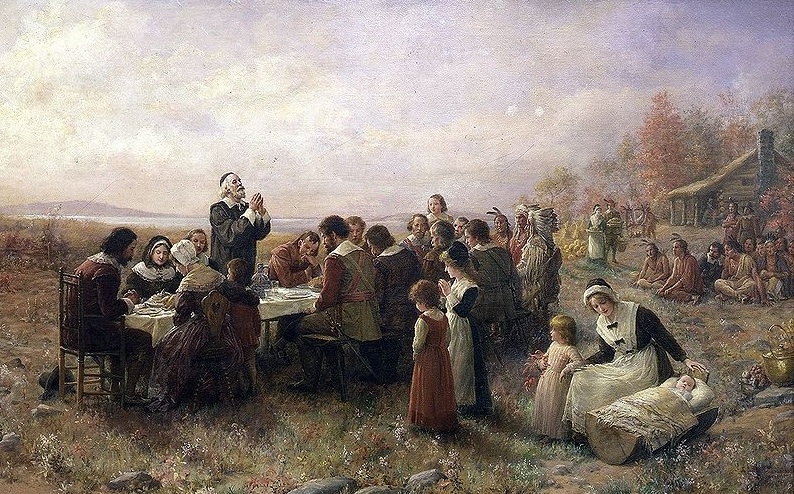
The First Thanksgiving at Plymouth by Jennie A. Brownscombe (1914) Courtesy Wikipedia
PRAYER
A holiday celebrated primarily in the United States and Canada, Thanksgiving invites us to pause and give thanks as we pray, that mysterious communication between one’s heart and the mind of God. Writer C. S. Lewis declares his attitude before prayer: “The prayer preceding all prayers is “May it be the real I who speaks.” British author W. H. Auden expresses the mystery of prayer in a haiku: “He has never seen God, / but once or twice, he believes / he has heard Him,” quoted in The New Yorker, November 14, 2011. And the British author John Baillie implores of God as he prays:
Let me use disappointment as material for patience.
Let me use success as material for thankfulness.
Let me use trouble as material for perseverance.
Let me use danger as material for courage.
Let me use reproach as material for long-suffering.
Let me use praise as material for humility.
Let me use pleasures as material for temperance.
Let me use pain as material for endurance.
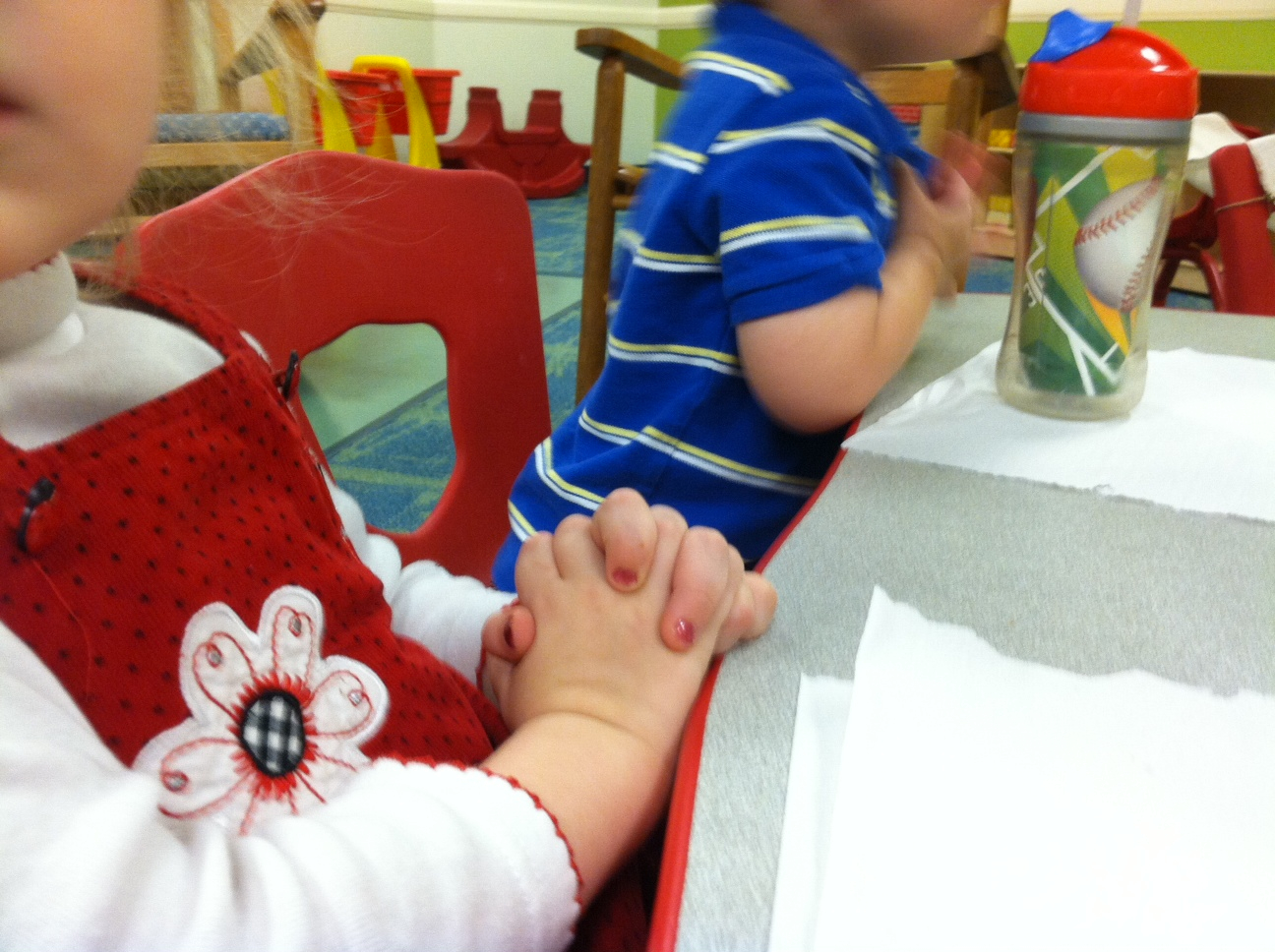
Children in our church’s 2-year-old class learn that prayer is talking to God, and then they do just that when they clasp their fat, little fingers as they sing “God is great, and God is good” before snack time:
“Keeping company with God” is the title of Part One of Philip Yancey’s book with the arresting title Prayer: Does It Make Any Difference? He discusses also the language of prayer and the dilemmas of prayer including what one should pray for, the enigma of unanswered prayer, and “un-prayed answers.” (220) Ah, the mystery of talking to God.
PRAISE
Lately I decided to cheer myself up by reviewing the bounty of God’s blessings. When the machinery of life goes awry–the doctor has a dire report, the car breaks down, a friend misunderstands–how can it be that I overlook divine intervention? My memory for blessing is so limited, and so I record evidences of God’s faithfulness:
PETITION
Over the years, in fact since 1984, I have accumulated prayer cards, some printed with typewriter ribbon and later ones two-sided and computer generated. Most of what is on the card are names of family and friends who need help, but sometimes there is a condition humanly unsolvable that I pray God will remedy. The cards are speckled with dates recording what I regard as answers to prayer.
How soon we forget. How necessary to remember!
Denise Levertov, from Sands of the Well, expresses with clarity the “quiet mystery” of communication between God and [wo]man in two stanzas of “Primary Wonder” (vimeo):
Days pass when I forget the mystery.
Problems insoluble and problems offering
their own ignored solutions
jostle for my attention, they crowd its antechamber along with a host of diversions, my courtiers, wearing
their colored clothes; cap and bells.
And then
once more the quiet mystery is present to me, the throng’s clamor recedes; the mystery that there is anything, anything at all, let alone cosmos, joy, memory, everything, rather than void: and that, O Lord, Creator, Hallowed One, you still,
hour by hour sustain it.
How do you practice gratitude?
During this Thanksgiving season do you have a story, long treasured in the family or a newly minted one to share? We’re ready to listen!
You have my word, and my word is stronger than OAK! Quoted in the movie Jerry Maguire
On Attitude
Life doesn’t have to be perfect to be wonderful! Annette Funicello
Courtesy Google Images
On perspective:
Have you heard of the 18/40/60 rule?
“When you’re eighteen, you worry about what everybody’s thinking about you. When you’re forty, you realize that it doesn’t really matter what they think about you. When you’re sixty, it dawns on you that most of them weren’t thinking about you at all!”
Daily Devotional: The Word for You Today, October 31, 2013 entry
On the Mystery of Life:
The heart of another is a dark forest, always, no matter how close it has been to one’s own.
Willa Cather, The Professor’s House
Who am I? We are not human beings having a spiritual experience; we are spiritual beings having a human experience.
Pierre Teilhard de Chardin (1881 – 1955)
* Which quote resonates with you most in either a positive or negative way?
* What quote for the month can you add?
You comments are most welcome. I will always reply!
Are you thriving–or just barely hanging on? This is a close-up of the logo from a woman’s retreat I attended a few months ago featuring Leslie Nease, Mrs. North Carolina 2001 and contestant on Survivor China 2007.
A fitness trainer, she has written a book on physical, emotional and spiritual fitness called Body Builders. Leslie has had to overcome many obstacles in her life journey, but she shares these with touches of humor. Her new book Wholehearted: Living the Life You Were Created to Live (2013) describes how God transformed her from the inside out with an experience she refers to as a heart transplant. Her goal: to live every day with purpose and passion. To thrive, not just survive.
For which cause we faint not; but though our outward man perish, yet the inward man is renewed day by day.
II Corinthians 4:16
The desire to thrive, not just survive, is described in psychological terms as well. The book Love, Medicine & Miracles by Bernie S. Siegel, M. D. contains a description of the survivor personality traits. According to psychologist Al Siebert, there are observable indicators of self-motivated growth:
1. A sense of aimless playfulness for its own sake, like that of a happy child.
2. A child’s innocent curiosity.
3. The ability to become so deeply absorbed in an activity that you lose track of time, external events, and all your worries . . . .
4. An observant, non-judgment style.
5. Willingness to look foolish, make mistakes, and laugh at yourself.
6. An active imagination, daydreams, mental play . . . .
7. Empathy for other people, including opponents.
8. Recognition of . . . intuition as a valid source of information.
9. Good timing when speaking or taking original action.
10. The ability to see early clues about future developments and take appropriate action.
11. Keeping a positive outlook in adversity.
12. The ability to adapt to unexpected experiences. (Plan B!)
13. The talent for converting what others consider misfortune into something useful.
14. Feeling yourself getting smarter and enjoying life more as you get older.
What can you add to the list above?
Are you a thriver? A survivor? Share a story please.
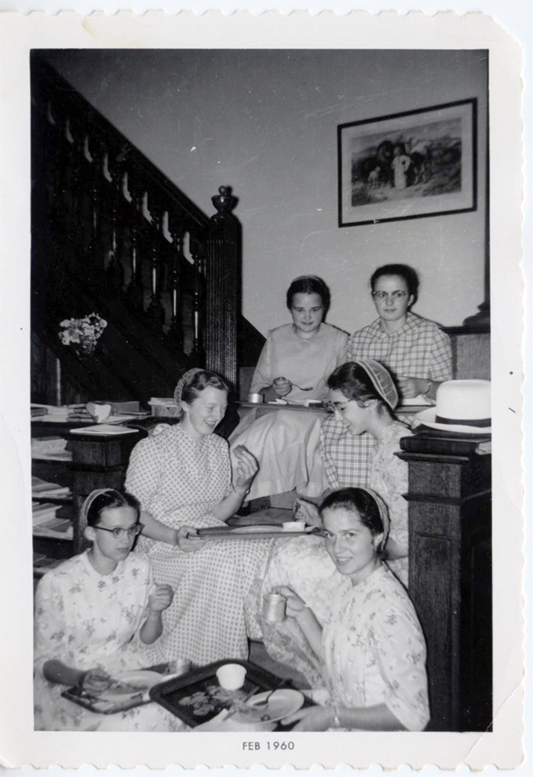
Most plain girls are virtuous because of the scarcity of opportunity to be otherwise. Maya Angelou
READING
“Reading gives us someplace to go when we have to stay where we are.” Mason Cooley, aphorist (1927- __ )
“Reading is equivalent to thinking with someone else’s head.” Arthur Schopenhauer (1788-1860)
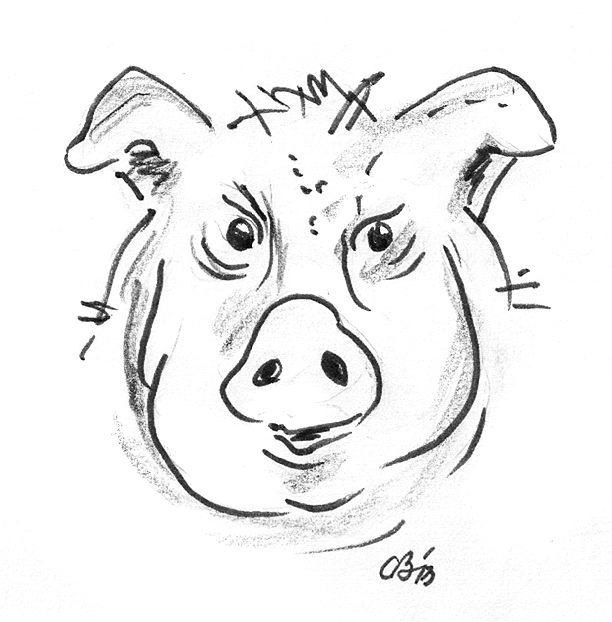
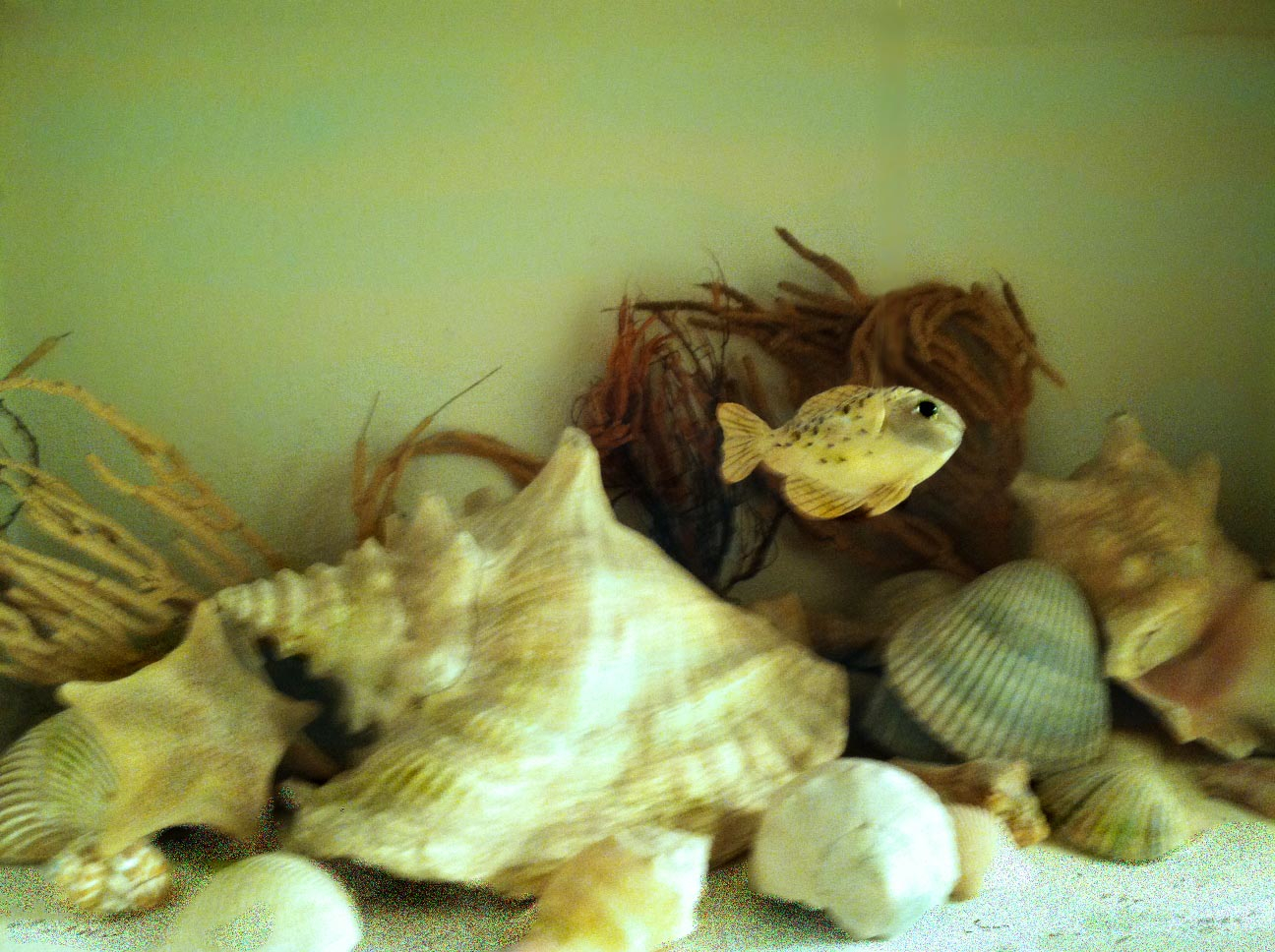
8.28.97 Cats look down on you, dogs look up at you, but PIGS look you straight in the eye!
Peter Mayle, Chasing Cezanne
BOOKS
“A book must be the ax for the frozen sea within us.” Franz Kafka
“Book love . . . . It will make your hours pleasant to you as long as you live.” Anthony Trollope
“A house without books is like a room without window.” Heinrich Mann, novelist (1871-1950)
“It lights the candle in the hurricane lamp of self; that’s why it survives.” Anna Quindlen. “Turning the Page.” Newsweek: April 5, 2010, (53).
* * * * *
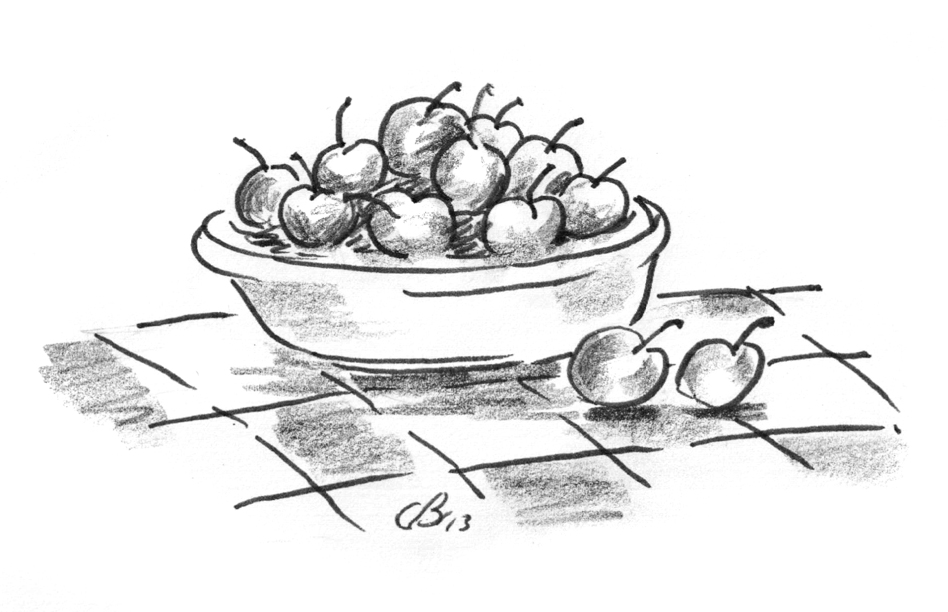
8.28.97 Sometimes life is a bowl of harries! “plain and fancy girl”
10.16.98 When you love someone you do not love them all the time, in exactly the same way, from moment to moment. It is an impossibility. It is even a lie to pretend to. And yet this is exactly what most of us demand.” Anne Morrow Lindbergh, Gift from the Sea
Linda Garber and Dr. Ty Graden will probably never be featured on the Making a Difference segment of the NBC evening news with Brian Williams, but they do just that every single day.
Yesterday morning before Mother’s eye doctor appointment, her pastor’s wife Linda calls. I hear one side of the phone conversation:
“Yes, we’ll be home around noon.”
“Well, you don’t have to do that, but it would be a bright spot in the day. Thank you!’
“How many? It will just be Marian and I.”
“See you around 12:00.”
In pouring down rain, Linda arrives with a hamper full of home-made goodies, and we share a scrumptious lunch, all fresh from her home: potato-zucchini soup, deviled eggs, bread with strawberry jam, cabbage salad, and apple sauce with a jar of M & M’s on the side.
After the meal and pleasant conversation, Linda promptly gets up, helps me carry the dishes to the kitchen and fills the sink with Dawn and hot water to wash the dishes. It’s part of the “gift,” I assume. The Mennonite way.
Earlier I helped Mother wheel her way into Dr. Graden’s office in Elizabethtown, PA for her annual eye exam. She’ll have 20/20 vision with the new prescription, the doctor reasssures her. I remark that I need to get my eyes checked when I get back to Jacksonville. He says, “Well, I’ll can just check your eyes now before you leave.”
I have never met this man before and obviously don’t have an appointment, but I sit on the chair, and Dr. Graden clicks to a different set of letters “in case you memorized the ones I used for your mother,” he chuckles.
The doc is reassuring: “Well, you did pretty well—no cataracts to be concerned with, and you still have 20/20 vision with your glasses.” We leave the office, Mother’s visit filed with insurance and no charge for me.
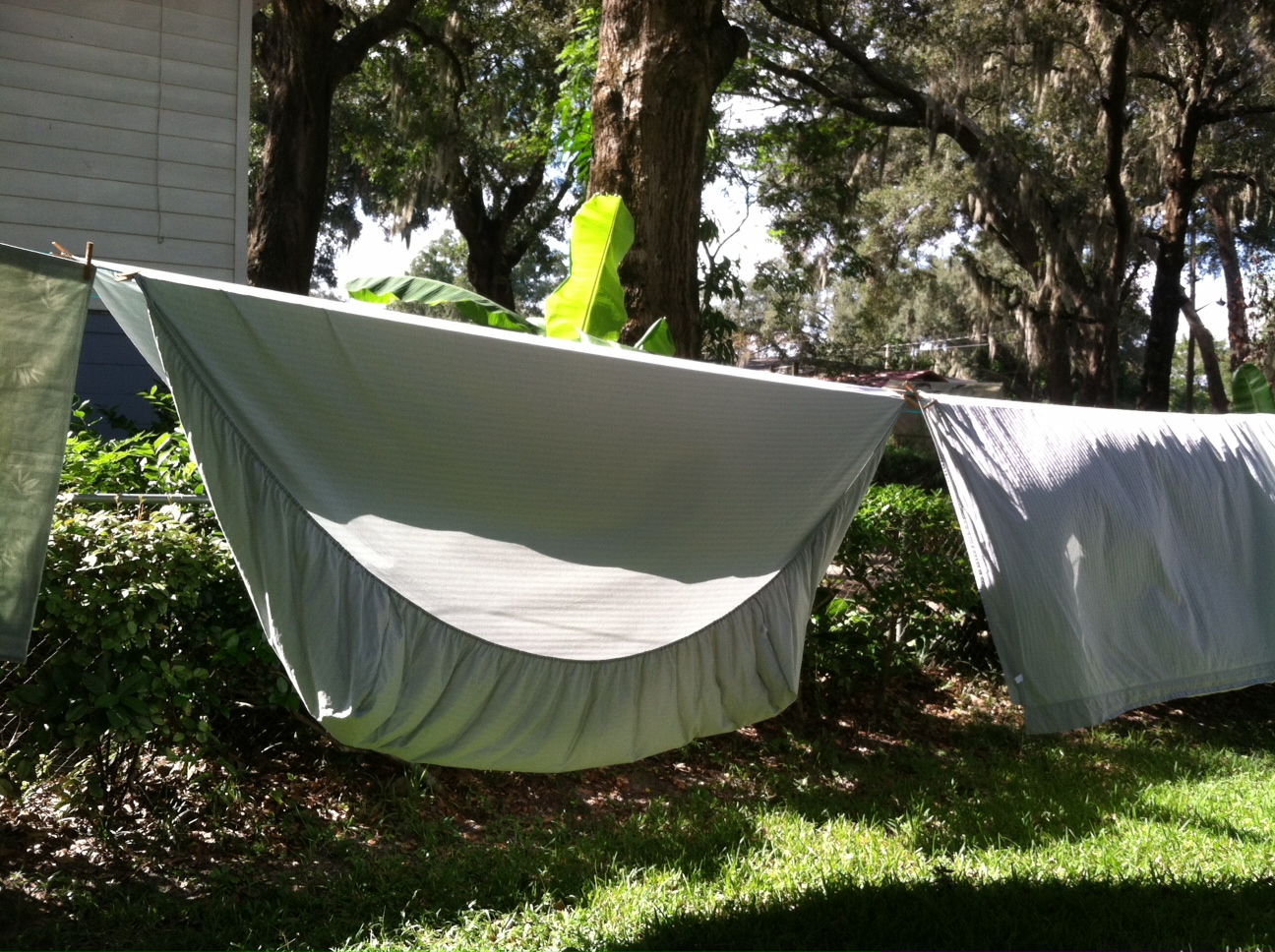
My sheets are pinned to the backyard clothes line now, flipping in the breeze. Today I’m celebrating the end of our torrid Florida summer by hanging our sheets outside in the fresh fall air. Very old-fashioned and very retro. I guess I’m an Urban Mama!
Sheets blowing in sync with frond on banana tree in background
We live in the city, and I have a clothes drier, but today I am savoring the slow, sweet, luxury of sheets line dried fastened with wooden clothes pins, the kind with metal springs. No extra electricity, no pain for the sheets twirling endlessly in a hot, round drum.
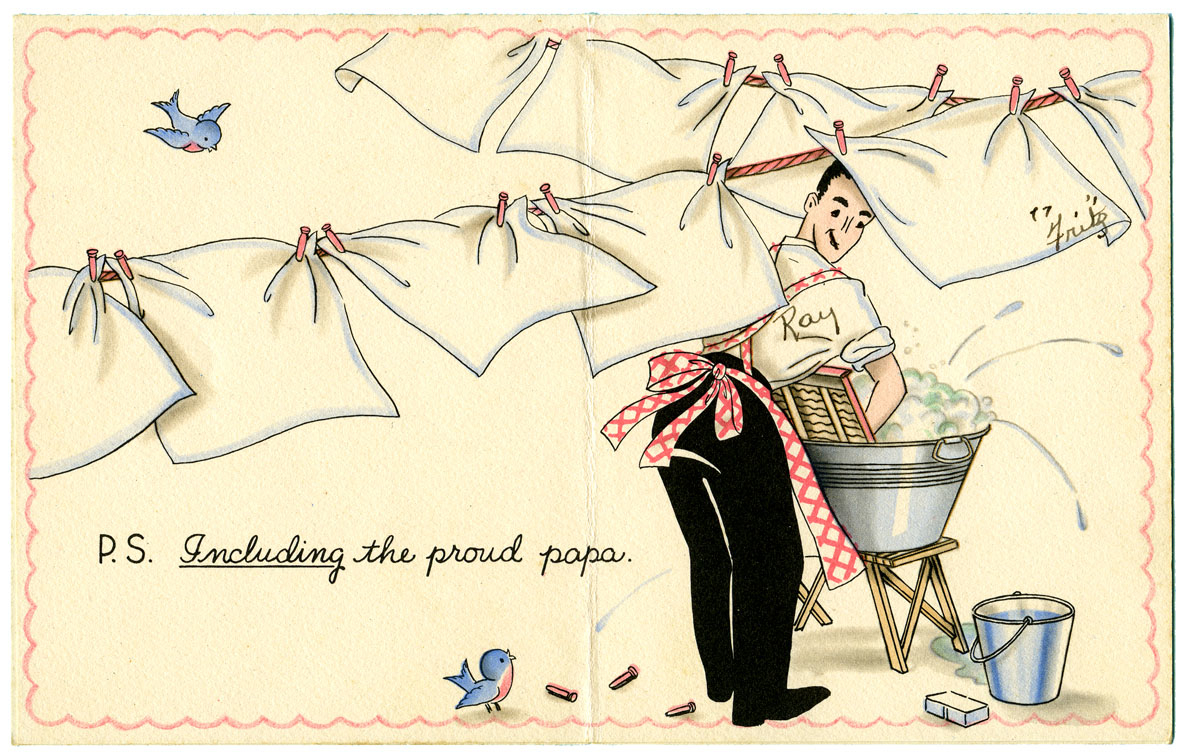
When I was born, there were no automatic washers and driers. Most housewives back then used electric washers with wringers, not washboards. But clothes were dried by solar and wind power. A “new baby” card sent to Daddy from my Great Uncle Fritz attests to the line drying of diapers, the gauzy cloth variety fastened with medium-sized safety pins. But, trust me, my dad never hung a diaper or any other article of clothing on the line.
Card to my Dad Ray from his Uncle Fritz
What are your childhood memories of doing the laundry?
What unusual ways of drying clothes do you know about or practice now?
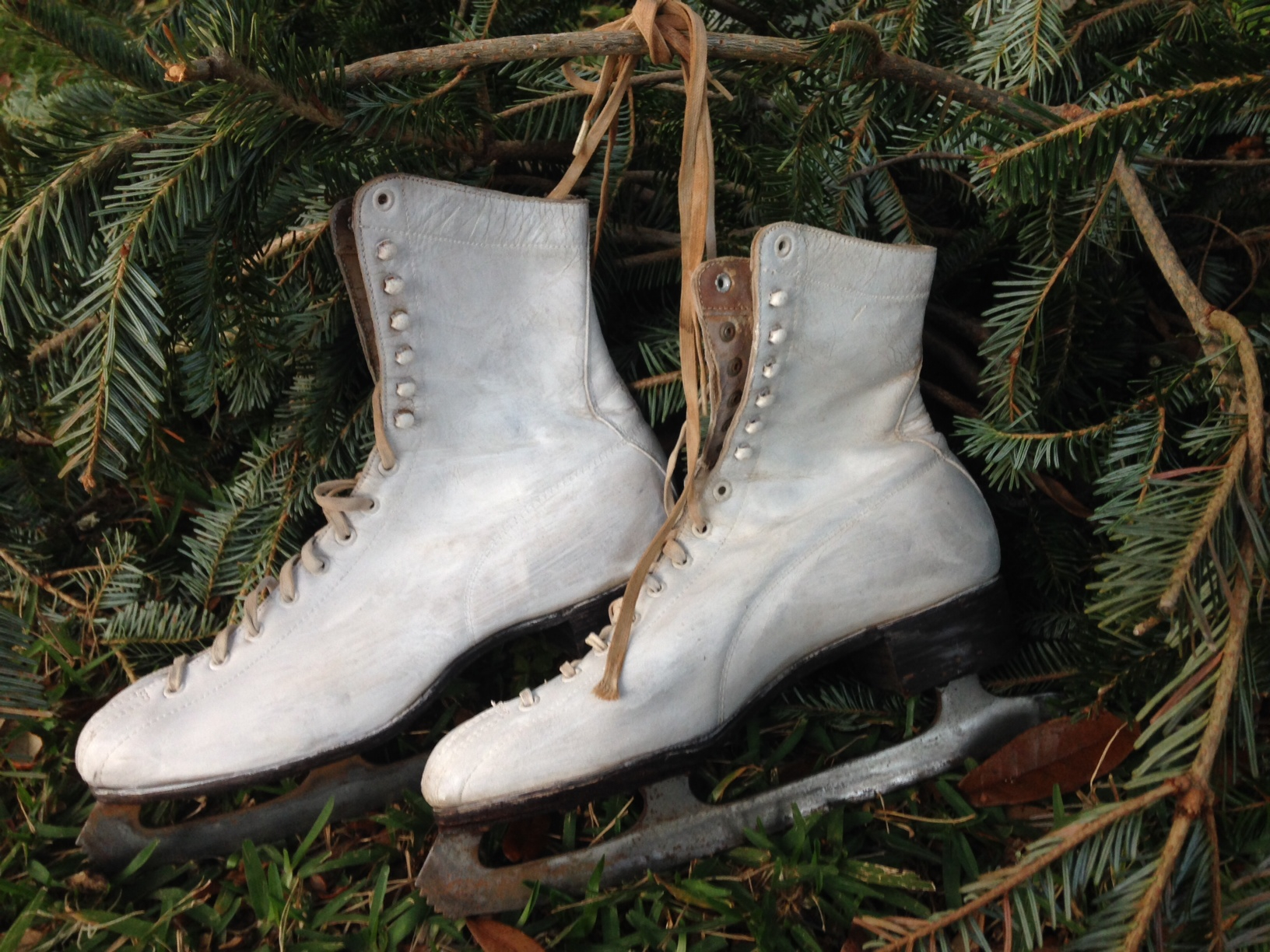
Vintage skates just before they were tossed into the recycling bin!
All my memories of winter time in Lancaster County, Pennsylvania, are good ones. Cold, soggy socks warmed up and dried out on the heat register in Grandma Longenecker’s kitchen. Frozen lips thawed by hot chocolate with fat little marshmallows bobbing up and down.
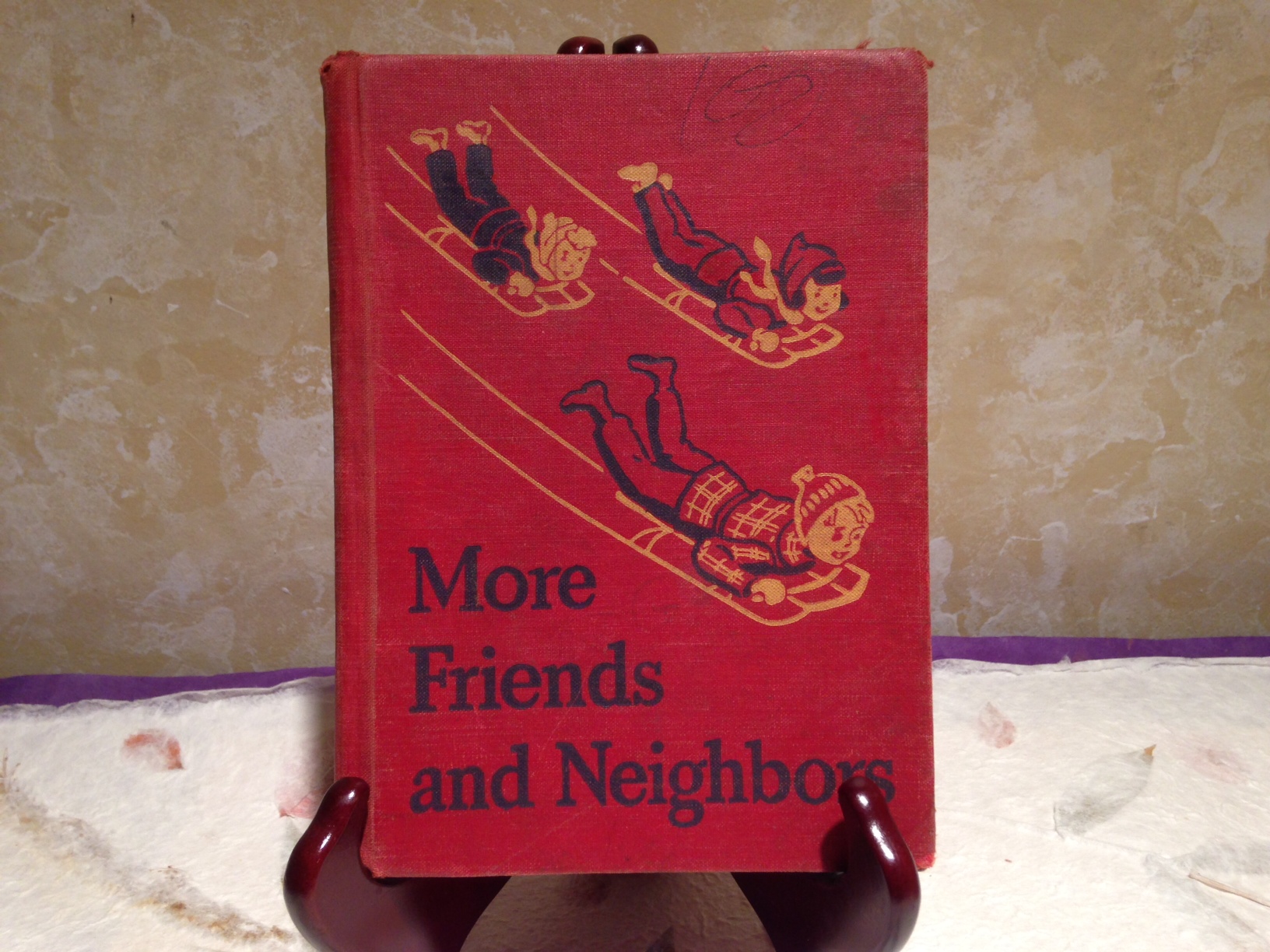
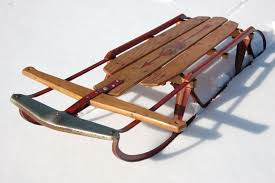
Yes, there was snow and there was ice, sometimes both the same weekend. On snowy days and nights when traffic was at a stand-still, two Longenecker Flexible Flyer sleds zipped down the curve of the long hill between our house and Grandma’s. (There were more children than sleds, so we had to take turns.) Alongside the woods, there was another, shorter hill with a steeper grade for a faster thrill.
The ice was nice on Heisey’s pond. The Heiseys, Jap and Winnie, owned the limestone quarry on the edge of Rheems, and Winnie Heisey’s pond was filled with skaters, including me, especially on Sunday afternoons. Some skaters waltzed around the perimeter of the pond. Some played crack the whip with most landing on their behinds as the tail of skaters at the end of the line flew off in other directions. Some wobbly beginners skated slowly. The expert ones skated forward and backwards. Since it required wiggling the behind just so, I could never master this move.
Just now, can you hear the melody line of The Skater’s Waltz by Emil Waldteufel? His name would fit right in with the listings in a Lancaster County, PA phone book, but Waldteufel was not actually German, but an Alsatian Frenchman inspired by ice-skaters venturing onto the frozen Seine River in Paris. News to me!
In the orchestral piece, composer Waldteufel captures the mood of serene skaters with graceful rising and falling lines but then interjects exuberance with bouncy notes and even some sleigh bells.
The piano doesn’t do the waltz justice, but it should bring back a memory or two!
Tell us your winter memories. Do they involve sledding? Ice skating? Something else?
New year, new opportunity: Vote for My Gutsy Story @













 Plain and Fancy