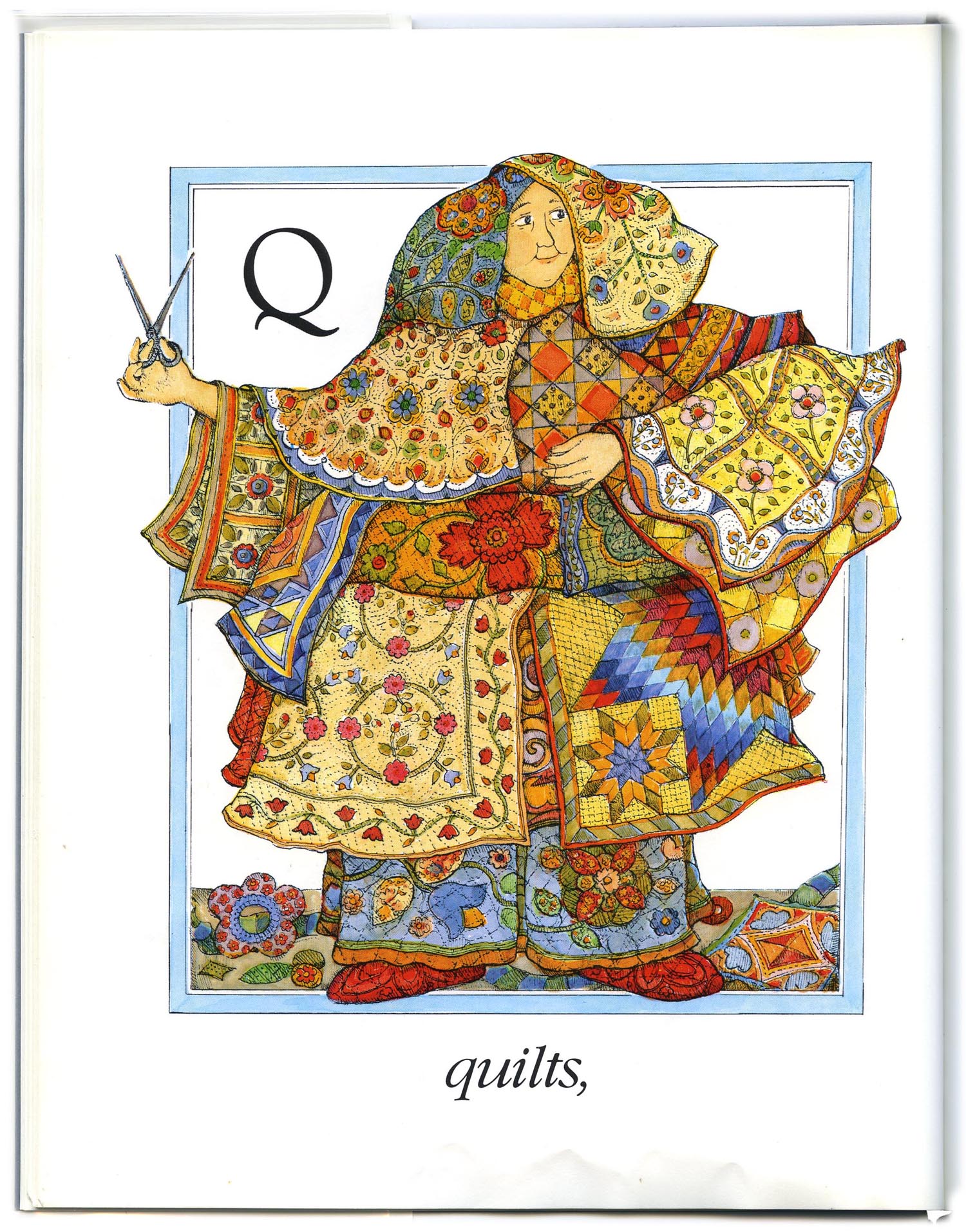
Moments of Discovery # 5: Mother’s Quilts


Page from On Market Street, Anita & Arnold Lobel
illustration from On Market Street by Anita & Arnold Lobel

Bossler Mennonite Church was the hub of the Longenecker family’s spiritual life and the school beside it, Washington School, the place where the Women’s Sewing Circle fabricated comforters, baby clothing, blankets and quilts to help clothe the needy of the world. Some of these gorgeous quilts are displayed on a previous blog post. You can see and read about them here.
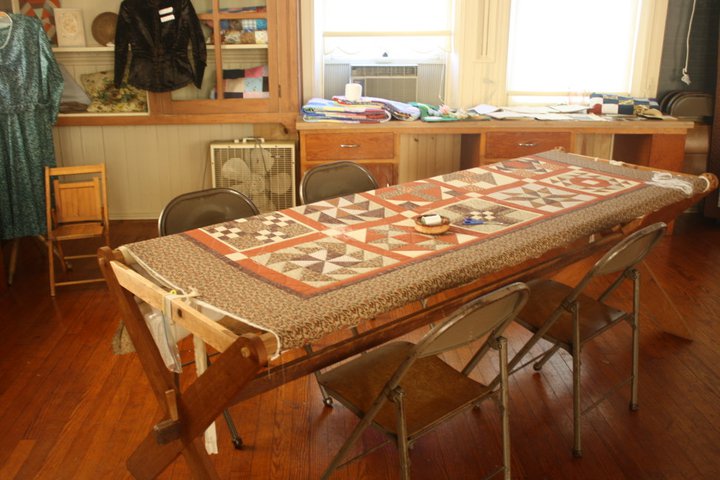
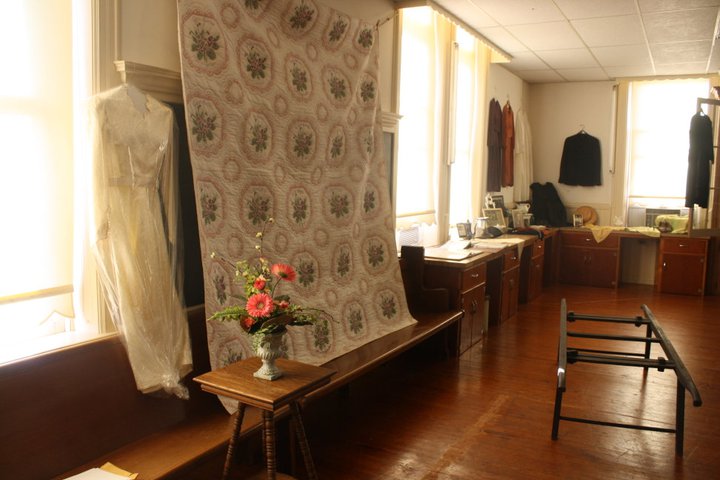
quiltSchoolhouse

Quilt exhibited at the bicentennial of Bossler Mennonite Church
Quilts exhibited at the bicentennial of Bossler Mennonite Church

Even more than quilting I think Mother loved knotting comforters. For her, it was easier to see progress knotting a comforter. She liked the warm fluffy texture, and she could work on it by herself at home.
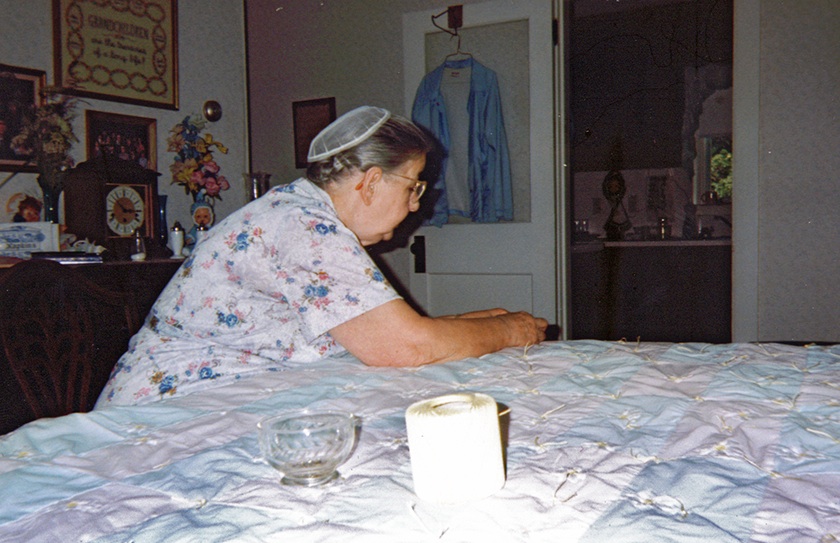
1995RuthKnottingComforter_small

Last fall, on one of our trips to the attic cleaning out the house after her sudden death, we opened the yellowish, grain-painted blanket chest with turned feet where we knew we would find some of Mother’s prized quilts.

1999_0900_Mother L_holding up white quilt w circles

 Can you identify the design above? I need help with the name of this pattern please!
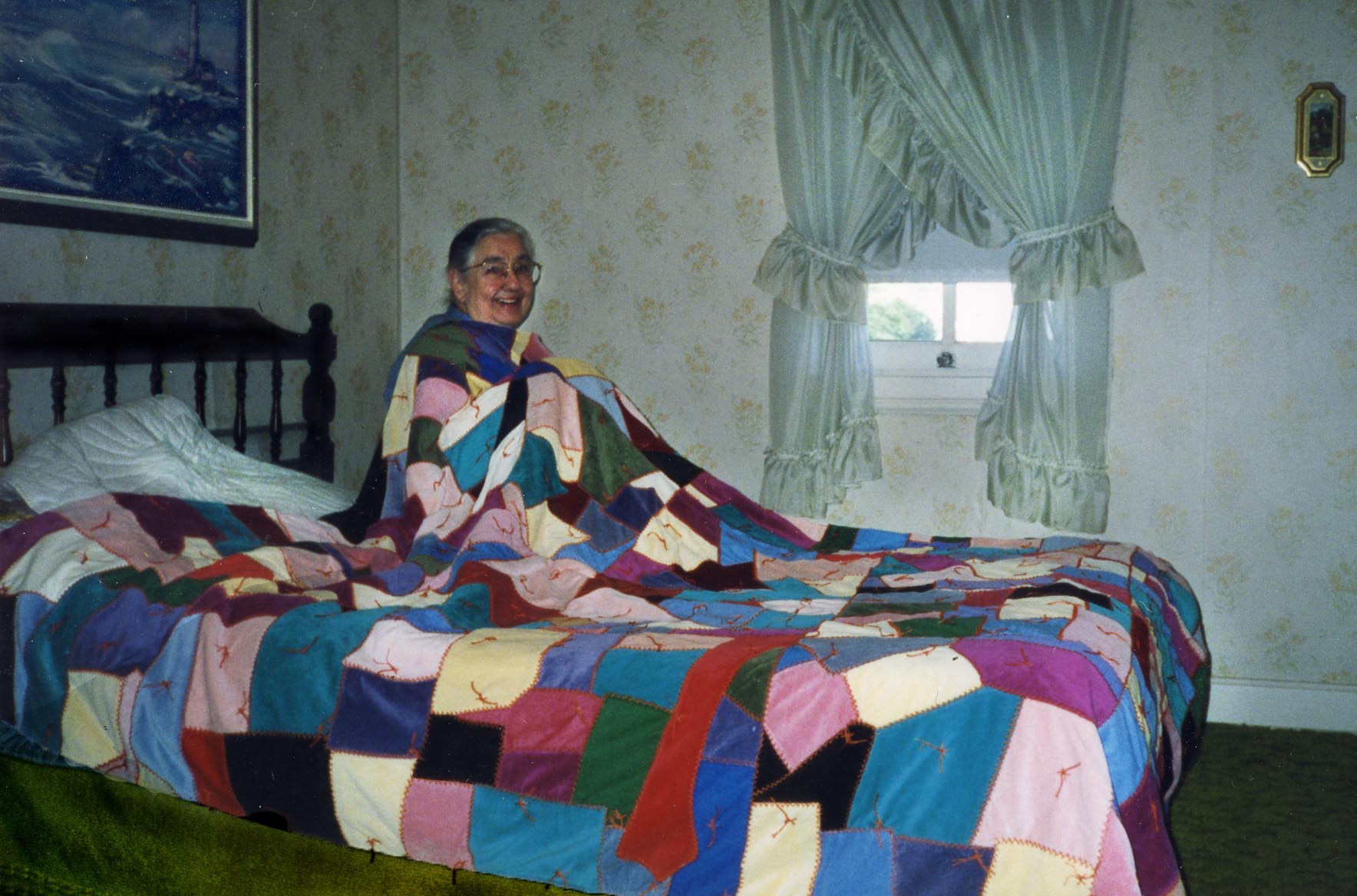
Crazy Quilt design, 1999
Crazy Quilt design, 1999.  Each of Mother’s grand-children received a quilt. This one now belongs to our son, Joel Beaman.


Joanne Hess Siegrist, one of my former students at Lancaster Mennonite School, has published a story in photographs from 1855-1935 entitled Mennonite Women of Lancaster County. In this pictorial overview of Mennonite life from this era, Joanne, who can trace her family back eleven generations, depicts the many facets of Mennonite women’s lives in chapters like these: The Tone of Their Lives, Motherhood and Children, Farm Life and Work, Faith and Family Outings.

Here is an excerpt from her chapter entitled “Quilting and the Arts”

At the beginning of the twentieth century, Mennonite women of Lancaster County spent many hours doing elaborate, colorful needlework. Young women worked especially on their dowries.


With a frugality that was part of their spirituality, these women often created handwork out of remnants and half-used materials. They crocheted exquisite lace tablecloths from the cord strings used to tie feed bags. They made hooked rugs using the unworn sections of old winter coats. They designed quilts with fabric from colorful feed bags found in the barn. . . .
 

Mennonite Woman_Quilt_p193

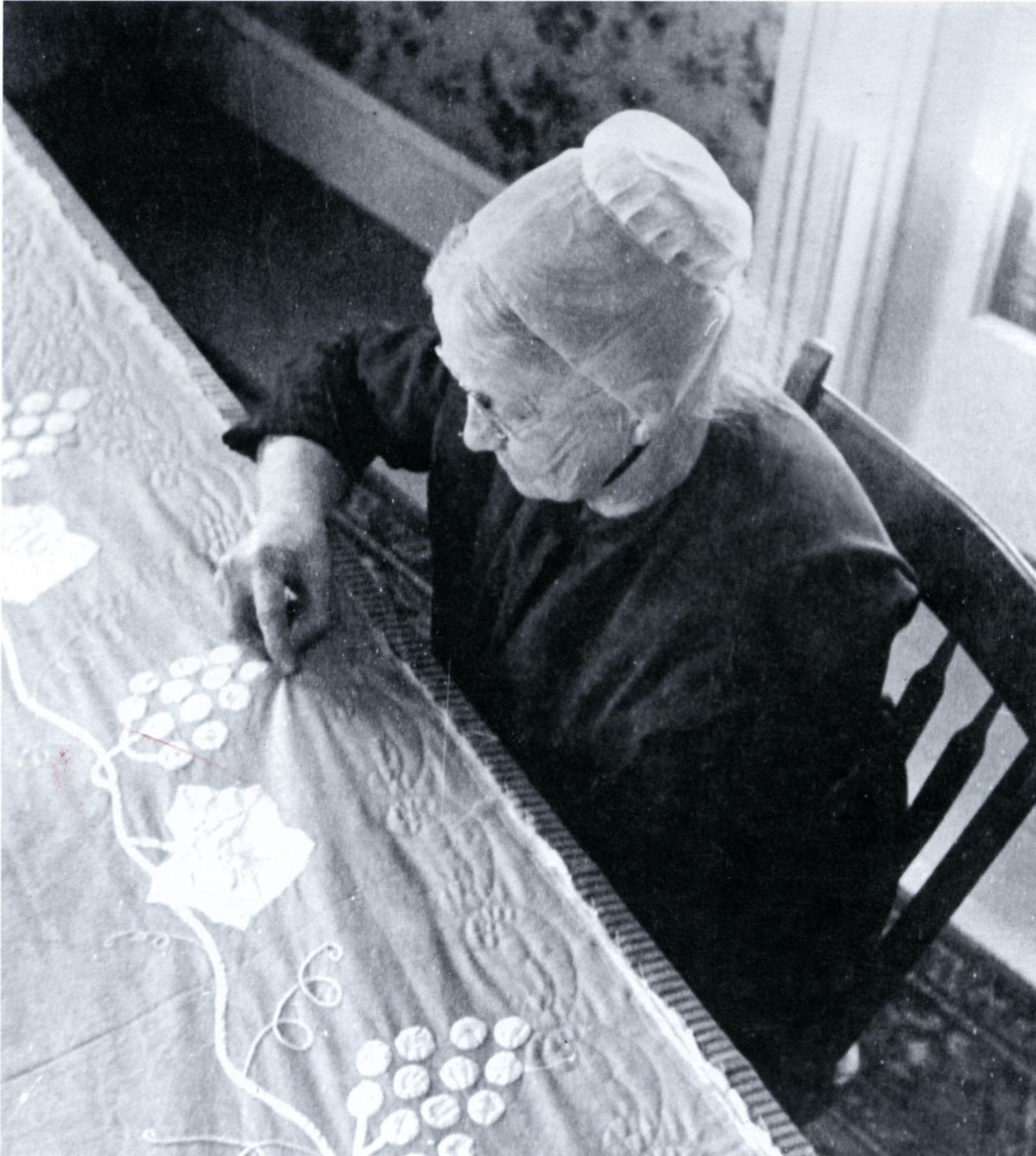
In a photo dated 1948, Joanne showcases Anna Huber Good as she adds tiny stitches to a Grape Vine appliqué quilt. Author Siegrist adds, “Anna quilted all her life; in fact, after rearing eight children, she became even more intent on quilting. Anna got up at 4:00 a.m. and quilted until 6 a.m. Then she made a large breakfast for her husband Daniel and sent him off to his market work. After doing a few cleanup chores, Anna returned to quilting. She quilted all day long until about 9:00 p.m., stopping only for meals.”

Anna’s retirement years were even more productive, making “forty-two quilts for her children.” Amazingly, she charged only 15 cents per yard of quilting thread if she quilted for people outside her family.
Mennonite Women_Quilt_p194_crop_300

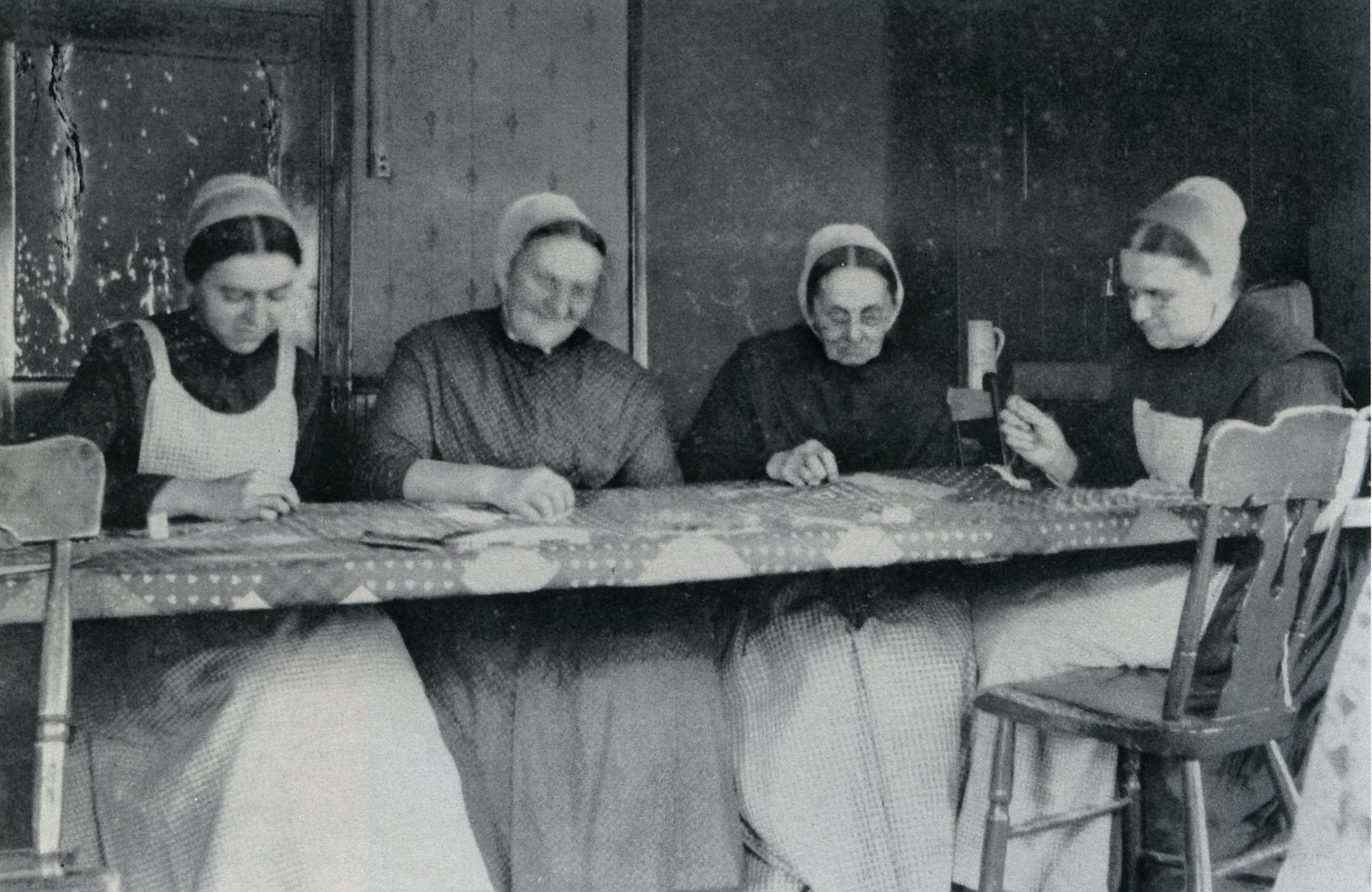
Here are four friends quilting in the dining room of Enos and Annie Lefever’s home (1915). Their intent expressions (uh-oh, I see one smiling!) and nimble fingers are caught on camera by Annie’s son Harry, whose photography did not interfere with his membership at Mellinger’s Mennonite Church (Mennonite Women of Lancaster County,194). Just a mere ten years earlier, Mennonite farmer, John Kreider Miller, lost his church membership for running a photography studio (The Lancaster Intelligencer Journal, Friday, May 10, 1996). Photographs, apparently, at the turn of the twentieth century, spoke of pride, a cardinal sin in the Mennonite system of values. (Mennonite Women of Lancaster County, Siegrist)


Amish and Mennonite hand-made quilts are now marketed as a luxury item and often used as decorative wall hangings. There are numerous websites advertising such handiwork for thousands of dollars.

Until recently, the Quilt Museum at the People’s Place in Intercourse, PA exhibited cleverly crafted quilts from all over the United States.

The Mennonite Central Committee, providing aid to the world’s forgotten and neglected, often sponsors quilt sales and auctions beyond Lancaster County borders. Here is a link to one in Ohio.

*  *  *

Buy Joanne’s book here!


Is there quilting in your family history? Has a quilt been bequeathed to you of quilt-essential quality? Are you a quilter?
 

Wanda: Boring in Beige to Beautiful in Blue

Two “Beautiful” Stories today . . .

Jenna’s Story

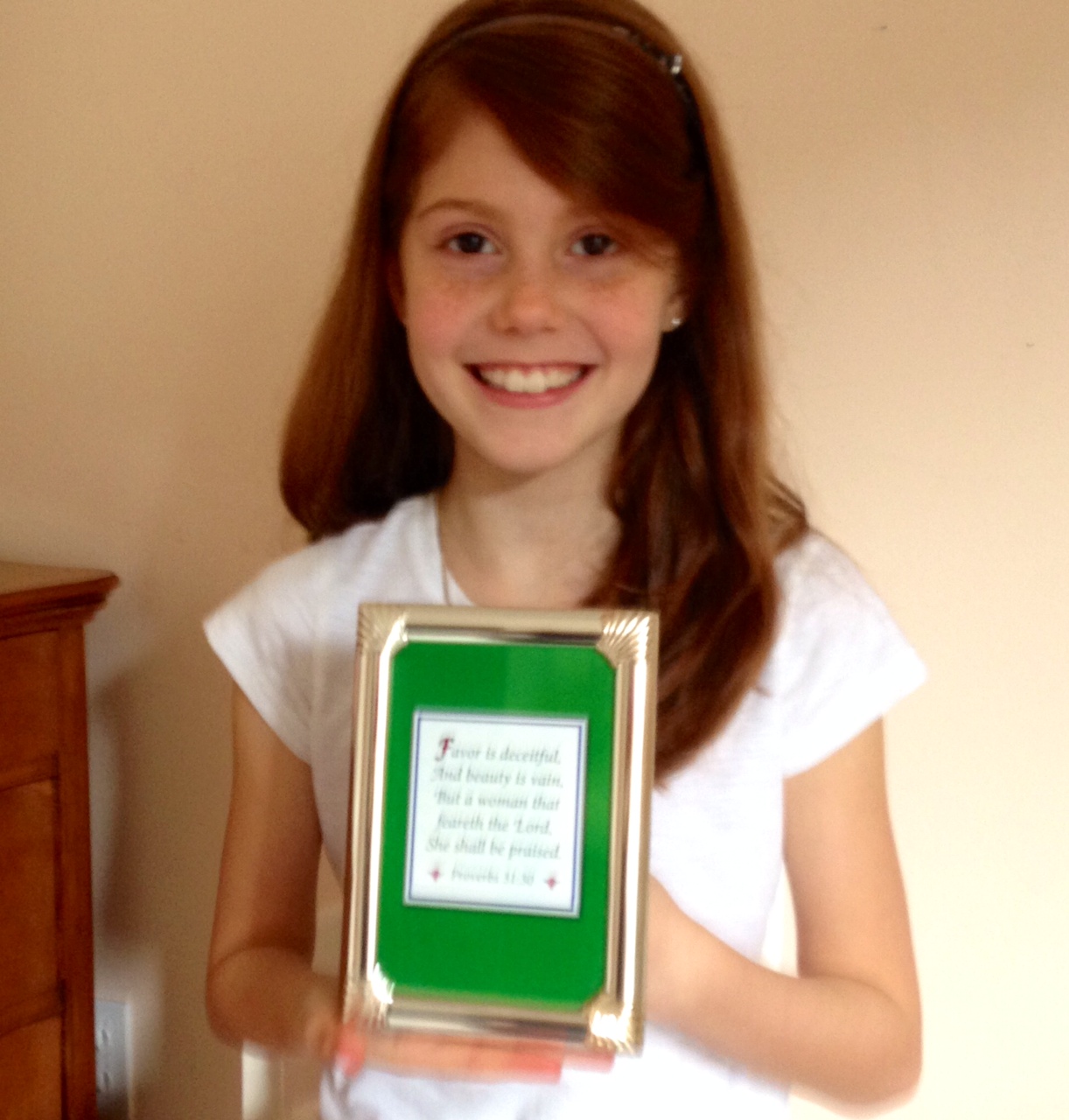
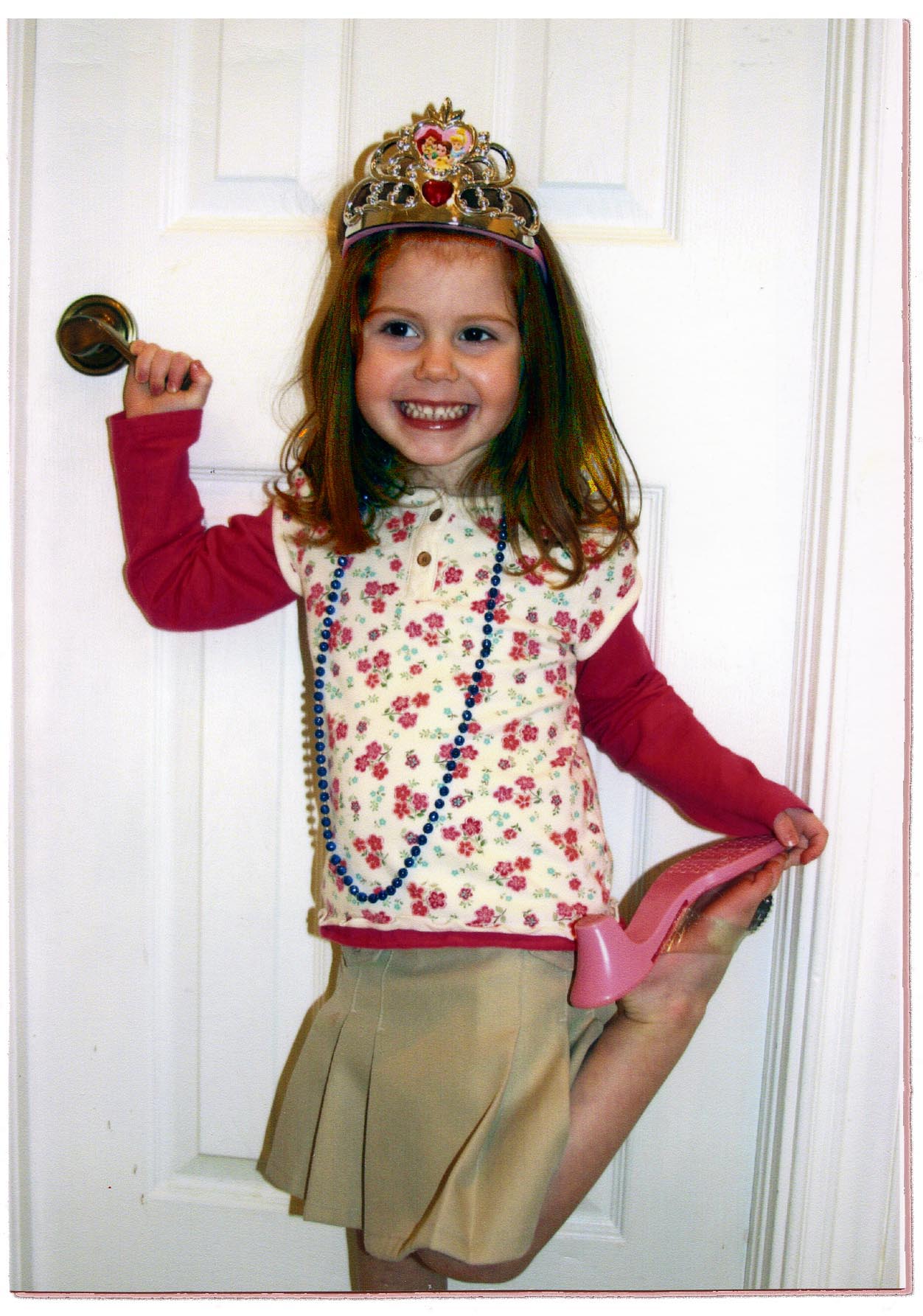
My auburn-haired granddaughter Jenna is very cute, and people frequently tell her how pretty she is. From an early age (here at 3 1/2), she has loved to primp and preen.

2009_Jenna dressed up as princess

Even before she turned two, she would wake up, put on a gaudy plastic tiara and blue Lucite high-heels and toddle around her bedroom, every inch a princess. And there’s certainly nothing wrong with play-acting. But since then, in our Nana/Grand-daughter talks, I have reminded her that there are two kinds of beauty, the inside and outside kind. One lasts. The other one fades. Last year for her 9th birthday, her Grandpa and I collaborated on a gift to help her remember the meaning of inner beauty as she blossoms into a young woman.

It looked like this:

JennaFrame

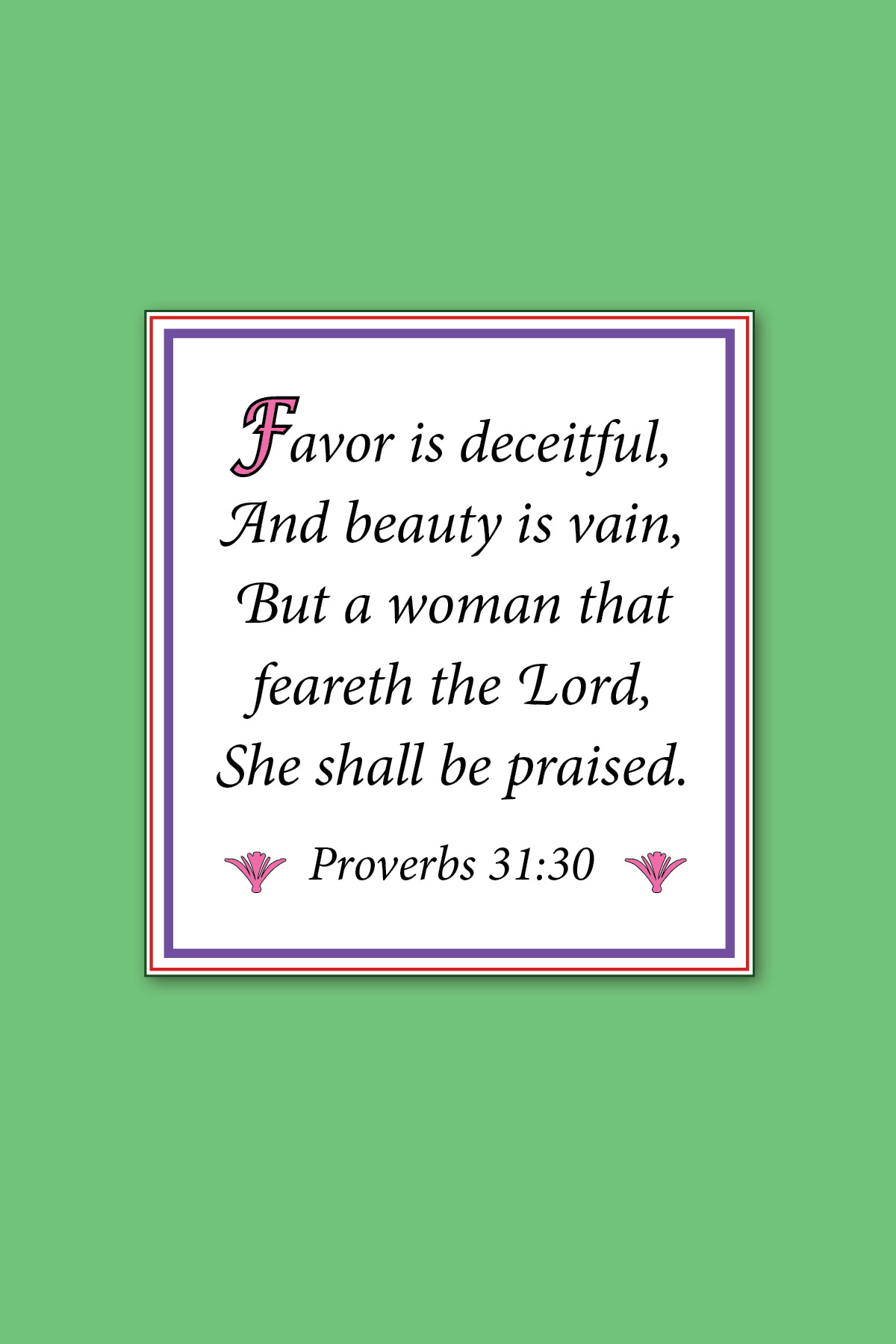
 Here is the verse close-up:

03Proverbs_for Jenna_01gr_4x6

We have talked about the meaning of those solemn and ancient words from the King James Version: favor, deceitful, vain — and have discussed what the verse written centuries ago might be saying to a young girl like her today. She knows for sure that there is nothing wrong with being attractive, but looks are not the most important thing in her life.

to be continued . . .

Wanda’s Story

I don’t know Wanda’s last name, but I know what she looked like before/after her appearance on the TV show “What Not to Wear.” Hosts of the show, Clint Kelly and Stacy London, help Wanda, a family therapist from San Diego, transform from boring beige to beautiful blue. In the course of the metamorphosis, the 47-year-old career woman, reveals that she grew up in a Mennonite culture and thought of beauty as something “to be frowned upon,” something even “dangerous” to use her description.

Here is Wanda’s frumpy before and stylish “after” look:

WandaNotToWear

You can see her “before” pict and hear a snippet of her story on this short YouTube

For Wanda, no more “monochromatic modesty or khaki catastrophe.” She exclaims at the end of the show: “Now I can walk into the future with my inside and outside more coherent.” In the grand finale, a band of friends and relatives gather around the stage to applaud the transformed Wanda who glitters in stylish heels and a purple “date” dress.

As the banner on my welcome page shows (Mennonite prayer veiling paired with a pair of sassy red heels), I can certainly relate to Wanda’s viewpoint. You can read about it in a former post. My own metamorphosis from plain to fancy did not happen nearly as quickly as hers, but over the years I have tried to focus on the qualities that reflect inner beauty just as I try to model them for my grand-daughter Jenna.

What about you? Maybe you are not 40-something anymore. You might be 50, 60 or beyond. Still there’s beauty at any age. That’s certainly what I think.


Do you (as Wanda now thinks) believe your inside and outside appearance should match?

How do you define Beauty?

Coming next: Moments of Discovery: Mother’s Quilts


JennaDressedUp

What’s in a Name?

My high school yearbook The Elizabethan sports such 3-syllable last names as Aschendorf, Biesecker, Espenshade, Hippensteel, Oxenrider, and Zimmerman. In Lancaster County, Pennsylvania any roster of names would be heavily represented by families of German-Swiss origin.

Yes, there were Smiths, McLaughlins, and Youngs, but the Pennsylvania Dutch names far outnumbered them. On class rosters there were no names from the Cyrillic alphabet like Lyashchenko or like Chang, formed of Asian characters. Not a one. Yet as our world has grown more culturally diverse, so have the class rosters and phone directories of small towns like Elizabethtown, Pennsylvania.

In the January 6, 2015 edition of Performance Today, Fred Child referred to a list of musicians with jaw-breaking names. You can find the complete list on their Facebook page, but here are a few choice ones:

Composer Carl Ditters von Dittersdorf

Conductor Hans Knappertsbusch

Poet Walther von der Vogelweide

Composer Einojuhani Rautavaara

Composer Heinrich Ignaz Franz von Biber

Conductor Gennady Rozhdestvensky

Musicologist Cuthbert Girdlestone

Tenor Wolfgang Windgassen

Ditters von Dittersdorf rolls most trippingly off the tongue as does the very onomatopoetic Windgassen. Imagine a tenor named Wind-gassen. Or even a wood-wind player with such a name!

My journal of our trip to the English countryside records place names that also tickle the tongue and the funny-bone. As I admonished my husband/driver to keep left while driving with a right-sided steering wheel, cute towns whizzed by with no-kidding names like Gigglewick, Blubberhouse, Wigglesworth, Nook, Cow Brow, Button Moon, and Hutton Roof. No, I didn’t make these up! There was even a Curl Up and Dye Hair Salon.

Ireland_Roundabout sign_6x4_300

In Scotland menus feature haggis (chopped sheep hearts, livers, mixed with oats and spices), bashed neeps (turnips), and champit tatties (mashed potatoes). In Ireland we encountered the quaint village of Ballyvaughan, and Cairig Beag, a Bed & Breakfast not far from the town of Sneem with houses colored bright orange, Kelly green, and sunny yellow.


What’s in a name? that which we call a rose / By any other name would smell as sweet . . . .

In Act II of Romeo and Juliet, Shakespeare writes of the star-crossed lovers who bear the names of their feuding families, Montague and Capulet, implying that the names of things [people] do not affect who they really are or their love for each other.

"A rose is a rose is a rose . . . "  Gertrude Stein
“A rose is a rose is a rose . . . ” Gertrude Stein

Actually, in the expression “a rose is a rose is a rose,” Ms. Stein was referring to the English painter Sir Francis Rose, not to the flower as is commonly supposed. Now the phrase has come to define anything that is incapable of explanation.

What place or people names strike you as fanciful or interesting in another way? 

I love words! Share some of yours.

Bonus: As it happens, this week memoirist/friend Shirley Showalter blogs on the power of naming as a way to find one’s vocation and calling. Read about it here.


Signs and a Wonder: St. Simons Island

Nestled in the marshes east of Brunswick, Georgia, is charming St. Simons Island. Golfers, bicyclers, and fishermen revel in its delights. Fresh Atlantic shrimp were available at the Mullet Bay Cafe during our week-end getaway. Tourists, like us, strolled along the streets of St. Simons village, canopied with centuries-old live oaks.

OakStSimons

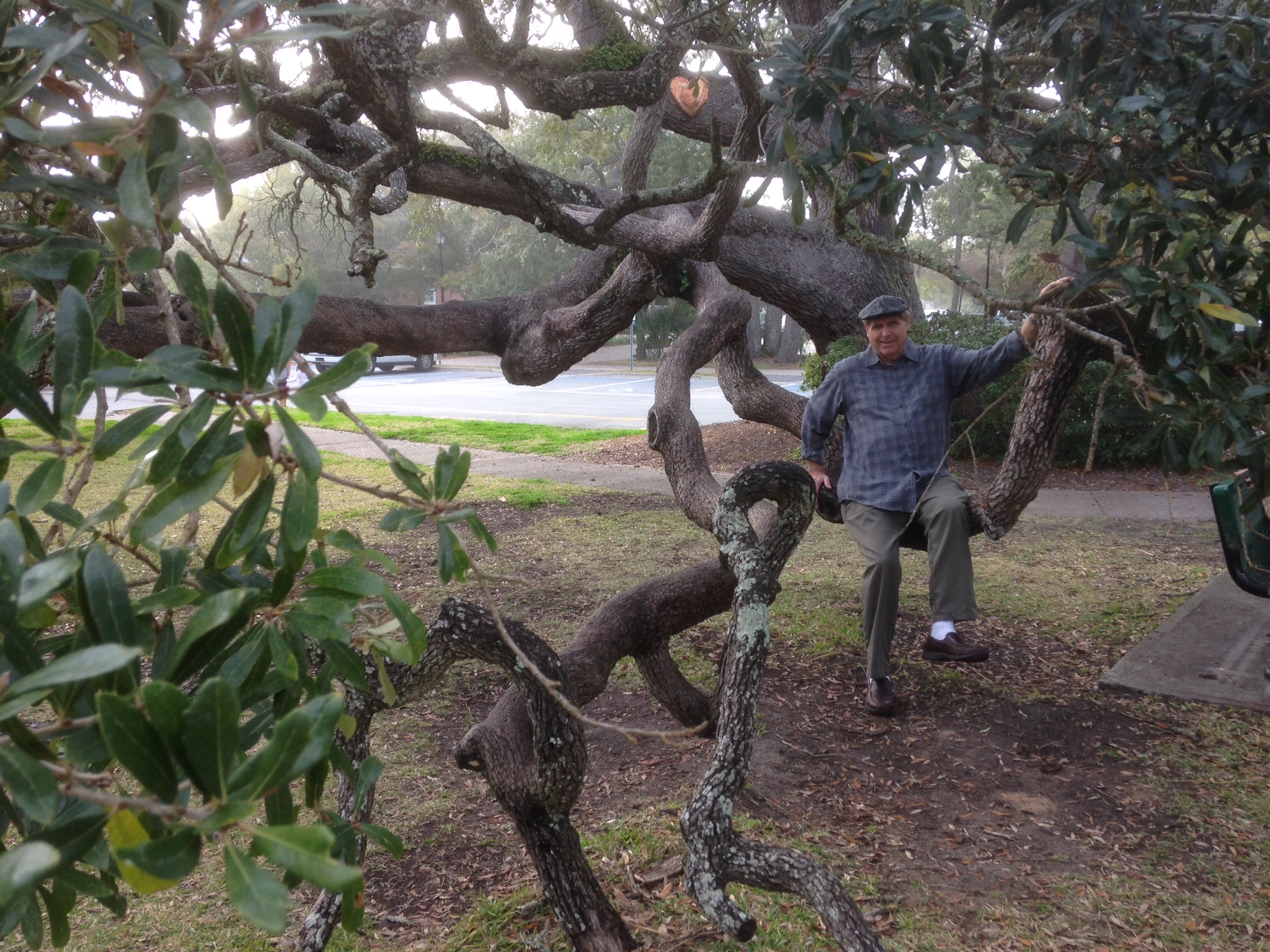
Some of the oaks had mutated into this:

GnarlyOak

Here the limbs from ancient live oaks gracefully curved downward, touched the soil, forming a self-sustaining tree, and then over the years grew upwards until it grafted into its mother tree, a type of amazing Möbius structure.

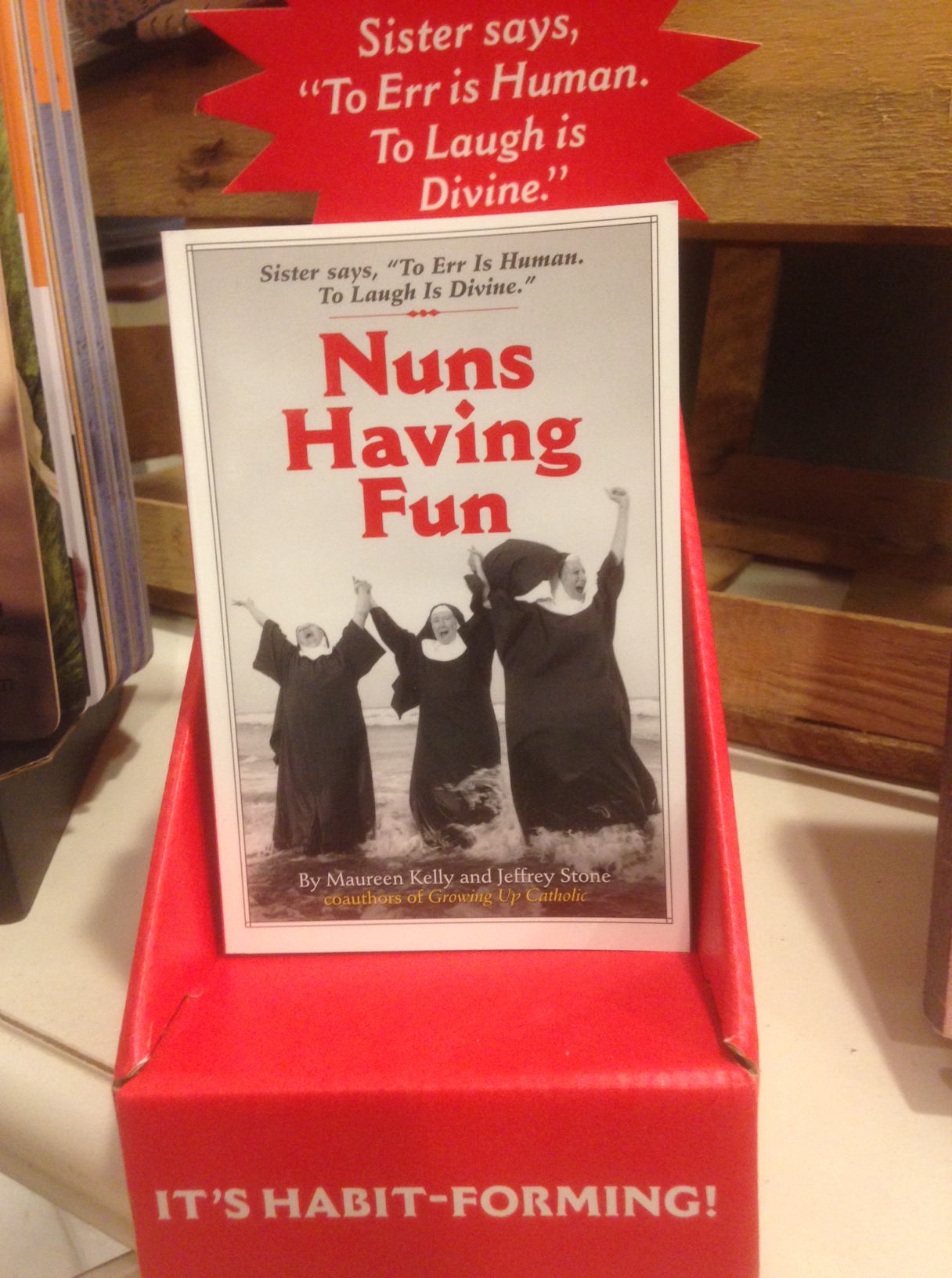
Cute shops, one which boasts “Extraordinary Things You Don’t Need,” display books, curios and signs like these:

RedneckHornCondimentSignNunFunSign

And for the canine lovers:

DogBook


If you are crafty, Pane in the Glass is your source for stained glass hobby supplies. You need a week, not just a weekend to explore St. Simons Island.


Away from town, two other attractions grabbed our attention: Fort Frederica, a military town on the colonial Georgia frontier, which defended the settlers from Spanish invaders and Old Frederica Church, also called Christ Episcopal Church, where Charles and John Wesley preached.

In 1961 author Eugenia Price discovered St. Simons Island on a book-signing tour, “In the cemetery for Christ Church, she saw a tombstone for the Reverend Anson Dodge and his two wives. This inspired her to research the area, including history and famous figures. She would spend the remainder of her life writing detailed historical novels set in the American South, many of which were critically acclaimed. Her early works, particularly the “St Simons Trilogy” which consists of the books “The Beloved Invader” (1965), “New Moon Rising” (1969) and “Lighthouse” (1972) were extensively researched and based on real people.”

Finally, we behold a lovely wonder, the signature stained glass window in the church, depicting the original plain structure, which could easily pass for an early Mennonite meetinghouse, without the steeple of course.

FredericaChurchStainedGlass


Have you visited an historic town recently?  A charming town you can recommend for a weekend getaway?


Coming next: Mad, Sad, Glad: Emoticons Show It All

Moments of Discovery # 4: A Flash Bulb and a Doll

A snapshot of a baby boy dressed as a girl and an old flash bulb. Those are some of the items we find clearing out Mother’s house. Last October my sisters and I began the arduous task of sorting, saving, or recycling the accumulated store of her possessions having lived in the same house for over 73 years. You can read about it here.

BoxesPacked

Today’s post features snapshots, both photos and artifacts, from both Mother and Daddy with a surprising find at the end.

MOTHER: Some of what I found from Mother could be filed into 3 categories of nurturing:

Feed

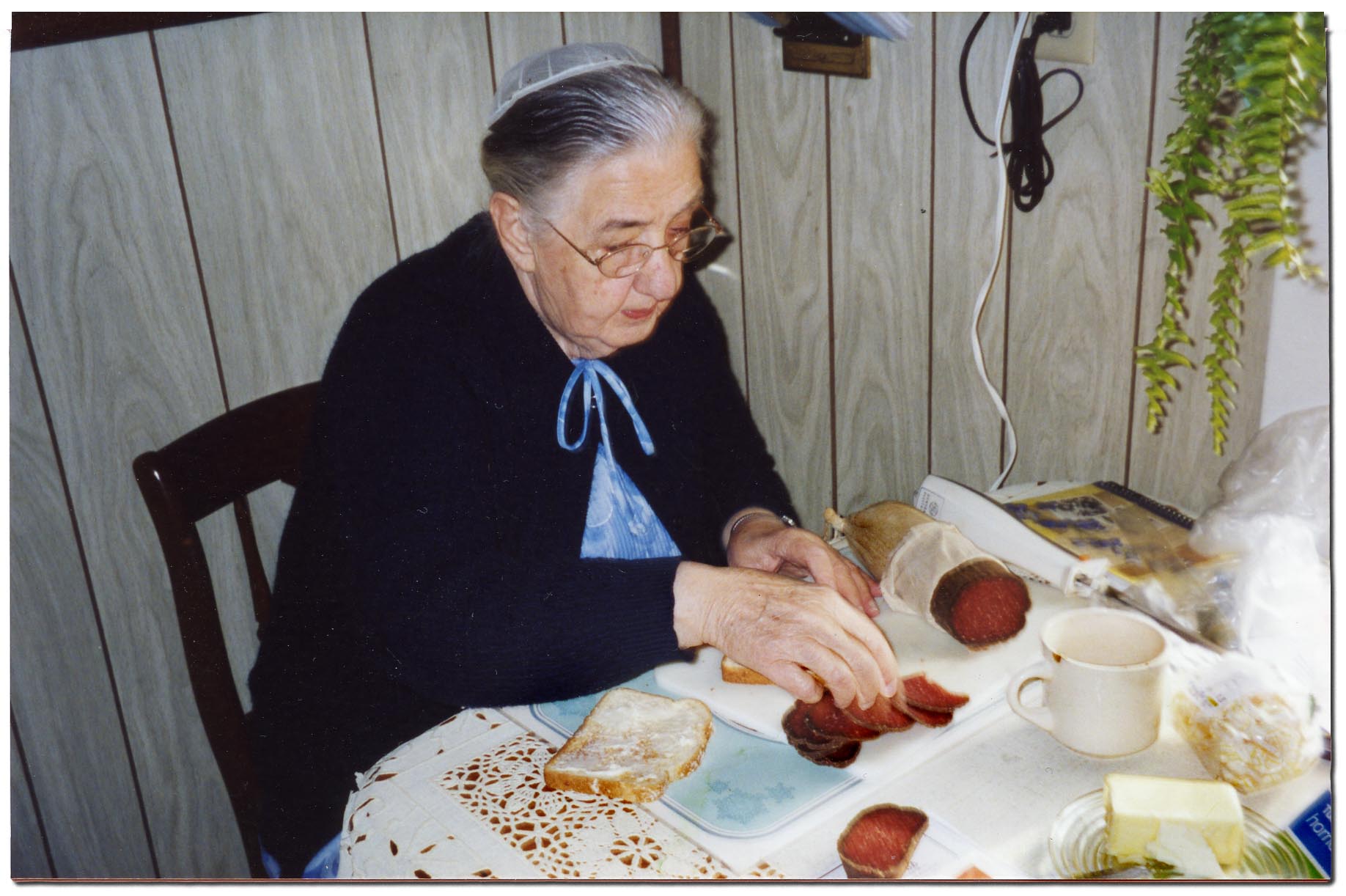
Our metal lunch pails carried many a bologna sandwich, usually Baum’s Bologna from their shop north of E-town. After Mother pulled back the burlap, she sliced thick rounds for sandwiches on buttered bread – always butter . . .

Mother L_balogna sandwiches

Read

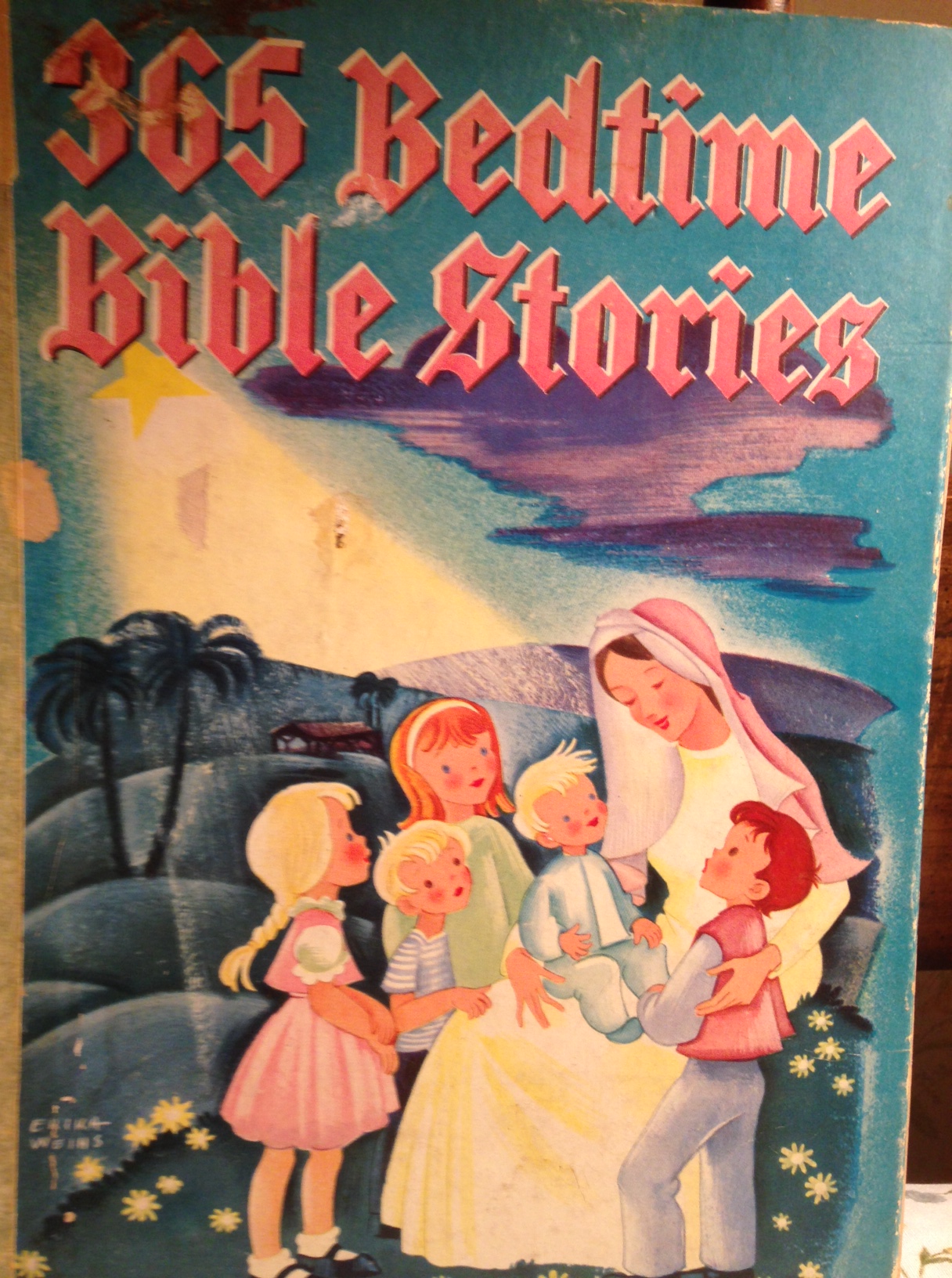
Every picture, every story seems familiar in this Bible Story Book with pages, crackly brown with age. Sniffing into the spine, I roll back in time to the little girl on her lap. I loved the art work then. Now I love its charm even more. Did Daddy read these stories to me too? Maybe so, but I can’t remember.

BedtimeCoverBedtime Preface

Remember

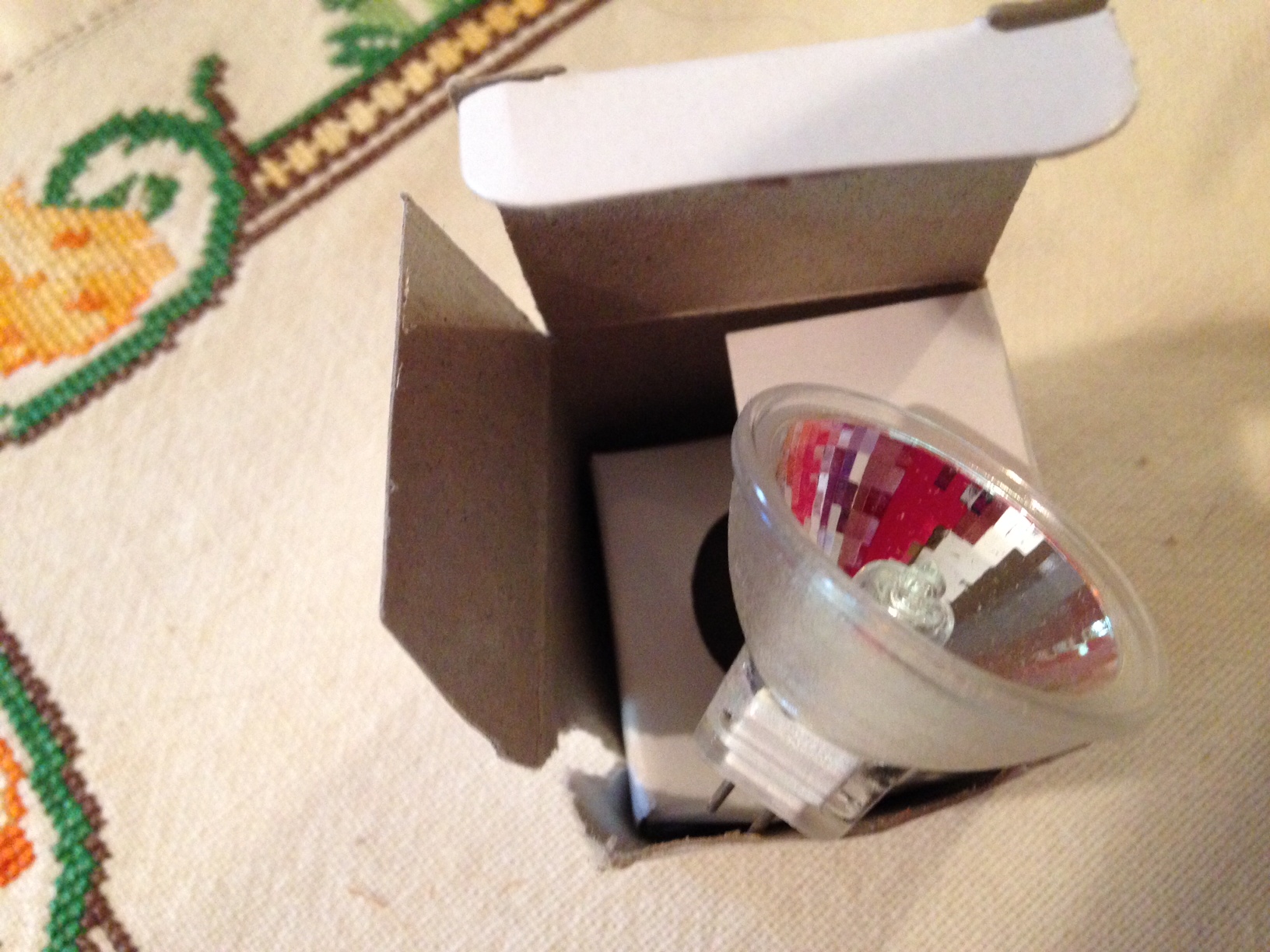
Cameras freeze time, preserving memories. Mother didn’t write in a journal, but she consistently recorded our family’s story over time. The old box camera is long gone, but here is a “flash” of memory possibly from her last camera . . .

FlashBulb

DADDY  Some of what I found representing my father was surprising:

Although I have several photos of Daddy holding me as a baby, my father was a man’s man: a tractor-driving, motor-fixing, field-plowing, deer-hunting guy. He even hammered on the piano keys. His work clothes were of black moleskin cloth, matching the grease he was in close contact with at the shop. I am certain he never wore pink. Yet here he is posed for the camera in a dress, flanked by his parents, Henry and Fannie Longenecker, my Victorian grandma not yet attired in Mennonite garb that would characterize the rest of her life. Daddy’s dress is not a christening outfit. There was no christening among Mennonites. I suspect that babies of both genders wore dresses to make diaper changing easier.

Henry and Fannie Longenecker with son Ray

Needlework

Our scavenging took us to the attic chest filled with treasured quilts. My sister Jean and Mother tagged each one a few years ago, so there would be no doubt as to their provenance. Apparently, Daddy drew his needle through a white quilt, stitching animals in red. I see a camel, sheep, chicken, pig, duck, an elephant. Even an ostrich.

Here is just a teaser. (Look for Daddy’s full quilt on a later post!)

Quilt with animal stitching by my father, Ray M. Longenecker

Nickname

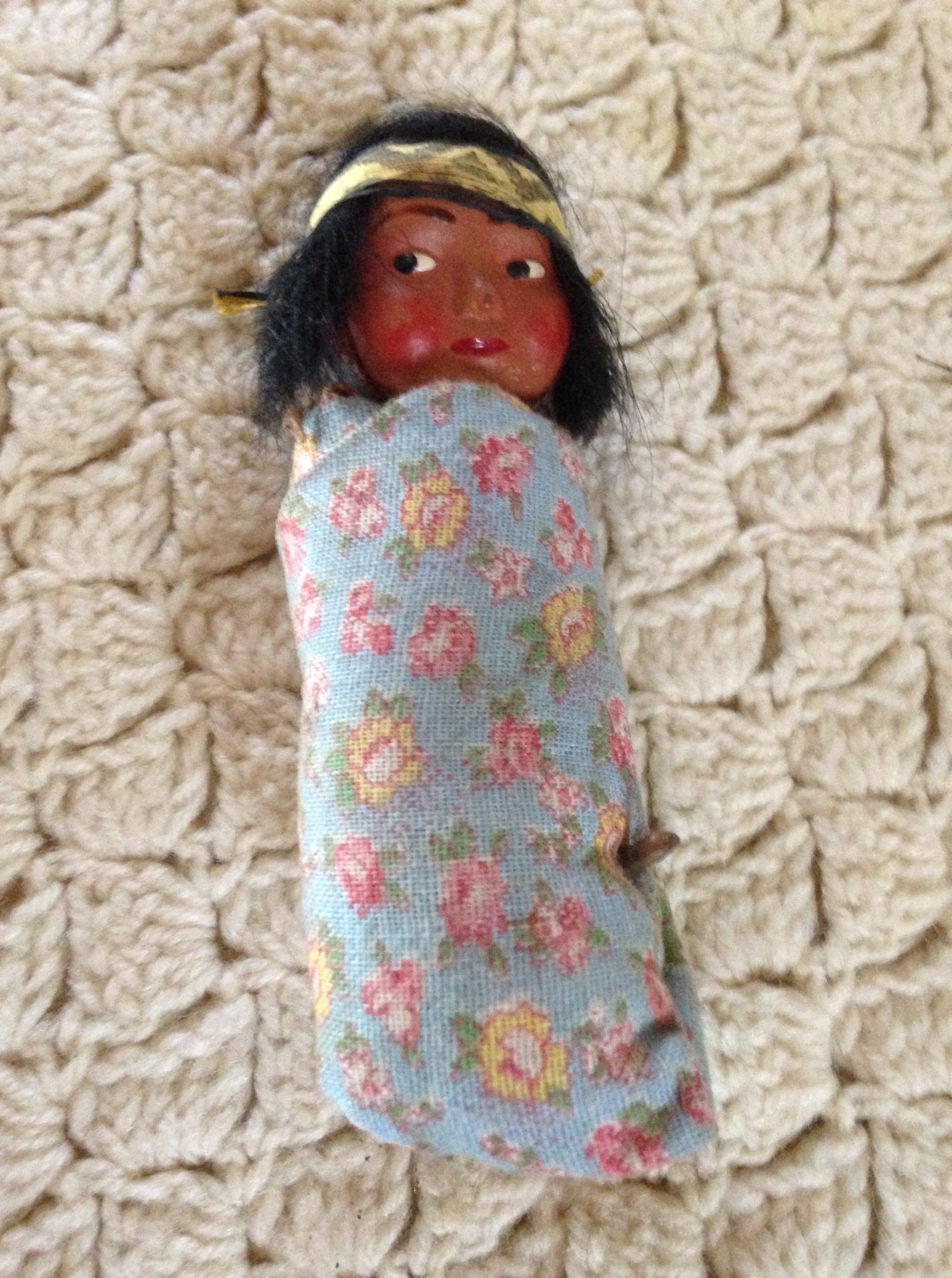
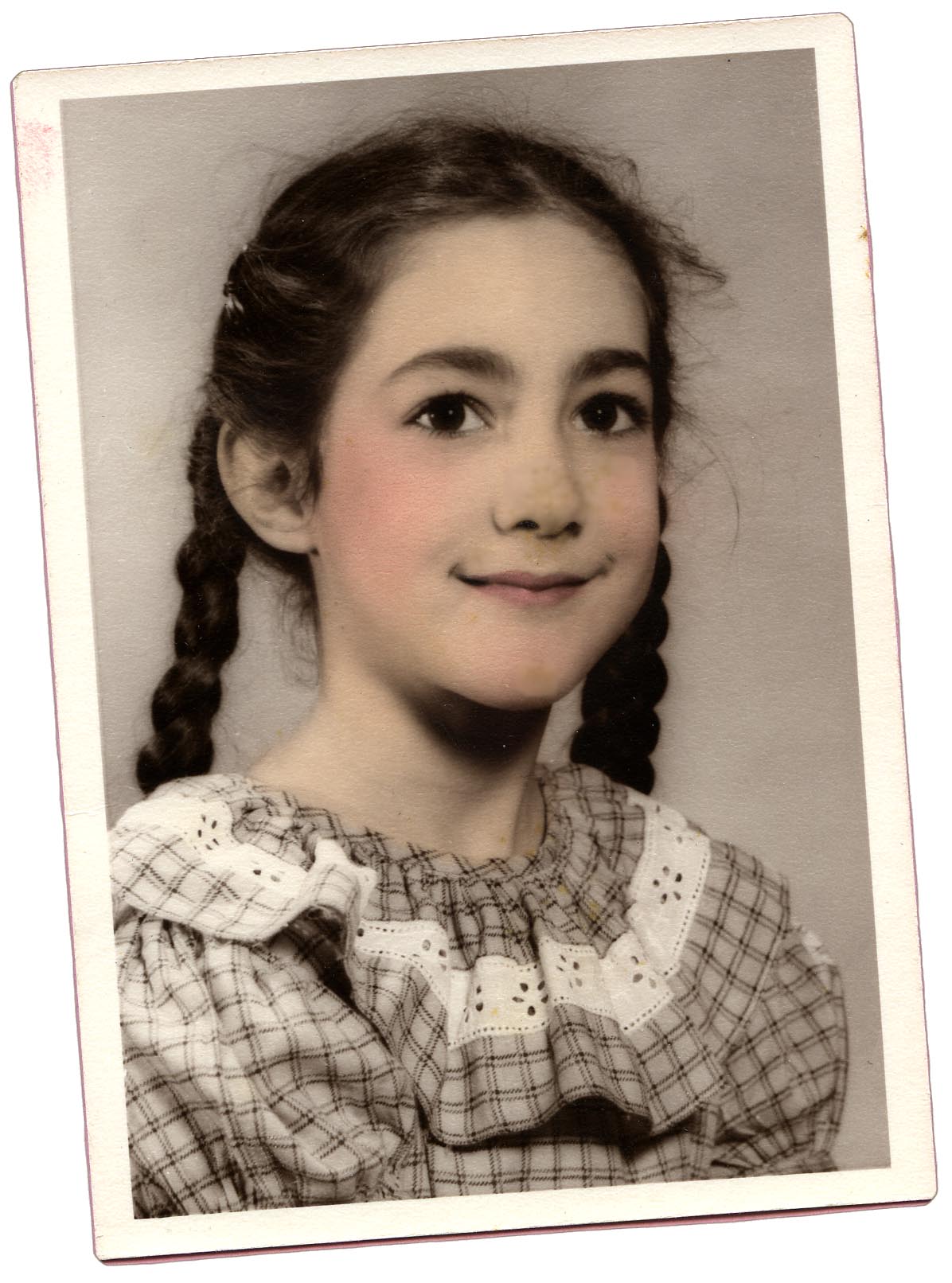
Daddy’s nickname for me was Pocahontas, not so much because I looked native American, but probably because of my thick, dark braids and big eyes. When I found this doll, I decided it shouldn’t be given away, sold, or recycled. It now sits on the dresser in our bedroom with “strubbly” hair, not braided!

Pocahontas

Marian w braids_K-

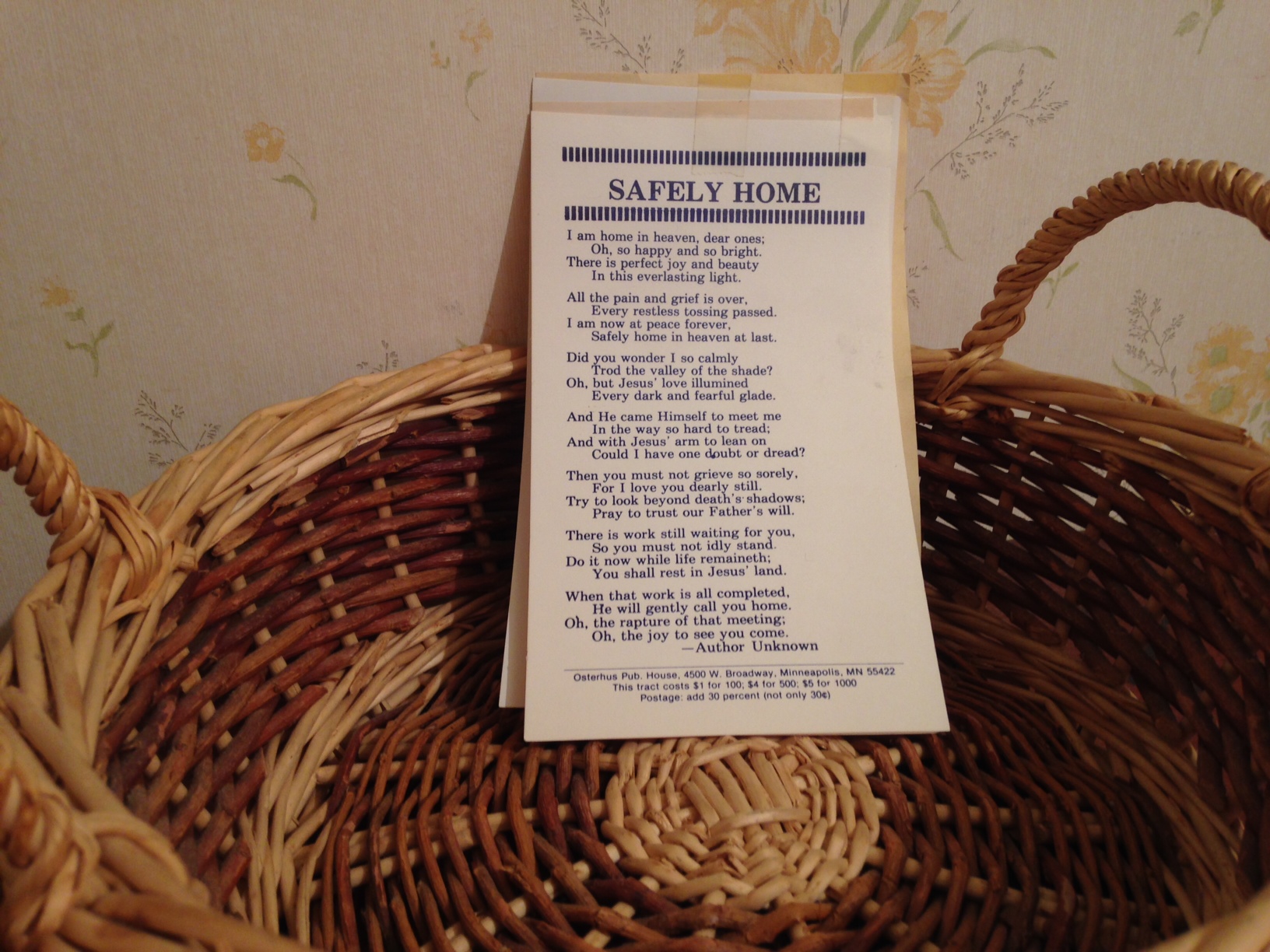
Final Note: A Curious Find   On our first visit to Mother’s house in October after the funeral, we saw a wicker basket on top of a hallway chest with a poem entitled “Safely Home,” something we had never noticed before. Were we blind to it earlier? Having a premonition of what was to come, did Mother put it there for us?
SafelyHomeBasket

I am home in heaven, dear ones; / Oh, so happy and so bright. / There is perfect joy and beauty / In this everlasting light . . . .

 (Anonymous, Osterhus Publishing House)  . . . a mute but eloquent affirmation


Your turn: Are you holding on to something you treasure from a loved one? A photograph? A small gift? 

Snow Falling on Anchor Road

Every single memory of snow in my childhood is pleasant. Sparkling flakes in luminous free-fall as I look out the kitchen window. Snow festooning evergreen boughs. Then bundling up in snowsuits, knitted caps, mittens. Getting out the sleds.

After more than one snowstorm, Aunt Ruthie grabbed her movie camera and trained her sharp eye on some big, tall sledders who went coasting down the hill from our house to Grandma Longenecker’s.

Then she captured our anticipation of trumping through nearly hip-high snow and finally (my favorite) Mother pulling my sister Janice and I on the Flexible Flyer sled along Anchor Road.


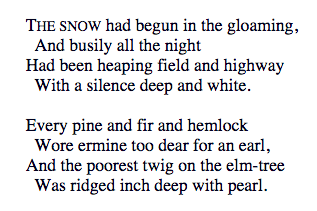
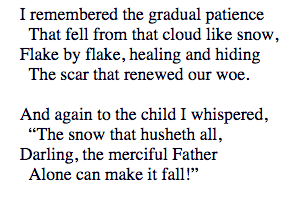
Another parent and daughter are observing the snow in The First Snowfall by American poet James Russell Lowell, a poem I remember Mother reciting.

FirstSnowfall1

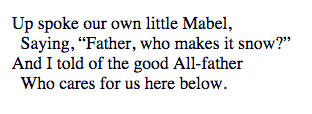
Mabel marvels at the beauty of the snow and inquires of its origin . . .

First Snowfall2

. . . but as the father’s replies to Mabel, he remembers the snow which hides the scar of another child’s burial plot.

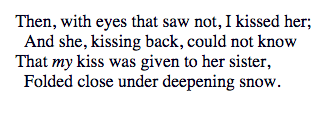
FirstSnowfall3

Then Mabel feels her father’s gentle kiss, a kiss she will never know was intended for the daughter beyond his touch. The last stanza leaves Mabel in child-like wonder, her father in pensive grief.

Screen Shot 2014-12-29 at 12.03.34 PM


This post began with snapshots of fun in the snow and ended with a reflection on loss. But snow can be the setting for other memorable events: a frolic with friends, a car accident, a marriage proposal (I’ll save that for another post!)

You probably have memories of snow, recent or long ago. Here’s your chance to share them.

Happy New Year: a card and some flowers

Happy New Year!


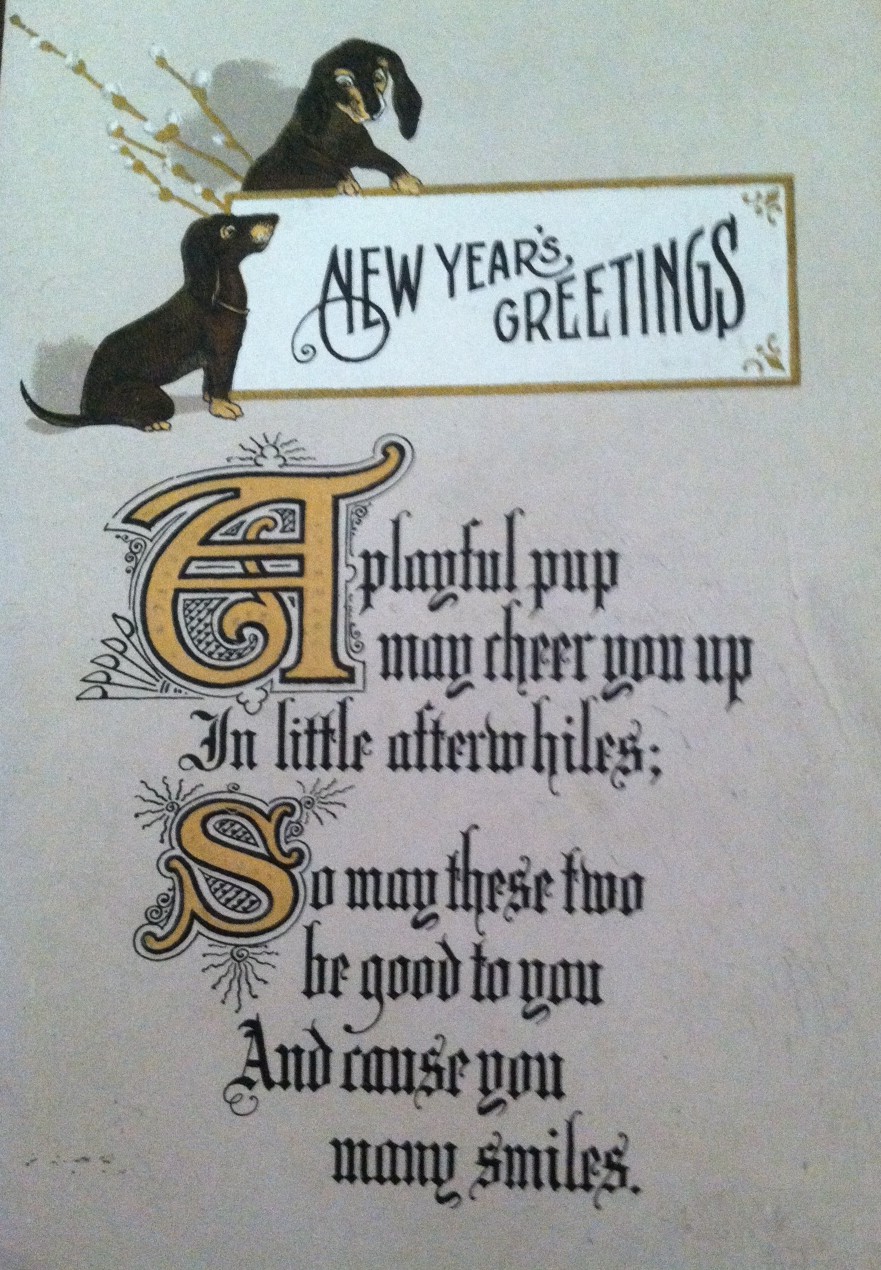
My wish for you in 2015 is expressed in a card sent to Grandma Fannie Longenecker in 1913.


NewYearPostcard


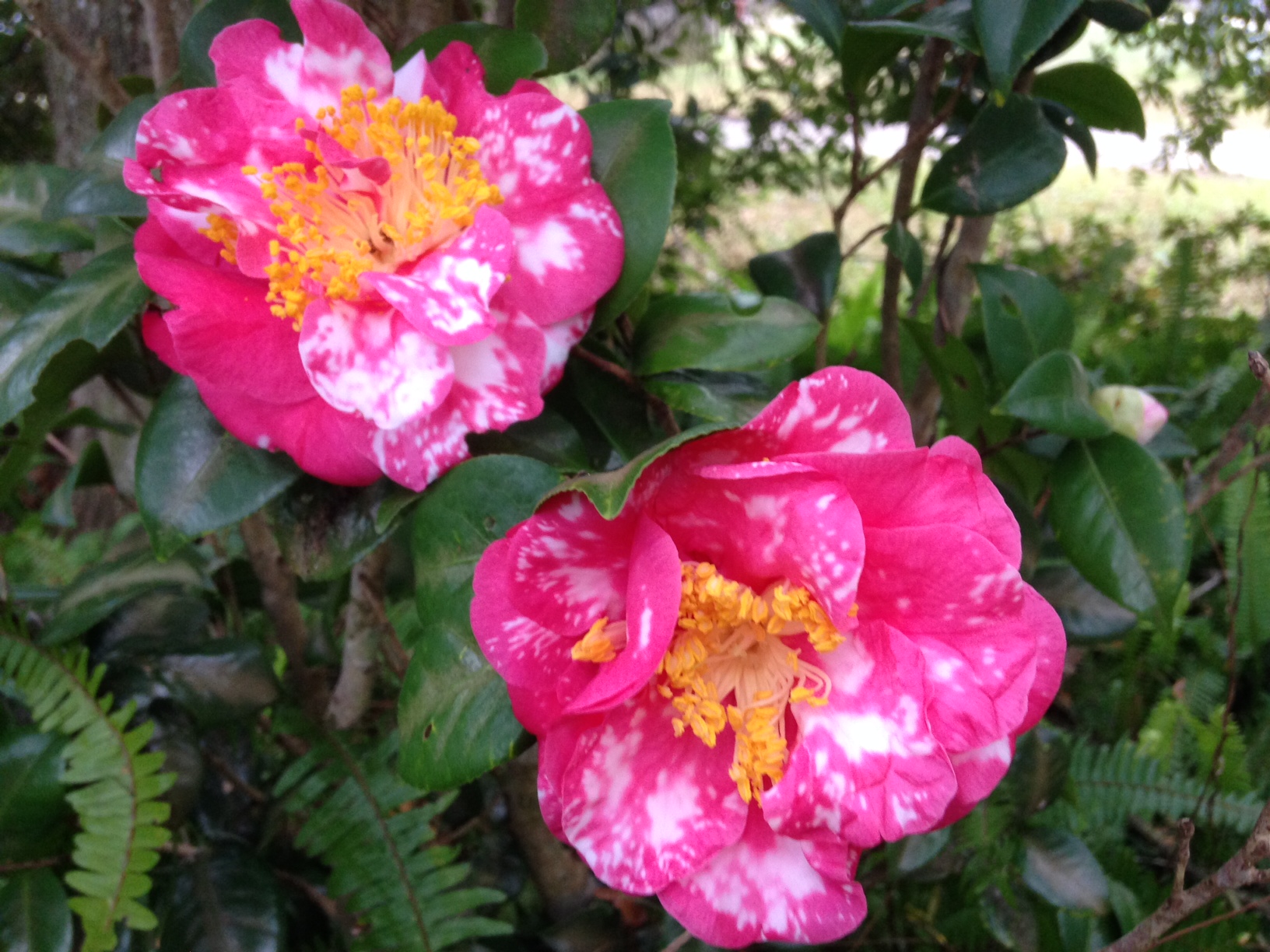
And some fresh camellias too!

camelliasSpeckled

Happy New Year ~~ Happy New Year ~~ Happy New Year

Next post in January 2015: Who’s Coming for Dinner? Food with Art

What’s Red at Christmastime?
Color psychologists say red represents energy, passion, and motivation to act. Red is everywhere this season: Santa’s costume, cranberry dishes, poinsettias.

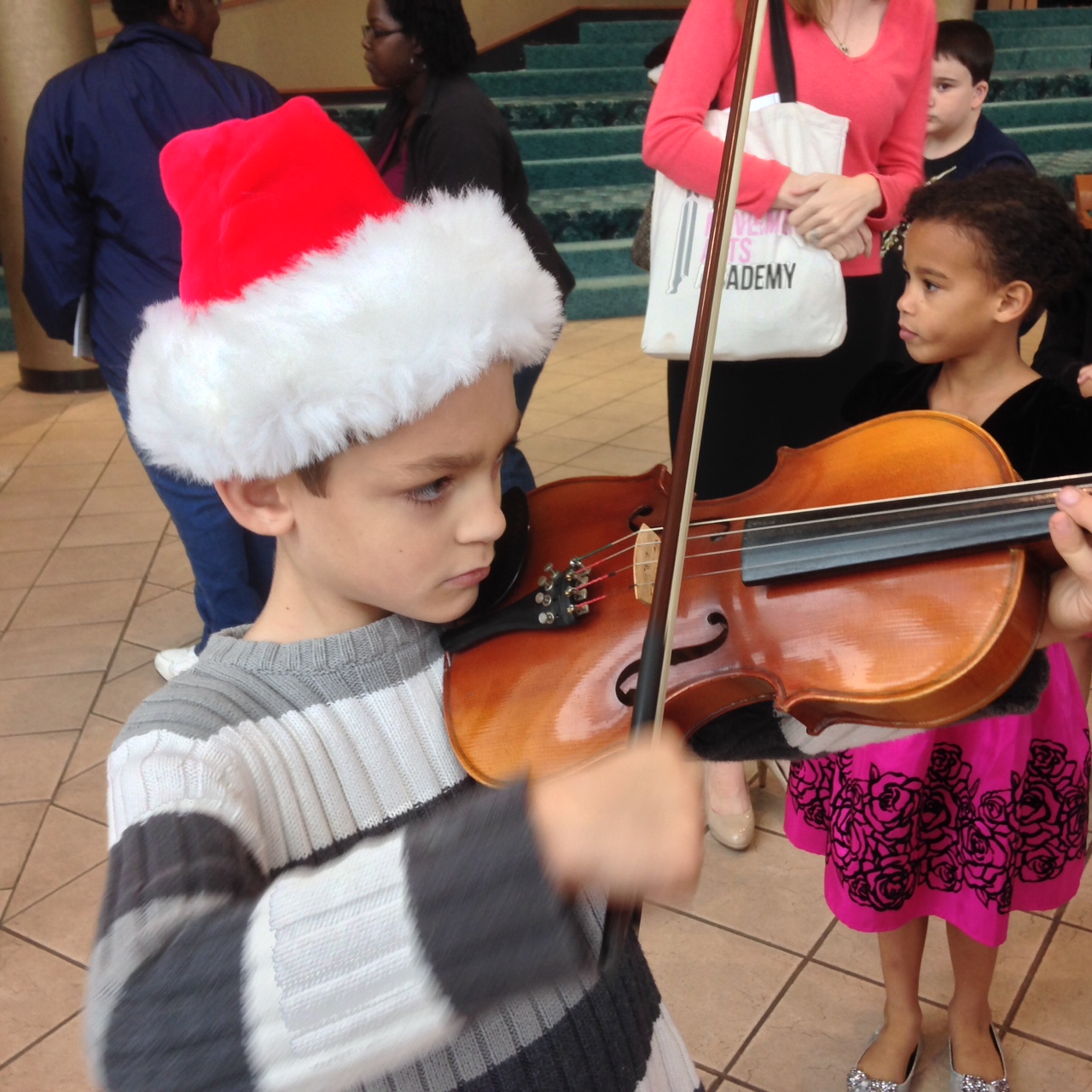
I’m seeing red too. In Ian’s Santa cap at the Orchestra Zoo . . .

IanViolinSanta

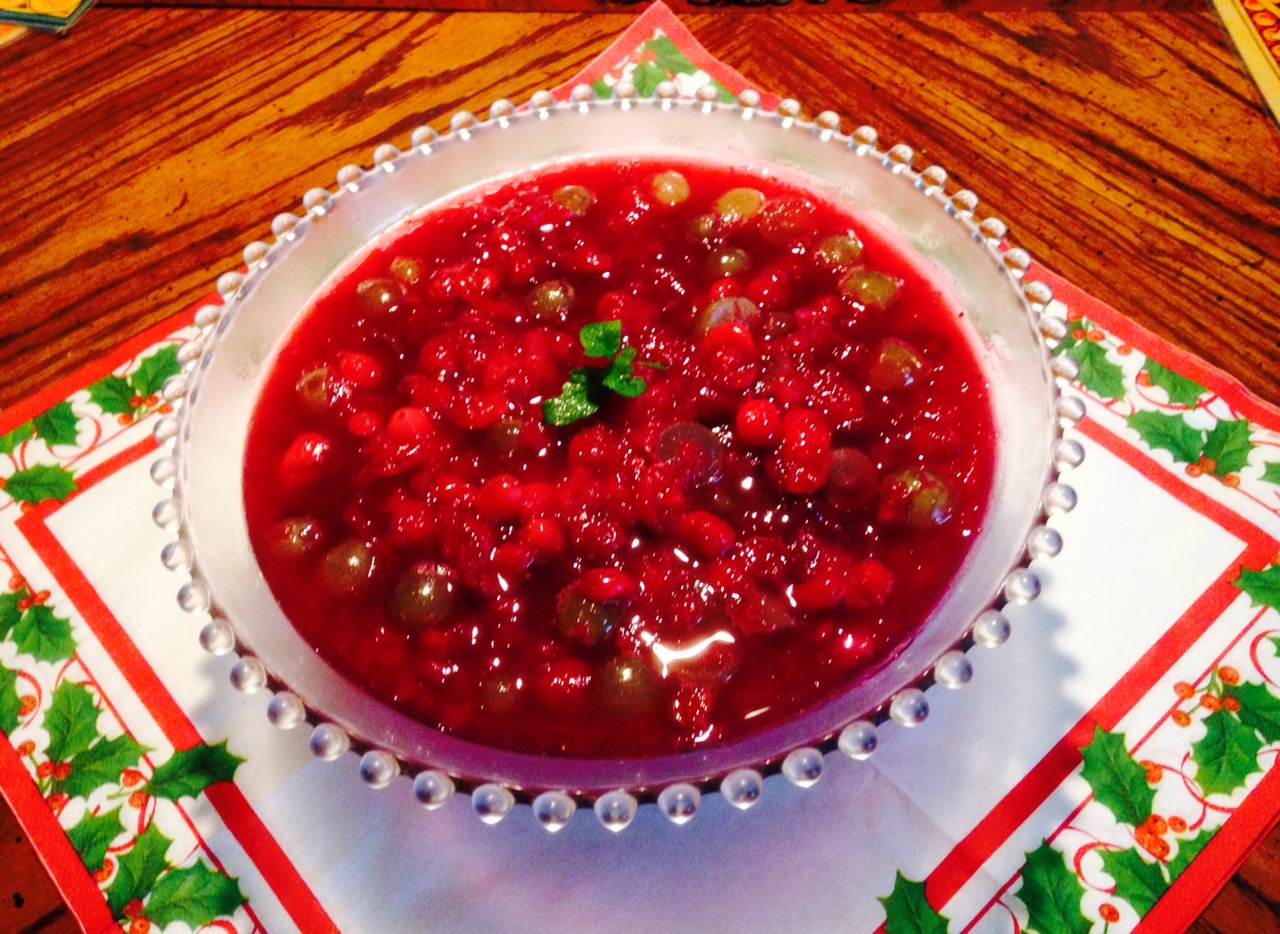
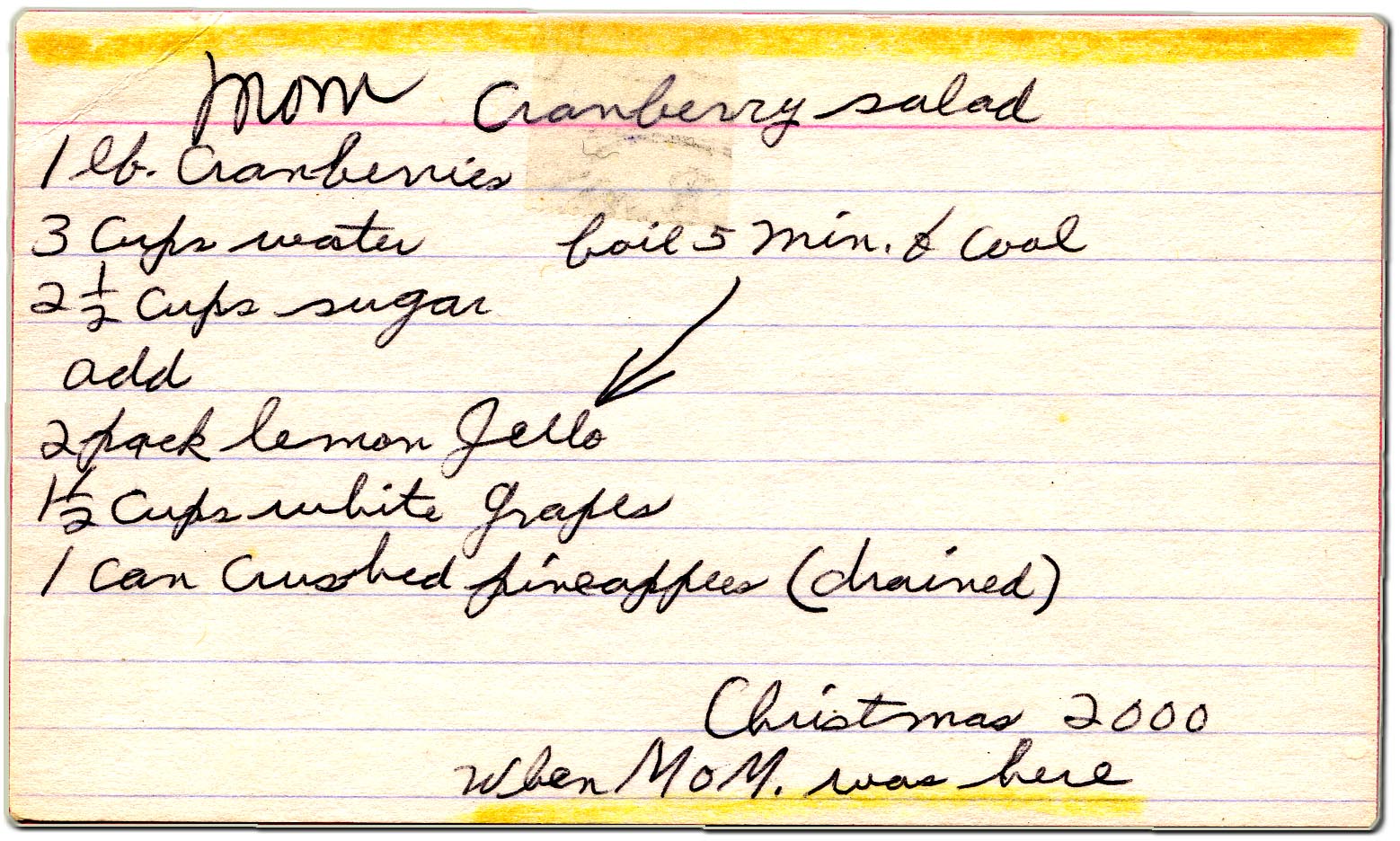
In Mother’s cranberry fruit salad recipe which I took to a Christmas party at a friend’s house last week . . .

CranberryDish

Ruth L_Moms Cranberry reci copy

(Everything with the word Mom in it is my scribbling. The rest is in her own handwriting, a keepsake in my recipe box.)

Beautiful pots of poinsettias!

poinsettias

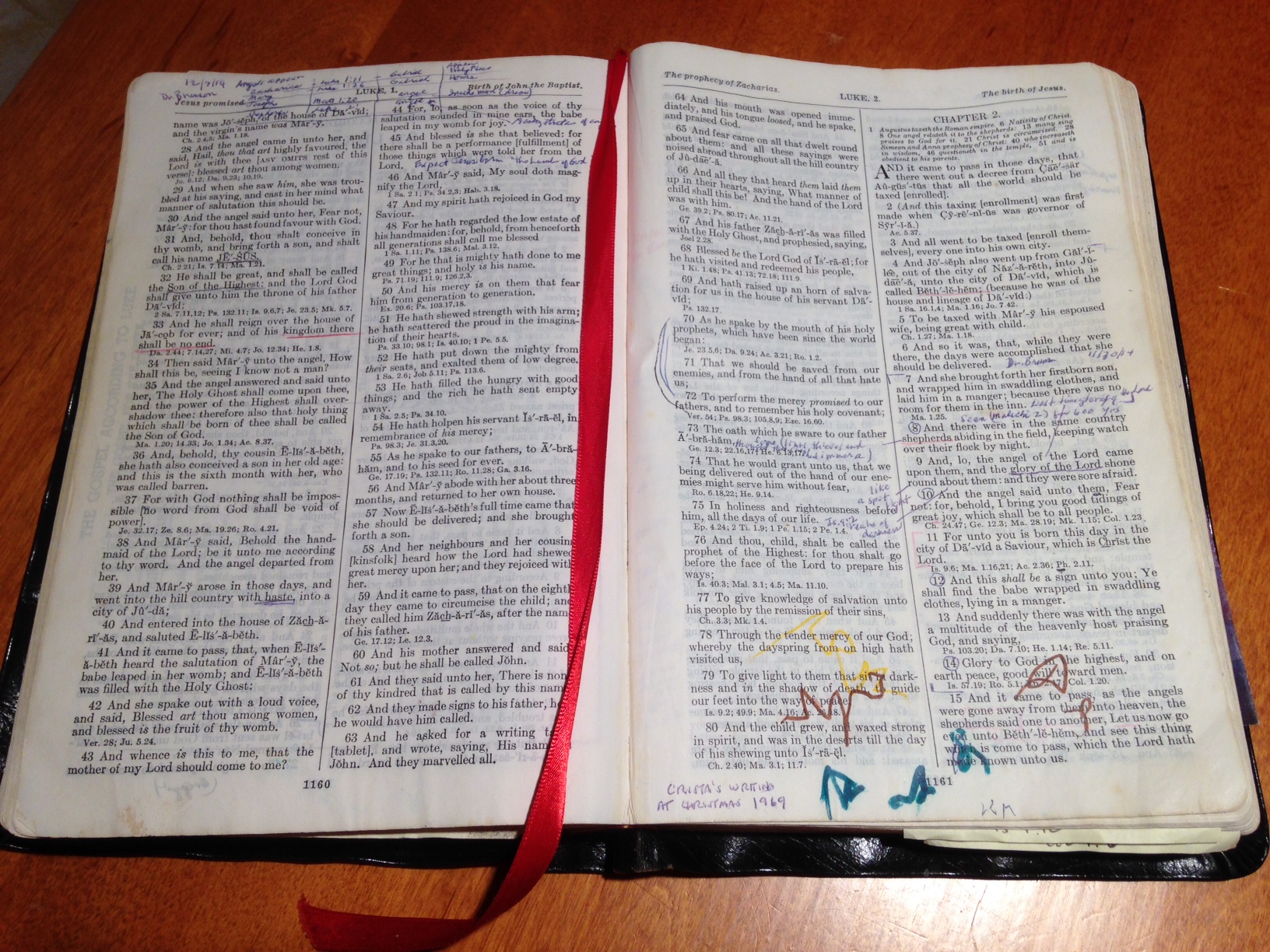
One more thing read at Christmas, the beautiful Christmas story from Luke 2:1-20Luke2

What can you add to the red – or to the read in your tradition? The conversation starts here. 

Coming next: Short and Sweet: A Belgian Christmas Card

Signs and Wonders: Manheim and Elizabethtown, PA Style

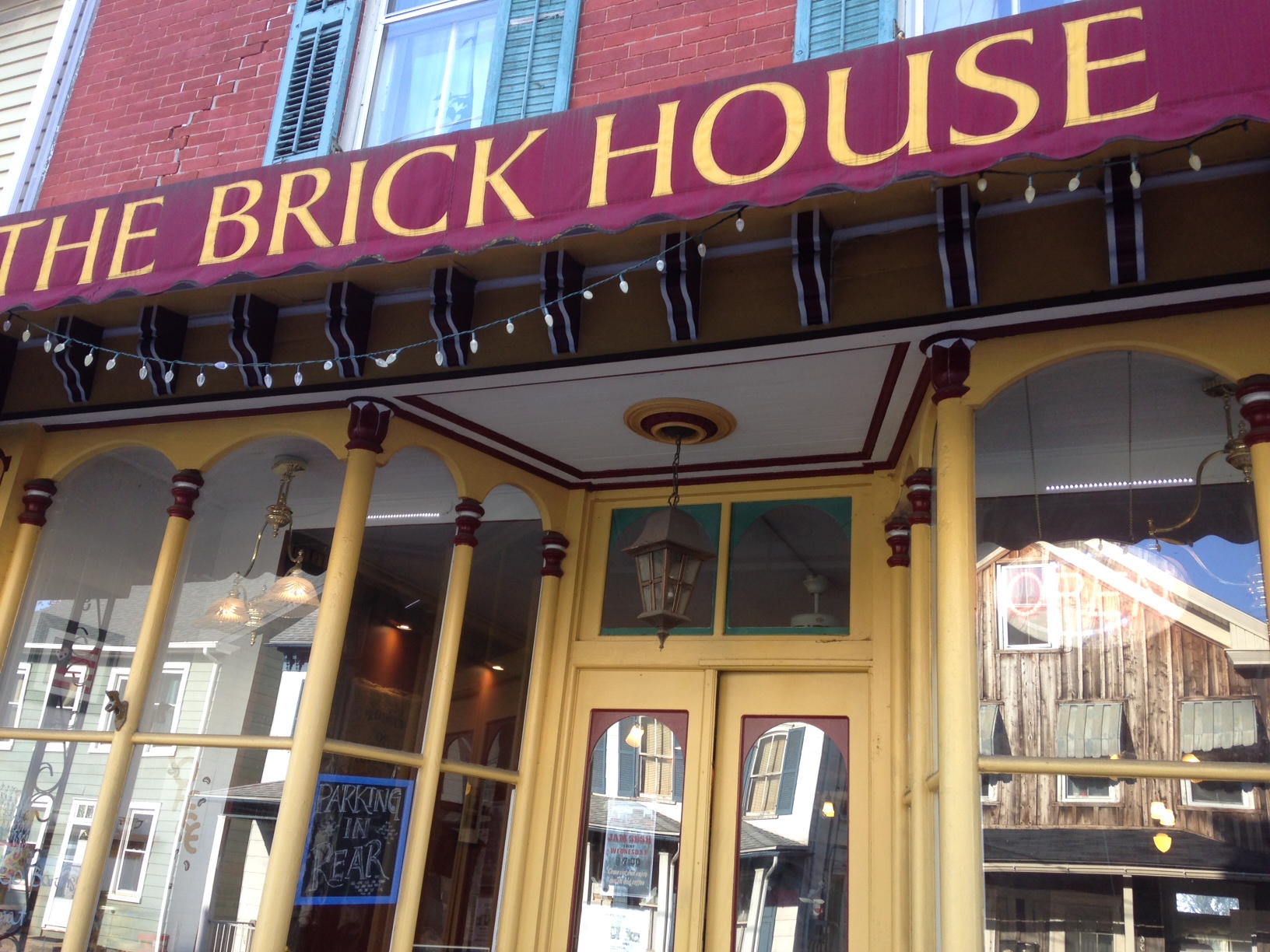
The Brick House Cafe along Main Street in Manheim, Pennsylvania, is getting free advertising from me today.

BrickHouse1

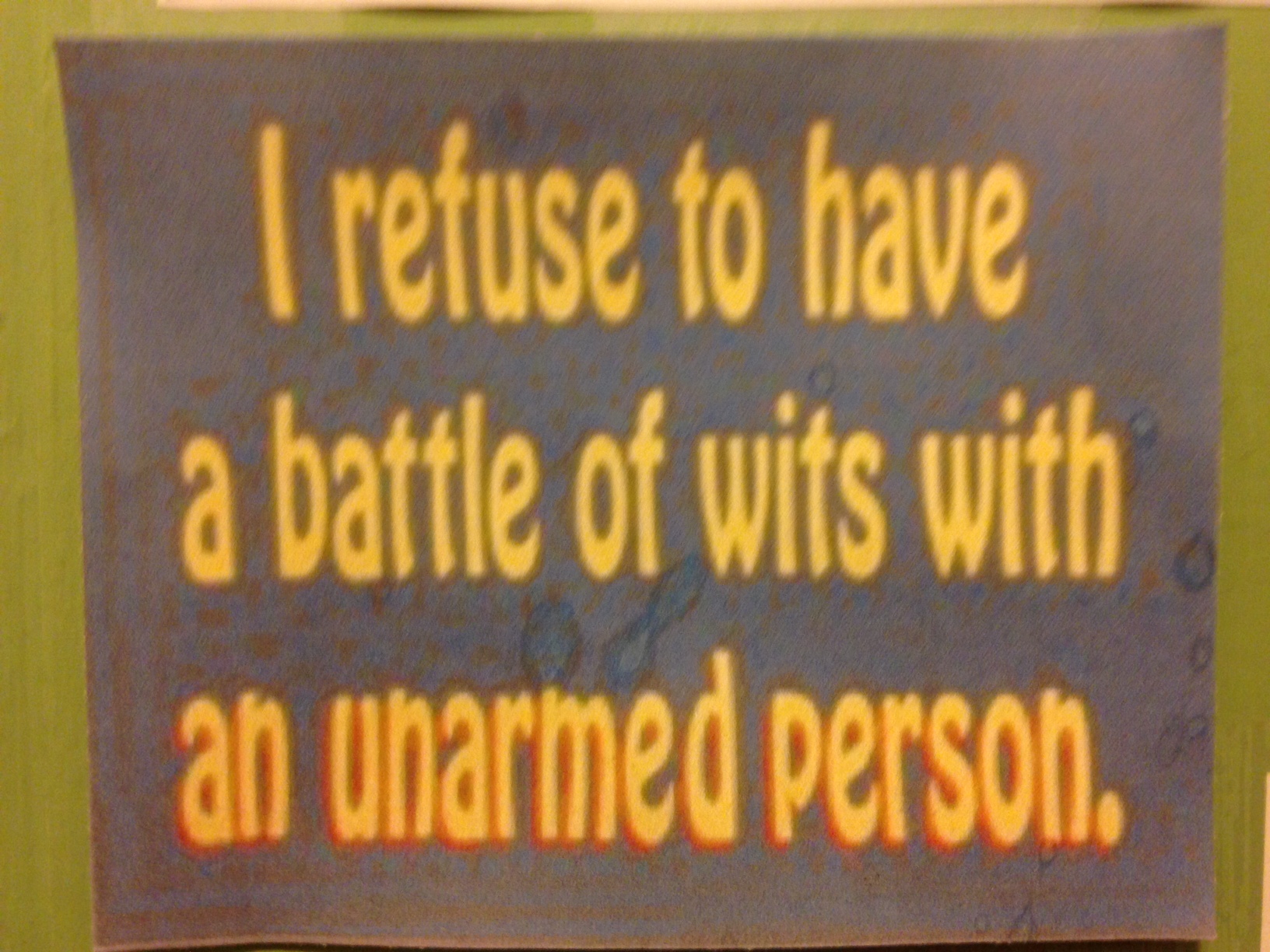
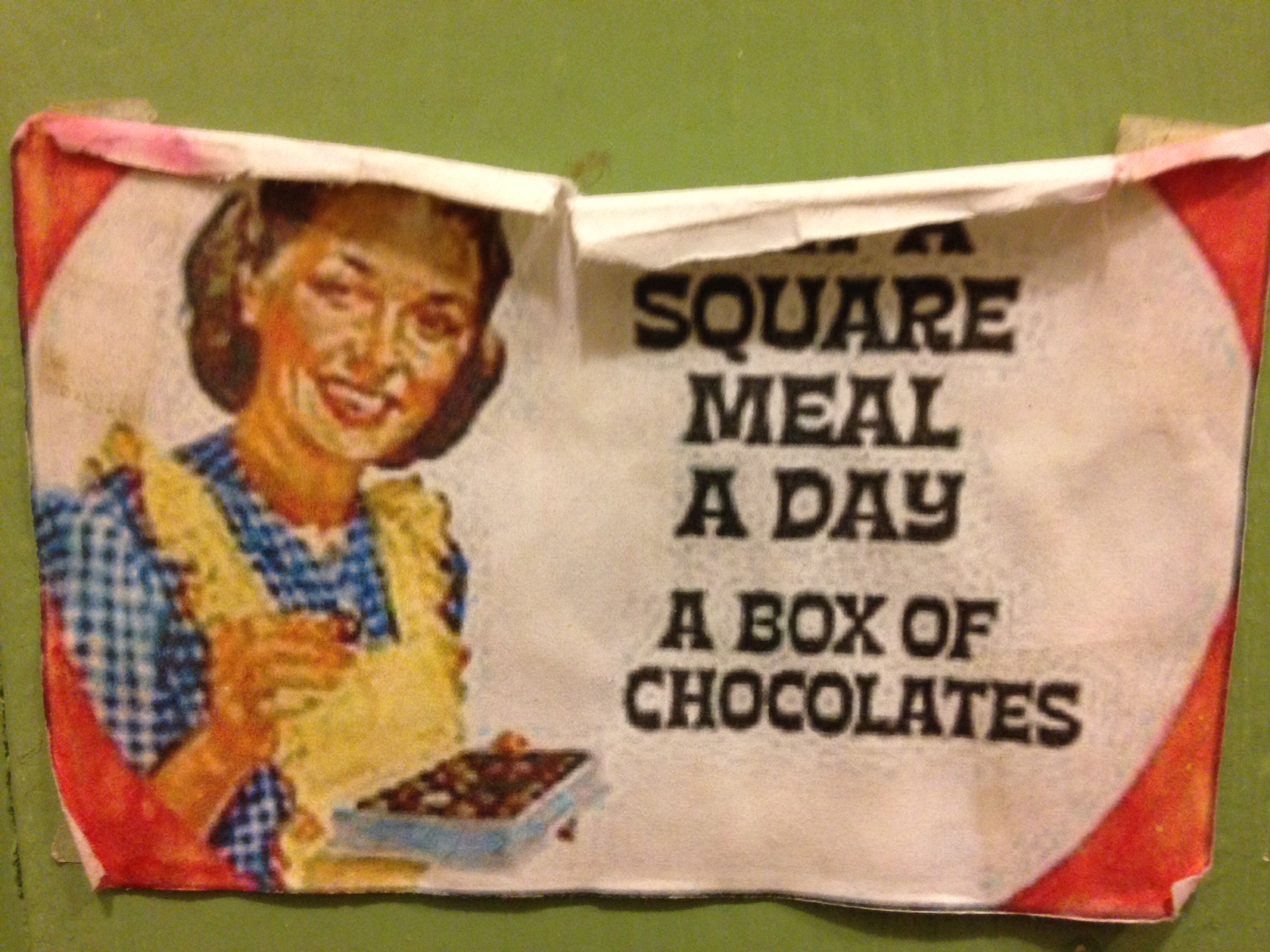
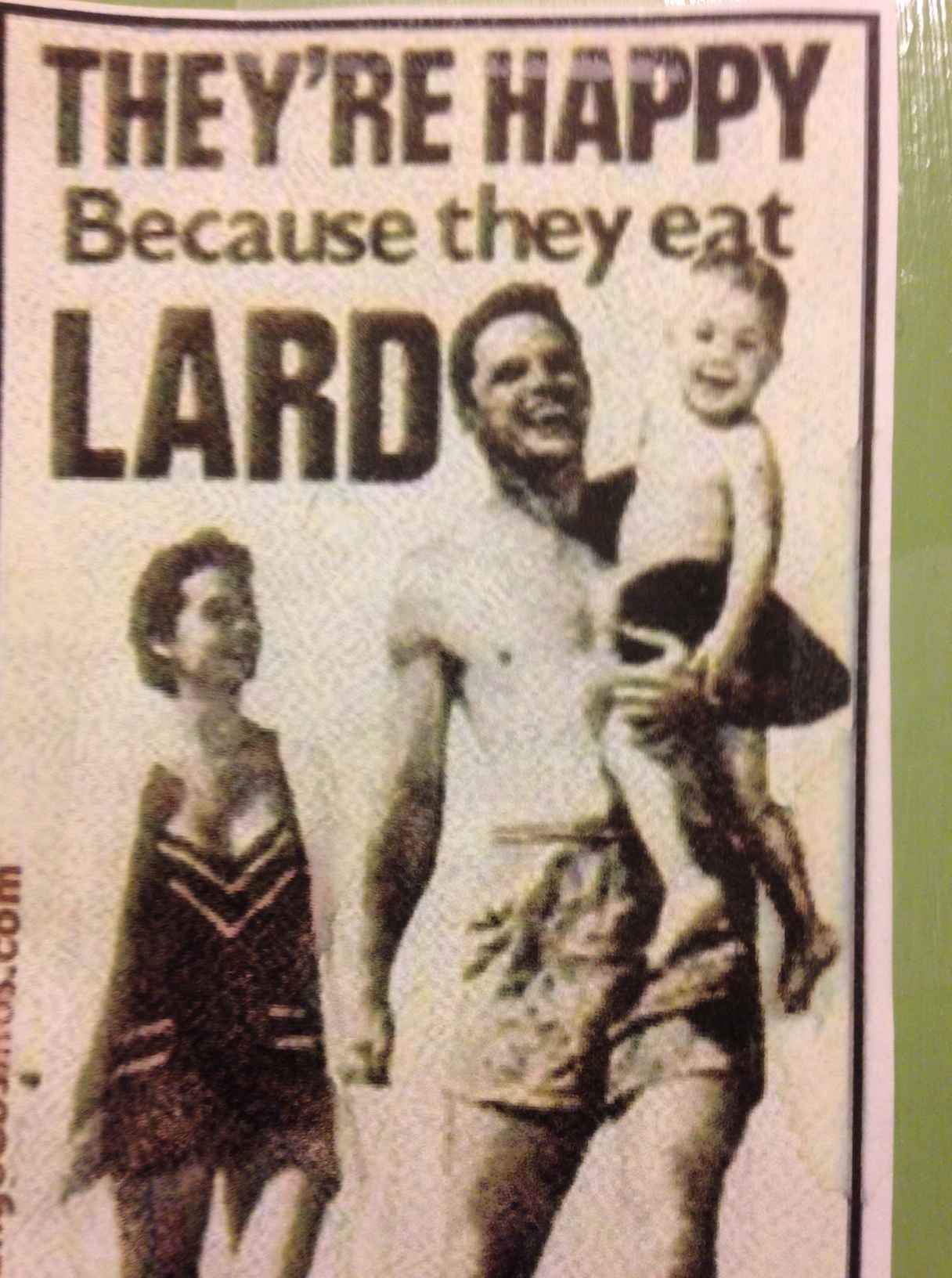
In a sister city named for its counterpart in Mannheim, Germany, The Brick House serves freshly prepared soups, salads, and sandwiches. It also serves up another “S” – Signs from the 1950s. Take a look!

BoxChocolatesHarassingCookSignLardFamilyBattleOfWitsSign

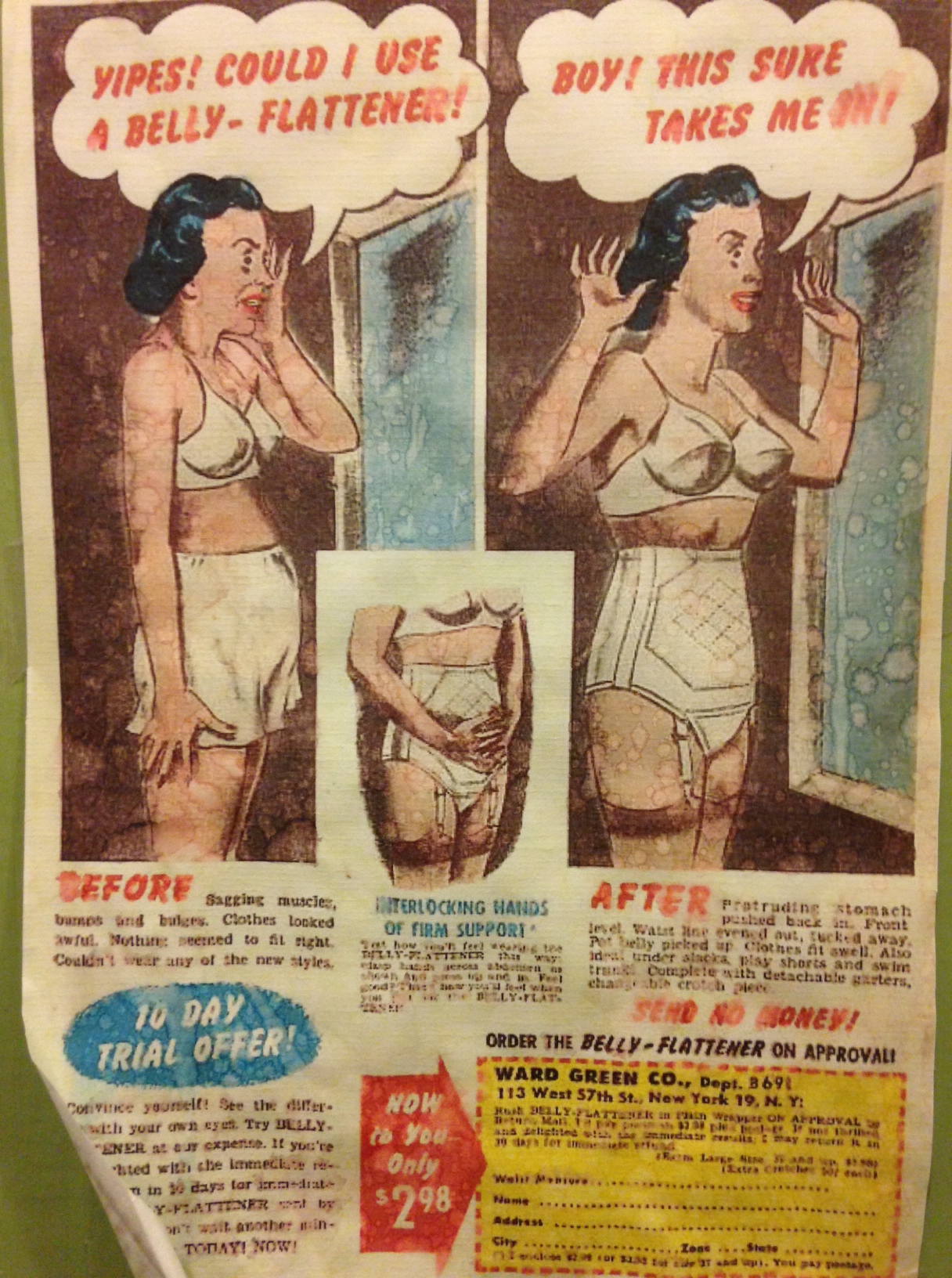
And finally, this:

CorsetWoman

All posted on the back of the Ladies’ Restroom door! Now I have to wonder what was posted in the Men’s Restroom. . . .


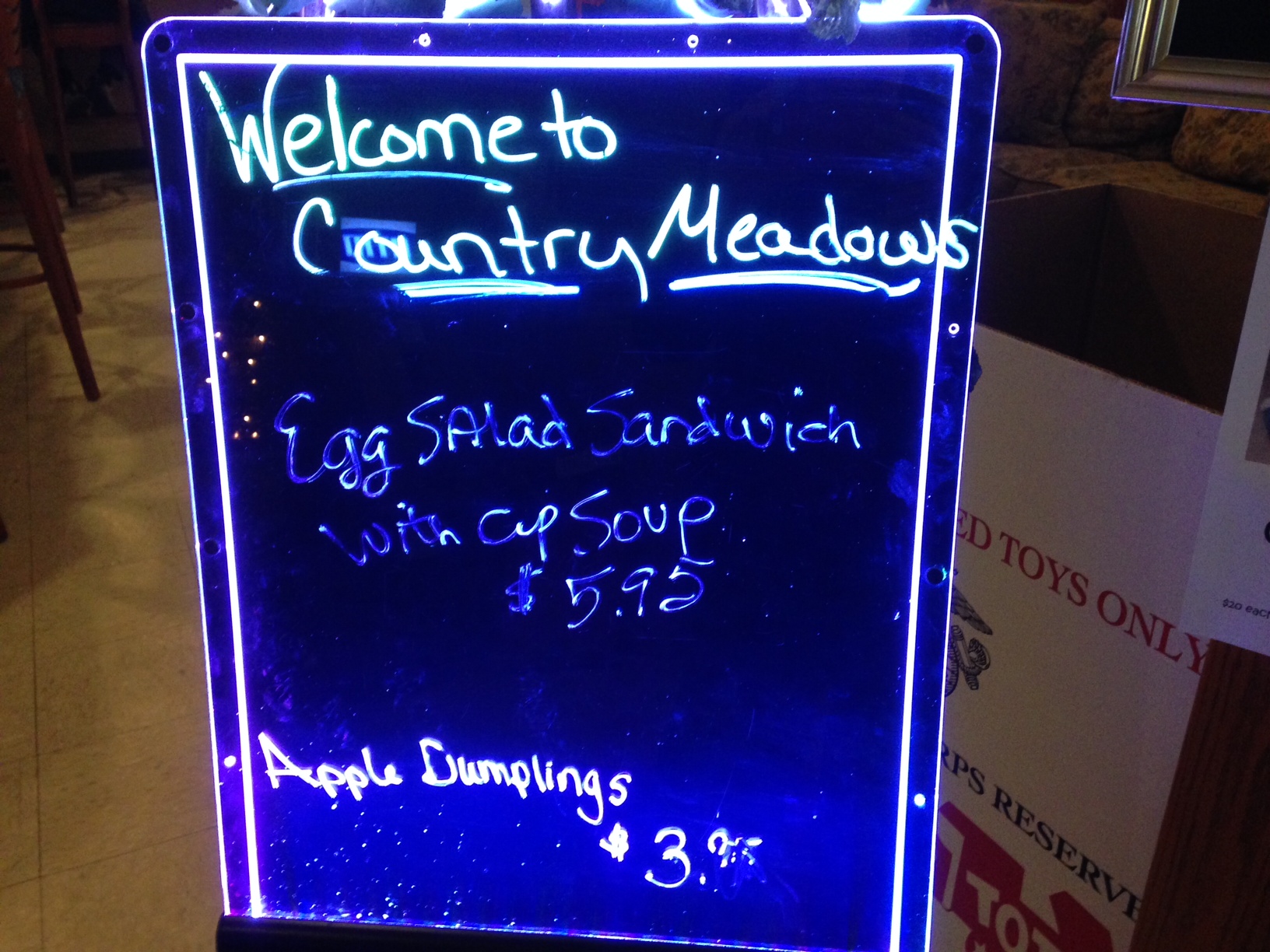
Country Meadows restaurant, nestled in a grassy knoll northwest of Elizabethtown, boasts a menu of stick-to-your-ribs PA Dutch food along with some high-calorie choices.

Screen Shot 2014-11-24 at 1.02.51 PM

Signs are few here, but there is lots of neon in the decor . . .

CountryMeadowsGold

. . . and advertising their specials:

CountryMeadowsBlue

CountryMeadowsPurpleCountryMeadowsGreen

If you are waiting for a table, you can see all the specials in every rainbow hue.


John Lanchester, a confessed foodie, talks about our eating habits in the November 3, 2014 issue of The New Yorker. In an essay entitled “Shut Up and Eat” Lanchester explains that

Once upon a time, food was about where you came from. Now, for many of us, it is about where we want to go–about who we want to be, how we choose to live. Food has always been expressive of identity, but today those identities are more flexible and fluid: they change over time, and respond to different pressures.

Then he elaborates on the craze of pickles, kale, and his mother’s favorite dish, spag- bol, a British recipe “that blends a meat ragù of a northern-Italian type with the dry pasta beloved in the south. . . .”

*  *  *

Signs and Wonders has been a theme in several previous blog posts: once in Monterey, CA, Jacksonville, FL and earlier in Elizabethtown, PA. Check them out if you missed them.

Today’s post is a hodge-podge: Restaurants in Lancaster County and their menus, goofy signs in restrooms, and a New Yorker article on how we identify with food.

Care to comment? Any or all of the above topics are fair game. You may even add a strange sign you’ve seen!

7 Things I’m Thankful For

My secret joys (and struggles) show up in my gratitude books. You can see some of them here. But my list this week has sprung from my 9-day trip to Pennsylvania to visit family and take care of Mother’s house in mid-November 2014.

In her devotional book One Thousand Gifts, Ann Voskamp begins with a chapter entitled Surprising Grace in which she discusses how she and her Farmer Husband “give thanks even when things look like a failure.” Or when one experiences loss.

This year Mother died, we’ve had to sell her beloved house and its contents, I’ve struggled with a motley crew of personal challenges, and still I give thanks:

  • Health – I have an odd muscular neck pain (yes, pain in my neck!) yet I went up and down 3 flights of stairs from attic to cellar dozens of times, no problem.
  • My sisters and brother – We sorted, boxed, laughed, cried, disagreed, but ultimately met the challenge on time.   MarianJeanMark
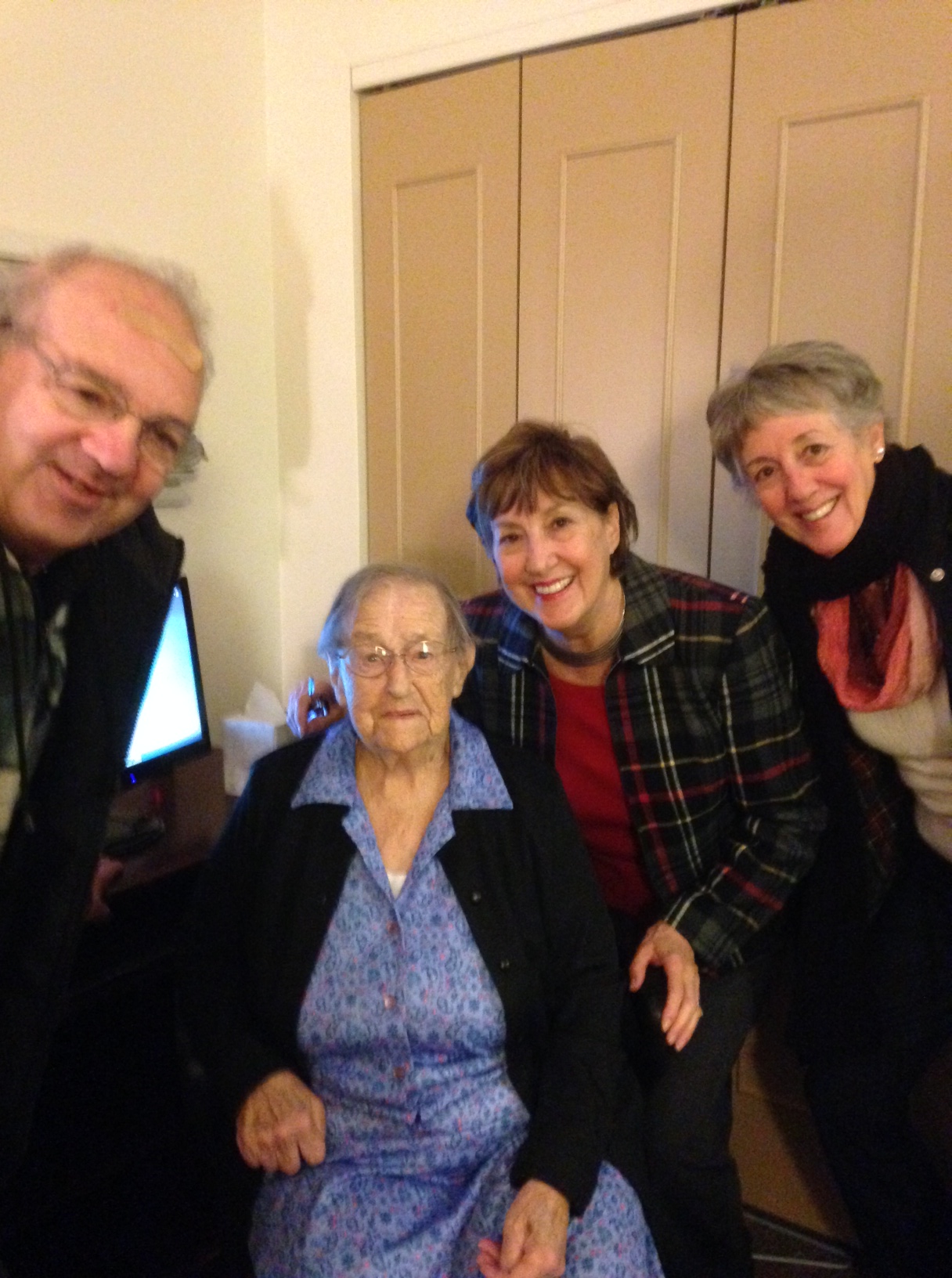
  • My Aunt Cecilia – She’ll be 100 years old in March, still going strong. We found Aunt Ceci cheerfully playing the Tumbling Blocks game on the computer beside her. “It keeps my mind sharp!” she laughs. A Mennonite preacher’s wife, Aunt Cecilia Metzler raised a family of five children on a Lancaster County farm.AuntCecilia
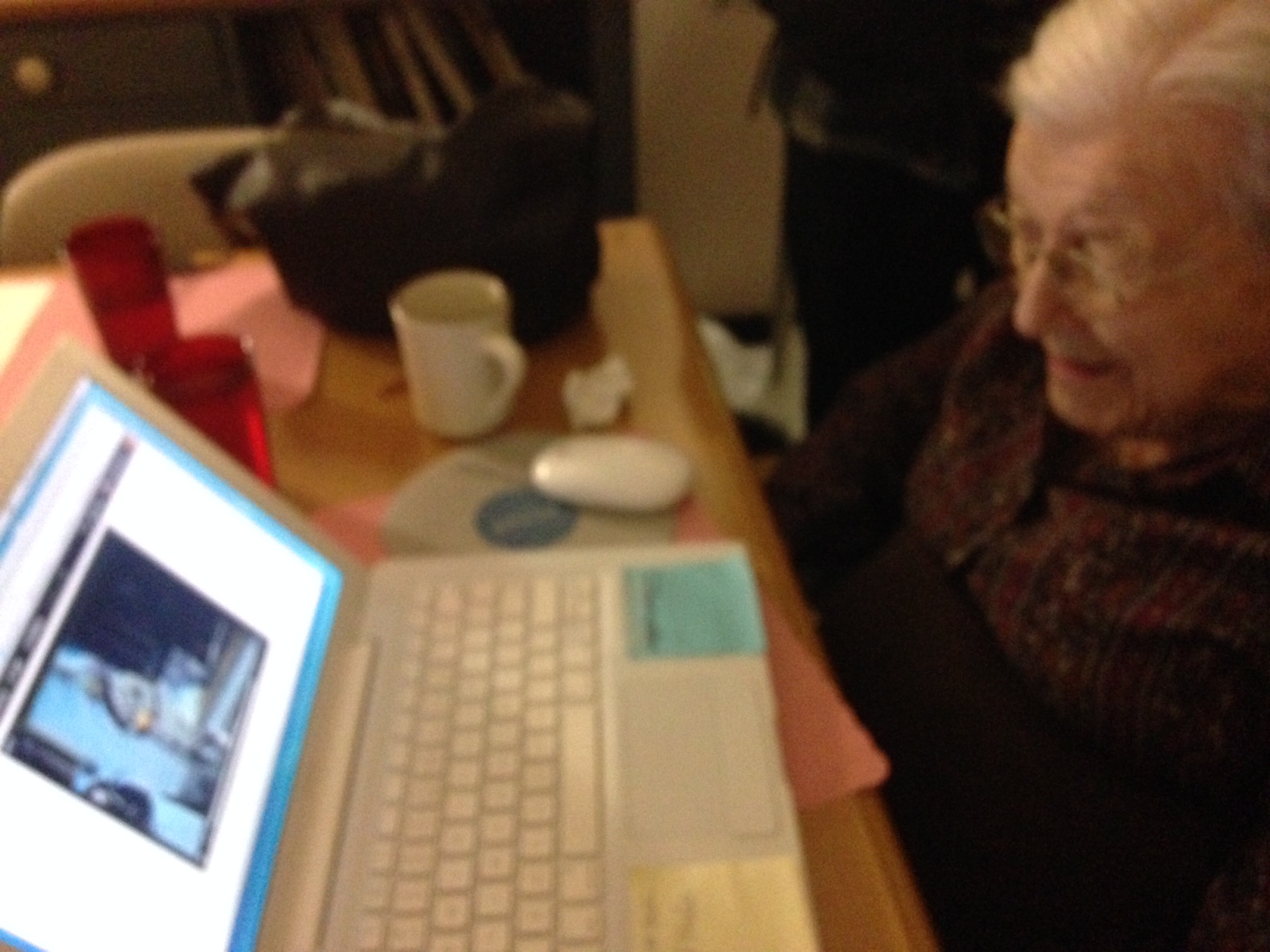
  • My Aunt Ruthie – The photo is fuzzy here, just like her memory. But after she viewed some of the movies she filmed in her 20s and 30s that appear on other blog posts (here and here) she smiles, “ These pictures really make my mind come alive.” RuthieLookingVideo
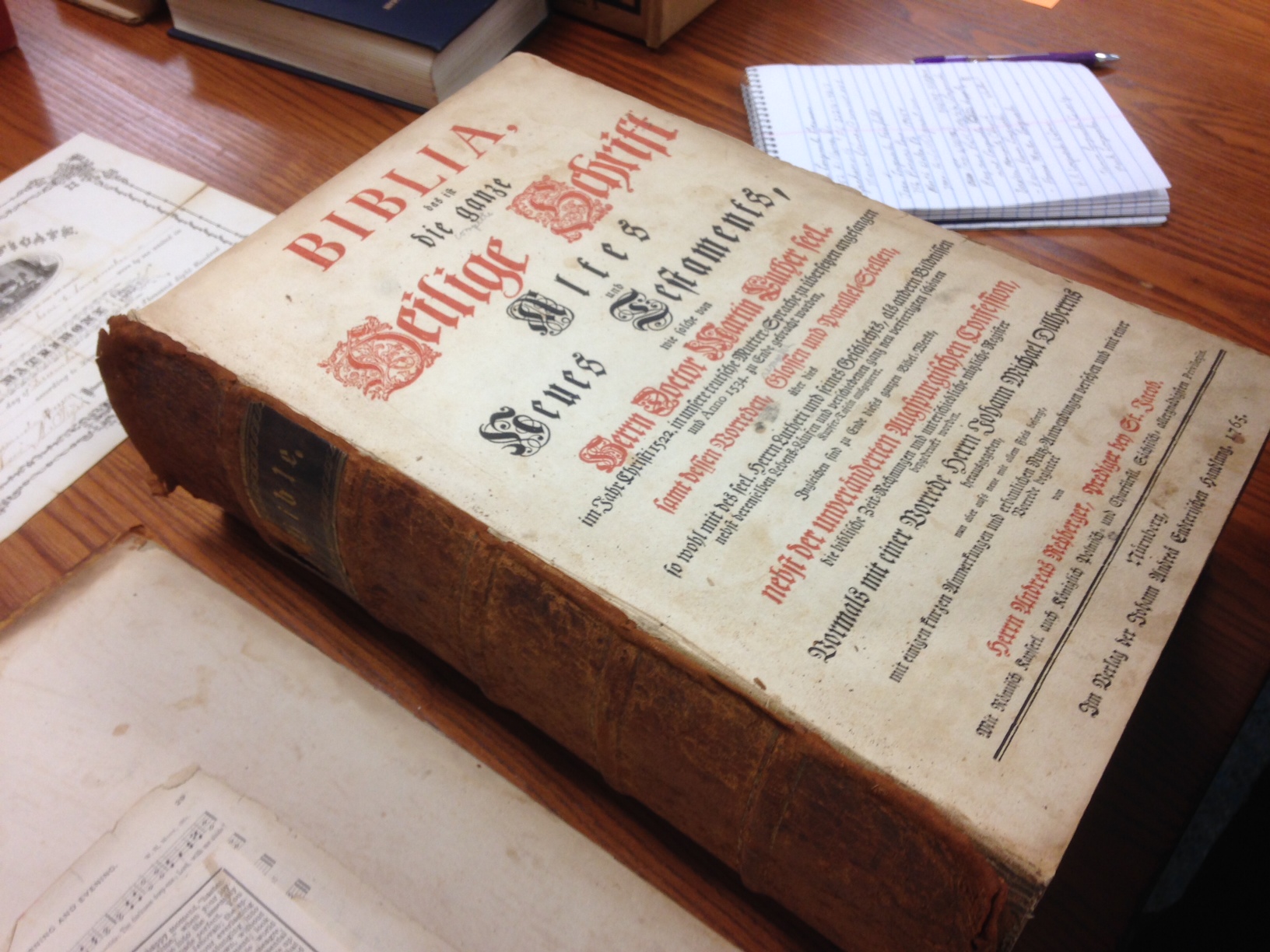
  • An heritage with spiritual depth – When my ancestors arrived in The New World, they brought with them the Holy Scriptures. This one, the Nuremberg Bible, is dated 1765.

BibleNuremberg

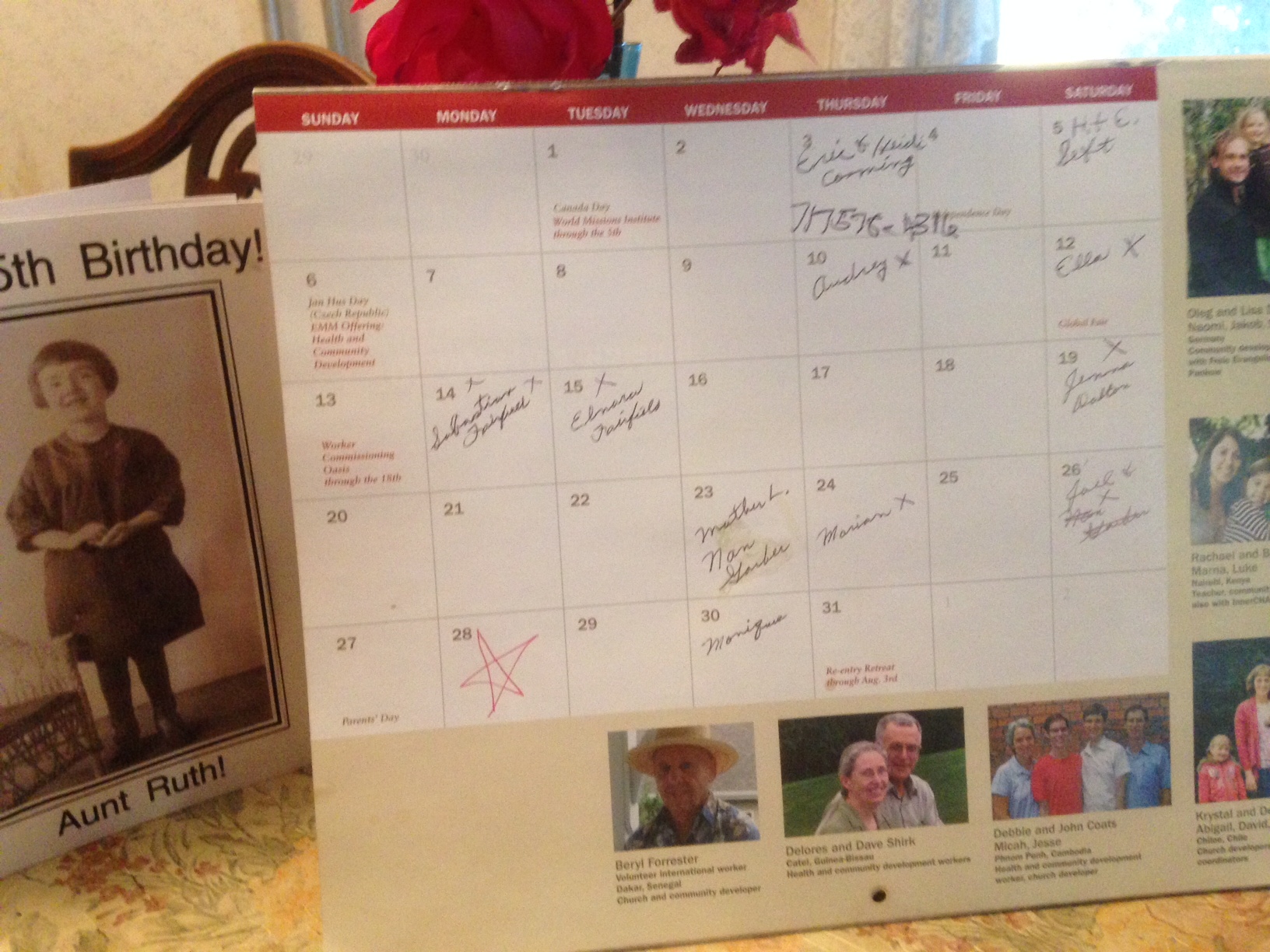
  • The memory of my Mother – When Mother died, she still had a current driver’s license, paid all of her bills by check, and kept appointments on her calendar. She sent birthday cards to all her children, grand-children, and great grand-children, represented by names penned into the blocks. She died on the 28th of July, a date we marked with a red asterisk.

MomCalendar

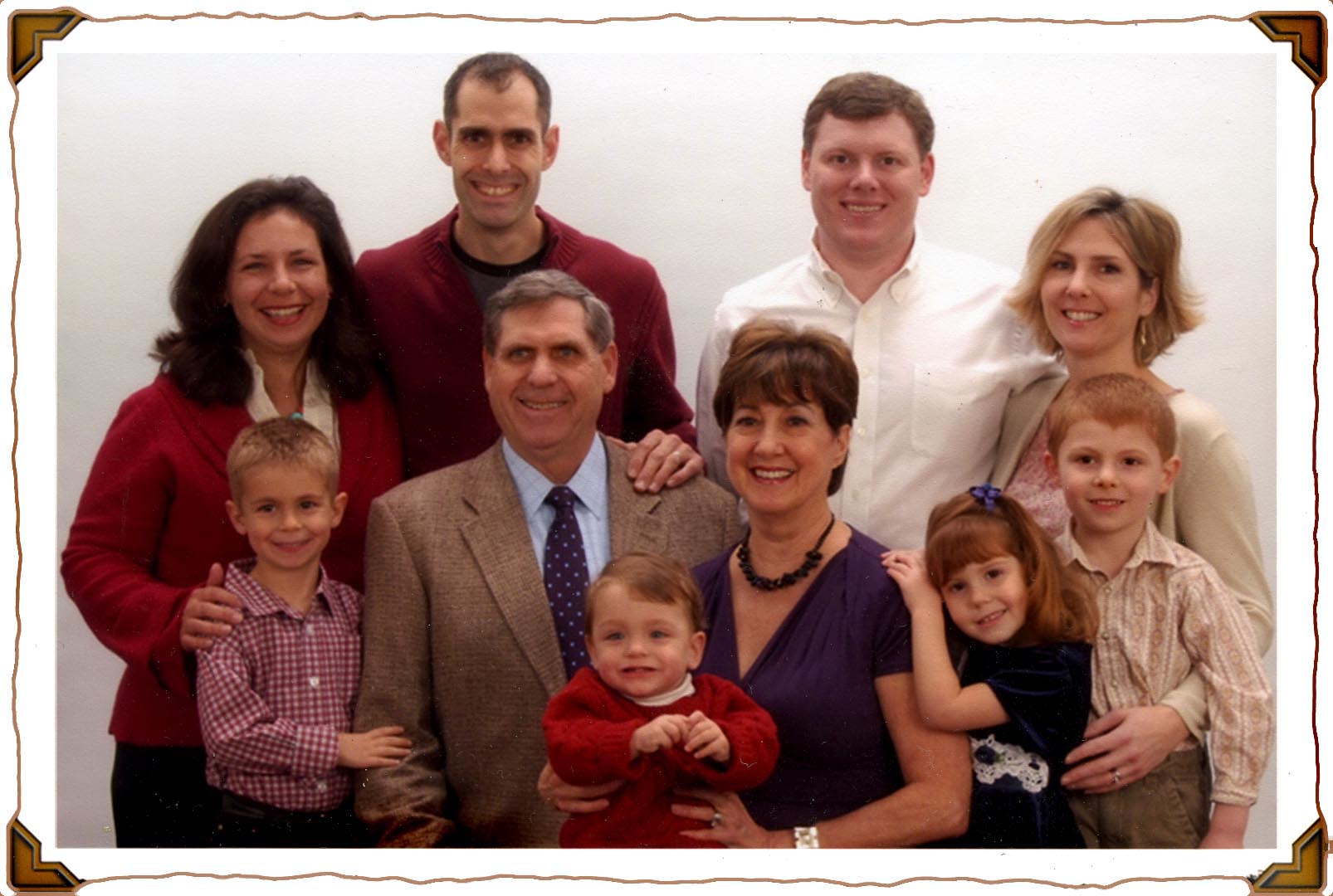
  • My family – This photo is six years old, taken when baby Ian no longer needed a breathing apparatus. Just so you know: our daughter Crista is blonde, Joel, dark-haired. With the older boys now 11 years old, we are due for an update!

Beaman_Dalton_Christmas Card_2008

Ann Voskamp continues by quoting the first reference in Scripture containing the word thanksgiving, mingling peace and gratitude:

And this is the law of the sacrifice of peace offerings that one may offer to the LORD. If he offers it for a thanksgiving, then he shall offer with the thanksgiving sacrifice unleavened loaves mixed with oil, unleavened wafers smeared with oil, and loaves of fine flour well mixed with oil. With the sacrifice of his peace offerings for thanksgiving he shall bring his offering with loaves of leavened bread. 

Leviticus 7:11 – 13   ESV

My conclusion: Gratitude brings peace and ultimately joy.

Writer Voskamp concludes: ” . . . standing straight into wind is how to fly on His wings of grace.”


Finally, a song I remember from childhood from that seems appropriate for the season:

What are you grateful for? Join me in naming your blessings.