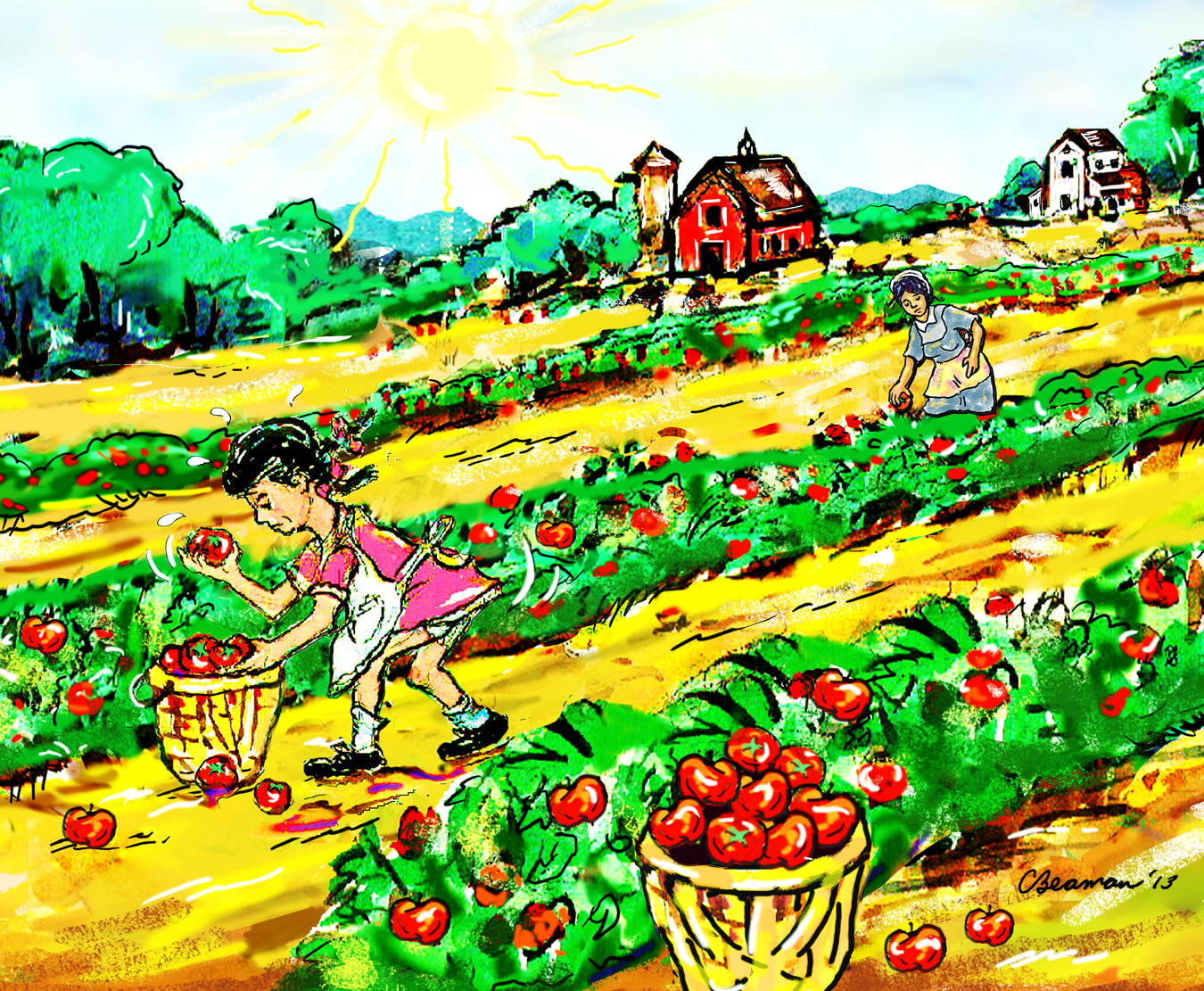
Thirty Days Hath September: Memory and Memoir

 Thirty days hath September,

April, June, and November.

All the rest have thirty-one,

Excepting February alone,

And that has twenty-eight days clear,

And twenty-nine in each leap year.

Thirty Days Has September_12x12_72

Memory is at the heart of memoir. It fuels unfolding stories. A memoir writer like me depends on it for inspiration. When there are glitches, I freeze: Trying to remember a word, I experience a flicker: Ah, it has three-syllables, begins with V. But what is that word?

One of my earliest memories is sitting in a high chair looking over the wooden tray and seeing the kitchen table covered in oilcloth with a red, black, white, and silver repeat pattern. It’s just a flicker, but I’ve experienced it so many times, I’ve convinced myself it is true.

In the blurry border between sleeping and awakening, a landscape often forms in my head: a cornfield disappearing acres away into a stand of trees. An image from my childhood, the picture is reinforced every time I look out the front window of my mother’s house where she has lived for over 70 years.

In probing my childhood . . . I see the awakening of consciousness as a series of spaced flashes, with the intervals between them gradually diminishing until bright blocks of perception are formed, affording memory a slippery hold.

                                           Vladimir Nabokov

Smells often arouse memory. A sniff of hyacinth in the supermarket takes me right back to Grandma’s spring garden. My grandchildren’s Crayolas transport me to my own fresh box in first grade. Fresh ink . . . new second-grade textbook, Friends and Neighbors. Crinkly crepe paper, my Hallowe’en costume. 

crayons

Smell is a potent wizard that transports us across thousands of years and all the miles and all the years we have lived.

                           Helen Keller

Memory is erratic too. I used to think that if I remembered something, then it must be true. But maybe it is and maybe it isn’t. We all remember Grandma giving us a dose of whiskey with honey at times of extreme unction when we were deathly sick with the flu. We all agree it went down our throats like fire. But we disagree on the details. Was it Schenley? Or Jack Daniels? One or two tablespoons?

The brain invents stories and runs imagined and remembered events back and forth through time.

                                Edward O. Wilson

We all know stress shrinks memory, but “a good dose of sugar—found in dieter’s no-nos like jelly doughnuts, banana cream pie, and chocolate eclairs—markedly enhances it.” (Rupp)

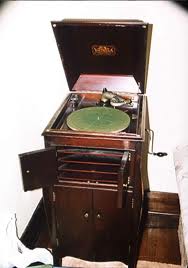
Let me take a bite . . . . Well, it worked. I remember the word now: “VICTROLA!”

VictrolaOpen Similar to one Daddy had in his shop

Source: Rupp, Rebecca. Committed to Memory: How We Remember and Why We Forget.

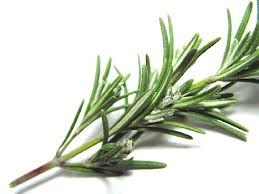
rosemary

 Hamlet — “There’s rosemary, that’s for remembrance.”

What flickers of memory came to mind as you read this?

About what memories do you and a family member disagree?

Stinky Joe

“Get out! Get out!” For heaven’s sake, that is my mom’s voice yelling at someone at the door. Why would she scream at a neighbor? But it wasn’t a neighbor. It was Stinky Joe. On a cold winter’s day, he had opened the door to the wash-house and was starting to come into our home to warm up.

There were tramps, there were hobos, and then there was Stinky Joe. One vivid image from my childhood was a man in brownish tatters sitting on our grey porch bench eating from my mother’s table on a china dinner plate: meat, potatoes, a green vegetable and coffee; he always asked for coffee. But he was never allowed into the house no matter what.

Stinky Joe_final_8x8_180

One day my sister Janice was sitting at the dining room table doing homework when Stinky Joe peered into the window scaring her out of her wits. She didn’t know where Mom was and too scared to scream she hatched an escape plan: run upstairs, climb out a window to the porch roof and slide down the maple tree out front. The maple tree is now gone but the memory is fresh.

HouseMom

We named him Stinky Joe for a reason. In the absence of an insulated vest, Stinky stuffed cow manure into his shirt for warmth: you’ll have to do the calculation on how this works, but I’m sure it involves nitrogen and body temperature.

Summer or winter, with or without cow manure, if Stinky came to our house, we put Vicks VaporRub up our nostrils to stanch the odor. Menthol vs. cow paddy—which scent would you choose? Other smells are not as vivid, but for certain Clorox was involved in the clean-up after he left.

Yes, Stinky Joe filled us with fear and disgust. Remember, this was the 1950s. Maybe now such a man would knock on the door of the rescue mission, clean himself up enough to sleep under the roof of the Salvation Army. I am sure he is long since dead and gone, but I see him differently now. Yes, he was a misfit, an outcast but once he must have been his parents’ hope. One of God’s creation.

Like this post? Follow my blog and get many more free of charge! Just type in your email address at the top of the page and click “subscribe!” WordPress keeps your email address private.

Another Valentine, a Different Romance

Valentine’s Day conjures up images of hearts, flowers, and boxes of chocolate for most, but not for Yost. Yost is the father of Valentine Metzler, an ancester on my mother’s side of the family, born on Valentine’s Day, 1792. This past weekend, nearly 500 Metzlers from far and  wide gathered near Ephrata, Pennsylvania to celebrate this special Valentine. He, like many of his descendants, was in love with God’s green earth, a grateful steward of fertile land where his roots grew deep.

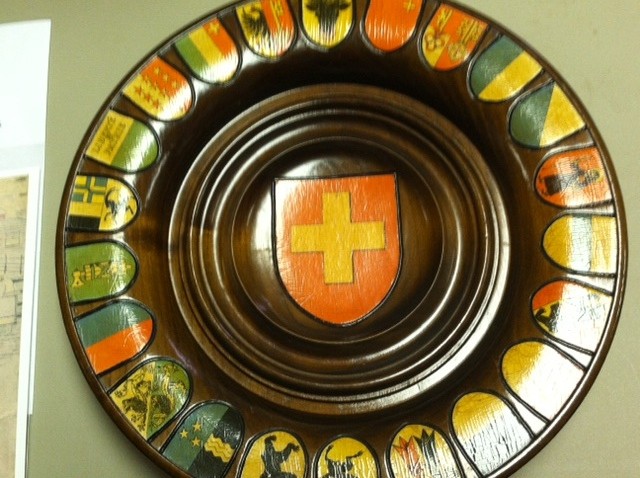
GallenCoatofArms

Valentine Family Crest: all green background mid-left

The Attraction

Born in the Canton of St. Gallen, Switzerland, young Valentine with his family, left the homeland. Bearing the memory of earlier religious persecution during the Thirty Years’ War in the 1600s and needing more land, the Metzlers, Anabaptist Mennonites, emigrated from Switzerland to the Palatinate of Germany with the promise of religious freedom and fertile farm land.

Bumps in the Road

Caught between the warring French and German troops in the early 1700s, Anabaptists and Mennonites from Switzerland, who settled in the Rhine River region, left Germany. They had had enough. Tired of being caught in the cross-fire between the warring French and German troops, they looked to the New World. They packed up, floated up the Rhine to Rotterdam, Holland, where wealthy Mennonites assisted them with money and provisions to set sail to America via Cowes, England. Exposed to rats, disease, thirst, and starvation, many did not survive the voyage across the Atlantic to Philadelphia.

RhineRiver

The Courtship

In 1677 William Penn had visited Germany to entice people to come to Pennsylvania, assuring the Swiss transplanted to Germany that there were many similarities between Pennsylvania and Der Pfalz including the beauty of the Poconos and Alleghenies.

Later, the family of Yost Metzler, Valentine’s father, along with others, responded to the lure of freedom to worship freely and own land, become successful farmers and make Lancaster County blossom.

Marriage: Struggle and Prosperity

The 275th anniversary at Metzler Mennonite Church (June 14-15, 2013) commemorated the young Valentine’s immigration in 1738 to America.  He married Anna Nissley in 1749 and prospered on a 90-acre farm in Manheim Township, raising an exemplary family of nine. Along with other peace-loving Mennonites, Valentine had a non-combatant stance during the Revolutionary War. Thus, he was viewed with suspicion by both Patriots and the British. Yet early Pennsylvania records show that he donated horses and wagons to the colonial army.

Valentine, nicknamed Valti, was a weaver, farmer, and in the 1760s he was ordained a minister in the Mennonite Church, later becoming a bishop.

FrakturHenryMetzler

Fraktur by Henry Metzler, Artist  . . . . .  Birds,  I imagine, symbolize loving symmetry of faith & family

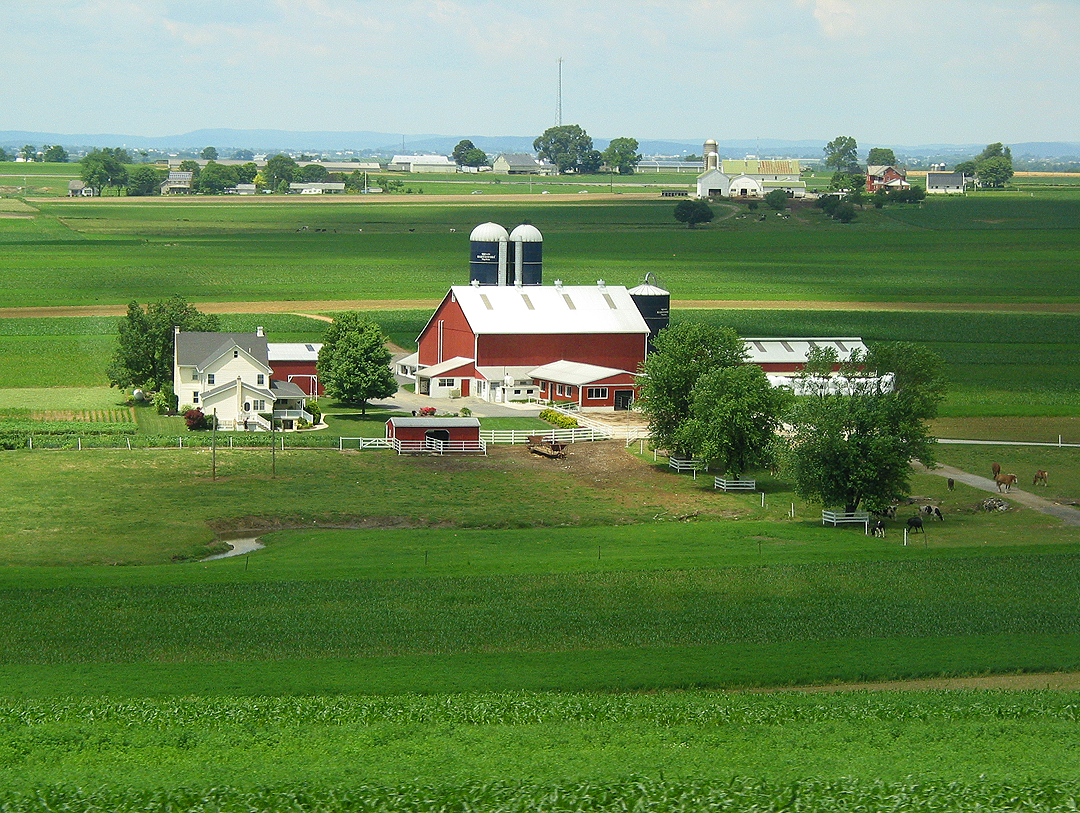
Henry Metzler, Valentine’s fourth son, was a Pennsylvania farmer with an artistic flair. The homestead is now a dairy farm operated by Amish near Strasburg, Pennsylvania. Henry Metzler Farm_6x4_180_3294

Anniversary & Rejoicing

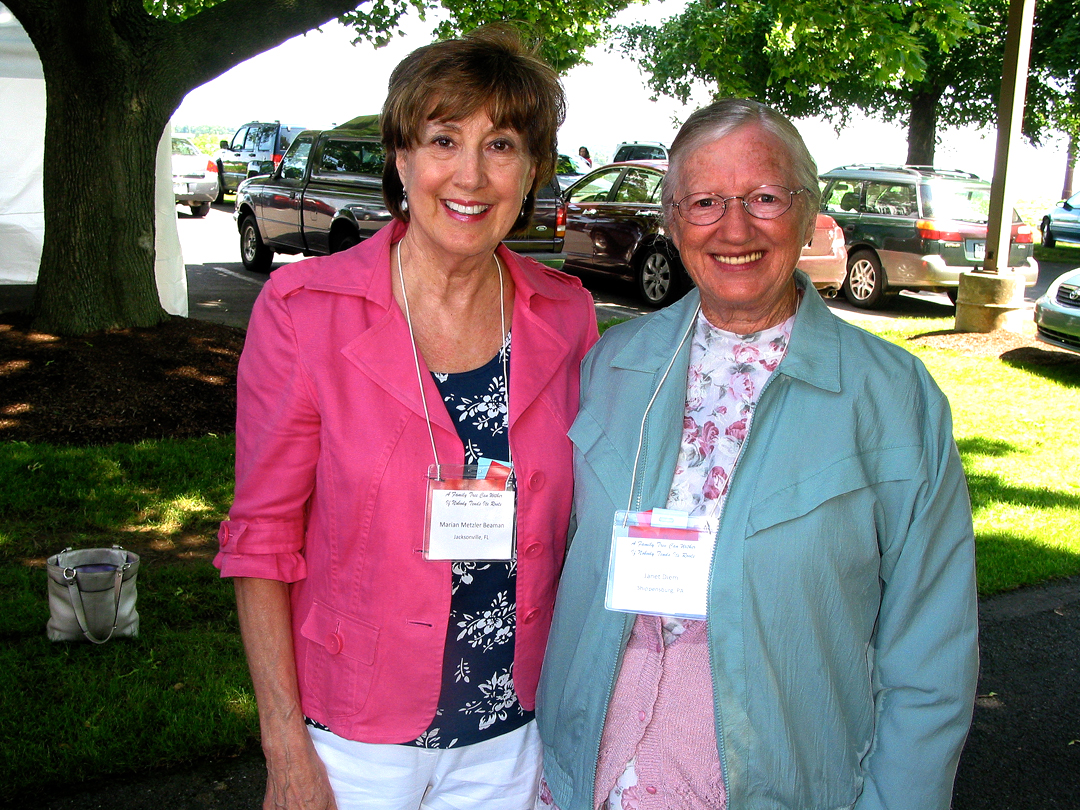
At the 275th Anniversary Celebration, plain and fancy Metzlers from Lancaster County, all over eastern United States, Wisconsin, Oregon, and even two provinces in Canada met, visited, ate, and sang together.

Metzler Reunion_Marian_Janet_6x5_180With my favorite cousin Janet Metzler Diem

Voices blended in 4-part harmony, erasing the boundaries of time and distance. “Faith of Our Fathers” at Metzler Mennonite Church:

“The course of true love never did run smooth,” Shakespeare: A Midsummer Night’s Dream. But it never fails to fascinate.


“The lines are fallen unto me in pleasant places; yea, I have a goodly heritage.”   Psalm 16:6


Relatives, Reunions, and Forbidden Drink: Part II

LititzSpringsPark

Lititz Springs Park

At the reunion, Uncle Clyde walks over to my mother and Aunt Cecilia to say something. We’re nosy and so we move closer to get within earshot. “Ruth, I believe Uncle Monroe’s and Uncle Herman’s bunch think you’re serving wine and won’t come over to the table.”

“Oh, for goodness sakes: I don’t believe it. Don’t they know us better than that!” Mom exclaims to Uncle Clyde.

“Shall I tell them what’s in the punch? Maybe then they’ll get in line,” Clyde suggests.

“Cal-lyde, they shouldn’t act so dumb  . . .  tsk – tsk! Ach, well, I guess you’d better tell them then,” she finally agrees.

Uncle Clyde walks over to the other two tables, and I see a lot of heads nodding and bobbing up and down. In a minute or so, Uncle Monroe and Uncle Herman’s families lead the way to the party table, and the others follow meekly behind like sheep behind a shepherd.

“Why in the world would they think we’d put wine in the punch? Why, that would be a sin,” I think. “And why wouldn’t they make sure what it was before they decided they couldn’t drink it?” I reason. Acting like that doesn’t make any sense to me. Why, the way they were behaving might even make my Grandma Metzler feel bad too.

WineForbidden

Cousin Janet and I feast on angel food cake, more peanuts and bubbly gold punch. We act goofy and pretend we’re getting tipsy. Mom comes over to shush us up. “Quit acting so dumb; what do you think the others will think!”

“Why does it matter so much what other people think?” I wonder. Isn’t it all right to do what we want to do now? We’re just kids, not stuffy old people.

Do you believe the what-will-people-think mind-set is a thing of the past? Or does it persist? What about your family?

Relatives, Reunions, and Forbidden Drink: Part I

I can hardly wait to go to the Metzler reunion in Lititz today. At Lititz Springs Park on the 2nd Sunday in July, I get to play with my cousins from my mother’s side of the family. My mother’s father, Abram, and her two uncles, Monroe and Herman, form the three branches of our Metzler family tree.
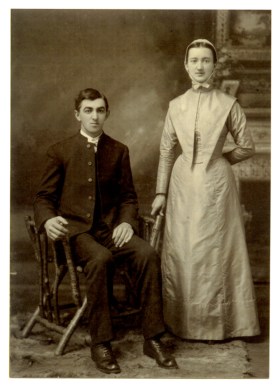
Sadie Landis Metzler_4x5_150

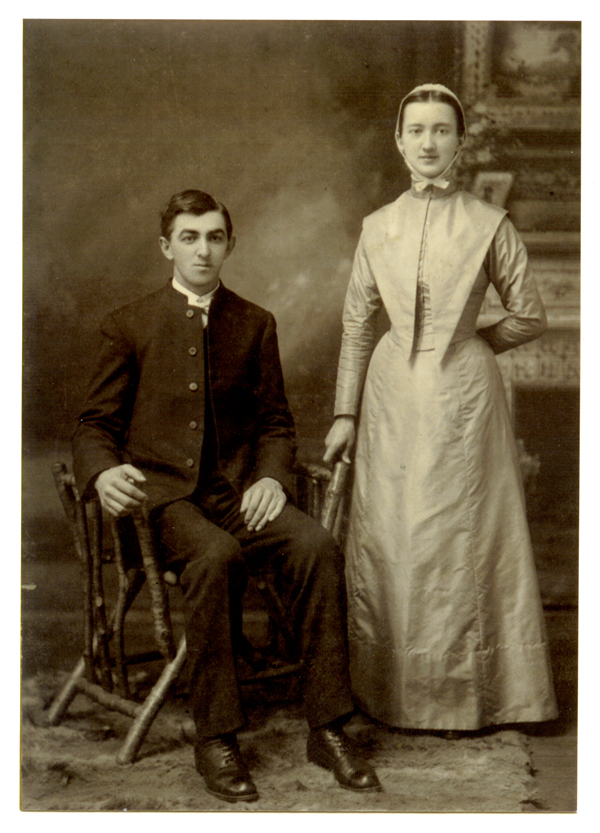
Grandpa Abram and Grandma Sadie who died when Mother was 9

On the way to Bossler’s Mennonite Church this morning, Mom told my Daddy that he can’t talk long with the men after the service because we have to get home to load up the food in the car before we can go to the reunion. Yesterday I helped my mom make Aunt Verna’s potato salad with lots of celery. After I went to bed last night I smelled the sweet, rich aroma of angel food cake baking in the oven for the special surprise for Grandma Metzler.
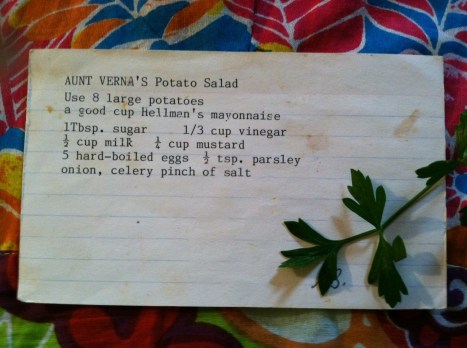
A.VernaPotatoSalad

The whole family is packed into the 1949 blue Studebaker again: Daddy behind the wheel, Mommy up front, and Janice, Jean, and me in the back. We all keep our church clothes on, so we can show how plain we still are. Daddy wears a white shirt and dark pants, and Mom and Janice and I have dresses with capes and sleeves to the elbow—Jean hasn’t gotten saved * yet, so she’s still a cute, curly-headed girl with regular clothes. All the Metzlers are Mennonite and notice the details of our dress, I imagine.

About a mile or two from Lititz, I stick my head out of the left rear car window and sniff, “I bet I can smell the Wilbur Chocolate Factory.” Now Janice and Jean lean out of the right window and say they can smell Lititiz Springs pretzels, but I catch a whiff of the rich Swiss chocolate aroma just before we reach the town limits.

LititzPretzel    WilburChocolate

Soon we’re on Broad Street, and we cruise past neat, two and three-story brick and stone townhouses. Like us, people here don’t lock their doors either, unless maybe when they go off on vacation to Atlantic City.

Lititz Springs Park is our playground. As our car rolls to a stop, we all fall out and head for our cousins. Mom calls us back to help carry stuff, of course. From a distance I notice Aunt Clara uncovering her Bavarian Cream dessert, and Uncle Leroy with his bags of peanuts for the peanut scramble about three o’clock. All my aunts look like pears, and my uncles like apples except for Clyde. And, believe me, my uncles have mirth to match their girth. Each of my mother’s brothers can do something funny or strange. Uncle Landis can click his false teeth up and down on his gums clickety-clack, Uncle Leroy can wiggle his ears, both at the same time, Uncle Clyde’s hand-shake includes a tickle with his index finger on the palm of my hand, and Uncle Abe can play his harmonica with no hands.

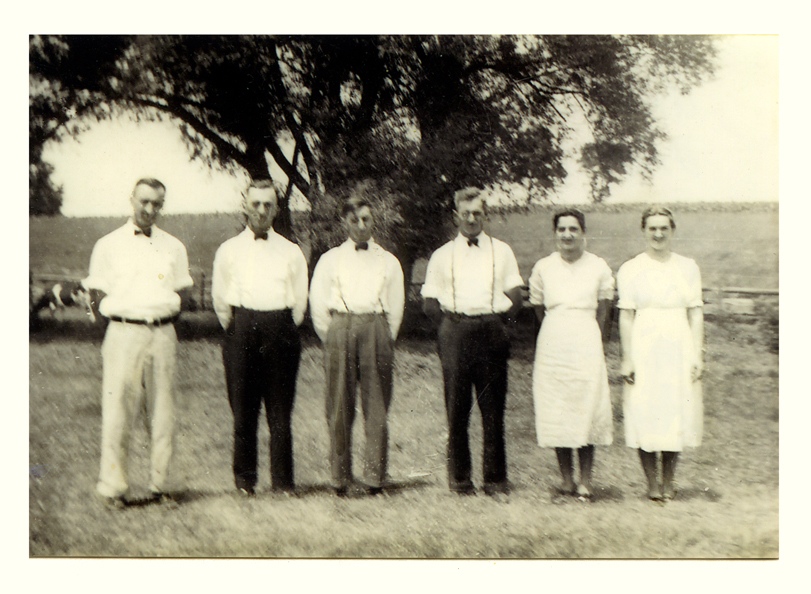
Metzler_Uncles_Aunts_young_5x4_150

After my sisters and I make the rounds of our crazy uncles, we match up with cousins our own age. I play with my favorite cousin, freckle-faced Janet who has glossy, bright red hair. Janice and Jean play with spunky, brown-haired Ruth Ann, Anna Mae, Gerry and Dorcas. Rachel too.

Soon, Uncle Monroe rings the dinner bell and all the young ‘uns come running. He’ll say grace in his high-pitched voice, and we’ll stuff down our food so we get to play again. Under the roof of the pavilion are three sets of long, wooden picnic tables, arranged parallel to each other. The Uncle Herman family branch sits along the first row of tables: the women and girls mostly wear pale-colored dresses with capes that have such tight necklines and wristbands they seem to cut off their circulation. I would just die if I had to wear thick, black stockings and shoes like they do, but I never hear them complain. And as hot as it is, some of the men are still wearing their buttoned-to-the-neck shirts from church.

The next bunch of relatives, the “Monroe” branch of the family are a little looser. They let their young girls wear skirts and blouses, and everybody else pushes their sleeves as high as they will go. When Mary, Monroe’s daughter got married, tongues wagged because her bridesmaids wore pastel satin fabrics on head bonnets to match their dress color. Later I realize she got that out of her system then;. Her plain dress complies with tradition now.

My Mom’s side of the family, the “Abram” side, is the least conservative, except for Clyde’s family because he is a preacher, and Abe’s family because they take pride in sticking to tradition.

In a few minutes all the cousins tumble off the benches for the peanut scramble.  I make a basket out of the skirt of my dress and scoot around madly trying to fill it with roasted nuts. Soon we sit on the ground and stuff ourselves with peanuts, all except Clair who is kneeling by the springs floating his plastic boat, first prize in the contest.

Now I see Mom, Aunt Verna, and Aunt Cecilia arranging another table for the birthday surprise. Out come the cakes and the punch-bowl which is soon filled with white grape juice and ginger ale, all gold and bubbly. In a few minutes, Uncle Herman rings the bell again. “It’s time for our surprise. Annie is 75 today, so you’s all come on and have some cake and punch.”

Our family is not bashful, and so we rush to the head of the line, after Grandma Metzler of course. The table looks so pretty. Someone has brought a garden bouquet of daisies and roses with a lace tablecloth. Cousin Janet notices that the relatives at the other tables are not budging. “Why aren’t the others coming over?” She wonders out loud to me.

I don’t know. Maybe they’ve just eaten too much to move, I surmise, but I do see the older folks whispering among themselves and wonder what they’re saying.      What happens next? Part II

* ARTICLE VI, Of Salvation: We believe that man is saved alone by grace through faith . . . in Christ; that through the new birth he becomes a child of God, partaker of eternal life. Statement of Christian Doctrine and Rules and Discipline of the Lancaster Conference of the Mennonite Church
How to: Mystery Trips

Create a Memory:  “Oh, the Places You’ll Go!”

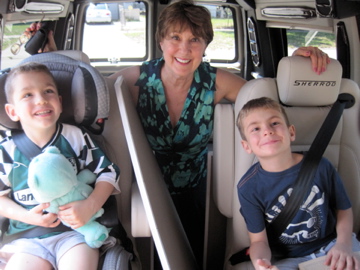
Older adults trapped in a vehicle with 3-4 of their grand-children for hours on end. Who would do that? Only Grandparents hiding secrets. Grandparents on a mystery trip with kindergarten and elementary schoolers in tow. Here’s one way to do it adapted from a suggestion by my good friend Carolyn P.

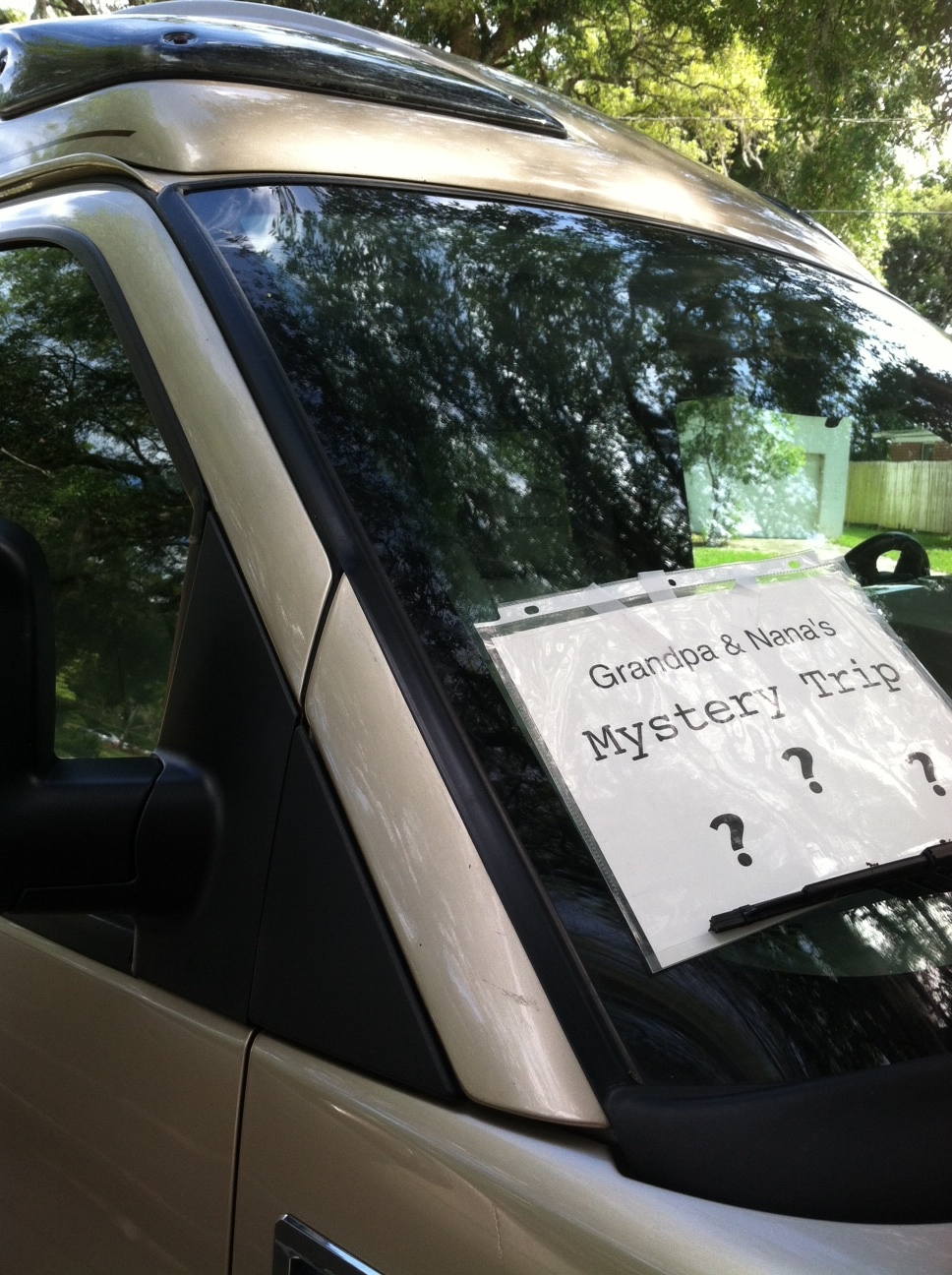
1. Insert Mystery Trip Card on your windshield.

2. Insert children, belted in and believing anywhere is possible!

MysCardVan

CurtIanVan_mystery

Mystery Trip # 1  Museum of Science and History (MOSH, downtown Jacksonville) Billed as a place where Wonders Never Cease.

Three of our four grandchildren are boys, and they have all followed Bob-the-Builder / Thomas-the-Train line of interest. Now it’s dinosaurs! This trip will feed their fetish.

Screen shot 2013-05-30 at 6.15.33 PM

Always end with FOOD! With no fast food place in sight, we make a hot dog—cookie—juice box picnic out of it this time.

Mystery Trip # 2  Polar Express: Any theatre, even a DVD at home will do. But the iMAX 80 foot-wide-screen bumps it up a notch. Besides, you get into a van and GO somewhere special. The woofer and tweeter sounds make the story come alive!

PolarExpress

Mystery Trip # 3  Let’s Go Science! With Professor Smart and Dr. Knowitall

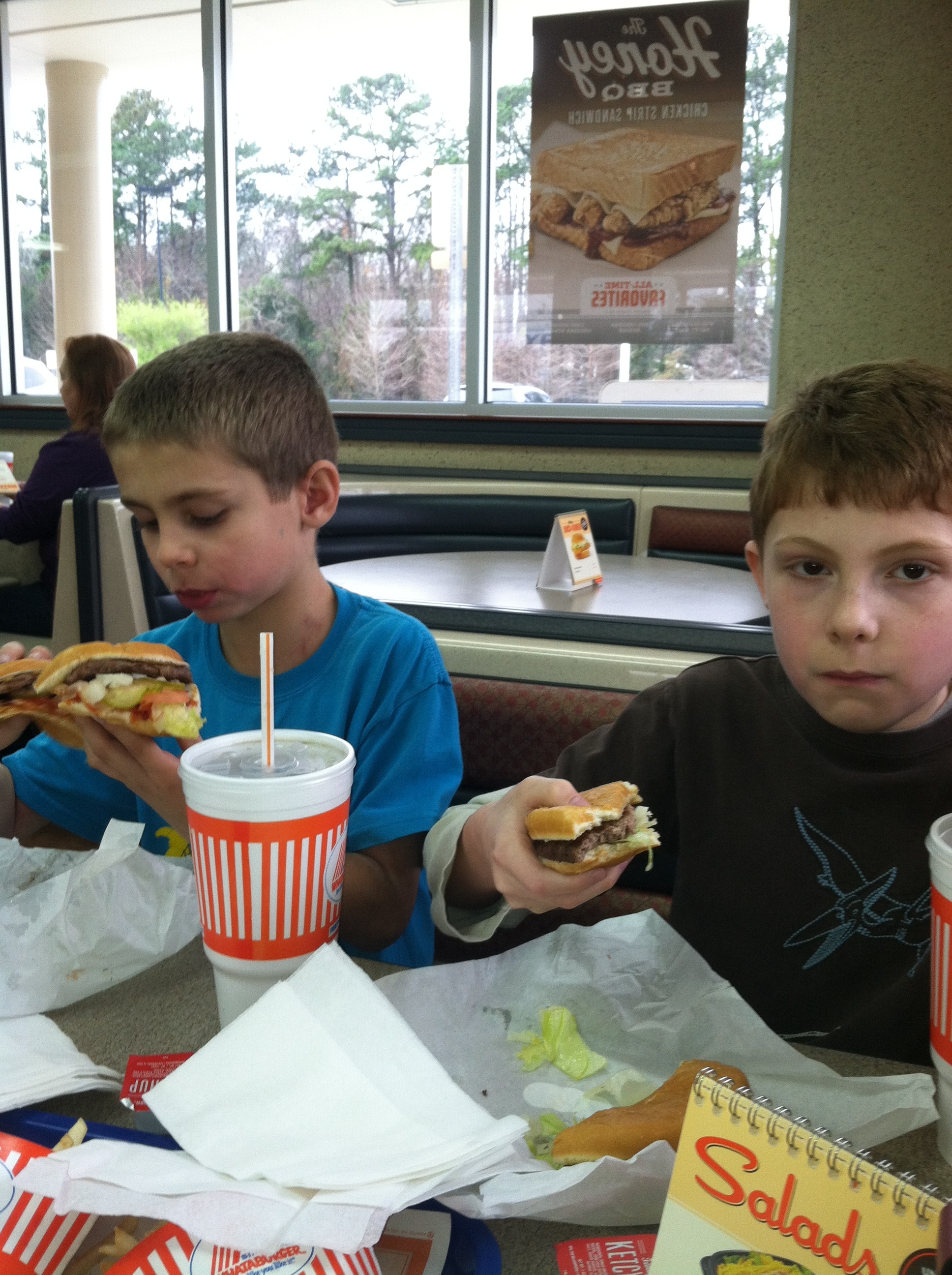
 Screen shot 2013-05-30 at 6.29.32 PMCurtPatWhataburger

Patrick and Curtis went berserk-y trying to touch the huge floating balloon, a  before-the-show stunt. We ended with WhataBurger! As you can see, eating is serious business!

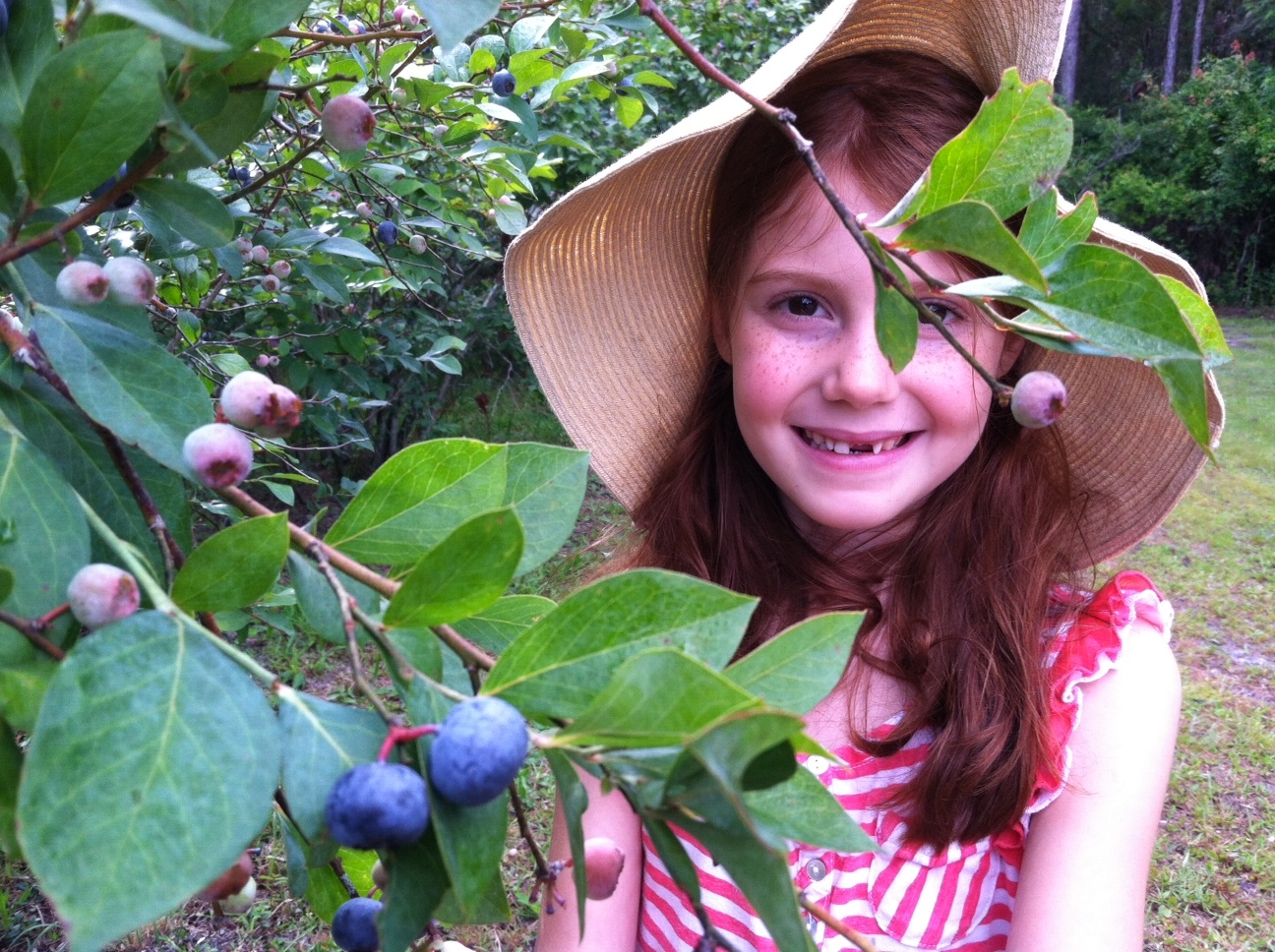
Mystery Trip # 4  Blueberry Pickin’  Good country fun @ $3.00 a pound! 

JenBlueberry 

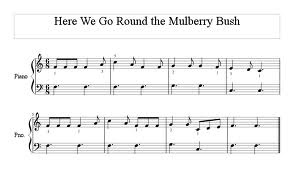
Jenna says, “This is good, family fun!” And that was before the gang in the back-seat made up a silly song of 4-5 stanzas about picking blueberries to the tune of “Here We Go Round the Mulberry Bush.”

MulberryMelody

The last stanza included barfing although that never really happened!

Like this post? Follow my blog and get many more free of charge! Just type in your email address at the top of the page and click “subscribe!” WordPress keeps your email address private.

Wedding on the Cheap

The year 1967 was historic: It was the year of the world’s first heart transplant. There were race riots in Detroit. Polaroid cameras were all the rage as was Twiggy. The average annual income was $ 7300.00 while a house cost about twice that much. Gas was a mere 33 cents a gallon.

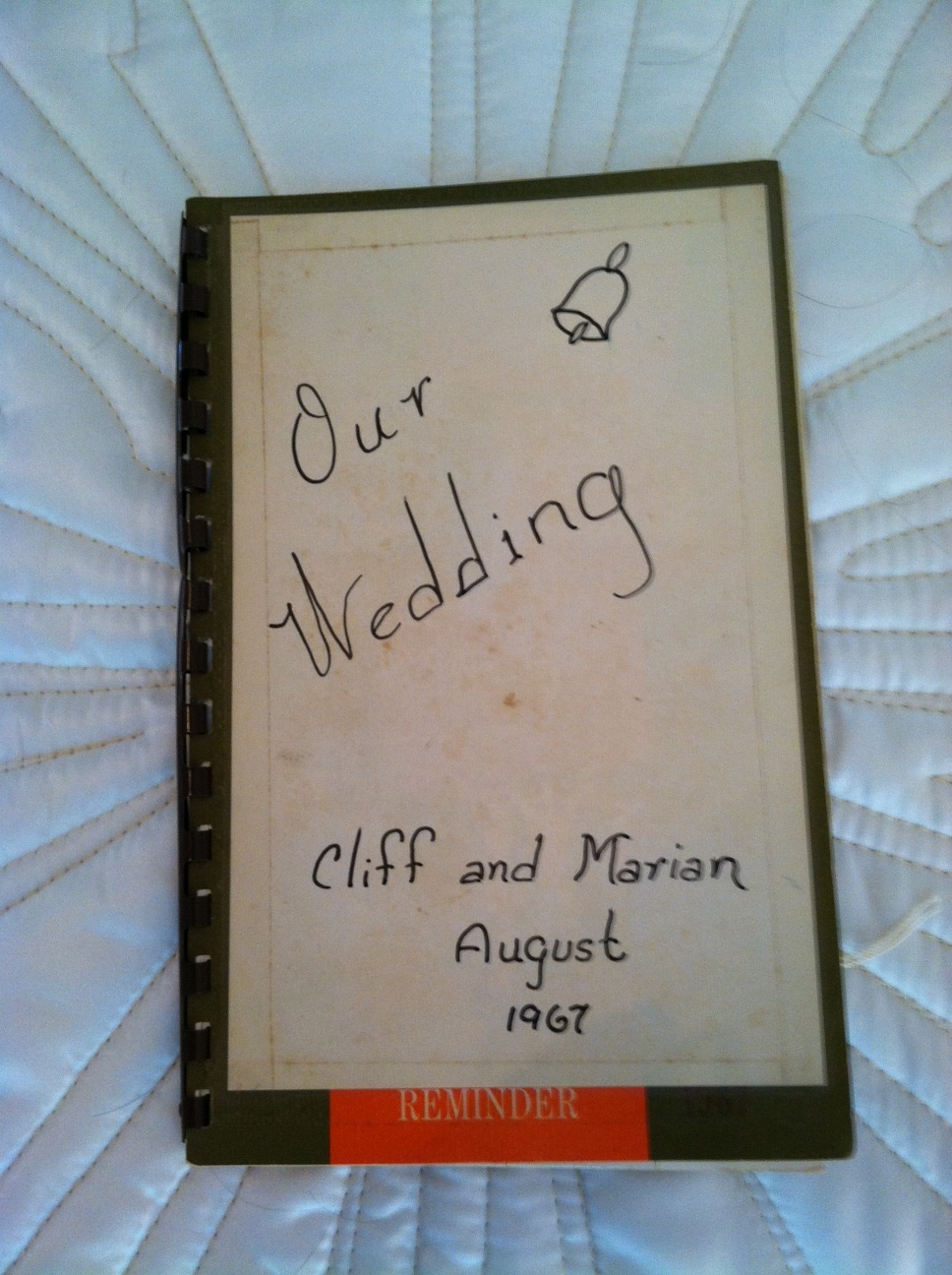
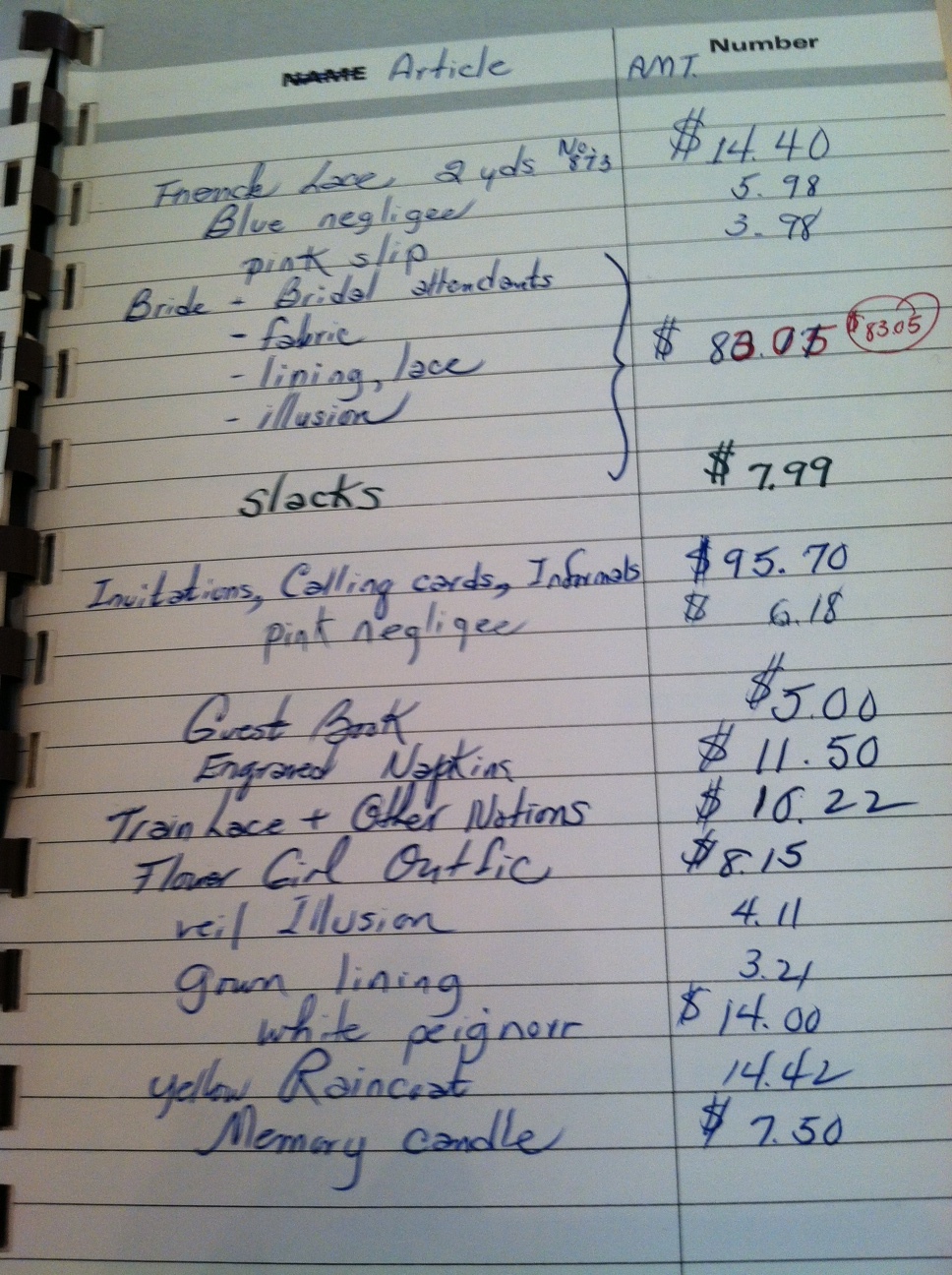
It was also the year of our wedding. On the cheap. In August, not June. After moving from Lancaster, PA to Charlotte, NC, my teaching salary increased by only one hundred dollars to about $ 3500.00 stretched to pay for most of the wedding expenses. I was on a pay-as-you-go, no-credit-card system! Today’s Bridezillas would freak out at my teeny tiny budget for a church wedding. Ever the list-maker (call me OCD), I began my planning with a double-columned list: item + amount spent. The cake, flowers, napkins, photographer, and honoraria are missing here. Probably on another list! I was not very good at justifying my bank balance. I remember standing in front of a teller at Wachovia Bank unable to choke back tears at my overdrawn account just weeks before the wedding.

. WeddingNBcover              List-Expenses

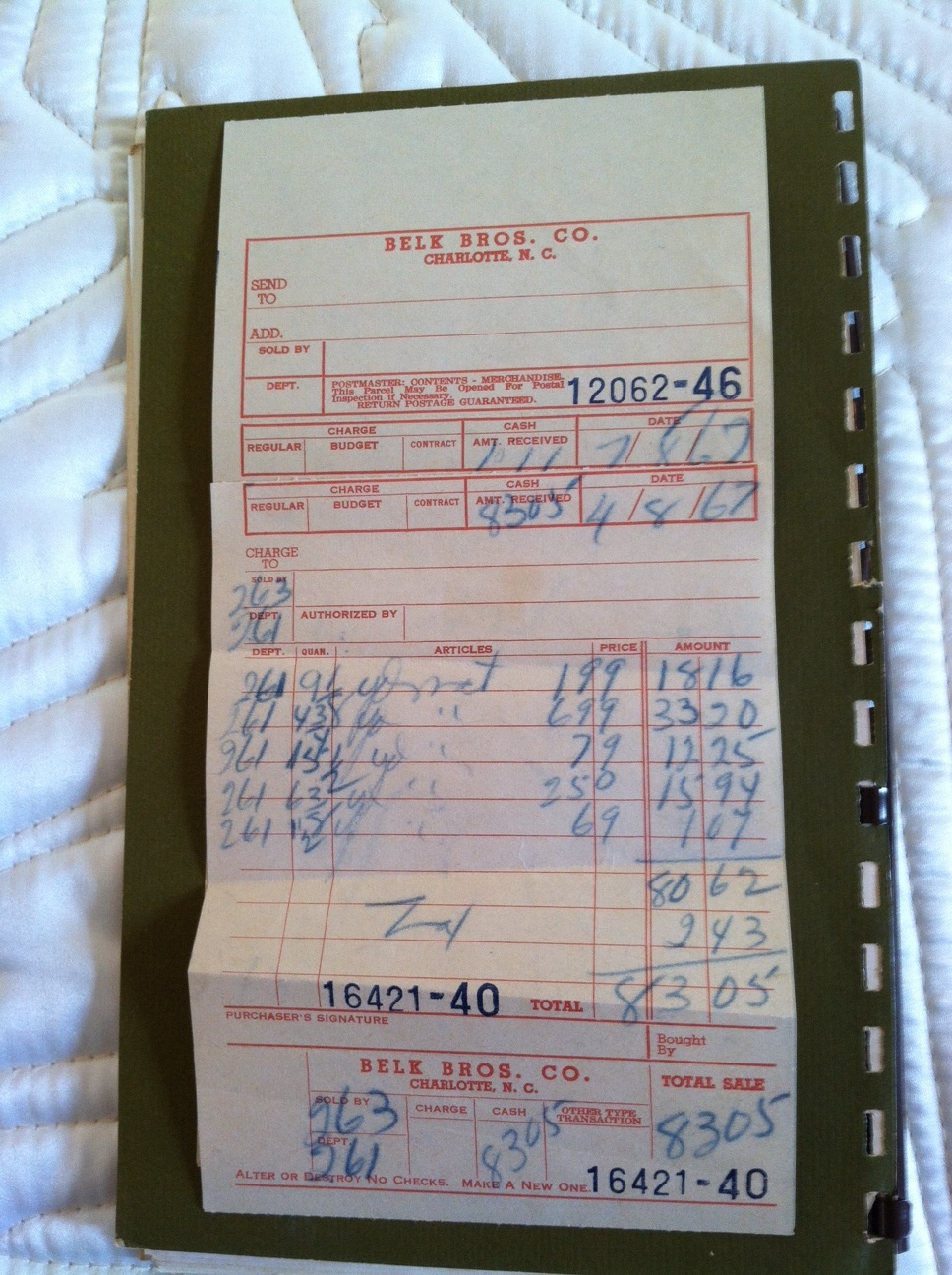
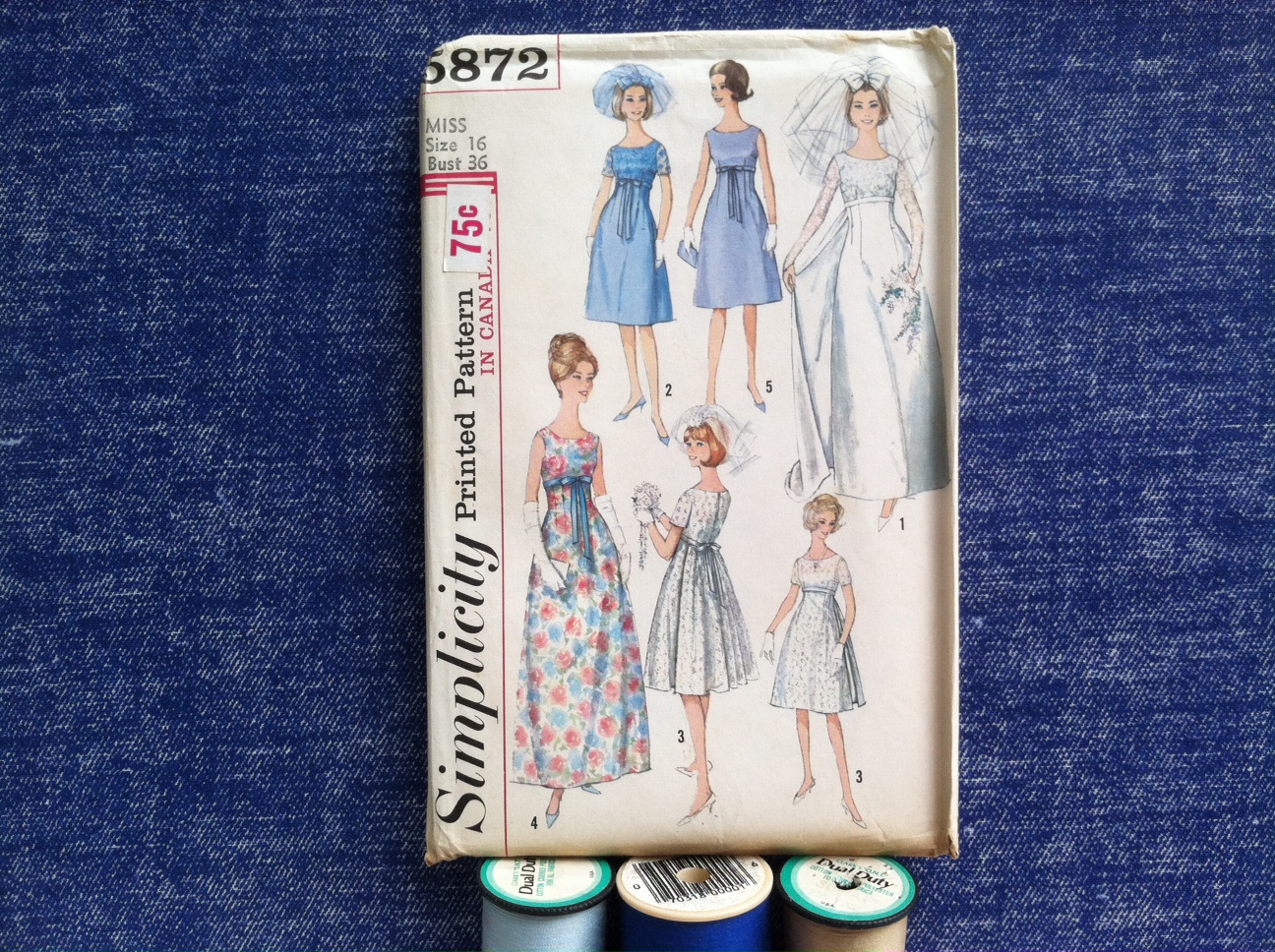
January through May was consumed by pattern-buying, fabric-cutting and sewing a gown heavily influenced by Jackie Kennedy’s style. How is it that the fabric for the bridesmaids and the bride, including a train with appliques cost only $ 83.05 then?

BelkReceipt  WeddingPattern

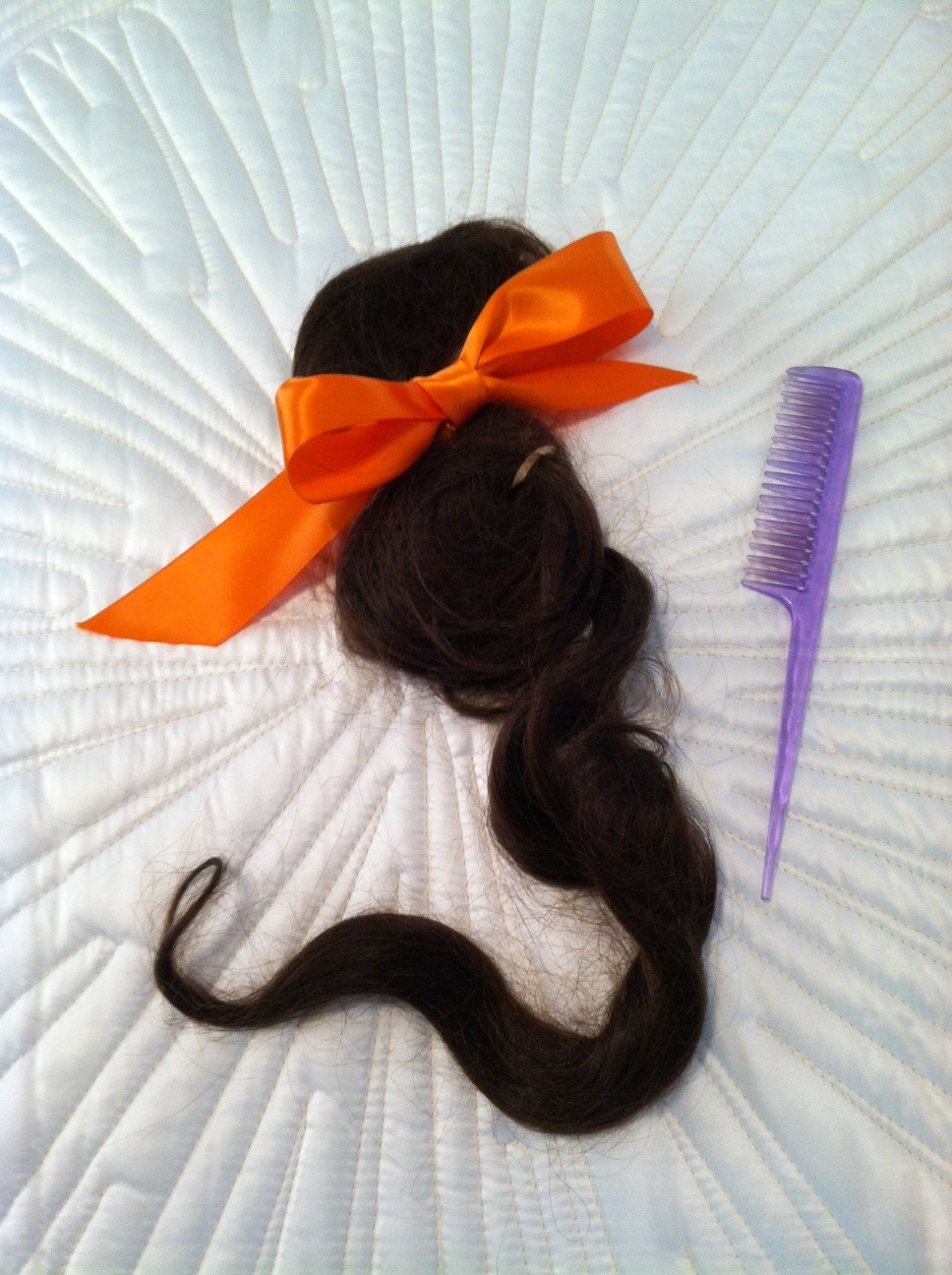
My hair was still in a bun but without the prayer veiling. One day in June, about six weeks before the wedding, I got the courage to dramatically change my hair-do. Off I went to a beauty salon, recommended by my roommates, to experiment with a bob. The stylist began, oddly, by braiding my hair into one long braid, almost waist length. And then she CUT IT OFF! I will never forget the sensation of hair still attached to my head swinging free. Was it in shock? Dancing? I’ll never know, but I do know the agony of trying to get my hands and fingers to contort themselves in odd ways to comb, brush, tease my shorter locks into the new style.

HankofHair

                       Heaven only knows why I still have this hank of hair!

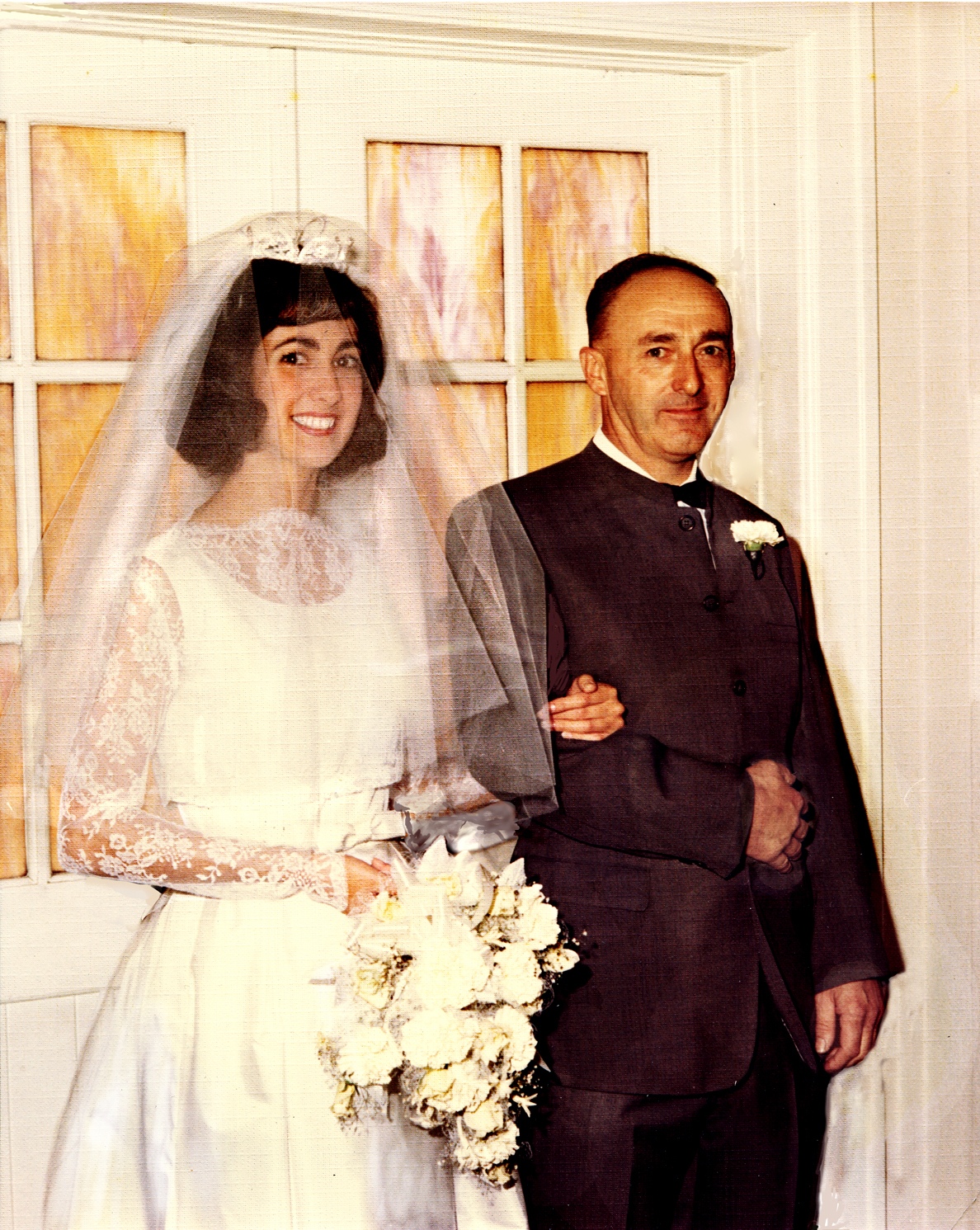
Half the guest list were Mennonite friends and family from Pennsylvania, and they came to North Caroline in droves. Frugal Daddy gladly footed the hefty bill for the full course rehearsal dinner. Families from Charlotte Christian School put up my immediate family. Grandma and Aunt Ruthie were thrilled to stay in the home of Billy Graham’s mother, who had also hosted a bridal shower for me. Except for the bridal party, the wedding itself was a curious blend of plain and fancy: plain-coated, bow-tied Daddy with fancy bride.

 Wedding Day_Marian+Father_8x10_150

You may ask, “Why didn’t the groom help more with the wedding expenses?” A teacher/preacher at the time, he spent the summer as a rigger at the Jacksonville Shipyards carrying heavy chains on his shoulders up and down ladders trying to pay for the honeymoon and all that followed. No metaphor intended here!

The summer months are traditionally wedding months, particularly June. Do you have a wedding memory to share? Your own? Someone else’s?

Like this post? Follow my blog and get many more free of charge! Just type in your email address at the top of the page and click “subscribe!” WordPress keeps your email address private.

Hats, Fire and Ice

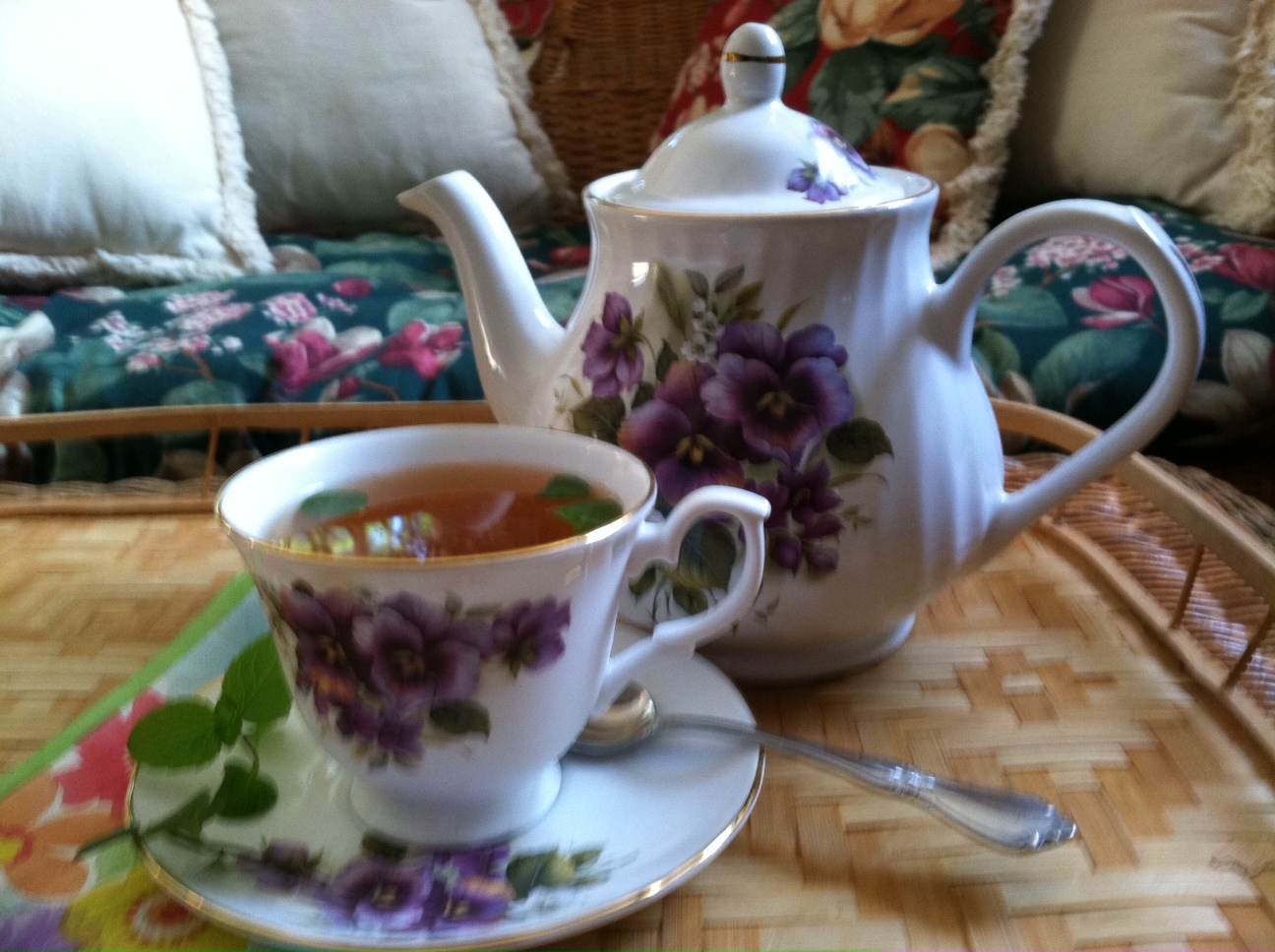
The dusty, brown Pennsylvania Railroad train clatters along the tracks behind the woods as we approach Grandma’s house. Mame Goss, Grandma’s cousin, sits close to the bay window with a bag of hats. I notice her merry eyes and smile lines, but Mother comments on her wrinkled skin, skin made so by too much makeup.  Mame’ll let my sisters and me see inside the bag, but not before she chats with Grandma over a cup of garden mint tea. Mame Goss clerks in Laverty’s Millinery Shop, a store I’ve never seen but which shimmers with forbidden delights in my mind, nonetheless.

TeacupHorizontalJanice, Jean, and I think our older girl neighbors are allowed to express themselves properly. When I go down to see “Howdy Doody” on the Rentzels’ TV (Mennonites didn’t have TVs back then), I notice that Sissy Rentzel has a parade of nail polish bottles lined up on the windowsill of her bedroom: bright red, baby pink, orangey red with Tangee lipstick to match, darker red, hot pink, and a bottle of clear polish like Karo syrup. I’d love to experiment with what’s inside, but I don’t now. I feel uncomfortable asking Sissy Rentzel to try some.

TangeeLipstickAd

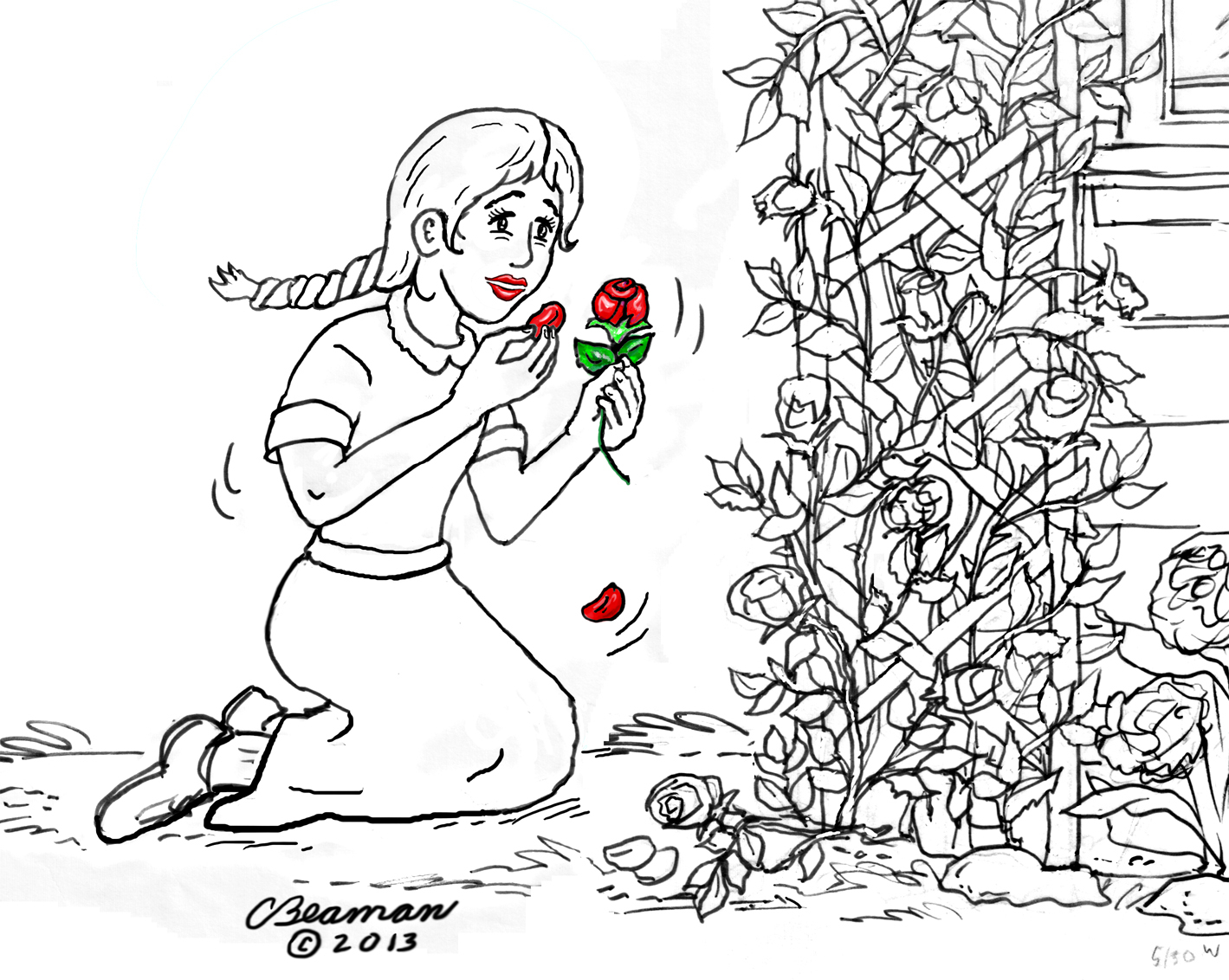
Anna Martha Groff, Sis Groff to us, is another story. And she is so grown-up, we think. I see her palette of lipsticks on her vanity table, one of them Revlon’s Fire and Ice. She’ll probably let me try some on. I could become a siren in red or an ice princess. So I experiment and cavort around in her bedroom with the painted lips of a hussy. Soon I’ll have to rub off the evidence with tissue before I go home and hope nobody, especially Mom, notices. My sisters and I are crazy for color. Out by the rose bushes in summer, we paste bright, velvety petals to our lips. Banned from the world of bright lipstick and matching nail polish, we improvise with natural blooms. We act silly.

LipsCropped

We’re back in Grandma’s kitchen again. Mame is one step closer to revealing the treasures in her bag now. Soon we lay eyes on the partly smashed trousseau of hats, left over from the spring season. We fight over who gets what, of course.

“Here’s a straw hat with a polka dot bow, “ I say but cast it aside. Janice and Jean don’t pick it up either. They are eying the red satin bows and lavender netting attached to other headgear.

“Hey, I want this one,” Janice and Jean tussle over a swoopy hat with pink flowers. Jean finally picks up a white thing that looks like an upside-down, flat-bottomed boat with a wad of blue tulle tied in a fluffy bow in the back. Janice’s is flat and round and dark, not my taste, with black-eyed Susan circling the straw hat. I get the best hat, I believe. It is flat and round too, but navy, and studded with azalea pink silk flowers around the edges. Best of all, I can pull a dark blue net over my face. Instantly, I become a woman of mystery and allure.

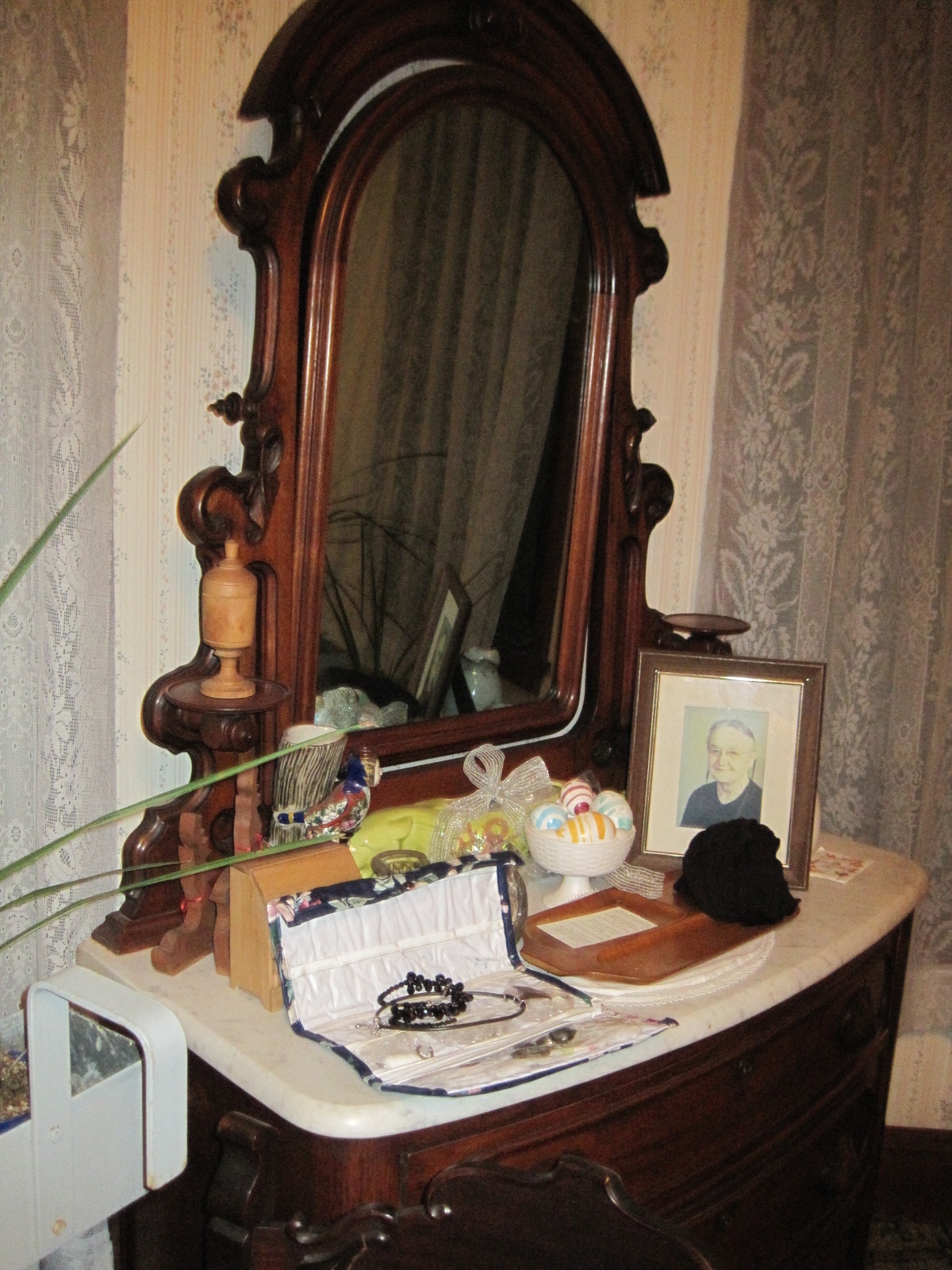
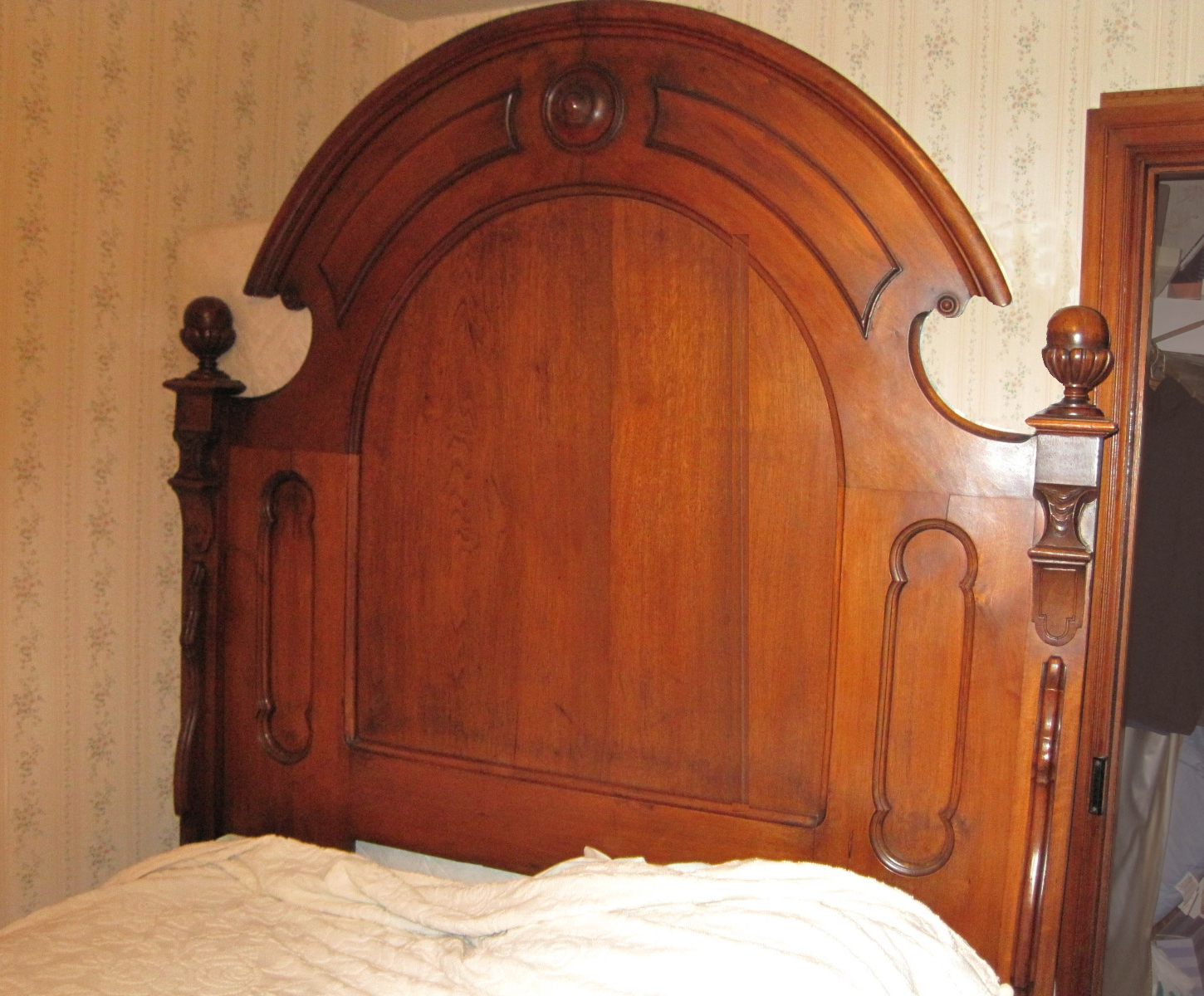
We take our new-found treasures up to Grandma’s bedroom and indulge in more fantasy. The space between her marble-topped vanity and tall headboard becomes our runway. We take turns prancing in front of her vanity mirror with wavy glass, cocking our heads just so and smiling at our reflections.

GrandmaVanity      GrandmaHeadboard_mod_180

Later back at our house, Mom takes a picture of us in front of the garden of peonies and zinnias in the back yard. She holds the black square Kodak camera firmly with fingers plump as the butter she loves. I stare at her blue and white checked feed-bag apron over a matching home-made dress, so I don’t blink. In an instant, the shutter freezes our fashionable images at ages 3, 5, and 8. There’s plenty of time later to coax our long braids into the Mennonite style, pinned tightly to our heads with black wire hairpins.

GossHats

Like this post? Follow my blog and get many more free of charge! Just type in your email address at the top of the page and click “subscribe!” WordPress keeps your email address private.

Tomato Girl, Part II

Our family has fertile, Lancaster County land in lots and parcels, scattered hither and yon: behind our house there is a small garden of beans, sugar peas, and cucumbers, embroidered with roses and peonies. Then there is a field of four acres in Rheems which Daddy plants in corn and sweet potatoes, besides the 9 acres of tomatoes over the river and through the woods near Bainbridge. That’s where I learn to really work–planting, hoeing, and picking the tomato crop.

TomatoOnVine

On the way home from the tomato field in July, I notice a few stars emerging from the twilight sky. The road from the field back to home seems more bumpy now because I’m tired, and I crave a soapy bath to scrub the green tomato plant “glue” from my legs and soak the dirt from under my fingernails. But there’s a happy spot in my mind with the picture of a beautiful bike in it.

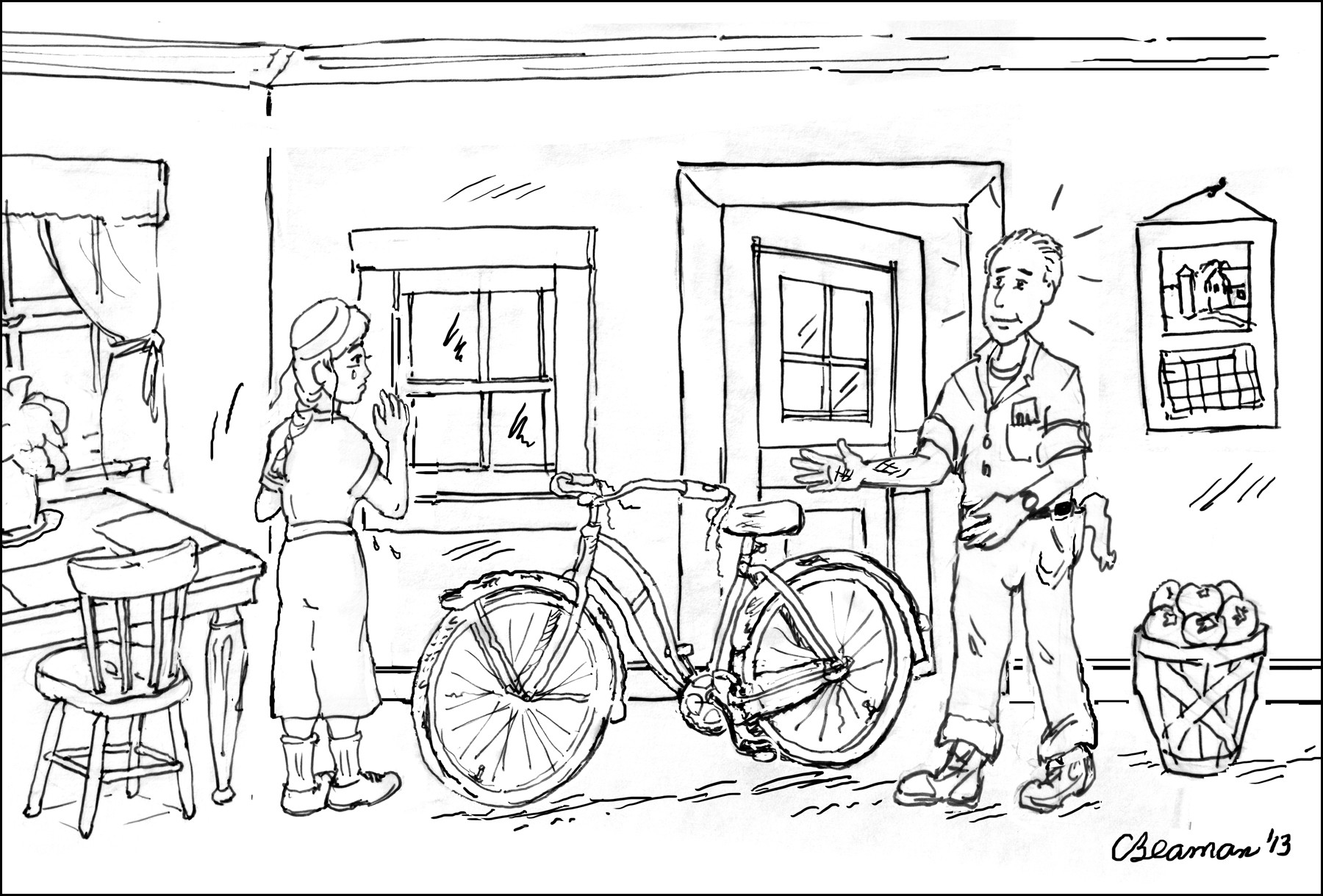
Days in the tomato patch come and go, and finally it’s time for my birthday. Mom tells me to go hide in the dining room and wait for the surprise. From my post in front of the long, lace-covered mahogany table, I hear the screen door open to the wash-house, then the kitchen door, and finally the sound of rubber bike wheels turning on the linoleum. I can hardly wait! The anticipation of the sleek bike I pictured weeks ago in the tomato patch is soon to become real. My daddy proudly holds the handlebars of this very special bike, a look of pleasure on his face.

Well, there is a bike. There before me sits a beat-up, second-hand relic with dents that have not quite been hammered out under ugly, flat paint from the shelves of Longenecker Farm Supply. The shiny blue and white bicycle I’ve anticipated all these weeks has morphed into a wreck of muddy blue and dull white the color of pale dirt. The picture in my mind deflates with my dream, a balloon punctured with a rusty nail.

Sad Bicycle Gift_12x8_150

For a few seconds, I act happy because I should, but I can’t possibly stifle the flood of tears burning my eyes. I turn and run through the dining room and up the stairs to find solace in my bedroom.

I’d rather have a bag of dimes.

I wonder why my Dad was so proud of his present to me, one I had a totally different perception of.  Is it frugality, cluelessness? Something else?

Tomato Girl, Part I

Tomato Girl, Part I

Lancaster County, early June 1953 – and I’m in the tomato patch with Mother and Daddy. Actually, it’s not a tomato patch, it’s over 9 acres of farm land not far from Elizabethtown in Bainbridge where we are about to plant a new tomato crop. Years earlier, my parents planted tobacco, but a Mennonite revivalist came through the county, preached powerfully against making a profit from plants that could be turned into deadly cigars and cigarettes, and so like others they switched to tomatoes or corn.

Rev.TomatoPlantMach_mod_11x8_72

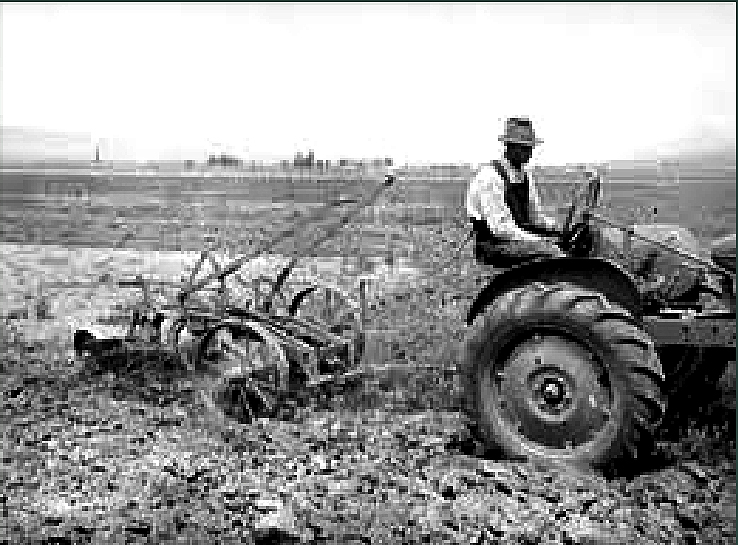
Today Mom and I sit side by side on the metal “tractor” seats at one end of the planter, each with a burlap bag laden with tomato plants in our laps. A trowel-like attachment of the machine attached to the Massey-Harris tractor carves a row and we take turns inserting a plant with dangly roots into the furrow.  As soon as a valve opens with a gush of water, two metal “hands” close over the plant, sealing it into the rich, humus soil. Usually Mom and I are synchronized, but if we can’t keep up with the click-clack of the mechanism, we yell at Daddy at the helm who hits the tractor brake so we can catch up.

TomatoBlossom     Move ahead to hot July now, and Monday starts another tomato-picking week. My time-conscious Mom keeps us all on schedule: “Marrrr-i-an, it’s soon time to go!’ So I schuss around and put the thermos on the porch so Ruthie sees we’re ready.” She will be at our house any minute now with the Longenecker Farm Supply pickup to take herself, my mom and me to our field near the village of Bainbridge. I can see it now: rows of warm, red globes in clusters on the bushes. Timmy Barnhart, ”Barney”—a squat, jolly farmer in bib-overalls will probably meet us there and help with the harvest. I like when he comes; he knows that twelve-year-old tomato pickers like the Reed’s butterscotch candy and red licorice packets he stuffs into his pockets to sweeten the labor.

TomatoOnVine

I’m paid ten cents a basket for my pains, but it’s hard to keep track of the number I fill, so I decide to put one green tomato on top of every 5/8 bushel basket, so I can add them all up and compute the dimes I’ll earn. Frugal Mom puts an end to this idea: “Don’t do that; you’re wasting perfectly good tomatoes. Why don’t you put your baskets in the middle of the row separate from the rest.” I know she’s telling me to do it this way, not asking if I really want to.

And so I plod—up and down the endless rows as the sun beats down on us. For awhile the grown-up chatter between my Mother, Aunt Ruthie, and Barney keeps me entertained, but then I stick my hand into a stinky, rotten tomato for the tenth time this morning, and I burst into tears. Dear Barney, now just a blue blur near the end of the row, hears the outburst and suggests a trip with the two of us going to Stauffer’s General Store down the alley and around the corner along a side street in Bainbridge. The store has oiled, wooden floors just like school and smiley Anna Mae Hess behind the counter. Barney, a widower, likes Anna Mae, and they chat for a while, giving me sweet reprieve from the blazing sun. Before we go, he orders two pints of Breyer’s neopolitan ice cream in a square box each cut in half with a butcher knife. Anna Mae puts four flat wooden spoons in a paper bag with the cold treat and we’re back in the field to share a late morning snack with Mom and Aunt Ruthie.

Tomato Girl_crop_9x7_150

Late afternoon brings Daddy in his flat-bed Reo truck to load the baskets in three or four staggered layers. If there is any room left over, Oscar Forrey, a farmer who patronizes my daddy’s shop, can add his picking to our harvest. “There’s no sense in two people driving half-filled trucks to the same place now is there?” Dad says. He’ll drive to the Mt. Joy depot for tomato farmers where the Heinz Company will truck the harvest way over to Hanover. My Dad has brought along a cold watermelon (wasser-ma-loon, he calls it) to save us from dehydration. Bless his heart! Mom must have told Daddy about my melt-down because he promises me a bike for my July 24 birthday. I picture a shiny blue and white Schwinn with a cute, white woven basket in front of the handlebars, maybe with fancy, pink dingle-dangles!

I don’t remember if my teachers ever assigned an essay “What I Did on My Summer Vacation.” But planting and picking tomatoes would have been my topic until I turned 15 and could work for real pay at Baum’s Bologna.  There I wrapped sweet bologna in clear cellophane and pasted on the label, festooned with a smiley Amish face with a beard and wide straw hat. Then I graduated to working in the dementia unit at Masonic Homes. But that’s another story.

Tell us something memorable about your summers as a child or a young teen. If you remember it after all these years, we’d certainly be interested in reading about it.