A Plate, a Parade, and a Song

First of all, there was no parade and no song.

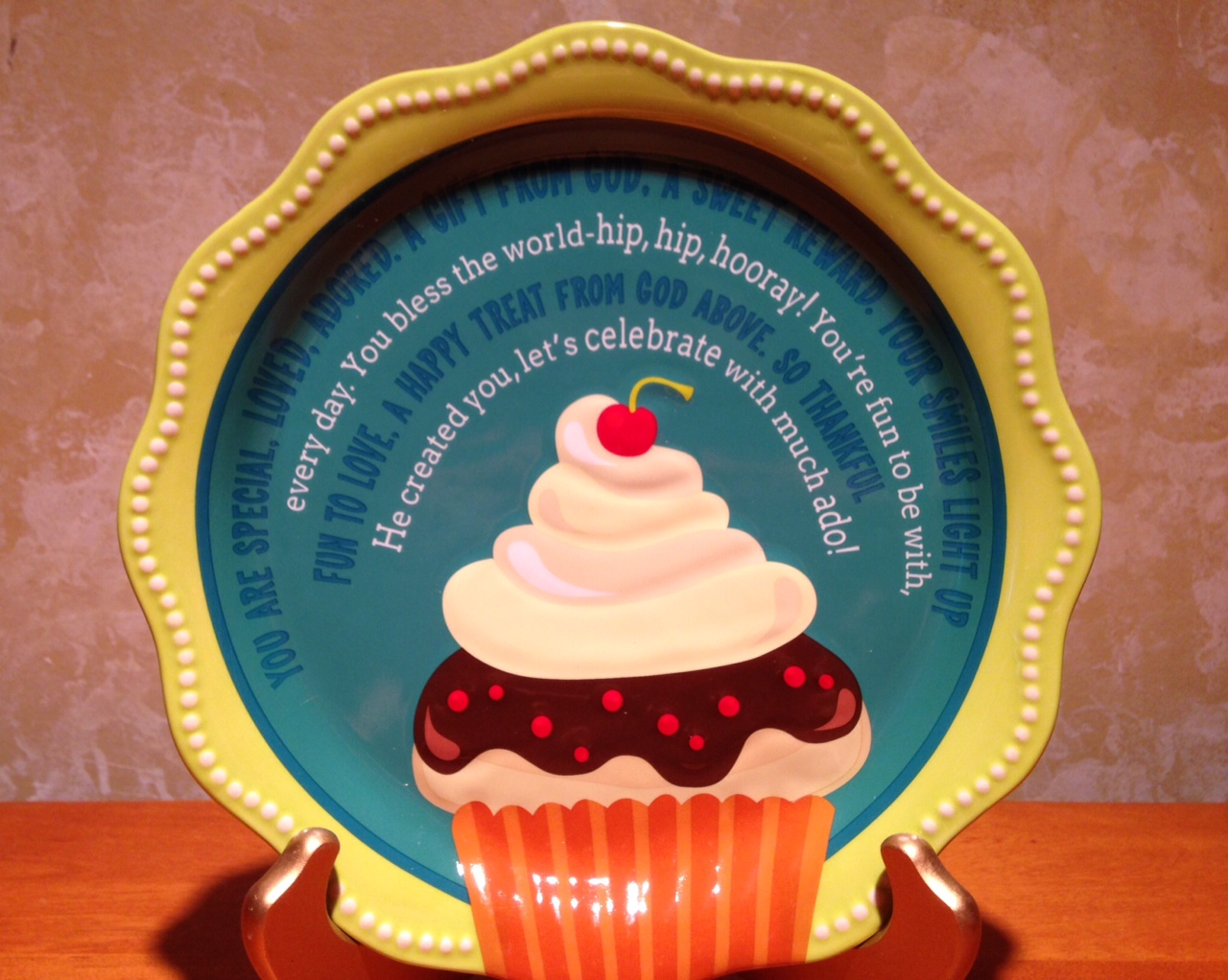
But there was a plate. A plate of cupcakes. I can show you the plate, but the cupcakes are missing. Why? Because our grandchildren ate them all up. In fact the two older boys ate theirs up seconds after they landed on the plate. I missed the photo op completely.
PlateRemembrance

Last weekend the family gathered to celebrate the Fourth of July. Some months ago, I had read Laura Brennan’s suggestion about celebrating success of family members with a plate of accomplishment. I caught her enthusiasm and thought “What a great idea!” All four grand-kids had received recognition at school this past year, so it seemed sensible to combine a national holiday with a family celebration.

Laura says,

We have a fun and easy way to celebrate in our house: it’s called The Plate of Accomplishment. In going through my mom’s stuff, I found one lone, gorgeous dinner plate – shimmery,  just lovely. So when one of us has an accomplishment to celebrate, they get to eat dinner on that plate. It comes out with much fanfare (a mini-parade, actually) and a song: “It is the Plate of Accomplishment, it is the Great Great Plate of Accomplishment …

Our grand-kids’ accomplishments were not measured by degrees as adults might do. There was as much hoopla about a memo from a teacher dashed off in minutes as for a bound book in a school library.

And so it went in birth order. . .

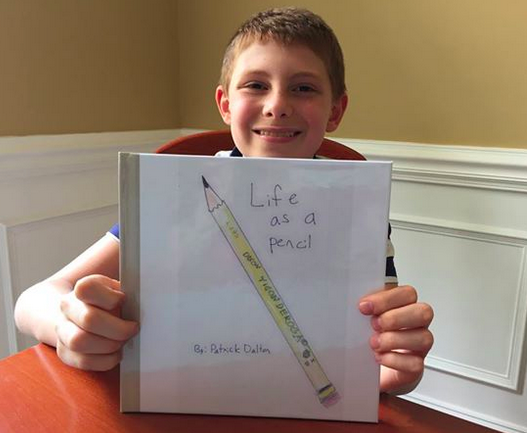
We celebrated Patrick’s printed book “My Life as a Pencil”
PatrickBookContestHome

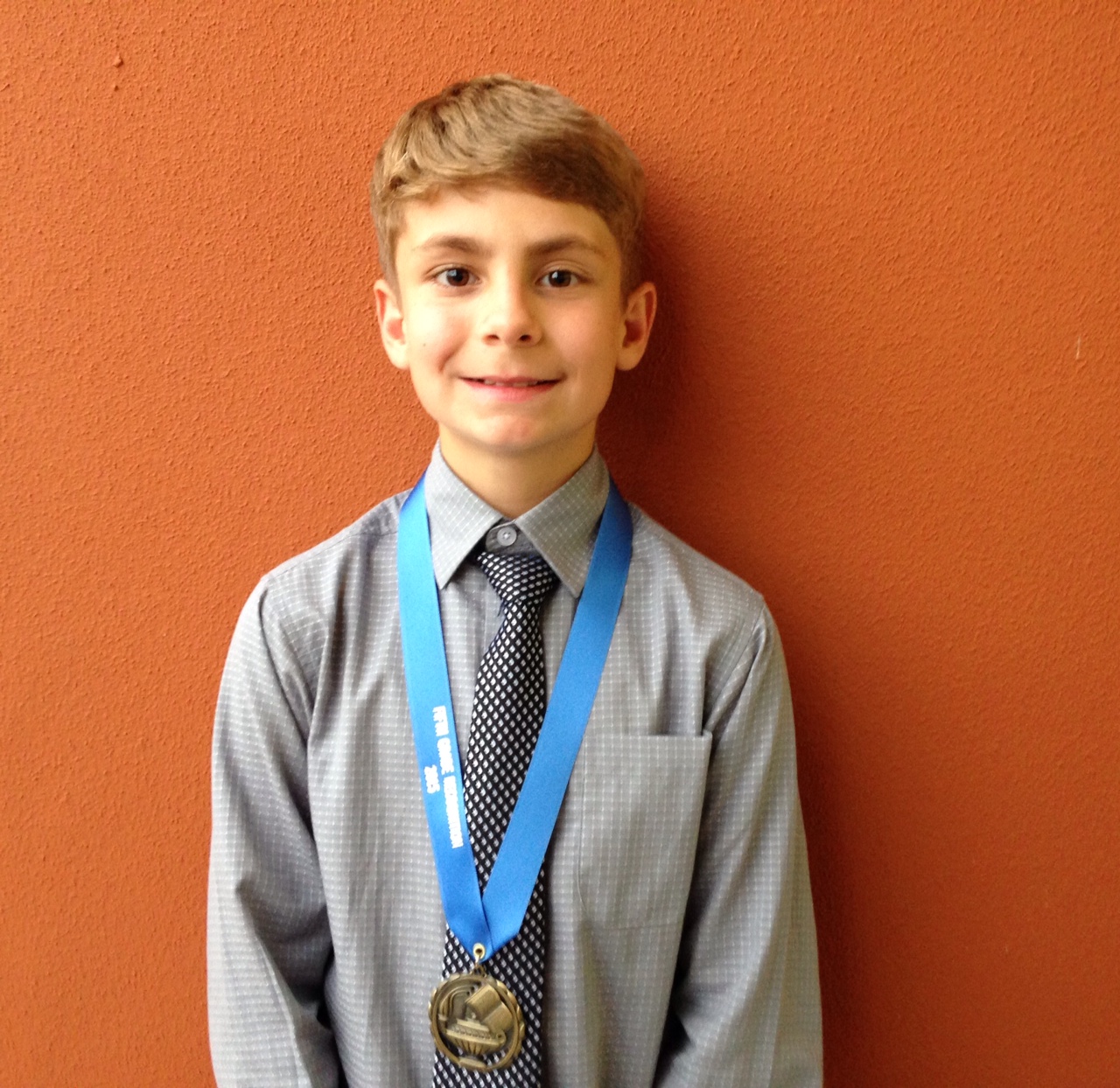
And Curtis’ recognition for academic achievement among 5th graders in the District
CuritisMedallion

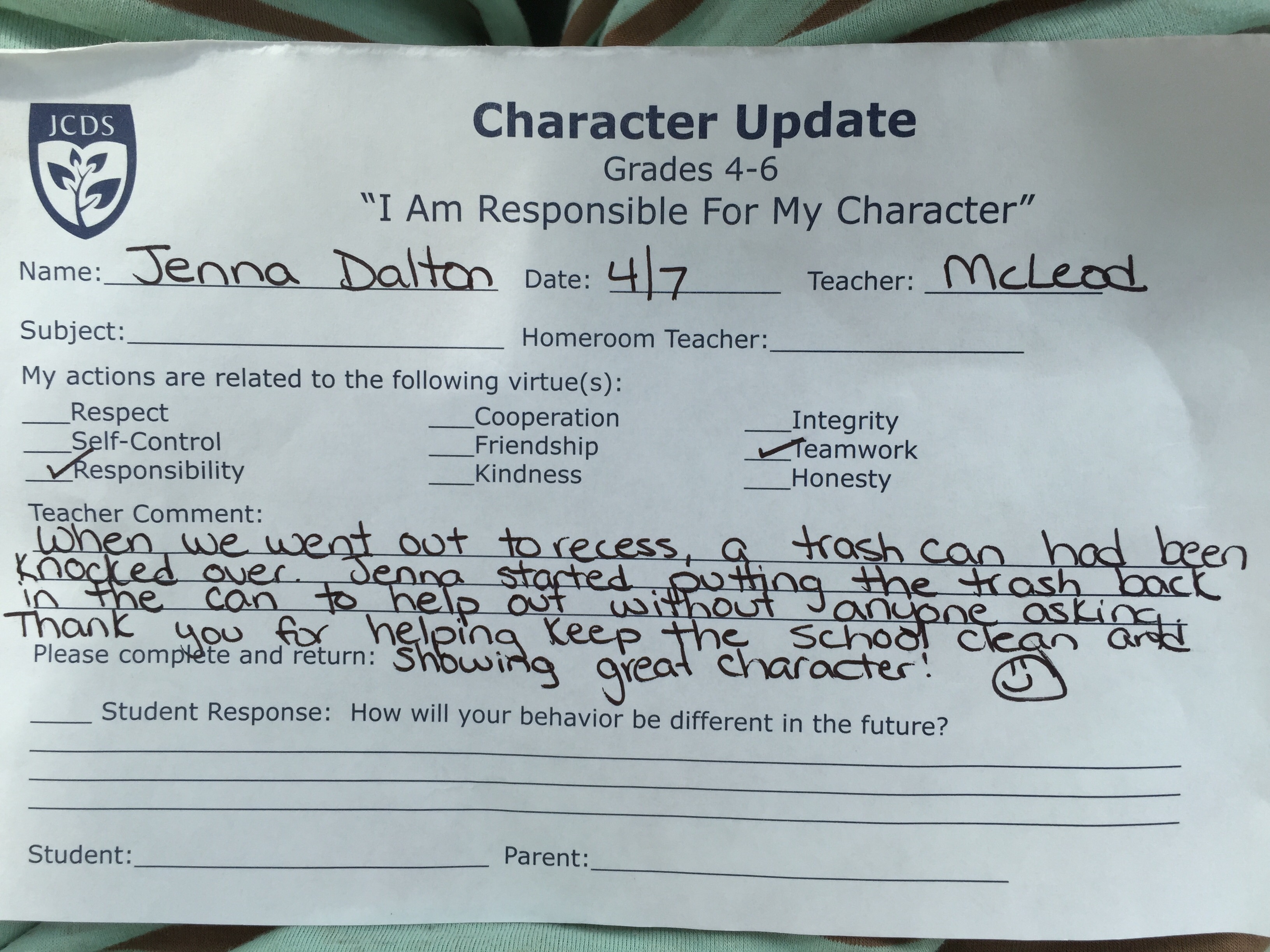
Jenna’s gift for noticing trash on the playground and stopping to pick it up at recess

JennaGrade4JCD

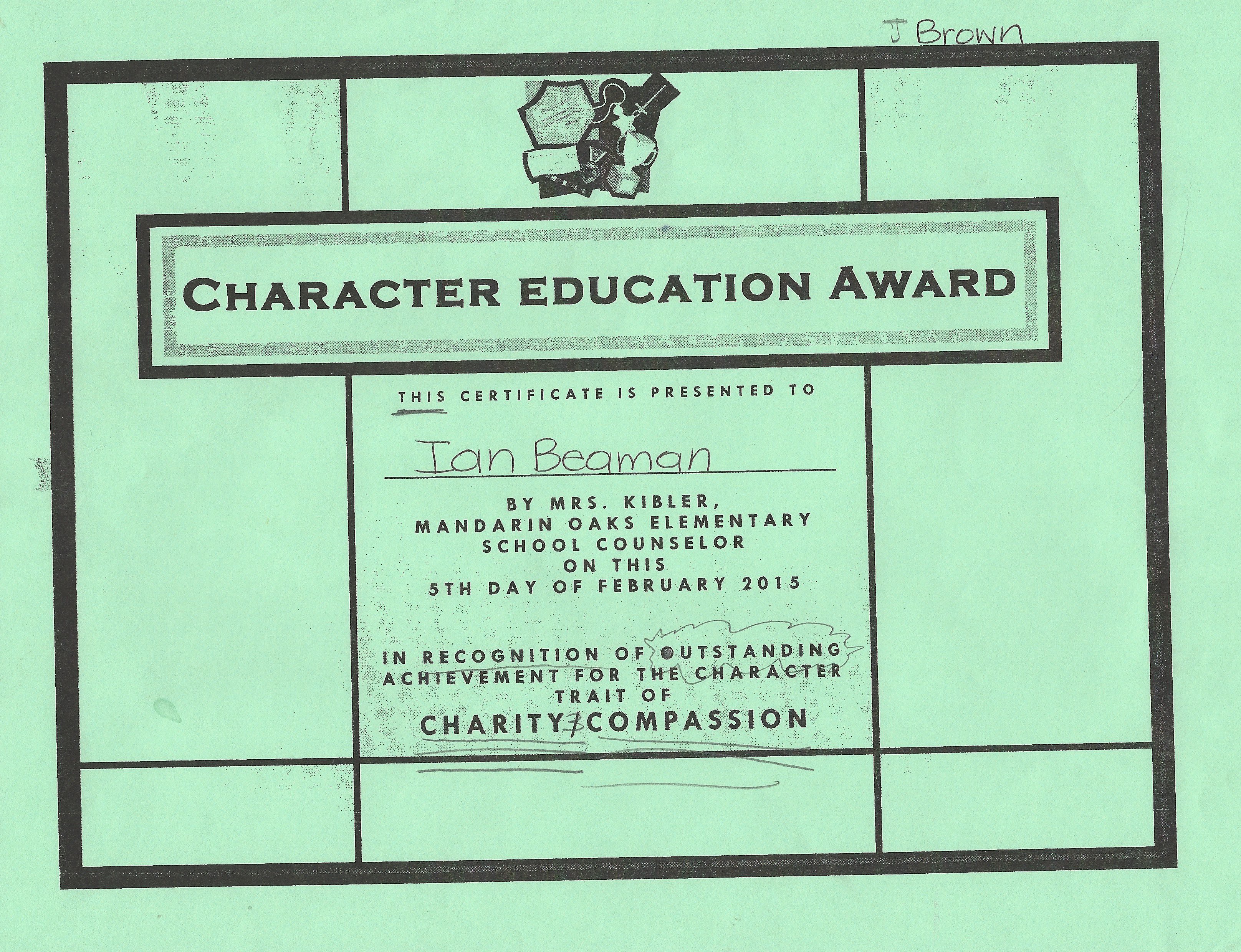
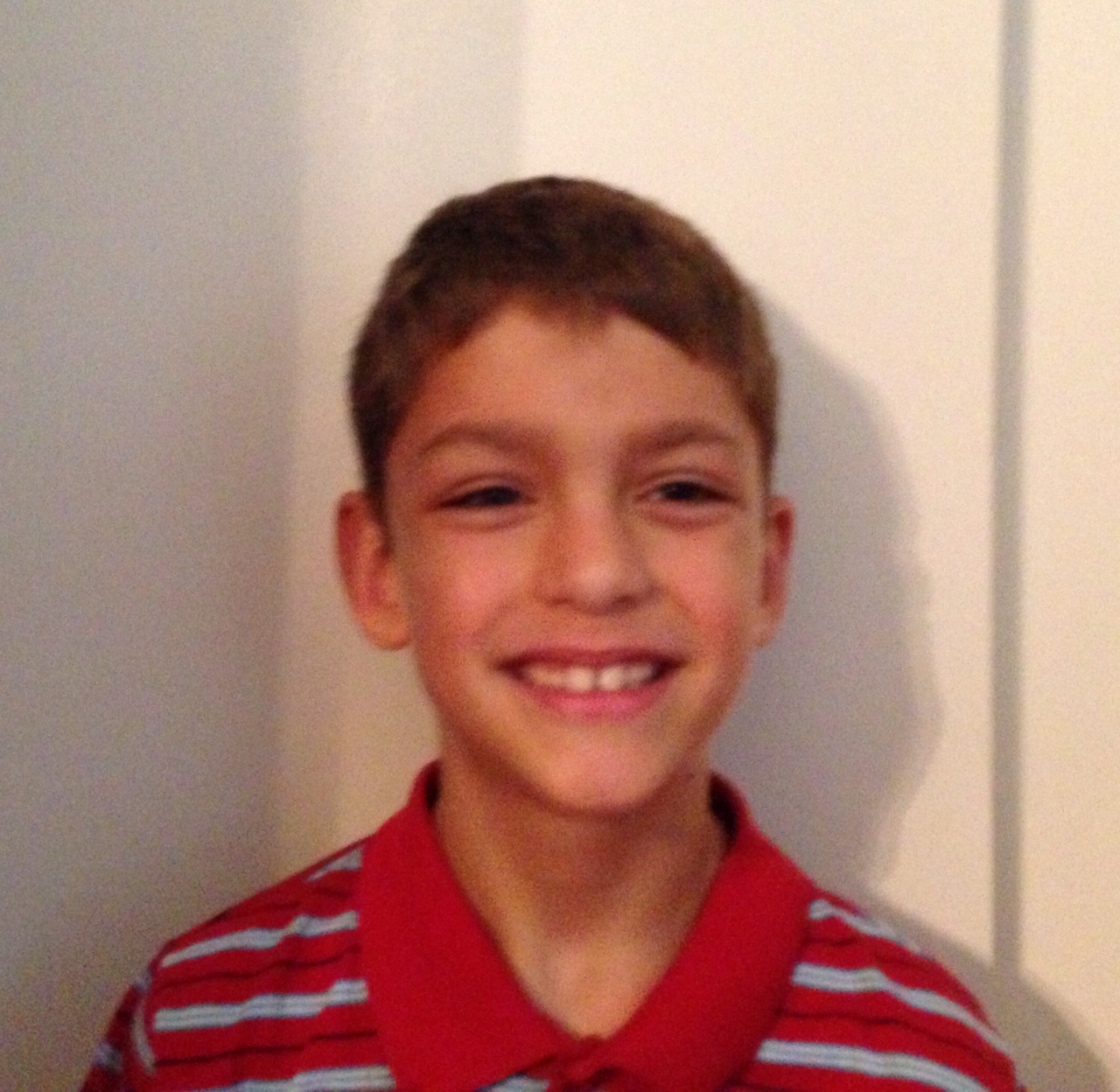
JennaCharReportAnd Ian’s quality of charity and compassion
IanPhotoJuly15

Ian: Character trait of Charity & Compassion
Ian: Character trait of Charity & Compassion. He also received a senior yellow belt,  Tae Kwon Do

As long as the pixels and electrons hold together on this website, today’s post will be a family record for the Daltons and the Beamans for years to come. Just as importantly, I pass this celebration along as a template to commemorate all sorts of happy occasions among your own friends and family members, including nieces and nephews.

Back to the celebration: I don’t really think my grand-kids paid much attention when I read them the inscription on the back of the plate. They knew cupcakes were coming! Yet the Old Testament writer Zephaniah prophesied the power of praise . . .
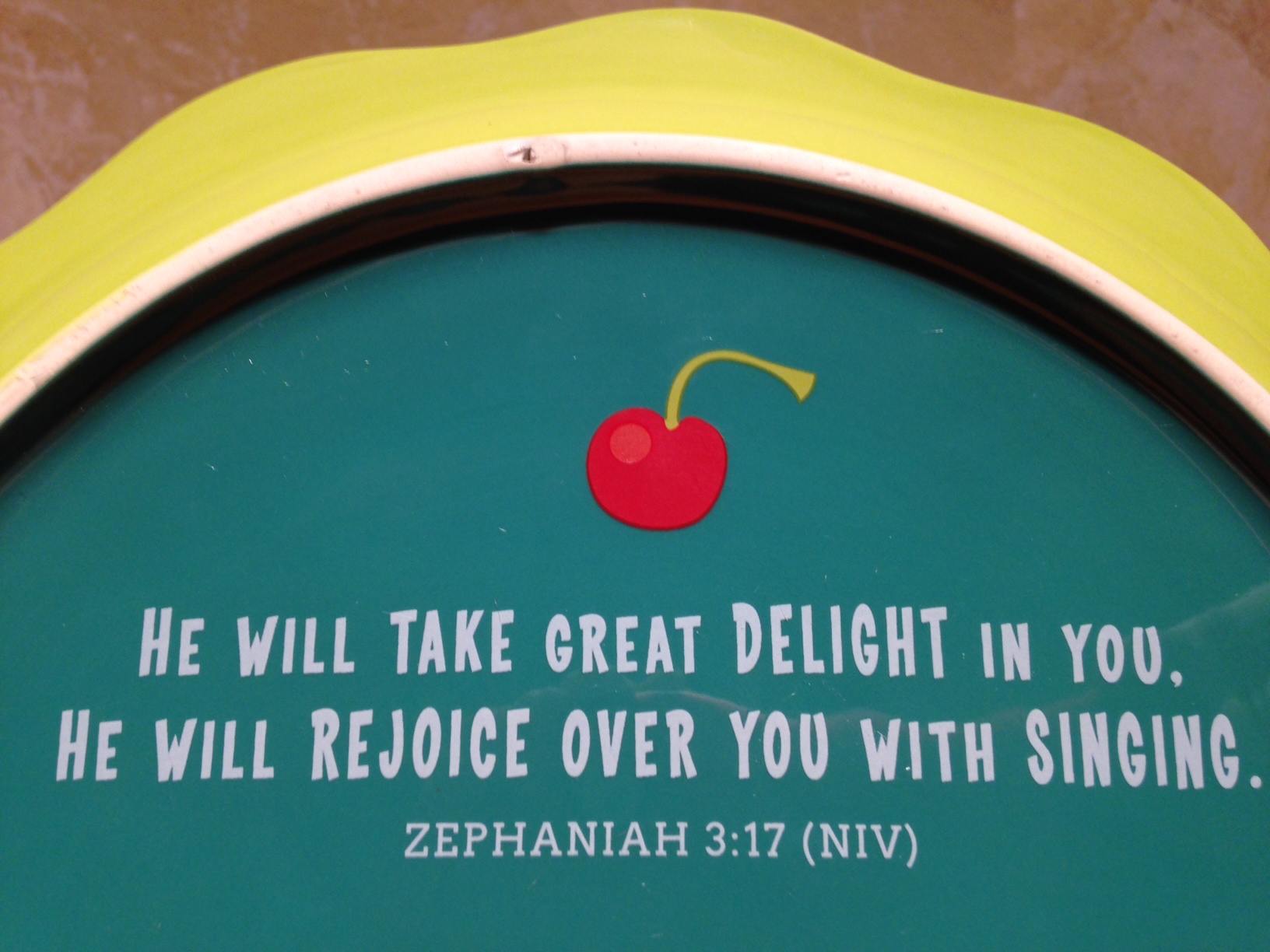
Plate ReverseZechIn my Mennonite upbringing in the 1950s and 60s, honor given to a family member would probably be shyly appreciated but not expressed openly. Why? Because recognition of this sort smacked of pride, the worst sin of all. After my high school graduation with honors, my parents barely acknowledged all the recognition I received. During my Eastern Mennonite College graduation ceremony, not a word was spoken about my ranking in the class. Such practices were soon to change though. I was near the end of the Old Guard.

It is definitely not psychologically sound to overlook the accomplishments of the deserving and according to Zephaniah, it is certainly not biblical either.

*  *  *

As you read this post, did a name or two pop into mind, someone deserving of a plate of accomplishment?  It’s your turn to tell!

Coming next: Oh, Beautiful – Amber Grain & Grainy Amber
2 Tales from Roxann and Cheeno, Our Fresh Air Children

His yellow tag says: Cheeno Duncan –  Host Family: Ray & Ruth Longenecker

How would you feel if you were an 8 or 10-year-old from New York City and after a 3-hour train ride landed you in the farm pastures of Lancaster County, Pennsylvania, lush but unfamiliar? Cheeno and Roxanne Duncan were part of the Fresh Air program designed to give urban children summer vacations away from their hot tenement building apartments.

My parents, always alert for ways to serve God through their church, Bossler Mennonite, offered a home to two of these children in 2-3 consecutive years in the early 1960s. A side benefit would be playmates for my 10-year-old brother Mark, who was 7 years younger than his closest sibling, my sister Jean. And for the first time, the whole family would be brought in close contact with children of a skin color and culture different from our own.

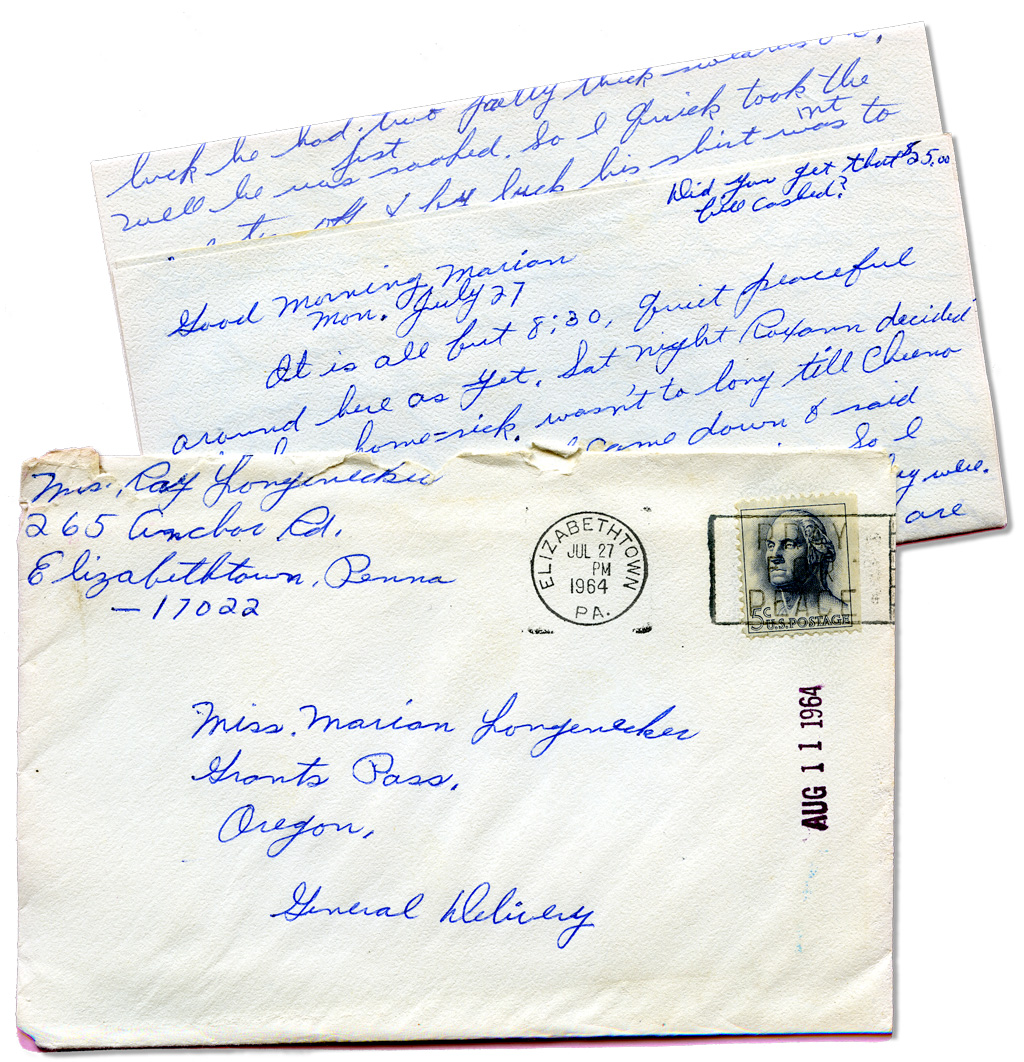
These two tales about Roxann and Cheeno come verbatim from letters my mother sent to me while I was enjoying a 5-week cross country road trip. One was addressed to Grants Pass, Oregon, delivered, and another addressed simply to Los Angeles, California, no street address, from where it was “returned to sender, unclaimed.”

LetterMomToMarianOR

TALE # 1   Crying

July 27, 1964   Written in my mother’s handwriting, unedited:

Good morning Marian   It is all but 8:30, quiet peaceful around here as yet. Sat. night Roxann decided she has homesick. Wasn’t to long till Cheeno saw her crying. Mark came down and said Mommie now they are both crying. So I went up into the bed room. There they were, two sets of tears. I asked Cheeno why are you crying. He said because she is crying. Then I said well now I will cry because you are crying. So I tried to start pretending [to cry]. Roxann had to laugh. It didn’t last to long. But they decided they would feel better if they slept in one bed. So I left them.


TALE # 2   Leaving

August 4, 1964

Dear Miss. Marian   Well we took the Duncans to the train station today. We were about 2 blocks away from the station Roxann said we don’t have our yellow tags on. I rushed in quickly and explained the situation. He said they must have tags on. But we can make some others. Well that was finally straightened out.

But oh horrors what could be next. Cheeno picks up his lunch bags and lets it fall to hard on the cement. There goes a broken jar with root beer all over the bag and the floor. I quickly got some Kleenex but not quiet enough. Ruthie [my Aunt] goes to the car and comes back with an old pair of her silk “panties” Oh she said we don’t even have paper to put them in. she had taken the broken jar and paper bag to the car already. There we were left holding some-thing we didn’t care to be seen with. Luckly we did see a trash can. Ruthie laughed and said if any body finds or see’s this they will think she just took off her ____??____

 * * *

The program, originating in 1877, is flourishing to this day. See more about the Fresh Air Fund here.

FreshAir Kids

There are many ways to experience independence and freedom. Here’s one example. You can think of some others as you reflect on this past holiday weekend. Hope you had a Happy Fourth!

Coming next: A Plate, a Parade, and a Song

Liberty Bell, Still Ringing

LibertyBellJacquieLawsonCardsYou are seeing the thumbnail of an animated card waiting for you over on my Facebook page. The festivities in the town square here are set to the tune of Sousa’s Liberty Bell March.

The tune, famous in the 1970s as the theme song for Monty Python’s Flying Circus, accompanies the ringing of the Liberty Bell in my holiday greeting to you. Jacquie Lawson, designer of elegant, animated cards for all occasions, is based in Sheffield, England in the United Kingdom. Incidentally, on July 1 Jacquie featured a maple leaf-studded flag for Canadian readers.

To all my Blog viewers and followers around the globe – Happy 4th of July, however/whenever you celebrate independence & freedom.

Click here to find your card on my Facebook page.

What does liberty mean to you this year? A definition, a story, whatever is on your mind . . .

Coming next: Two Tales from Cheeno and Roxann Duncan, Our Fresh Air Kids

I Spy an Elk!

Gladys asks me, “Would you like to drive up to Cataloochee National Park to see the elk sometime this week? We have to go at dusk because that’s when they come out to feed.”

I’m quick to respond: “Sounds good to me.” I’ve never seen elk up close. Besides I thought they lived in Colorado or Wyoming. “I’m game!”

After many decades, I have reconnected in North Carolina with Gladys Graybill Schofield, whom I have known in Lancaster County, Pennsylvania since our early teens. Gladys lives in the Smoky Mountains and has agreed to be our personal guide for the evening. Who can resist!

Gladys and Marian having early supper at Blue Rooster in Waynesville, NC before elk-spotting

She and I have gone to Laurelville Mennonite Camp together during Girls’ Week. We were even baptized together at Bossler Mennonite Church. She still has that sweet smile I remember. This will be another adventure together over dozens of switch-backs and rough terrain to see the elk.

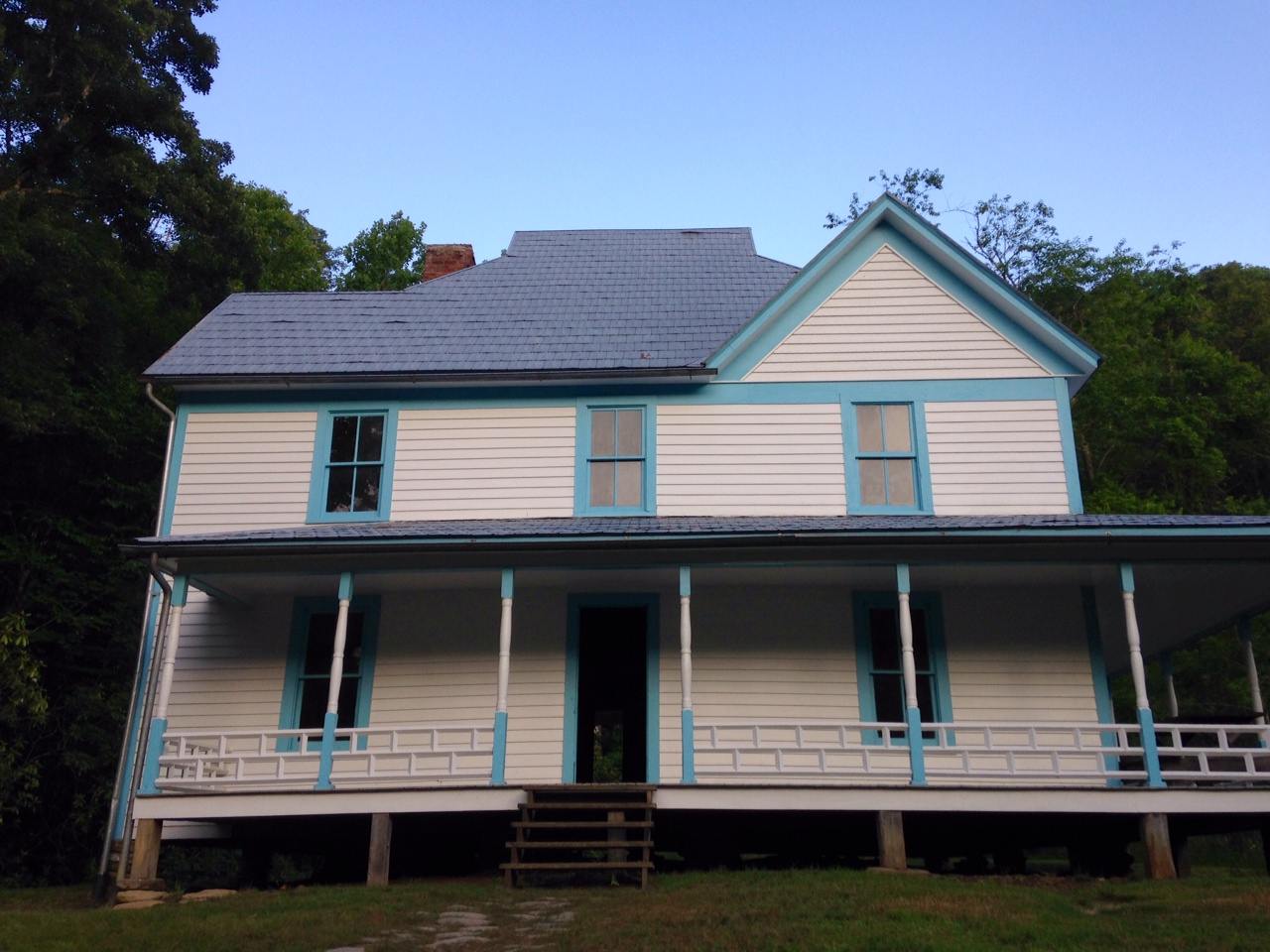
The peaceful Cataloochee Valley, surrounded by 6000-foot peaks, has preserved historic homes, barns, and churches. We were surprised to find much more than elk here in this Park.

CaldwellPlaceWarningCaldwellHouse1903

Built in 1903, the Caldwell house has no front door, grainy hardwood floors, and several hearths for an earlier family to heat the bedrooms and cook in the kitchen. It seems haunted, like an artifact in a museum – no sign of life within. We don’t linger.

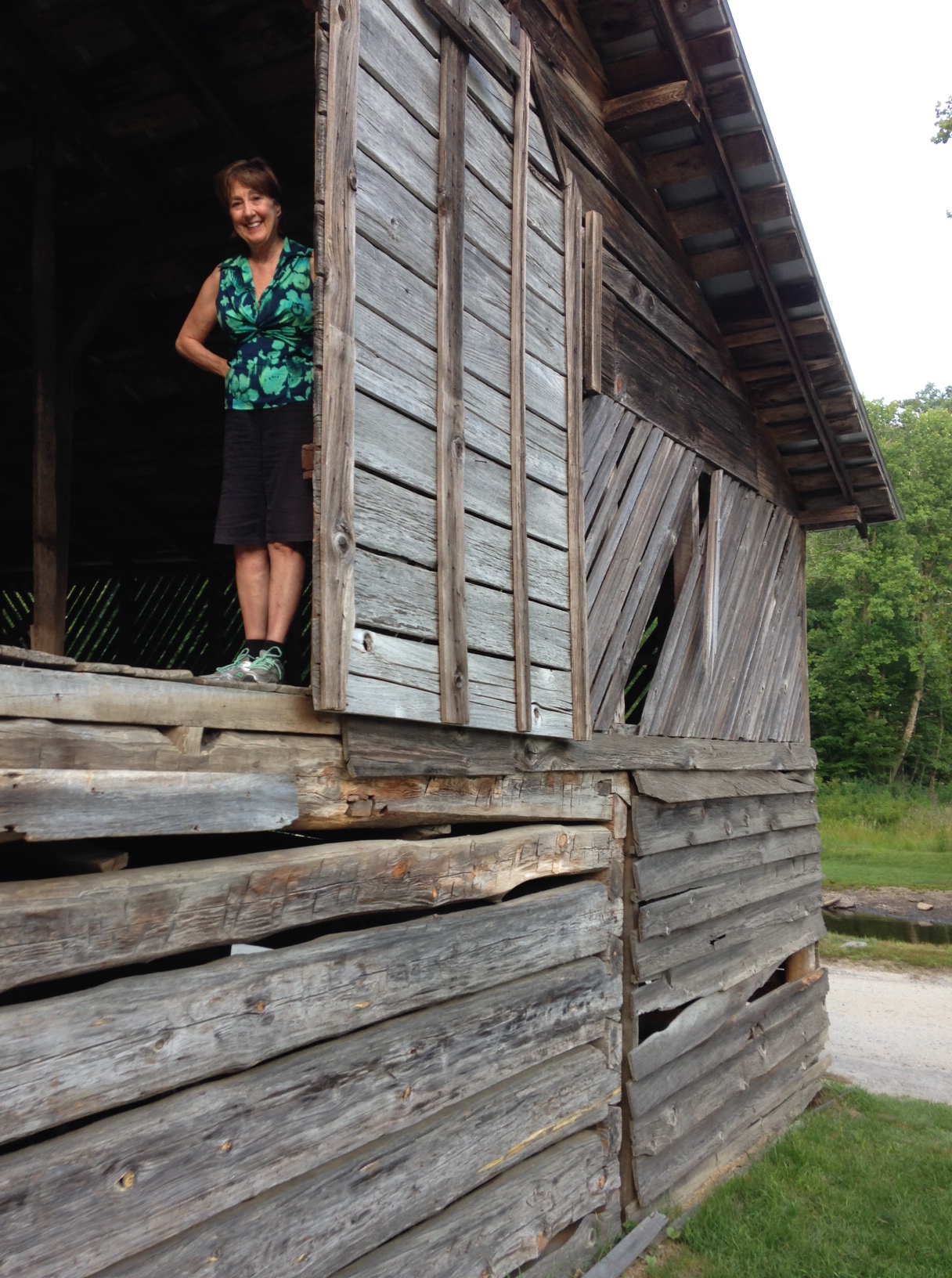
Close by, I snoop around what appears to be a two-story tobacco barn:

MarianBarn

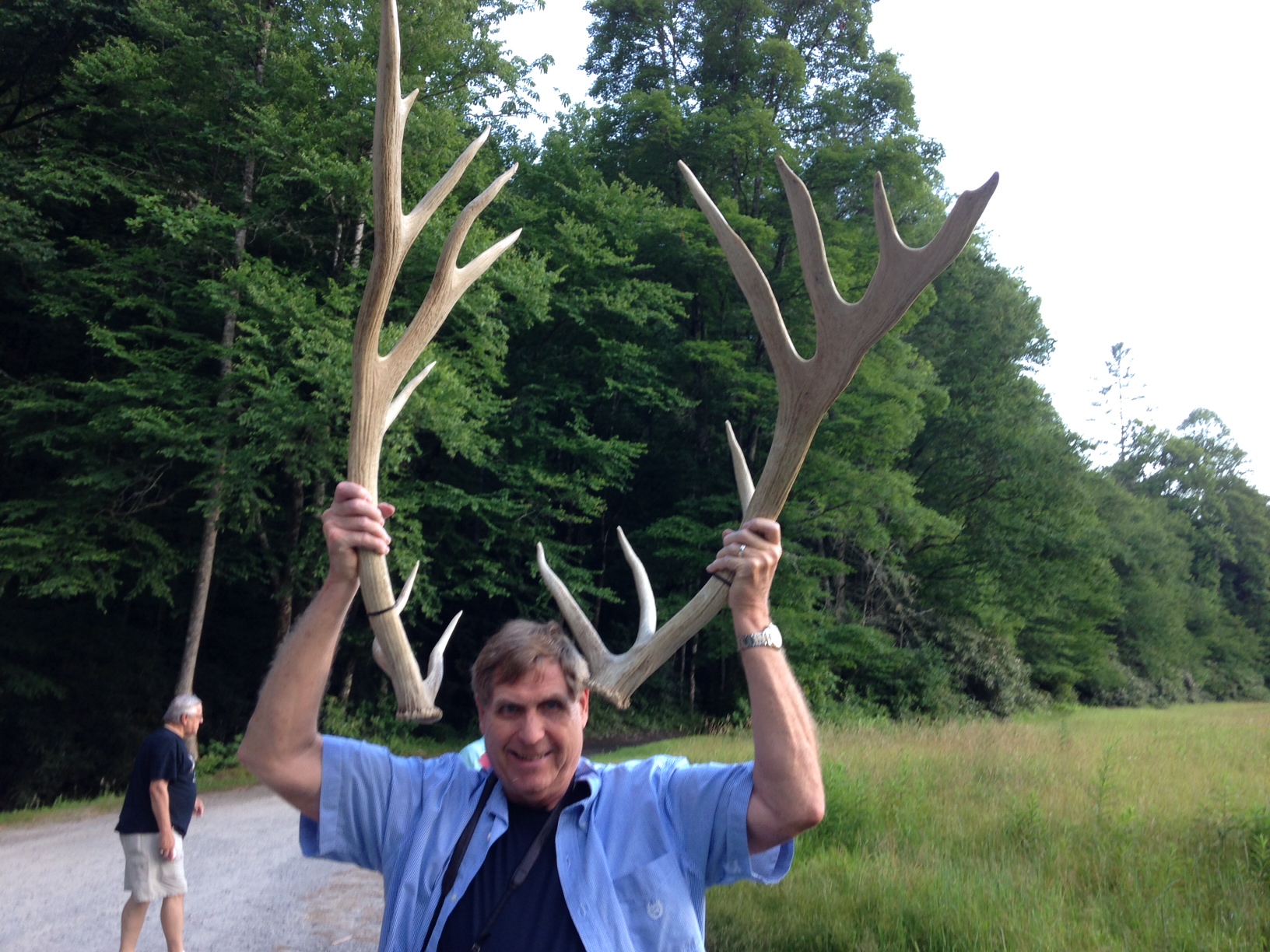
No elk close-up yet, so the forest ranger gives us a tutorial illustrated with authentic stage props displayed here by an old buck.

AntlersCliff

Antlers fall off male elk in March and regenerate before winter.

Because of over-hunting and loss of habitat, elk disappeared from the southern Appalachians in the 1700s. Our national park service chose to re-introduce elk in 2001 by importing 25 elk from the Kentucky-Tennessee border and 27 more from Alberta, Canada.The park currently preserves 52 elk. One might call it “the return of the native.”

Ah, we see elk in the distance . . .

ElkDistanceBetter

And then we spot a female grazing along a bubbling stream . . .

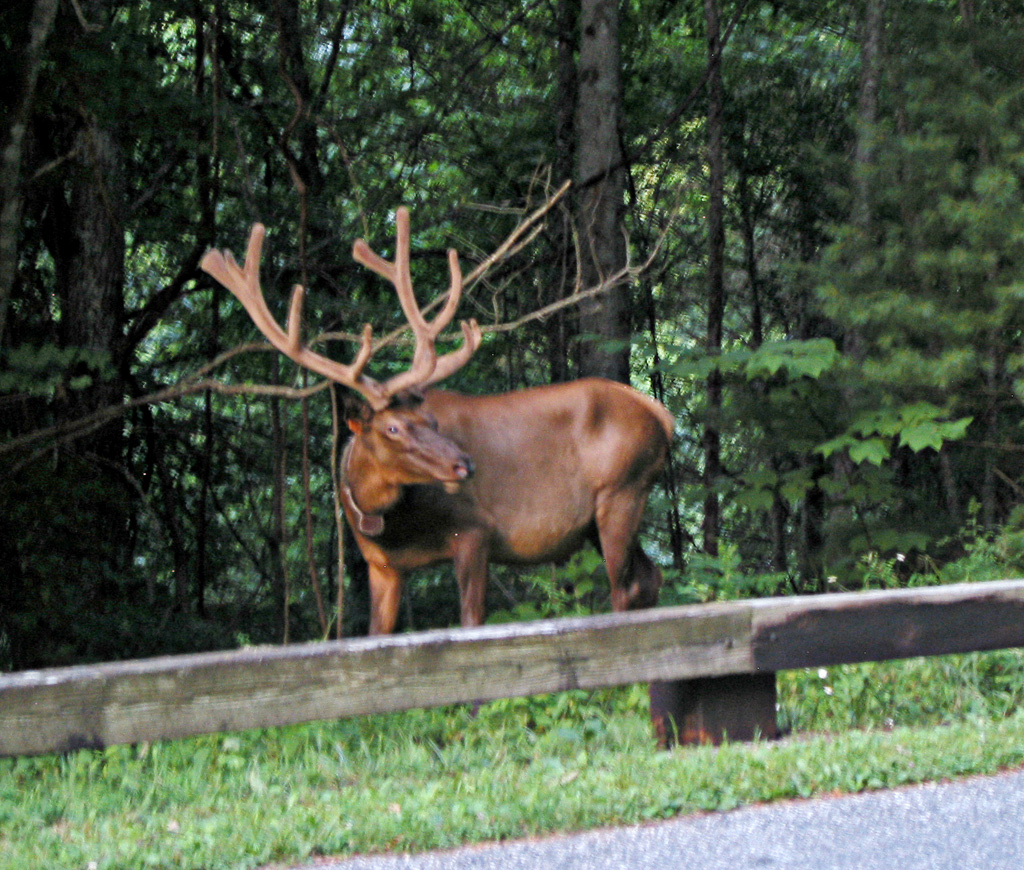
Before we leave at dusk, a male with velvety antlers grazes along the roadside. Elk at 500-700 pounds are formidable creatures if they feel threatened, so we keep our distance.

This buck elk will grow a new set of antlers every year This one is in the velvety stage and will be fully
This bull elk will grow a new set of antlers every year. His rack is in the velvety stage in June and will be fully “mature” by the fall, attracting females in the herd.

We gape, and click our iPhones. Quick!

Leaving the park at twilight, Gladys and I see up in front of her vehicle a black wooly creature bounding across the gravel road and up a ravine.

It’s a BEAR!

Creation Clips

We are spending the week in the cool Smoky Mountains, savoring the beauties of nature in Waynesville, North Carolina. Nothing breaks the silence except birdsong. Rhododendron buds unfold into blossom, a walking stick is a great companion, just like Laurelville Camp in the Fifties.

Postcard with rhododendron sent from Laurelville Mennonite Camp

You’re invited on a nature walk today . . .

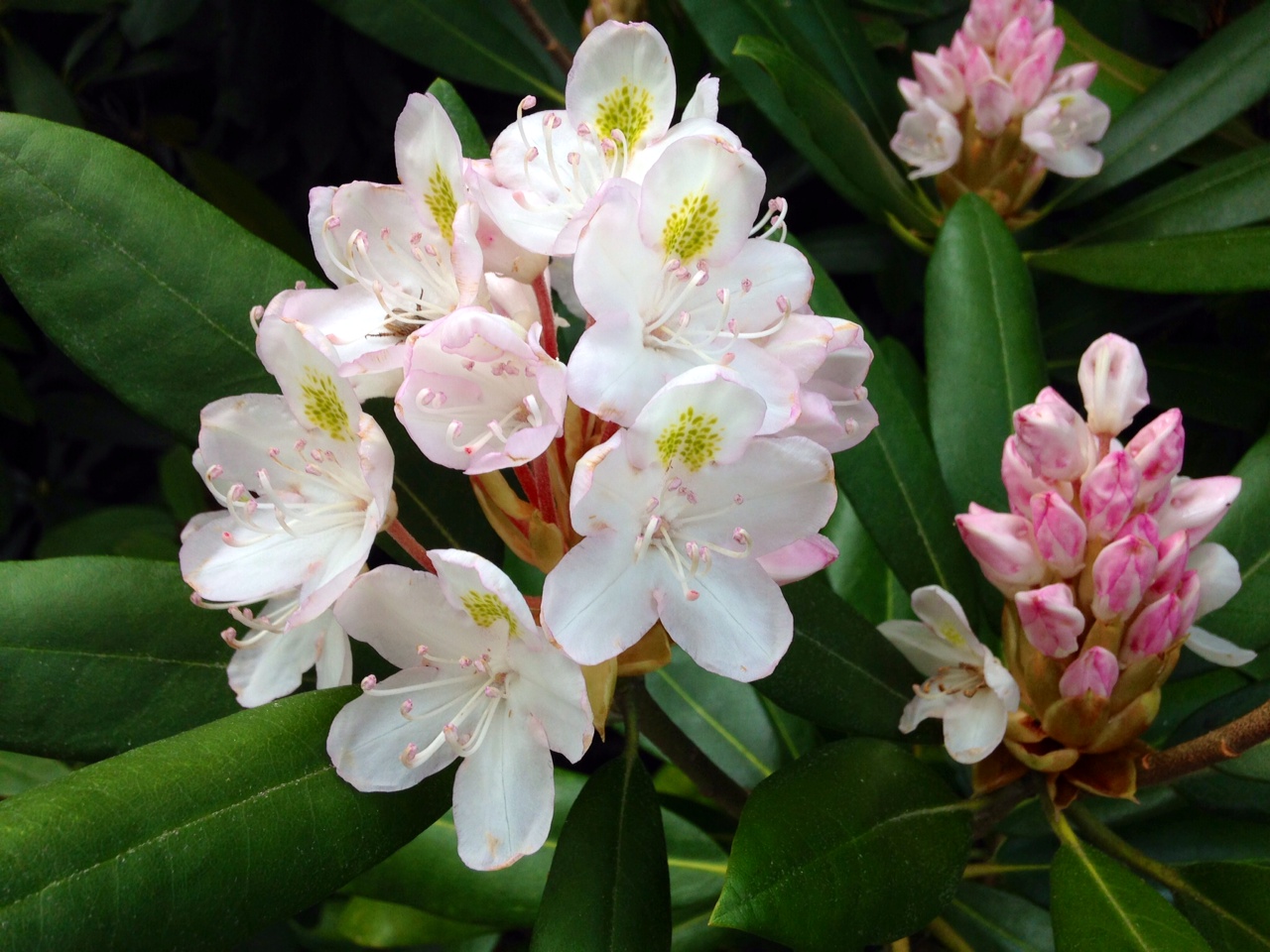
Rhododendron, blooms tight in the bud
Rhododendron blooms slowly releasing their full beauty. Pink buds become white flowers.
In full bloom, 3 days later
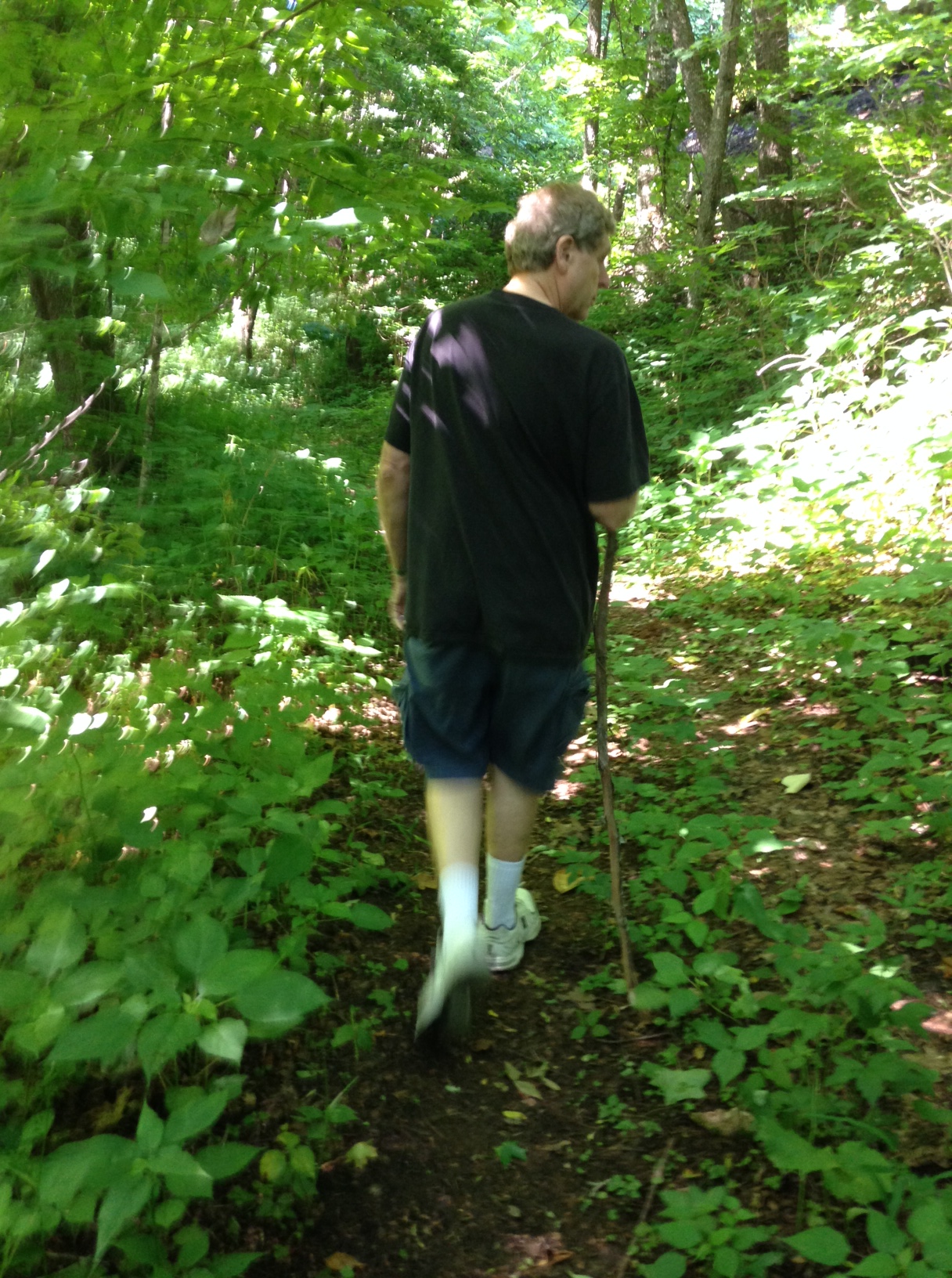
Walking through the woods, making all the difference
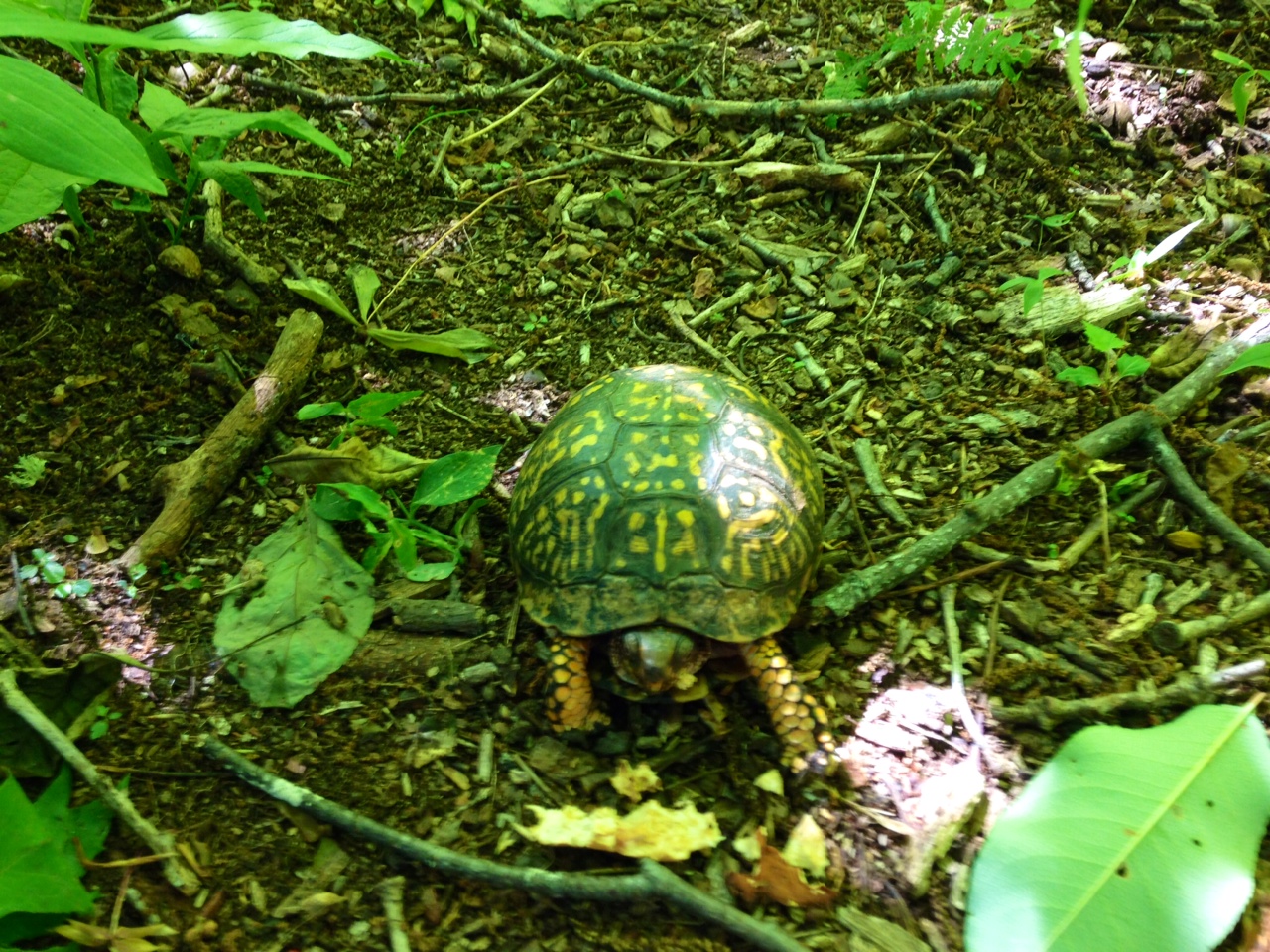
Turtle tries to camouflage
Turtle trying to camouflage. It’s not working!
Flaming Azalea
Flaming Azalea
Hummingbird says, "Fly letter fly - come back with quick reply"
Hummingbird says, “Fly letter fly – come back with quick reply,” an antiquated postscript in this era of email, texting, Facebook messaging.

Echinacea

Echinacea, used by native Americans for centuries, has medicinal powers, say lovers of natural remedies. Its leaves, flowers, and roots can be used to boost the immune system. Some devotees take echinacea at the first sign of a cold. Others use it fight viral infections, chronic fatigue, or skin wounds.

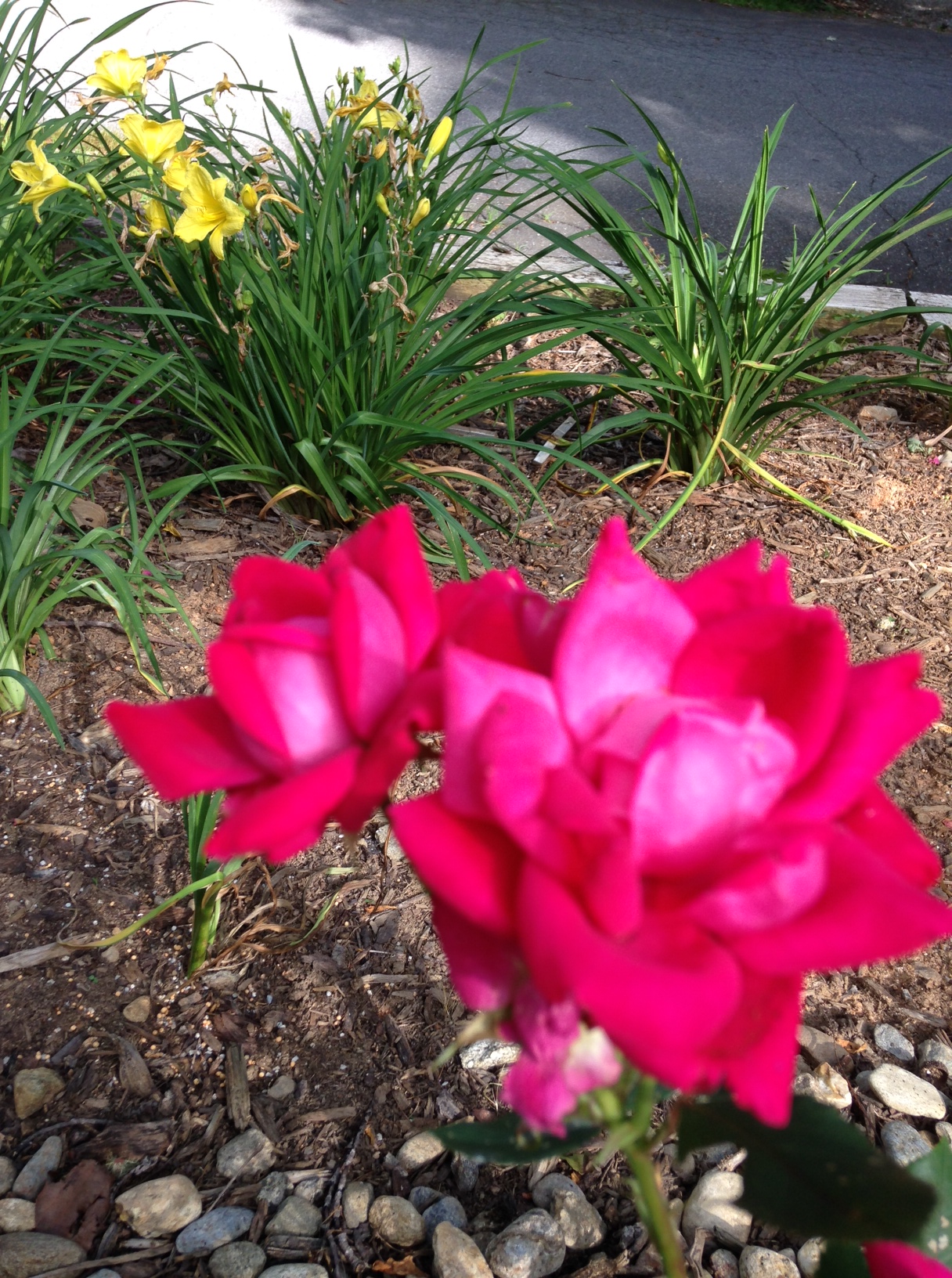
Take time to smell the roses . . .


Bring on the graham crackers, chocolate, and marshmallows. Toast some S’mores!


Something’s missing here: Add your own quote, verse of scripture or story that came to mind as you read this post. Gather around the camp-fire!


Coming next: I Spy an Elk!

Marian, Janice, and Jean Go to Laurelville

  • Lacing a belt of green and yellow gimp in crafts class
  • Trips to the snack shop for an orange Nehi
  • Bible study on the rocks, girls like us with braids, some with prayer caps

These are my sharpest memories of Girls’ Week at Laurelville Mennonite Camp just off the Pennsylvania Turnpike not far from Pittsburgh, PA. along with . . .

  • Cottages with cute names like Dew Drop Inn
  • Toasting marshmallows around a fire pit
  • Singing rounds, our voices echoing each phrase: “My paddle’s keen and bright, flashing with silver, follow the wild goose flight, dip, dip, and swing”
  • “Do, Lord, oh, do Lord, oh do remember me wa-ay (big voice dip here) be-yond the blue.”

What we didn’t do at Laurelville:

  • Set fire to the boys’ swim trunks hanging on the line (There were no boys)
  • Paint each other’s toenails hot pink. (No one had makeup – verboten)
  • Sneak a smoke in the woods after dark. (We didn’t have matches – or cigarettes!)

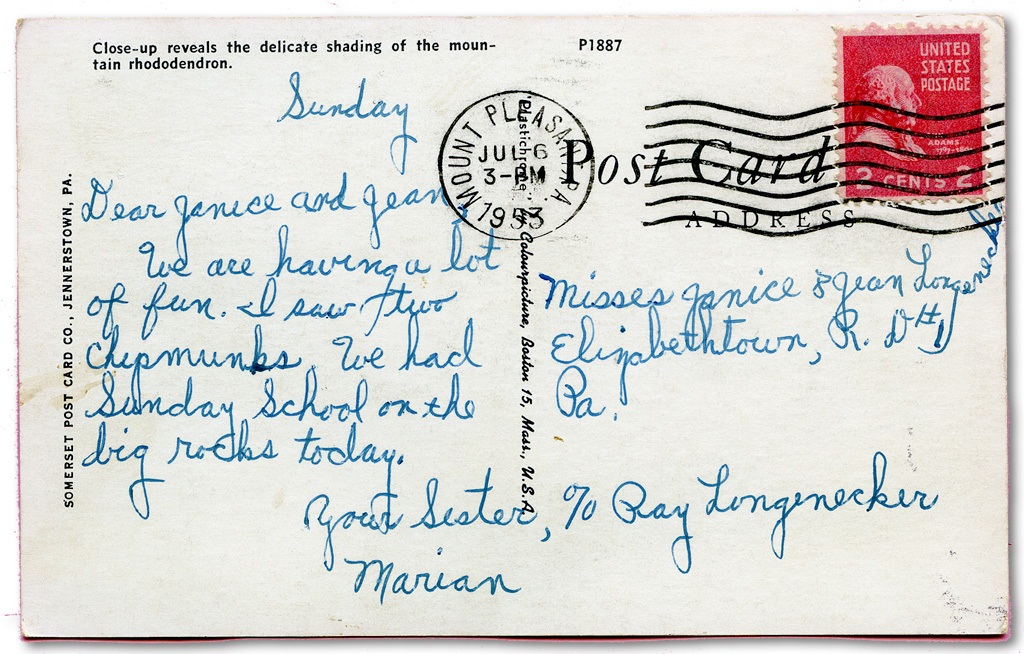
The postcard I sent to my sisters from Laurelville reveals the price of postage stamps, an address that winds around the edge in cursive script, and simple declarative sentences. It also tells how I felt, what I saw, where we worshiped.

PostcardCampFront

Postcard with rhododendron sent from Laurelville Mennonite Camp
Postcard with rhododendron sent from Laurelville Mennonite Camp in 1953

Memories of family week with my sisters and parents at Laurelville left a different imprint.

  • Family swim time
  • Doggie roast (Hot dogs, corn on the cob and roasted marshmallows)
  • Big plaque on dining room wall: “Come ye apart and rest awhile” Jesus’ invitation to his disciples in Mark 6:31
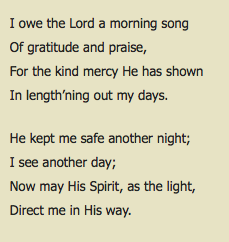
  • Morning blessing in song: “I owe the Lord a Morning Song” written by Amos Herr, Lancaster County pastor and farmer who couldn’t get through the snow drifts to church one Sunday morning in the 1850s and was inspired to pen both words and music to this song of gratitude. First two stanzas here:

I Owe Lord Morning Song

We also sang something new to us: How Great Thou Art, a Swedish hymn written in 1885, which became an instant sensation in Christian circles in 1955 because of the Billy Graham Crusades.

When through the woods and forest glades I wander, I hear the birds sing sweetly in the trees; when I look down from lofty mountain grandeur and hear the brook and feel the gentle breeze.


ClimbMountain


What are your memories of camp? Here’s the place to share them – songs, games, mischief – other memorable moments.


Coming next: Creation Clips


4 Months, 4 Gifts: A Tribute to My Dad

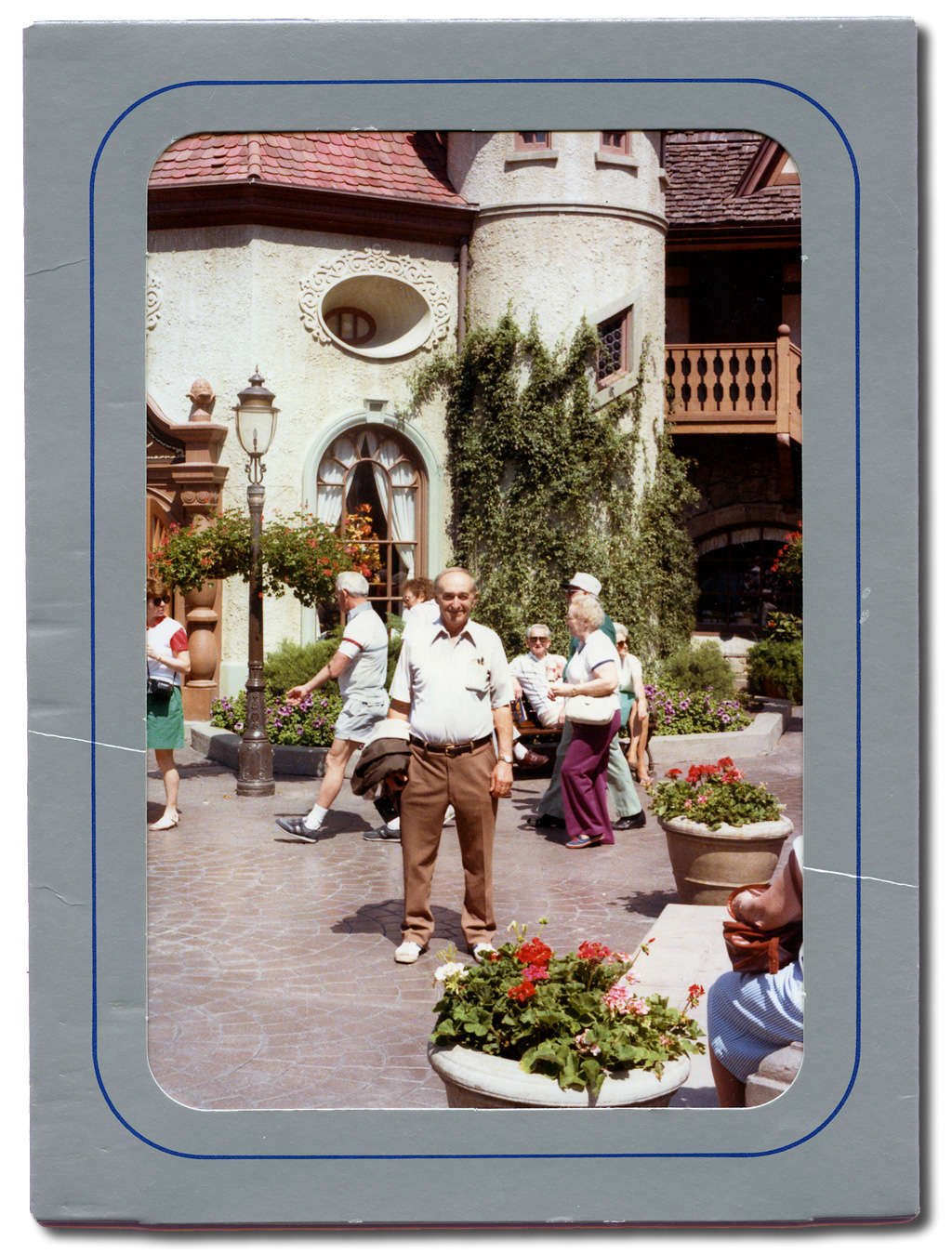
March 1986:  Mom and Dad Longenecker visit the families of my sister Janice and me in Jacksonville, Florida. We all enjoy Epcot in Disney World, Dad’s chance to see a faux version of the Switzerland he never actually visited but planned to some day. My super-charged Dad seems more mellow now, slower, even takes naps. “Hey, Dad, I see you’re getting a pooch here,” says son-in-law Cliff, commenting on my dad’s weight gain as he playfully pinches his waistline.

DadEpcot

April 1986:  We get a call from Pennsylvania, “Dad has been diagnosed with lymphoma. Blood cell tumors have developed in the lymphatic system. Stage 4 . . . it’s too advanced to operate . . . they can try chemotherapy, maybe radiation after that  . . . .” Like an earthquake, the news sends shock-waves through our family. Why, we just saw him a month ago.

May 1986:  My father is now dying of lymphoma. I leave my husband and children and fly up to Pennsylvania, alone, to see him alive for the very last time. He looks nothing like my image of him in March. His skin, scorched red-brown from chemotherapy, reminds me of a starving Indian. He is wasting away. “I don’t want to live like this,” he says, calling a halt to the treatment. Too weak to climb to the upstairs bedroom, he reclines now almost motionless on the pull-out bed in the living room, a solitary pillow under his head. On May 17 his 71st birthday comes and goes.

My flight south leaves a few days later. This is probably the last time I will see my father in this life. I approach him to say goodbye, and I add: “I love you, Daddy.”

June 18, 1986  Daddy breathes his last, less than three months after his cancer diagnosis. We get the dreaded call and make plans to drive north for the funeral. My mind flits around in reminiscence.  And then leaps forward with prediction: Now Dad won’t be attending the ceremony where I receive my Master’s degree in December. He won’t stand up to be photographed at any of his grand-children’s weddings or get to play with his great-grandchildren any more. At age 71, he has reached his heavenly home.

Had he lived, he would have turned 100 years old this year, like Aunt Cecilia.

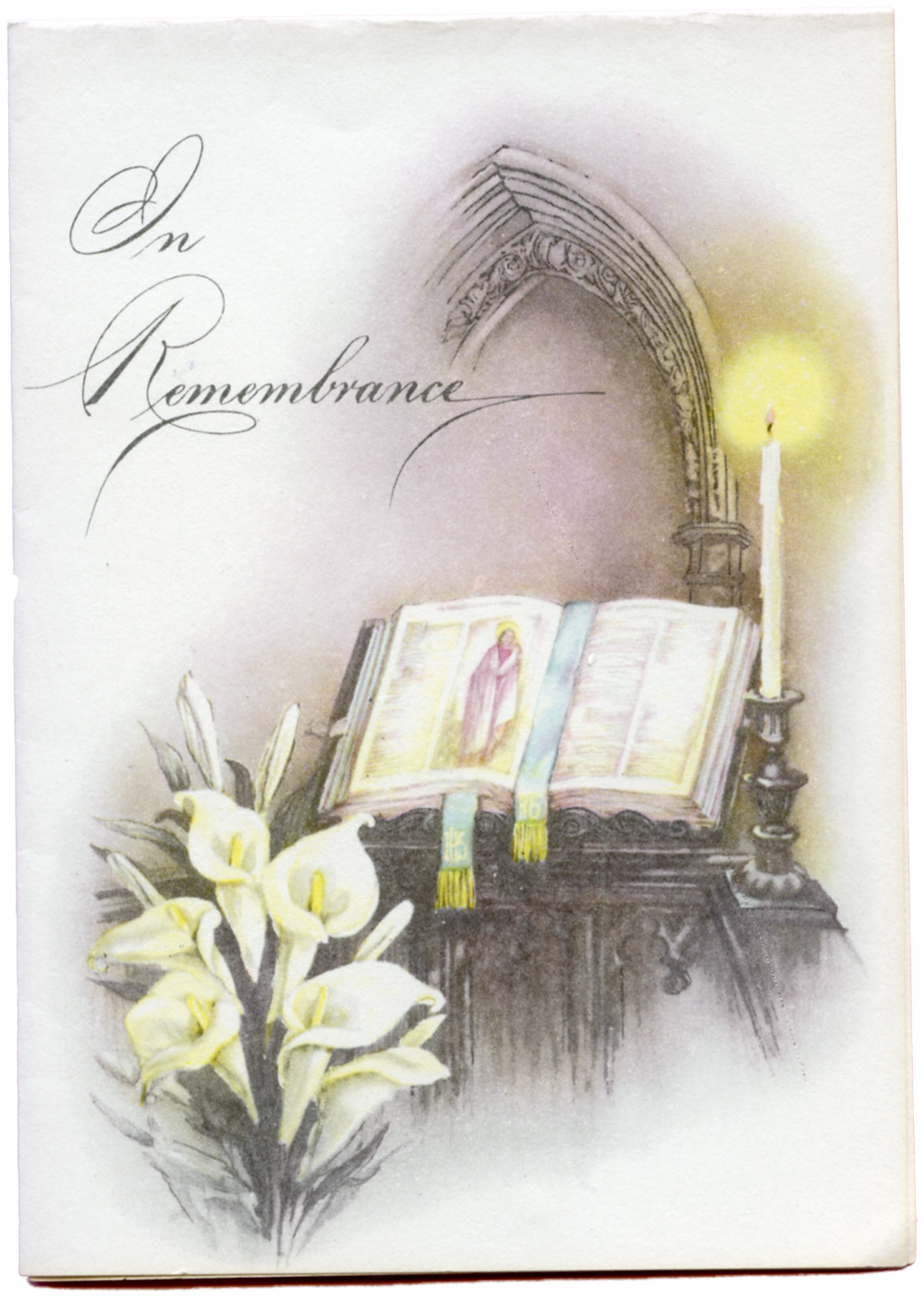
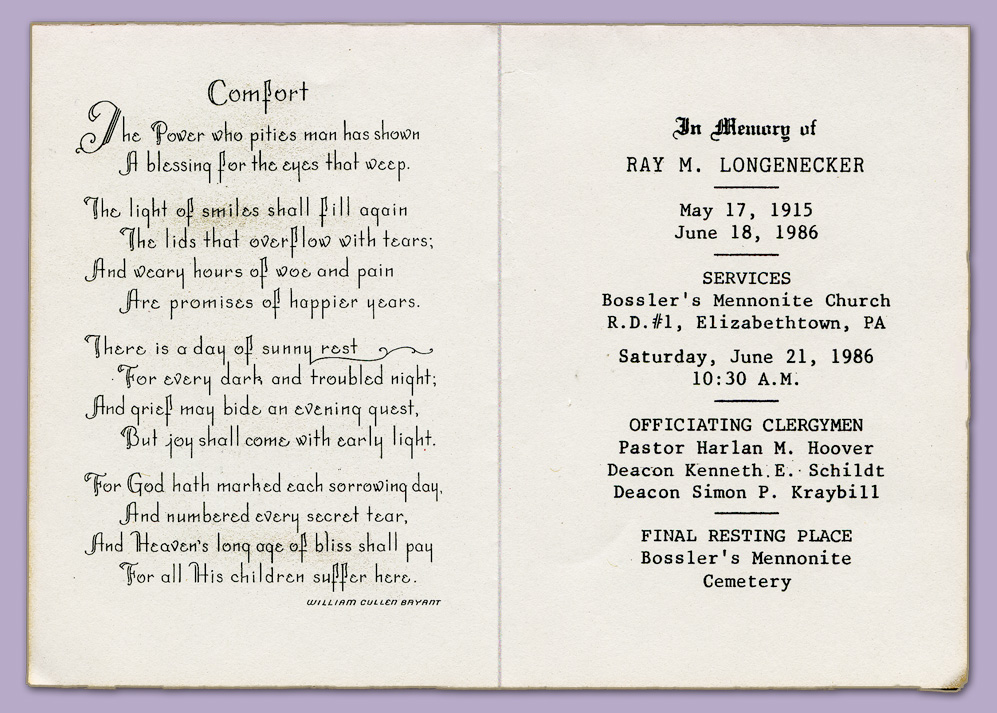
DadFuneralFront

DadFuneralInside

On this Father’s Day nearly 30 years later, I pause to give thanks for the gifts my father has given me:

1. Love of nature  He went on walks in the wide meadows and sun-dappled woods close to Rheems, PA on Sunday afternoons. Sometimes I went with him.

2. Love for music   He played a banjo, guitar, and piano with gusto and bought me a violin. Music has formed the sound-scape of my mind since then.

3. Intellectual curiosity  He perused US News and World Report and The Wall Street Journal, listened to Edward R. Murrow, Paul Harvey, and Lowell Thomas, engaged in conversation about world events.

4. Value of hard work  There was the tomato field, the sweet potato plot, the shop . . . .

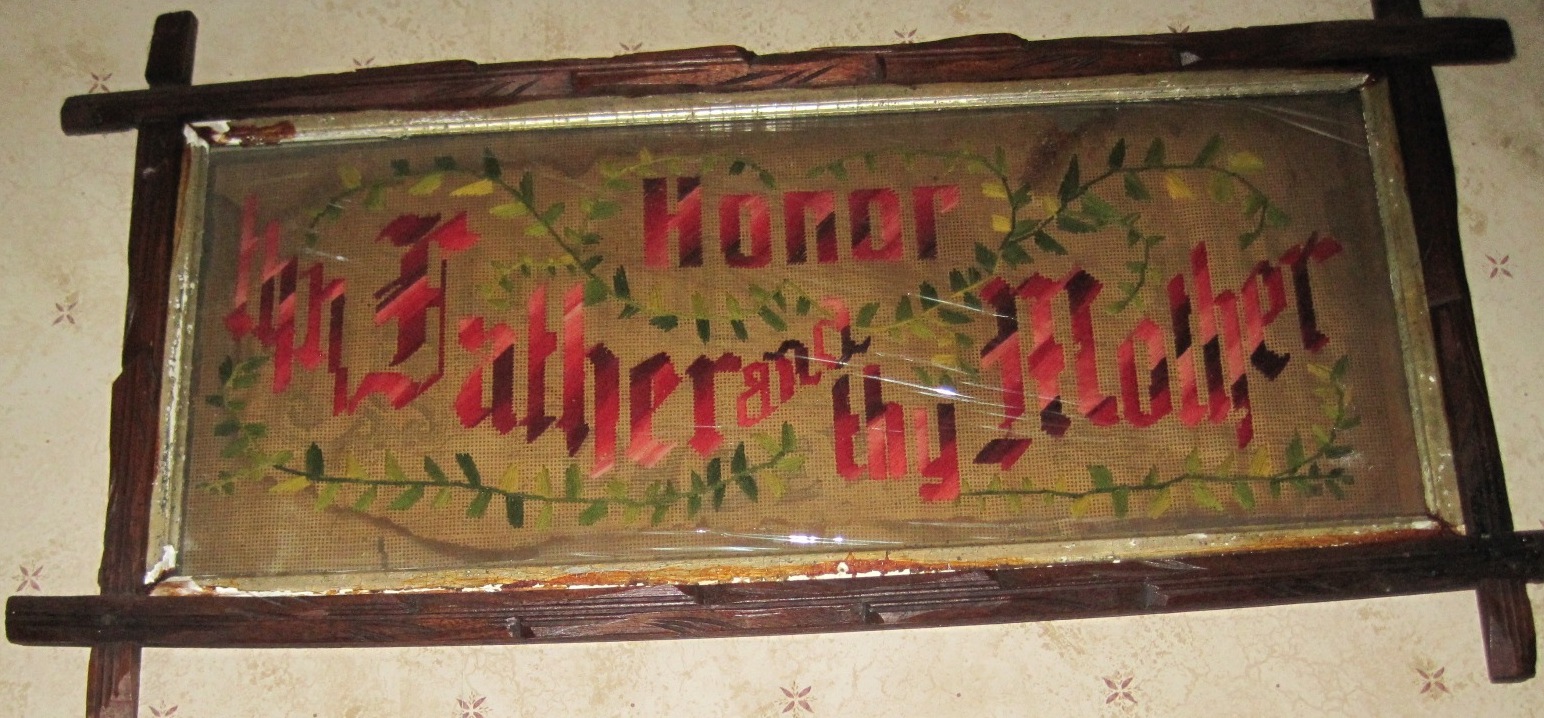
Framed needlework above one of the kitchen doors in Grandma Longenecker's house
Framed needlework above a kitchen door in Grandma Longenecker’s house

Exodus 20:12  Honour thy father and thy mother: that thy days may be long upon the land which the LORD thy God giveth thee.  (King James Version)

My father’s deep faith in God included honoring his own parents.

* * *

Thank you for your thoughts on Father’s Day 2015. You always make the conversation richer!

Going Male: Amish Romance Novels

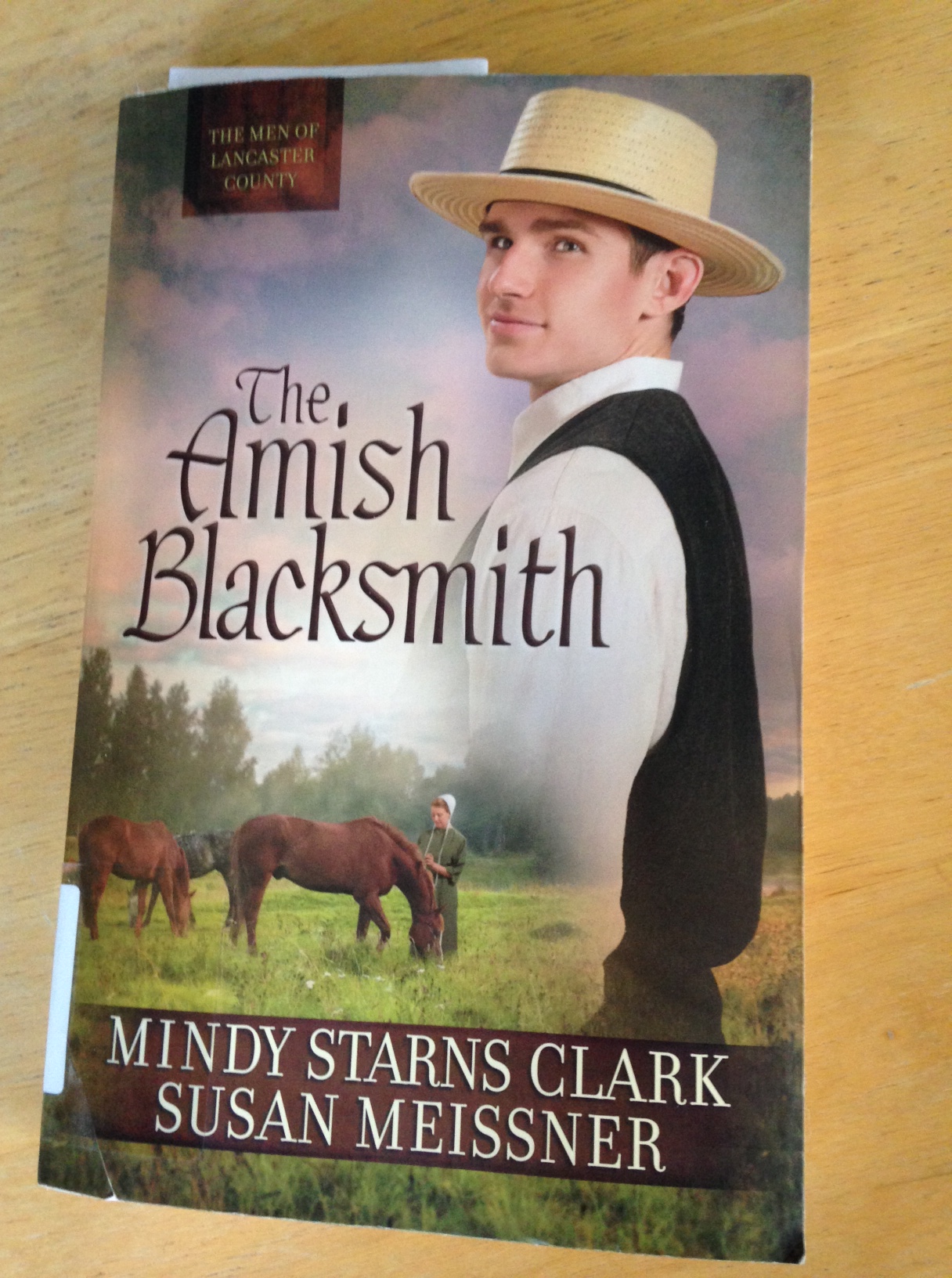
AmishBlacksmith

Cool Amish guys have replaced the dreamy looking girl with a huge covering and plain dress popular on the cover of some Amish romance novels. The images have done a flip. Now the young Amish-man with suspenders and broadfall pants and straw hat takes center stage.

Last week I finished reading my second Amish romance novel ever. These novels, usually with a female main character on the cover, are still wildly popular and stock shelves at Barnes & Noble and Amazon warehouses to the hilt.

Cover image via Amazon

Truthfully, I have resisted reading these novels for two reasons:

  • The plots seem formulaic to me: there’s a lover’s triangle, often with an “Englischer” from the tempting world beyond the farm.
  • Also, I have lived an authentic Mennonite life, and some plot-lines and details about the characters seem barely plausible.

Still, I took the time to read The Amish Blacksmith, starring a handsome dude named Jake on the cover with a plain Amish girl, grooming a horse in the misty background. I was curious about two things: the new trend in Amish romance fiction with a male protagonist plus the high profile of the authors within this sub-genre: Mindy Starns Clark, who has published more than 20 books including the Christy Award-winning The Amish Midwife and co-author Susan Meissner, whose novel The Shape of Mercy was named as one of the 100 best novels of 2008 by Publisher’s Weekly.

With five novels in the Women of Lancaster County Series (Mindy Clark and Leslie Gould). Clark and Meissner have begun the Men of Lancaster County Series: The Amish Groom, The Amish Blacksmith and mostly recently, The Amish Clockmaker.

Here’s a thumb-nail of The Amish Blacksmith from Goodreads:

Apprenticed blacksmith Jake Miller is skeptical of Priscilla Kinsinger’s innate ability to soothe troubled horses, especially when he has own ideas on how to calm them. Six years earlier, Priscilla’s mother died in an awful accident at home, and Priscilla’s grief over losing her mother was so intense that she was sent to live with relatives in Ohio. She has just returned to Lancaster County.

Not that her homecoming matters to Jake, who is interested in courting lighthearted Amanda Shetler. But Jake’s boss is Priscilla’s uncle, and when the man asks Jake to help his niece reconnect with community life, he has no choice but to do just that. Surprisingly, he finds himself slowly drawn to the beautiful but emotionally wounded Priscilla.

Jake then determines to prove to her that it’s not her fault her mother died, but what he discovers will challenge everything they both believe about the depth of love and the breadth of forgiveness.

Though the pace of the book slowed toward the end, I found the book a satisfying read. It is certainly more pleasurable to gain equestrian knowledge via a novel than from an equine textbook. In fact, the authors give credit to the Riehl and Fisher families of Lancaster County for helpful on-the-farm visits and to Elam and Elias Stoltzfus, for sharing their knowledge in their own Amish blacksmith shop. I applaud the authors too for their extensive research on horsemanship, particularly horse-whispering. I felt myself being both educated and entertained as I read.

Interestingly, male readers admit to enjoying Amish romance novels too. Valerie Weaver-Zercher reports in her book Thrill of the Chaste that an elderly farmer, Glenn Swartzendruber read almost ninety Amish-themed novels during the last three years of his life. And “a physician with degrees from Harvard and the University of Pennsylvania shared that he enjoyed listening to the audio version of Beverly Lewis’s [Amish} novels.” (249)

Do you enjoy Amish romance novels? Tell us why or why not. Do you know any men who read them?

Coming next – 4 Months, 4 Gifts: A Tribute to My Dad

A Corny Post

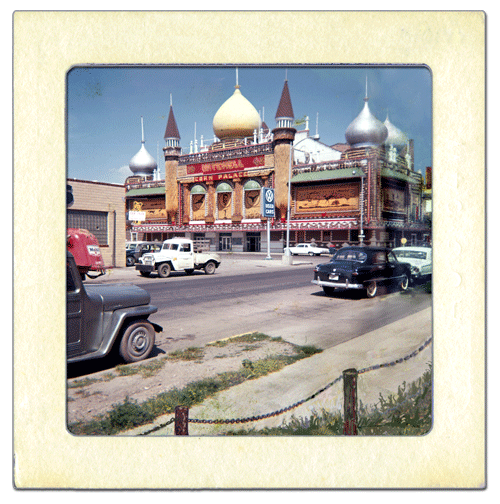
The Corn Palace

Bird beaks peck away at grains of corn on the walls of The Corn Palace. Still, the murals created with several colors of dried corn and grain arrest the eye. On our trip West we visited this grand monument to farmers and the grain industry they represent in Mitchell, South Dakota.

Web_1964_Corn Palace

A Quote about Corn:

“A light wind swept over the corn, and all nature laughed in the sunshine,” said Anne Bronte, poet and novelist of West Yorkshire, England, 1800s
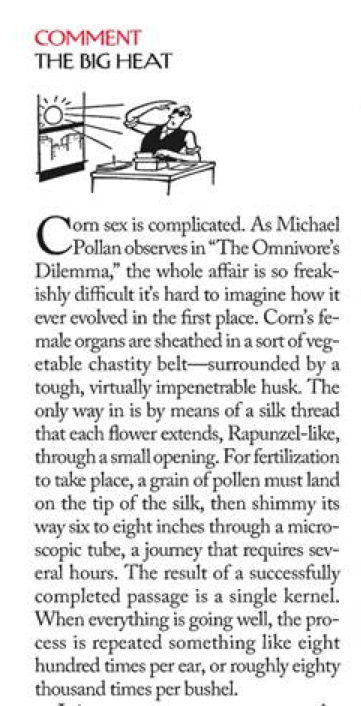
Corn Sex, according to Elizabeth Kolbert in “The Big Heat,” The New Yorker, July 23, 2012 issue

CornCartoonArtNewYorker

CornTalkOfTownNYorker

Mennonites and Corn

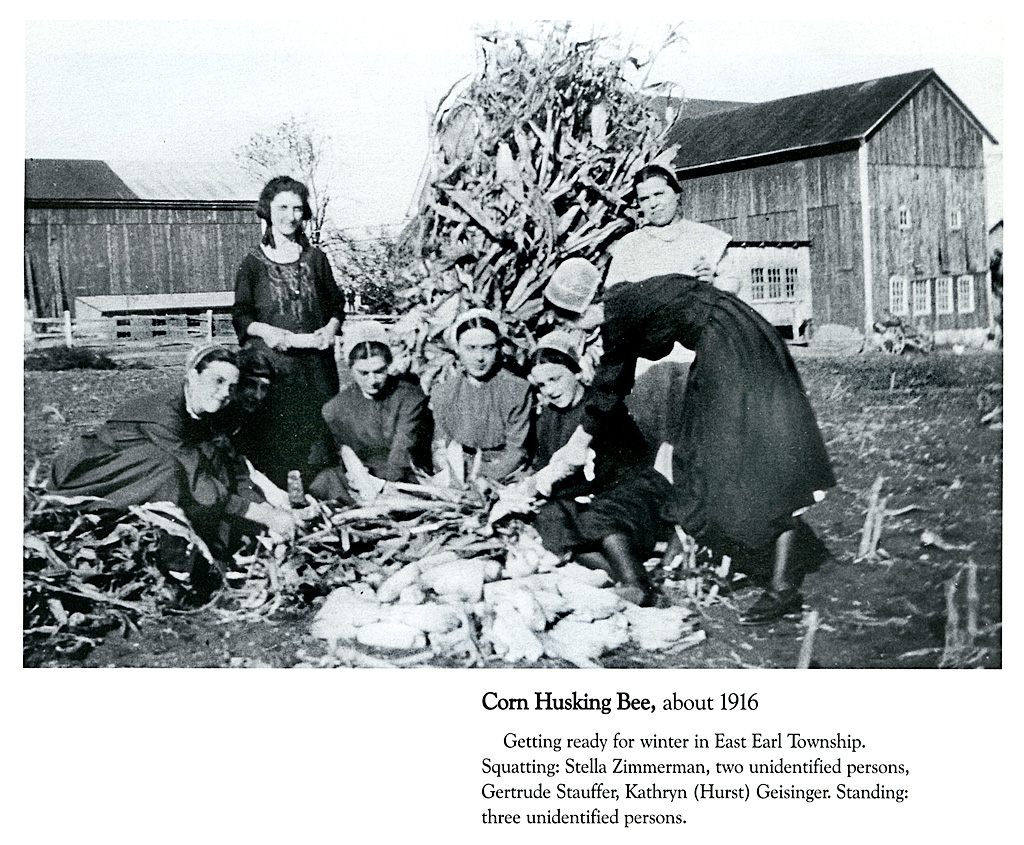
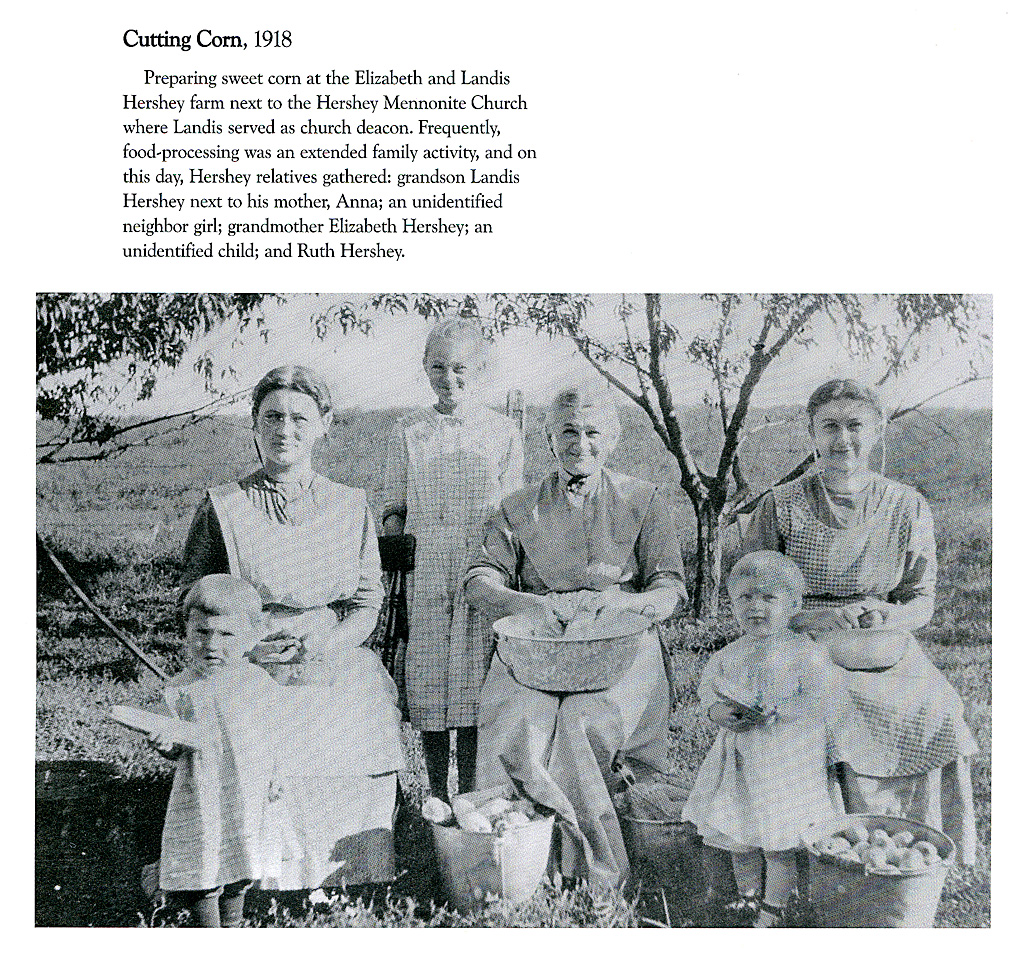
Mennonites in Lancaster County, including the Longenecker family, participated in the whole process of corn production: planting, hoeing, harvesting, husking, canning, freezing – and best of all – eating the succulent grains of corn on the cob, the buttery juice running down our chins and forearms.

In her book Mennonite Women of Lancaster County, Joanne Hess Siegrist features photos of Mennonite women hard at work husking and cutting corn off the cob (pages 124, 124)

Web_Mennonite-Women_Husking-Corn_p123

Web_Mennonite-Women_Cutting-Corn_p124

My Mother Ruth loved making her baked corn recipe from the Mennonite Community Cookbook. She served it in a chocolate-brown Pyrex casserole dish nested in a basket of tight weave. We loved every bite, especially tasty during corn season.

Baked Corn Recipe

CornRecipeMCC

Want More Corn?

Pablo Neruda, Chilean poet, diplomat and politician, apparently loved vegetables too. He wrote about tomatoes, corn and more. Here is the link to his poem “Ode to Maize.”

Share something corny here. We are all ears!

Coming up next: Going Male, Amish Romance Novels

Mennonites and the Marlboro Man

The Marlboro man, pictured as a cool-guy cowboy in a fresh country setting, ruled cigarette advertising from 1954 -1999.

Credit: Google Images

Smoking then was considered glamorous and cool, a way to fit in with the crowd. One of our most popular presidents, Ronald Reagan, was formerly a cigarette model for Chesterfields, even advertising that he would give cases of the product to his friends for Christmas.

Credit: Google Images

As the Marlboro Man’s ads evolved, the Surgeon General’s warning of health hazards appeared on cigarette packs. Now of course, smoking is taboo in stores and restaurants, and smokers are often viewed as outcasts.

* * *

Mennonite farmers in Lancaster County during the 1950s and 1960s grew tobacco as a prime cash crop. But as Shirley Showalter points out in her memoir, growing tobacco was both a tradition and controversy among Lancaster Conference Mennonites. “After George Brunk’s tent revivals, many farmers plowed up or stopped planting tobacco,” she comments. My own Dad stopped planting tobacco then, substituting tomatoes and corn in our acreage in Bainbridge, Pennsylvania. Shirley divulges her dad’s decision about farming tobacco in her book BLUSH (173).

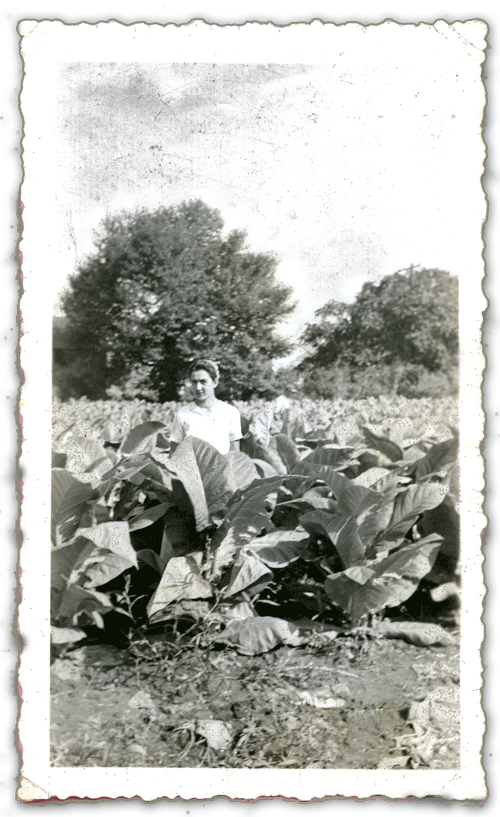
Here are some photos of young tobacco plants, Mother Ruth in the tobacco fields and then a snapshot of the drying process before the crop was sold to a tobacco company.

Web_tobacco-in-rows

Web_Ruth-in-tobacco

Web_tobacco-in-doorway

The issue of tobacco production and use appears in the Statement of Christian Doctrine and Rules and Discipline of the Lancaster Conference Mennonite Church (July 1968) but as an advisory to only ministers and their wives:

“Inasmuch as ordained brethren and their wives by their teaching and example exert strong influence within the brotherhood, it is required for the spiritual welfare of the church that they give evidence of willingness to subscribe to . . . the following standards of faith and life.

Listed as “f” in a range of a – h points is this directive but only to the ordained: “the non-use and non-production of tobacco.” (29)  Apparently the issue of smoking and its health hazards posed a serious dilemma to the church with lay members who relied on tobacco growing as a way to pay the mortgage.

Many of my uncles smoked cigars when they were together. Even my dad would occasionally join in as a way to socialize.

*  *  *

I recently found a map of Yellowstone with a Conoco ad in the 1960s using the pleasures of smoking to promote their brand of gasoline:

Web_1964_Yellowstone-map+man-smoking

* * *

A young boy named Jeremy learns about the dangers of smoking in an imaginative book entitled The Boy Who Grew Too Small.

Web_The-Boy_Cover_w-shade_300pix

Leave a comment below if you want to contact Author/Illustrator Cliff for more information about his book.

Other comments about this post – welcome here too!


Coming next: A Corny Post