Home-made Butter: 3 Easy Steps

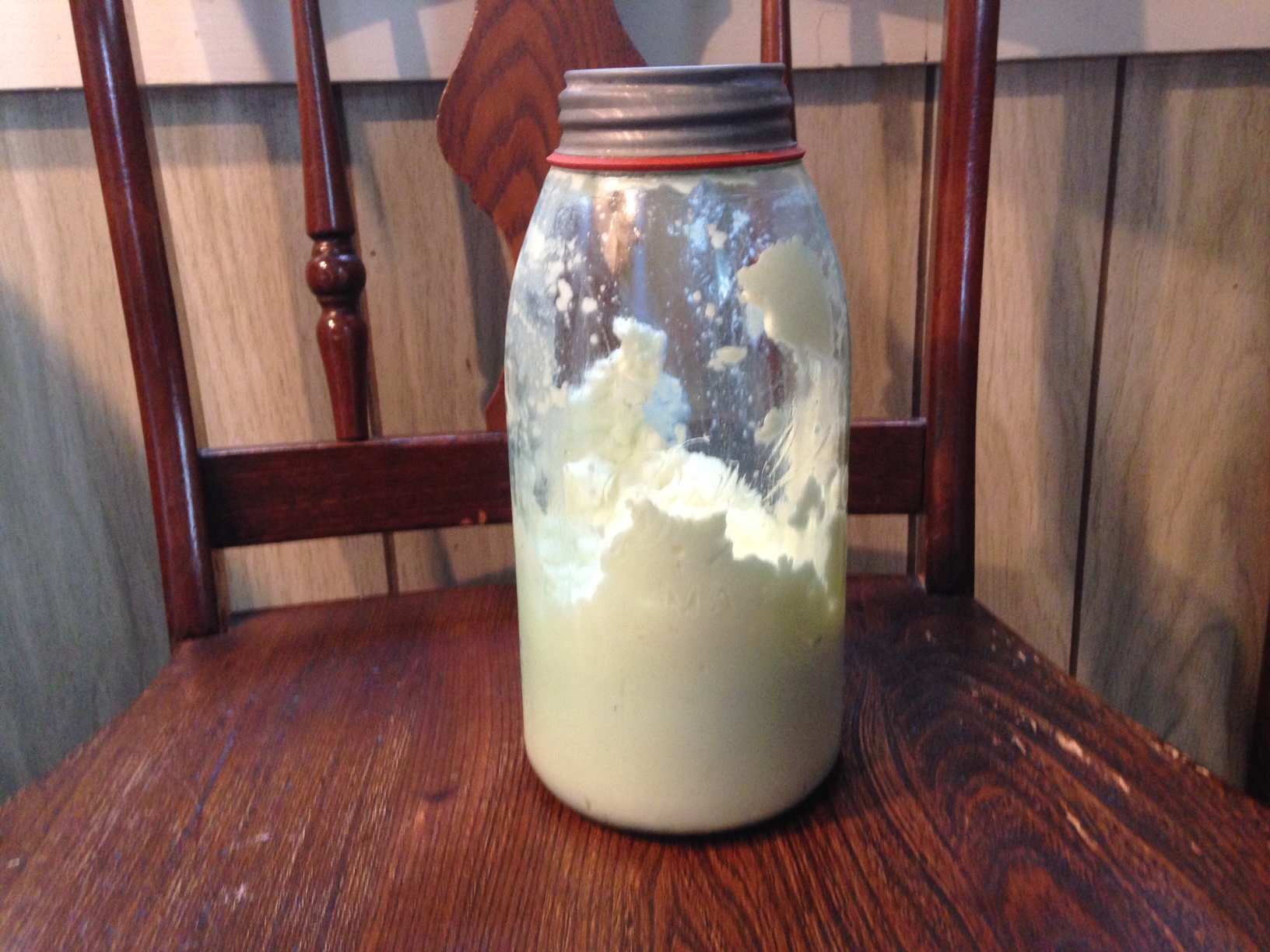
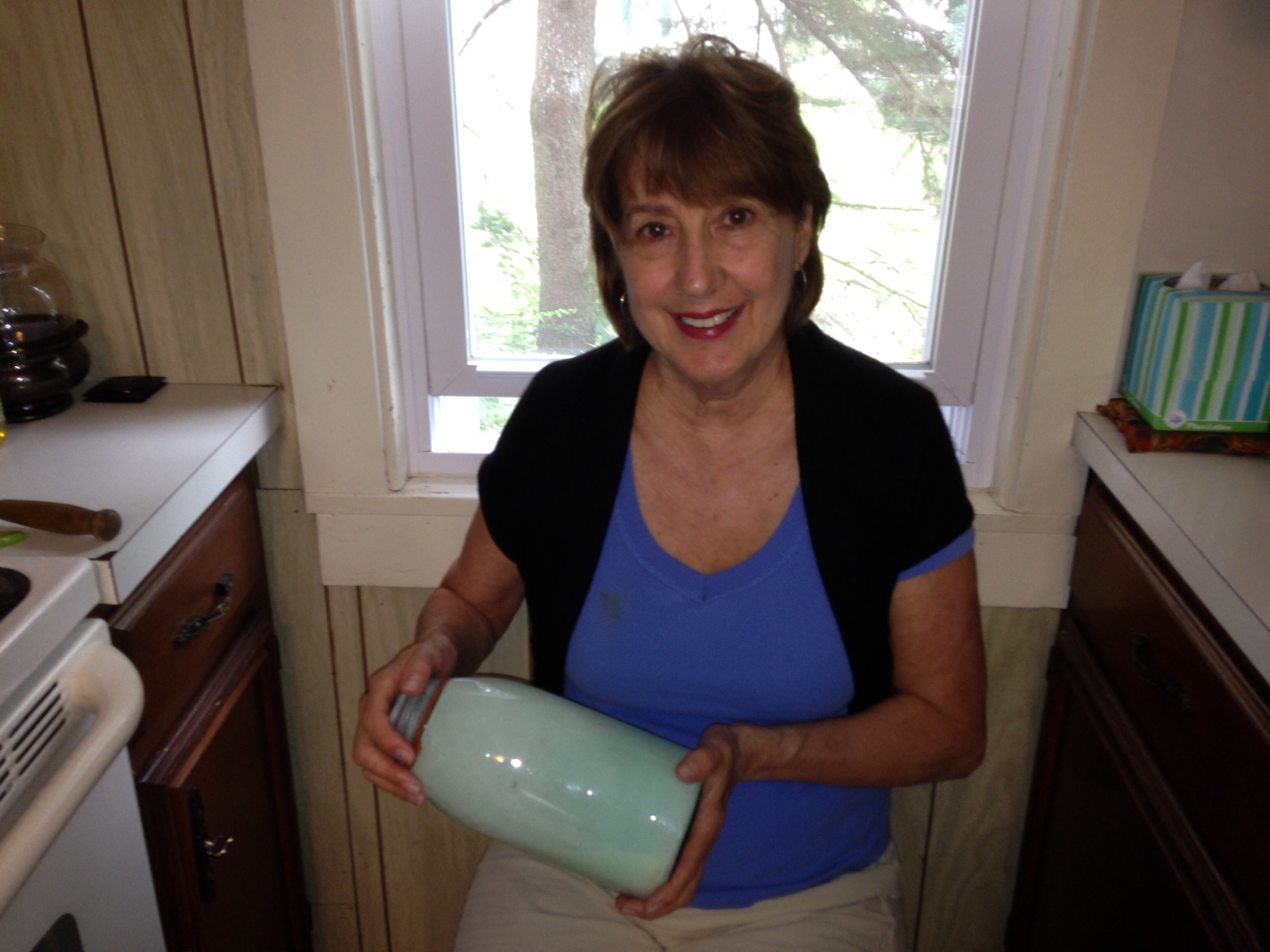
This week at Mom’s house, I attempted to re-create a scene from my childhood – in the same house, on the same chair, with one of the same Ball-Mason jars from the mother’s stash in the cellar. The kind with tiny bubbles crystallized within the glass of the jar. Mother says these jars are valuable.

The cream of bygone days for butter-making came from one of the Holstein cows that Sam and Mabel Hoffer kept on their tiny farm down the road from us on Anchor Road. For this re-enactment, I buy whipping cream from Giant Foods up the road toward town.

Butter 1

Did I mention that my sister Jan and Mother are both skeptical that store-bought cream will yield real butter.

Janice says, “You’re probably wasting your time shaking that jar back and forth with cream from the store. Think about all of the additives and preservatives they put in.”

Mother doesn’t say much but looks skeptical. I’m out to prove them wrong.

Butter 2

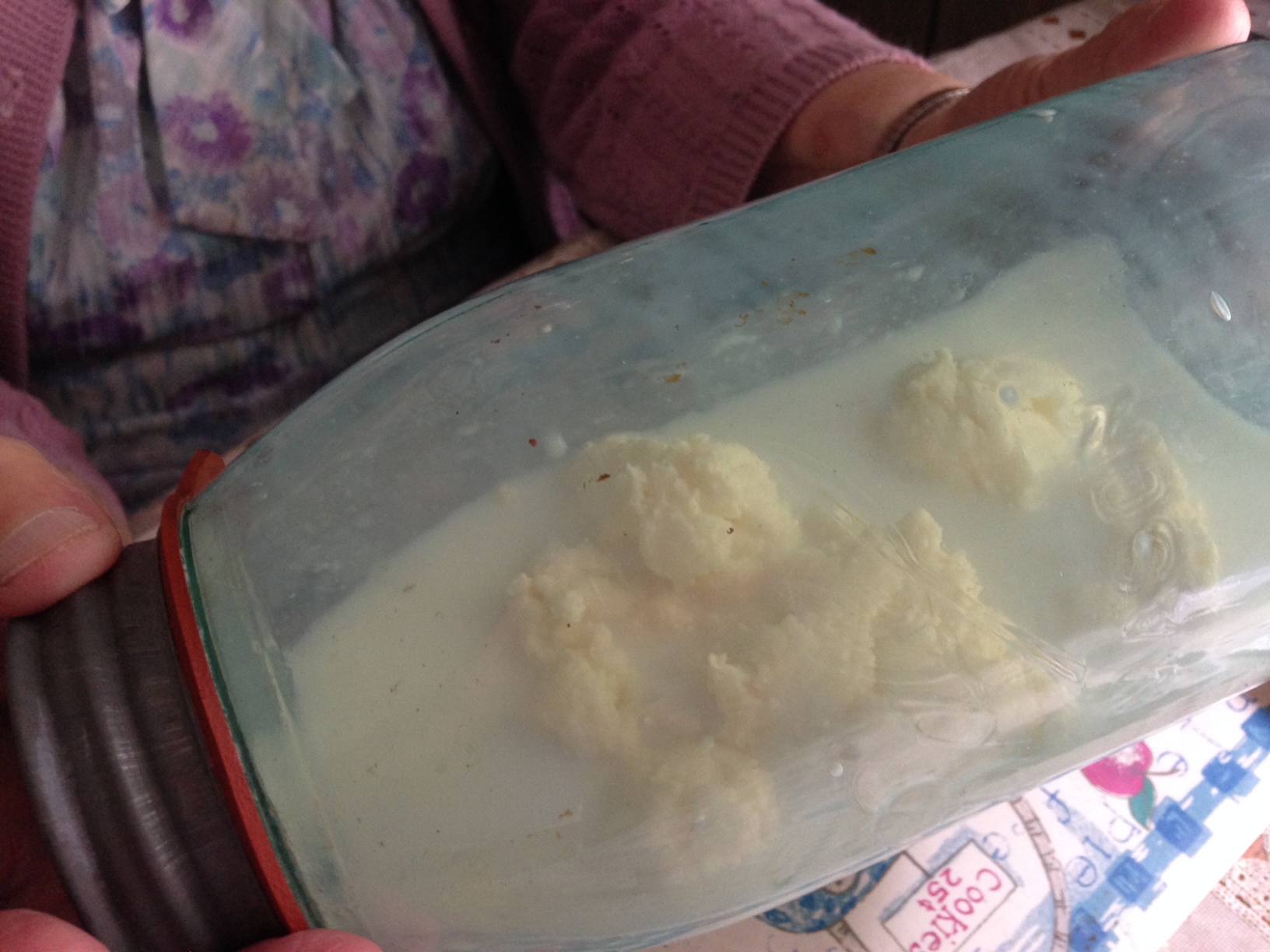
I stop the shaking long enough to notice that curdles of cream are clinging to the jar’s insides. That’s all it takes.

First, sister Jan and then Mother get in on the action, now past the 12-minute mark.

Without a shadow of doubt, real honest-to-goodness butter lumps are forming.

Butter 4

And voilá . . .

Butter 5

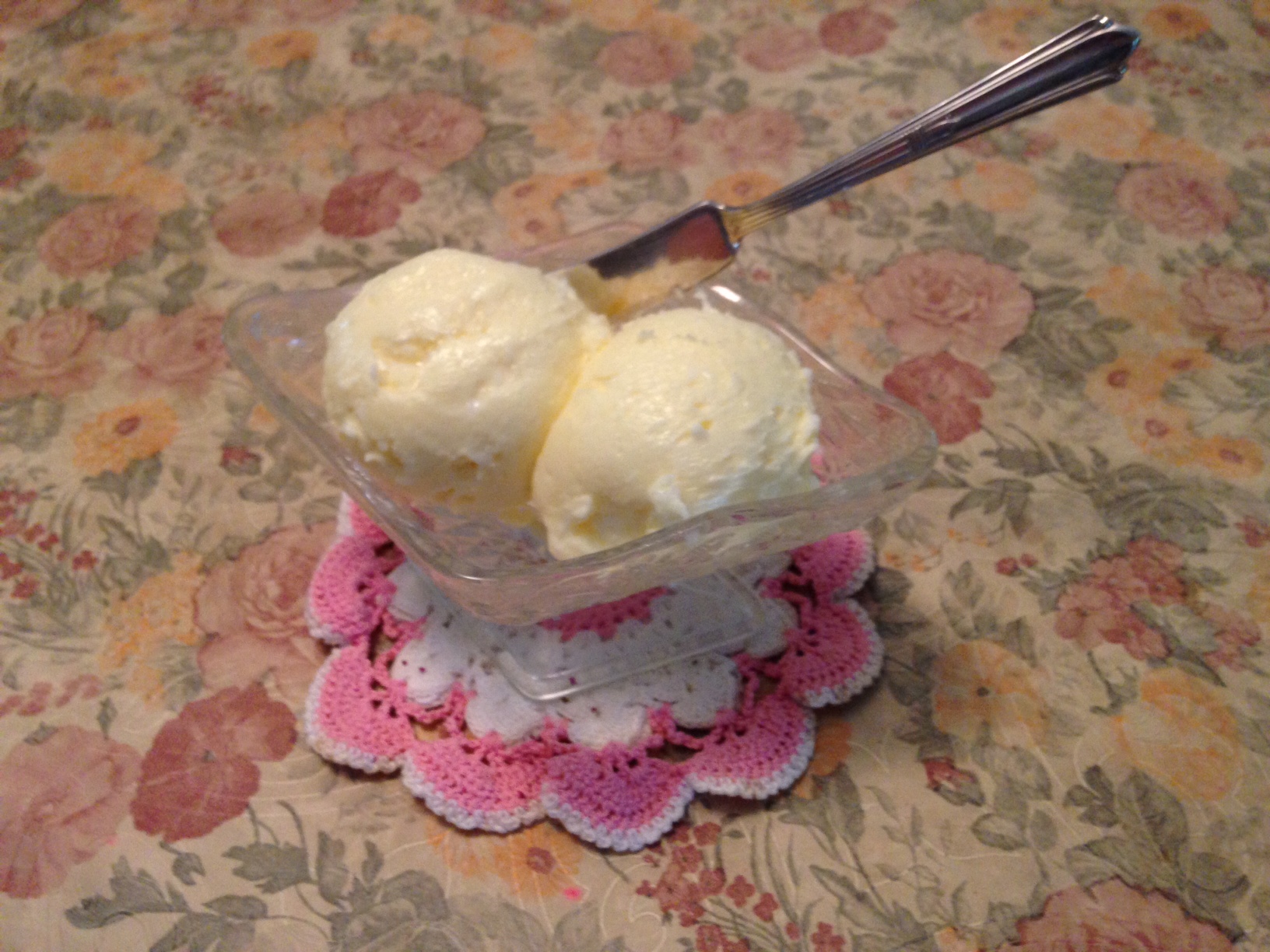
Fifteen minutes later, more or less, we have two fat butter-balls!

Did you catch the steps?

  1. Pour cream into 2-quart jar.
  2. Shake until you rattle and roll.
  3. Remove the congealed mass from the jar. Add a pinch of salt.

*  *  *

What scenes from your past have you tried to re-create?

Remembrance of Things Past: She Kept His Sweater

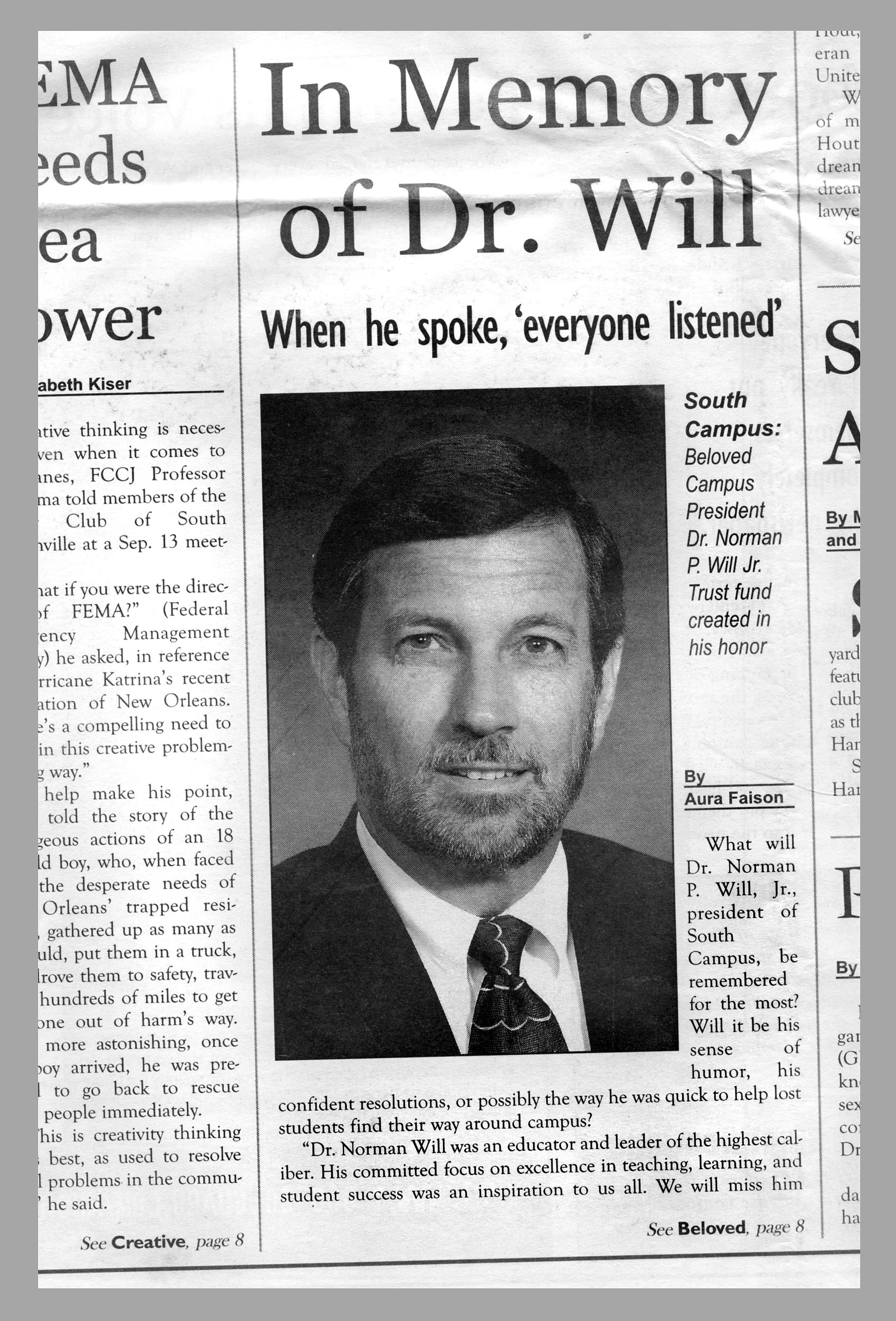
Jane Martin Walters never attended a single Elizabethtown High School Class Reunion, and Dr. Norman P. Will no longer attends college graduations as a president emeritus at Florida State College at Jacksonville. Yet, they both linger in my memory though Jane died in her mid-twenties and Dr. Will in his late-fifties. I have vowed to get rid of memorabilia in anticipation of down-sizing one day, but I can’t – I just CAN’T – part with the pieces of paper that attach their memory to mine.

Jane was smart, very smart, and excelled in college prep track classes in high school. Unlike mine, her learning appeared to be effortless. And her home life quiet and orderly too. After a snow day off from school one winter Jane remarked that she loved snow days because her Mom would pop popcorn, and she and her family would sit by the fireplace and read or play games. In contrast, after the thrill of sledding on traffic-free roads passed, our house was noisy, no hearth for refuge in sight.

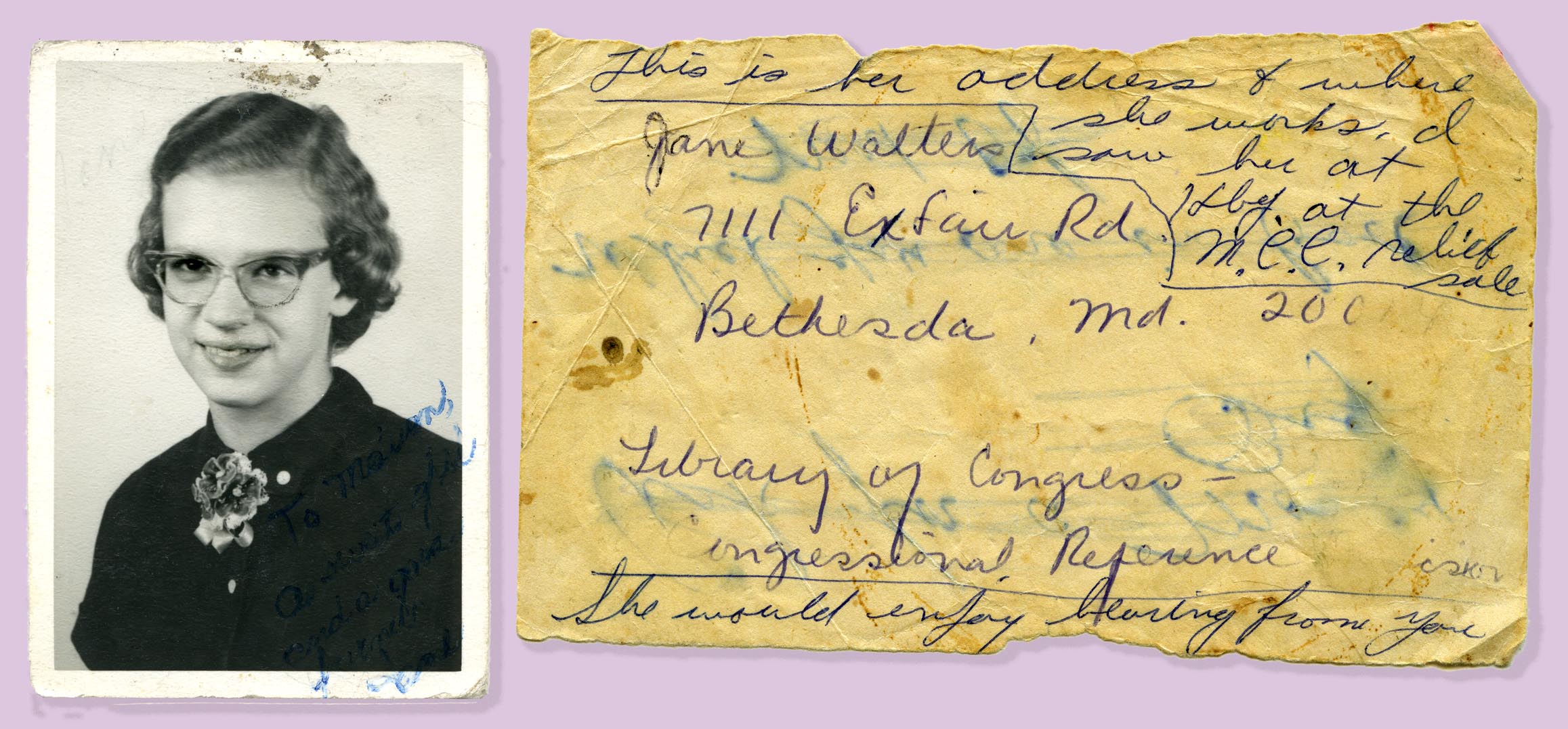
Jane and a note from my mother who saw her in Harrisburg at the MCC (Mennonite Central Committee) relief sale.
Jane and a note from my mother who saw her in Harrisburg at the MCC (Mennonite Central Committee) relief sale – 1960s

You might get the impression I felt envious. But I didn’t. Jane was poised on a pedestal in my eyes, and I admired what appeared to be her calm cadence through life. When I heard she married and worked at the Library of Congress in the Congressional Reference Department, I was pleased. Maybe I’d visit her in Washington D. C. some day. But some day never came. She died of cancer shortly after after her marriage and at the beginning of a promising career. Aunt Ruthie told me, “She ate a nice dinner with her family, said her goodbyes and died in her sleep that night.” I was devastated.

*  *  *

Dr Will_Campus newspaper_FCCJ

I admired Dr. Norm Will too, though in a vastly different way. An English professor had become a college president: All’s right with the world! College operations purred along smoothly with Dr. Will at the helm. He advocated free thought, offering friendly evening colloquia for faculty on diverse topics like current ideas in neuroscience and the health of Florida’s St. Johns River. But on the first day of Convocation in 2005, Dr. Will did not appear. He had died the night before while sipping wine and reading The History of God by Karen Armstrong, a text I later happened to reference in my paper for The Oxford Roundtable.

In her piece “Dealing with the Dead” (The New Yorker, October 11, 2010), Jennifer Egan discusses the deaths of three close family members and observes that she has kept an article of clothing from each: her grandmother’s 3-tiered necklace of fake pearls, her father’s navy-blue wool V-neck sweater, and her stepfather’s gray and burgundy argyle sweater. Though the pearls eventually broke as she rounded a corner in the East Village, Jennifer vows to wear the sweaters “until they unravel into shreds” because she likes their feel against her skin. Author Egan shares wisdom gained from loss as she opines:

  • “Wearing the garments of a person I loved was like being wrapped in a protective force field.”
  • “When the clock stops on a life, all things emanating from it become precious, finite, and cordoned off for preservation.”
  • Keeping items from those who have passed on “is a way of keeping them engaged in life’s daily transactions—in other words, alive.” [Italics mine.]

I will add a quotation of my own from Shakespeare’s King Richard III: So wise so young, they say, do never live long.” And then from Scripture:

  “So teach us to number our days that we may apply our hearts unto wisdom.”           Psalm 90:12  KJV

*  *  *

Have you experienced loss? Is your story like any of the stories I tell or very different? Here’s the place to share it.

Anna Mae and Hiram: A Mennonite Wedding

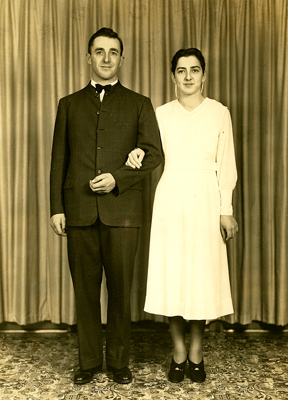
This is the wedding portrait of my mother and father

Ruth Landis Metzler and Ray Martin Longenecker 

October 26, 1940

Ray and Ruth Longenecker_4x5_72

June is the month for many American weddings. And so is August. Because many Mennonites were farmers, Mennonite weddings often took place in October, a month that signaled a break in heavy farm work after most of the crops had been harvested. My dad was a farm implement dealer, so his work cycle mimicked that of the farmers he served, which would probably explain the October date for the wedding.

The bride and groom, my parents, are dressed in Mennonite attire and comply with the rules for weddings prescribed by the church in this era: no bridal party prancing down an aisle to “Here Comes the Bride,” no flowers, and definitely no exchange of rings.

Excerpts from Article II, Separation and Nonconformity, Section 2. Public Worship. (19) from the Statement of Christian Doctrine and Rules and Discipline of the Mennonite Church, 1968:

  • “We deem it improper to employ instrumental music in worship and church activities.”
  • “Weddings shall be conducted in a Christian manner avoiding all vain display and in accordance with the prescribed regulations for weddings.” 

*  *  *

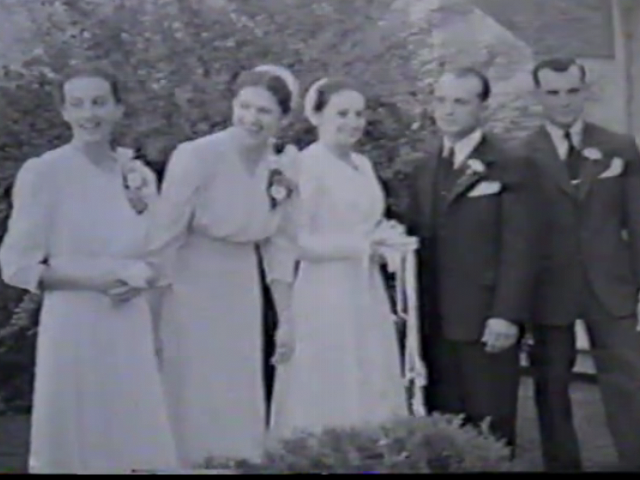
Anna Mae Longenecker’s father John is my dad’s first cousin on his father’s side of the family. Anna Mae with her brothers and sisters lived on the farm at Bosslers Corner, a farm bought from William and John Penn by Robert Allison in 1762,  and subsequently bought from Jacob Bossler by John and Nancy Longenecker and kept in the Longenecker family for five generations.  On the lawn of this homestead, one of John’s daughter’s, Anna Mae, poses  for wedding photographs with her new husband, Hiram Aungst.

Anna Mae Longenecker with her sisters on her wedding to Hiram Aungst.
Anna Mae Longenecker with her new husband and sisters posing for wedding photos on the lawn of the John Longenecker homestead.

Either the rules for wedding have relaxed a little in the ten or more years since my parents’ wedding, or brides have become more bold. This wedding accessories include corsages for attendants, a white Bible with streamers for the bride and the groom and groomsmen in non-Mennonite suits and neckties.

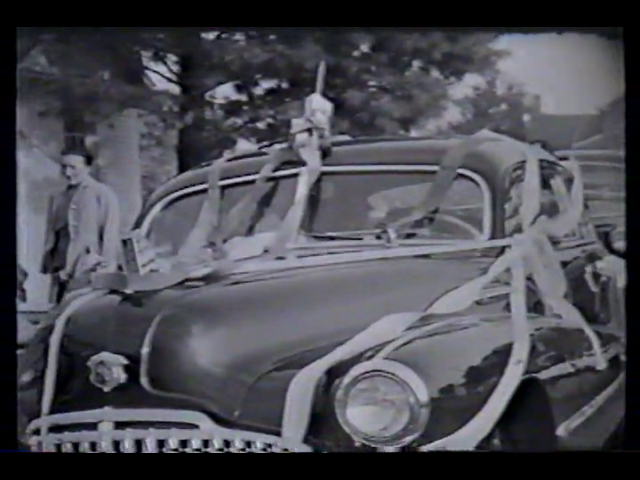
As the video shows, there was muted frivolity after the wedding which included rice throwing. Yes, it was real rice, not bird-seed!

Note the cars decorated in full post-ceremony regalia, worthy of any “fancy” wedding.

OldCar


Then and now: Your thoughts on wedding ceremonies welcome.


Face to Face Encounters: The Very Best Kind

Author Kathy Pooler invites her readers to gather “around her kitchen table” for weekly discussions on her blog post. Readers of Laurie Buchanan’s blog know she usually posts on “Tuesdays with Laurie.” Most bloggers publish posts on specific days of the week which their subscribers have come to anticipate. It is a call for intimacy among kindred spirits in the often impersonal environment of cyberspace.

Yes, there are helpful forums available online that attempt to add sight and sound to the interaction. For example, author/writing coach Sonia Marsh and writing organizations like NAMW (National Association of Memoir Writers) frequently schedule Google Hangouts and tele-seminars that combine live voice and Skype-inspired imagery, adding another layer of intimacy to enhance the exchange of ideas.

Social media like Facebook, Twitter, and Pinterist all allow postings of photos with text. Facebook often seems like a picnic with “likes” for yes’s, and sometimes offers back and forth conversation like a game of ping-pong. And I think of Twitter as a kind of hors d’oeuvre party with guests flitting like bees from one cluster of flowers to another, sipping nectar here and there.

Flickr Image
Flickr Image

Yet it’s true. Without the internet, I would never have even met writers whose friendships have been cultivated from countries all over this planet– Australia, Canada, Sweden, South Africa, or the Philippines. And unfortunately the chances of meeting these fine folks for coffee or tea any time soon seems pretty remote. When possible though, face to face encounters add a three-dimensional quality that is hard to duplicate online.

This past October, I was invited to share breakfast with Shirley Showalter, famous for her memoir BLUSH, in her home overlooking the Shenandoah Valley near Harrisonburg, VA during Homecoming at EMU.

SHSandME

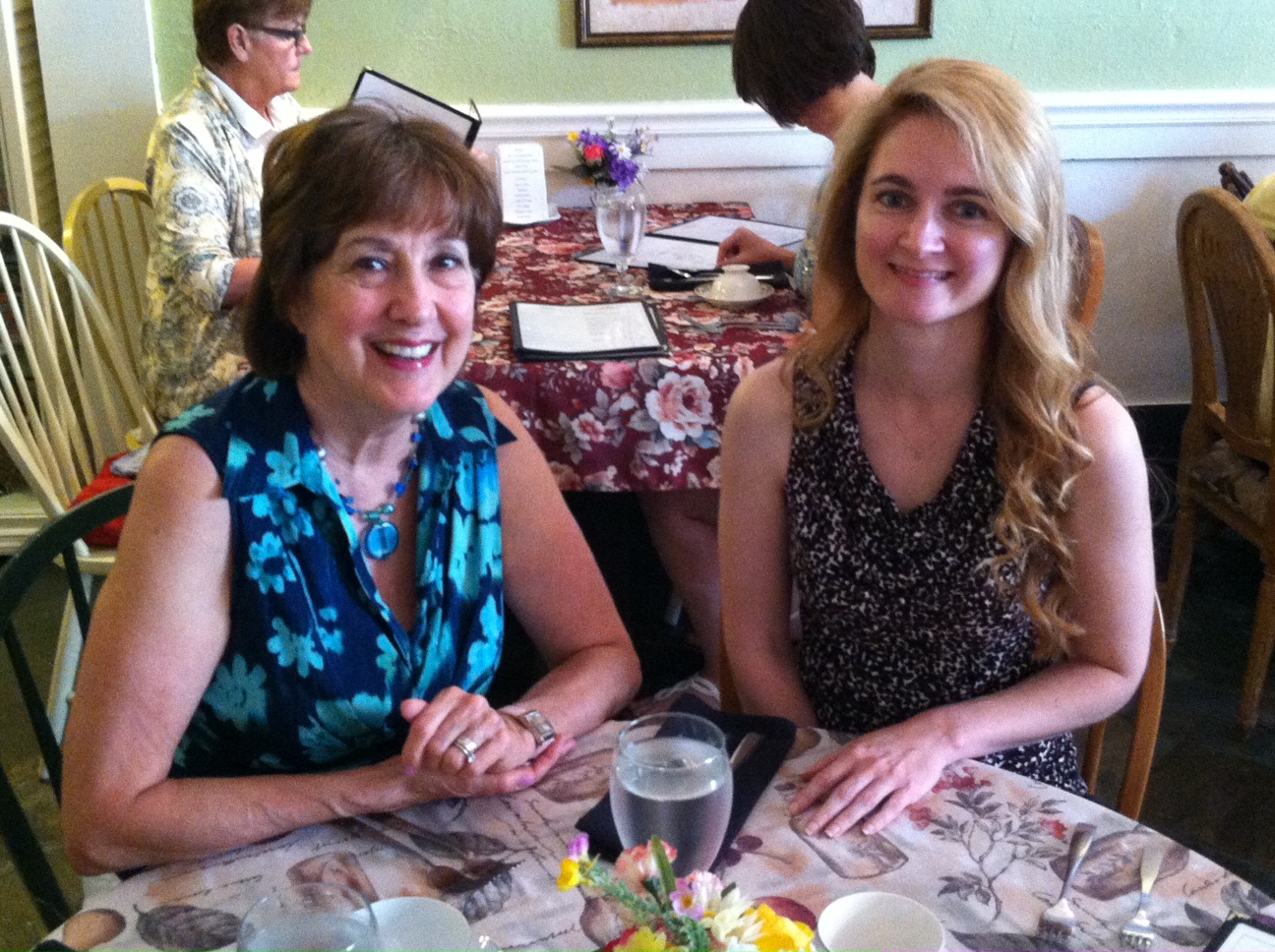
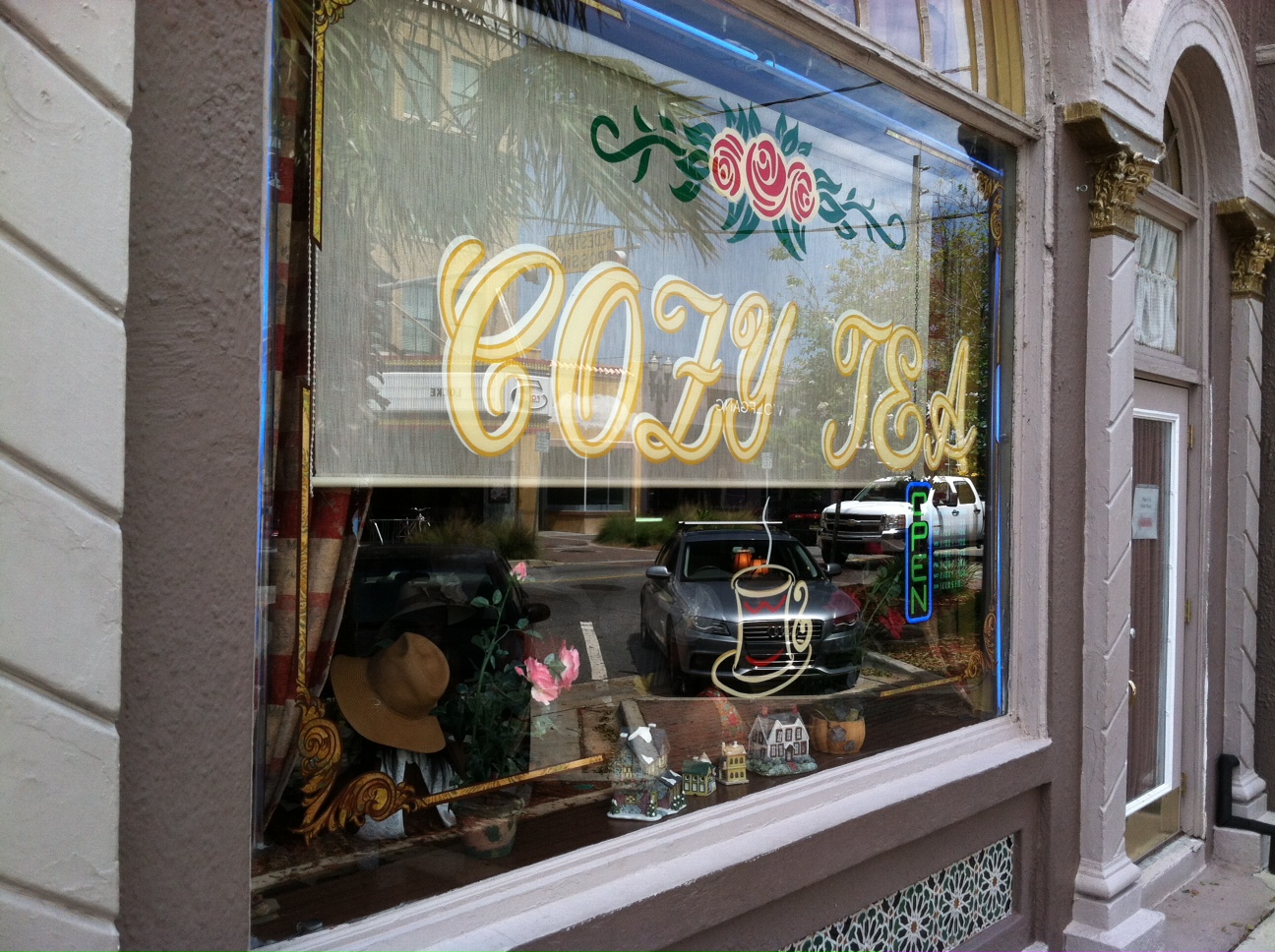
This past Saturday in June I met blogger Traci Carver, teacher and writer extraordinaire, as she breezed through Jacksonville on her way further south, meeting for lunch at Cozy Tea in the Riverside area of Jacksonville. Though a generation apart, we found common ground discussing teaching English, Downton Abbey, European travels, our families, other shared interests. Her award-winning blog claims she is from the cotton pickin’ South, yet she has an international world view having lived in Southeast Asia for several years. A story-teller extraordinaire, she spin tales from the cotton of everyday life into pure gold.

TraciMarianCozyTea2

In each case, the encounter was only an hour or two in length, but a level of intimacy develops in face to face encounters that online encounters are hard-pressed to duplicate. Obviously, non-verbal cues and nuances of personality and facial expression are often masked by the limitations of tiny pixels on posts.

Despite claims by science fiction writers, the phenomenon of transmogrification seems a long way off, probably a good thing! Thus, many writers find writing conferences in glamorous cities a great way to meet, greet, and even bond over coffee or lunch.

In the meantime, we can hope for serendipitous encounters along the way with our fans and fellow writers. I know I do!

*  *  *

Have you had a face-to-face encounter with someone you have known only through the internet?

Someone whom you’ve known for a long time, but haven’t seen again until recently? Any other special encounter?

CozyTeaSign


Blog Tour

MarianStudyLong2

Here is my study. When the magic happens, it happens here. Actually, it might happen in the flower garden just outside my window in the form of a thought or image which gets transferred from my head to my fingers at my desk. . . .

Every once in a while, fellow bloggers alert me to a writing challenge, many of which I pass over for lack of time or interest. This time, Traci Carver invited me to participate in a Blog Tour. I couldn’t turn her down. Why, just last week we had lunch together. Besides the “tour” is an intriguing way to play tag and learn about other writers’ habits and sources of inspiration while sharing my own. So, a big shout out goes to Traci, story-teller extraordinaire, who turns the cotton of her everyday experience as an English teacher into pure gold. A true Southern belle, Traci is a master of the anecdote. Her stories derive from the small Georgia town she grew up in, the fishing villages of Southeast Asia where she lived for 7-8 years, or from European travel. Now to the questions:

1. What am I working on now?

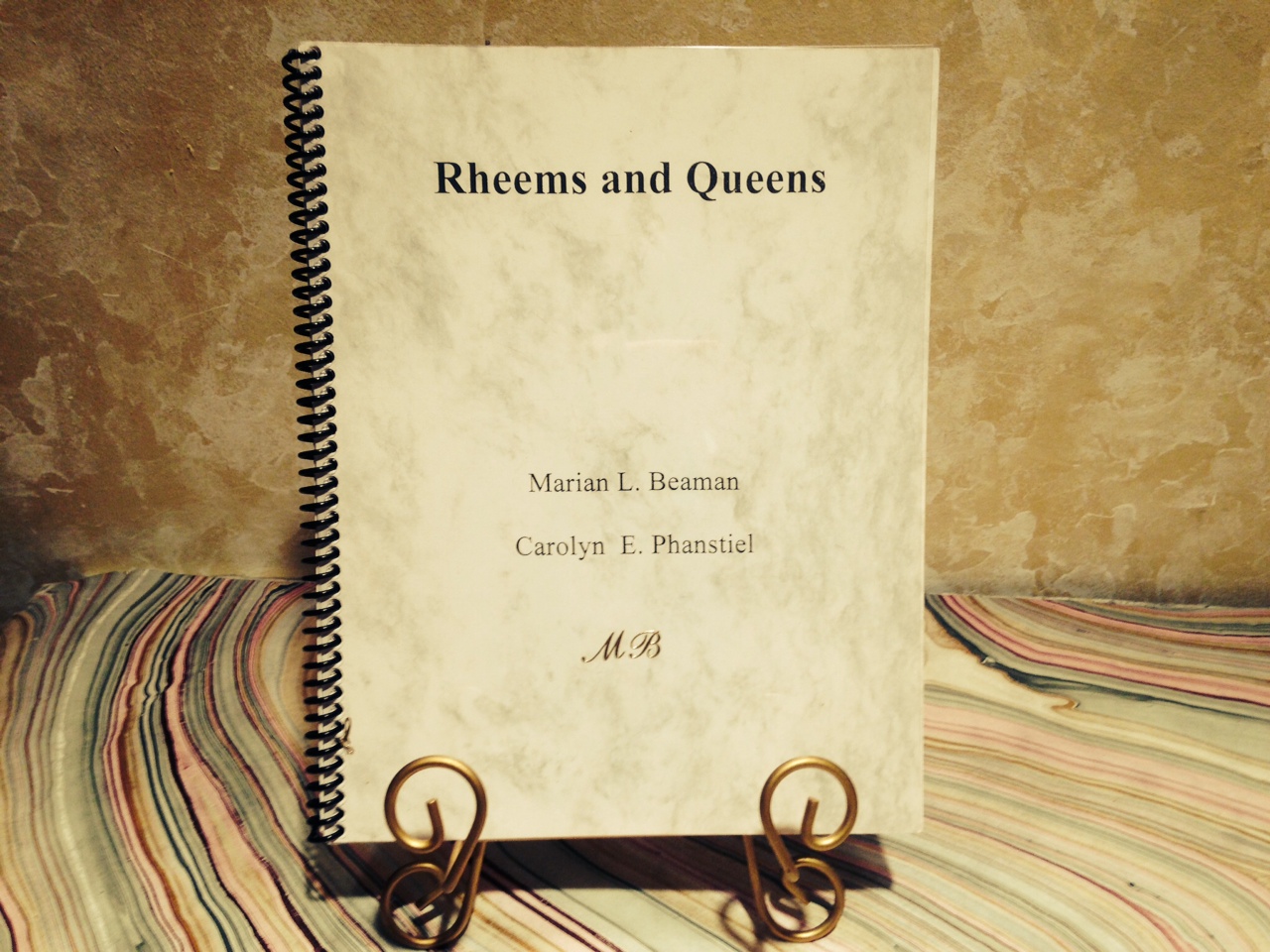
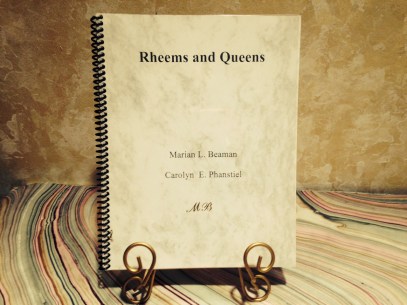
Three unrelated things at the moment: Preparing for a trip to Pennsylvania soon where I will mine more stories for this blog, purging clothes from the spare bedroom closet to make space for a long-term guest, and writing every single day. My blog has taken shape from 8-9 journal scribblings along with a set of paired stories written with my friend Professor Carolyn Phanstiel before we both retired from teaching.
MarCarBOOK

There is a .doc on my computer desktop where my memoir is taking shape. Right now, it doesn’t have enough structure to “roll it through a printing press,” as Traci wisely observes.

2. How does my work differ from others in the genre?

According to Jerry Waxler, a Memoir Revolution is in full swing. Each year thousands of new memoirs pour onto the shelves. Millions are writing memoir right now. Even in the Mennonite sub-culture, hundreds of memoirs have been published since Canadian Mennonite Katie Funk Wiebe’s publication of Good Times with Old Times, touted as “an egg with a double yolk” because it is part memoir, part how-to-write-your-own-story book.

So how is my writing different? Well, my world view has been tempered by time and place. No longer a Mennonite, I still identify with many aspects of an Anabaptist vision. Also, I was transplanted to Florida as a newly wed which would affect my perspective. Then too, I have a large set of artifacts and some living relatives that connect me firmly to my past. Like other memoirists, especially of the academic variety, I tend to weave the literary with the familiar. Sometimes readers say they can detect humor in my writing voice, which I hope makes my writing appealing, if not unique.

3. Why do I write what I do? 

What motivates me to write is my compulsion to leave a legacy for those who follow, particularly my family. Beyond that, I write what I know and to find out what I don’t know. Many stories are nostalgic, some reflect strong feelings of embarrassment, surprise, endearment (Search the “Moments of Extreme Emotion”); others are historical or hysterical.

4. How does my writing process work?

I was asked that question a few months ago, and the answer turned into a post on the blog of Kathy Pooler, whose memoir launches in this July. A legal-size pad, colored sticky notes, WORD docs, and photos are often part of the process.

Like Traci, I will tag two innocent bystanders, Merril Smith of Yesterday and Today: Merril’s Historical Musings, and Judy Berman of earthriderdotcom.

A published author of encyclopedic proportions (and I mean that literally) Merril’s blog posts frequently become meditations on the mundane, for example “Airing Out Some Thoughts on Laundry.”  Her About page describes her as writer, editor, independent scholar, focusing on the history of women, sexuality, and culture. She has published consistently since 1997 with a forthcoming book with the titillating title: Cultural Encyclopedia of the Breast.

Judy invites you to travel down the corridors of her mind as she narrates stories she heard growing up, from her travels, her family, and experiences in various jobs as radio and newspaper reporter and English teacher. Judy has received numerous blog awards, including The Versatile Blogger Award and The Sunshine Blog Award. In a Father’s Day tribute, Judy included a photo of Dad and her stranded alongside the road trying to fix an over-heated motor.

Merril and Judy: You’re “it”!
 

Hats Off to Dad!

My father wore many hats. Work hats mostly, but also a goofy blue derby hat I faintly remember stashed high up on a closet shelf, and a fedora reserved for Sundays or other special occasions. Through his long history at the shop, Daddy sold a wide array of tractor brands which supplied him with hats embroidered with their company logo: Massey-Harris, Minneapolis Moline, New Idea, Fox, and Deutz.

His hats changed with his loyalty to the brand of farm equipment he was promoting. None made him happier, however, than the hat he wore with one of his first purchases after his father, Henry R. Longenecker, passed the business on to him. With the tag still attached to the grill, Daddy proudly drove the new Massey-Harris tractor back and forth in the alley next to the shop in Rheems, his sister Aunt Ruthie recording the spectacle with her new 16 mm movie camera.

Shop Hats

The Welding Helmet Invented by the German Hans Goldschmidt in 1903, welding was one of my Dad’s specialties, a boon to farmers with harvester units or even plow shares needing repair. A free-standing acetylene cylinder and oxygen tank for welding stood near one of the double wooden doors. This allowed easy access for welding repairs as a tractor or harvesting equipment was pulled through the giant, wheeled doors that ran back and forth on a metal channel.

I watched Daddy slap a Darth Vader-like helmet on his head, don long, flared-sleeve gloves, and use long, skinny welding rods to fuse broken parts together. Sparks flew everywhere in this Fourth of July fireworks show extending into August, the height of the harvesting season.

Along the back of the dark recesses of the shop was a large grinding machine that could sharpen a 6 to 8-foot section of blade used for scissoring hay, wheat or barley.

Daddy did most of his work in his shop but occasionally he was called to the field. A doctor of motors, he made “house” calls to the fields of anxious farmers, work stalled with broken-down equipment.

Farm Hats

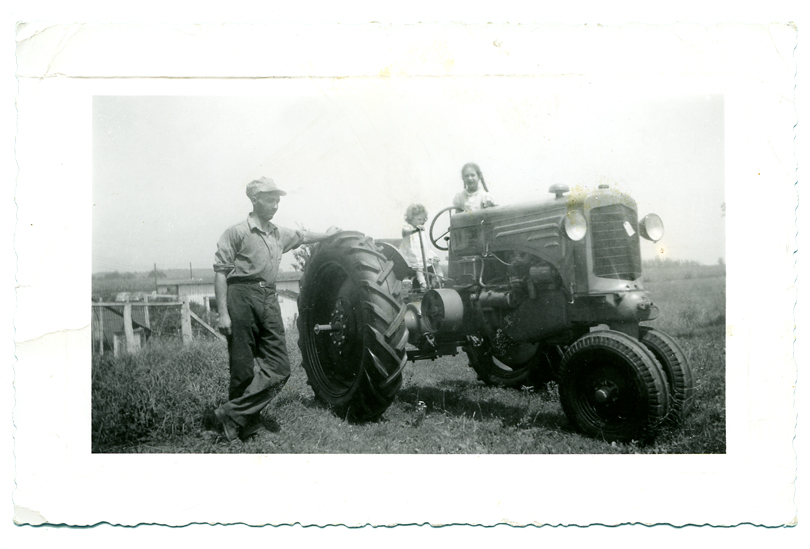
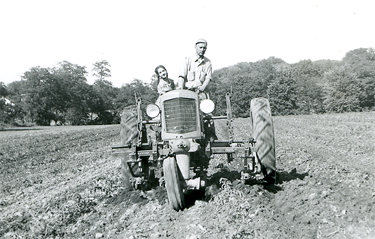
My father was first of all a farm implement dealer and mechanic, but he also farmed ten acres of land in Bainbridge, Pennsylvania combining corn and tobacco crops and then later corn with tomatoes. Farming is serious business in the searing sun requiring a cap with a long bill. The result:  a white “farmer” forehead and red-brown cheeks and arms. My mother and Aunt Ruthie often wore sun bonnets, in the field but as you can see, we were bare-headed and probably bare-footed too.

Brand new tractor with tiny sister Jean and me behind the wheel
Cultivating land for tomato crop in Bainbridge

A beekeeper too, my dad wore a bulky hat complete with a mesh veil to smoke out the bees.


Fancy Hats

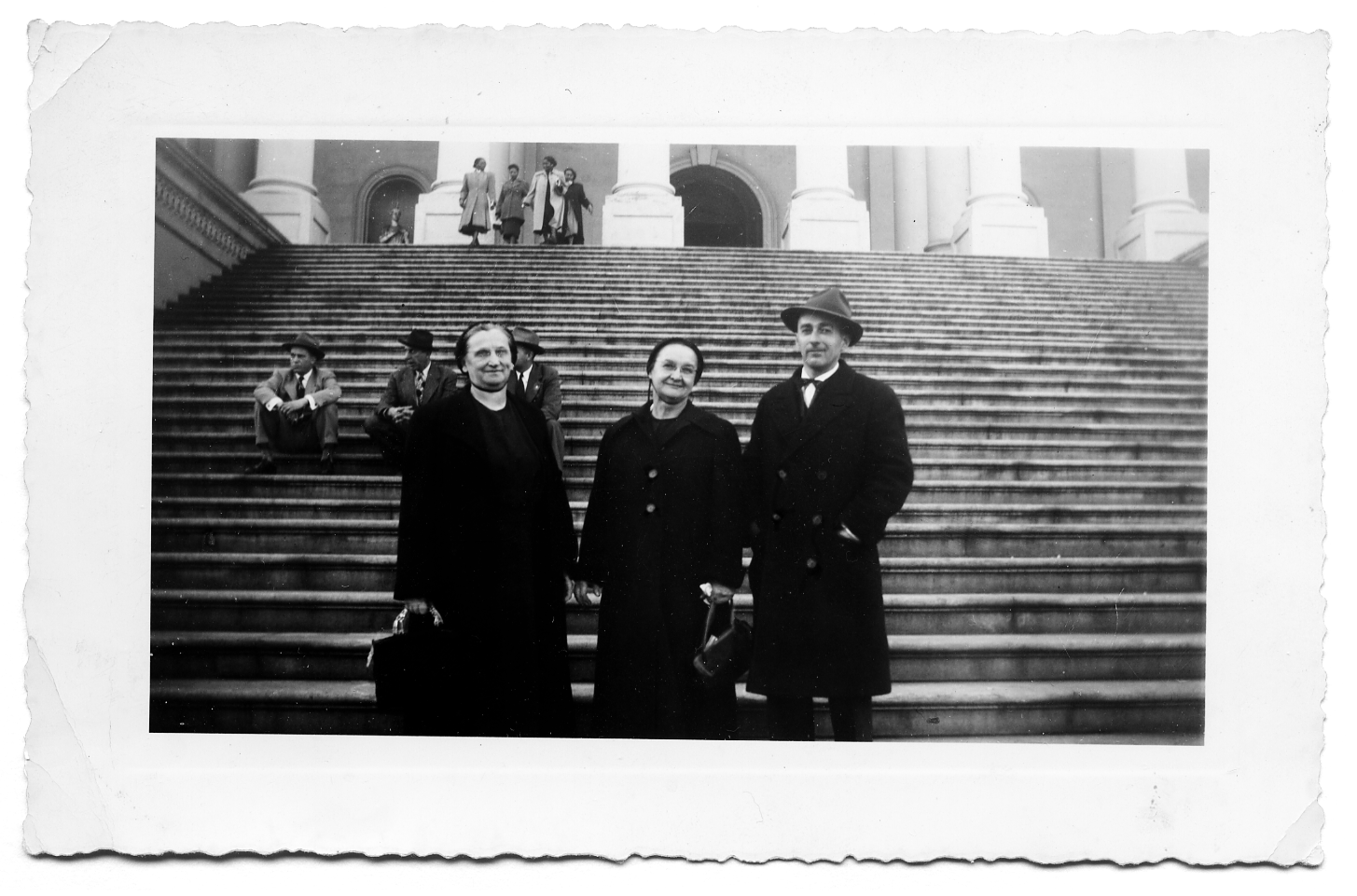
Church, weddings, funerals – all were occasions for a fancy fedora. But one occasion in particular required dressing up: posing on the steps of the U. S. Capitol building ready to meet with congressmen regarding the threat of a proposed air base to some of the rich farmland of northern Lancaster County. A sizable delegation of plain people (many of them Mennonites) including my dad in his fedora and Grandma drove to Washington D.C. to make their case with government officials. When a follow-up investigation was conducted, sink-holes had reportedly been found in the farm-land around Bossler’s Mennonite Church. The case was subsequently closed.

Sadie Greider, Grandma Fannie Longenecker and Ray Longenecker  on steps of the Capitol in Washington, D. C.
Sadie Greider, Grandma Fannie Longenecker and Ray Longenecker on steps of the Capitol in Washington, D. C.

Tell us about your dad’s hats – what he wore, or any other “Dad” memory you want to share now.

Purple Passages with a June Bride

Creativity

You can’t use up creativity. The more you use the more you have.       ―  Maya Angelou

MayaAngelou2

[Hear her read her valiant poem “Still I Rise” here.]

Creativity is intelligence having fun.     ― Albert Einstein

Make a careful exploration of who you are and the work you have been given, and then sink yourself into that. Don’t be impressed with yourself. Don’t compare yourself with others. Each of you must take responsibility for doing the creative best you can with your own life.

           Galatians 6: 4-5  The Message


Giving and Health

Dr. Stephen Post conducted a survey at forty-four major universities that revealed that giving protects your overall health twice as much as an aspirin protects your heart against disease. Why Good Things Happen to Good People (7)

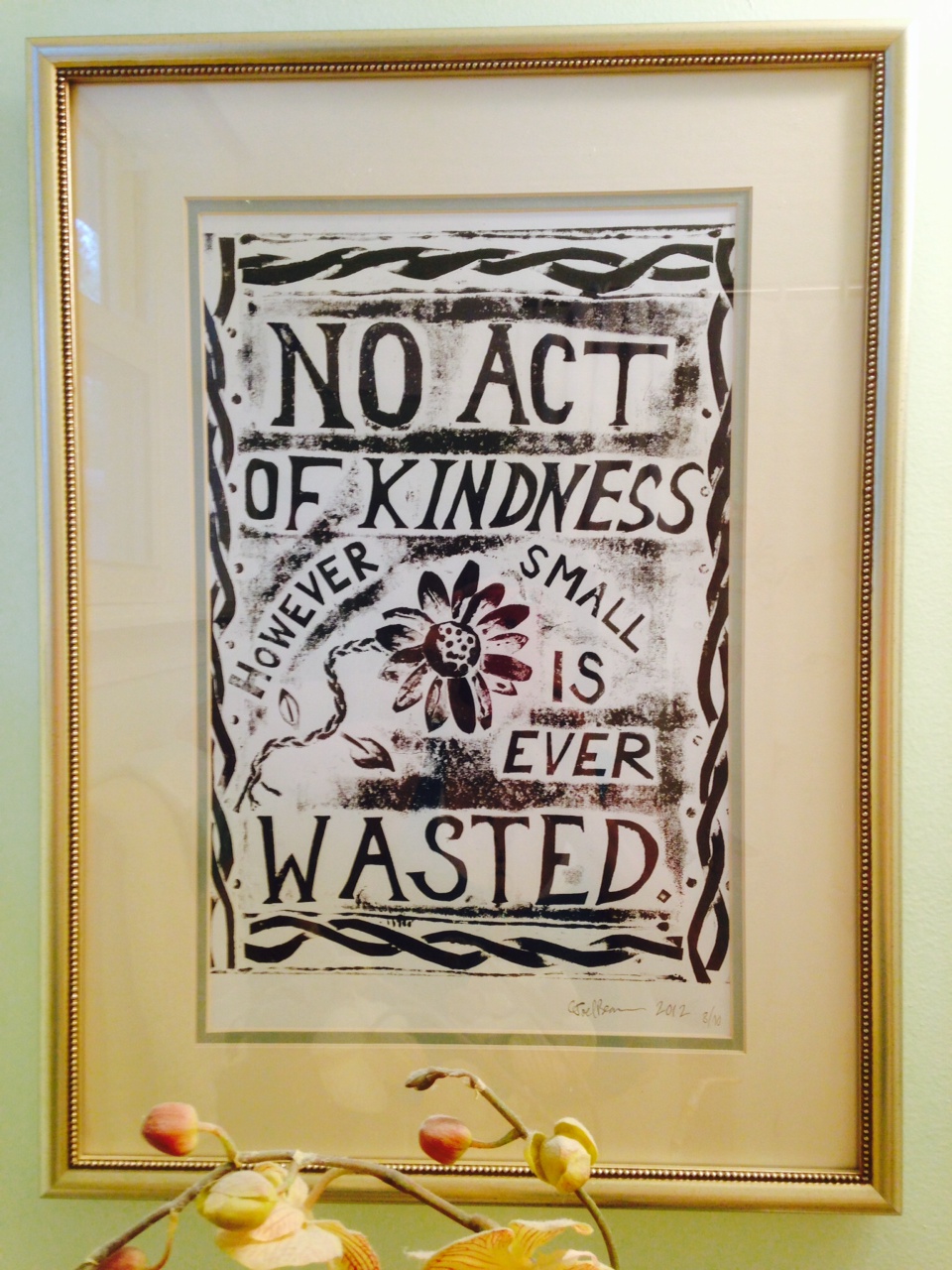
Original art: C. Joel Beaman
Relief print: C. Joel Beaman


Being Young in Heart

Another belief of mine is that everyone else my age is an adult whereas I am merely in disguise.”  ― Margaret Atwood, Cat’s Eye


June Brides & Marriage

Wedding of Ruth Longenecker and John Weaver, 1950s
Wedding of Ruth Arlene Longenecker and John Weaver, Bossler’s Mennonite Church, 1950s Bride carries white Bible with lacy handkerchief Groom wears plain (frock) coat


Marriage is more like an airplane than a rock.

You have to commit the thing to flight, and then it creaks and groans, and keeping it airborne depends entirely on altitude attitude. Working at it, though, we can fly forever.             ― Michael Grant in the San Diego Union


The Educated Mind & an Opposing Viewpoint

It is the mark of an educated mind to be able to entertain a thought without accepting it.

― Aristotle, Metaphysics


Life’s Irritations

Everything that irritates us about others can lead us to an understanding of ourselves.      ―  Psychiatrist Carl Jung


Memory and Time

Remembering is so basic and vital a part of staying alive that it takes on the strength of an instinct of survival, and acquires the power of art. Remembering is done through the blood, it is a bequeathment, it takes account of what happened before a man is born . . . . It is a physical absorption through the living body, it is a spiritual heritage. It is also a life’s work.      ― Eudora Welty in                her book On Writing in which she quotes Faulkner (103).

In fiction, time can throb like a pulse, tick like a bomb, beat like the waves of a rising tide again the shore; it can be made as the whisper of attrition, or come to an end with the explosion of a gun  (98).

Memory is deceptive because it is colored by today’s events. ― Albert Einstein

Memory. . . is the diary that we all carry about with us.  ― Oscar Wilde
 *  *  *
Add more color to June’s Purple Passages!
Reply with your own quote. Or respond to one above. 

grapes

I promised an answer to the puzzling question from the last post.

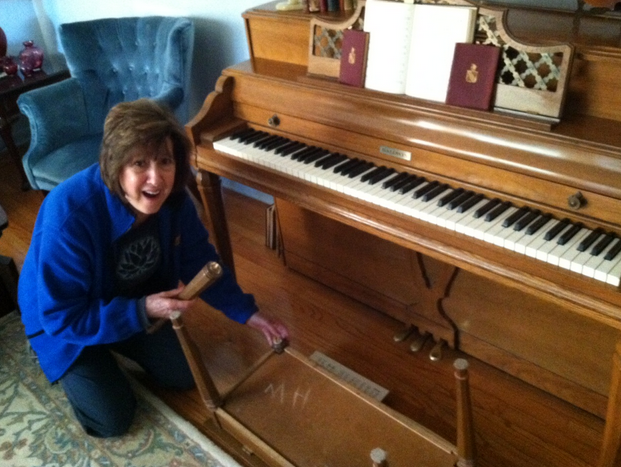
BrokenPianoBenLeg

How did this happen? Here is our best guess:

Our children, now in their forties, were in their late teens when Cliff and I decided to leave them at home alone while we took a short weekend trip. One of the children was very mature and responsible (or so we thought), so we felt safe to leave. When we returned home, pictures on the walls were askew, there was evidence of under-age drinking, and one leg on the piano bench had obviously been broken off but bandaged up with rough, brown U-Haul tape. Our kids’ explanation then was that they had a small party but more came, uninvited, when word spread that there were no parents at home. Yes, the cliché fits here exactly: “When the cat’s away . . . !”

At the time of the first break, Cliff repaired the leg with a wooden dowel, which has lasted until a few weeks ago. Then Mr. Repairman had to reinforce the leg with a sturdier steel dowel. The END. (We hope!)

Coming next:  Hats Off to Dad

HatsOffGift


Moments of Extreme Emotion: A Broken Leg & Ecstasy Expressed

Moment of Exasperation

One of the mysteries of life is how things happen at our house. Specifically, how did the leg on this piano bench break? We still haven’t figured out the answer for sure though we have speculated on some possible explanations.

BrokenPianoBenLeg

How did this happen? Vote in this short quiz:

a. Piano bench overloaded with music books

b. Over-weight pianist

c. Kids had wild party while parents were gone

d. All of the above

e. None of the above

(Answer on next blog post.)

Mystery Moment

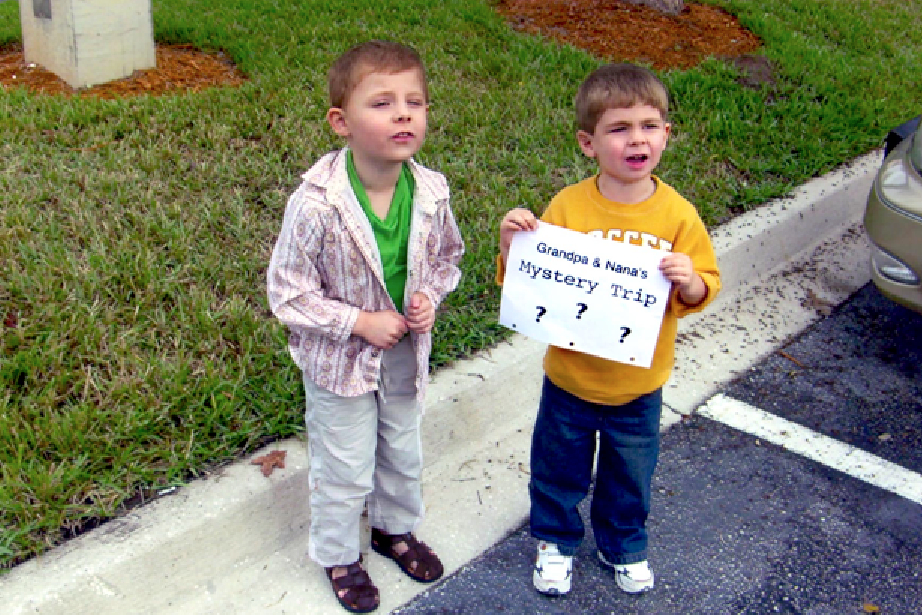
3PatCurtis

Completely befuddled, Patrick and Curtis react to the Mystery Trip announcement sponsored by Grandpa and NaNa:

Patrick: What’s a mystery trip?

Curtis: Is it safe to drive with Grandpa?

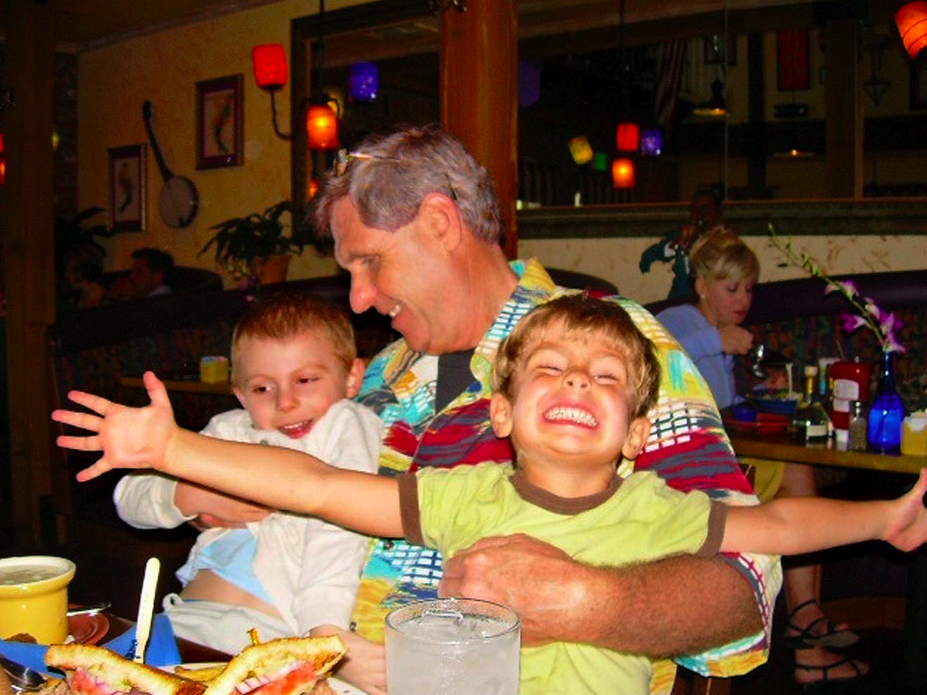
Moment of Extreme Ecstasy

Patrick and Curtis about 6 years ago at O'Charley's Restaurant
Patrick and Curtis about 6 years ago at O’Charley’s

Grandpa’s paying!

Have you had a moment or two of extreme emotion lately? Or long ago?

Thank you for adding your story to mine!

The Good Ole Summertime & the Simple Life

“In the Good Old Summer Time” shares nostalgic space with another old, familiar tune of the season: “Summer time and the livin’ is easy.” Summertime for the Longenecker family may not have been easy in the 1950s what with tomato field hoeing, canning, freezing vegetables from the garden, but it was simple.

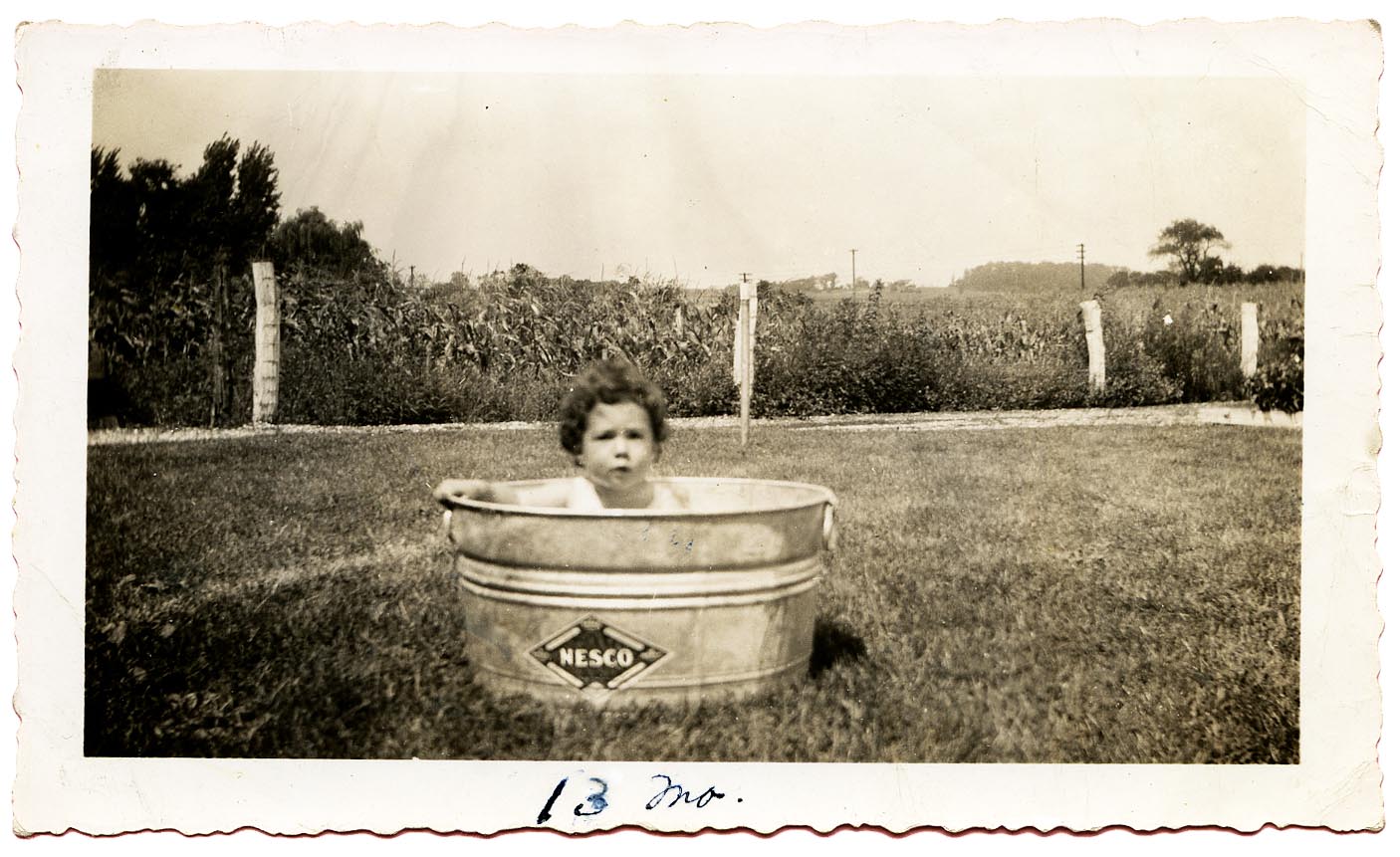
This is a pict-o-logue of summertime for me from 13 months to about age 13.

Marian in tub_13 months_4x3_300

“Naked in a tub” would be a sensational caption for this photo were it not for the fact that I’m only 13 months old. Later I recognize that this glistening galvanized tub is also used for blanching sweet corn ears from the garden lot.

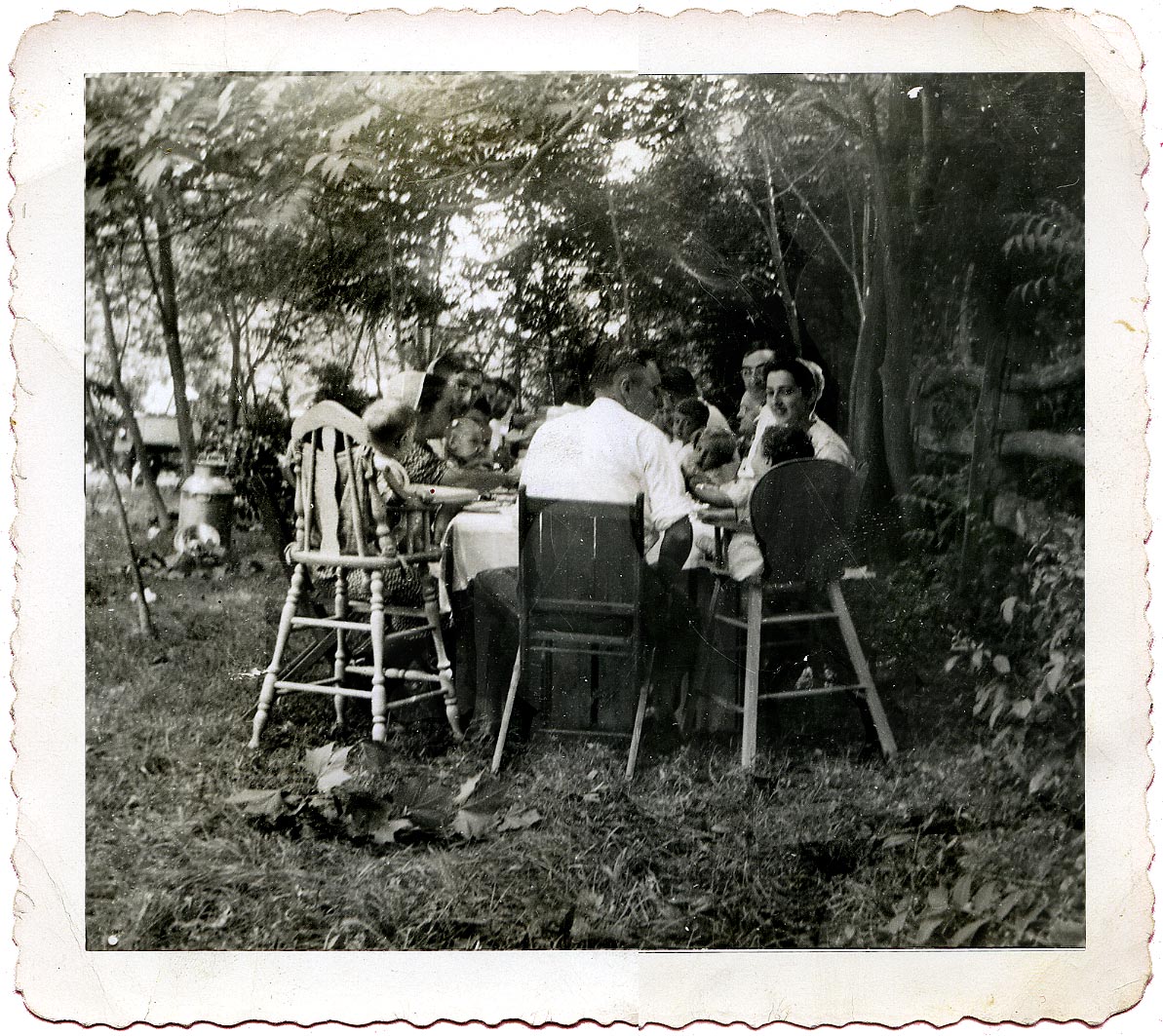
I'm sitting in high chair to the right at Metzler reunion picnic
I’m sitting in high chair to the right at Metzler reunion picnic

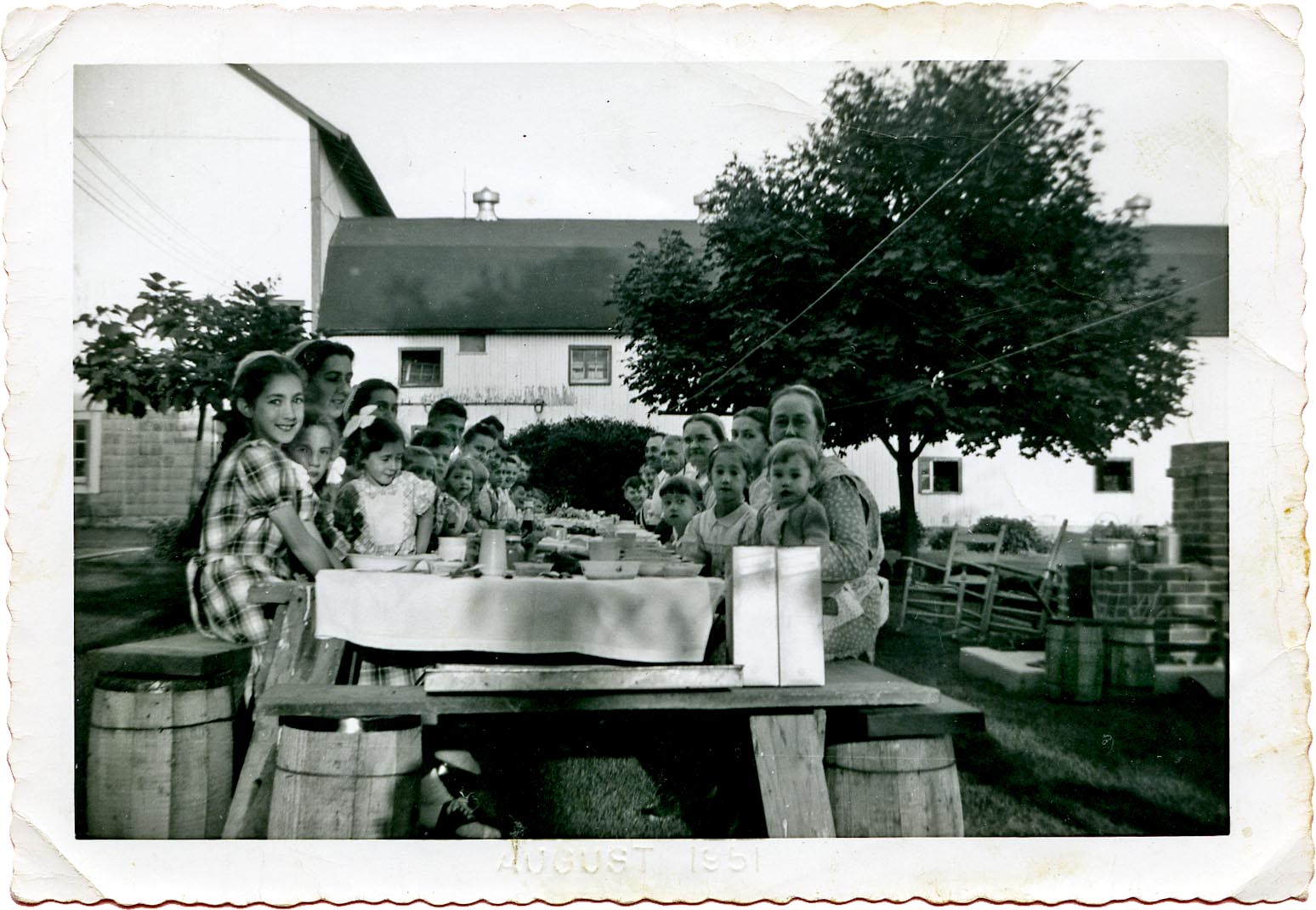
Reminiscent of Manet’s Le Dejeuner sur l’herbe (yes, it’s a stretch) but in a far simpler, Mennonite style, the Metzlers on Mother’s side of the family gather for a Sunday summer picnic In Uncle Clyde’s meadow, large crates holding up the table. After dinner the children scatter, the women clean up, and the men take down the table. I won’t be surprised when one or two of my uncles might light up a cigar rolled from home-grown tobacco.

Picnic on Leroy Metzlers Farm_Marian age 10_final

Uncle Leroy and Aunt Clara’s farm is the perfect place for a summer Sunday dinner on the lawn. Hefty barrels hold up this groaning board as we pass around the seven sweets and seven sours, every family bringing a dish to another Metzler reunion.

In Middletown with Daddy's cousin Janet Martin
In Middletown with Daddy’s cousin Janet Martin

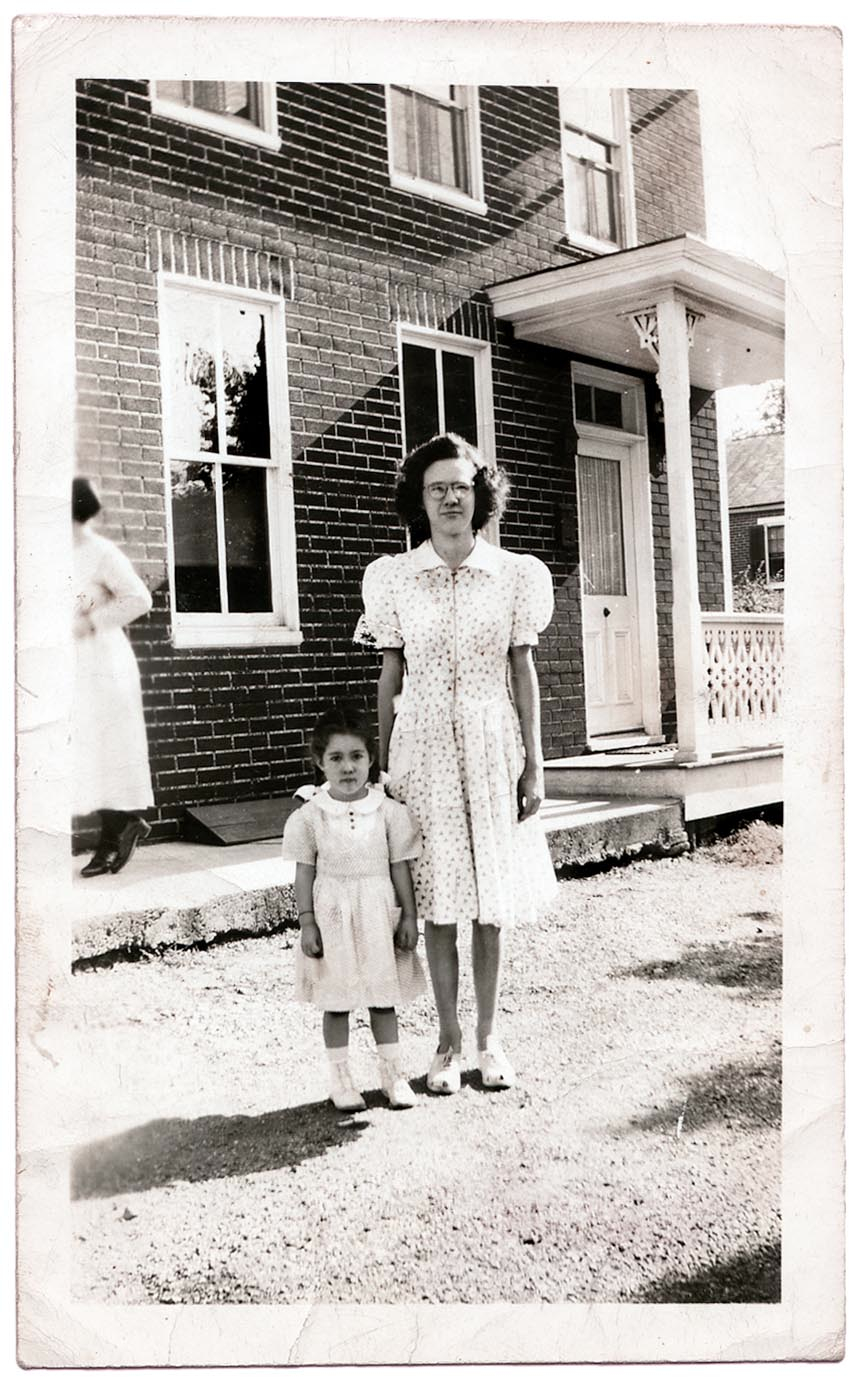
I also have a turn visiting Uncle Frank Martin’s household, one of Grandma Longenecker’s younger brothers. Aunt Mattie braids my pig-tails every morning as I sit in her kitchen looking up at the tall ceilings. She plaits very slowly because she doesn’t have much experience with little-girl hair. Her girls, Joyce and Janet, are not plain and have naturally curly hair that hangs free. They both wear shoes with open toes, a detail not lost on me. Cousin Sammy likes to tease me, but his sister Janet takes me on walks around the block because their house is in town, Middletown, Pennsylvania, my first taste of life outside of the country.

Marian and Janet Metzler_age 6-7_3x5_300

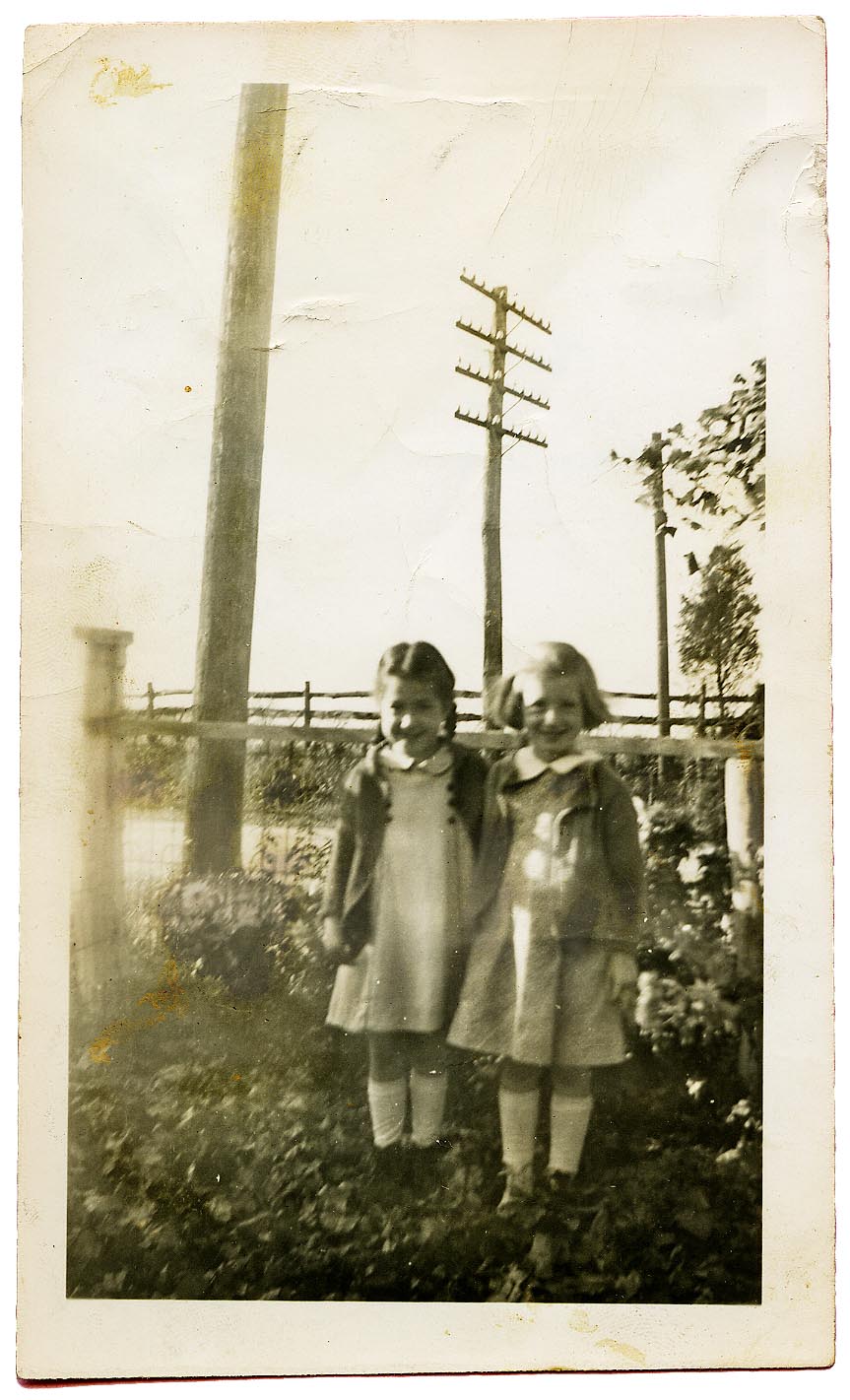
After I reach school-age, summer is a time for the cousin exchange. My favorite summer visits are with Cousin Janet, of all the Metzler cousins the one closest in age to me. I am fascinated with her strawberry blond hair and lighter skin. All of my family have an olive complexion, dark hair. We play with fat, sticky strands of Cinderella hair on our dolls and make up stories upstairs in the small bedroom. Soon Mom will call us down to the kitchen for root-beer floats sipped with plastic straws probably saved from last summer.

The next time I go to Janet’s house for a week in summer, I fall off my bicycle onto the gravel, grinding sharp bits into the skin around my kneecap. Though the bruise starts to recover, I don’t bounce back from the tumble. In the day or two following, I have crying spells, so Aunt Jenny calls my parents.  When they pick me up, I feel both embarrassed and relieved.

*  *  *

Tell us your summer vacation memories. We’re all ears.