Sue, Sarah, and Handful: Reviewing The Invention of Wings

Sue Monk Kidd, best known for her debut novel, The Secret Life of Bees, has published her third novel, the acclaimed The Invention of Wings (2014).

Courtesy, Riffle Books

My Review

A full-page spread advertising Sue Monk Kidd’s latest work of historical fiction recently appeared in the New Yorker, which tells readers something about the stature of this work. Set in Charleston, SC, the novelist creates parallel stories representing two strata of early nineteenth-century America, alternating chapters with the voices of two engaging characters: the aristocratic Sarah Grimke and the hand-maid (creative name for slave) assigned to her, Hetty Handful Grimke. Kidd’s sweeping novel is set in motion on Sarah’s eleventh birthday, when she is given ownership of ten-year-old Handful. Over the next thirty-five years, both strive for a life of their own “forming a complex relationship marked by guilt, defiance, estrangement and the uneasy ways of love” as one reviewer characterizes it. Woven into the fabric of this novel is the alliance of the Grimke sisters, Sarah and Angelina, who advocate for the equality of slaves and the rights of women.

While the unfolding plot intertwines other historical figures, both factual and imagined, Kidd held my attention with her metaphors and other descriptions. I was particularly intrigued with the exquisite quilts Handful’s cunning mother Charlotte fabricated, often using the image of blackbird wings as a triangular motif in the design. In the acknowledgements section, the author mentions too her reference to the American black folktale, from which she drew inspiration about “people in Africa being able to fly and then losing their wings when captured into slavery.”

The two main characters in this book effectively invent their own wings, Sarah by tirelessly advocating for human rights and Handful by staging her own escape to freedom. Her often repeated refrain:

If you don’t know where you came from, you have to know where you’re going.
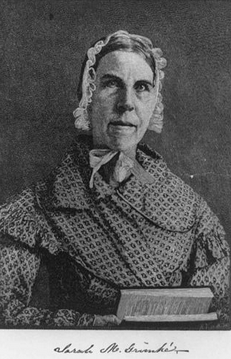
That's one determined woman
Sarah Grimke, one determined woman


Quilts

Have a look at some of handmaid Hetty’s exquisite quilts on this website. Possibly the best seamstress in Charleston, the quilting of Hetty and her mother Charlotte offered her freedom spiritually as she recorded her family’s history, and freedom physically too by enabling her to fashion a disguise that may have enabled her to escape.

Q & A with the Author

Website: Sue Monk Kidd

Sue Monk Kidd has created an intriguing story from mountains of research including historical dates and events, articles, letters, all inspired by viewing Judy Chicago’s The Dinner Party referred to in my last post.

See the intriguing Q & A with Sue Monk Kidd, who observed separate water fountains, black women sitting in the backseats of white women’s limousines, and the story of Rosa Parks in her own youth.

  • How could the author visualize Hetty so vividly?
  • How is Hetty or Sarah like Lily in The Secret Life of Bees?
  • How could Sue recreate the dialect of 19th-century Charleston on paper?

Your turn!

Sue Monk Kidd was published first in Guideposts and Readers’ Digest. Do you remember her writing from back then?

Can you relate to any of the characters in Sue Monk Kidd’s writings? 
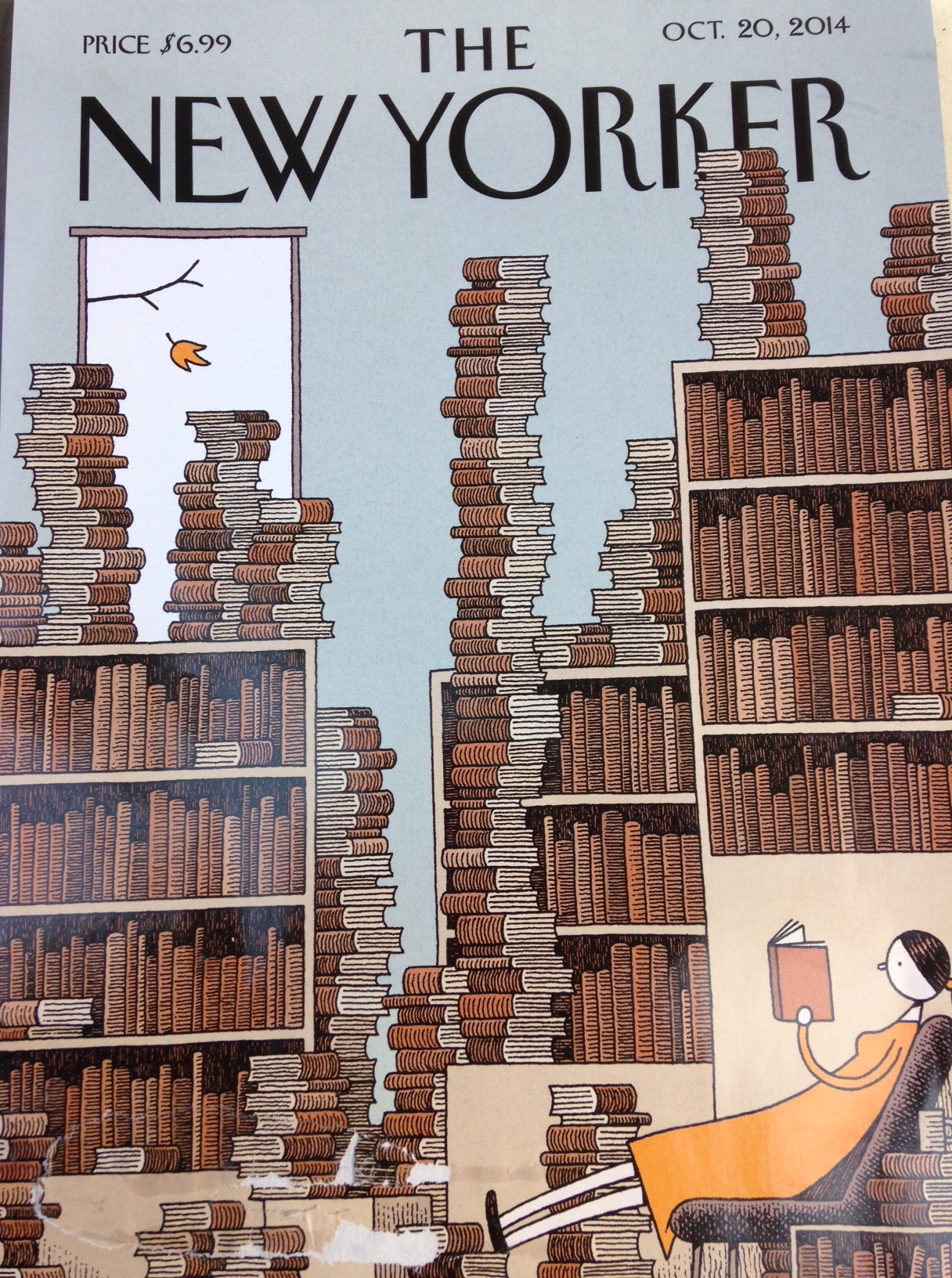


BooksNYorkerCover

Moments of Discovery # 3: Two Butter Stories and an Autograph Book

In June Mother Longenecker and her daughters Marian and Janice created butter-shaking memories in a two-quart jar, making butter using three easy steps:

  1. Pour cream into 2-quart jar.
  2. Shake until you rattle and roll.
  3. Remove the congealed mass from the jar. Add a pinch of salt.

In July, my Southern friend Carolyn honored my birthday in a “Shake-Rattle-and-Roll Butter-Shake” party. Today you can open up an old-time textbook with me and behold first-graders learning about butter making in a reader published by Lyons and Carnahan with the copyright dates spanning the years 1927-1936.

Reader1920s

Interestingly, the Child’s Story Reader also lists three simple steps for butter making expressed in first-grader language:

We got the cream from a cow.

We put the cream in a jar.

We shook the jar.

Jack and Jane even added a pinch of salt to the mixture, and afterwards they had a party of butter on bread!

ButterMakingSchool

Another page shows a recipe for butter milk made with a churn with Aunt Ellen assisting.

ButterChurnBook

More Moments of Discovery

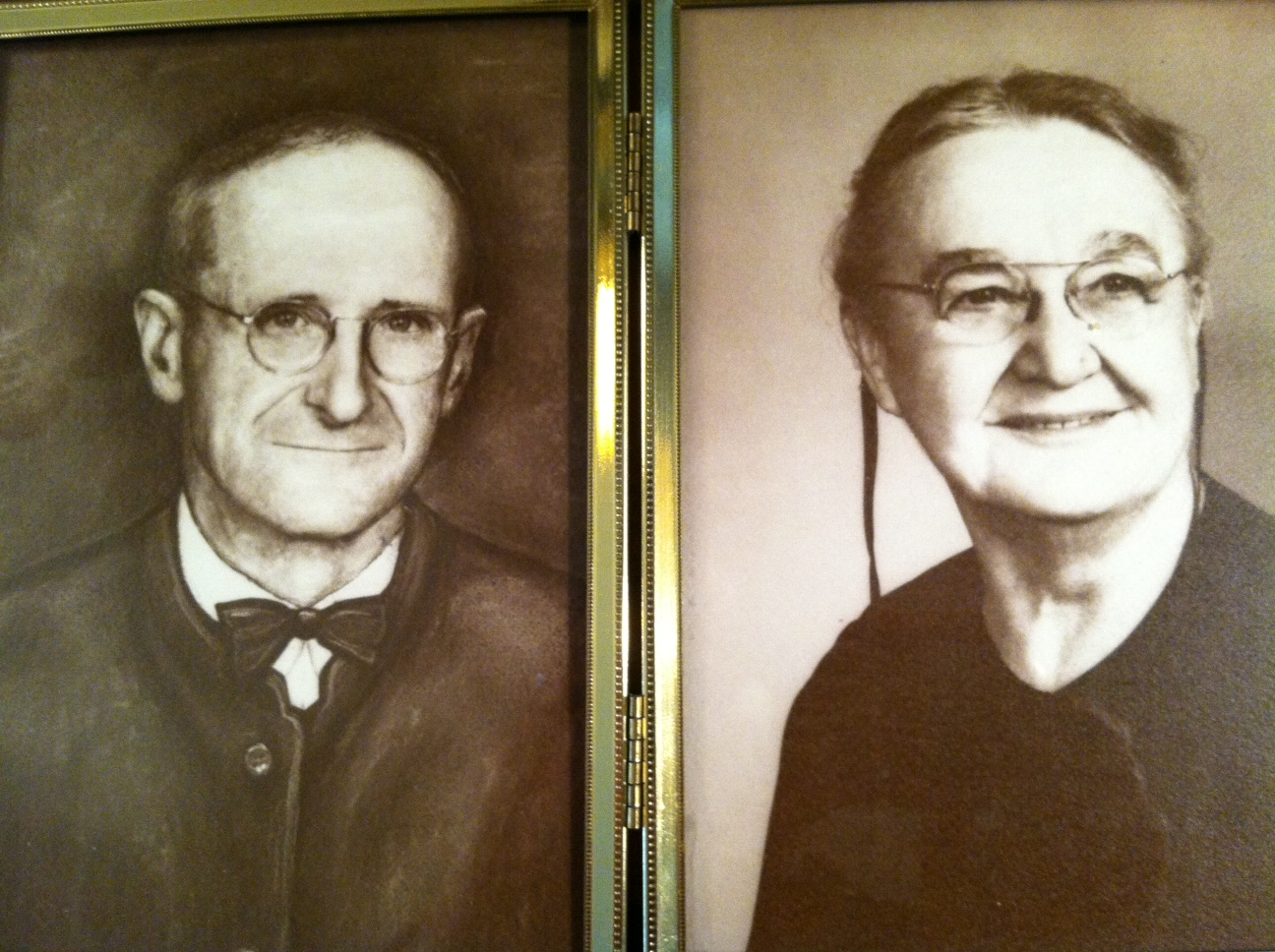
Henry and Fannie Longenecker, Grandparents
Henry and Fannie Longenecker, Mennonite Grandparents

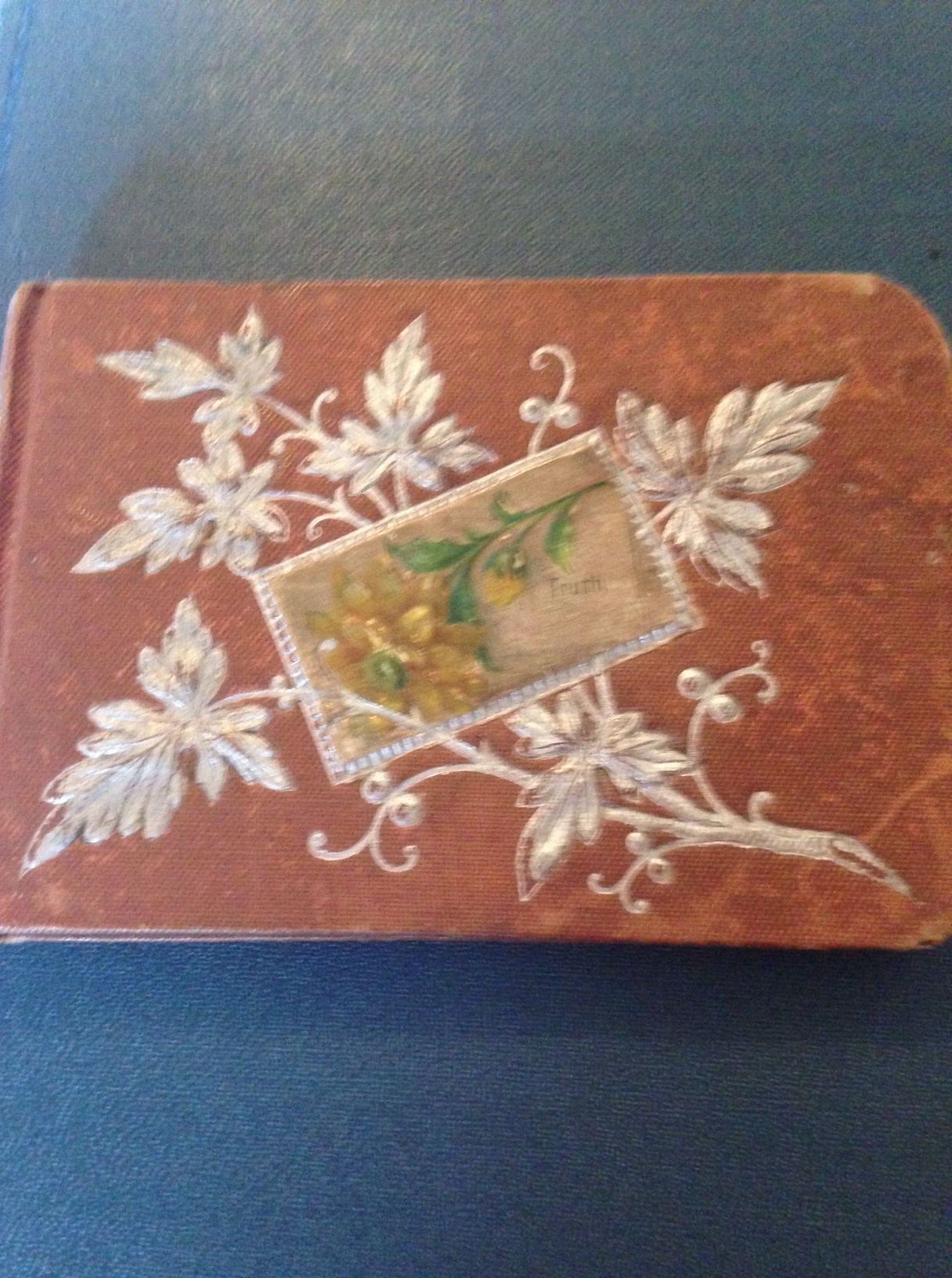
Henry Risser Longenecker, referred to by friends and family as H. R. or “Hen,” was my grandfather on Dad’s side of the family. He died when I was five, but I have a distinct memory of him killing a snake in the grass with a long stick. Like my father, he was a doctor of motors interested in steam engines, Model A Fords, and farm equipment. Until I unearthed his autograph book, I had no idea he had artistic leanings as revealed in his autograph book. Autograph books, common in classrooms in the 1800s, contained signatures, artwork, and bits of poetry. According to Folklore: An Encylopedia of Beliefs, Customs, Tales, Music, and Art, Vol. 1 (edited by Thomas A. Green) autograph books, existed as early as the fifteenth century and were seen as “a mark of gentility until the beginning of the twentieth century.”

The cover of Henry Longenecker’s autograph book reveals artistic flair with a faint inscription of a great virtue taught to every school child, the word Truth visible if you squint carefully at five faint letters appearing close to the embossed yellow flower.

HRLAutographBook

The dedication appears in flowing cursive penmanship with a dove’s beak clasping Cupid’s arrows

HRLsignatureAutograph_final

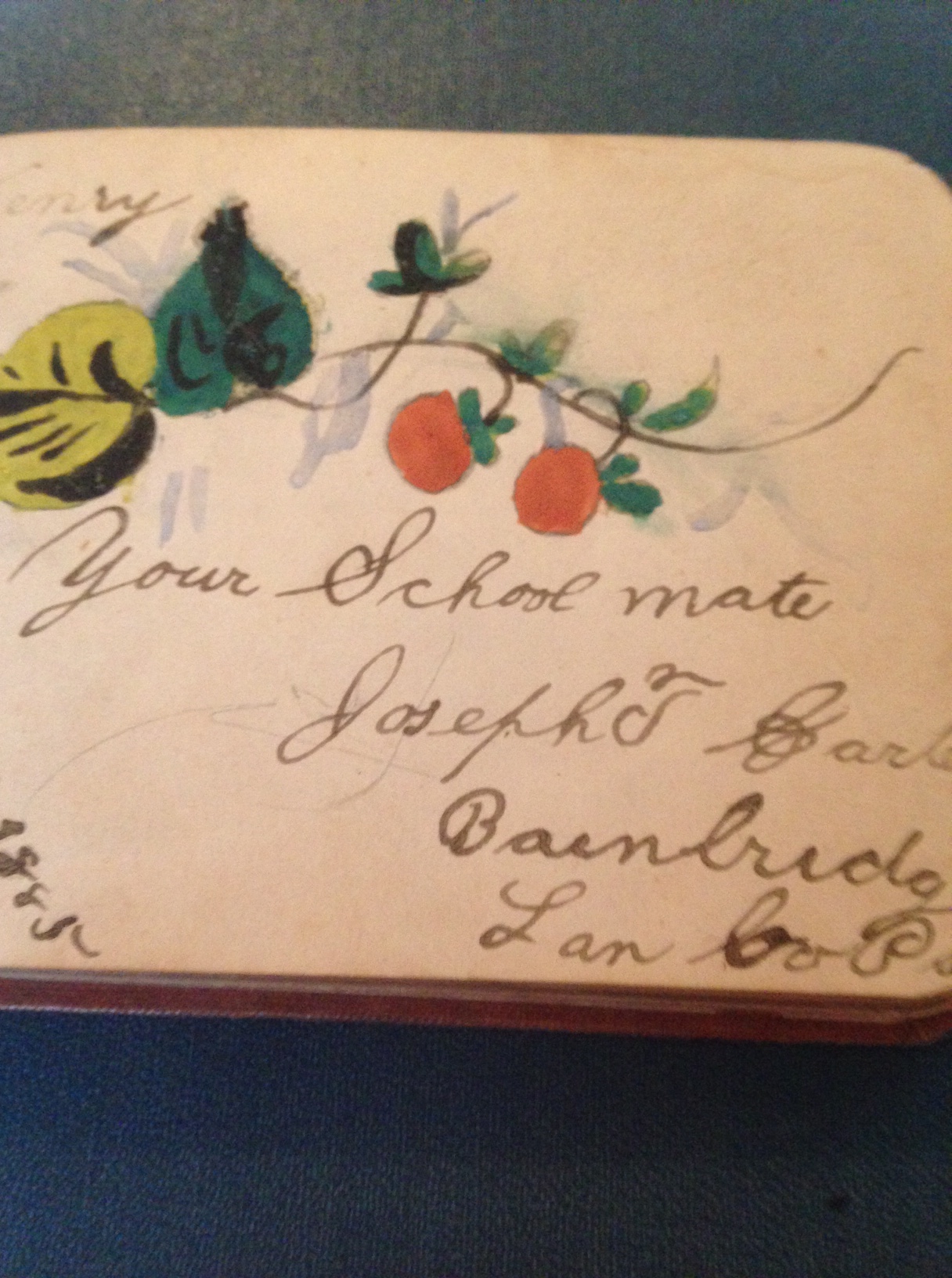
Painted artwork, still-brilliant, graced most pages like this one, complete with signature and date.

Signature: Joseph T.  Garber     Complete date: February 3,1885
Signature: Joseph T. Garber           Complete date: February 3,1885

 Autograph books tell us several things about students in the late 1800s:

1. Penmanship was taught and valued as an artistic skill.

2. Friendship and learning were intertwined. Both were expressed as an art form.

3. Students took great pride in their work.

*  *  *

What else can these books teach us?

Coming next: What color makes you sing?

At Home with Grandkids: Fun Stuff to Do

BAKE
It’s cold outside, maybe even Polar-vortex cold, and Saturdays with Grandma or Aunt or Mom will be spent indoors. One cold day three of our grandkids warmed up the house, at least the kitchen, with cupcake baking.

Gkids_2 kids_ top_chocolate +lowers_071008

Gkids_2 kids_bottom_chocolate+flowers_071008

Yes, it’s fun to help mix up the batter and lick the beaters, but the grandest thing is putting the plastic Gerbera daisy in the flower pot or scooping up the “chocolate” dirt. It’s okay that we get frosting all over our arms and face – Grandma doesn’t care, now does she?


TINKER and LINK

Downstairs the grand-kids find the ottoman/toy chest with classics like Lincoln Logs, just like sets from the 1960s but with added plastic gadgets. Tinkertoys – there is just no way to improve on Tinkertoys!

LincolnTinkerToys


STACK

Do you have a deck of jumbo cards? If so, you are in business. Patrick and Curtis both learned the meaning of the expression “house of cards” as they tried to stack playing cards on a shaky foundation. Incredibly they persisted even after a collapse or two. Bryan Berg, who holds the world record for a 75-story card tower, can rest easy. Still, both boys couldn’t enjoy the challenge more, as Patrick illustrates:

HappyPyramid6162_mod


FLICK

Their dad Cliff retooled this marble flick board from an old oaken desk in 1978 when Crista was 9 and Joel, 7. They both competed in “Flick the Marble,” trying to earn the higher number of points, best out of three! All four grandkids have since enjoyed the board. Even grand-nephew Noah and grand-niece Emily give it a whirl here.

EmilyNoah

GameBoard


WRITE with GRATITUDE

Back in February 2013, when “plain and fancy” launched, the theme of Grah-ti-Tood, announced my first blog post. The grandkids’ gratitude books were featured along with pictures Curtis and Ian had drawn. They are a year older now, and their thanksgiving continues. Sometimes reluctantly. But this time spontaneously, as conversation around the breakfast table last month moved around to things to be thankful for.

GratitudeCurtisIan

Curtis_Ian_Gratitude Book_102514

On October 25, 2014, Curtis is grateful for friends and thankful that the wars are not hurting me badly (Oh, my)! Ian says, “I am thankful that blueberry pancakes are the best!” Curtis’ illustrations are cartoon-like. Ian’s pancake is realistic with shading.

Each unique.


I am sure you thought of a game or activity to add to the assortment here. Suggestions, comments – it’s your turn!

Coming next: Moments of Discovery # 3: Two Butter Stories and an Autograph Book

Milk Toast: Good for What Ails You

Diners at the Bâtard, an upscale restaurant in Tribeca, NYC can enjoy a dessert dish called milk bread, “A Christmastime treat from Germany,” says the September 1, 2014 issue of the New Yorker. The article goes on to describe this milk bread as having crème-brûlée crackles with innards like French toast or the texture of iced donuts.

New Yorker_Food & Drink

My German-Swiss Grandma Longenecker’s milk bread was much simpler. In fact there were only two ingredients: Milk and toast, probably with a little butter. Picture a bowl of warm milk and pieces of toast snippled up making a kind of stew. And she called it milk toast, not milk bread, serving it as a balm for belly aches or whatever else ailed us.

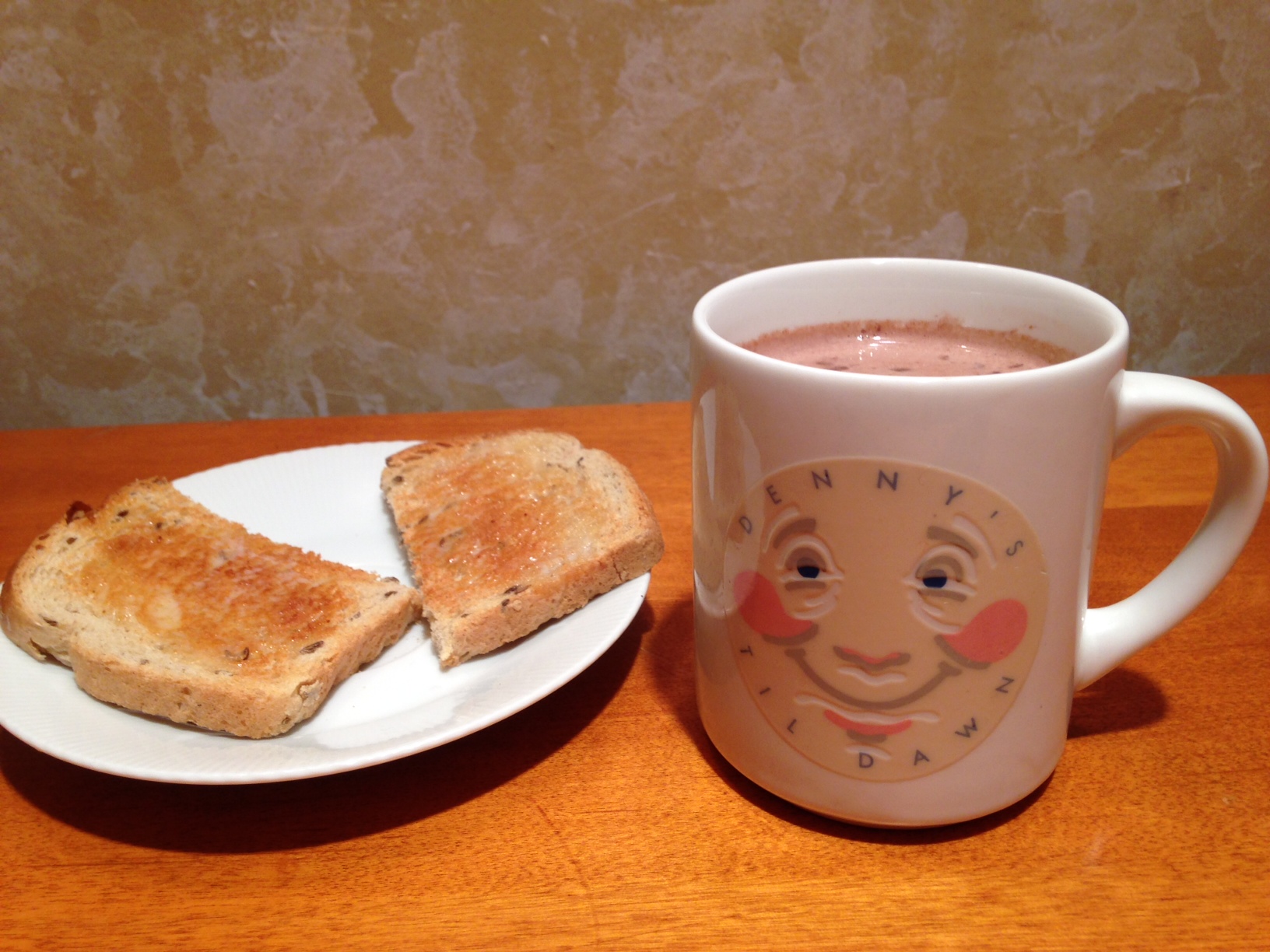
Another milky treat Mother served in the winter-time before school: Hershey’s hot cocoa with buttered toast for dipping. Yes, we dipped the toast in cocoa, inhaled the chocolate fragrance as the warming lump slipped slowly down our throats. Reinforcement for the cold walk to the bus-top. Uh-um, good!

CocoaToast

Do you have any milk with bread images in your memory bank? Any other cool weather warm-up recipes to share?

Coming next: 10 Things Our Family Did/Didn’t Do on Sunday

Come to the Storybook Chair, the Storybook Chair . . .

So now it matters almost not at all to any of them except as a storybook matters; loved in childhood but outgrown in adolescence, it still matters, still instructs, still is part of what the adult becomes.

Phyllis Tickle, The Graces We Remember: Songs in Ordinary Time (126)

When our children Crista and Joel were little, a prelude to nap-time was their mother chanting in a sing-song voice: “Come to the storybook chair, the story book chair, the story book chair, and we’ll read . . . .” Hearing that, they’d head for the rocking chair and climb on my lap for colorful Richard Scarry pages or the clever tricks of a George and Martha book. I’m carrying on a tradition that began with my mother who read to me from picture books, and also recited poetry from her school days.

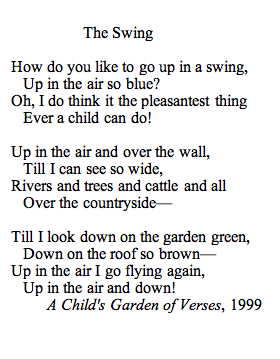
My journal tells me (and it does not lie) these are the poems by Robert Louis Stevenson that Mother recited to me in 1999 from her memories of Lime Rock School near Lititz, Pennsylvania in the mid 1920s.

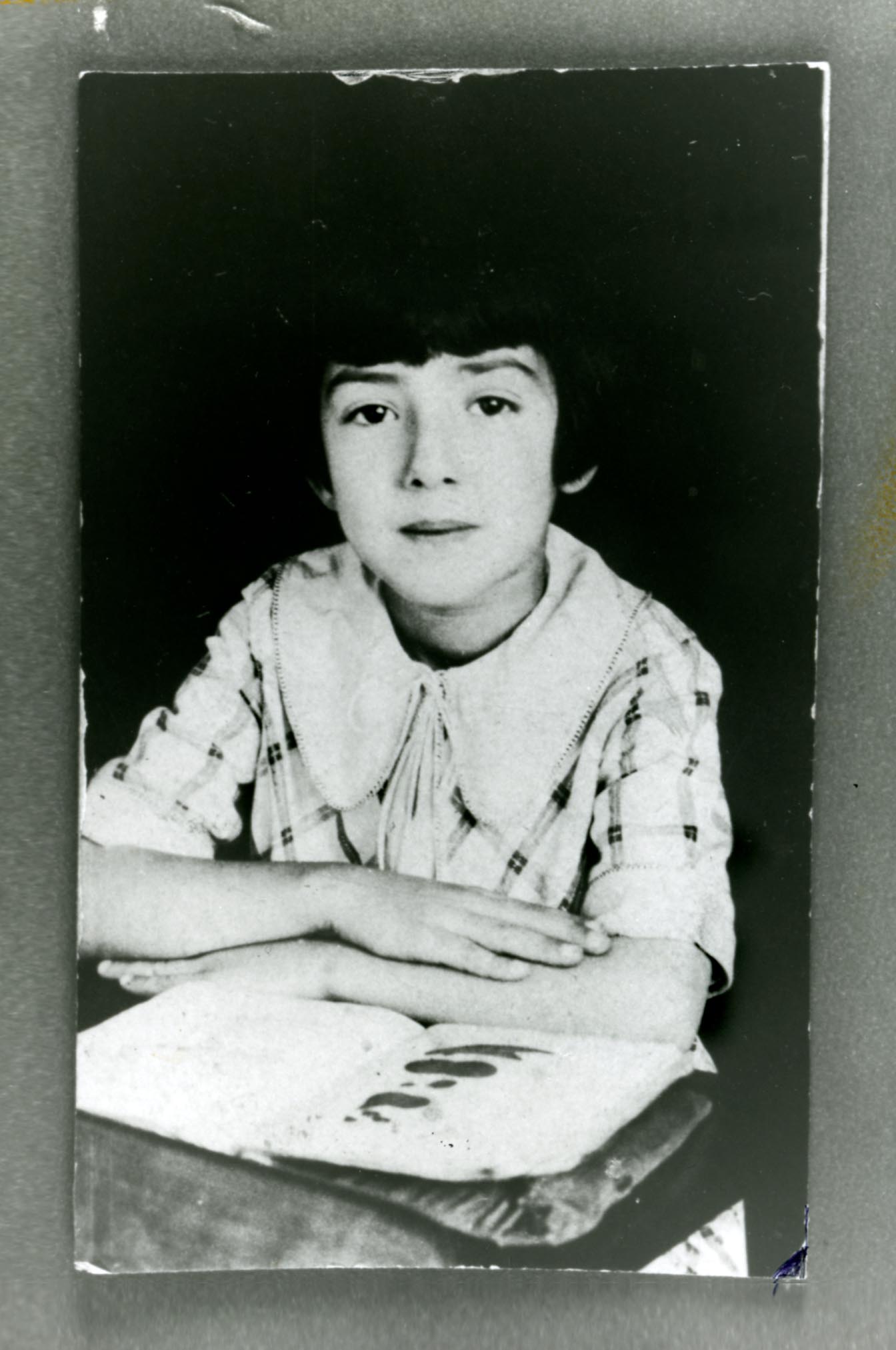
Ruth Metzler  Lime Rock School  1920s
Ruth Metzler            Lime Rock School             1920s

The Swing PNG image


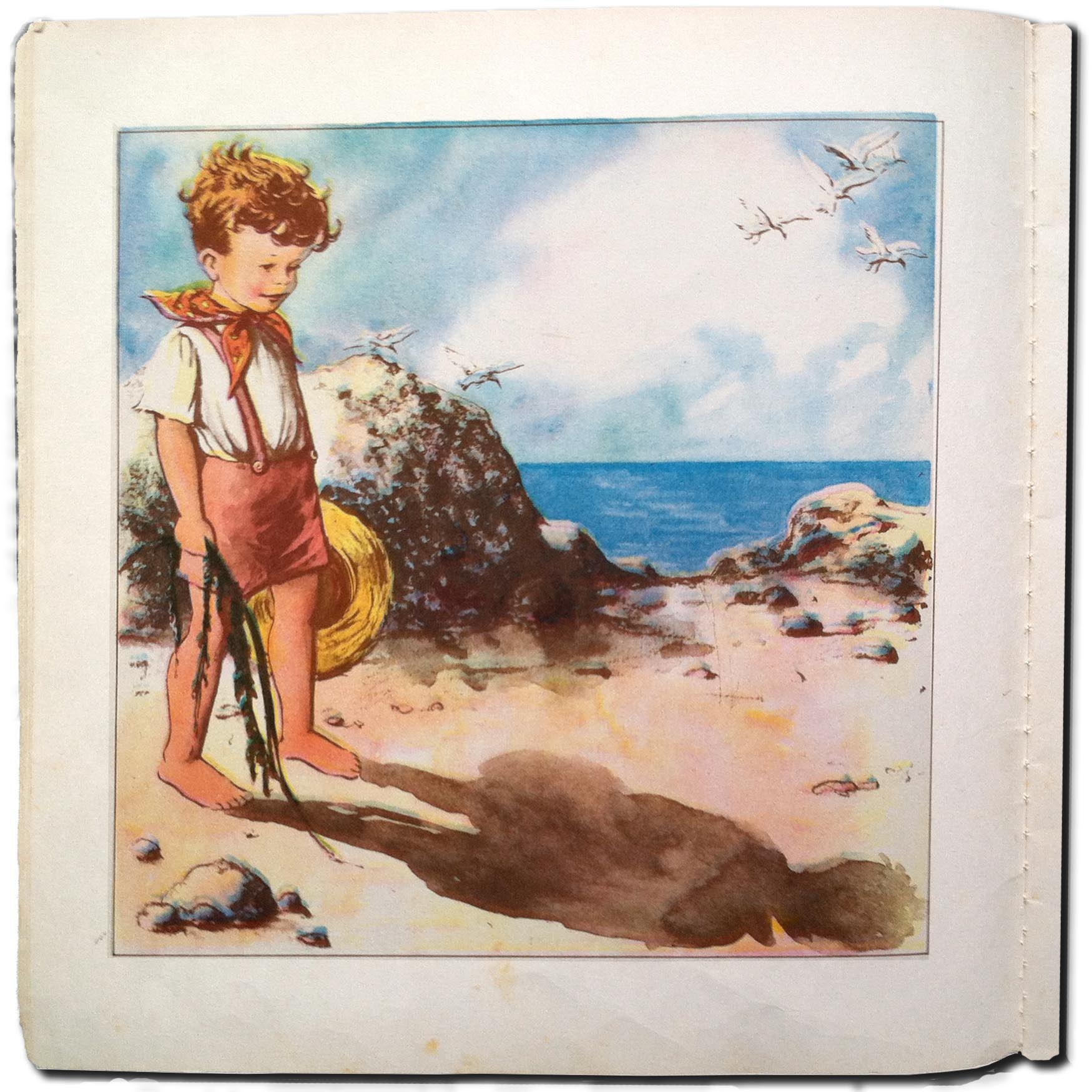
Illustrations from A Child's Garden of Verses, John Martin's House, Inc., circa 1945
Illustrations from A Child’s Garden of Verses, John Martin’s House, Inc., circa 1945

She also recited the verses of “My Shadow” from the “Golden Book of Poetry” 1947 with the familiar first two stanzas:

My Shadow png

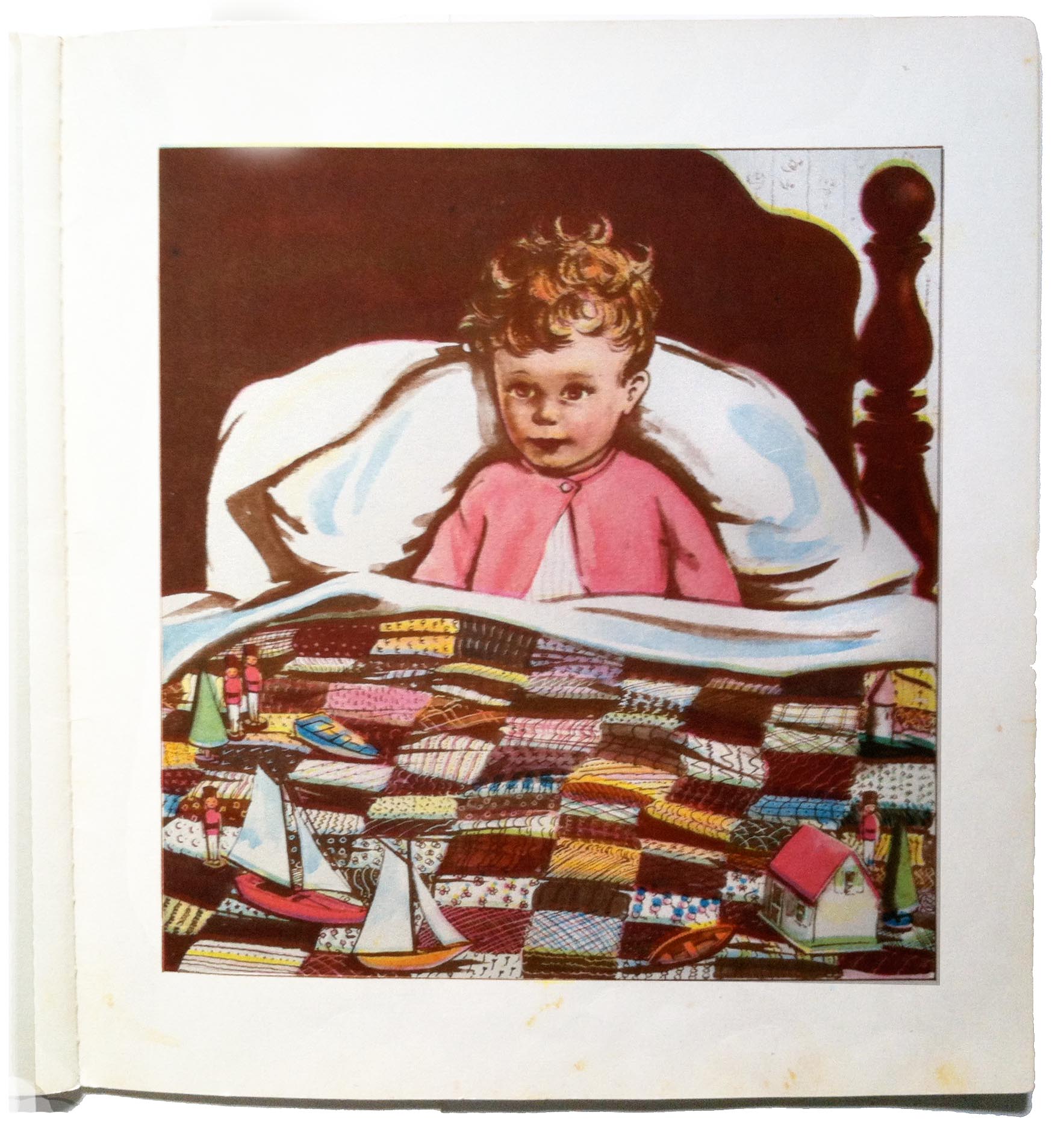
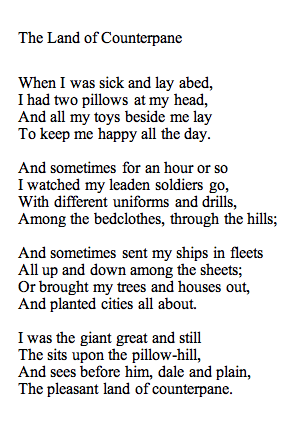
At the beginning of second grade, the summer I turned seven, I had my tonsils removed and among my memories (besides drinking chocolate milk through a straw and trying to swallow smashed bananas) is reading the poem “The Land of Counterpane” under a quilt that probably matched my own upon my sick-bed.

Land of Counterpane_6x6_300

LandOfCounterpane png

What are your early memories of reading? Did a friend or family member recite poetry or other words of wisdom to you?

Coming next: The Wonda Chair and the Heirloom

Dancing to a Different Tune: Kathy Pooler’s Memoir

Kathy and I are not old friends. In fact, our friendship is rather recent as we have explored each other’s blog posts early this year, discovering that we both were developing our writing skills after long, satisfying careers, hers in medicine and mine in education.

KathyPoolerBrighter

In March, she featured me on a blog post describing my writing process and in May I published a preview of her memoir now published in July 2014. Beyond this, we have discovered that our values are rooted in a strong Christian faith.

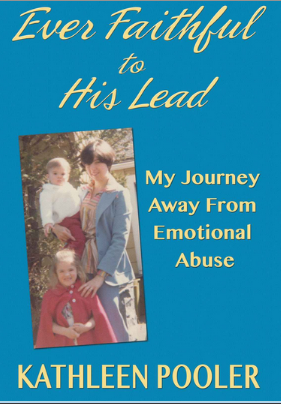
Kathy Pooler’s memoir Ever Faithful to His Lead is a smooth read but with a tale that is often tumultuous. Her memoir unfolds like a novel with pleasing dialogue and silky descriptions of her prom dress and her hand-made wedding gown in stark contrast to the rocky road she travels to become a strong, assertive woman.

In the course of her journey, Kathy earns several academic degrees among them the distinguished Certified Family Nurse Practitioner qualification. Yet she stumbles with poor choices in love, choosing one wrong partner after another in her search for a stable marriage like that she imagined her parents’ to be. In fact, she admits early on that she can trace her “inability to discern dangerous situations to a lack of exposure to anything out of the ordinary.”

Readers can applaud the resilient woman emerging from the frightened person who hid from her first husband in her hallway closet to a woman who is finally able to trust her own instincts. Her candor and vulnerability appear on every page. Kathy often pulls the reader aside to contemplate her motivation, as for example: “I was always second-guessing myself, quickly shoving doubts aside to paint the picture of what I needed the world to be.”

When you as reader want to snatch the blinders off the writer’s eyes and yell “Stop!” into her ears, you know the author has succeeded in pulling you into her world. This memoir is a cautionary tale for anyone on an elusive search for Mr. Right. For anyone already in an abusive relationship, Kathy’s story offers courage and hope. Admitting it is time to make big-girl choices, her last chapter promises, “Raw, hopeful, ready to dance to my own song—my new faith waiting patiently in the background.”

The book concludes with nine discussion questions for book clubs and a “Share the Hope” section with the notation that each purchase contributes toward the National Coalition of Domestic Violence Awareness Association. Author Pooler is already at work on a sequel: Hope Matters.

EverFaithfulCover

You can buy Kathy Pooler’s book at Goodreads and Amazon.

Kathy’s blog

Facebook page

Twitter page


Coming next: My Mother’s Recitations

Fishing on the Delaware 1950s

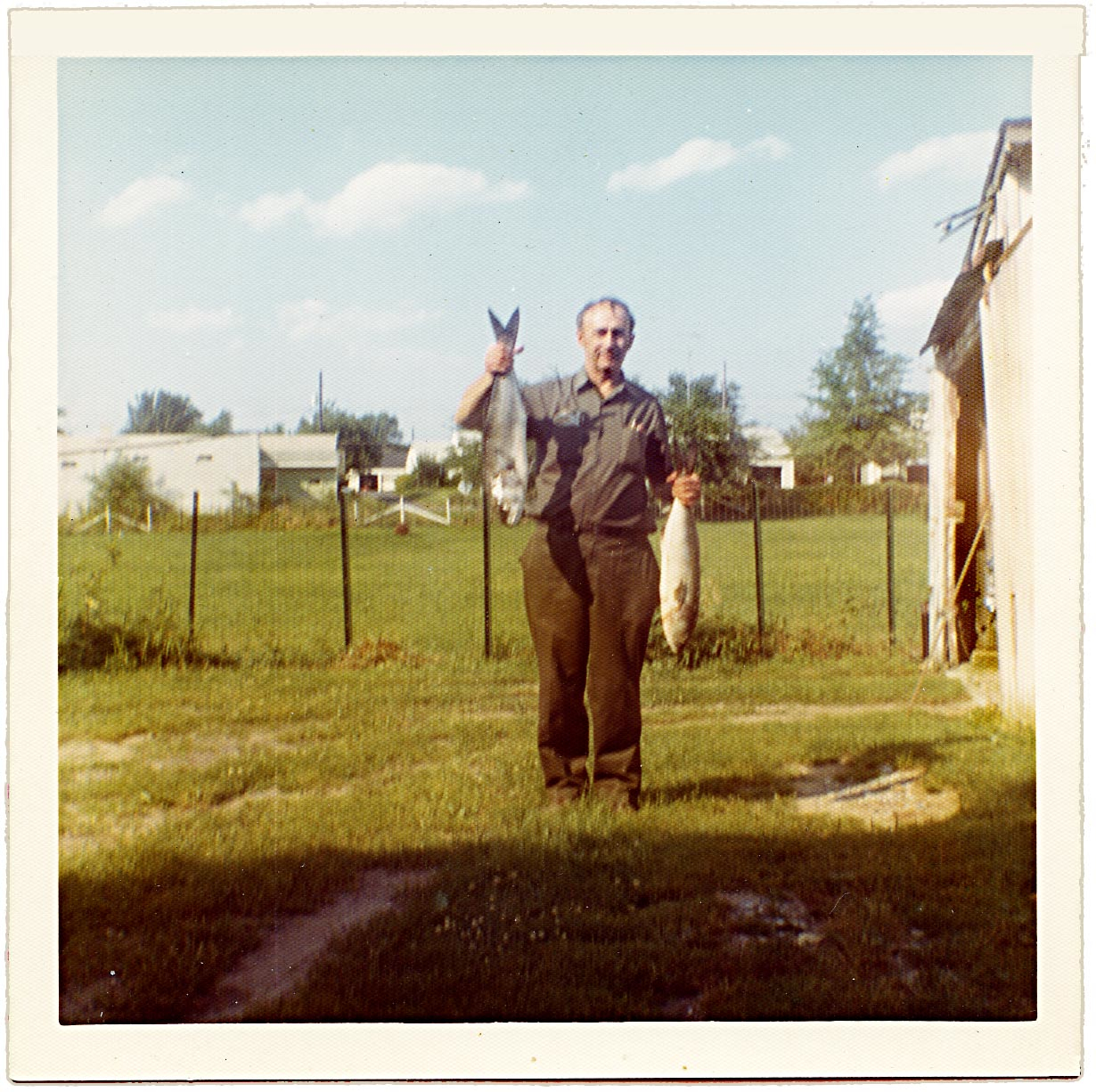
Daddy was an avid hunter (pheasants and deer mostly) and an eager fisherman. The outdoors took him away from the stresses of his business, Longenecker Farm Supply, and helped him literally recharge his batteries. I never went hunting with him, but he invited me once or twice on deep-sea fishing trips in my early teens.

Many summers ago, friends from Bosslers’ along with a few relatives chartered a boat and went deep sea fishing in the Atlantic south of the Delaware Bay. Unlike the New Testament disciples who fished with empty nets all night long until they followed the wisdom of Jesus, we PA Dutch fishermen hauled “em in right and left”– starboard and port. And unlike the disciples who had to cast their “nets” on the other side, we had a great catch without switching to a different strategy. Unbelievably, we novice fishermen were rewarded with a net-breaking haul of bass or trout. Somehow the figure of the number 68 (or maybe it was just 65) sticks in my mind as the amount of fish I caught single-handedly that day. Others easily topped my number. No fish tale here!

FishingDelaware

(I’m the one with the bandanna and sweater on the left side of the boat; Daddy is grinning behind Uncle Paul whose hand is raised.)

Ray holding fish_final_4x4_300 (1)

Generally, I had a strained relationship with Daddy. The stories of the ill-begotten bike and his unannounced violin purchase on earlier posts underscored his lack of knowledge of relating to me as his oldest daughter and subsequently my resistance to his overtures toward making a satisfactory connection.

But outside the walls of our house, taking walks or catching fish together, such barriers disappeared. These photographs evoke these pleasant memories, times when we were in tune with nature and with each other as father and daughter.

Childhood that place where purity of feeling reigns, was merging into adolescence, where ambiguity begins.

Mary Peacock in The Paper Garden  

And that is where I was, the age of ambiguity and change.

  *  *  *
Comments? A question? An anecdote from your own experience growing up. 

The R-Word and You

A grande dame of British theatre, Judi Dench, spoke with Anderson Cooper just before the release of the movie The Best Exotic Marigold Hotel in 2012 making crystal clear she has no plans to rest on her laurels and retire. In another interview she remarks about retirement: “I just think you ought to go on if you got the energy. If you got the energy, then everything is possible. But I think if you give up, then nothing presents itself to you anymore.”

My definition of retirement fits hers precisely: This phase in life for me is a time to re-tool, re-tire as in “put on new tires and roll on.” After decades in the teaching world, I literally took off my graduation regalia for the last time and tried on other robes: I began taking “The Lowrey Magic Organ Course” with a group (ugh), had to re-take many of the unit “speaking” quizzes in Rosetta Stone French (ugh-ugh), took up sky-diving (okay, an exaggeration!). But I had lunch in the middle of the week with friends, reveled in grandmother-hood full tilt.

I still relish the grandmother role and I often have lunch mid-day with friends or a pedicure mid-week, but my writing life has taken over the hours I spent in the classroom and grading papers after-hours. Blogging/writing is my new calling, requiring both head and heart, what I missed most about teaching anyway.

Recently, at Mother’s house I picked up the July 2014 issue of PURPOSE, a Mennonite publication containing “stories of faith and promise,” similar to those offered in Guideposts magazine. Here are some choice bits, including one from a 20-something:

  • Katie Funk Wiebe, the grande dame of Mennonite Memoir in my opinion, writes in her essay Looking Back from the Mountaintop: “At age 89 I am standing on a mountaintop. Below me is my life journey: there I stumbled, there I found footholds, there the path took a hairpin turn into darkness, there I found light . . . .” Her conclusion? “There may still be a distance to climb.”
  • In her essay “From a Fire Escape,” Dorothy Beidler admits “I have more questions than answers and that is definitely okay with me. Later she urges, “Find your niche, your passion, your soul gift.” Even in retirement.
  • Former CEO and business owner Burton Buller notes the difficulty in relinquishing the idea of being in charge but now is being inspired by “a newfound sense of gratitude.”
  • Melodie Miller Davis ponders the name for her new phase with her title “Final Quarter, Final Third?” letting this time of her life reverberate with purpose and intention to the tune of Frank Sinatra’s “My Way” or Kris Kristofferson’s lyrics “Bread for the body and song for the soul.”
  • Marian Durksen Wiens speaks of the richness of being reused and recycled as she and her husband return to volunteer in Korea, a land where they had previously worked.

Finally, a 20-something, Marcus Rempel, acknowledges that though dreams of a well-insured future lie “crumpled at [his] feet like a balled-up newspaper,” he values the safety network of family in this life and eternal life in the age to come.

The idea of retirement is a fairly new one. In the early twentieth century when life expectancy for men and women was in their 40s and 50s, retirement was practically unknown, certainly not seen as a sizable chunk of time. Now many men and women can expect to live 20-30 years beyond retirement age.

In the movie The Best Exotic Marigold Hotel, the Judi Dench character, Evelyn Greenslade, supplies the narration “book-end to bookend . . . and keeps a blog of her activities” from the opening sequence to the Day 51 moral that ends the film ‘We get up in the morning, we do our best.'”

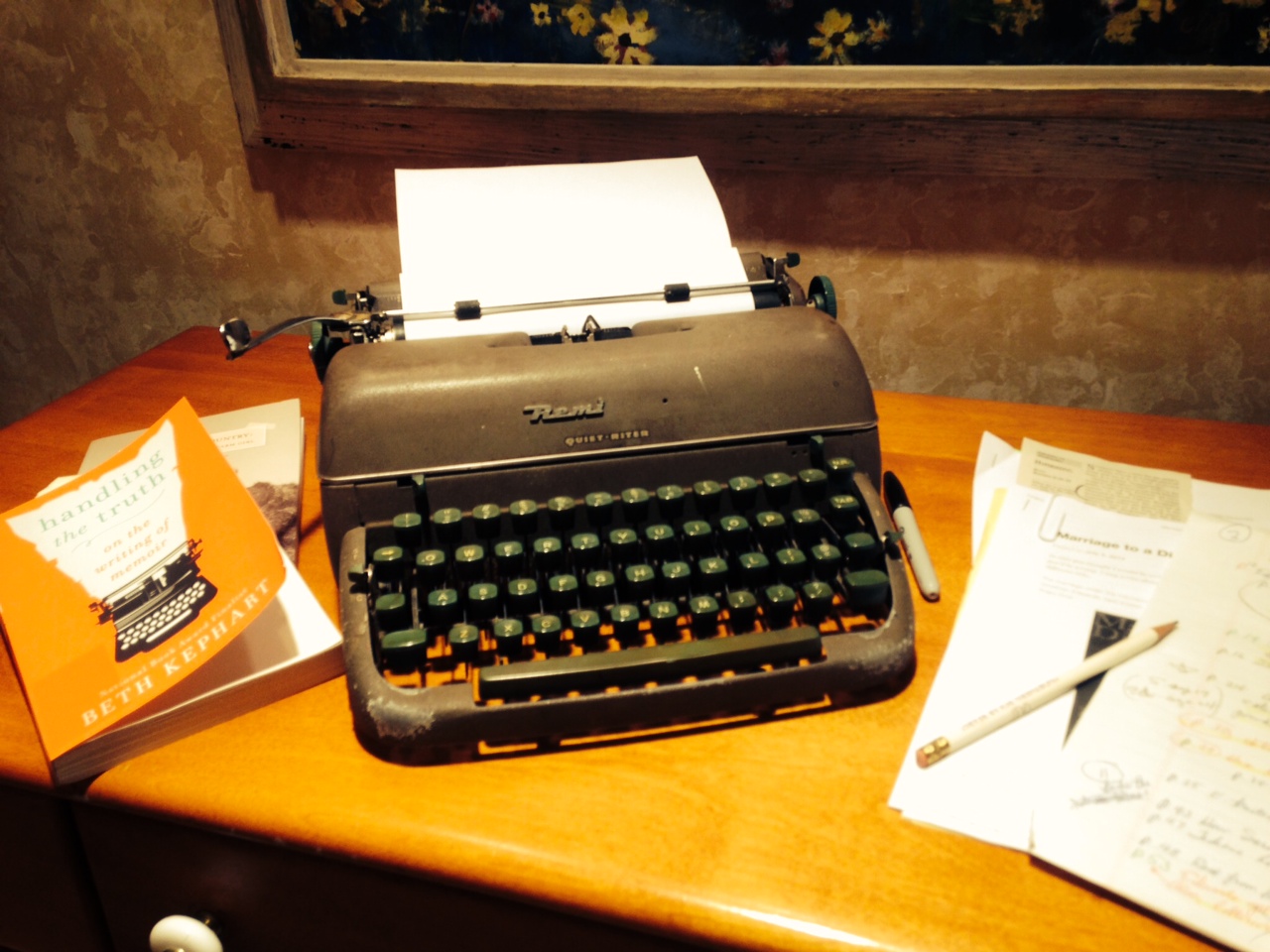
Old Remington typewriter from college days - 1960s
Old Remington typewriter from college days – 1960s

Like her, when I get up in the morning I aim to do my best, especially on days I can connect with my friends in the blog world.

Your aim – in the morning?

      In retirement? We value your thoughts!

Happy Birthday to My One and Onlies

birthday cancle


My policy on cake is pro having it and pro eating it.     Boris Johnson

*  *  *

July is the birthday month for four our immediate family. If you count our extended family, there are three or four more birthdays this month.

This month I celebrate the birthdays of three of my one and õn-lies:

The Inimitable Mother Ruth Metzler Longenecker

Mother and her morning ritual, reading her Bible
Mother and her morning ritual, reading her Bible, age 96

My One and Only Son

Joel with wife Sarah at cousin's wedding
Joel with one-and-only daughter-in-law Sarah at cousin’s wedding

My One and Only Grand-Daughter Jenna Skye Dalton

Jenna3

July Birthdays

July birthdays in our family span four generations. Apparently, I tried very hard to become my mother’s first birthday present after her marriage the previous year, having missed being born on her own birthday by just one day. Our son and grand-daughter are birthday presents to me – Joel born two days after my birthday and Jenna preceding my birthday by a mere five days.

Who are your one and ôn-lies – birthdays or otherwise? 

*  *  *

Coming tomorrow: Birthday Butter Shake Sequel

Laundry at the Longeneckers

     We have to try it again. Here’s another shirt,” Jane said as she plucked one of Dad’s blue work shirts out of a plastic bag full of shirts—clean, sprinkled and rolled—all ready to iron. “Start with the yoke,” she directed.

I grabbed the damp shirt out of her hand and flopped it onto the ironing board. “I know where to start,” I huffed. I knew to start with the yoke, then iron the collar, then the left sleeve and cuff, front and back, then the right sleeve and cuff, front and back, then the right front, taking particular care around the buttons . . . and with the button hole placket where it was so easy to iron in wrinkles.

So begins Carol Bodensteiner’s chapter “Laundry Lessons” in her memoir Growing Up Country, a chapter that describes to a tee the washing, drying, folding, sprinkling, and ironing of laundry, chores that were also observed in the Longenecker family.

Mother’s work week was regulated by the pendulum of ritual. Certain tasks were done on certain days in her 1950s household. If it was Monday, she washed clothes, on Tuesday she ironed them, and so on through the week to Friday, the big cleaning day.

Her wringer washer and a rinse tub was pulled out to the middle of the “washhouse,” a room next to the kitchen every Monday. Sometimes I helped by feeding clothes from the rinse tub into the washer wringer, a tricky task for a child. At least once I got my arm caught in the wringer. Of course, my screams and yells summoned Mother to fly out of the kitchen, bang on the release apparatus to make the two rollers fly apart. After the fright and the pain subsided, I was amazed my arm wasn’t as flat as a paper doll’s.

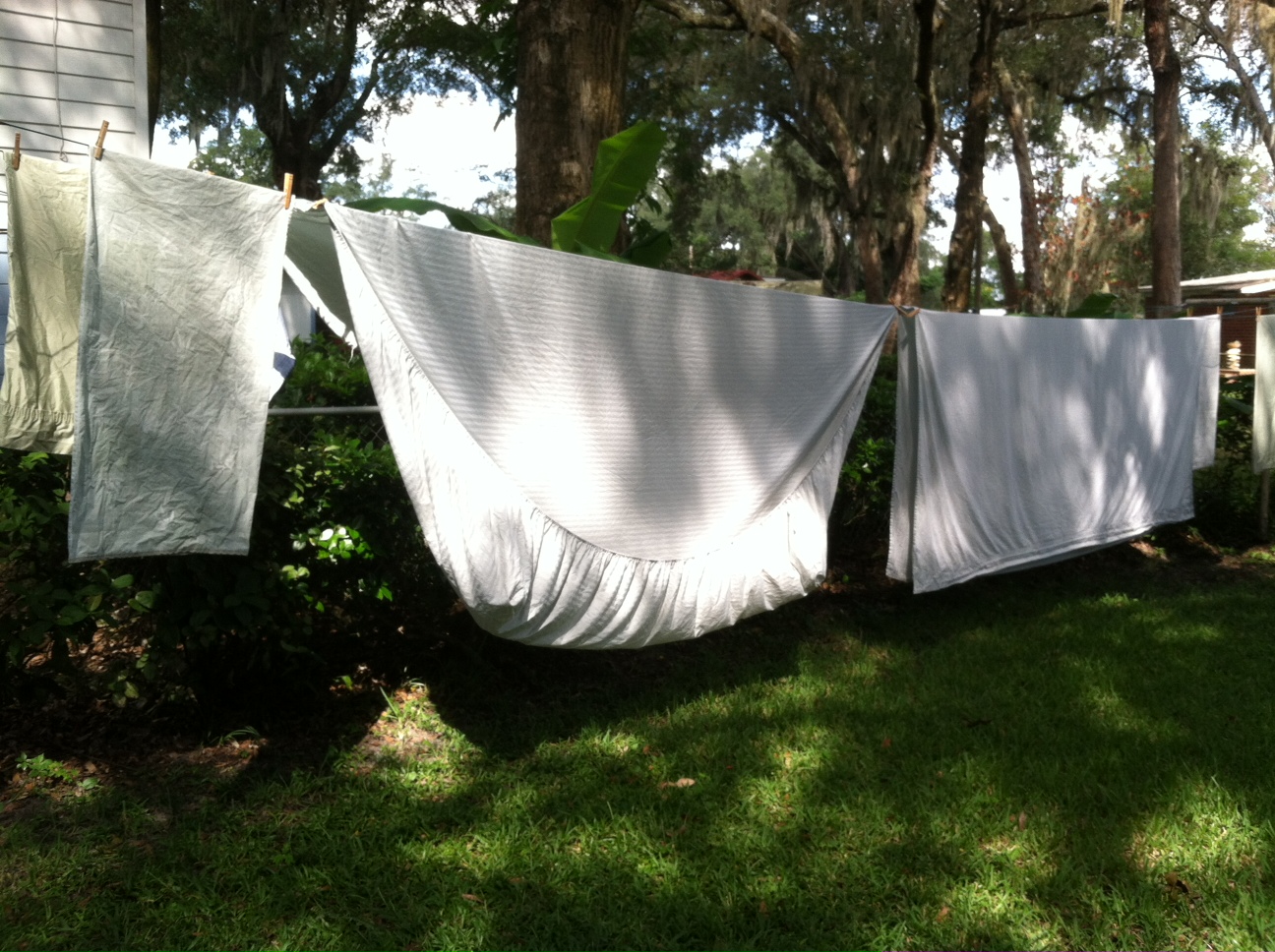
When I was tall enough to reach the clothes line, I hung up wash clothes, towels, shirts, and dresses, instructed to “hide” underwear in one of the inner lines so neighbors wouldn’t see. To this day, if there is a sunny day with a breeze in Florida, I hang sheets out to dry.

Sheets on Line

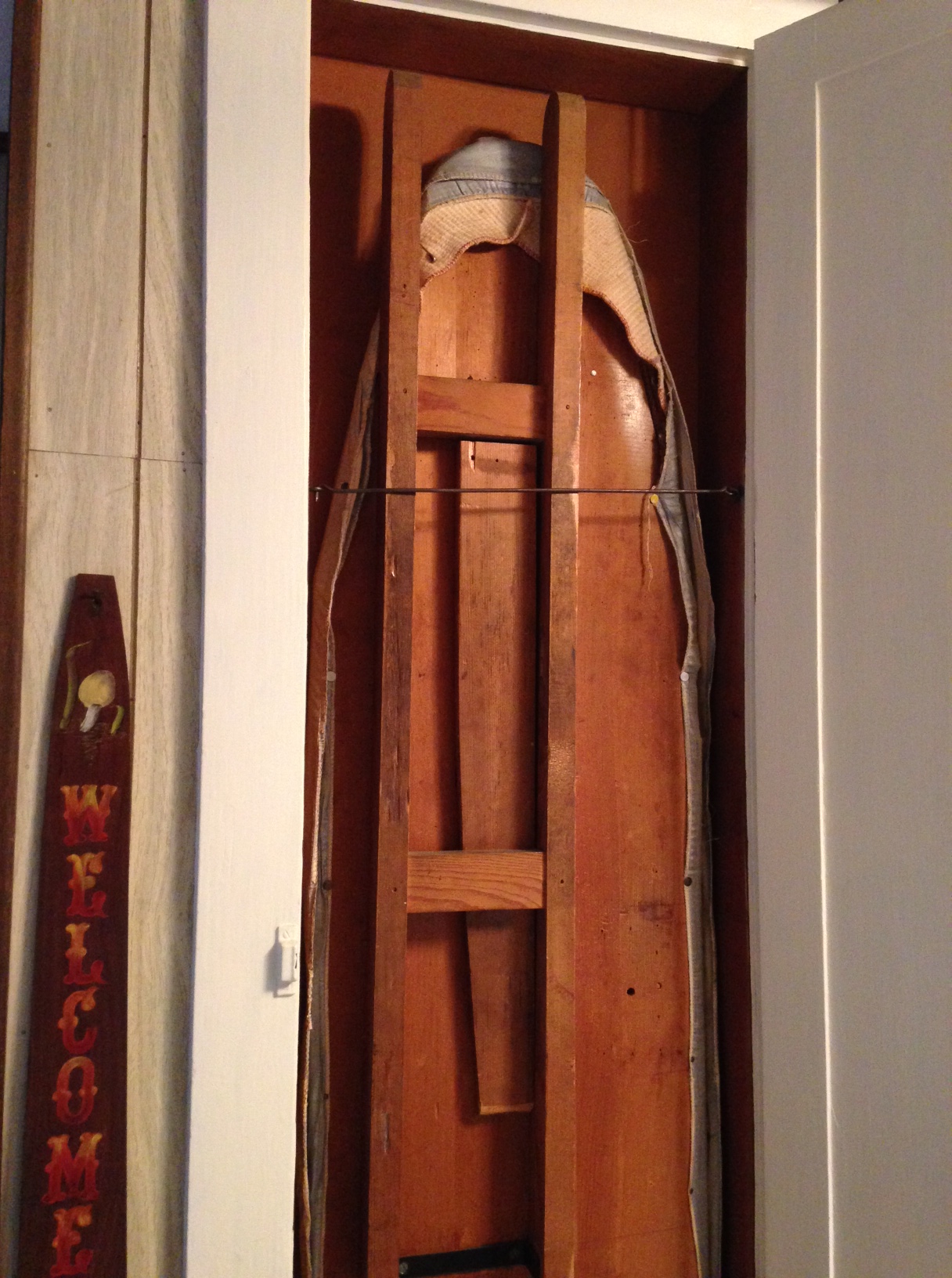
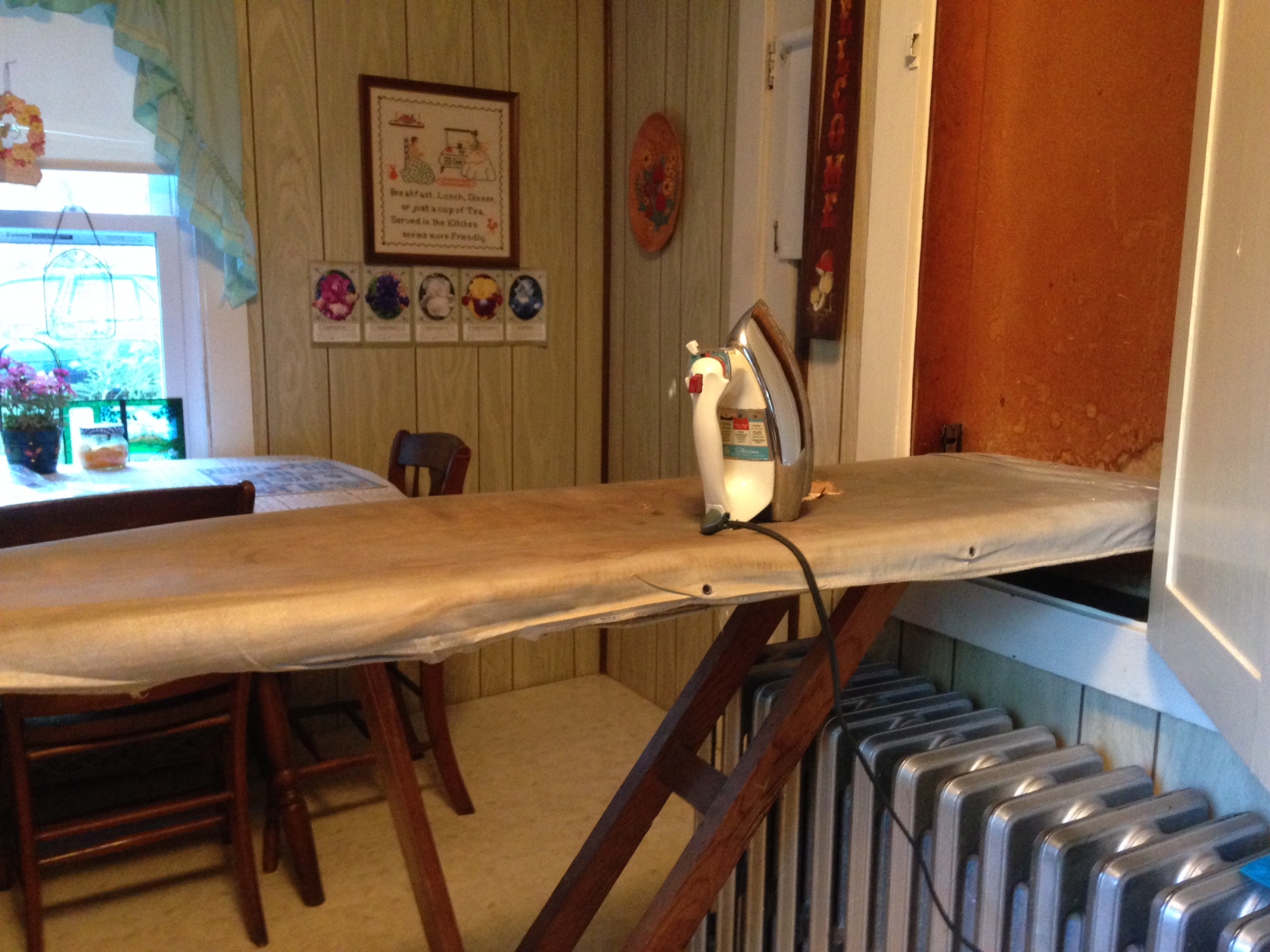
On Tuesdays, Mom pulled the ironing board out of the wall, set up the iron and away I went, attacking first the easy stuff like hankies. I nourished my sense of order and accomplishment letting the point of the heavy, hot iron smooth out all the wrinkles in the garments that followed: school blouses and skirts, finally graduating to Daddy’s white, starched Sunday shirts.

IroningBoardinWall

Same ironing board with vintage iron

We never ironed sheets though one Mennonite woman we knew, Pearl Longenecker, sat down (probably on Tuesdays too) in front of her ironer, a white appliance shaped like a miniature piano, with a hot roller that smoothed each crease in her sheets and pillow cases, pressing them into lovely squares and rectangles to fit her closet space.

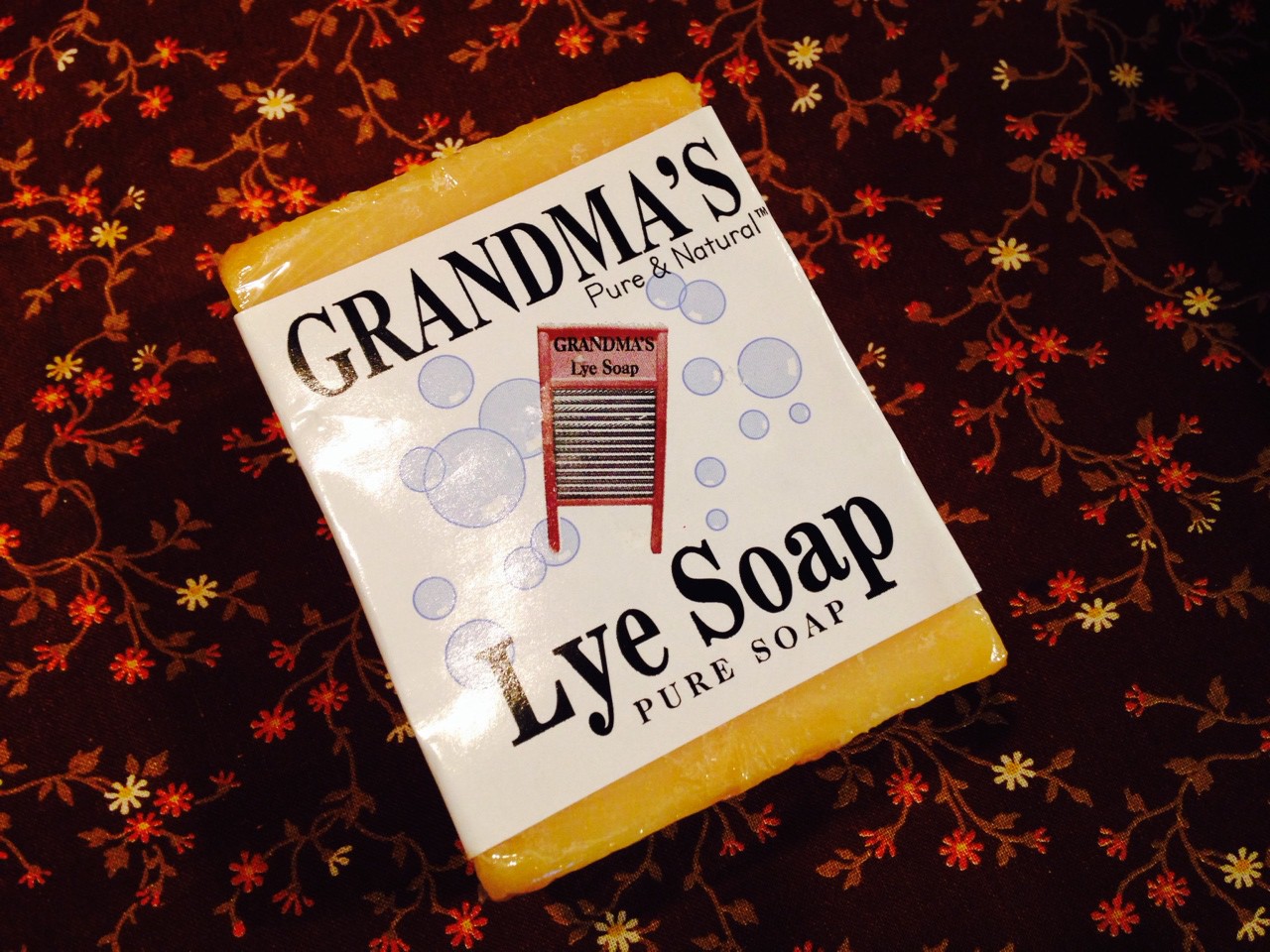
Grandma Longenecker’s ritual matched our own though it took place on her back porch. Like Colonial American women before her, she made her own soap cooking together grease and lye in a big metal tub, stirring the whole mess as it boiled. Though the smell was pungent and slightly disagreeable, Grandma smiled as she cut the congealed mixture into squares and rectangles, knowing the grease and grime would be erased from her laundry on wash day. If there were spots that wouldn’t come out with lye soap, she spread the stained garment, usually white, on the grass because she was sure “the sun will draw it out.” And it usually did!

LyeSoap

Share your laundry rituals, past or present. Something historical–or hysterical!