Who’s Coming to Dinner? Food with Art

How do you see yourself – Kitchen Goddess, Diva of Design, Mom’s Taxi, Writer Extraordinaire, Care-Taker?

Artist Haley Hasler paints herself as a strong woman in super-abundant settings usually with children and often with food.

MOCAcloseup

Currently displayed at the Museum of Contemporary Art in Jacksonville, FL, Hasler demonstrates the resurgence of realism with bold strokes on large canvases. It is impossible to miss her exuberance. As she explains on her website, “The self-portrait confronts the viewer with an outward representation of the inner self.” And what an energetic self that must be!

She depicts her figures in fanciful costumes of daily life “balanced at the precipice of chaos” (a quote from the gallery that features her work.) Her paintings may recall life at home for you in days gone by, but I’m guessing on a less-grand scale.

Tooth Fairy - Hasler
Tooth Fairy – Hasler
Palomino - Hasler
Palomino – Hasler
Sunday Brunch - Hasler
Sunday Brunch – Hasler
Tea Party - Hasler
Tea Party – Hasler

Young girl peeks out from under the tea table while playing a violin as boy (possibly her brother) snoozes or at least pretends to.

MOCA permits photography of art works for non-commercial purposes

* * *

Like Haley Hasler working in the same decade of the 1970s, artist Judy Chicago portrays not just one but 39 women in her famous work displayed in the Brooklyn Museum, NYC. And instead of a single canvas, Ms. Chicago’s installation entitled The Dinner Party features a huge triangular table measuring 48 feet on each of its three sides honoring famous women throughout history, each with a symbolic place setting: a napkin, utensils, goblet and a plate.

Photo Courtesy of Wikipedia

Also a part of this installation, on the Heritage Floor of the museum appear white tiles of gilded porcelain inscribed with the names of 999 more notable women. Among these is the name of Sarah Moore Grimké (1792 -1873) an American abolitionist and writer who did extensive public speaking opposing slavery and supporting women’s rights.
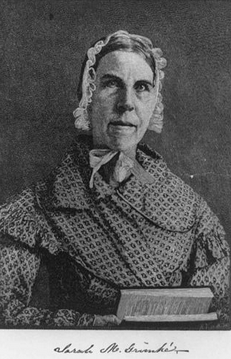
That's one determined woman
Here is one determined woman

Sarah Grimké is one of the dual protagonists in The Invention of Wings (2014), the much acclaimed historical novel by prize-winning author Sue Monk Kidd, who was inspired to write the book (she admits in her Acknowledgements) while viewing Judy Chicago’s The Dinner Party installation. Sarah, speaker, writer, and suffragist, helped change the course of American history with her activism.

Sue Monk Kidd’s book with the two main characters, Sarah Grimké and her handmaid Hetty Handful, will be the topic of next week’s blog post. Stand by for action!

Maybe the words Diva, Goddess, Tooth Fairy or Activist don’t come to mind when you think of yourself. But you do have a title whether it’s Sister, Cook, Doctor, Teacher, Grandmother, a combination of the two, or something else entirely.

Tell us yours.

Purple Passages, Time and Tiny Tim, December 2014

Christmas: Time to Feel the Spirit

Christmas Spirit Dale Evans

Christmas is not [just] a time nor a season, but a state of mind. To cherish peace and goodwill, to be plenteous in mercy, is to have the real spirit of Christmas.  – President Calvin Coolidge

I will honor Christmas in my heart, and try to keep it all the year.  – Dickens

*  *  *

Time to be Aware

Time back tracking: Hezekiah prays for a longer life, and the sun moves backward 10 degrees, for a sign of that promise fulfilled.

Isaiah 38:8b So the sun returned ten degrees, by which degrees [on the dial thereon] it was gone down.  KJV

Time standing still: Joshua asks God for the sun to stand still to ensure victory for Israel.

Joshua 10:13b  So the sun stood still in the midst of heaven, and hasted not to go down a whole day.   KJV

Fretting over time: “But at my back I always hear / Time’s winged chariot hurrying near. . . “     — Andrew Marvell   “To His Coy Mistress”

According to a recent study cited by Jennie L. Phipps (top 20 weekday activities), many retirees spend most of their time sleeping and watching TV or movies.

Apparently, not everyone hears “Time’s winged chariot hurrying near!”

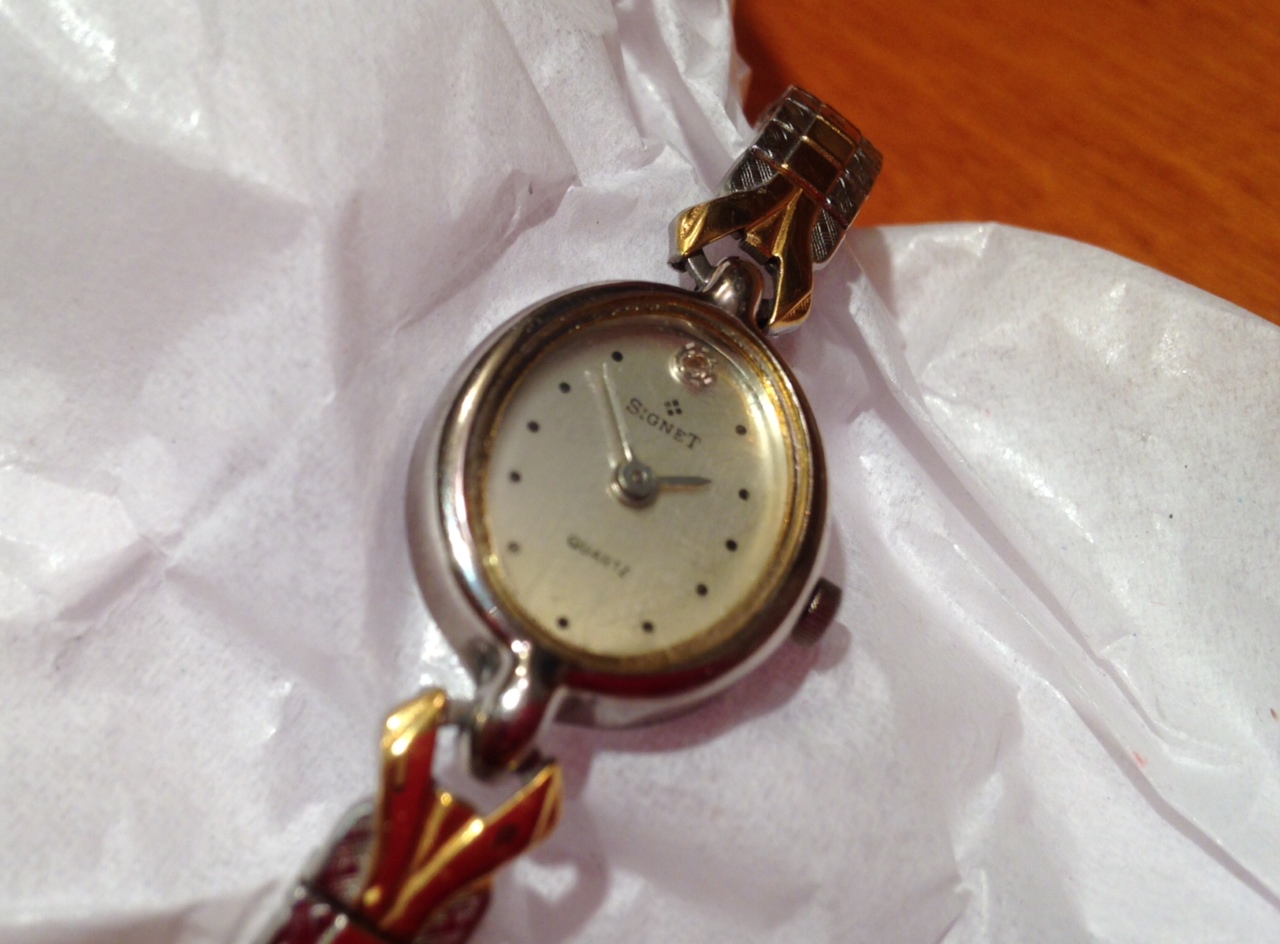
Mother's wristwatch
Mother’s wristwatch

Time, in Balance:

To every thing there is a season, and a time to every purpose under the heaven.    Ecclesiastes 3:1    KJV

*  *  *

Holy Curiosity: Time to Stay Alive

The important thing is not to stop questioning. Curiosity has its own reason for existing. One cannot help but be in awe when he contemplates the mysteries of eternity, of life, of the marvelous structure of reality. It is enough if one tries merely to comprehend a little of this mystery every day. Never lose a holy curiosity.   – Albert Einstein, German-born physicist

Life must be lived and curiosity kept alive. One must never, for whatever reason, turn his back on life.     – Eleanor Roosevelt

Time for Blessing

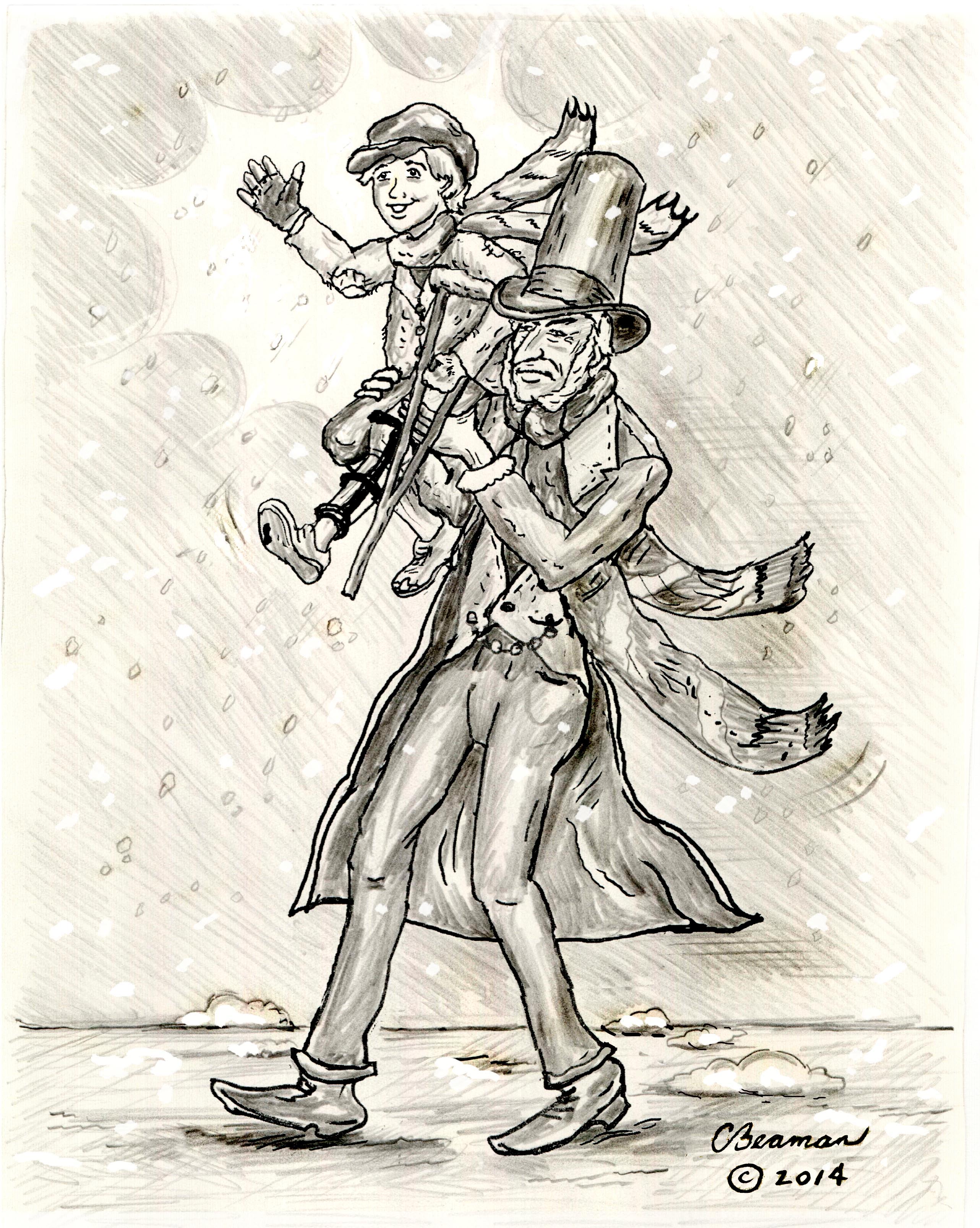
Tiny Time and Scrooge_Final_Shading_300

GOD BLESS US, EVERYONE!     Tiny Tim


Your turn:  How does the passage of time affect you? What are you most curious about? How do you keep the spirit of Christmas (or Hanukkah) alive after the season passes?

Moment of Extreme Emotion: 200th Post Mark with Julie & Julia

Welcome to my 200th blog post! It’s here because you have visited this blog, a time or two, or maybe way more often. Writers write for many reasons, most importantly to express themselves. But most writers don’t like to write in a void. Writing is communication. And communication, for me at least, is a two-way street.

Julie Powell agrees with me. Remember Julie Powell in the movie Julie & Julia? 

Julie, using Julia Child as her muse, conceives an idea for her blog in this scene:

The quotes below are excerpted from the movie script, all based on her best-selling book with a much longer title:

Julie and JuliaCover

WHY DO YOU DO IT?    “It’s a regimen, Mom, like doing pushups!”

SOMETIMES IT’S FRUSTRATING!  Julie shouts at her computer: Is there anyone out there reading me?

Then later: Today I had 12 comments from readers and I didn’t know any one of ‘em!

WHY WE CONTINUE . . . 

Julie comments: Julia taught me what it takes to find your way in the world. It’s not what I thought it was. I thought it was all about-I don’t know, confidence or will or luck. Those are all some good things to have, no question. But there’s something else, something that these things grow out of. It’s joy.

Catch joy on the wing . . .

– William Blake

And so I do today, thanks to  you, dear reader!

Blog_200 Posts

Coming next: Visions of the Little Match Girl

Accepting the Red Heart: One Lovely Blog Award

Remember getting a gold or silver star on your homework papers in grade school? Well, writers who read each other’s blog posts do something similar – they nominate those they admire for the One Lovely Blog Award. It’s not a gold star. It’s a red heart and looks like this:

OneLovelyBlog Award

In October, two admirable authors nominated me. Thank you to authors Kathy Pooler and Mary Gottschalk. In November, notable writer Joan Rough nominated me, so it is high time to acknowledge this honor and pass on the baton. I consider all three of these writers my mentor/encouragers.

The Rules:

Name and thank those who nominated you.

Share 7 things about yourself that others may not know.

Nominate 15 bloggers (or as many as you like) to whom you would like to pass on the nomination.

7 Little-Known Facts about Me:

  1. I don’t wear false teeth.
  2. My hair was not cut until I was 26 years old.
  3. I’m still married to my first blind date.
  4. My first engagement ring was flushed down the commode by our 3-year-old daughter. She doesn’t remember. I forgave. She was only three.
  5. One summer after college I traveled to 47 states with a friend from college. I had no idea then that my husband-to-be was living in the Pacific Northwest.
  6. One winter a snowboarder hit me while skiing. I became a pretzel, untwisted myself, and stood up again, wobbly but unharmed. I thank God and Mr. Pilates.
  7. First time in over 30 years I haven’t washed the windows in my house. (They didn’t crack or hit me with blinding light.)

My nominees come from South Africa, Australia, and all over the United States. Two are men, who I hope are not too shy to accept an award with a red heart in it. Note: I did not nominate those whom others have named.

These nominees may choose to participate or not. Also, there is no pressure to respond immediately. Remember, it’s taken me more than a month! Just know that I admire your writing and want to honor you in this way:

My Nominations (in random order):

Gwendolyn Plano   http://www.gwenplano.com/

Susan Scott    http://www.gardenofedenblog.com/ 

Patti   https://everypagewhispershisname.wordpress.com/

Diane Reed   http://dianereedwiter.wordpress.com

Judy Berman    http://earth-rider.com/

Steve Piscitelli  http://stevepiscitelli.wordpress.com/

Debby Gies   http://dgkayewriter.com

Jennifer Simpson  http://jennsmidlifecrisis.wordpress.com/

J. T. Weaver   http://jtweaverblog.wordpress.com/

Alexa   http://www.alexa-asimplelife.com/

What blogger not on the list would you like to recognize? Tell us please.

Coming next: The 200th Post Mark with Julie and Julia

What Color Makes You Sing?

In praise of color!

God did not create the world in black and white. Our world vibrates with vivid color from the cerulean blue sky above to fluorescent coral reefs sea deep.

Courtesy TED Radio Hour

Generally, colors are hues we see, but Neil Harbisson hears color. Now, you ask, what is it like to hear color?

Born completely color-blind, Neil once lived in a monochromatic world. Fortunately, colors have sound frequencies that can be transmitted through bone conduction. Thus, Neil now “sees” color via a device attached to his head that allows him to perceive color in this unique way.

Recently on NPR’s TED talks, Neil was showcased in a broadcast headlined as “Wearable Sensor Turns Color-Blind Man into “Cyborg” [electronic man]. Here’s more:

Neil Harbisson is an artist, cyborgist and colorologist. His unique experience of color informs his artwork, which before his device the “eyeborg” was strictly black and white. By working with cyberneticist Adam Montandon, Harbisson helped design a lightweight eyepiece that he wears on his forehead that transposes the light frequencies of color hues into sound frequencies.

Harbisson’s artwork blurs the boundaries between sight and sound. In his sound portraits series, he listens to the colors of faces to create a microtonal chord. “When I see someone, I hear their face,” he exclaims.

As an artist, Neil paints sounds, transposing music to color. In the City Colours project, he expresses the capital cities of Europe in two colors.

This system works in reverse too. When Neil hears Mozart, who composes with many G notes, he sees lots of yellow. Justin Bieber, on the other hand, shows up as pink because of his many E notes.

Neil’s dressing is influenced by sound and key signatures as well. He admits, “I dress so it sounds good.” On the day of the interview, Neil admitted to being attired in C-sharp major. I have no idea what color this would be though he did say his favorite color is the invisible infrared, which emits a very low, soothing sound.


Neil suffers from or is blessed with (depending on how you look at it) the phenomenon of synesthesia which Dictionary.com defines as “a sensation experienced in a part of the body other than the part stimulated. For example, sound may evoke sensations of colour.”

Most of us are not color-blind like Neil nor do we experience color as a shape or sound. Yet like him we value a colorful life.

Your turn: What color makes you sing? How does color affect you?

Postscript

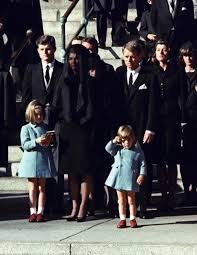
Today marks the 51st anniversary of the assassination of President John F. Kennedy. On that day, the world stopped. We as a nation were mute with sorrow and, accordingly, many wore sombre clothing as a token of respect. None can forget the valiant Jackie Kennedy veiled in black and by her side, John-John and Caroline, both in light blue suggesting hope for the future.

KennedyFuneral

Moments of Discovery # 3: Two Butter Stories and an Autograph Book

In June Mother Longenecker and her daughters Marian and Janice created butter-shaking memories in a two-quart jar, making butter using three easy steps:

  1. Pour cream into 2-quart jar.
  2. Shake until you rattle and roll.
  3. Remove the congealed mass from the jar. Add a pinch of salt.

In July, my Southern friend Carolyn honored my birthday in a “Shake-Rattle-and-Roll Butter-Shake” party. Today you can open up an old-time textbook with me and behold first-graders learning about butter making in a reader published by Lyons and Carnahan with the copyright dates spanning the years 1927-1936.

Reader1920s

Interestingly, the Child’s Story Reader also lists three simple steps for butter making expressed in first-grader language:

We got the cream from a cow.

We put the cream in a jar.

We shook the jar.

Jack and Jane even added a pinch of salt to the mixture, and afterwards they had a party of butter on bread!

ButterMakingSchool

Another page shows a recipe for butter milk made with a churn with Aunt Ellen assisting.

ButterChurnBook

More Moments of Discovery

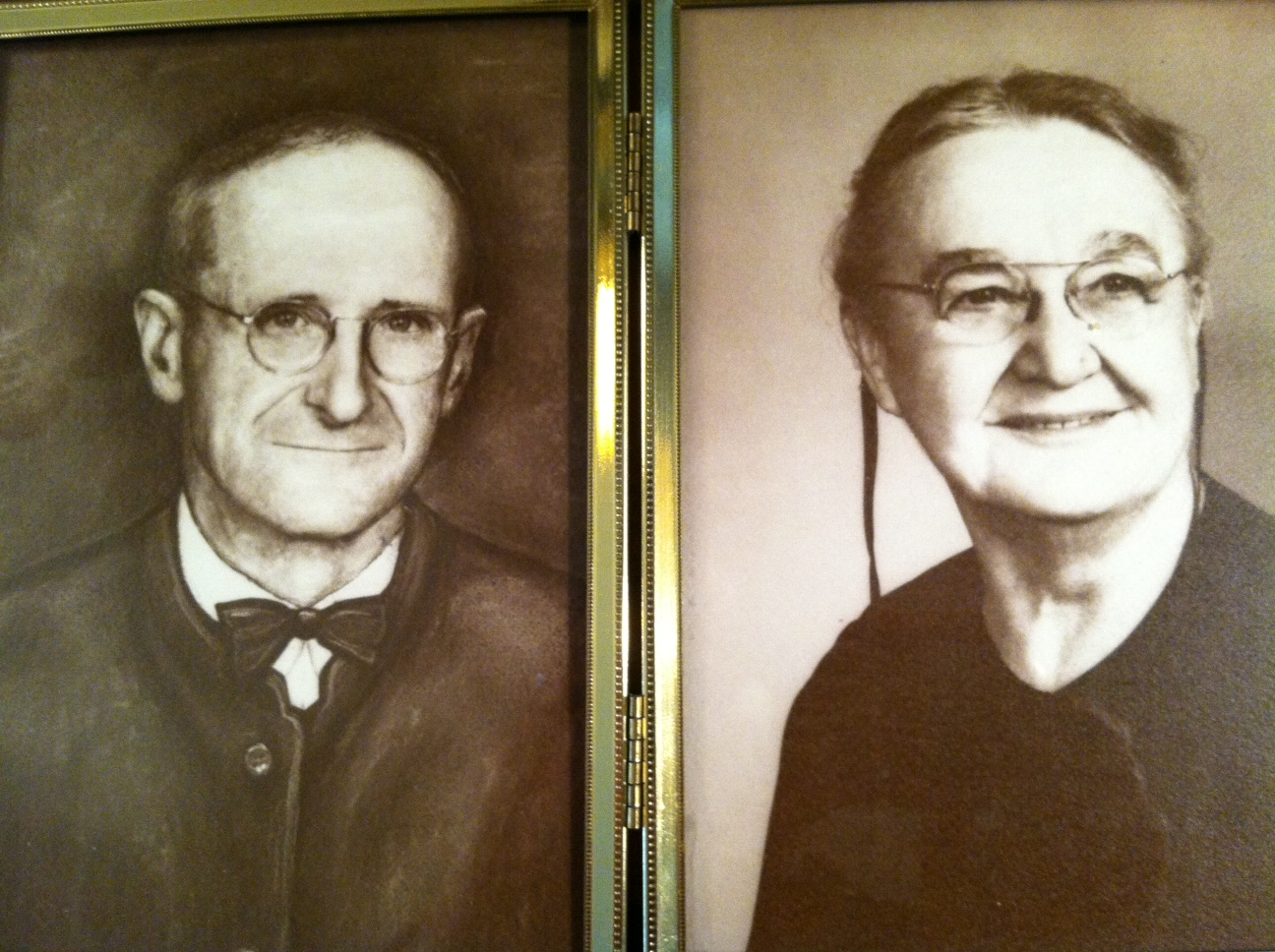
Henry and Fannie Longenecker, Grandparents
Henry and Fannie Longenecker, Mennonite Grandparents

Henry Risser Longenecker, referred to by friends and family as H. R. or “Hen,” was my grandfather on Dad’s side of the family. He died when I was five, but I have a distinct memory of him killing a snake in the grass with a long stick. Like my father, he was a doctor of motors interested in steam engines, Model A Fords, and farm equipment. Until I unearthed his autograph book, I had no idea he had artistic leanings as revealed in his autograph book. Autograph books, common in classrooms in the 1800s, contained signatures, artwork, and bits of poetry. According to Folklore: An Encylopedia of Beliefs, Customs, Tales, Music, and Art, Vol. 1 (edited by Thomas A. Green) autograph books, existed as early as the fifteenth century and were seen as “a mark of gentility until the beginning of the twentieth century.”

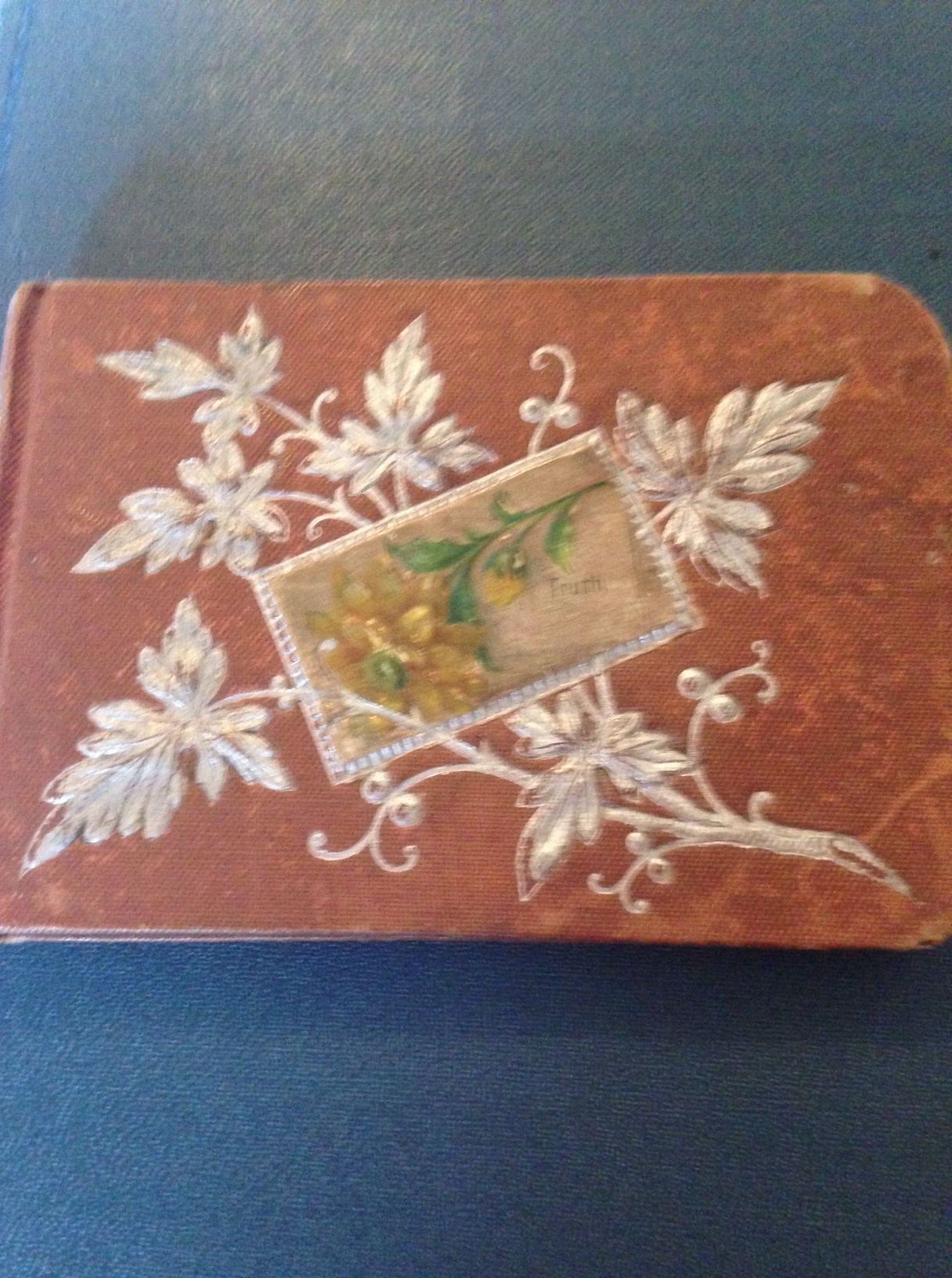
The cover of Henry Longenecker’s autograph book reveals artistic flair with a faint inscription of a great virtue taught to every school child, the word Truth visible if you squint carefully at five faint letters appearing close to the embossed yellow flower.

HRLAutographBook

The dedication appears in flowing cursive penmanship with a dove’s beak clasping Cupid’s arrows

HRLsignatureAutograph_final

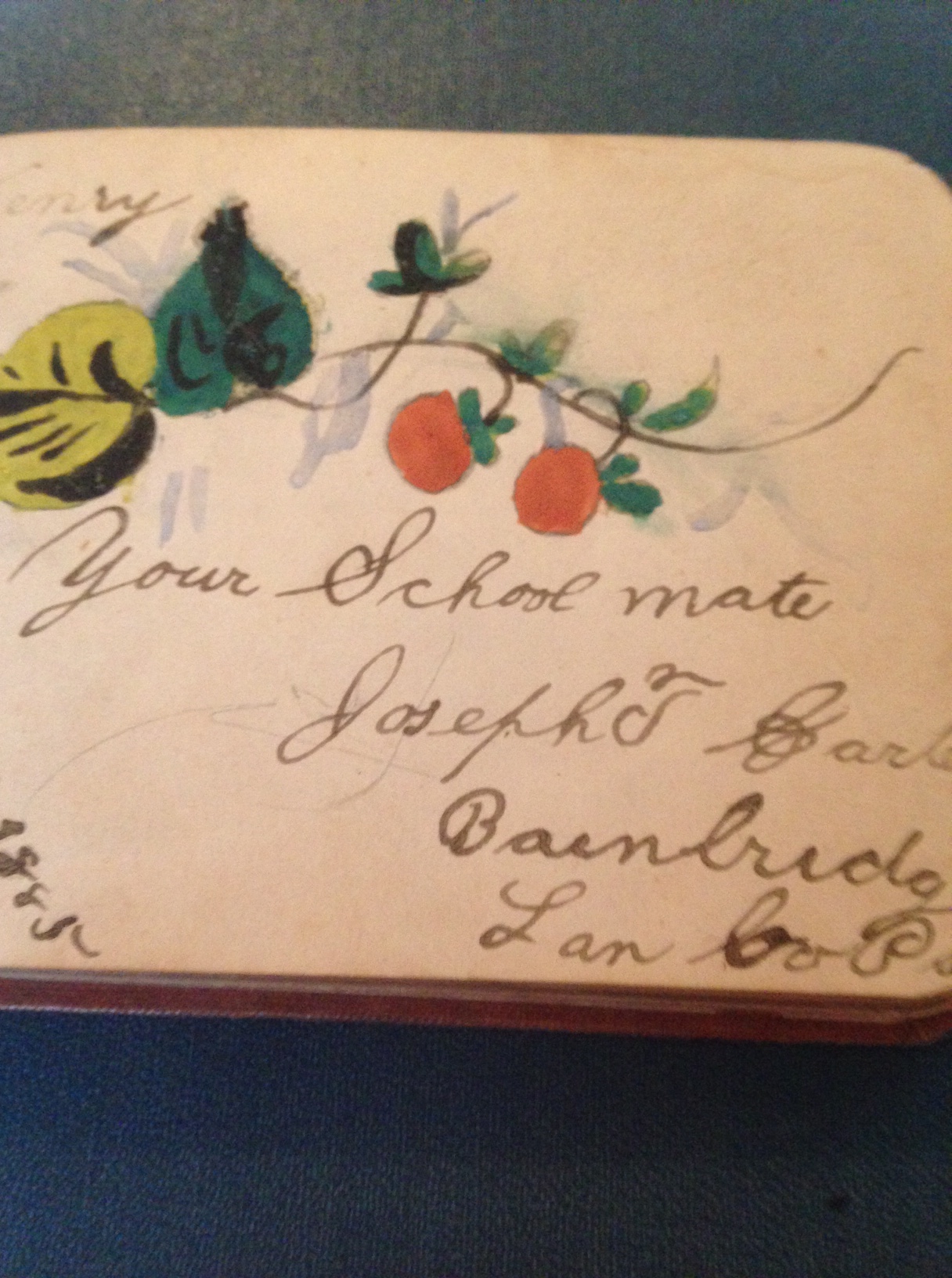
Painted artwork, still-brilliant, graced most pages like this one, complete with signature and date.

Signature: Joseph T.  Garber     Complete date: February 3,1885
Signature: Joseph T. Garber           Complete date: February 3,1885

 Autograph books tell us several things about students in the late 1800s:

1. Penmanship was taught and valued as an artistic skill.

2. Friendship and learning were intertwined. Both were expressed as an art form.

3. Students took great pride in their work.

*  *  *

What else can these books teach us?

Coming next: What color makes you sing?

Purple Passages and Fine China

READING

La Lectura es el viaje de los que no pueden tomar el tren.        – F. Croisset

(Reading is the journey of those who cannot take the train.)

Marian Reading_14mos._2x4_300

Some books are to be tasted, others to be swallowed, and some few to be chewed and digested . . . .           Sir Francis Bacon  “Of Studies”

I find television very educating. Every time somebody turns on the set, I go into the other room and read a book.     Groucho Marx

It is what you read when you don’t have to that determines what you will be when you can’t help it.    Oscar Wilde

LAUGHTER

When we laugh, a sort of temporary anesthesia is released within us that blocks the pain as our attention is diverted.      Chuck Swindoll in Five Meaningful Minutes a Day

I love people who make me laugh. I honestly think it’s the thing I like most, to laugh. It cures a multitude of ills. It’s probably the most important thing in a person.    Audrey Hepburn

CHINA   

Friendship is delicate as [china], once broken it can be fixed but there will always be cracks.    Waqar Ahmed

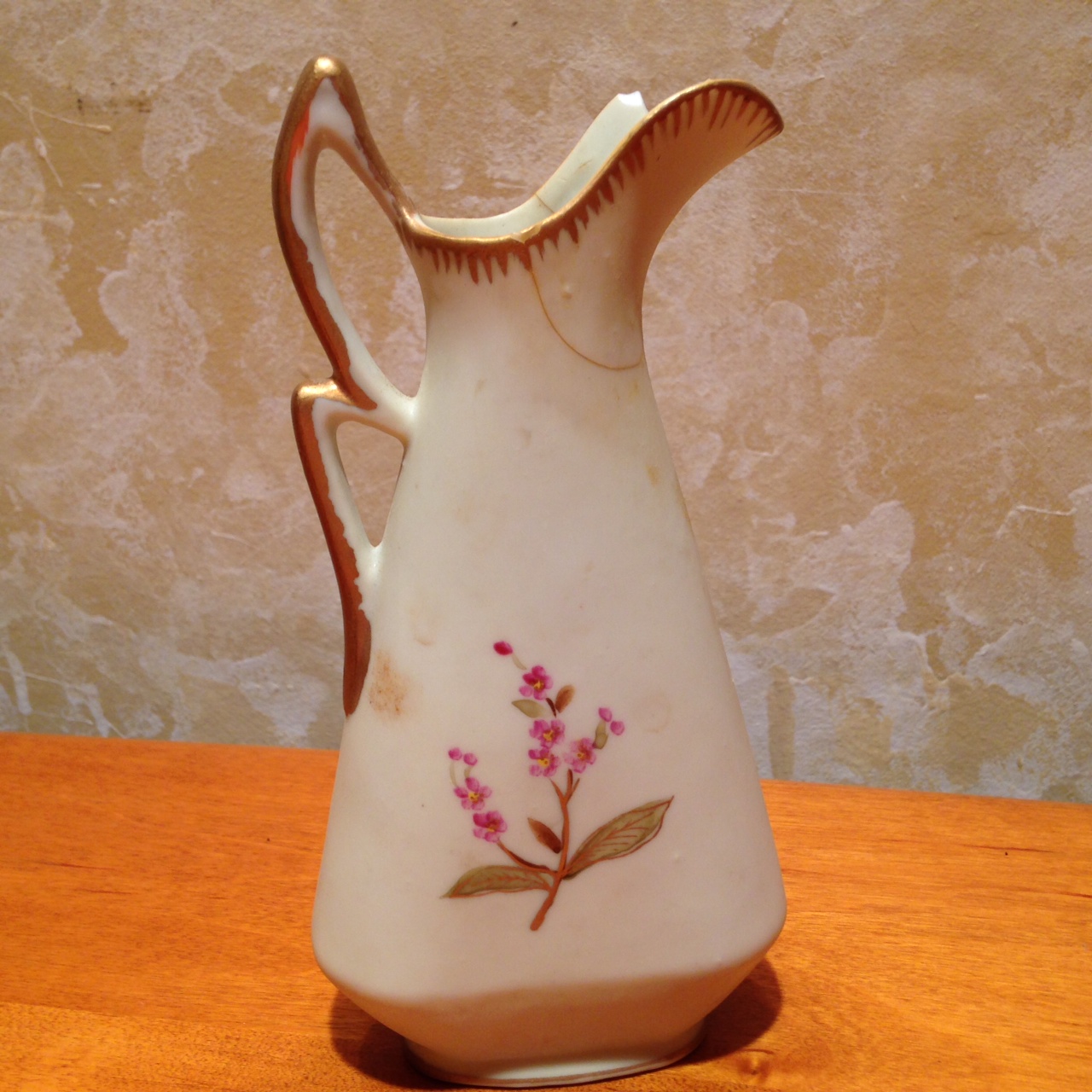
Pitcher Broken

It’s a wise husband who will buy his wife such fine china that she won’t trust him to wash the dishes.    – Honoré de Balzac

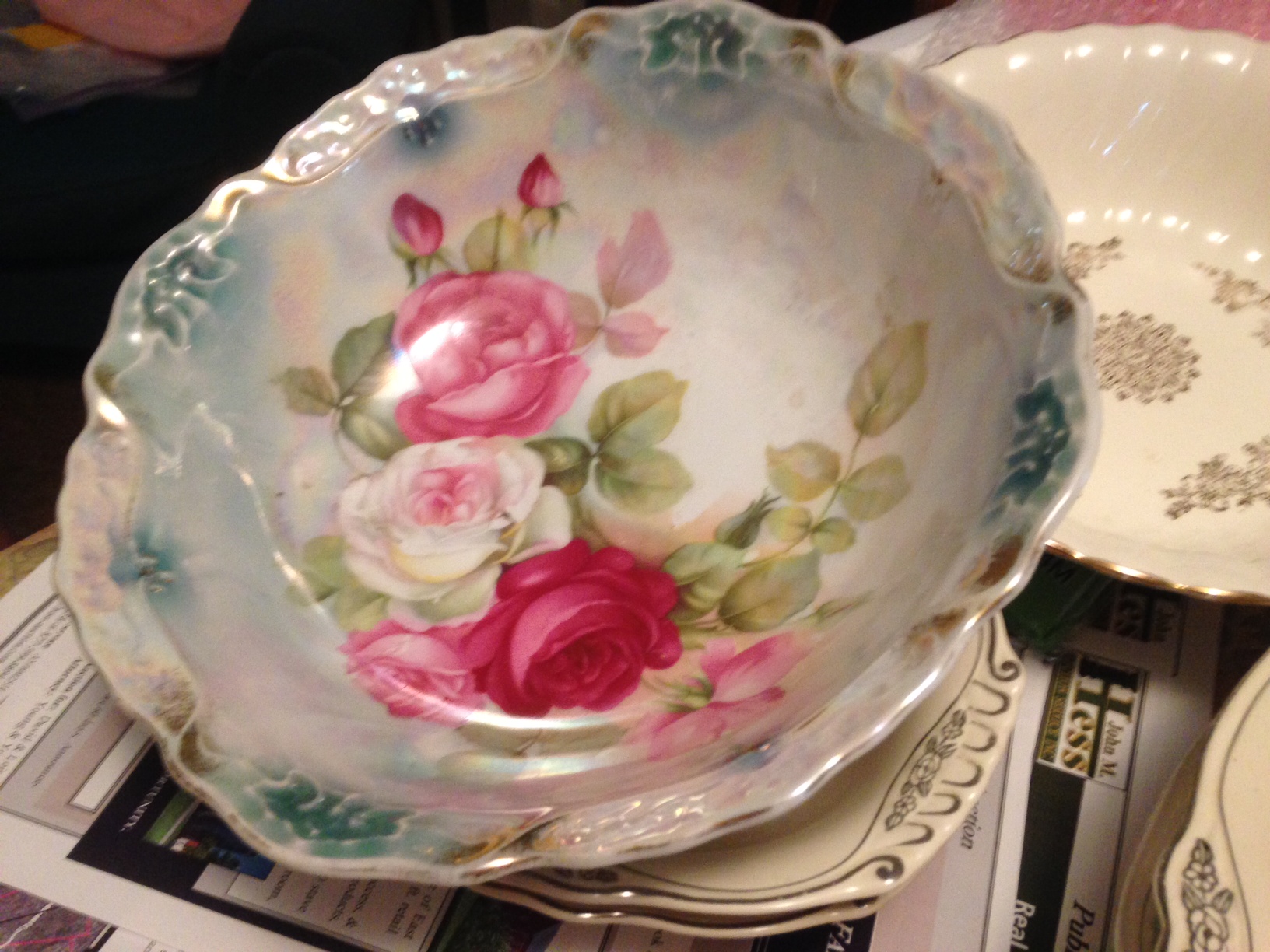
ChinaFine

I’ll love you, dear, I’ll love you till China and Africa meet and the river jumps over the mountain and salmon sing in the street.      – W. H. Auden

We have a week and a half left of work and we are like delicate china speeding toward a brick wall. Sounds fun, huh?     – Jennifer Anniston

Start living now. Stop saving the good china for that special occasion. Stop withholding your love until that special person materializes. Every day you are alive is a special occasion. Every minute, every breath, is a gift from God.     

                   Mary Manin Morrissey

A comment? Another quotation? Both are welcome here!

Hallowe’en: the Village, Valdemort, and a Video

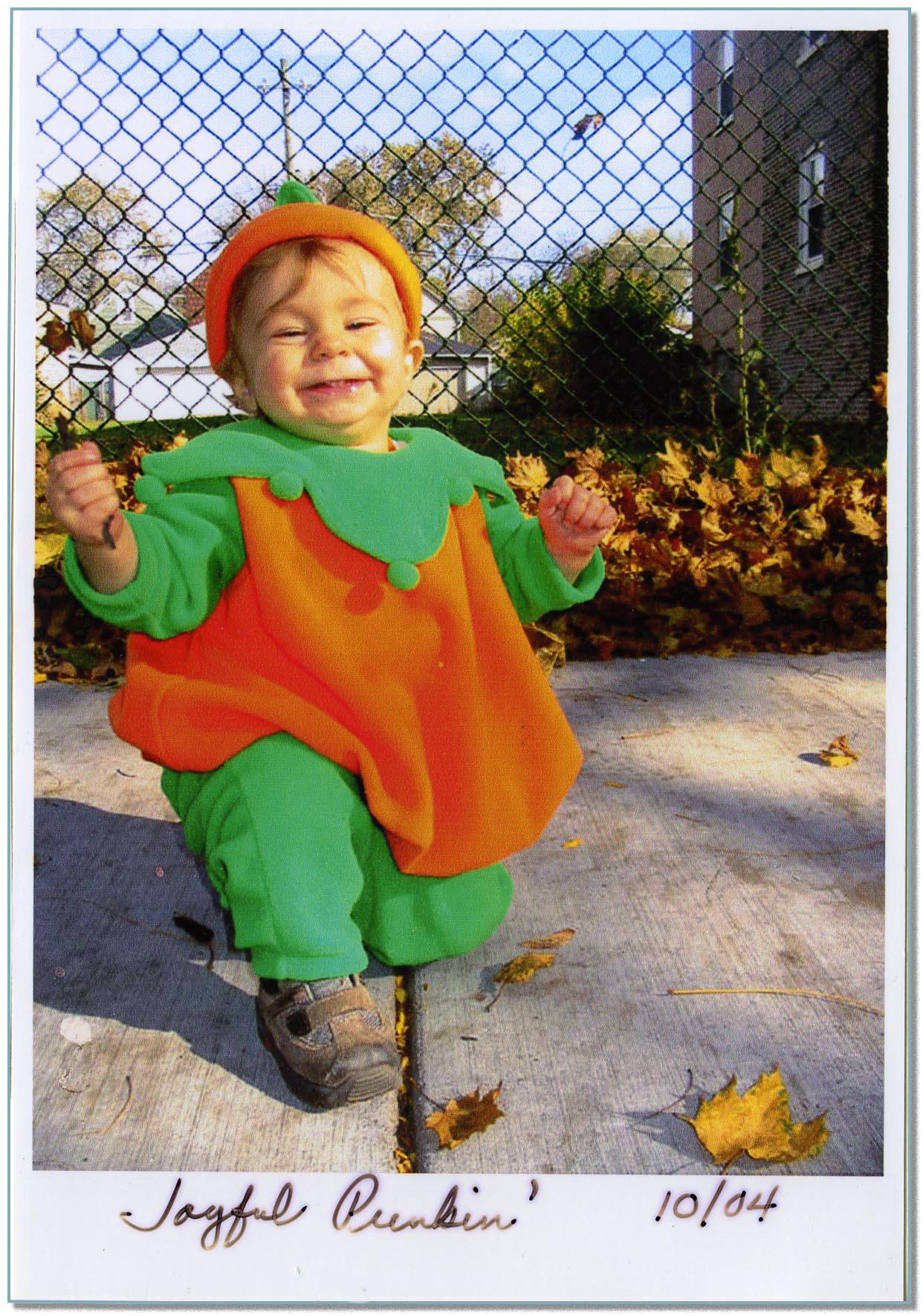
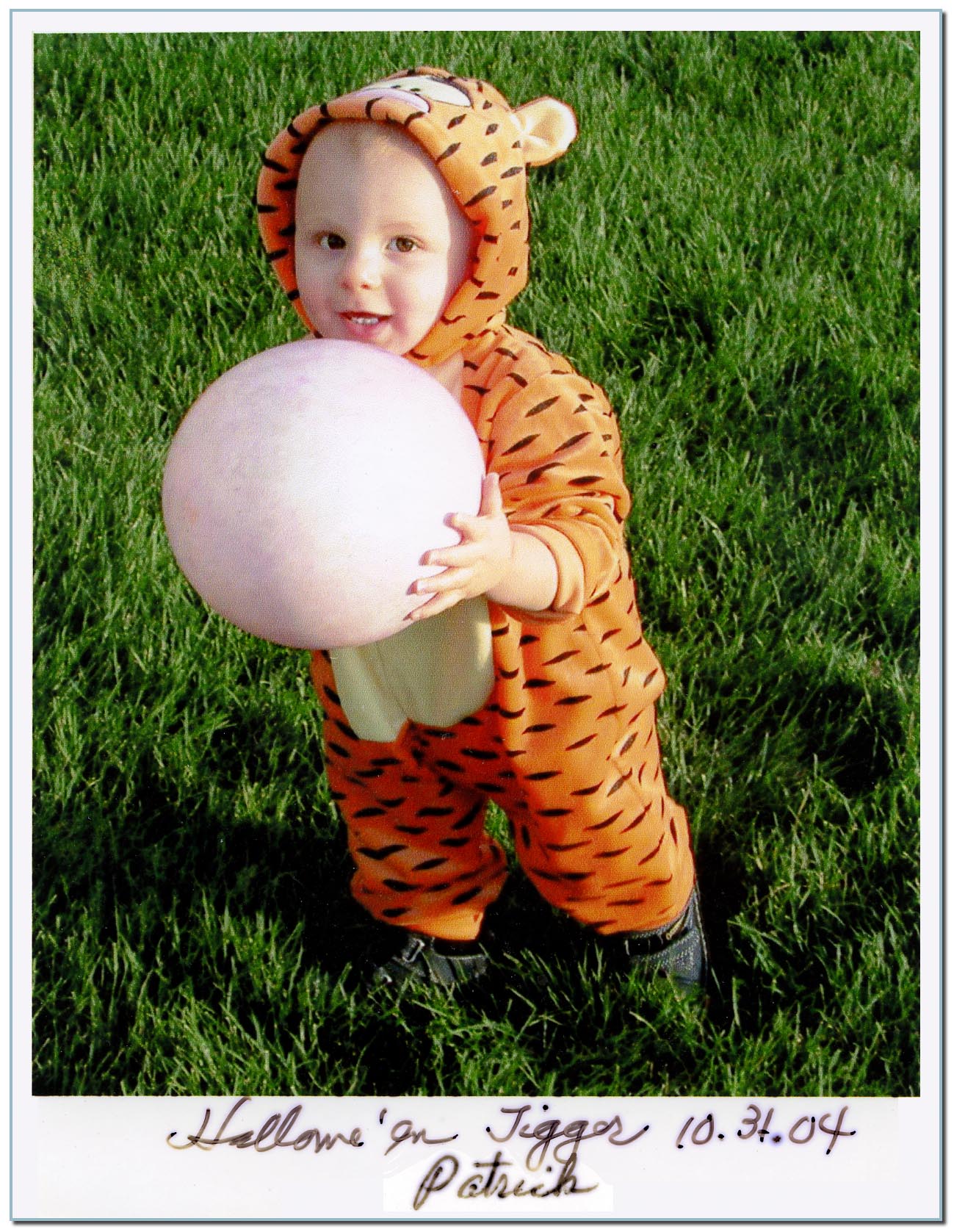
Ten years ago grandsons Patrick and Curtis were one-year-olds at Hallowe’en. In October 2004 they lived far away from us in Chicago. Fortunately, their parents captured snapshots of them in costume, Curtis a pumpkin and Patrick, Tigger, both in store-bought outfits, unlike my own get-ups, which were always homemade as shown in my Hallowe’en post last year.

Curtis as pumpkin_2004_1000

Patrick_Halloween Tigger_2004_1031

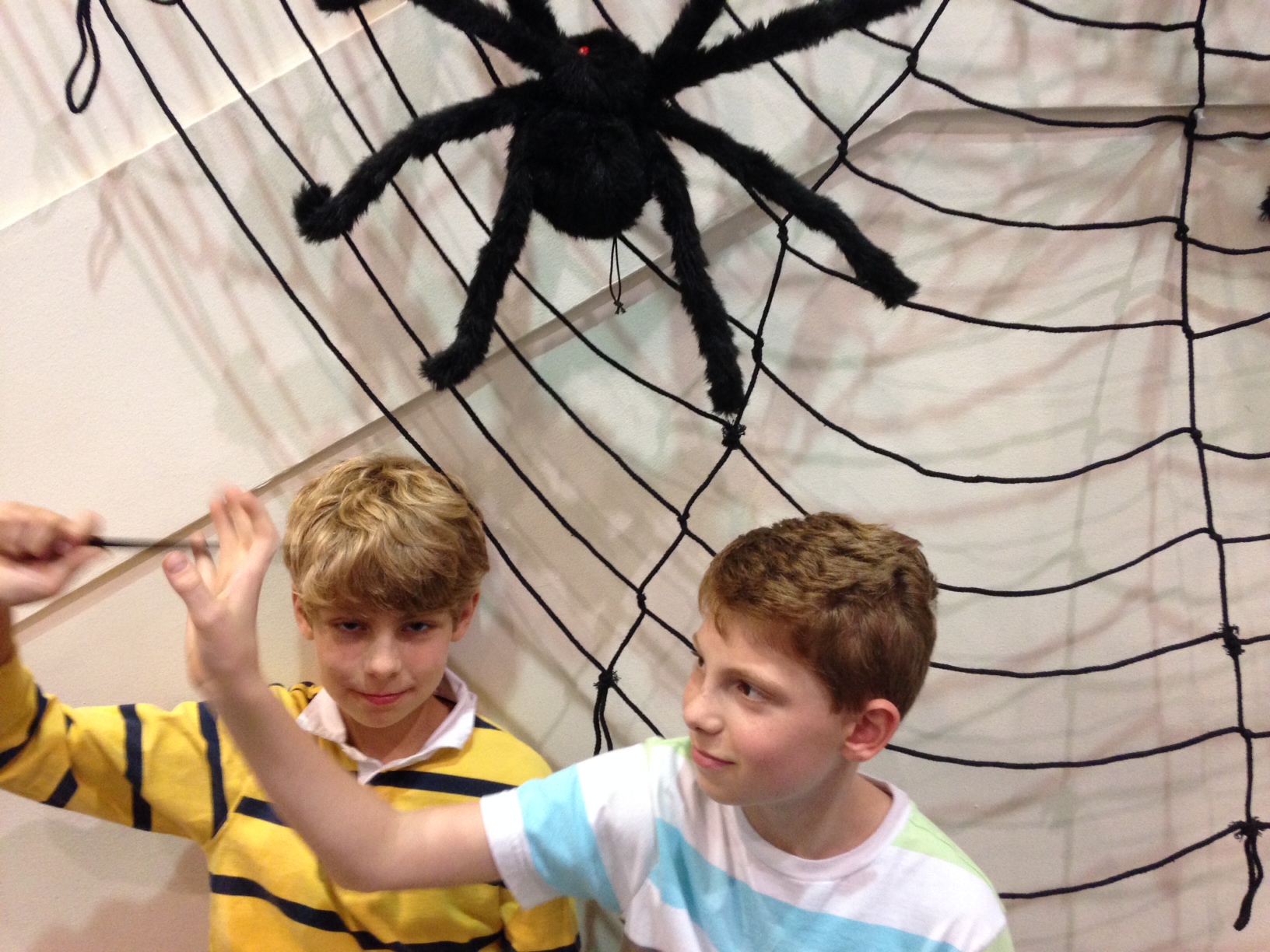
Last weekend, among the children dressed as Muggles, Dumbledores, or Valdemort, Patrick and Curtis  chose to attend the “Harry Potter” Sunday Symphony sans costume. Only Curtis wielded a wand, which caused a wee bit of trouble amidst the spider webs.

 PatCurtPotterSymphony

*  *  *

Students at Rheems Elementary School grades 1 – 8, though familiar with Washington Irving’s “The Legend of Ichabod Crane” and perhaps Poe’s “The Tell-Tale Heart” could not have anticipated J. R. R. Rowlings’ Harry Potter series.

Though Rheems was no School for Hogwarts, our village school had its own version of The Sorcerer’s Stone and the Goblet of Fire in the Deathly Hallows of the school’s basement, made ghoulish by the upper grades who created scary events with “eye” grapes in bowls, ghostly recorded voices among the hay-bales, and an illuminated skeleton.

Students raided closets and attics to conjure up costumes for the Hallowe’en parade, the culmination of visits to the House of Horrors in the basement of the school. My Mennonite aunt, also my teacher Miss Longenecker, initiated much of the fanfare that marked all the holidays, both the sacred and the secular. Here she has recorded our annual Hallowe’en parade, including the stumbles and falls!

Quote of the week by Erma Bombeck:

A grandmother pretends she doesn’t know who you are on Halloween.

Your Hallowe’en memories — a scary tale? a memorable outfit? The conversation starts here.

Coming next: What’s for Dinner: Dried Beef Gravy and . . .

Secrets in My Hatbox

Just behind my desk, a wicker table holds three hat-boxes: One is floral, another has a repeating Tuscan scene and the third is transparent, the contents held taut by pale blue gossamer fabric. All are chock full of memorabilia from days gone by. All three, a type of journal-in-the-making.

Hatboxes

Depending on your style, your journal may be traditional with words and lists. Maybe you even paint or use colored pencils to amuse yourself or record an image. If you are tech savvy, you may have a photo journal, an audio or video journal. Maybe you are even into scrap-booking.

A hat-box is a type of scrapbook, really, a place to keep ticket stubs, magazine and newspaper clippings, programs, and fliers. You don’t actually have to write anything, unless you are into marginal notes, underlining and highlighting like me.

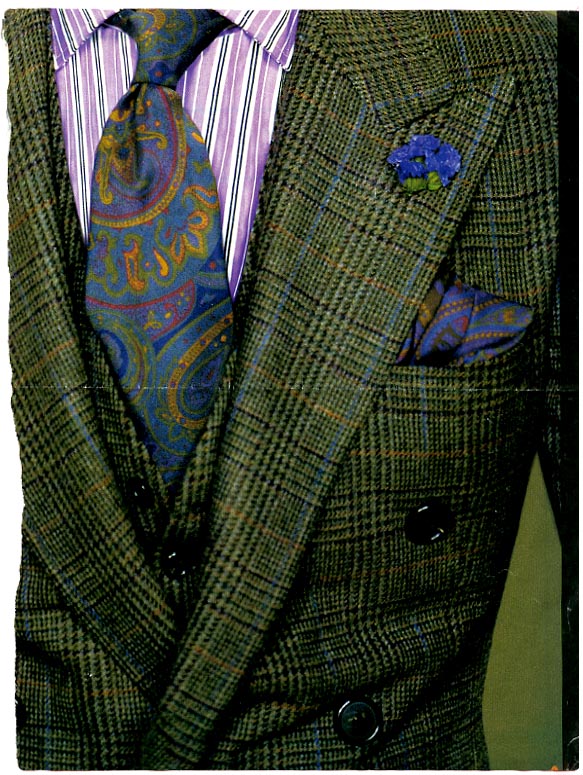
A few weeks ago, I opened one of my hat-boxes and found an article on the sexuality of corn that I may use on a blog post next spring. A page of a man’s outfit I thought natty also surfaced along with an article about videotaping I must have liked back in the May 7, 2007 issue of Newsweek.

Camcorder article

Suit magazine page

I like the irony of a Mennonite girl keeping clippings in a hat-box, hats forbidden in my teen years when fancy hats were then popular. But just like my youth, hat-boxes don’t contain the end of my story but seed kernels of what is yet to be.


Do you have a container, odd or simply utilitarian, for memorable “stuff”?

What does it look like? What do you keep inside?  Inquiring minds want to know . . . .

I’m All Ears!

A Fable

Credit: immstories.wordpress.com

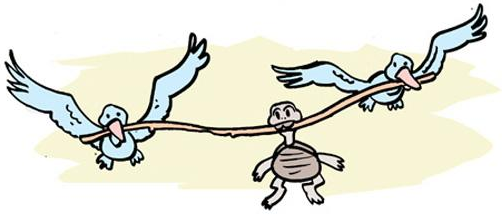
A tortoise had become friendly with two geese who promised to take it to their home in the mountains. The plan: The geese would hold a stick in their beaks while the tortoise would grasp it in the middle with his mouth, but he must be careful not to talk. During the journey, villagers below made fun of the tortoise. When it answered back, it fell to its destruction.

You guessed the moral: Talking at the wrong time can lead to fatal consequences!

Quick Quiz

1. Are you the first to air your knowledge when your favorite topic comes up?

2. Do you interject your opinion before anyone else has a chance to speak?

3. Do you tune out what others are saying because you are busy thinking of a comment?

I’m just guessing here, but you were probably the 3rd grader whose hand was the first to shoot up when your teacher asked a question. And I must say I am guilty as charged. Just see the Cliff and Marian misunderstanding below.

*  *  *

Hearing and listening are not the same thing. The difference between the sense of hearing and the skill of listening is attention, says Seth Horowitz in a New York Times piece.

The Harvard Business Review blog reveals that one in four corporate leaders have a listening deficit. No surprise there! In the business world, failure to listen can muddle the lines of communication, “sink careers, and if it’s the CEO with the deficit, derail the company.” In our personal lives, muddle and mayhem can result.

Good advice for better listening? First of all, slow down. While listening seems like such a passive thing to do, it is essential for understanding. Secondly, consider the source. “Try to understand each person’s frame of reference—where they are coming from.” Disagreements can often be averted with skilled listening.

Studies show that thoughts move about four times as fast as speech. No wonder it’s so hard to slow down and actually listen.


Here is the beginning of a list of tips for good listening:

1. Give full attention to whoever is speaking.

2. Don’t interrupt. Let the other person finish before you begin speaking.

3. Listen with your face as well as your ears. It’s appropriate to smile, frown, laugh, be silent at times when you are in conversation.


A Cliff and Marian Misunderstanding

Sometimes listeners with a lot of practice get muddled up. Here is a “He said / She said” from our own experience:

Marian: Let’s eat out today.

Cliff: Wonderful idea.  (Time passes – Cliff leaves and comes home about dinner time noticing I’m in the middle of meal preparation.)

Cliff: I thought we were eating out this evening. Why, I had some ideas about where we would go.

Marian: For goodness sake, I was thinking that it would be nice to eat outside on the patio because it’s so cool.

Cliff: But I thought you meant we were eating out, like in a restaurant!

God help me!
God help me!

Listening in the Longenecker Family 1950s

Living in the Longenecker family in the 1950s, we children were taught to listen, pay attention. In a parent-centered household, we listened to directions about chores, instructions about what to do and what not to do. To balance things out though, we also listened to Daddy singing as he played the guitar or the piano, or to Mother singing off-key in the kitchen. “I’ll be somewhere, listening, I’ll be somewhere listening, I’ll be somewhere listening for my na-aa-mm-e . . .

Please add your own tip, an observation, or an anecdote about listening or the lack thereof.

Coming next: Another Moment of Extreme Emotion