Moments of Discovery # 6: Whip up Recipes, Stir in Imagination

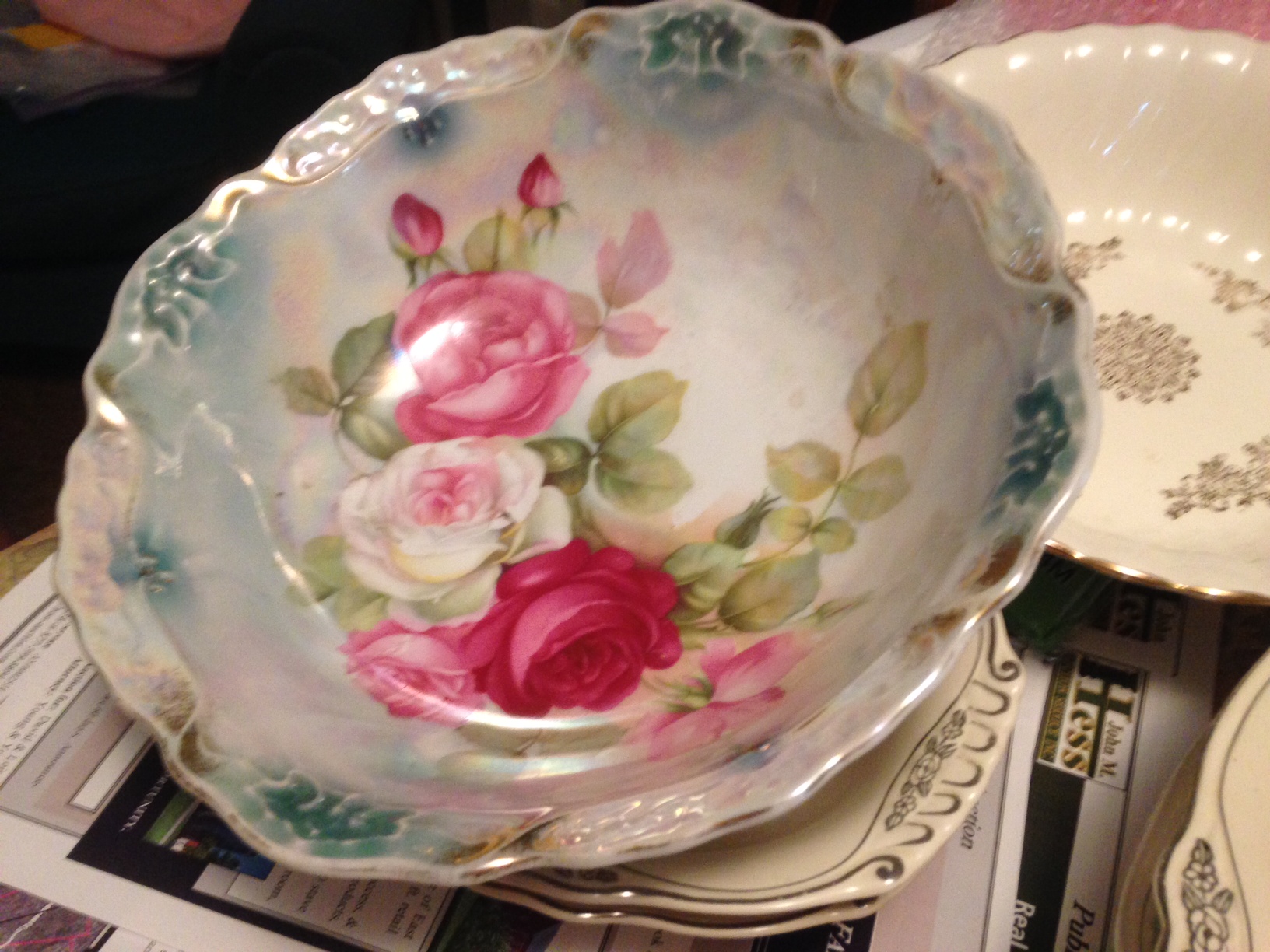
Clearing out a house after death is a sacred act, yet no amount of holiness assigned to this task can dismiss the back-breaking, shoulder-aching, neck-craning job of sorting, recycling, and passing on to others the possessions of a loved one. Aside from clothing and furniture, Mother left behind the tools of her trade in the kitchen along with beloved books of our childhood, some of which are displayed here.

Prepare Food & Serve It

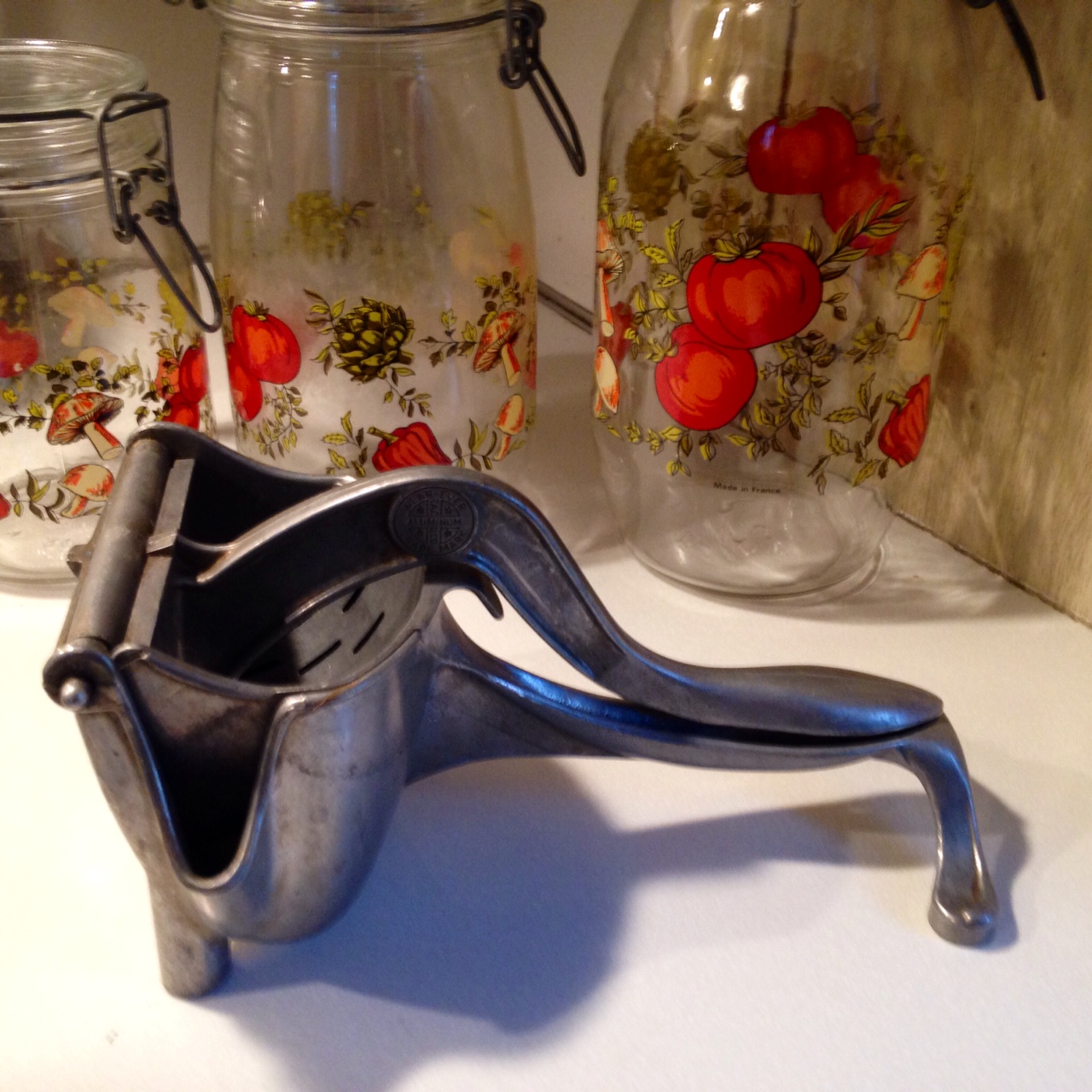
What remains: A scale on which all of our baby weights were noted and recorded (or ingredients for recipes measured), cooking utensils, ice cream dipper, and juicer, most of which have been passed on to grand-children.
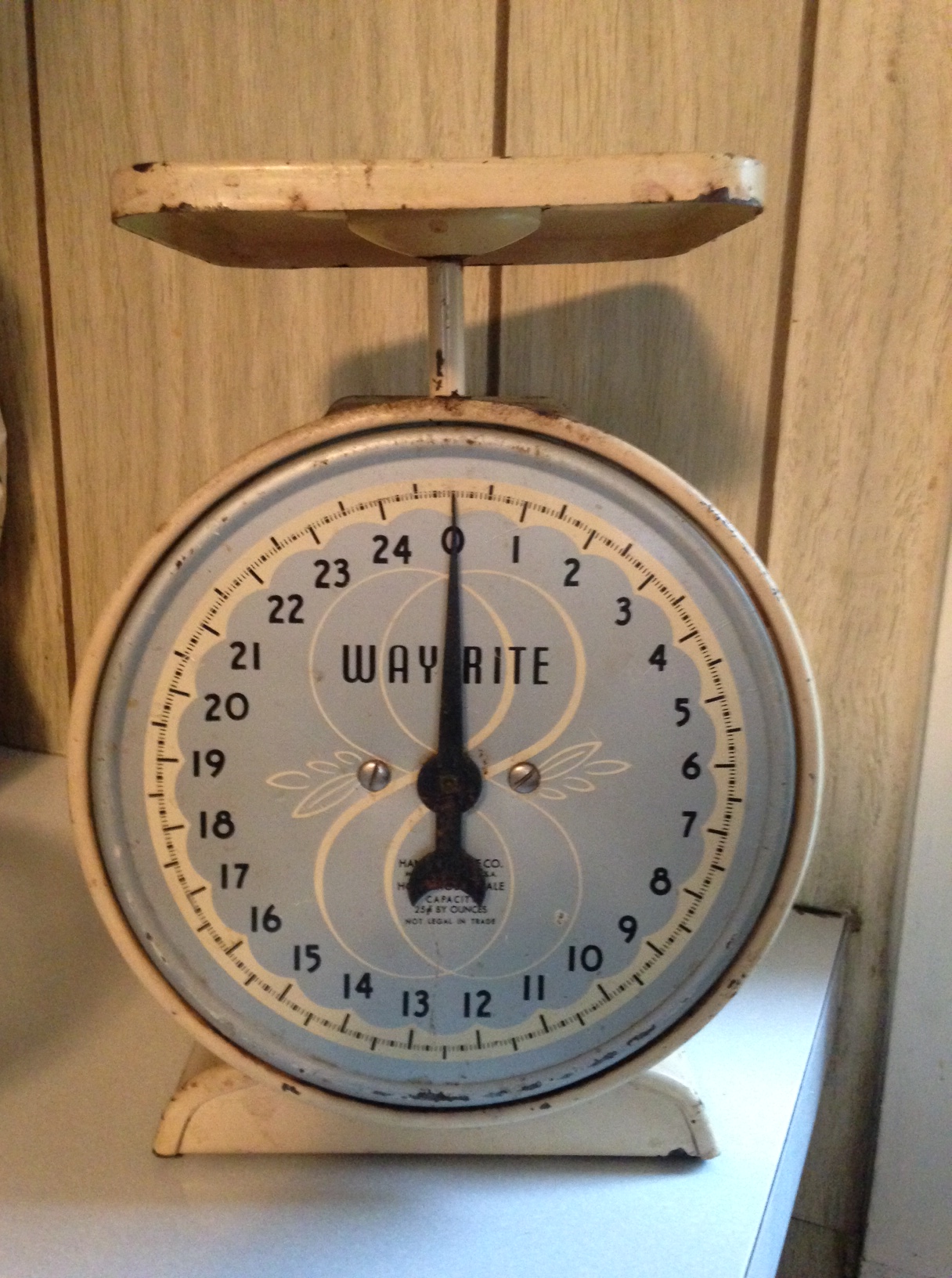
Scale Mom

My best guess is that these were wedding gifts or first (and only) time purchases. I don’t remember another scale, a different set of utensils, a second ice cream dipper or juicer ever passing over the threshold of our home. The throw-away mentality of our current consumer society never made sense to Mother. “You buy good, and keep it – for a lifetime” was her philosophy! Yes, prepare food and serve it, and with love! Her fancy china set, sterling silver flatware, and crystal glasses and goblets all have found homes with her grand-children.
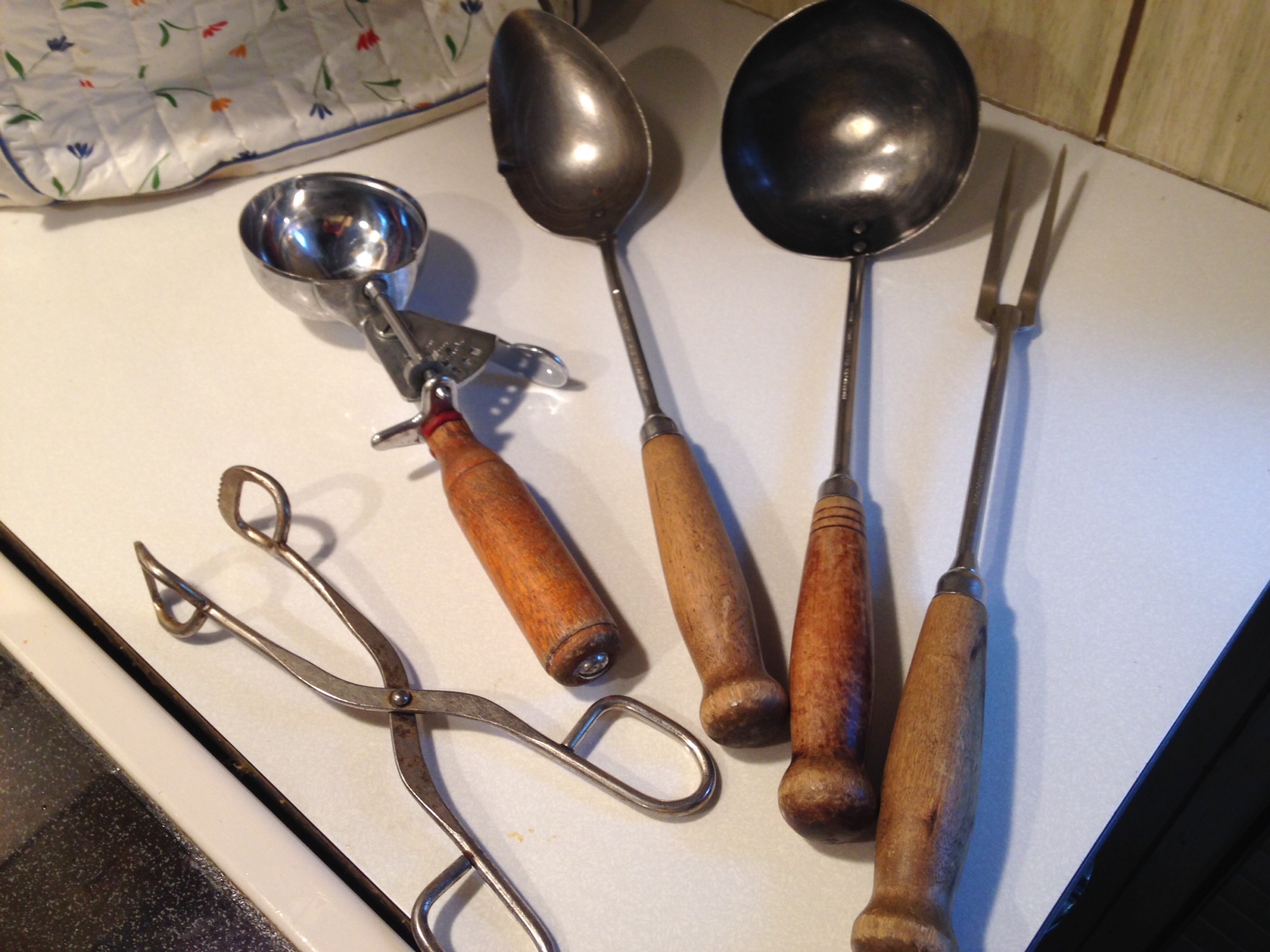
Kitchen Utensils Mom

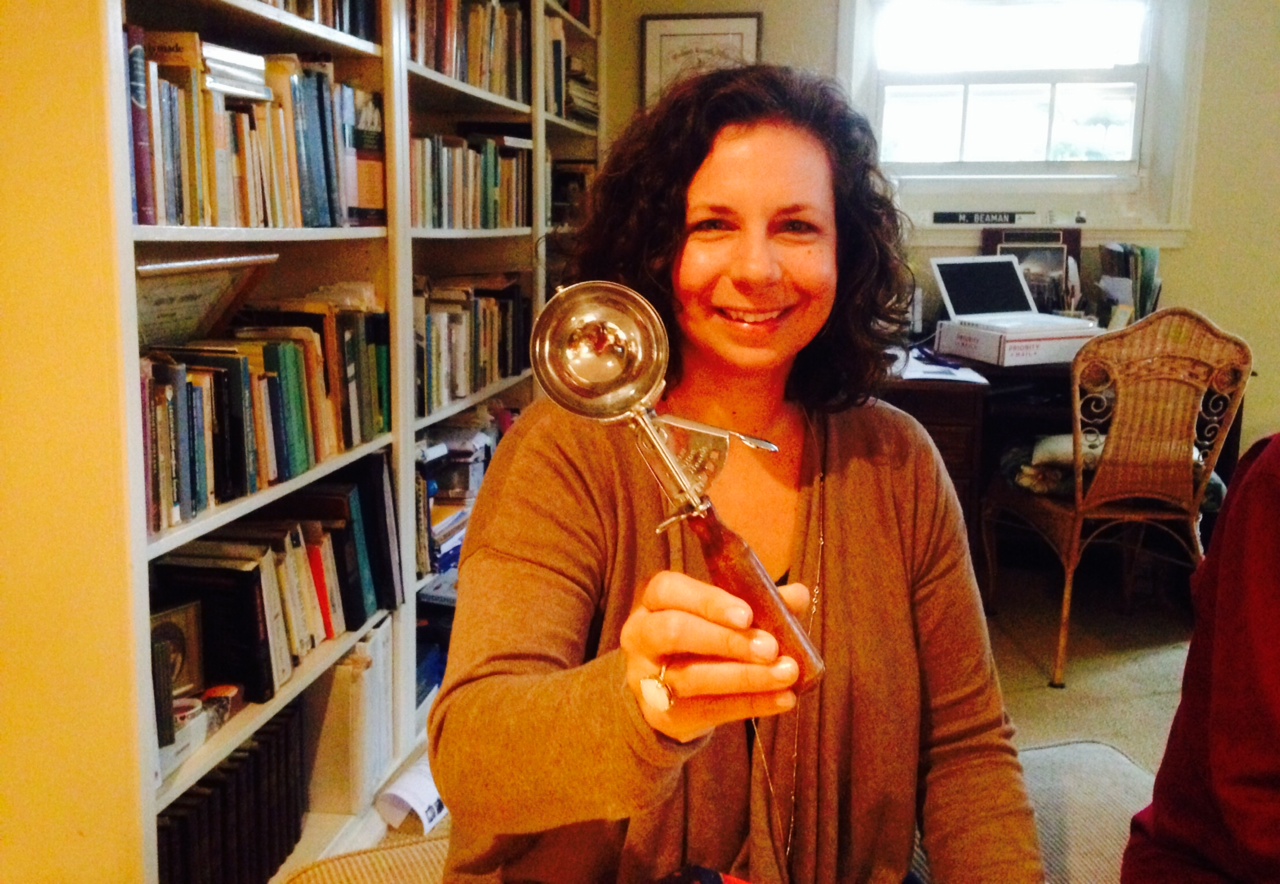
Daughter-in-law Sarah pleased with Grandma's ice cream scooper
Daughter-in-law Sarah pleased with Grandma’s ice cream scooper

Juicer Mom

Don’t Forget to Stir in Imagination
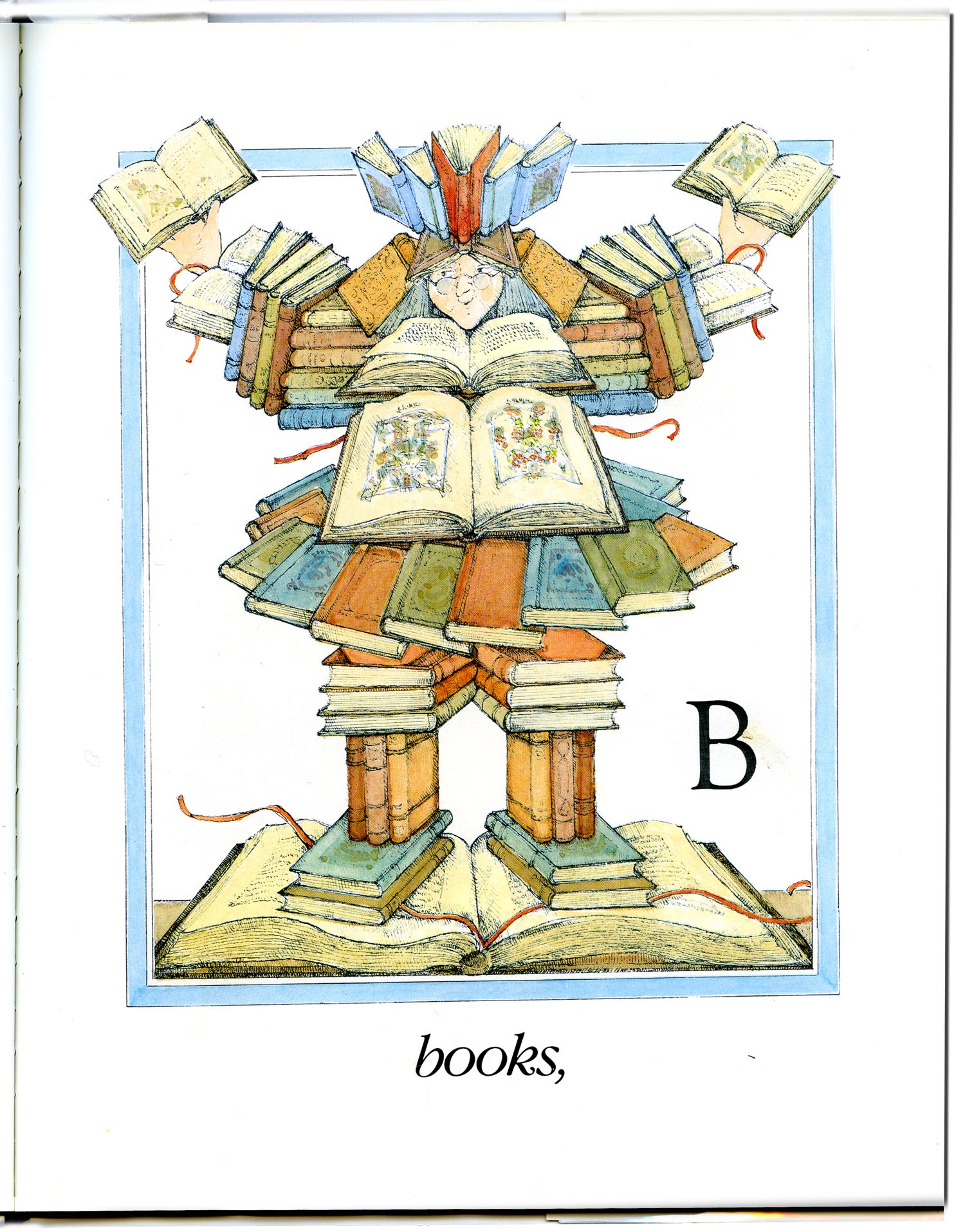
Page from Arnold and Ann Lobel's book
Illustration from On Market Street by Anita and Arnold Lobel

In previous Moments of Discovery, you may have seen other books from Mother’s bookcase or from the attic.

The book below, a reader, is certainly a keeper, recording media and methods that are becoming obsolete.
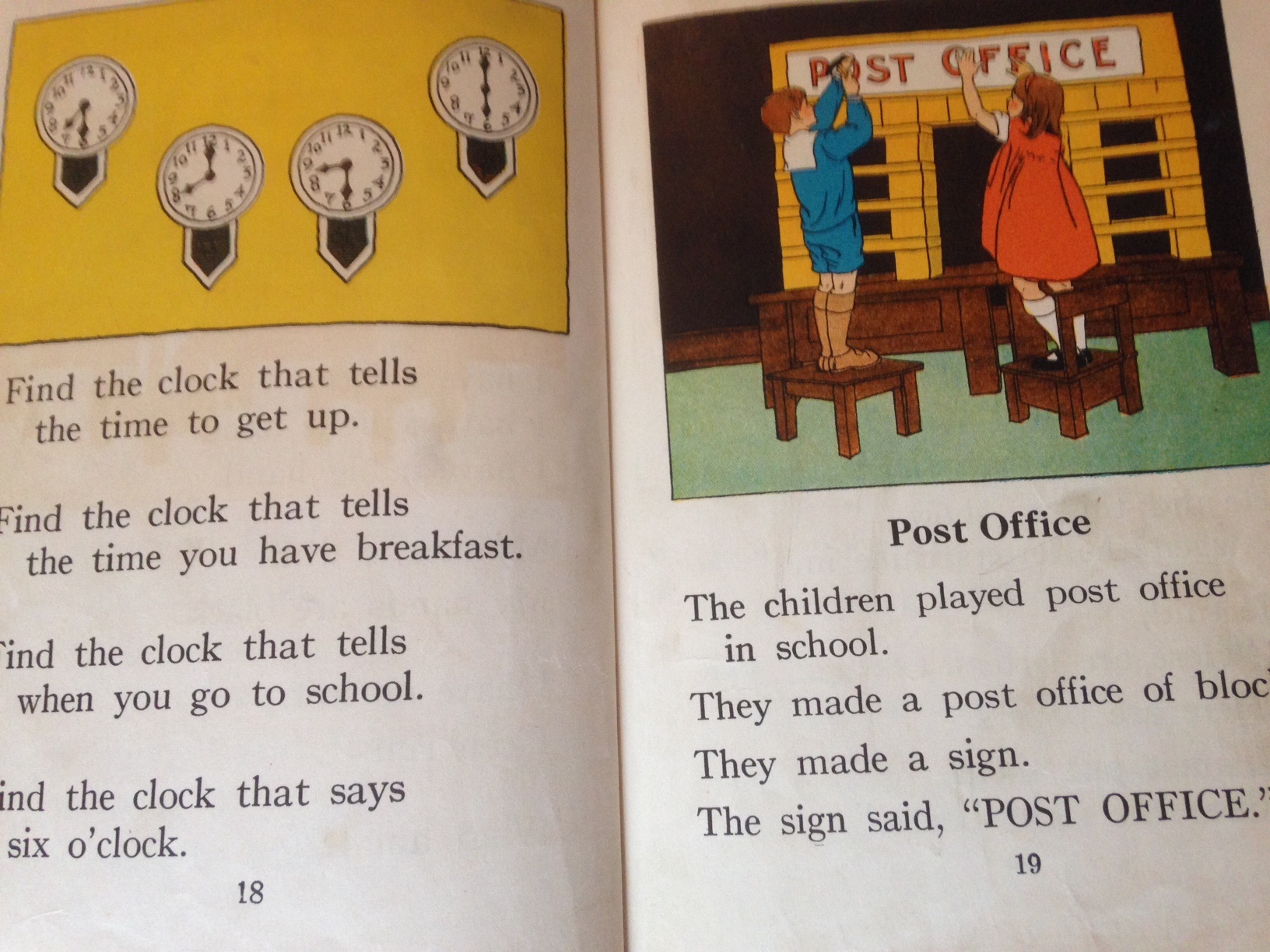
Pages from my text book
The Child-Story Reader, copyrights ranging from 1927-1936

And one of my favorites is My Bible Book with verses selected by Janie Walker and pictures by Dean Bryant (Rand McNally and Company, 1946). These words and pictures have been imprinted on my childhood memory as I joined the red-haired boy and blonde-headed girl roaming around gardens and romping through meadows with their pets. It was a perfect world!
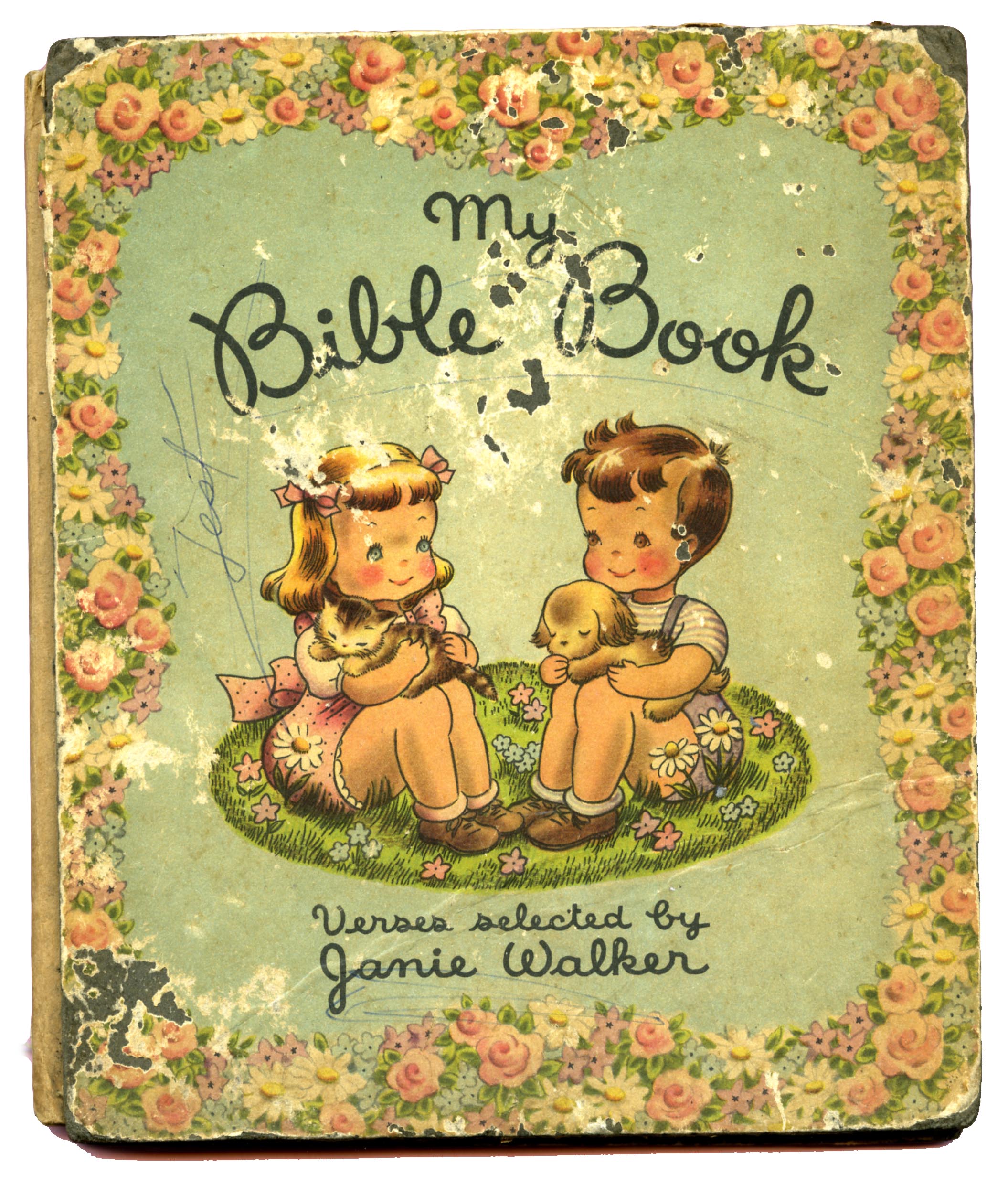
My Bible Book_front cover

Aunt Ruthie gave me this book with penciled instructions to read it to my sister Janice, show her the pictures and tell her all about them.
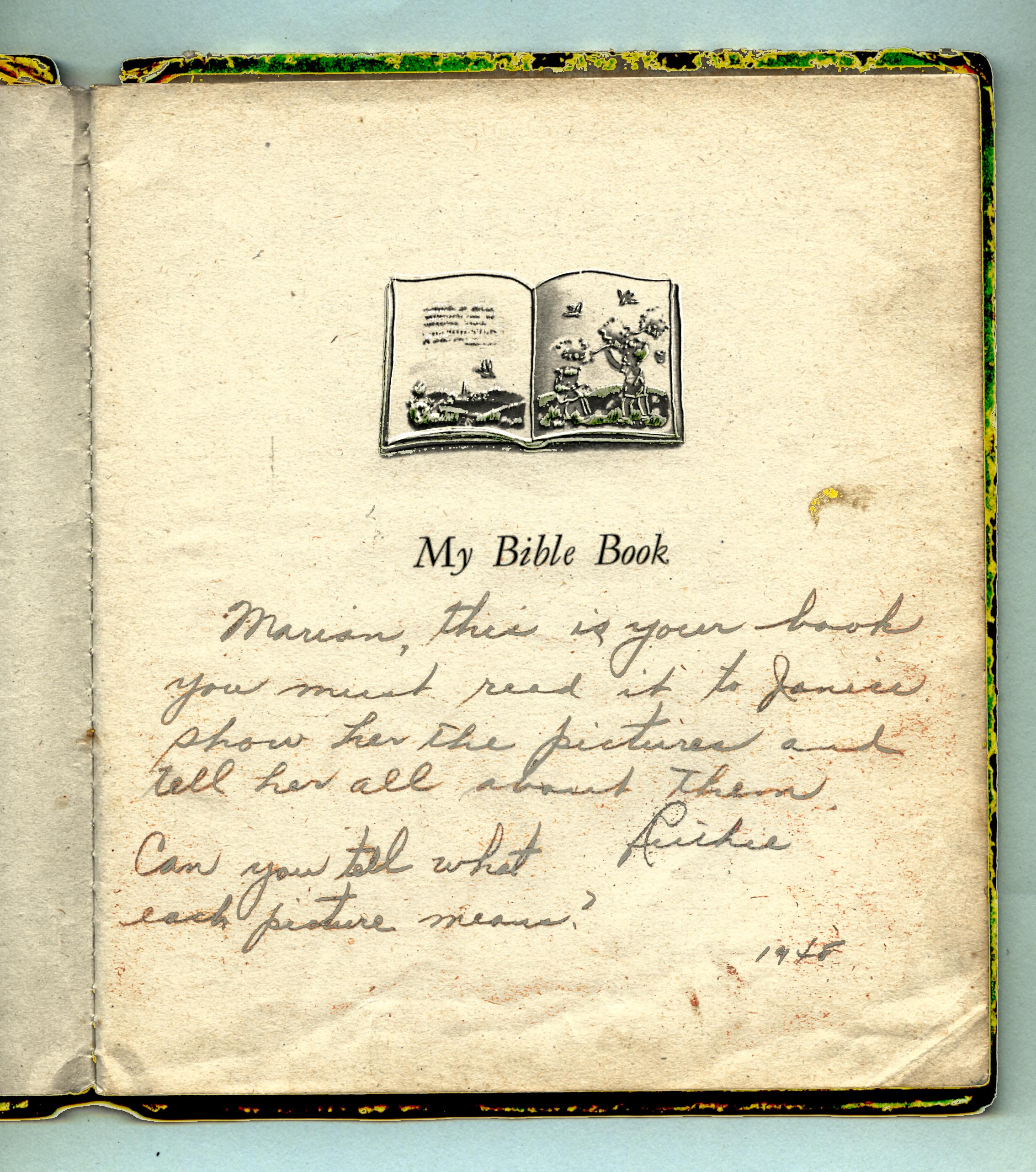
My Bible Book_pre Title page w note_light text_7x8_300

 Ever the teacher, she closes with her sweet lead-in question: “Can you tell what each picture means?” This is probably a Christmas gift or birthday present given to me in 1948.

Puppy dogs, a frog, a snowman, a kite, some birds, squirrels, a herd of cows, and a even a special kitty cat amuse the children as the pages turn with words of wisdom all quoted from scripture.
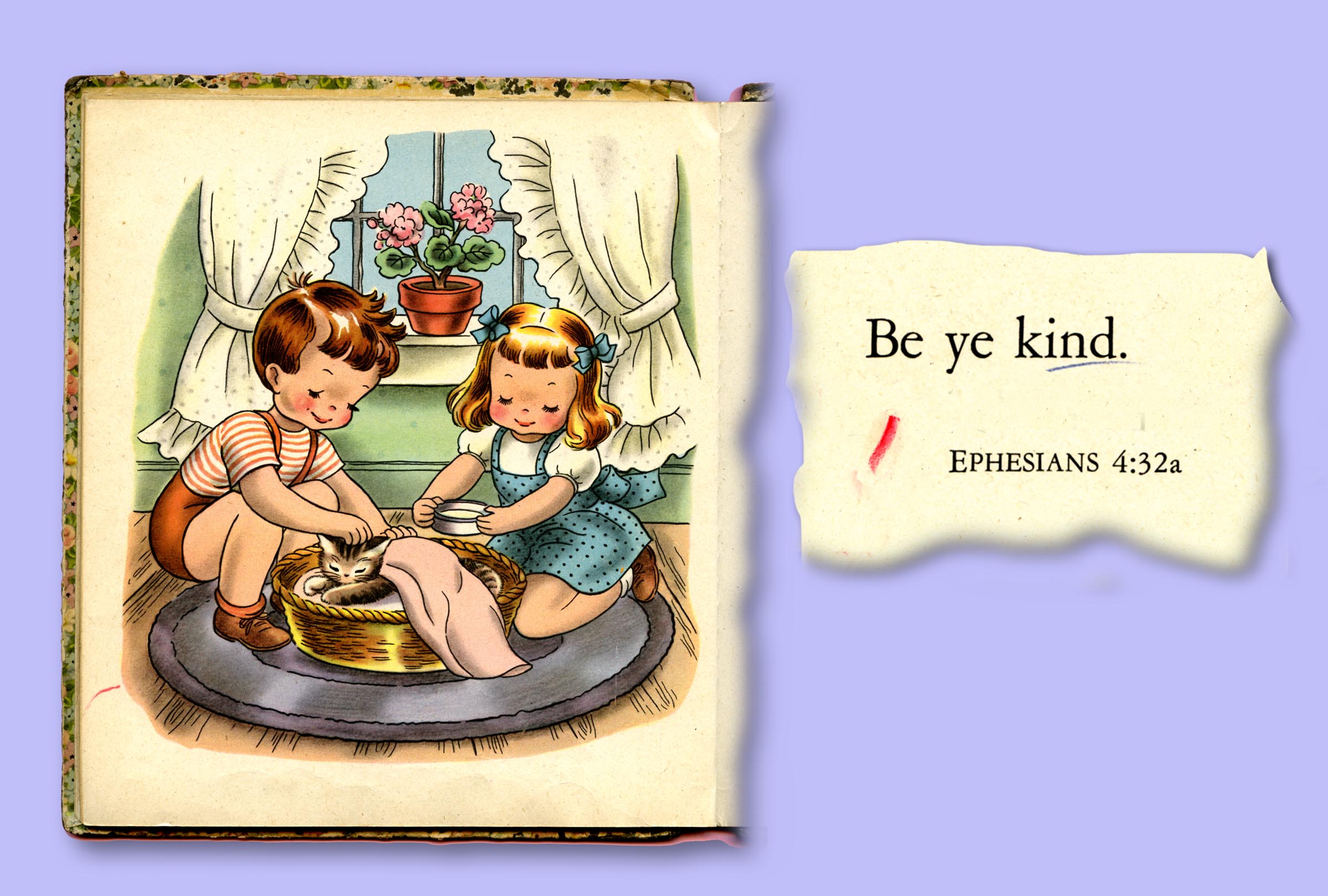
My Bible Book_Be ye kind_p25-26_8x5_300

Do you have old books in your treasury of keepsakes? Some special utensils for cooking or serving passed down to you from a generation or two ago? We’re all ears!

Coming next: Button, Button, Who’s Got the Button?
Our Easter in Ukraine

Khristos voskres!

Christ is risen indeed!

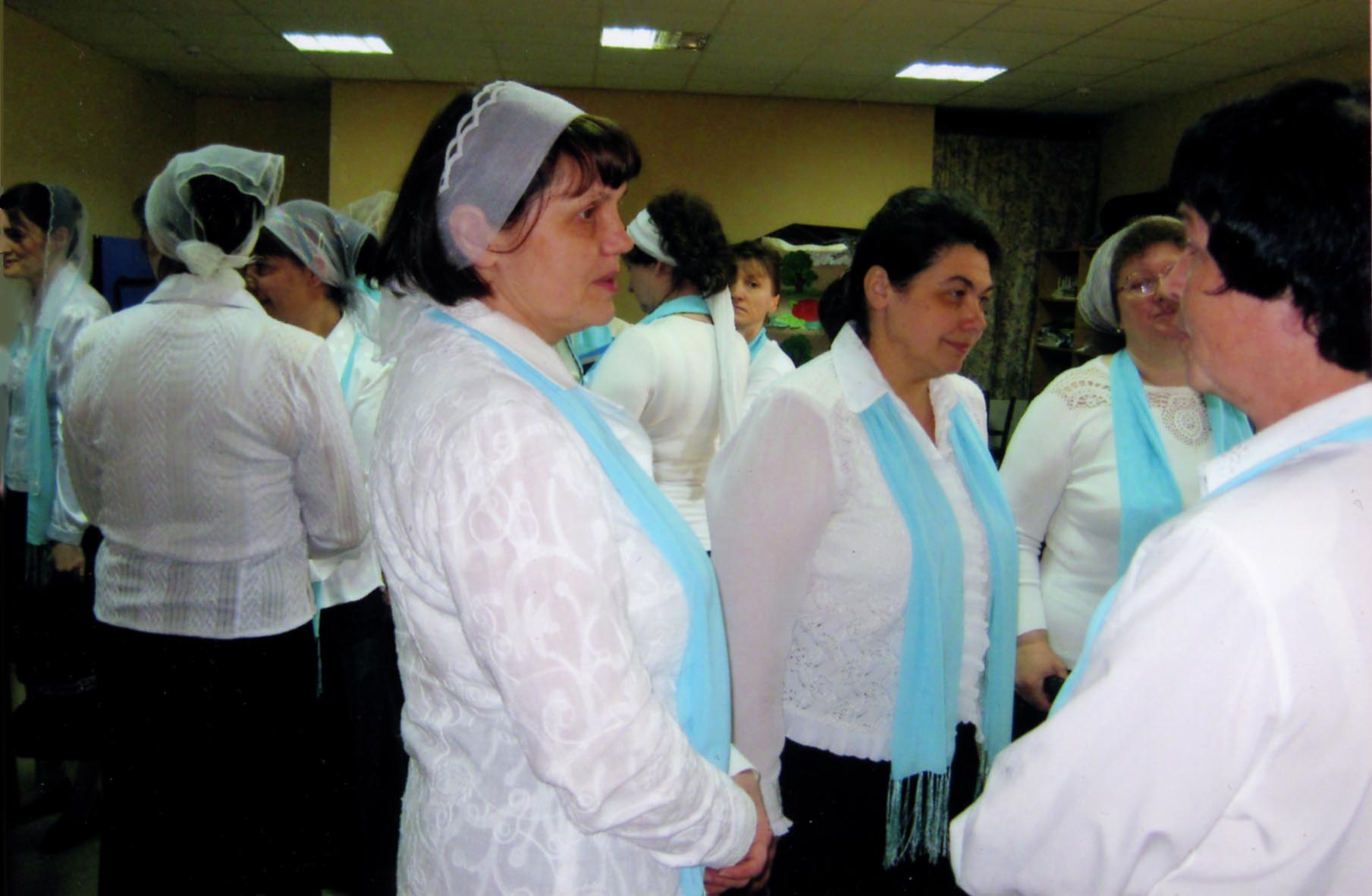
These words spoken in Russian are the very first expression of Easter joy we hear on Sunday, April 24, 2011 as folks gather at Birth of Christ Church in Kiev, Ukraine, preparing for the worship hour.

Here is the choir after rehearsal preparing to ascend the steps to the sanctuary for the Easter service.

Easter_UK_Birth of Christ Choir

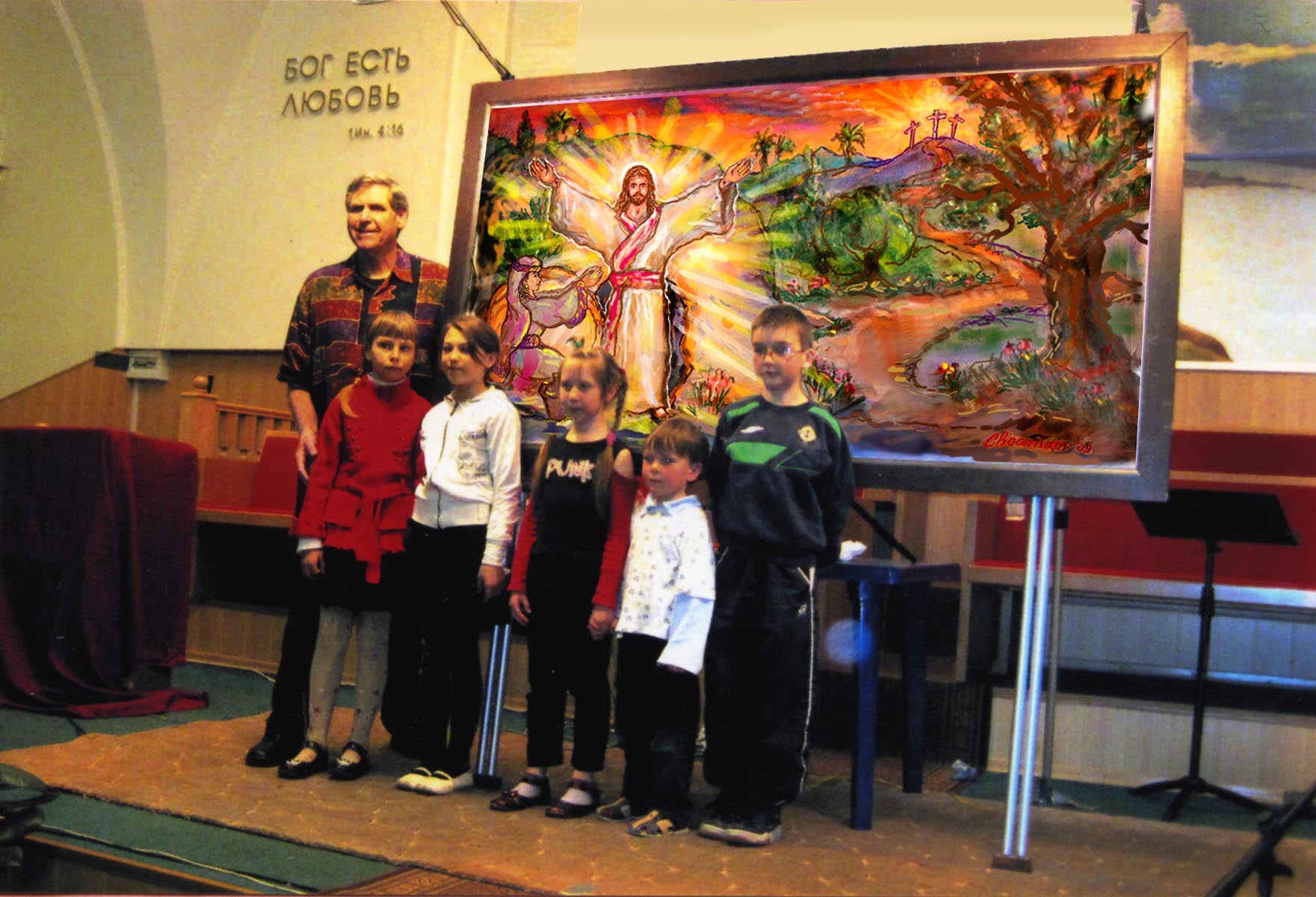
At the invitation of ABCLife, Kathy Gould’s ministry to children and families, husband Cliff and I spent two weeks in Kiev (April 8 – 28, 2011) and surrounding towns performing art and music shows in public schools and churches. His final program entitled “He is Risen” is presented here at Birth of Christ Church on Easter weekend.

After the exchange of greetings, we worship by singing songs of the resurrection and then thrill to the experience of seeing the “He is risen!” presentation accompanied by exultant music and special lighting effects.

Easter_Birth of Christ+new mural_6x4_300

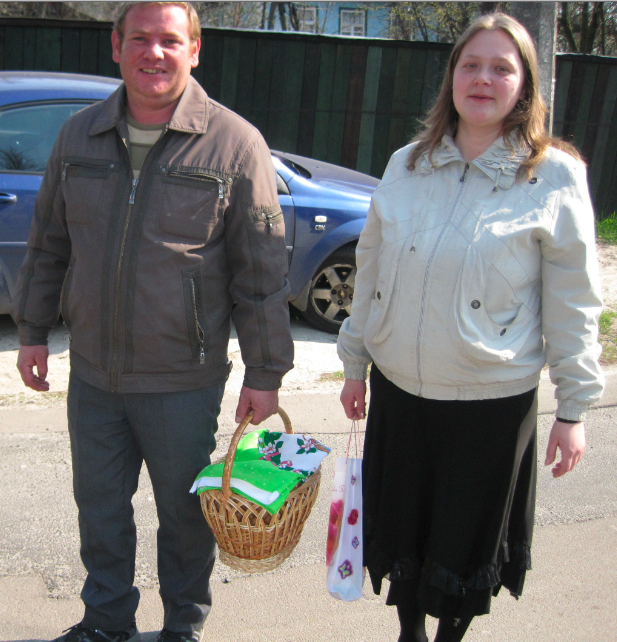
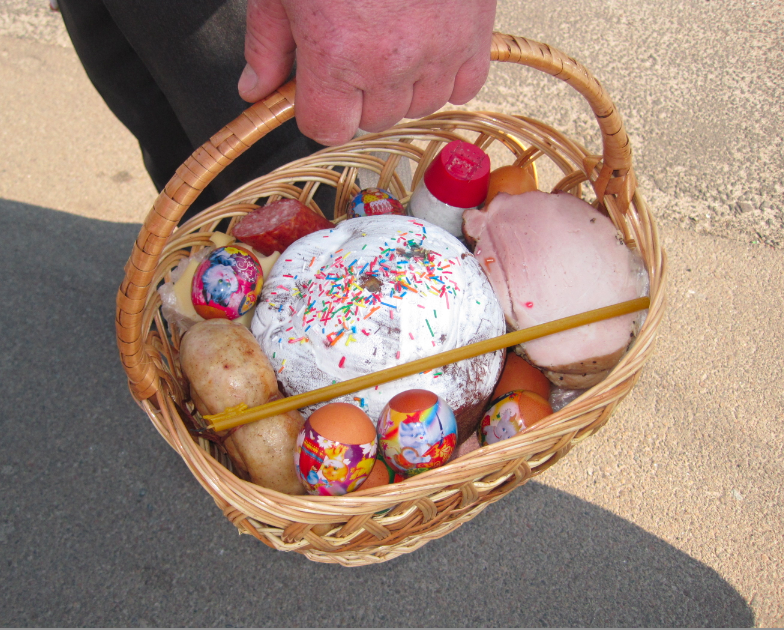
Before the service, early this Sunday morning, we see a couple, basket of Easter bread and eggs in hand, wending their way toward a Ukrainian Orthodox church farther down the road. Ukrainians walk every where possible as cars are very expensive here, and today the weather is cool and gorgeous. This couple graciously allow me to photograph their beautiful paschal offering.

UkraineEasterCoupleUkraineEasterBasket

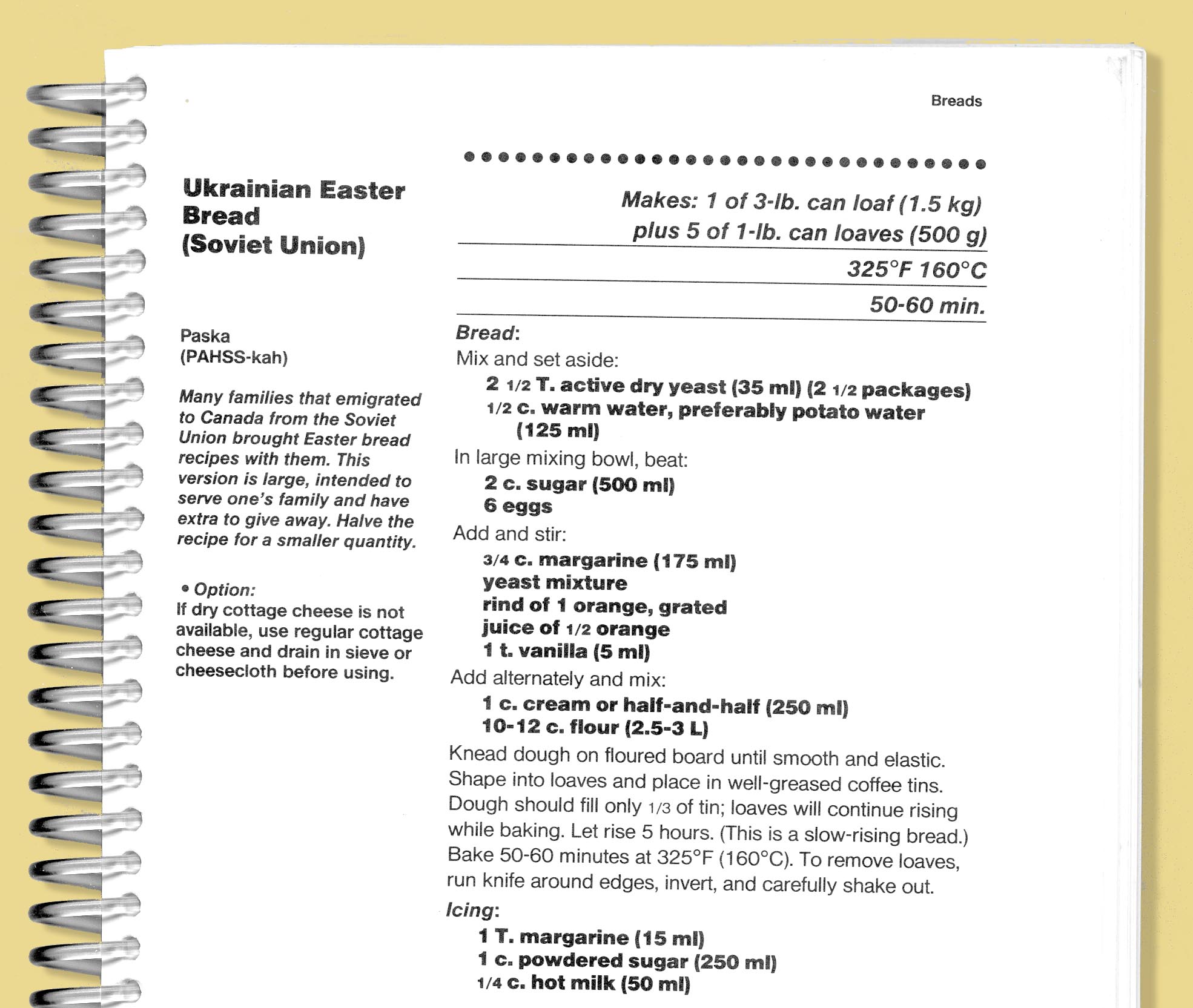
Their special bread is frosted and coated with sprinkles. Here is a recipe for Ukrainian Easter Bread (Paska) from Extending the Table, a World Community Cookbook published by MennoMedia in a revised edition. In my older edition from 1991, the recipe is found on page 65.

RecipeExtending the Table_recipe_p65

*  *  *

After completing 19 shows in a 12-day period, we are ready for a respite, which we enjoy in Crimea: the ornate Livadia Palace, site of the signing of the peace treaty between Roosevelt, Churchill, and Stalin; the Church of Foros with its onion domes, where celebrities marry. Then in a park in the city of Yalta, a statue of Pushkin, the celebrated Russian poet and one of Chekhov’s “Lady with Her Dog” virtually come to life along the promenade bordering the Black Sea.

Sadly, the door is barred to Crimea now, once the accessible southern-most region of Ukraine. Since our visit, President Vladimir Putin has wrested this lovely coastal land from Ukrainian hands.

Pray for the people of Ukraine!


Cliff’s YouTube connection

Coming next: Enchanted April, Renewal and Possibilities

Purple Passages with a Pop of Pink, March 2015 edition

SPRING

“Is the spring coming?” he said. “What is it like?

“It is the sun shining on the rain and the rain falling on the sunshine . . .  ~  Frances Hodgson Burnett, author of The Secret Garden

Tulip magnolia tree in our neighborhood just about to bloom in Florida, early February
Tulip magnolia tree in our neighborhood just about to hit full bloom in Florida, early February   ~  Sunshine, no rain in sight

[in Just-] a poem by e. e. cummings, (his name usually shown in lower case letters) who is known for odd spacing and made-up words like “mud-luscious” and “puddle-wonderful” so evocative of the squooshiness that follows the winter thaw. This British poet clumped together some of the names and other words he uses, just like mud on your shoes in springtime. Remember all that? Here are the first nine lines.

spring          when the world is mud-
luscious the little
lame balloonman

whistles          far          and wee

and eddieandbill come

running from marbles and

piracies and it’s
spring

when the world is puddle-wonderful


ENERGY

The only thing that keeps a man going is energy. And what is energy but liking life?   Louis Auchincloss, A World of Profit

MIRACLES

C.S. Lewis wrote, “Miracles are a retelling in small letters of the very same story which is written across the whole world in letters too large for some of us to see.”

MITTENS

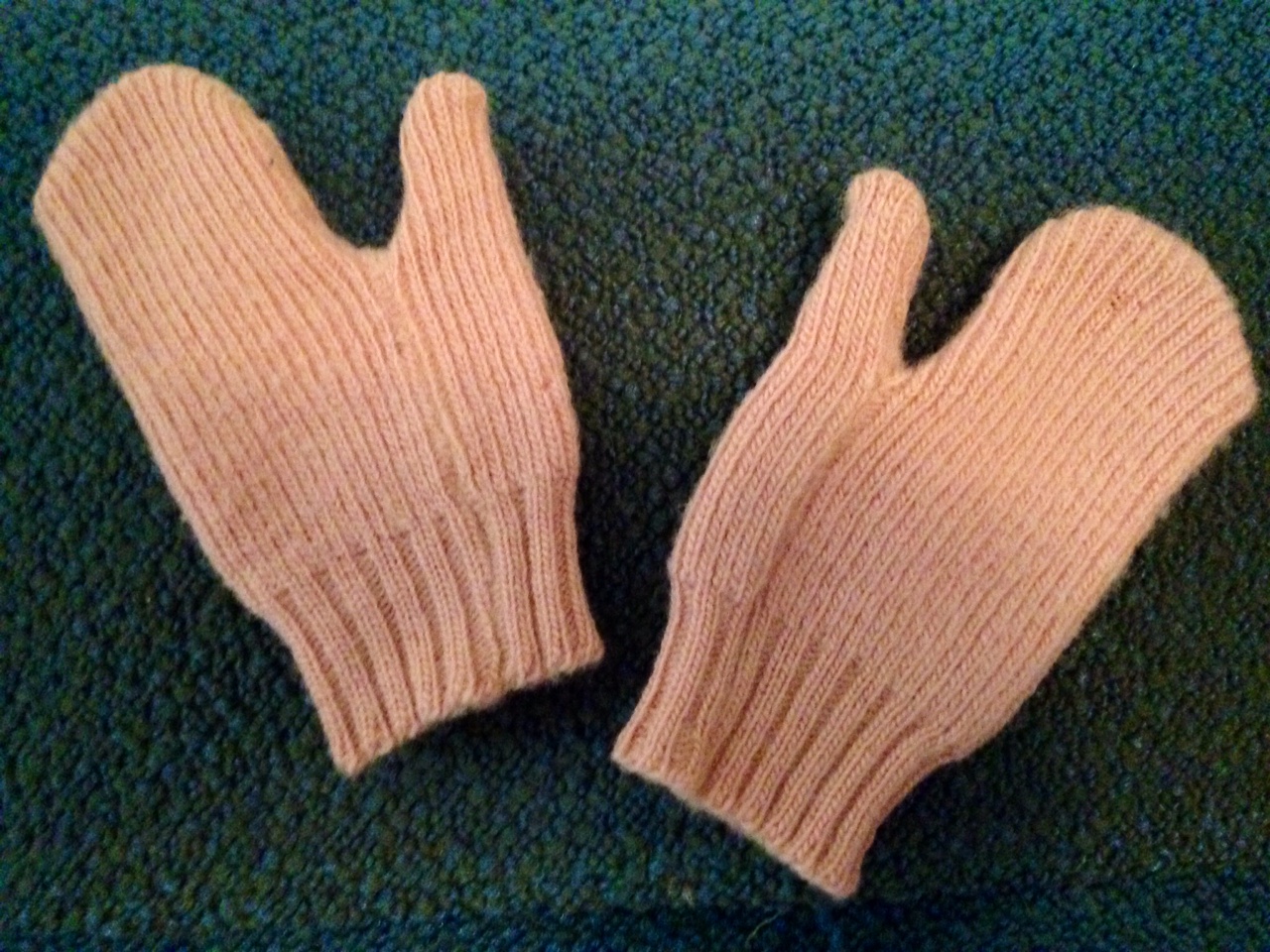
The wee Longenecker girls wore mittens because it was cold in Pennsylvania until near the end of March. These are the mittens I remember my sisters Janice wearing. Jean probably inherited them when her hands grew big enough. Somehow I recall a string of woven yarn attaching the mittens under the coat so the little girls wouldn’t lose their mittens. Mittens actually do keep little hands warmer than gloves would – body heat from all four fingers and thumb is trapped inside the glove just like this. . .

PinkMittens

. . . which reminds me of the Mother Goose nursery rhyme about the Three Little Kittens. You can probably hear the sing-song sound of the phrases as you read this tale.

KittenMittensScreenShot

In the verses which follow, the kittens put on their mittens, then get them dirty, are scolded by their mother, inducing them to wash their mittens, even hanging them out to dry. In the final verse, Mother Cat compliments her kitties while teaching them a lesson in scavenging for their dinner:

“What, washed your mittens, then you’re good kittens,
But I smell a rat close by.”
“Meow, meow, meow,
We smell a rat close by.”

Your turn! This is a free-for-all post. Add your thoughts or quotes on spring, energy, miracles, mittens – or something else.
Coming next: Grandmother Kayaks Solo from Maine to Guatemala. Why?

Teaser or Cuppa Coffee?

What is your favorite warm beverage? It’s February, and by now you have tweaked the art of finding comfort in a cup. Is it tea, coffee or a hot toddy?

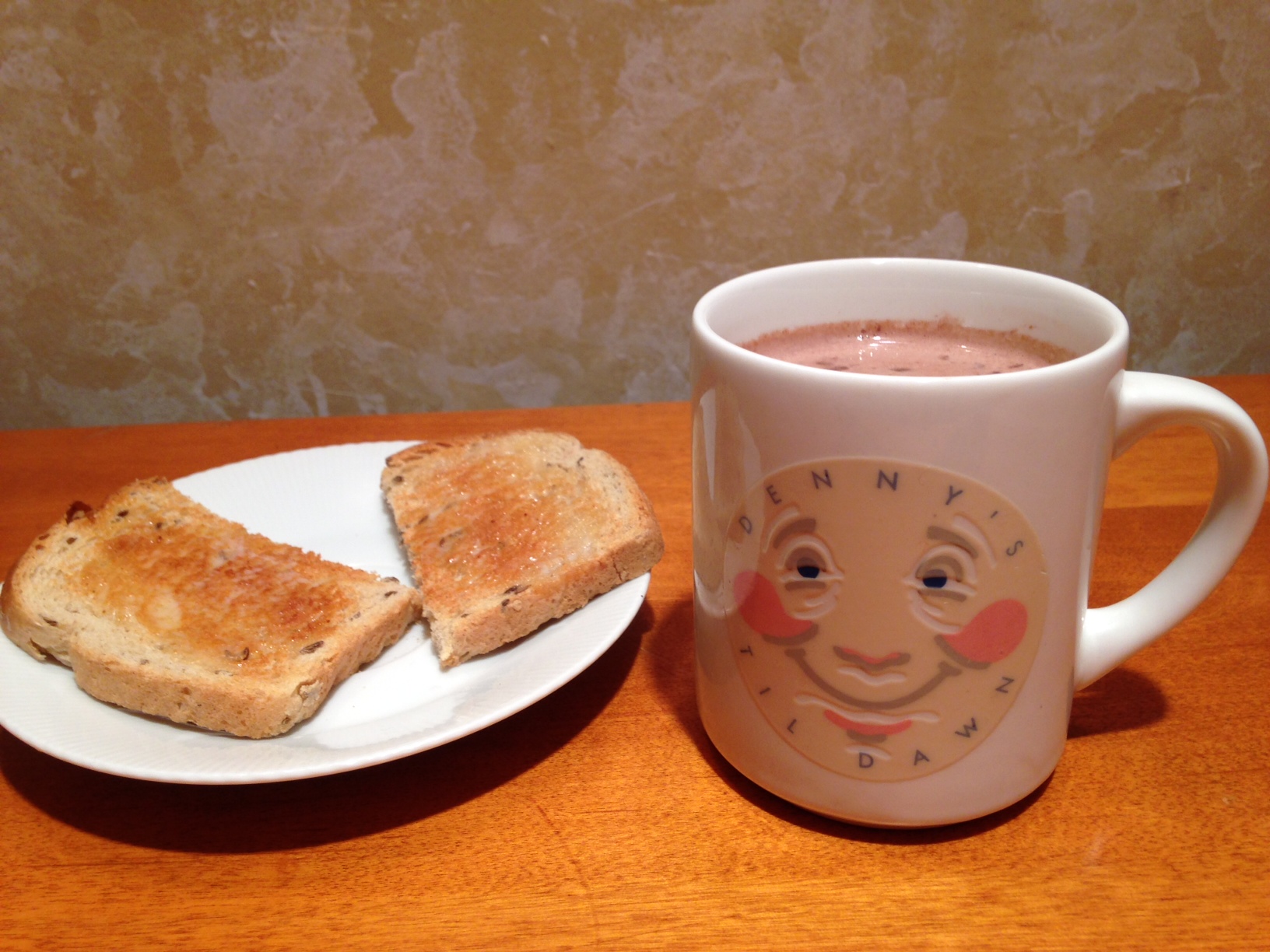
Maybe it’s hot chocolate!

CocoaToast


In promoting the Fifth Season of Downton Abbey, PBS used tea to tantalize. Twitter was chirping with the hashtag #BIGsip and illustrations of how to party like the British:

Screen Shot 2015-01-17 at 3.53.39 PMScreen Shot 2015-01-17 at 3.55.13 PM

The tea at these fancy gatherings was probably brewed through ceramic or metal sieves. I doubt there was a tea bag in sight!

BrewTea

Once I was invited to a tea party at my professor’s home. There was a bold disclaimer on the invitation: Tea will NOT be served. Instead, there were other fanciful beverages, none of which was served warm. Twice I invited faculty to my home, and we actually had flavored tea – and coffee.

tea labels

So, back to the question: What is your favorite warm beverage (and/or treat) this time of year? Spread some sugar, honey, or . . . .

CoffeeFriend

A woman is like a tea bag ~ you can’t tell how strong she is until you put her in hot water.   Eleanor Roosevelt

Bonus: RANDOM ACTS OF COFFEE! Coffee drinker pays it forward ordering coffee for the next 500 (gasp!) customers at Canadian coffee shop. Read all about it here!

Sue, Sarah, and Handful: Reviewing The Invention of Wings

Sue Monk Kidd, best known for her debut novel, The Secret Life of Bees, has published her third novel, the acclaimed The Invention of Wings (2014).

Courtesy, Riffle Books

My Review

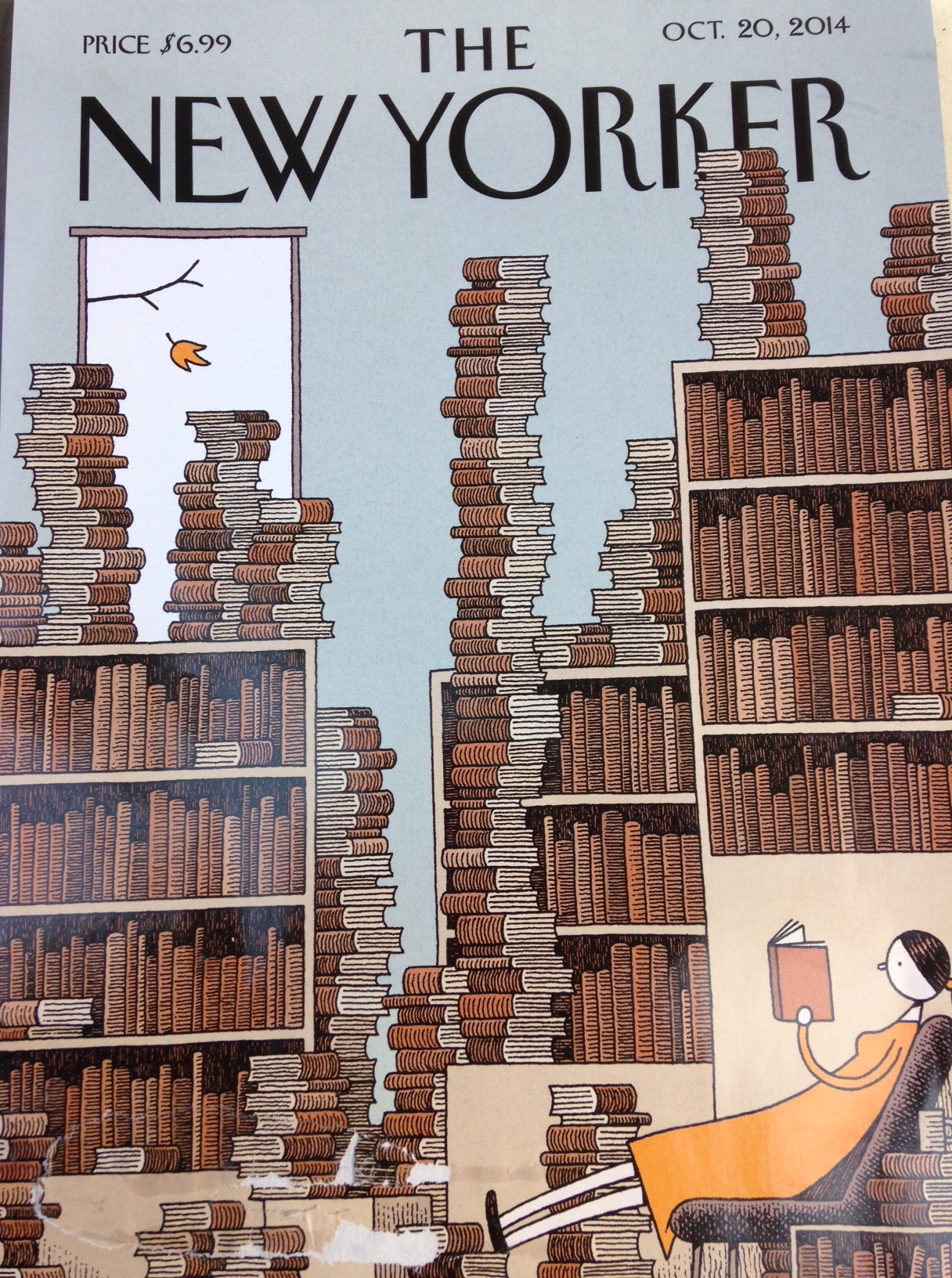
A full-page spread advertising Sue Monk Kidd’s latest work of historical fiction recently appeared in the New Yorker, which tells readers something about the stature of this work. Set in Charleston, SC, the novelist creates parallel stories representing two strata of early nineteenth-century America, alternating chapters with the voices of two engaging characters: the aristocratic Sarah Grimke and the hand-maid (creative name for slave) assigned to her, Hetty Handful Grimke. Kidd’s sweeping novel is set in motion on Sarah’s eleventh birthday, when she is given ownership of ten-year-old Handful. Over the next thirty-five years, both strive for a life of their own “forming a complex relationship marked by guilt, defiance, estrangement and the uneasy ways of love” as one reviewer characterizes it. Woven into the fabric of this novel is the alliance of the Grimke sisters, Sarah and Angelina, who advocate for the equality of slaves and the rights of women.

While the unfolding plot intertwines other historical figures, both factual and imagined, Kidd held my attention with her metaphors and other descriptions. I was particularly intrigued with the exquisite quilts Handful’s cunning mother Charlotte fabricated, often using the image of blackbird wings as a triangular motif in the design. In the acknowledgements section, the author mentions too her reference to the American black folktale, from which she drew inspiration about “people in Africa being able to fly and then losing their wings when captured into slavery.”

The two main characters in this book effectively invent their own wings, Sarah by tirelessly advocating for human rights and Handful by staging her own escape to freedom. Her often repeated refrain:

If you don’t know where you came from, you have to know where you’re going.

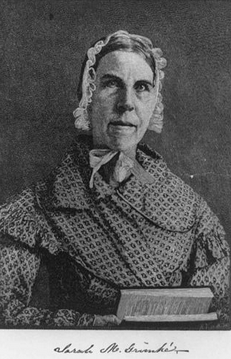
That's one determined woman
Sarah Grimke, one determined woman


Quilts

Have a look at some of handmaid Hetty’s exquisite quilts on this website. Possibly the best seamstress in Charleston, the quilting of Hetty and her mother Charlotte offered her freedom spiritually as she recorded her family’s history, and freedom physically too by enabling her to fashion a disguise that may have enabled her to escape.

Q & A with the Author

Website: Sue Monk Kidd

Sue Monk Kidd has created an intriguing story from mountains of research including historical dates and events, articles, letters, all inspired by viewing Judy Chicago’s The Dinner Party referred to in my last post.

See the intriguing Q & A with Sue Monk Kidd, who observed separate water fountains, black women sitting in the backseats of white women’s limousines, and the story of Rosa Parks in her own youth.

  • How could the author visualize Hetty so vividly?
  • How is Hetty or Sarah like Lily in The Secret Life of Bees?
  • How could Sue recreate the dialect of 19th-century Charleston on paper?

Your turn!

Sue Monk Kidd was published first in Guideposts and Readers’ Digest. Do you remember her writing from back then?

Can you relate to any of the characters in Sue Monk Kidd’s writings? 


BooksNYorkerCover

Happy New Year: a card and some flowers

Happy New Year!


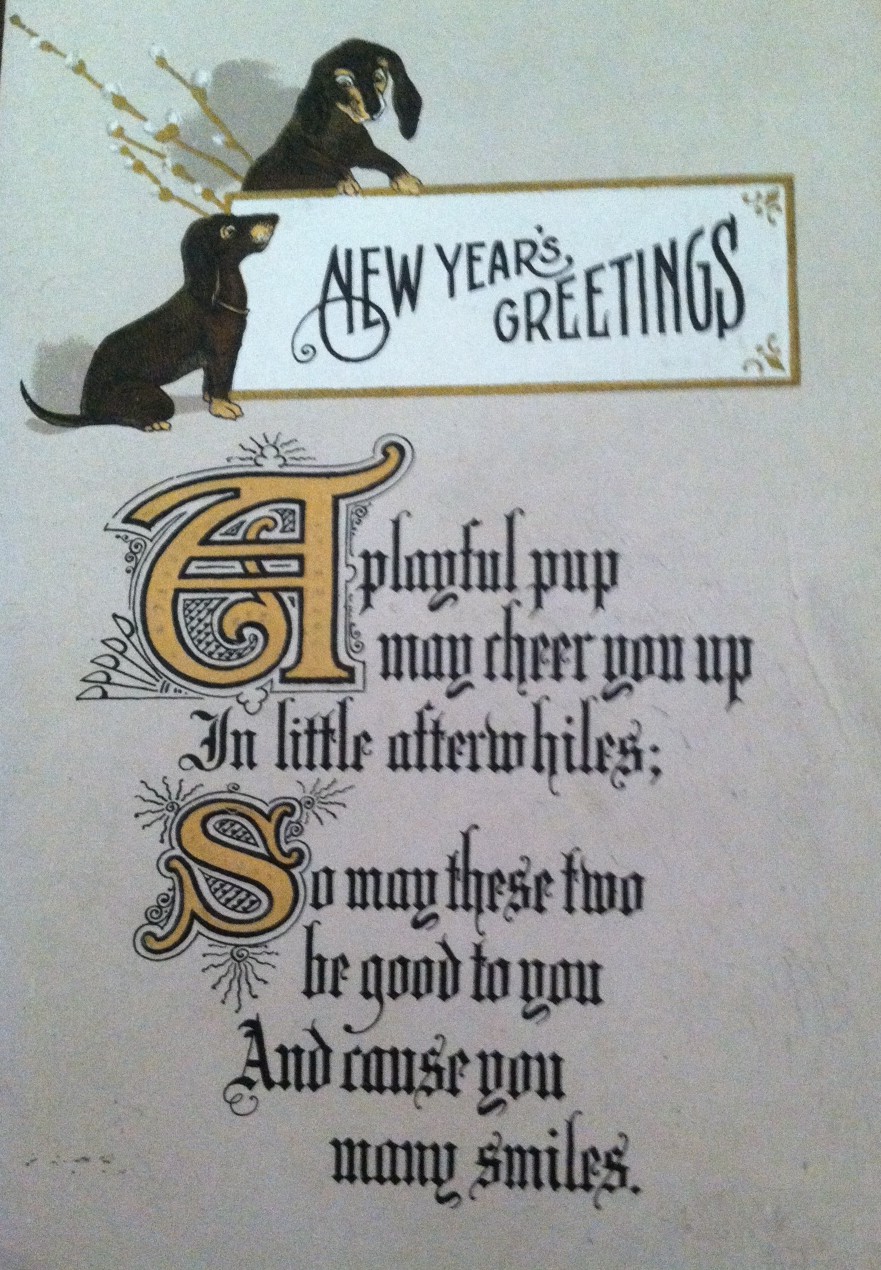
My wish for you in 2015 is expressed in a card sent to Grandma Fannie Longenecker in 1913.


NewYearPostcard


And some fresh camellias too!

camelliasSpeckled

Happy New Year ~~ Happy New Year ~~ Happy New Year

Next post in January 2015: Who’s Coming for Dinner? Food with Art

Visions of the Little Match Girl: 1846 and 2014

What do Trayvon Williams, Michael Brown and the Little Match Girl have in common?

Read on!

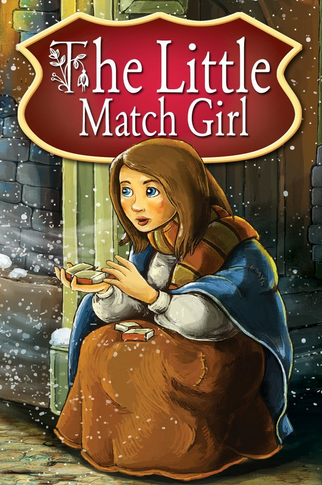
The Little Match Girl – Hans Christian Andersen, 1846

On a cold winter’s eve, a poor girl shivering on the street tries to sell matches afraid to return home to her father who would beat her for not selling all her matches.

Courtesy: Amazon Books
Cover: Courtesy Amazon Books

Finding shelter in a nook, she lights matches to warm herself. The matches ignite her imagination and she envisions a Christmas tree and a holiday feast. As she looks skyward, she spies a shooting star and recalls her dead grandmother remarking that such a star means someone is dying and going to heaven. As she lights the next match, she catches a vision of her grandmother, the only person ever to treat her with love and kindness. Finally running out of matches, she dies and her soul is carried to heaven. The next morning, passersby find the little girl dead in the street. They feel pity for her but cannot bring her back to life.

Lives Cut Short

Trayvon Williams and Michael Brown must have had visions of a better life, a bright future. Their visions will be unrealized, their lives cut short by a bullet. While there is still controversy over the details surrounding each case of police intervention, there is no doubt that the outcome raises questions about police reaction in a perceived threatening situation. It should be noted here that black officers, greatly outnumbered by whites in the police force, account for little more than 10% of all fatal police shootings according to one report. But of those they kill, 78 % are black. Main stream media, however, gives little attention to such stories or to those involving black officers and white offenders.

Author Mary Gottschalk speculates on what prompts these high profile shootings of black teens. In a recent blog post, she comments on the lack of respect for cultural differences and asks, “. . . is it a system that trains a white police officer in a black community, when confronted by what appears to be an angry or aggressive black man, to shoot first and ask questions later?”

One commenter to this essay, Janet Givens, offered one explanation: “I’d say fear plays a factor . . . the fact that we often fear what we don’t know: we demonize our enemy to feel morally superior so we can justify defending ourselves.”

And so the conversation continues . . . .

Another Time – A Different Story

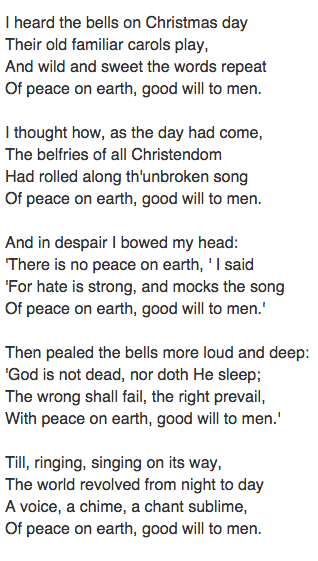
We tend to believe that we live in the worst of times. Maybe this is true. Yet poet Henry Wordsworth Longfellow (1807-1882) documents a terrible time in our nation’s history, the Civil War, fought to secure freedom from slavery. He wrote one of his most famous poems, I Heard the Bells on Christmas Day, having survived the outbreak of the Civil War, the untimely death of his beloved wife Fanny during a house fire, and a severely wounded son Charles. Theses lyrics written in 1864 show the depth of his sorrow but suggest hope and peace as the stanzas progress:

LyricsIHearBells

At Christmastime 2014, celebrating peace and joy seems like a mockery given the tumultuous year we have experienced. But wars and unrest have always existed. “Hate is strong and mocks the song of peace on earth goodwill toward men.” 

Yet, hearts open to hope can bring a renewed call to action toward peace.

Call to Action

Author Gottschalk in her post last week revealed the little-known personal details about Michael Brown’s mother, Lesley McSpadden, who “was not allowed to approach him as he lay in blazing sunshine in a public street for four hours. Once his body was removed from the street, she was not allowed to see it for two weeks.”

Shirley Showalter, another commenter on Mary’s post, demonstrates what a peaceful call to action looks like as she remarks:

Because of this essay and the story you told about Lesley McSpadden (the mother of Michael Brown), I am going to write her a letter. It’s a little thing, but I want her to feel how this story touched me. Thank you for writing.

Like the little match girl, none of the lives lost on our streets or in our schools can be brought back, but they leave a legacy that can motivate us to hopeful action.

For a shorter version (2′ 20″) of “I Heard the Bells on Christmas Day” by Burl Ives, click below.

Your Turn

What is your take on any of these stories? An opposing viewpoint?

What other peaceful actions can you suggest?

Coming next: Downton Abbey Gala Redux: Season 5

Moments of Discovery # 3: Two Butter Stories and an Autograph Book

In June Mother Longenecker and her daughters Marian and Janice created butter-shaking memories in a two-quart jar, making butter using three easy steps:

  1. Pour cream into 2-quart jar.
  2. Shake until you rattle and roll.
  3. Remove the congealed mass from the jar. Add a pinch of salt.

In July, my Southern friend Carolyn honored my birthday in a “Shake-Rattle-and-Roll Butter-Shake” party. Today you can open up an old-time textbook with me and behold first-graders learning about butter making in a reader published by Lyons and Carnahan with the copyright dates spanning the years 1927-1936.

Reader1920s

Interestingly, the Child’s Story Reader also lists three simple steps for butter making expressed in first-grader language:

We got the cream from a cow.

We put the cream in a jar.

We shook the jar.

Jack and Jane even added a pinch of salt to the mixture, and afterwards they had a party of butter on bread!

ButterMakingSchool

Another page shows a recipe for butter milk made with a churn with Aunt Ellen assisting.

ButterChurnBook

More Moments of Discovery

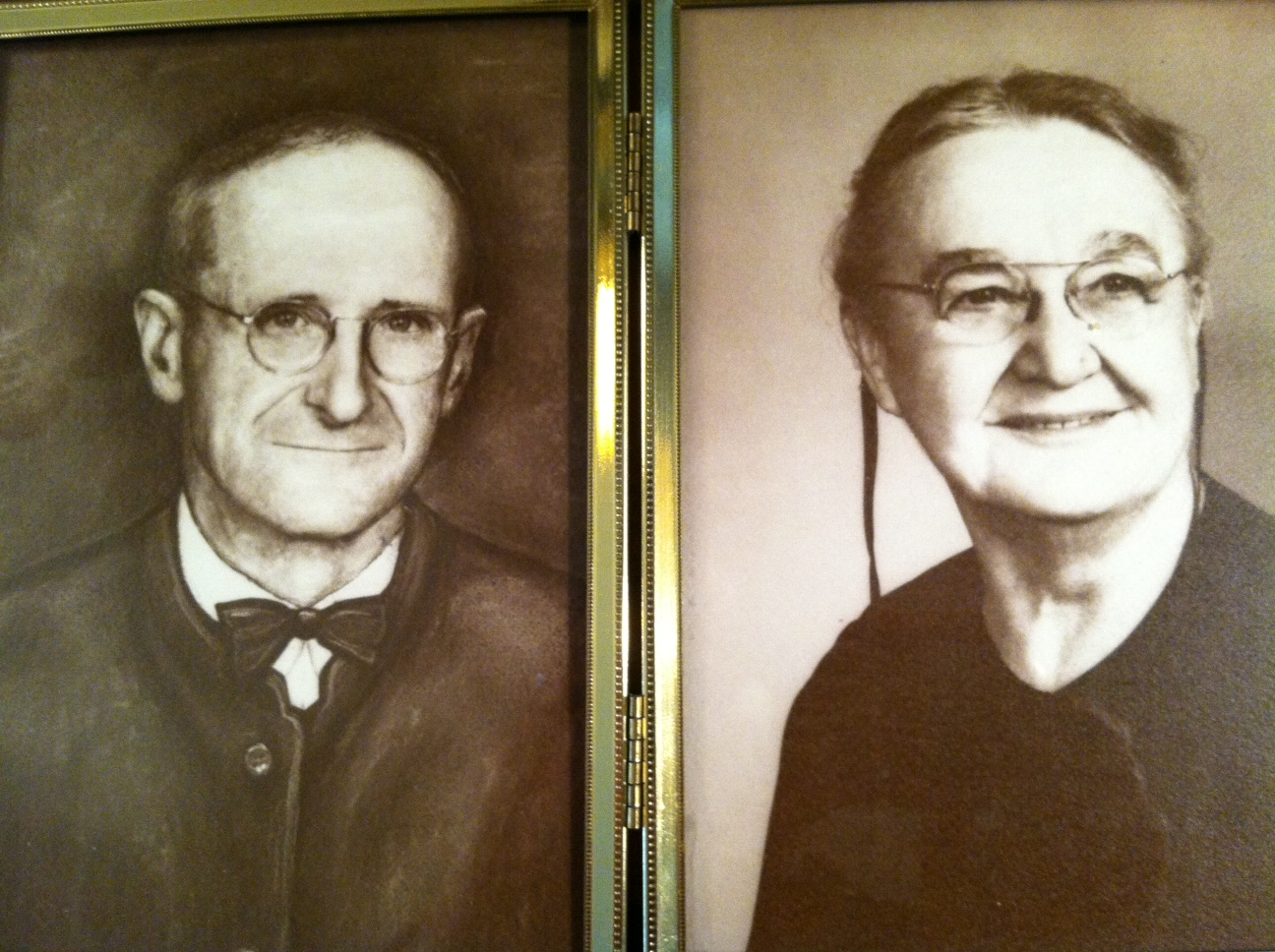
Henry and Fannie Longenecker, Grandparents
Henry and Fannie Longenecker, Mennonite Grandparents

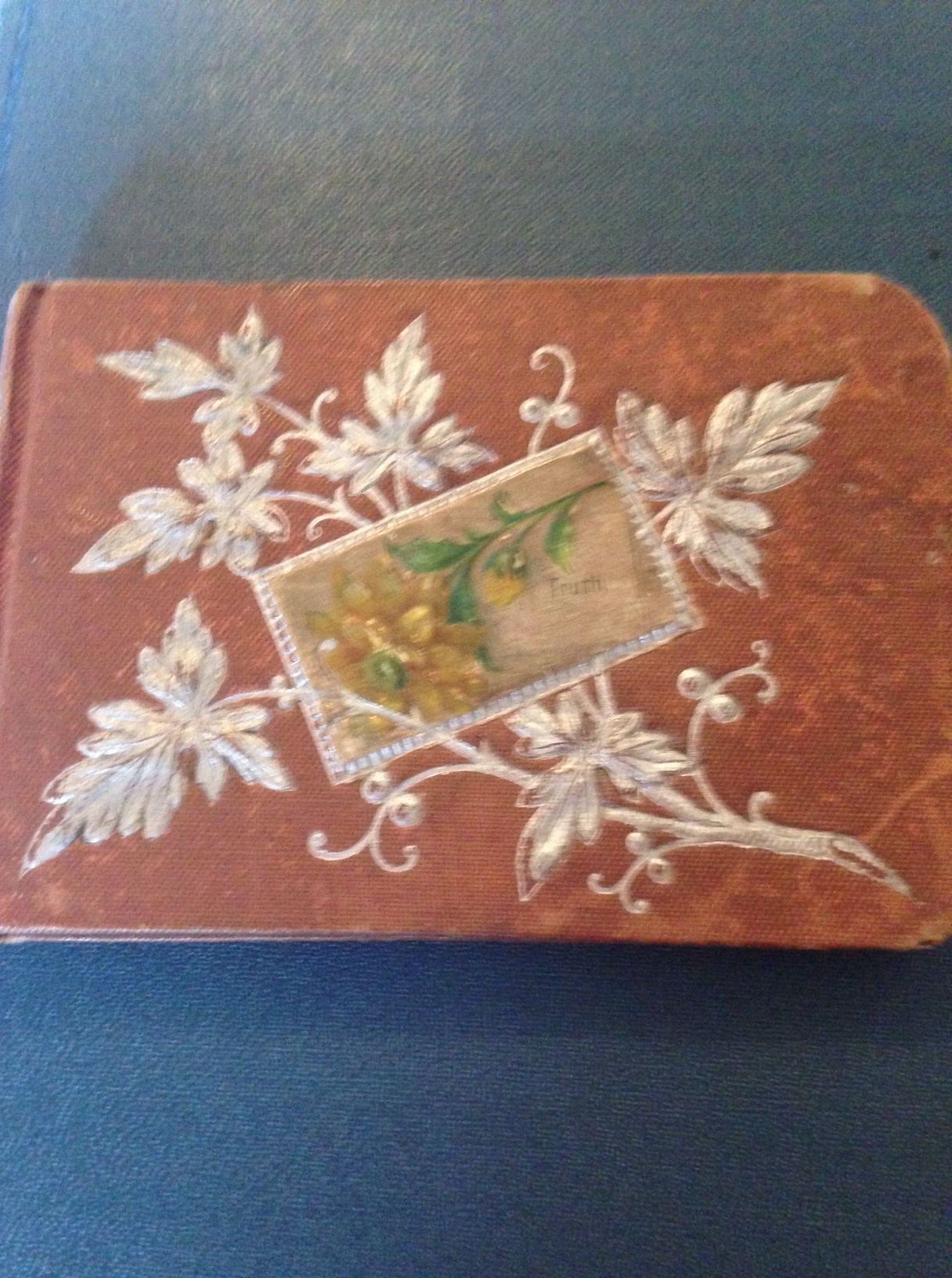
Henry Risser Longenecker, referred to by friends and family as H. R. or “Hen,” was my grandfather on Dad’s side of the family. He died when I was five, but I have a distinct memory of him killing a snake in the grass with a long stick. Like my father, he was a doctor of motors interested in steam engines, Model A Fords, and farm equipment. Until I unearthed his autograph book, I had no idea he had artistic leanings as revealed in his autograph book. Autograph books, common in classrooms in the 1800s, contained signatures, artwork, and bits of poetry. According to Folklore: An Encylopedia of Beliefs, Customs, Tales, Music, and Art, Vol. 1 (edited by Thomas A. Green) autograph books, existed as early as the fifteenth century and were seen as “a mark of gentility until the beginning of the twentieth century.”

The cover of Henry Longenecker’s autograph book reveals artistic flair with a faint inscription of a great virtue taught to every school child, the word Truth visible if you squint carefully at five faint letters appearing close to the embossed yellow flower.

HRLAutographBook

The dedication appears in flowing cursive penmanship with a dove’s beak clasping Cupid’s arrows

HRLsignatureAutograph_final

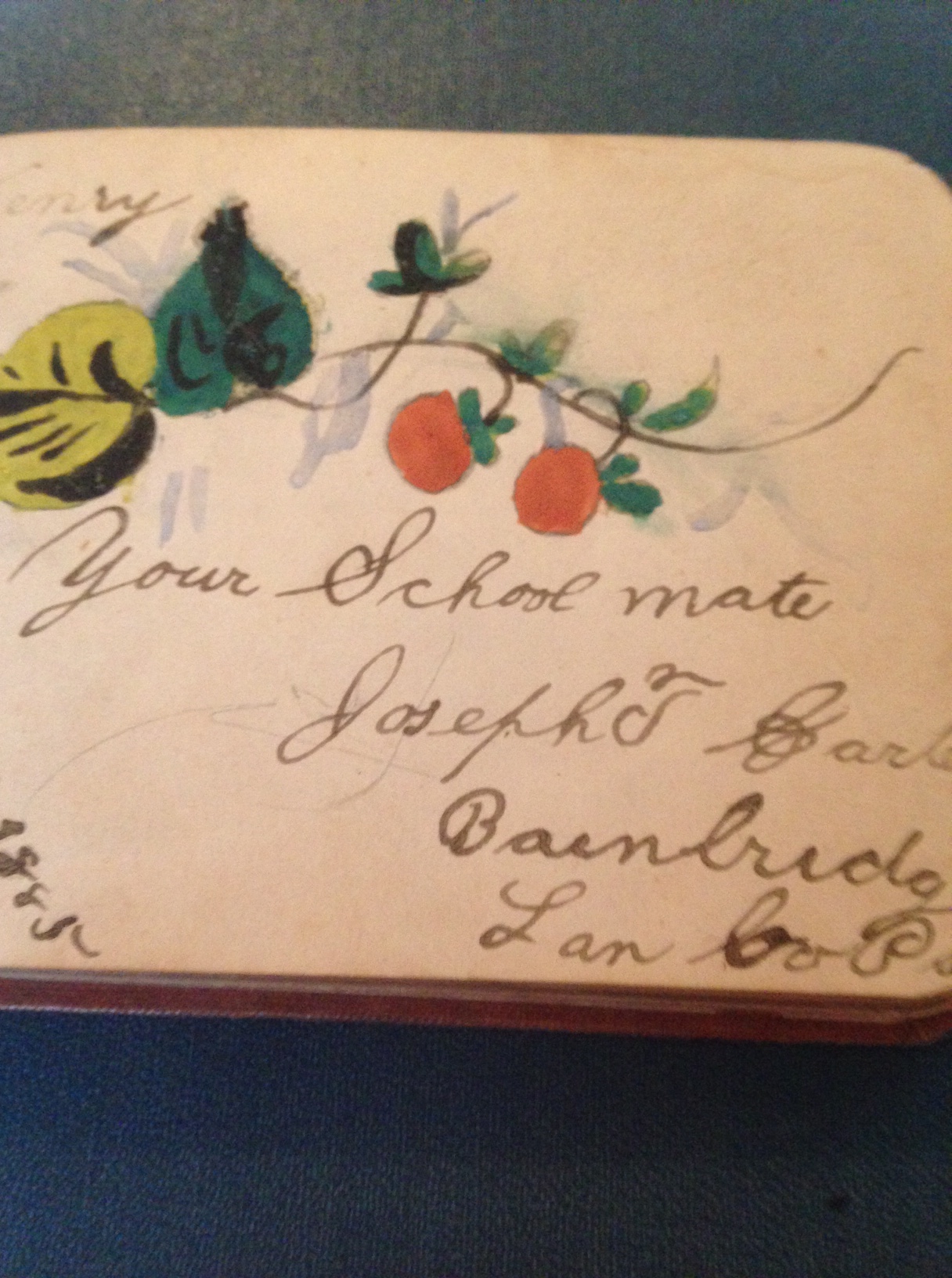
Painted artwork, still-brilliant, graced most pages like this one, complete with signature and date.

Signature: Joseph T.  Garber     Complete date: February 3,1885
Signature: Joseph T. Garber           Complete date: February 3,1885

 Autograph books tell us several things about students in the late 1800s:

1. Penmanship was taught and valued as an artistic skill.

2. Friendship and learning were intertwined. Both were expressed as an art form.

3. Students took great pride in their work.

*  *  *

What else can these books teach us?

Coming next: What color makes you sing?

Purple Passages and Fine China

READING

La Lectura es el viaje de los que no pueden tomar el tren.        – F. Croisset

(Reading is the journey of those who cannot take the train.)

Marian Reading_14mos._2x4_300

Some books are to be tasted, others to be swallowed, and some few to be chewed and digested . . . .           Sir Francis Bacon  “Of Studies”

I find television very educating. Every time somebody turns on the set, I go into the other room and read a book.     Groucho Marx

It is what you read when you don’t have to that determines what you will be when you can’t help it.    Oscar Wilde

LAUGHTER

When we laugh, a sort of temporary anesthesia is released within us that blocks the pain as our attention is diverted.      Chuck Swindoll in Five Meaningful Minutes a Day

I love people who make me laugh. I honestly think it’s the thing I like most, to laugh. It cures a multitude of ills. It’s probably the most important thing in a person.    Audrey Hepburn

CHINA   

Friendship is delicate as [china], once broken it can be fixed but there will always be cracks.    Waqar Ahmed

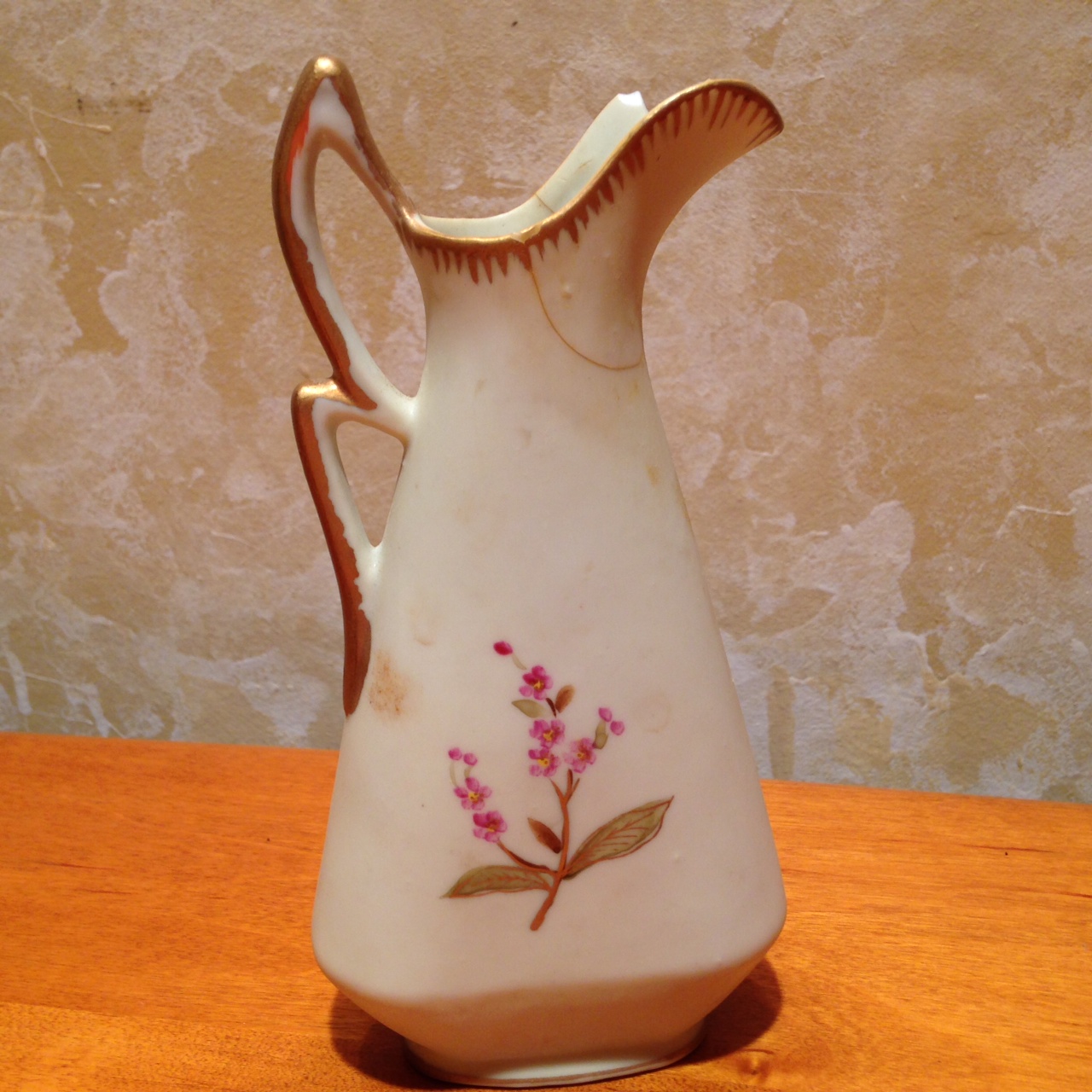
Pitcher Broken

It’s a wise husband who will buy his wife such fine china that she won’t trust him to wash the dishes.    – Honoré de Balzac

ChinaFine

I’ll love you, dear, I’ll love you till China and Africa meet and the river jumps over the mountain and salmon sing in the street.      – W. H. Auden

We have a week and a half left of work and we are like delicate china speeding toward a brick wall. Sounds fun, huh?     – Jennifer Anniston

Start living now. Stop saving the good china for that special occasion. Stop withholding your love until that special person materializes. Every day you are alive is a special occasion. Every minute, every breath, is a gift from God.     

                   Mary Manin Morrissey

A comment? Another quotation? Both are welcome here!

Playing Tag, The 2014 WIP Tour: Who’s Next?

On the playground of Rheems Elementary School, Red Rover, Hide and Seek and Tag were standard fare. I wrote about fun at recess in a blog post last September entitled Games We Played.

Google Images
Google Images

In the blog world, I have been tagged in the 2014 Work in Progress (WIP) Blog Tour, offering authors the chance to share snippets of their Works in Progress. When Janet Givens tagged me, my first reaction was this: “I’m so busy in my personal life and my writing life, I don’t know how I could possibly squeeze in another thing!” At the time, she did not remind me that she herself was busy promoting her just-published memoir of her years in the Peace Corps At Home on the Kazakh Steppe while keeping current on her blog.

Before I said, “Okay, I’ll do it!” she explained, “It’s really simple. There are just three rules.”

1. Link back to the post of the person who nominated you. (See above.)

2. Write a blurb about and give the first sentences of your next three blog posts (or book chapters)

3. Nominate four other writers to do the same.


While thoughts of my memoir are incubating, I have spent time here on my blog mining material that may be woven into my book some day. Here, in chronological order, are the opening lines of my next two blog posts and a blurb from the preface to my work-in-progress memoir. That makes three!


November 8: “How to Tell Your Children What’s What” 

Unlike Hansel and Gretel whose mother tried to starve them and then lock them out of the house, Mother Longenecker provided well for her children and left behind, not white pebbles or bread crumbs, but hand-written notes tucked away to tag her heirlooms.


November 12: “Purple Passages and Fine China”

La Lectura es el viaje de los que no pueden tomar el tren.        – F. Croisset

(Reading is the journey of those who cannot take the train.)

Excerpt from preface of my untitled memoir, WIP:

There was a crooked man, and he walked a crooked mile,

He found a crooked sixpence against a crooked stile;

He bought a crooked cat which caught a crooked mouse,

And they all lived together in a little crooked house.

The Longenecker family doesn’t have a cat in residence but we all live together in a little crooked house. Crooked as in lintels above the bedroom doors that slope crazily so much so that they can never be closed tight. Crooked as in floors that sag slightly so that water flows oddly when I’m on my hands and knees washing up the kitchen linoleum. Sagging steps from the 1903 part of the house leading down to the cellar. Every night I sleep downhill on my hard feather pillow.

But there is nothing crooked or saggy about my upbringing . . . .


Now it’s my turn to tag 4 writers for the 2014 WIP Tour:

1. Laurie Buchanan, holistic health practitioner and life coach with inspirational posts weekly on Tuesdays with Laurie. They are short, sweet, and wise.

2. Marie Keates, blogger tells true stories with a British accent. When her fat-girl-slim-blog was hacked (decimated) recently, like a Phoenix she rose from the ashes and now posts at I Walk Alone.

3. Melodie Miller-Davis, author with over a dozen books/cookbooks to her credit, most from Herald Press, she writes weekly on her blog, Finding Harmony.

4. Marylin Warner, writing coach, short story and memoir author, writes of the remarkable connection to her literary mother suffering from Alzheimer’s in her blog Things I Want to Tell My Mother.

I hope you’ll click on the links and visit their sites often.

None of the four are under any obligation to play tag. But I hope they do. I’m looking forward to reading bits about their Works in Progress. So, Laurie, Marie, Melodie, and Marylin. You’re it!

*  *  *

Coming next: How to Tell Your Children What’s What