Blog Tour

MarianStudyLong2

Here is my study. When the magic happens, it happens here. Actually, it might happen in the flower garden just outside my window in the form of a thought or image which gets transferred from my head to my fingers at my desk. . . .

Every once in a while, fellow bloggers alert me to a writing challenge, many of which I pass over for lack of time or interest. This time, Traci Carver invited me to participate in a Blog Tour. I couldn’t turn her down. Why, just last week we had lunch together. Besides the “tour” is an intriguing way to play tag and learn about other writers’ habits and sources of inspiration while sharing my own. So, a big shout out goes to Traci, story-teller extraordinaire, who turns the cotton of her everyday experience as an English teacher into pure gold. A true Southern belle, Traci is a master of the anecdote. Her stories derive from the small Georgia town she grew up in, the fishing villages of Southeast Asia where she lived for 7-8 years, or from European travel. Now to the questions:

1. What am I working on now?

Three unrelated things at the moment: Preparing for a trip to Pennsylvania soon where I will mine more stories for this blog, purging clothes from the spare bedroom closet to make space for a long-term guest, and writing every single day. My blog has taken shape from 8-9 journal scribblings along with a set of paired stories written with my friend Professor Carolyn Phanstiel before we both retired from teaching.
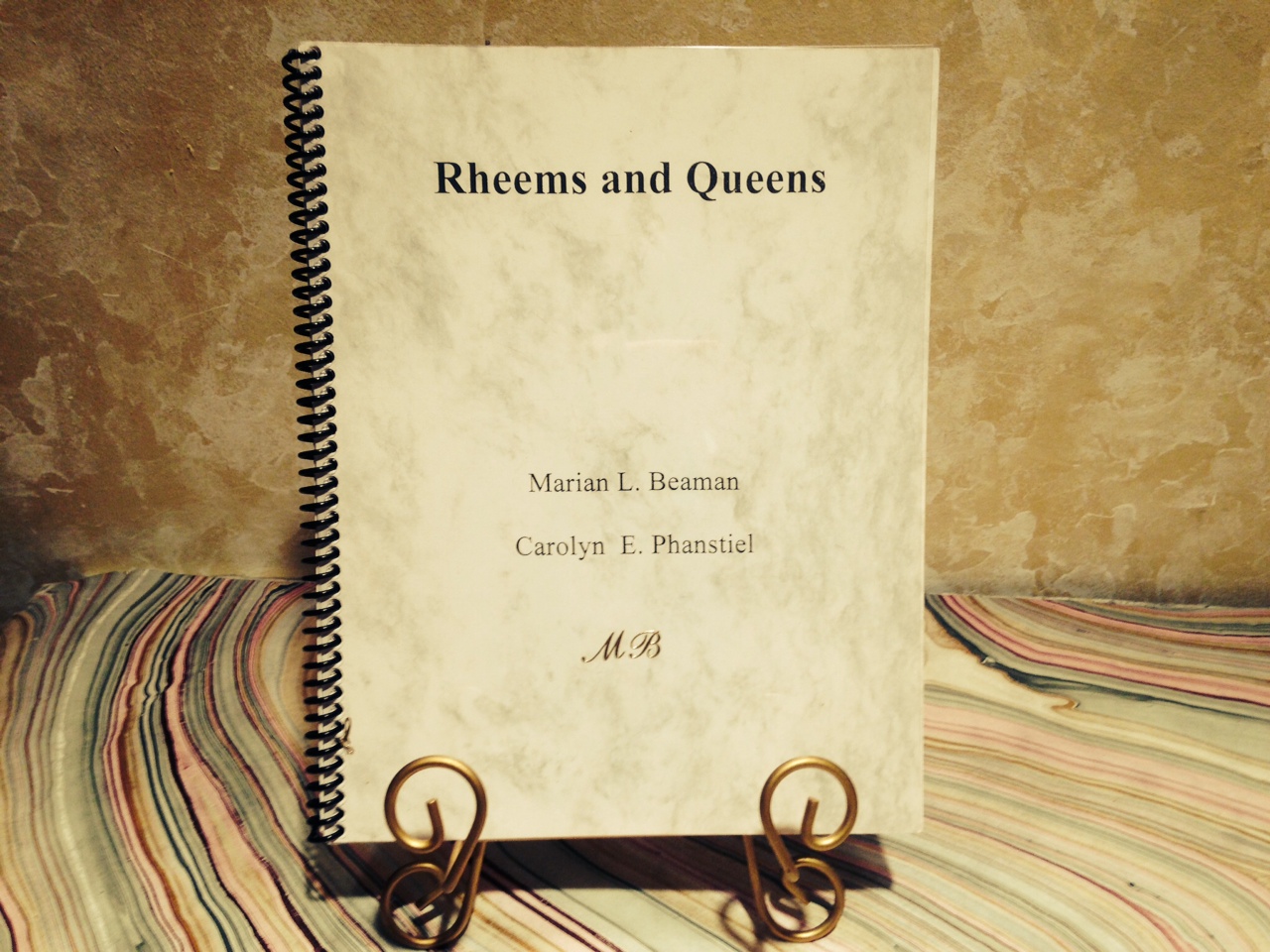
MarCarBOOK

There is a .doc on my computer desktop where my memoir is taking shape. Right now, it doesn’t have enough structure to “roll it through a printing press,” as Traci wisely observes.

2. How does my work differ from others in the genre?

According to Jerry Waxler, a Memoir Revolution is in full swing. Each year thousands of new memoirs pour onto the shelves. Millions are writing memoir right now. Even in the Mennonite sub-culture, hundreds of memoirs have been published since Canadian Mennonite Katie Funk Wiebe’s publication of Good Times with Old Times, touted as “an egg with a double yolk” because it is part memoir, part how-to-write-your-own-story book.

So how is my writing different? Well, my world view has been tempered by time and place. No longer a Mennonite, I still identify with many aspects of an Anabaptist vision. Also, I was transplanted to Florida as a newly wed which would affect my perspective. Then too, I have a large set of artifacts and some living relatives that connect me firmly to my past. Like other memoirists, especially of the academic variety, I tend to weave the literary with the familiar. Sometimes readers say they can detect humor in my writing voice, which I hope makes my writing appealing, if not unique.

3. Why do I write what I do? 

What motivates me to write is my compulsion to leave a legacy for those who follow, particularly my family. Beyond that, I write what I know and to find out what I don’t know. Many stories are nostalgic, some reflect strong feelings of embarrassment, surprise, endearment (Search the “Moments of Extreme Emotion”); others are historical or hysterical.

4. How does my writing process work?

I was asked that question a few months ago, and the answer turned into a post on the blog of Kathy Pooler, whose memoir launches in this July. A legal-size pad, colored sticky notes, WORD docs, and photos are often part of the process.

Like Traci, I will tag two innocent bystanders, Merril Smith of Yesterday and Today: Merril’s Historical Musings, and Judy Berman of earthriderdotcom.

A published author of encyclopedic proportions (and I mean that literally) Merril’s blog posts frequently become meditations on the mundane, for example “Airing Out Some Thoughts on Laundry.”  Her About page describes her as writer, editor, independent scholar, focusing on the history of women, sexuality, and culture. She has published consistently since 1997 with a forthcoming book with the titillating title: Cultural Encyclopedia of the Breast.

Judy invites you to travel down the corridors of her mind as she narrates stories she heard growing up, from her travels, her family, and experiences in various jobs as radio and newspaper reporter and English teacher. Judy has received numerous blog awards, including The Versatile Blogger Award and The Sunshine Blog Award. In a Father’s Day tribute, Judy included a photo of Dad and her stranded alongside the road trying to fix an over-heated motor.

Merril and Judy: You’re “it”!
 

Hats Off to Dad!

My father wore many hats. Work hats mostly, but also a goofy blue derby hat I faintly remember stashed high up on a closet shelf, and a fedora reserved for Sundays or other special occasions. Through his long history at the shop, Daddy sold a wide array of tractor brands which supplied him with hats embroidered with their company logo: Massey-Harris, Minneapolis Moline, New Idea, Fox, and Deutz.

His hats changed with his loyalty to the brand of farm equipment he was promoting. None made him happier, however, than the hat he wore with one of his first purchases after his father, Henry R. Longenecker, passed the business on to him. With the tag still attached to the grill, Daddy proudly drove the new Massey-Harris tractor back and forth in the alley next to the shop in Rheems, his sister Aunt Ruthie recording the spectacle with her new 16 mm movie camera.

Shop Hats

The Welding Helmet Invented by the German Hans Goldschmidt in 1903, welding was one of my Dad’s specialties, a boon to farmers with harvester units or even plow shares needing repair. A free-standing acetylene cylinder and oxygen tank for welding stood near one of the double wooden doors. This allowed easy access for welding repairs as a tractor or harvesting equipment was pulled through the giant, wheeled doors that ran back and forth on a metal channel.

I watched Daddy slap a Darth Vader-like helmet on his head, don long, flared-sleeve gloves, and use long, skinny welding rods to fuse broken parts together. Sparks flew everywhere in this Fourth of July fireworks show extending into August, the height of the harvesting season.

Along the back of the dark recesses of the shop was a large grinding machine that could sharpen a 6 to 8-foot section of blade used for scissoring hay, wheat or barley.

Daddy did most of his work in his shop but occasionally he was called to the field. A doctor of motors, he made “house” calls to the fields of anxious farmers, work stalled with broken-down equipment.

Farm Hats

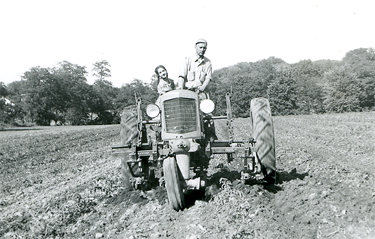
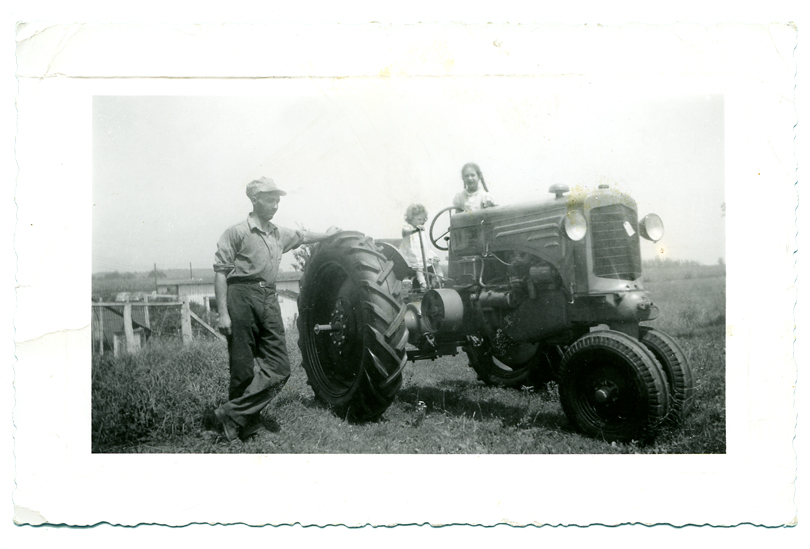
My father was first of all a farm implement dealer and mechanic, but he also farmed ten acres of land in Bainbridge, Pennsylvania combining corn and tobacco crops and then later corn with tomatoes. Farming is serious business in the searing sun requiring a cap with a long bill. The result:  a white “farmer” forehead and red-brown cheeks and arms. My mother and Aunt Ruthie often wore sun bonnets, in the field but as you can see, we were bare-headed and probably bare-footed too.

Brand new tractor with tiny sister Jean and me behind the wheel
Cultivating land for tomato crop in Bainbridge

A beekeeper too, my dad wore a bulky hat complete with a mesh veil to smoke out the bees.


Fancy Hats

Church, weddings, funerals – all were occasions for a fancy fedora. But one occasion in particular required dressing up: posing on the steps of the U. S. Capitol building ready to meet with congressmen regarding the threat of a proposed air base to some of the rich farmland of northern Lancaster County. A sizable delegation of plain people (many of them Mennonites) including my dad in his fedora and Grandma drove to Washington D.C. to make their case with government officials. When a follow-up investigation was conducted, sink-holes had reportedly been found in the farm-land around Bossler’s Mennonite Church. The case was subsequently closed.

Sadie Greider, Grandma Fannie Longenecker and Ray Longenecker  on steps of the Capitol in Washington, D. C.
Sadie Greider, Grandma Fannie Longenecker and Ray Longenecker on steps of the Capitol in Washington, D. C.

Tell us about your dad’s hats – what he wore, or any other “Dad” memory you want to share now.

Moments of Extreme Emotion: A Broken Leg & Ecstasy Expressed

Moment of Exasperation

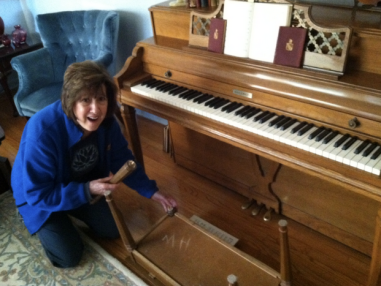
One of the mysteries of life is how things happen at our house. Specifically, how did the leg on this piano bench break? We still haven’t figured out the answer for sure though we have speculated on some possible explanations.

BrokenPianoBenLeg

How did this happen? Vote in this short quiz:

a. Piano bench overloaded with music books

b. Over-weight pianist

c. Kids had wild party while parents were gone

d. All of the above

e. None of the above

(Answer on next blog post.)

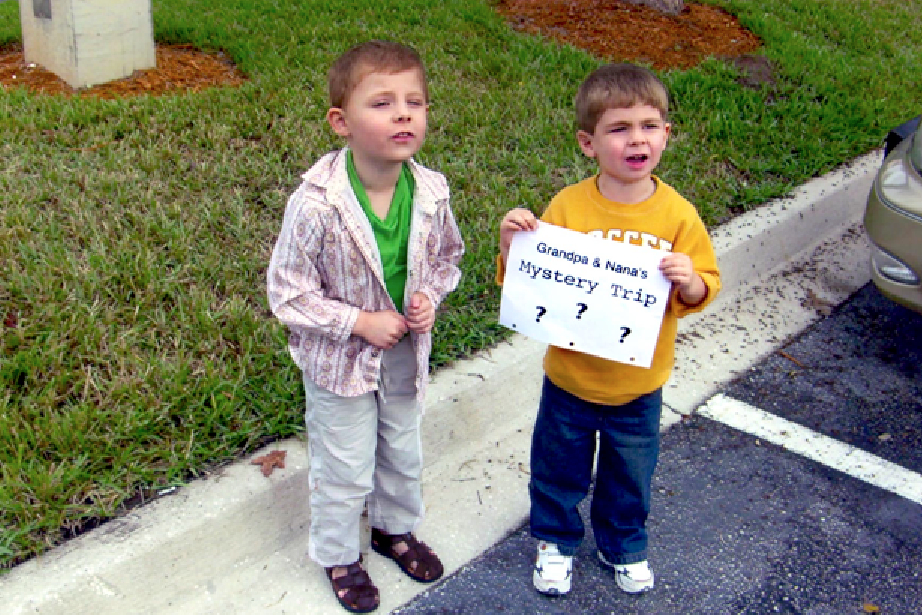
Mystery Moment

3PatCurtis

Completely befuddled, Patrick and Curtis react to the Mystery Trip announcement sponsored by Grandpa and NaNa:

Patrick: What’s a mystery trip?

Curtis: Is it safe to drive with Grandpa?

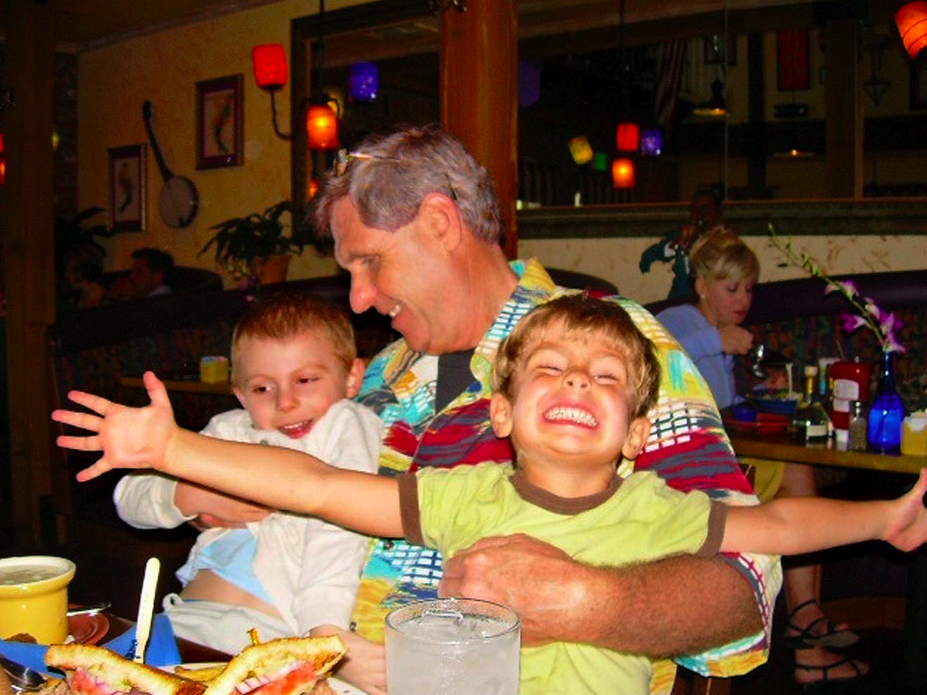
Moment of Extreme Ecstasy

Patrick and Curtis about 6 years ago at O'Charley's Restaurant
Patrick and Curtis about 6 years ago at O’Charley’s

Grandpa’s paying!

Have you had a moment or two of extreme emotion lately? Or long ago?

Thank you for adding your story to mine!

The Good Ole Summertime & the Simple Life

“In the Good Old Summer Time” shares nostalgic space with another old, familiar tune of the season: “Summer time and the livin’ is easy.” Summertime for the Longenecker family may not have been easy in the 1950s what with tomato field hoeing, canning, freezing vegetables from the garden, but it was simple.

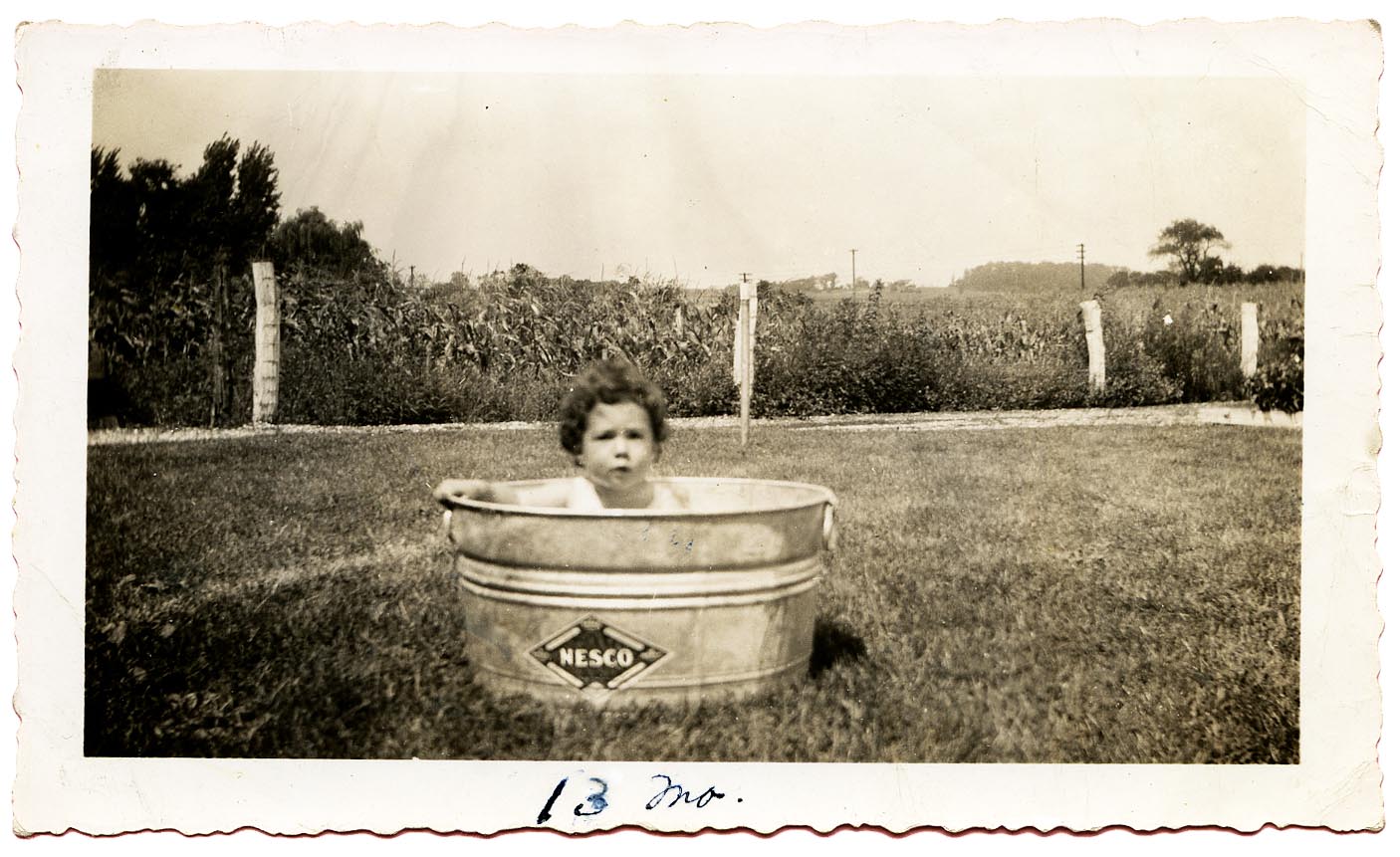
This is a pict-o-logue of summertime for me from 13 months to about age 13.

Marian in tub_13 months_4x3_300

“Naked in a tub” would be a sensational caption for this photo were it not for the fact that I’m only 13 months old. Later I recognize that this glistening galvanized tub is also used for blanching sweet corn ears from the garden lot.

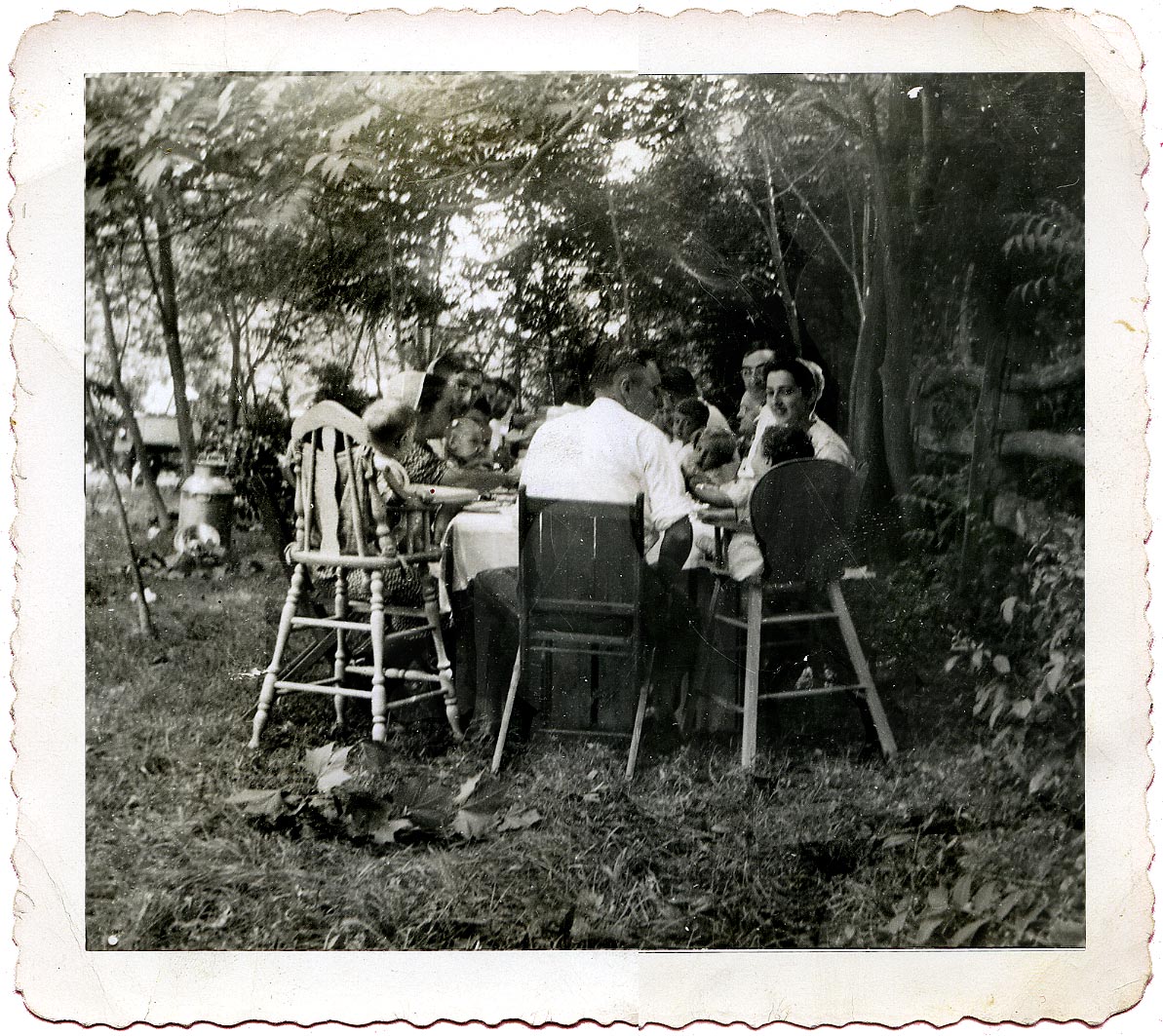
I'm sitting in high chair to the right at Metzler reunion picnic
I’m sitting in high chair to the right at Metzler reunion picnic

Reminiscent of Manet’s Le Dejeuner sur l’herbe (yes, it’s a stretch) but in a far simpler, Mennonite style, the Metzlers on Mother’s side of the family gather for a Sunday summer picnic In Uncle Clyde’s meadow, large crates holding up the table. After dinner the children scatter, the women clean up, and the men take down the table. I won’t be surprised when one or two of my uncles might light up a cigar rolled from home-grown tobacco.

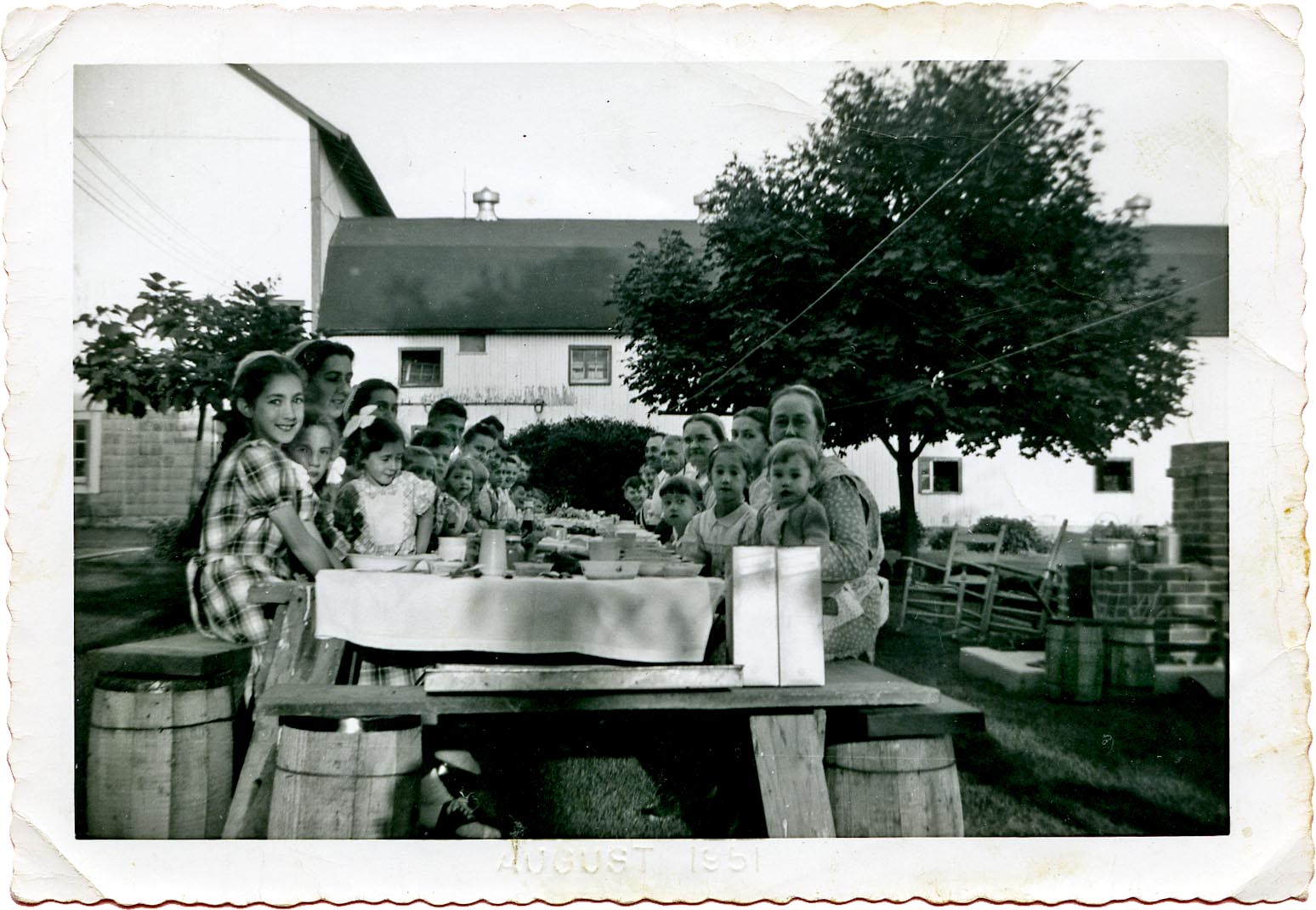
Picnic on Leroy Metzlers Farm_Marian age 10_final

Uncle Leroy and Aunt Clara’s farm is the perfect place for a summer Sunday dinner on the lawn. Hefty barrels hold up this groaning board as we pass around the seven sweets and seven sours, every family bringing a dish to another Metzler reunion.

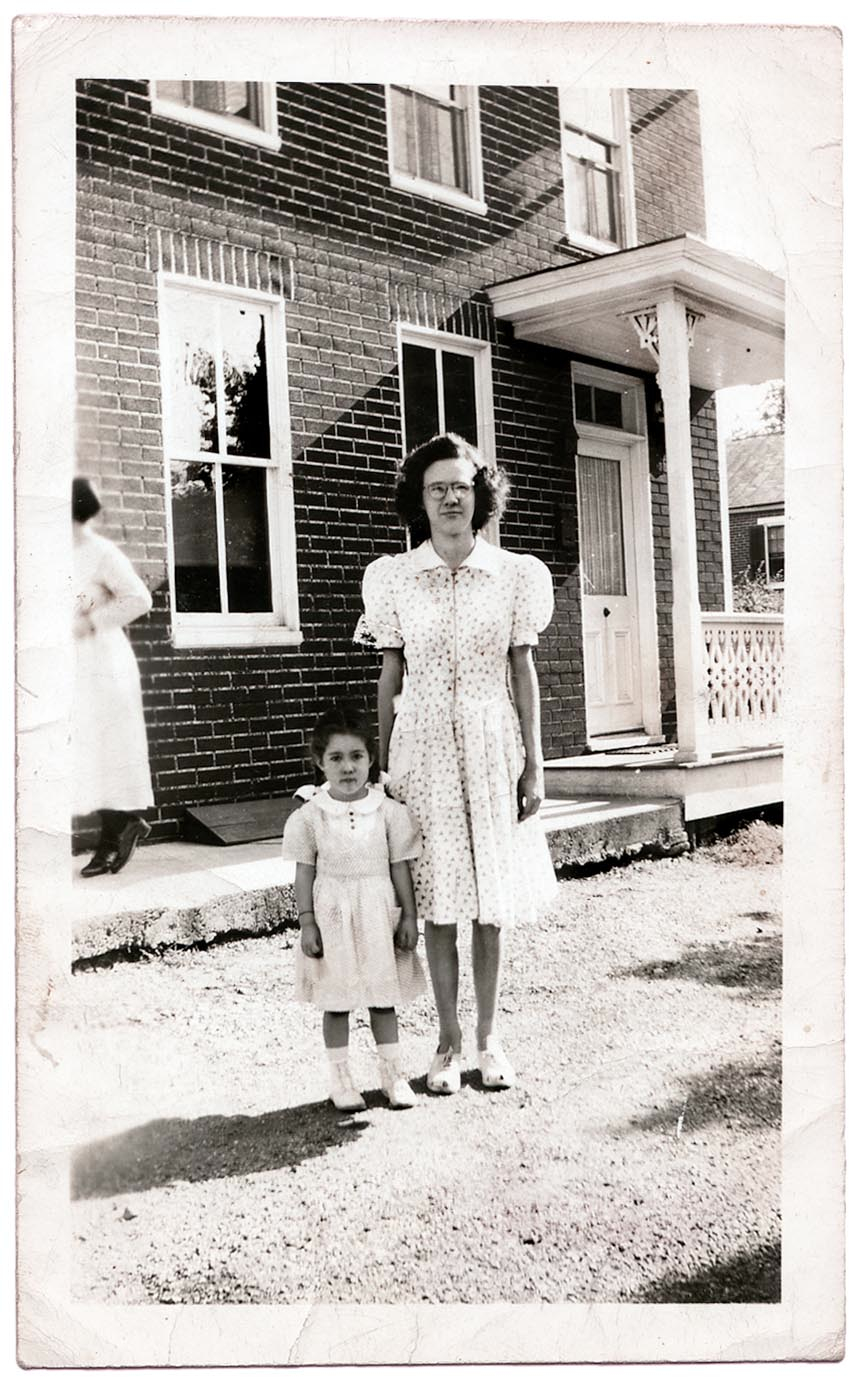
In Middletown with Daddy's cousin Janet Martin
In Middletown with Daddy’s cousin Janet Martin

I also have a turn visiting Uncle Frank Martin’s household, one of Grandma Longenecker’s younger brothers. Aunt Mattie braids my pig-tails every morning as I sit in her kitchen looking up at the tall ceilings. She plaits very slowly because she doesn’t have much experience with little-girl hair. Her girls, Joyce and Janet, are not plain and have naturally curly hair that hangs free. They both wear shoes with open toes, a detail not lost on me. Cousin Sammy likes to tease me, but his sister Janet takes me on walks around the block because their house is in town, Middletown, Pennsylvania, my first taste of life outside of the country.

Marian and Janet Metzler_age 6-7_3x5_300

After I reach school-age, summer is a time for the cousin exchange. My favorite summer visits are with Cousin Janet, of all the Metzler cousins the one closest in age to me. I am fascinated with her strawberry blond hair and lighter skin. All of my family have an olive complexion, dark hair. We play with fat, sticky strands of Cinderella hair on our dolls and make up stories upstairs in the small bedroom. Soon Mom will call us down to the kitchen for root-beer floats sipped with plastic straws probably saved from last summer.

The next time I go to Janet’s house for a week in summer, I fall off my bicycle onto the gravel, grinding sharp bits into the skin around my kneecap. Though the bruise starts to recover, I don’t bounce back from the tumble. In the day or two following, I have crying spells, so Aunt Jenny calls my parents.  When they pick me up, I feel both embarrassed and relieved.

*  *  *

Tell us your summer vacation memories. We’re all ears.

Home-grown Miracles: See, Taste, Touch

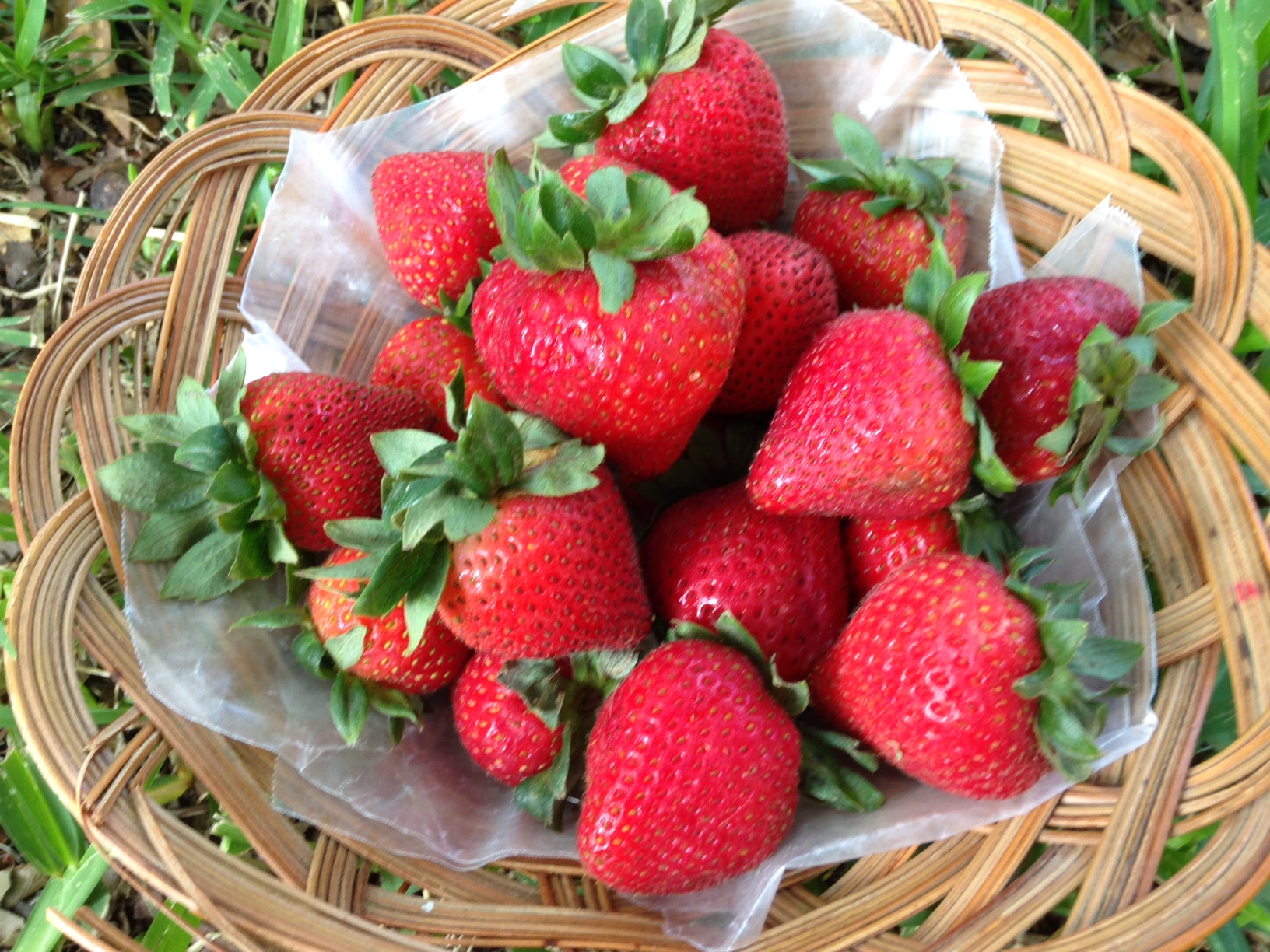
estrawberries

 StrawPoem2

AntFinger

BugPoem1

radishes

Radish3

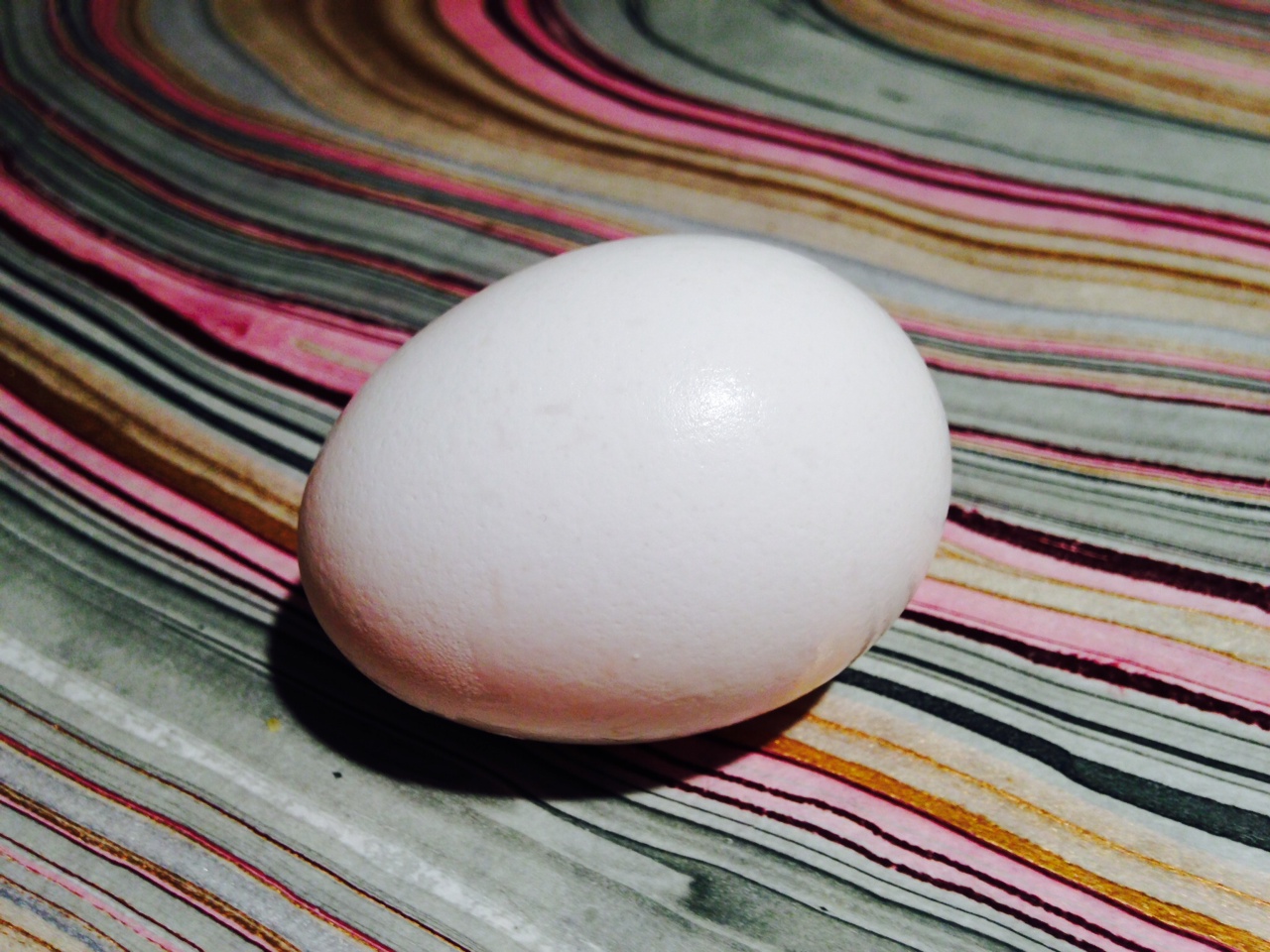
Egg

EGG

Reader, in your hand you hold

A silver case, a box of gold.

I have no door, however small,

Unless you pierce my tender wall,

And there’s no skill in healing then

Shall ever make me whole again.

Show pity, Reader, for my plight:

Let be, or else consume me quite.

– Jay MacPherson

All poems from Animal, Vegetable, Mineral: Poems About Small Things, selected by Myra Cohn Livingston, HarperCollins, 1994.

*  *  *

Barbara Kingsolver, author of several New York Times best-sellers including The Poisonwood Bible, published her first work of non-fiction, Animal, Vegetable, Miracle: A Year of Food in 2007, which makes the case for eating local. Here is an excerpt from the book:

“This is the story of a year in which we made every attempt to feed ourselves animals and vegetables whose provenance we really knew . . . and of how our family was changed by our first year of deliberately eating food produced from the same place where we worked, went to school, loved our neighbors, drank the water, and breathed the air.”

The blurb from GoodReads website entices to read more:

Hang on for the ride: With characteristic poetry and pluck, Barbara Kingsolver and her family sweep readers along on their journey away from the industrial-food pipeline to a rural life in which they vow to buy only food raised in their own neighborhood, grow it themselves, or learn to live without it. Their good-humored search yields surprising discoveries about turkey sex life and overly zealous zucchini plants, en route to a food culture that’s better for the neighborhood and also better on the table.

Part memoir, part journalistic investigation, Animal, Vegetable, Miracle makes a passionate case for putting the kitchen back at the center of family life and diversified farms at the center of the American diet.

Depending on where you live, you are enjoying some fresh fruits, vegetables, or flowers this time of year. 

What appeals to your senses right now?

Two Mennonite Nonagenarians: Mother Ruth & Aunt Cecilia

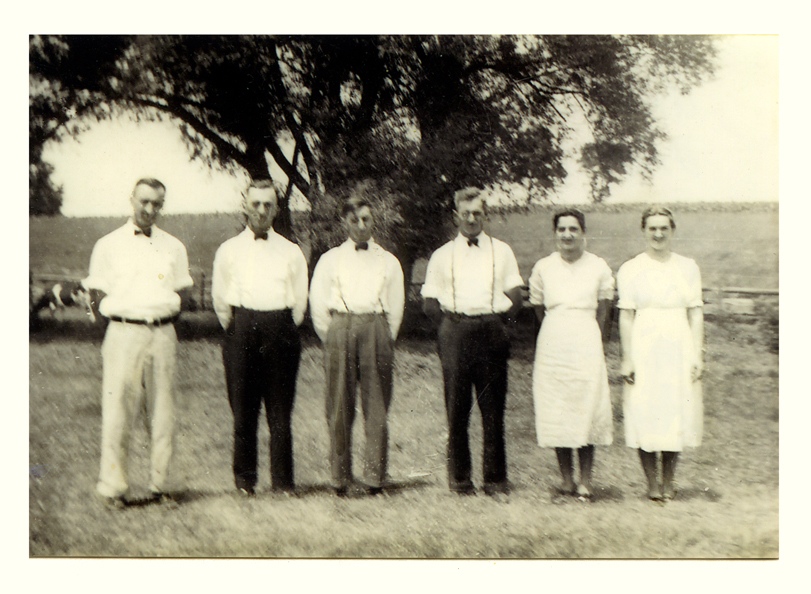
Here is my mother’s family of four brothers and one sister in a farm meadow in the 1940s. They are children of Abram Hernley Metzler and Sadie Landis Metzler, a Mennonite family of Lancaster County, Pennsylvania.

Metzler_Uncles_Aunts_young_5x4_150

Standing in birth order are her brothers Landis, Leroy, Clyde, Abram, Jr., with my mother and her sister Verna. Two of her siblings died in their sixties, the others in their seventies. Only my mother is still alive at age 95.

When Mother turned 90 in 2008, her 94-year-old sister-in-law Cecilia Metzler, married to my Uncle Clyde, said to her: “Ninety’s nothing . . . . You have to live past that to make your mark these days.” (Then I saw a quick smile and heard an I-got-you-there chuckle.) Aunt Cecilia, who calls herself Cece now, has always been energetic and feisty, a farm wife and a pastor’s wife. Up until 2011, she has sent me Christmas cards – always the first week of December. And via her daughter Erma’s account, I would occasionally even get email messages from her.

Aunt CeCes card_9x7_300

Mother too has always been strong and hardy all these years. She still lives alone but has watchful neighbors along with my brother Mark who checks in with her regularly. Her mind is still sharp though her hearing, which has always been in a category I’d call bionic, is failing now. When I asked her a few weeks ago, “Do you remember wearing Evening in Paris cologne?” She questioned me back, “Carrots, what do you mean carrots?” This from a woman who most of her life had to hold the telephone receiver away from her ear because the sound was too loud. Oh, my.

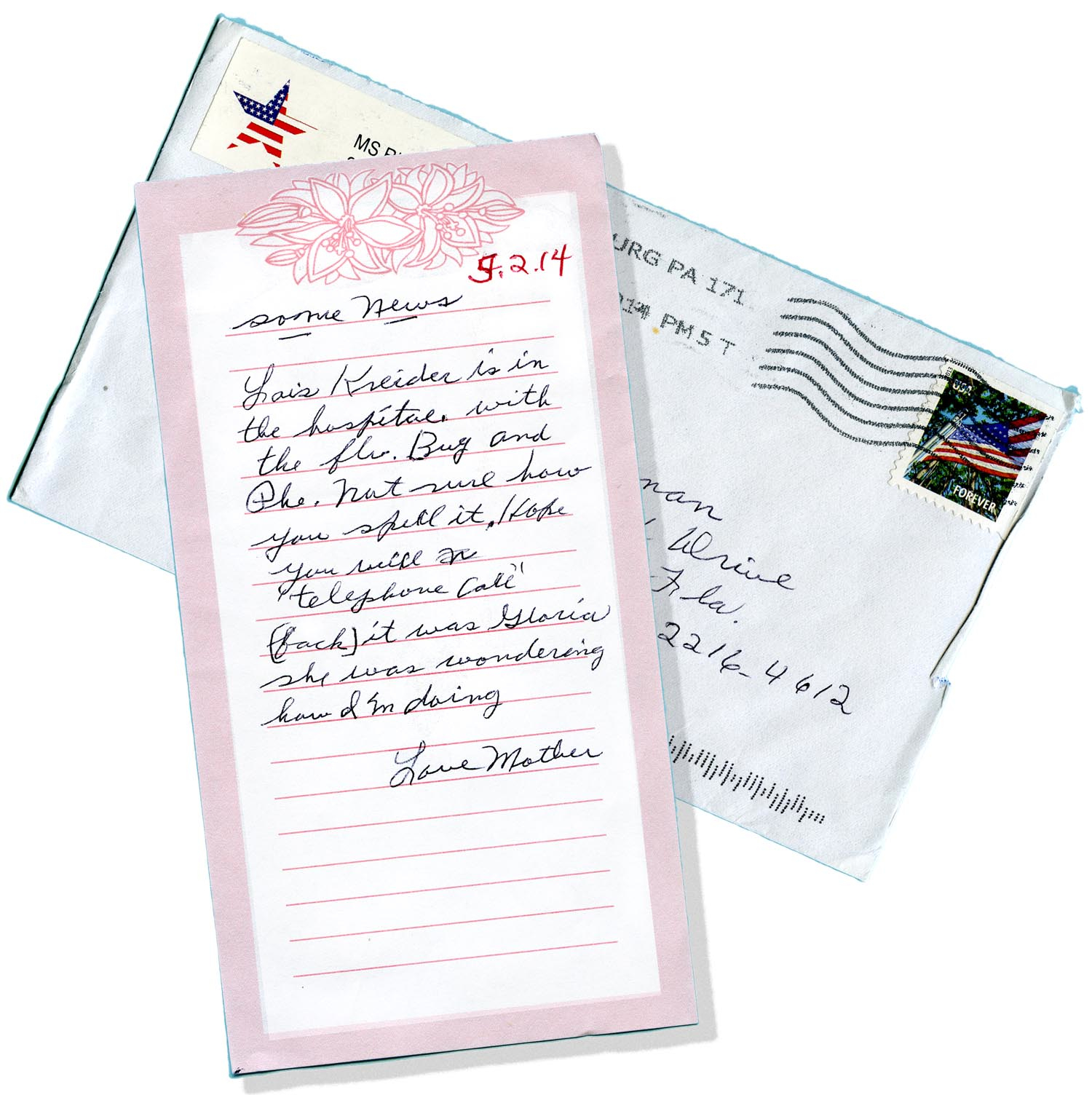
I call her often, but she says she likes to get something in the mail, a letter with a stamp on it, she hints. As if to demonstrate how it’s done, last week she sent me a short note with concern about a friend’s health along with a check for special vitamins I send to her. Yes, she still pays her own bills.

Thankfully, her friend is fine now.
"Cecilia Do you really think we are going to live to be 100?" my mother might be asking.
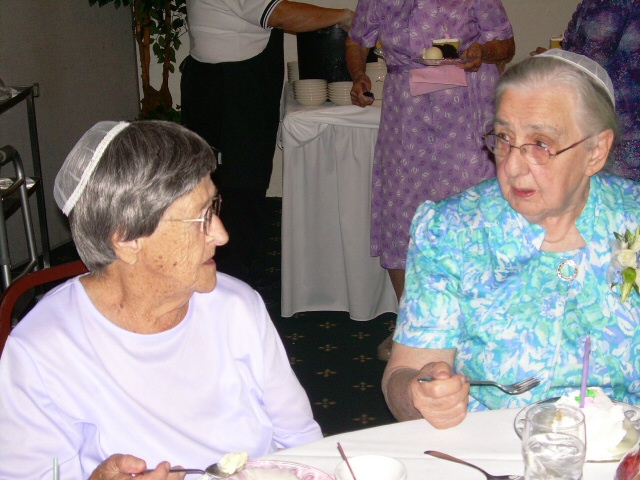
“Cecilia, do you really think we are going to live to be 100?” my mother may be asking.  (Photo: Mother’s 90th party at The Gathering Place, Mount Joy, PA.)

*  *  *

Recently, “60 Minutes” aired a show entitled Living to 90 and Beyond hosted by correspondent Lesley Stahl. The show featured interviews of some of the more than 1600 men and women who participated in a study named “90+” funded by the National Institute of Health. All of the data was collected in the 1980s from residents of a community south of Los Angeles called Leisure World, now re-named Laguna Woods. The study was launched to determine the secrets of longevity and perhaps find clues to preventing diseases like Alzheimer’s often associated with advancing age.

On air, the interviewees, all over 90, were shown undergoing physical testing: reflexes, pace of walking, how quickly they could sit down and stand up again. Their mental acuity was checked as well: Tell me today’s date, spell w-o-r-l-d backwards, remember these words (brown, shirt, charity) – I’ll ask you to repeat them to me in a minute. And so on.

Claudia Kawas, spokesperson for the NIH study, concluded with some statements that weren’t at all surprising. And some that were:

  • People who exercise definitely live longer than those who don’t.
  • Board games, socializing with friends, working in the garden enhance mental health.
  • Taking vitamins doesn’t seem to make much difference.
  • It’s not good to be skinny when you are old.
  • Drinking 1-3 cups of coffee seems to be beneficial.
  • One or two glasses of wine daily is recommended.

My Mother, almost 96, and Aunt Cecilia, now age 99, were part of the “Game Girls” crowd in their prime. They loved playing Uno, Skip-Bo, and Hand & Foot with friends. And they probably both still drink one or two cups of coffee with breakfast.

But rest assured, neither of these good, elderly Mennonite ladies ever imbibes a glass of wine with dinner.

 WineForbidden

*  *  *

Most of us know one or more friends or family members over 90. Does longevity run in your family?

Do you have a story about a nonagenarian you know?

Coming next: A visit with author Kathleen Pooler and introducing her new book!

Fancy Dress Finds Plain Girl

Marian_Orchestra Letter E_Rev7x8_170

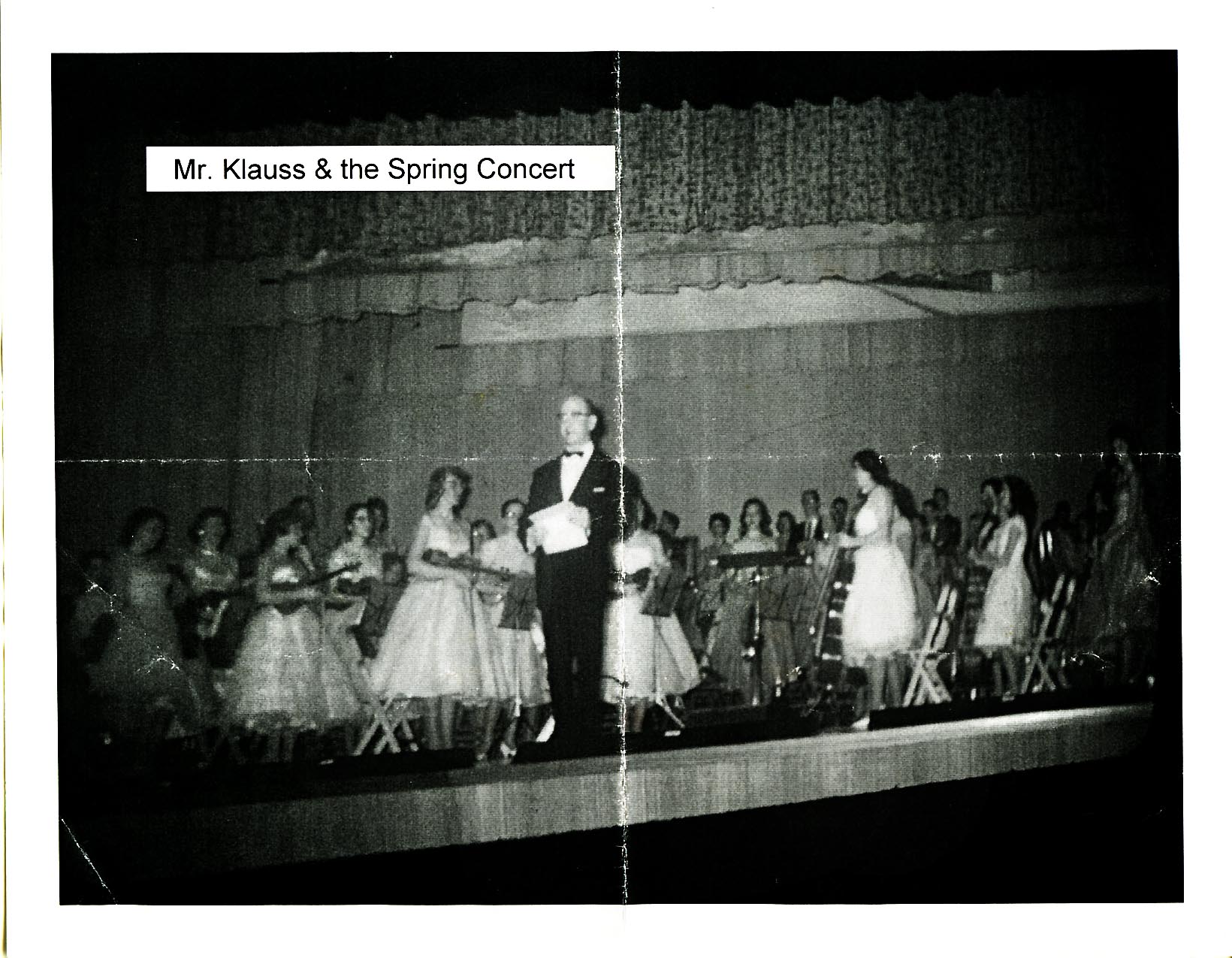
It’s spring concert time and I’m making my fingers fly fast over the strings of my violin pizzicato style, trying to keep up with the syncopated rhythms of The Typewriter Song.


Noah Klauss, the director of our Elizabethtown High School Orchestra, is a fan of Leroy Anderson pieces. Last year we played The Syncopated Clock, the sound of a swinging pendulum tick-tocking in our heads as we played the melody.

I am learning the music all right, but in the back of my mind I worry, “What am I going to wear to the concert?” The outfits I have are mostly home-made. A collar or buttons is the most exciting accessory on my blouses or dresses – no lace or plunging necklines for this Mennonite girl, the only plain girl in the orchestra. Obviously, unlike my friends, I don’t have a fancy gown hanging in my closet.

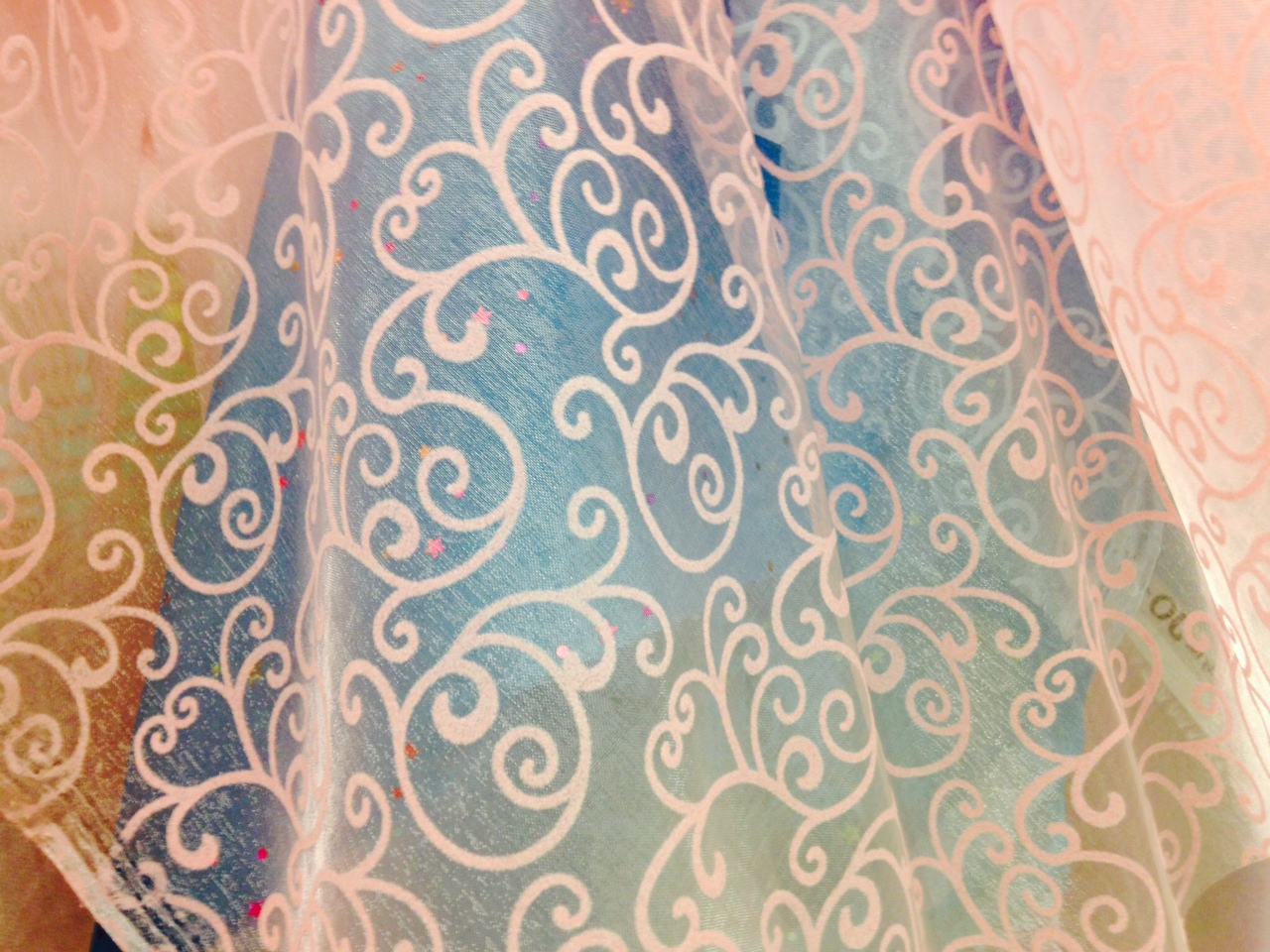
To the rescue: Aunt Ruthie, who out of the blue, gives me a call. Down over the hill I go to our second home, where she and Grandma Longenecker live. As I walk toward the dining room table, Ruthie pulls out part of a bolt of shimmery fabric flocked with swirling designs. I blink at the elegance. Woah!

Flocked fabric similar to actual material

She’s already cut out the pattern and I’m to help her stitch the pieces together. Call me Cinderella! I’m going to the ball with a tea-length gown, a fluffy confection beyond my wildest dreams. Even the pin-pricks at my fitting can’t puncture the feelings of fantasy enveloping me now. Thank God, I won’t stick out like a plain Jane after all.

Take away the buttons and lengthen the skirt, and you have my Spring Concert dress.
Snip off the buttons and lengthen the skirt – Voila! my Spring Concert dress.

Do my class-mates in the orchestra comment about my transformation? I don’t remember what anyone else said, if anything. But I do remember the crinkly sound of my gathered skirt as I sit down, violin in lap. And the brand new, starchy-sweet scent of my luscious frock as I pull the bow over the strings.

I'm the plain girl between two fluffy skirts on the left.
I’m the girl with glasses between two fluffy skirts on the left.

Is there an outfit that recalls special memories for you?


Tell your story here!


7 Things I Do that Remind Me of Home

Over forty years ago I left Lancaster county and my Mennonite life. Though I have visited dozens of times since then, Jacksonville, Florida, has been my home. Nonetheless, every single day I notice myself repeating rituals that reveal the imprint of my early training.

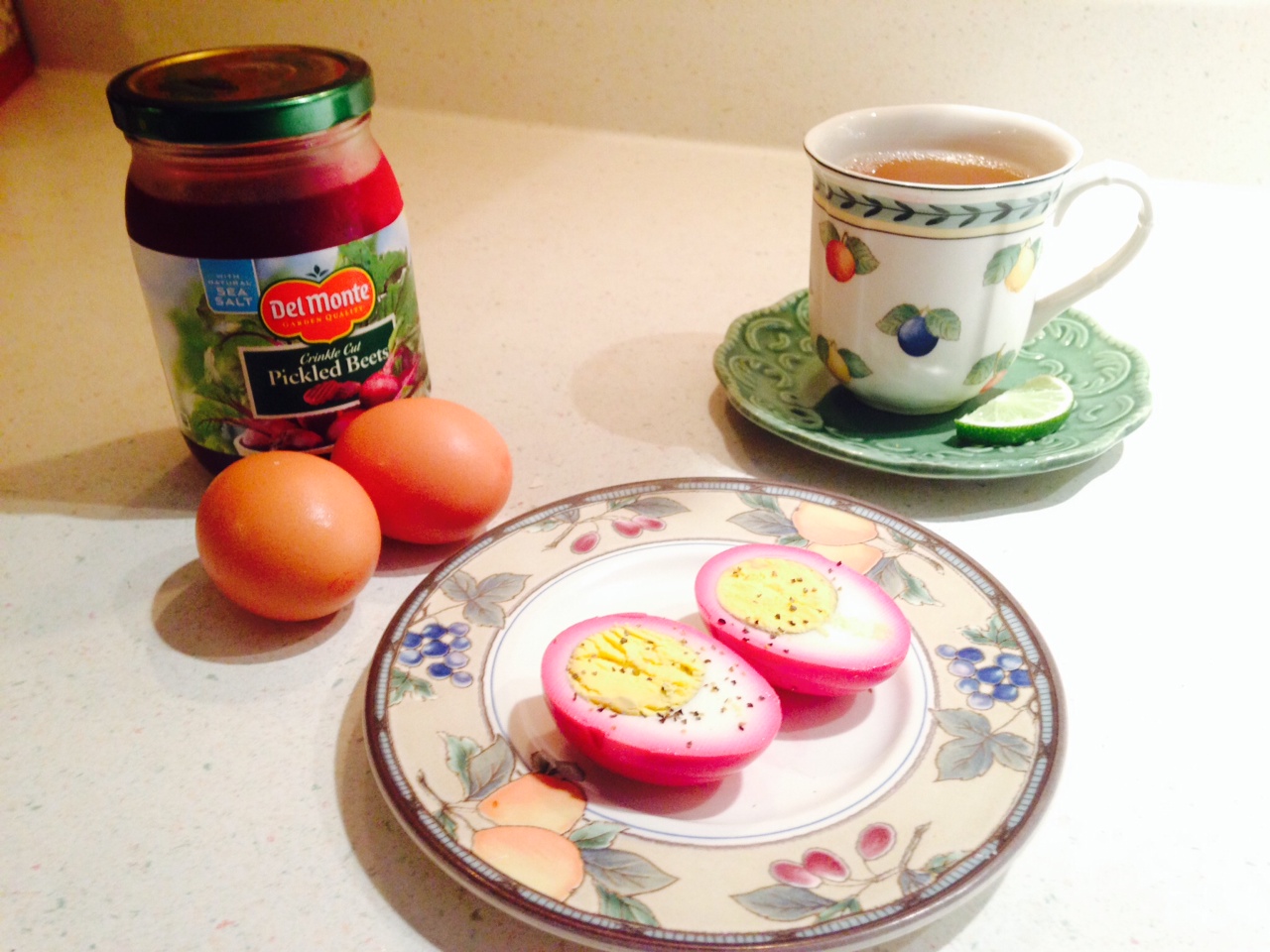
1. Eat pickled eggs – Usually reserved for Sunday dinners and picnics, I eat them for breakfast almost daily now.

Hard-boiled eggs pickled in beet juice

2.“Outen the light” – I don’t use that Pennsylvania Dutch expression any more, but when no one is in a room, I make sure the light switch is turned off. “Don’t burn a hole in the daylight” is a saying that has burned into my psyche.

3. Wash dishes – Mother never had a dishwasher, except her own hands. Though I’ve had a dishwasher most of my married life, I often wash dishes by hand: fine china, big kettles, forks. Sometimes warm, soapy water is soothing.

Daddy drying dishes - Only on Sundays after church!
Daddy drying dishes – Only on Sundays after church!

4. Re-use aluminum foil –  I never use Reynolds Wrap only once. It is cleaned off, folded and stored for multiple uses. (But I don’t scrape the residue from the wrapper of a stick of butter anymore unless it’s a big hunk. )

5. Tidy up – After retiring from full-time teaching, I dismissed my cleaning lady, so cleaning the house is in my domain once again. Dusting is the bane of my life, but I can’t abide dirty floors. Mother’s house was cleaned stem to stern once a week on a Friday with deep cleaning heralding the spring and fall seasons.

6. Water the maiden-hair fern – Grandma Longenecker loved ferns. She loved the misty, floaty, lacy aesthetic of ferns. My sister Janice has kept alive some off-shoots of Grandma’s. Here’s my maiden-hair fern:

fern

7. Go up and down stairs – The Longenecker home place has 2 floors and an attic. The staircase between them has 18 steps. When it was time for bed, Mother would say, “It’s time to go up the wooden hill!” Now at almost 96, she still uses her stairs, once in the morning and once at bed-time. Bowed with age into an L-shape she ascends, fiercely defending her independence.

Our tri-level has a pair of stairs, 7 steps each. Good for keeping those calf muscles in shape.

If you don’t know what to do, just take the first step. “To take the first step in faith, you don’t have to see the whole staircase.”    Martin Luther King, Jr.


StaircaseBeaman

Are any of these points similar to those in your life?

What can you add to the list from your own experience?


Happy Birthday, Will!

News Flash!

ShakesBirthdayCrown

To mark Shakespeare’s 450th birthday, “the Royal Shakespeare Company is spearheading a three year Jubilee, between 2014 and 2016, that will involve theatre performances, events and live streaming cinema around the world.”

*  *  *  *  *

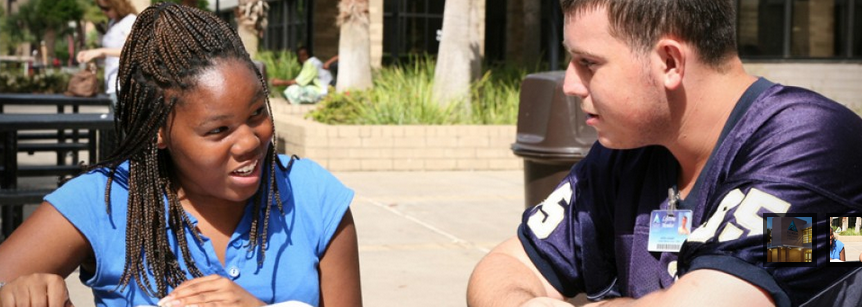
Florida State College students: Of course they're discussing Shakespeare!
Florida State College students: Of course they’re discussing Shakespeare!

It’s April 23 in my college class of English Lit students. Each has brought in a can of Coke, Dr. Pepper or bottled water. I bring cupcakes—chocolate and vanilla for the party.

Reputedly, April 23, 1564 is the birthday of William Shakespeare, the Bard of Avon. It is also the date of his death in 1616, but we are celebrating his life, especially the writing of his gushy love sonnets (“Shall I compare thee to a summer’s day?”) and his play, King Lear, which we have just read with all that fussing about a father’s will, sister sniping, revenge and murder. The body count is always high in Shakespeare’s tragedies.

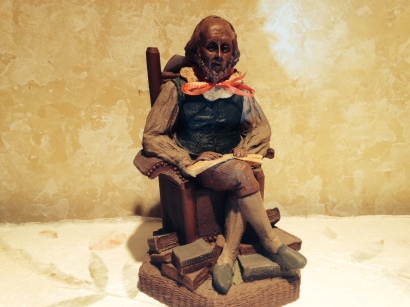
A fixture at every birthday party, Shakespeare wore a bow today.
A fixture at every birthday party, Shakespeare wears a bow today.

Until I was out of high school, I did not realize that my Mennonite Mom was referring to Shakespeare’s line “God has given you one face, and you make yourself another” (Hamlet) when she chided me for wearing makeup. “I’m happy with the face God gave me,” she would retort.

And Grandma Longenecker probably wasn’t aware she was quoting from Midsummer NIght’s Dream either when she tried to comfort me with the words of Lysander: “The course of true love never did run smooth” over my break-up with David, a boyfriend in college. And of various presidents, Truman, Eisenhower, or Kennedy, she would quote from Shakespeare’s Henry IV: “Uneasy lies the head that wears the crown.” I can still hear her cracking the “C” in crown.

Other quotes you may know: 

  • Better three hours too soon than a minute too late.
  • If music be the food of love, play on.
  • Suspicion always haunts the guilty mind.
  • No legacy is so rich as honesty.
  • What’s in a name? That which we call a rose by any other name would smell as sweet.
  • O, had I but followed the arts!
  • ‘Tis better to bear the ills we have than fly to others that we know not of.
  • With mirth and laughter let old wrinkles come.
  • This above all; to thine own self be true.

What special sayings do you remember from your childhood?


What quotes by Shakespeare can you add to the list?

I love it when you comment!

Please check it out: My writer friend, Traci Carver, teacher at Valwood School, a college prep high school in Valdosta, GA, posted on her blog a creative classroom scene from Shakespeare’s Romeo and Juliet featuring foam pool noodles and Twitter hashtags. Creative and memorable!


Mennonite Flashback III: Rabbits and Rings

This is a sequel to a previous blog post: Flying the Coop: Leaving Mennonite Land with a link to my original story on Mary Gottschalk’s website.

His Story:

I proposed to Marian my Mennonite girl friend one snowy evening, my car stuck in a snow-bank. When she accepted my proposal, I also asked her, “Would you be willing to wear a ring?” This is the plain girl I have fallen in love with: no make-up, no jewelry, especially no ring on her finger, ever.

Now it’s close to Easter and Marian is flying down from Charlotte to spend the weekend with me in Jacksonville. Technically, she’ll be with me most of the time though she will spend the night at Mom and Pop Rea’s house, members of Fellowship Bible Church where I am youth pastor. No sleeping together before marriage.

I’ve been wracking my brain to find a way to make the ring presentation unforgettable—and a surprise too. So this is what I’ll do. I’ll make a ham dinner for her finishing it off with dessert, a cake with her engagement ring baked inside. No, wait! A cake is too big; the ring may get lost in it. I’d better make cupcakes or muffins. That’s it. A blueberry muffin. She’ll find that ring for sure if I wrap it four or five times with tin foil.

And I’ll make some rabbit cutouts with toothpicks, blue for me and red for her, so I know which muffin the ring has been baked in.

Scanned from the original bunny sticks, 1967

Her Story:

Charlotte is my home this year, but with every stitch of my wedding gown, I dream of my life with soon-to-be-husband Cliff in Florida. Easter weekend I take an Eastern Airlines flight to Jacksonville. The carefree, goofy guy I have fallen in love with has hit real life, teaching sixth-graders in an inner city school. He has also exchanged a college dorm for a $ 50.00 per month, second-story garage apartment with a turquoise-teal kitchen, where I will live after our honeymoon. But his humble abode has not killed romance and his wish to entertain.

We sit down to a home-made ham dinner.

The Discovery:

Dessert is served. Oh, little bunny muffins, I think. How cute even if they’re from a mix. I take 2-3 bites and my teeth strike something hard and metallic. Uh-oh. I don’t want to embarrass Cliff by exposing his lack of baking expertise, so I try to hide the wad of foil under my plate. Eying what I think is a faux pas, he urges, “Why don’t you see what’s inside?” Cautious but obliging, I unwrap the layers and layers of foil, and my eyes pop with pleasure – a glittering diamond solitaire, my first ring ever.

Postscript: Years later when I am a young mother, I remove the ring to apply lotion to my hands, placing it on a top of the bedroom dresser. What happens later occurs out of sight and only in our reconstructed memory: Three-year-old daughter Crista finds the ring and puts it on. Wearing it to go potty, she flushes my diamond down drain. Screams ensue. Cliff digs frantically into the lawn hoping the ring has gotten lodged somehow in the trap of the drain pipe before flowing into the Neverland of the city sewer .  .  .  to no avail.

Stand-in for the Original

What story can you share about receiving a special piece of jewelry?


Have you ever lost something precious? A family heirloom?


We always learn something from your comments. Thank you!