How to Teach a Piano Lesson

“Joel, I’m going to the Christian Light Press in E-Town for some birthday cards, do you want to go along?”

“Okay, Mommy, do you think they have lollipops?” queried my mischievous son.

“I don’t think bookstores have lollipops at the counter like doctor’s offices do, but maybe they have other fun things to look at,” I said, thinking he would enjoy an excursion into town while visiting his cousins in Pennsylvania.

Entering the store, I spied precious novelties tempting to touch, a fact that struck me with a fearsome shudder because I had an 8-year-old in tow.

“Now don’t touch anything. Just look. Do you see the sign on the display? It says ‘If you break it, you buy it!’”

“Uh huh,” he said racing to the music boxes and other curios.

I turned to the bank of colorful greeting cards not far away eyeing cards appropriate for Mother and sister Jean.

“Squeak-thunk,” was the next sound I heard across the aisle, close to where I saw the top of Joel’s thatch of brown wavy hair.

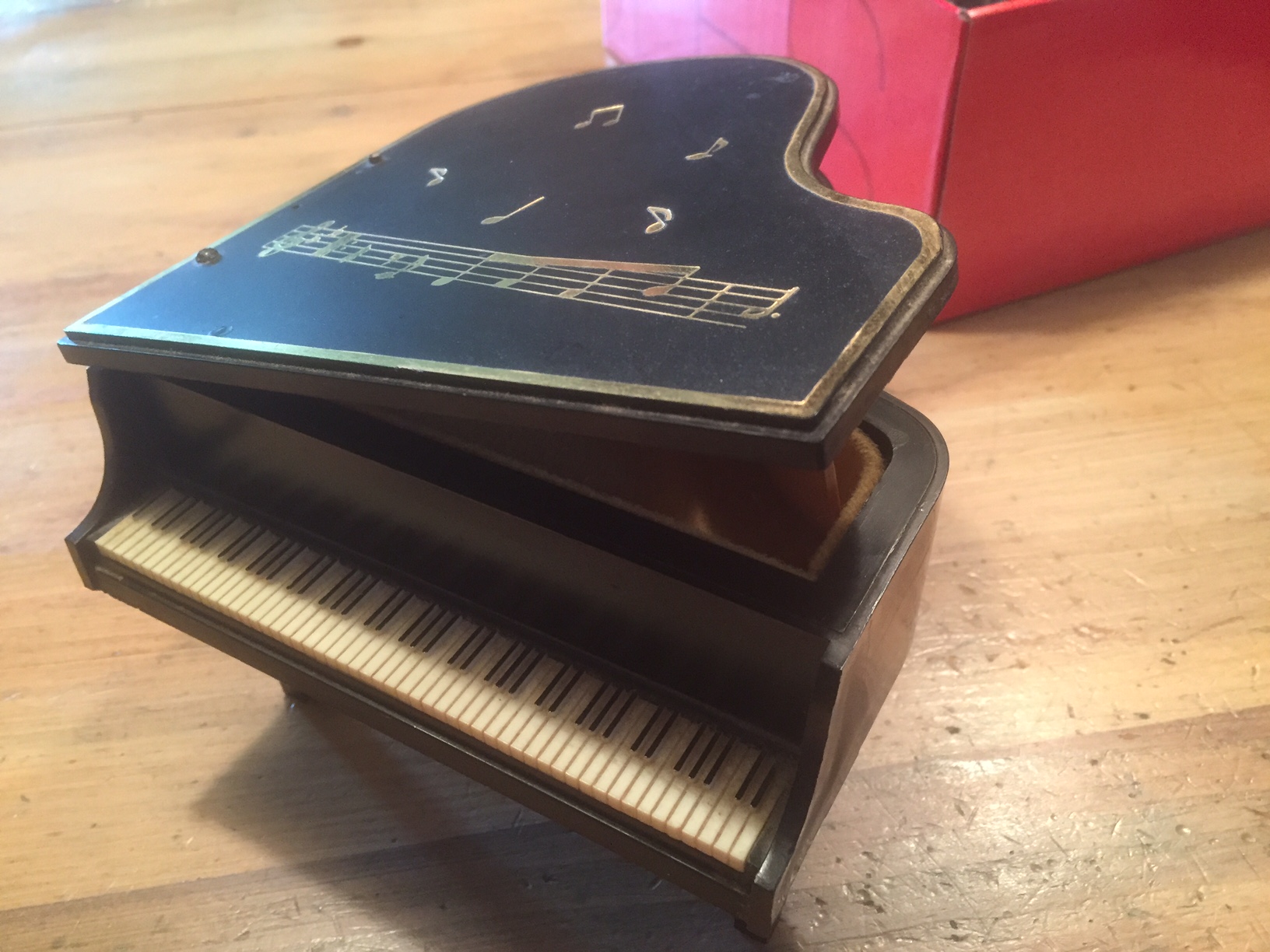
Cards in hand I strode over toward Joel and saw him holding a toy baby grand piano. As I looked closer, I noticed the hinge to the piano lid was halfway broken off. Turning the piano upside down to reveal a music box attached underneath, I noted a sticker. The price tag announced: $ 13.95. Please understand, we were a struggling young family in the 1970s, my husband and I both teachers, so the money registered on my mental calculator as a staggering figure.

Right there and then I had a double D attack: disappointment at my son’s disobedience and dread coursing from head to toe knowing we had to face the owner and admit to the breakage.

My feet felt like lead as I led Joel by the hand and I trudged down the aisle toward the clerk/owner who appeared to be glowering at us behind a tall metal cash register with raised keys and a bottom drawer that slammed shut.

I approached the counter speechless but managed to turn over the music box revealing the price tag. Swallowing slowly I formed words, “I guess we’ll need to pay for this. My son broke it accidentally.”

“Yes, you will. You see what the sign says.” I knew the warning only too well.

Opening my wallet hesitantly, I shelled out the dollars and cents, Joel standing by my side his head hanging, embarrassed and chastened.

* * *

Leap forward over thirty years, and son Joel now has his own son Ian, also age eight.

Several weeks ago I presented Ian with this same piano that has sat on my bookshelves for decades, occupying space between American poetry and art history books. Because we are downsizing, I have been passing along keepsakes to the next generation.

Joel was privy to my intention and approved my gifting the piano that plays the Lord’s Prayer as a tinkling, lullaby tune.

The presentation of the bequest began with a sturdy, red shoebox surrounded by tissue and foam padding. And then the unveiling . . .
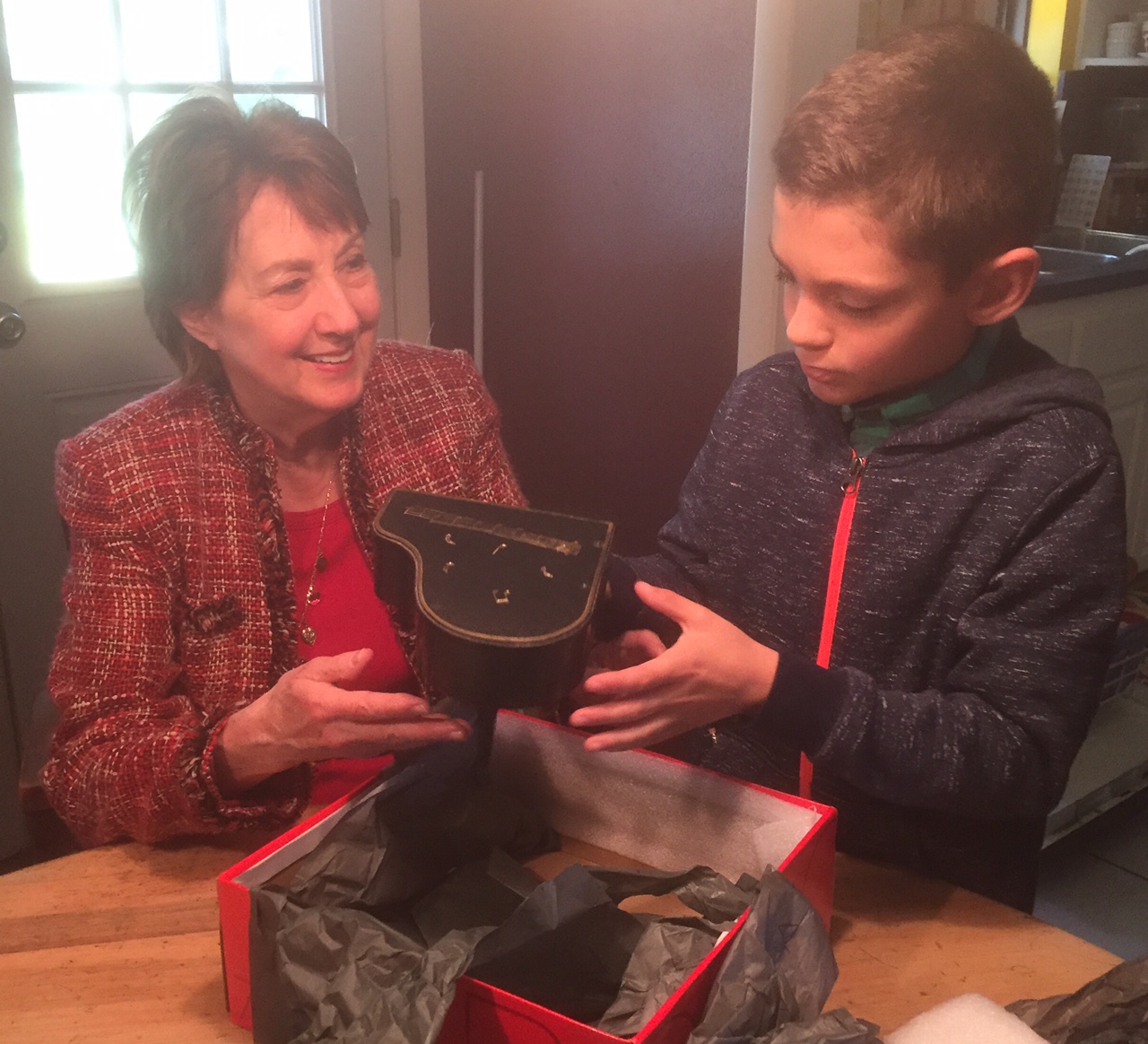
IanOpeningPiano

Turning the wind-up key, voilá – sweet music filled the air.
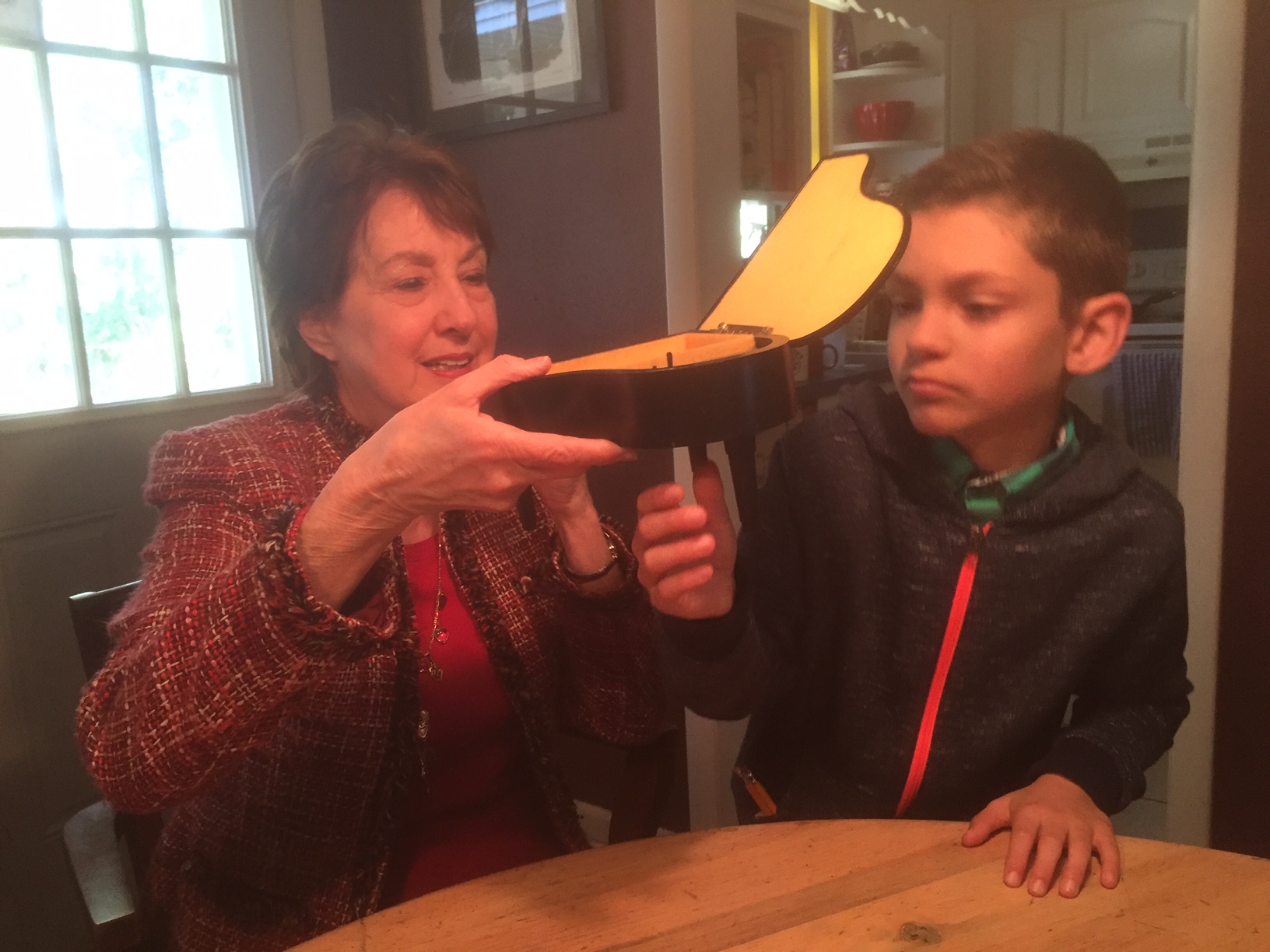
PianoTwist Key

I announced, “When, he was your age, your dad broke off one of the legs on this toy piano.”

“Oh, no, not a leg, the hinge was broken off,” Joel corrected.
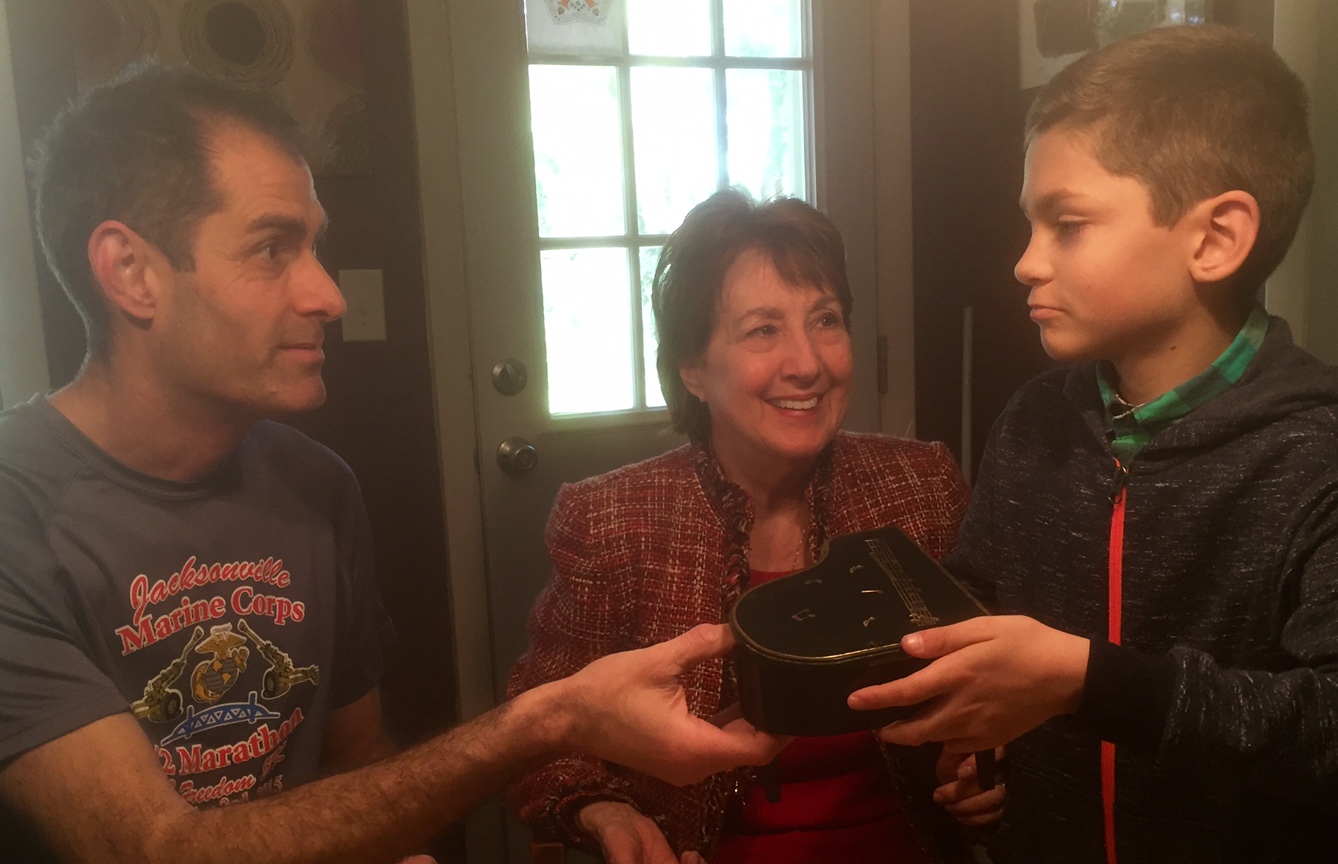
JoelPassingToIan

My memory had played tricks on me and the cause of the accident had morphed into something else.

Memory can be fuzzy sometimes. It’s not fixed as a photograph / locked in an album, / but it changes, it develops, mixed with time,” as Barbara Crooker wisely observes in her poem, Not a Spoon, a Key. Sometimes memory can even be wrong.

Squinting now at the underside, I see the replacement on the left, slightly larger screw and bolt than those on the other side. Lid held up with two toothpicks.
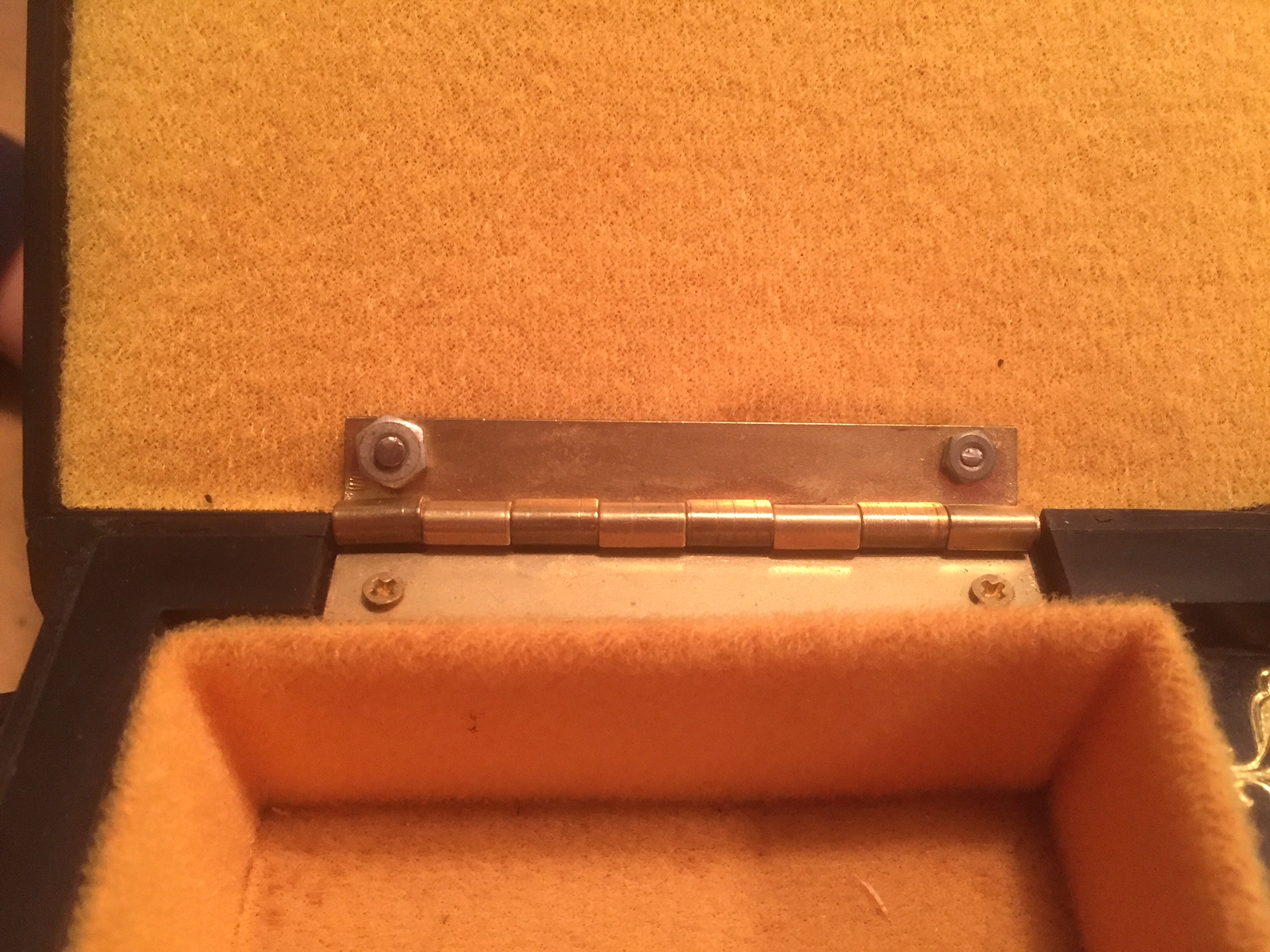
IngeFixed

ChristianLightPress13.95

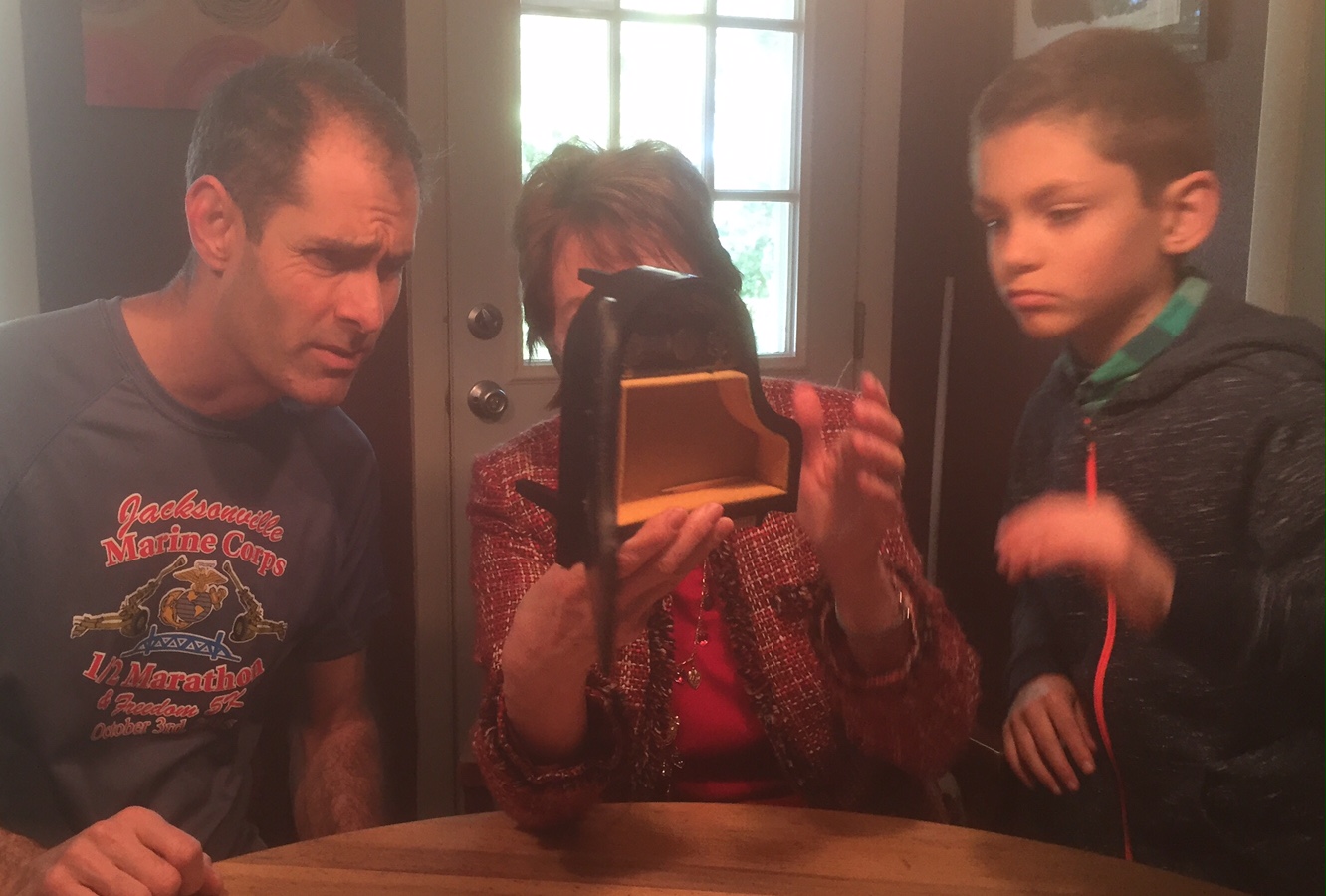
And here it is, good as new!

PianoUpClose


Not a word was spoken about doing the right or wrong thing.

Words weren’t necessary.


Can you relate to my dilemma here?

Has your memory of family incidents every played tricks on you? Readers will enjoy your story and so will I.


Coming next: Raise a Mug to the Irish
Are You Ready for Spring?

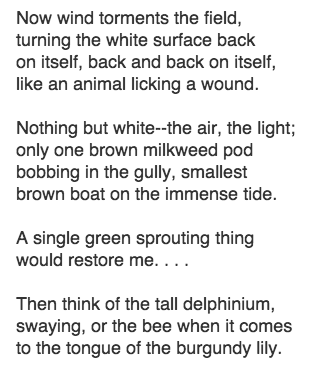
Today marks the end of February. In less than a month spring will have sprung, Still, you may be ready for spring now, not in three weeks. Here are the thoughts of Jane Kenyon, once New Hampshire’s poet laureate, anticipating the blooms of spring in her meditation “February Thinking of Spring”

Screen Shot 2016-02-23 at 8.07.19 AM

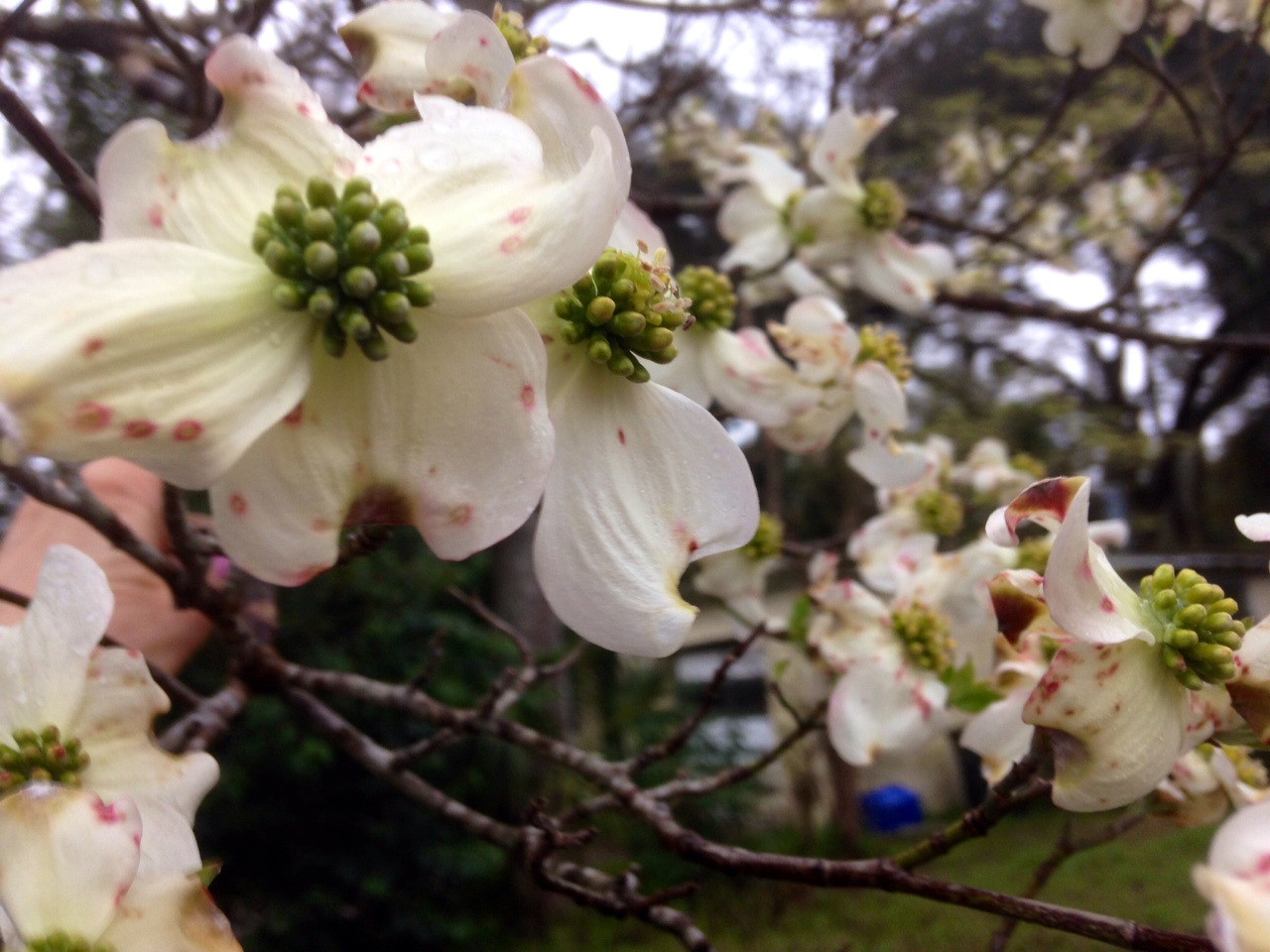
. . . or the appearance of blooms on dogwood

Dogwood

Before winter turned into spring, visits to the flower show in Philadelphia restored my Grandma Longenecker’s spirits. Or leafing through a Burpee Seed catalog.

In a letter to me during my sophomore year in college Grandma wrote about her May flowers that followed a harsh winter:

Lots of people have colds but daffodils are out “with their yellow frilled bonnets” (I have 5 kinds of them) were a joy to behold. Double tulips are at their best. Next the lilacs and valley lilies.


Yes, fickle February will soon melt into March madness. To herald the coming month, I shall make a poetic prediction. My good friend/muse Merril Smith has inspired me to try a new form, the shadorma, one of the many poetry challenges she has embraced on her website recently along with echo poems, triolets, and lantern shapes.

The shadorma must form 6 lines of 3-5-3-3-7-5 syllables and make sense.

Fickle month

Bye, February

St. Pat’s Day

Irish rule
Daylight Savings Time, Oh Dread

Celebrate: Easter!


Did you count the syllables?   🙂

What flowers populate your dreams of spring?

If you live in South Africa or Australia, your seasons are reversed so you may have a different vision. What in nature lifts your spirits right now?

* * *

Coming next: How to Teach a Piano Lesson

Are You Too Big for Your Pot?

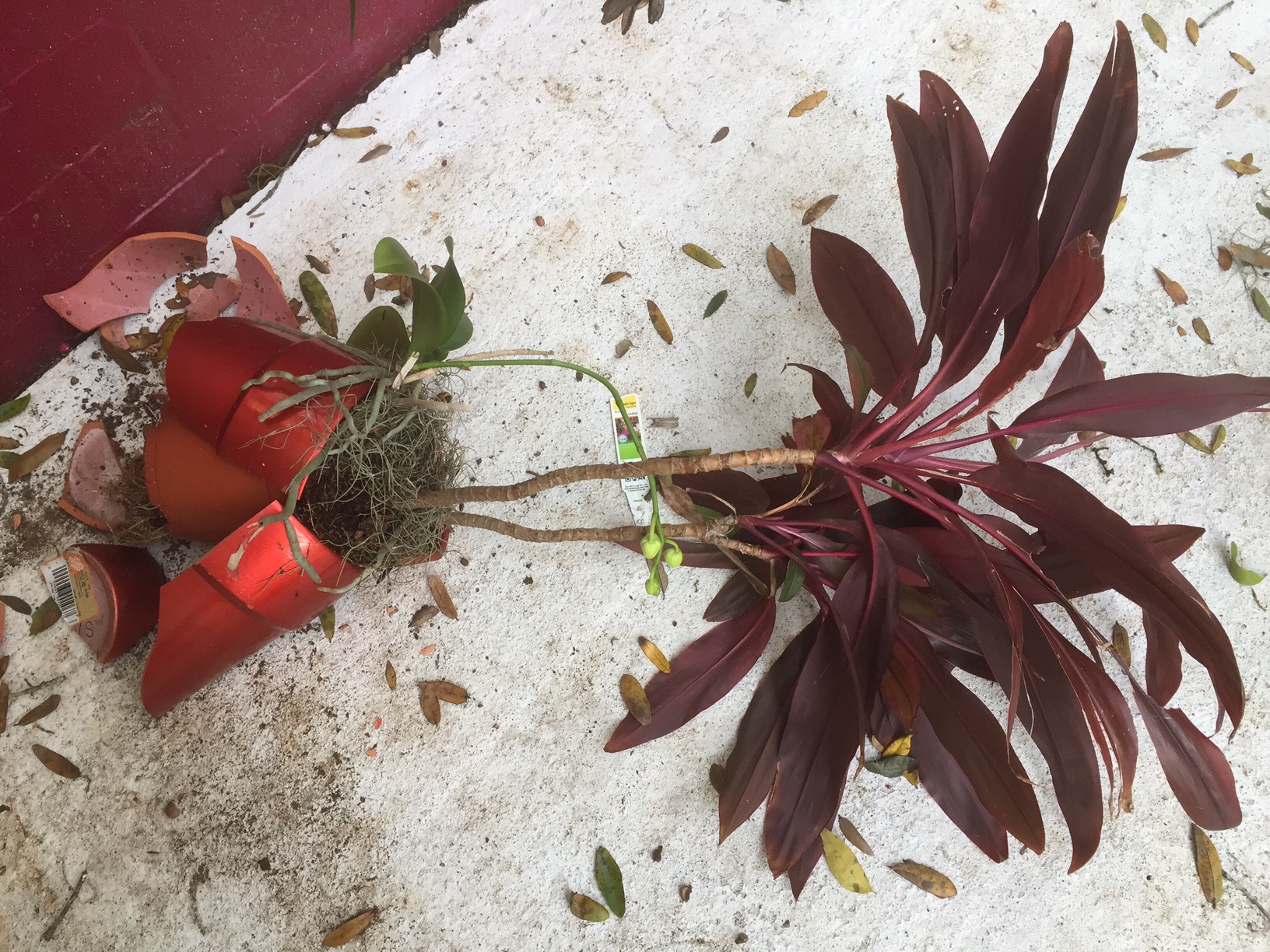
I didn’t hear a Bang. I didn’t see the pot Fall. But when I looked from the upstairs bedroom window, I saw shiny red chards of pottery on the patio floor. I really liked that red pot and now it was in pieces.

Broken Pot

How did that happen?

There was no wind. I was not aware that a storm had come through during the night. Still the pot had apparently fallen from its perch on the maroon planter, three feet above the concrete. Now it was smashed to bits on the patio.

Encased within the pottery was a plastic inner pot from which roots were dangling. The plant was apparently pot-bound, “longing to break free”!

RootBoundInnerPOT

It doesn’t take a genius to see these tall plants had outgrown their tiny pot: roots bursting through the pot hole.

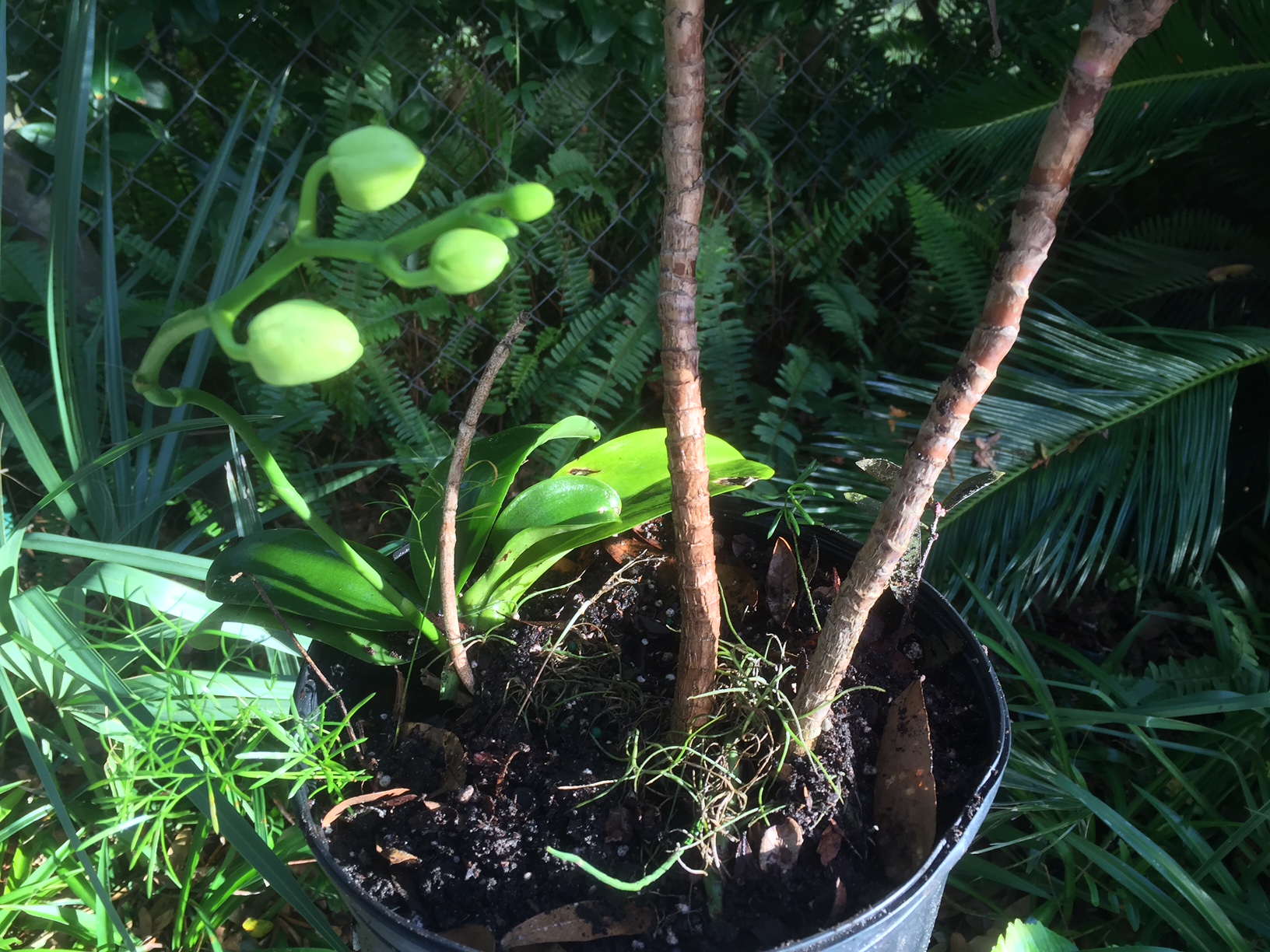
My solution? Re-pot the plant. Add fertile soil. Use a bigger pot.

Plant Re-pot

I heard my orchid, a rare re-bloom, sing morning praises.

And then I made the planter pretty too – with an unbreakable basket

BasketPotPlant

Some of the most memorable lines in Leonard Cohen’s “Dance Me to the End of Love” speak of cracks ~ “Ring the bells that still can ring / Forget your perfect offering / There is a crack, a crack in everything / That’s how the light gets in.”

I see at least 3 lessons here:

  1. Even cracks have a function: they can let the light in.
  2. You don’t have to be perfect to be beautiful. What’s broken in you can be a metaphor for human aspiration. Your flaw can show effort and growth.
  3. When you are pot-bound, move into a bigger pot.

My blog friend writer Dorothy Sander recently published a post with a poem “Finding Her Here” exalting our cracked and broken parts. You can find encouragement by reading it here.


Psalm 51:17 “A broken and a contrite heart thou wilt not despise.”

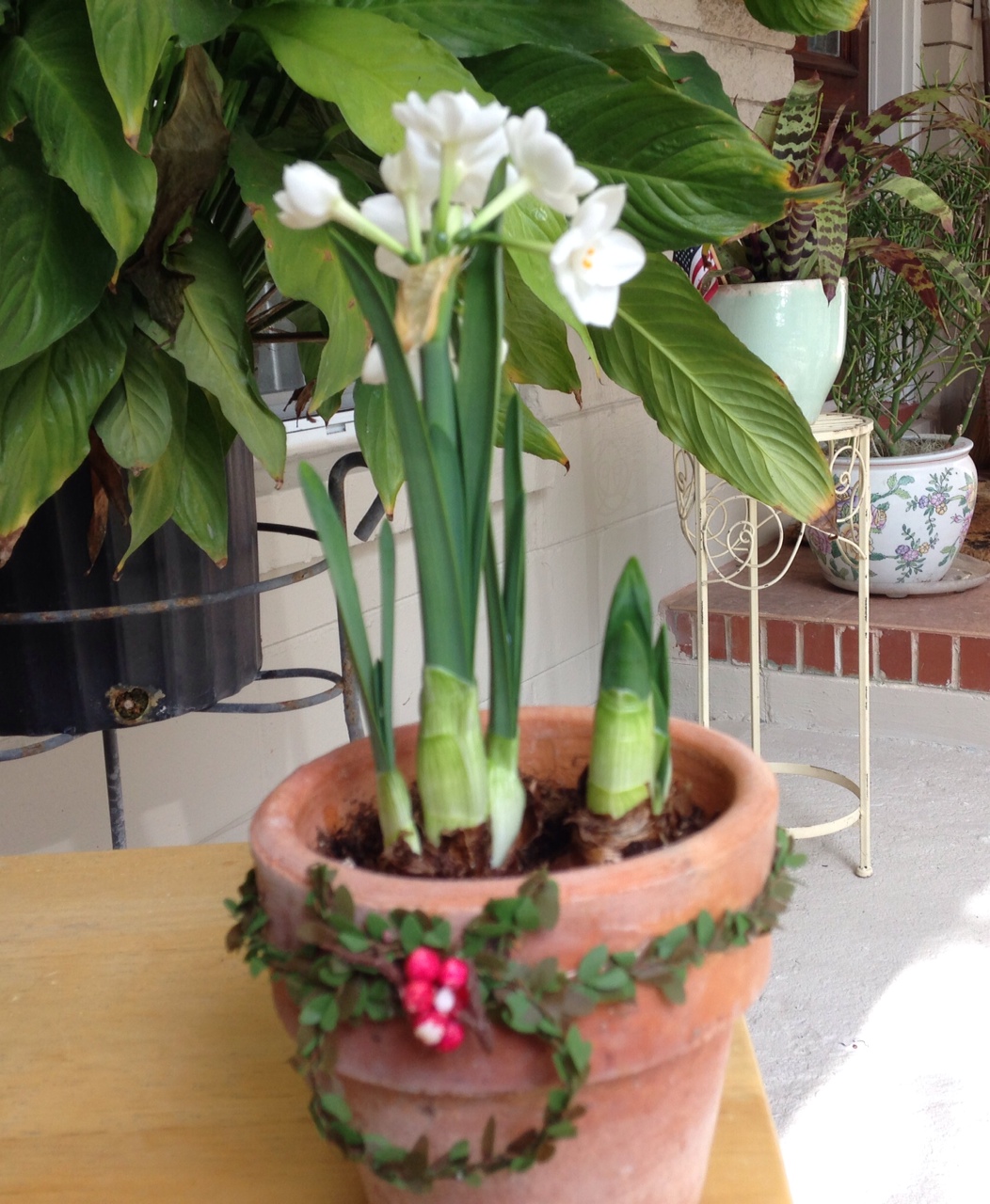
Paperwhites

What are your thoughts about the broken pot? Is there an explanation I may be overlooking, either literally or metaphorically?

Have you outgrown the pot you are planted in?

Or, when you outgrew your “pot,” how did you find a bigger one?

Coming next: Are you ready for spring?

Sastruga, Snowy Winter Blankets

A long, wavelike ridge of snow . . . formed by the wind: Sastruga, a word of Russian origin.

A snowdrift is a beautiful thing if it doesn’t lie across the path you’ll have to shovel or block the road that leads to your destination.

Prehistoric Humps

Snow Drift, Google Images
Snowdrift, Google Images

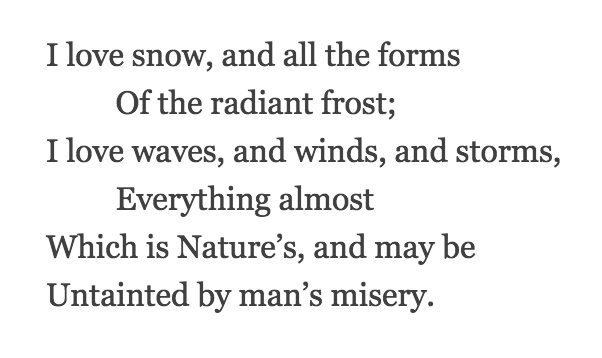
James Thomson’s “Winter” from The Season portrays drifts as “one wild dazzling waste, that buries wide / The works of man.”


Snow So Pure

ShelleyQuoteSnow

~ Percy Bysshe Shelley, # 497 Invocation


Snow So Fun

[to] mimic in slow structures, stone by stone / The frolic architecture of the snow. – from Emerson, The Snow-Storm

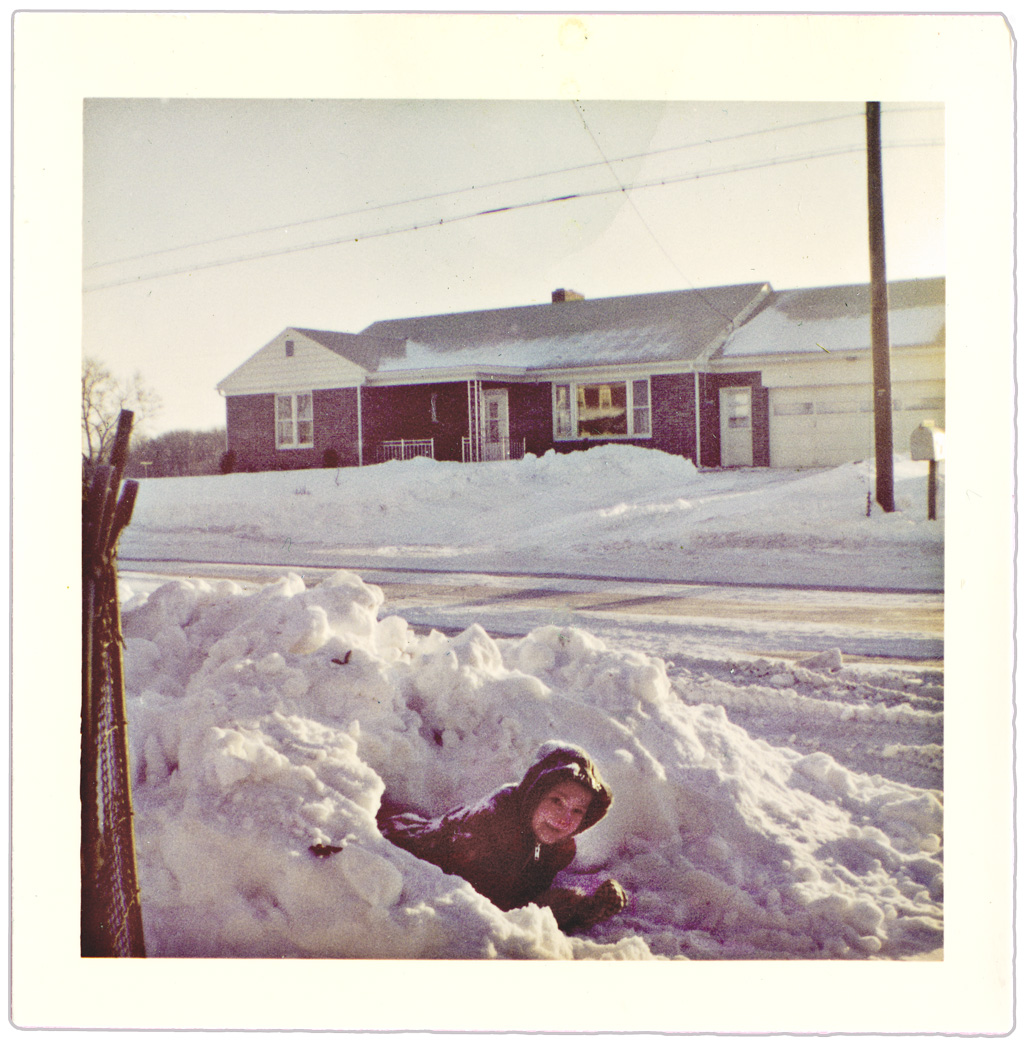
Snow-faced Mark in "igloo" 1961
Snow-faced brother Mark Longenecker in “igloo” 1961


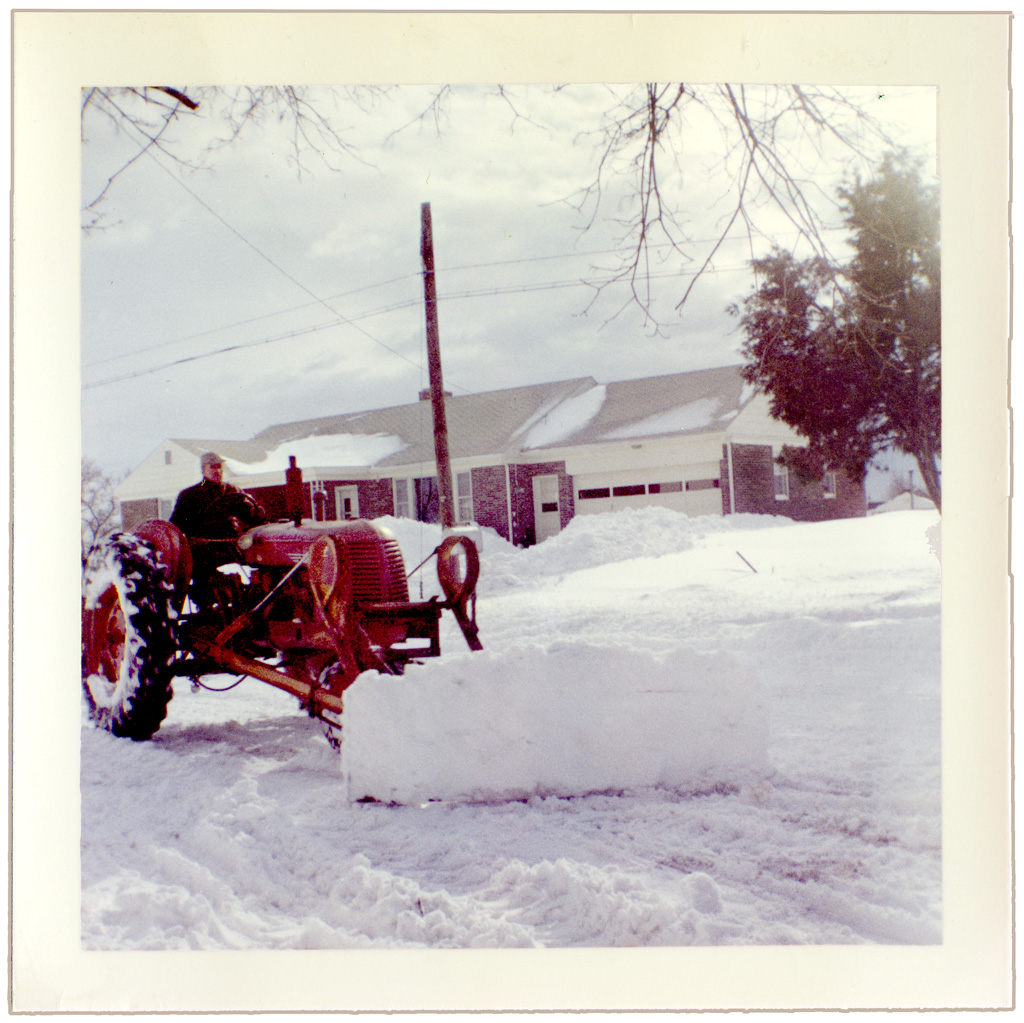
Snow Plow: Carving Out the Road Again

Ray Longenecker, my dad, plowing Anchor Road, 1961

A smooth white mound the brush pile showed, / A fenceless drift that once was road  ~ from Whittier’s Snow Bound: A Winter Idyll


Snow in Childhood . . . Never Ends

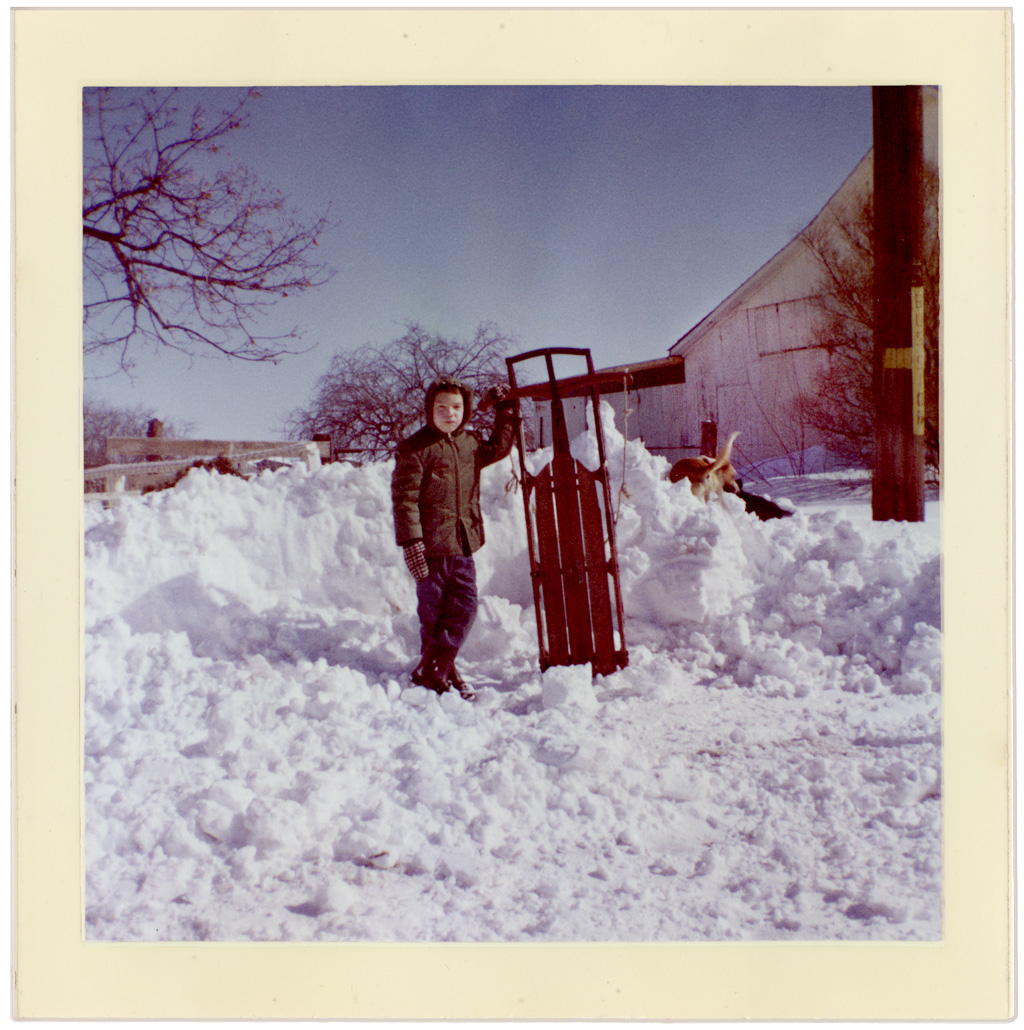
Brother Mark with sled and Skippy in the snow 1961

William Matthews in “Spring Snow” depicts a place where “childhood doesn’t end / but accumulates” and memories . . . disperse “in flecks, like dust, like flour, like snow.”

Snow provokes responses that reach right back to childhood. – Andy Goldsworthy


Snow Quotes

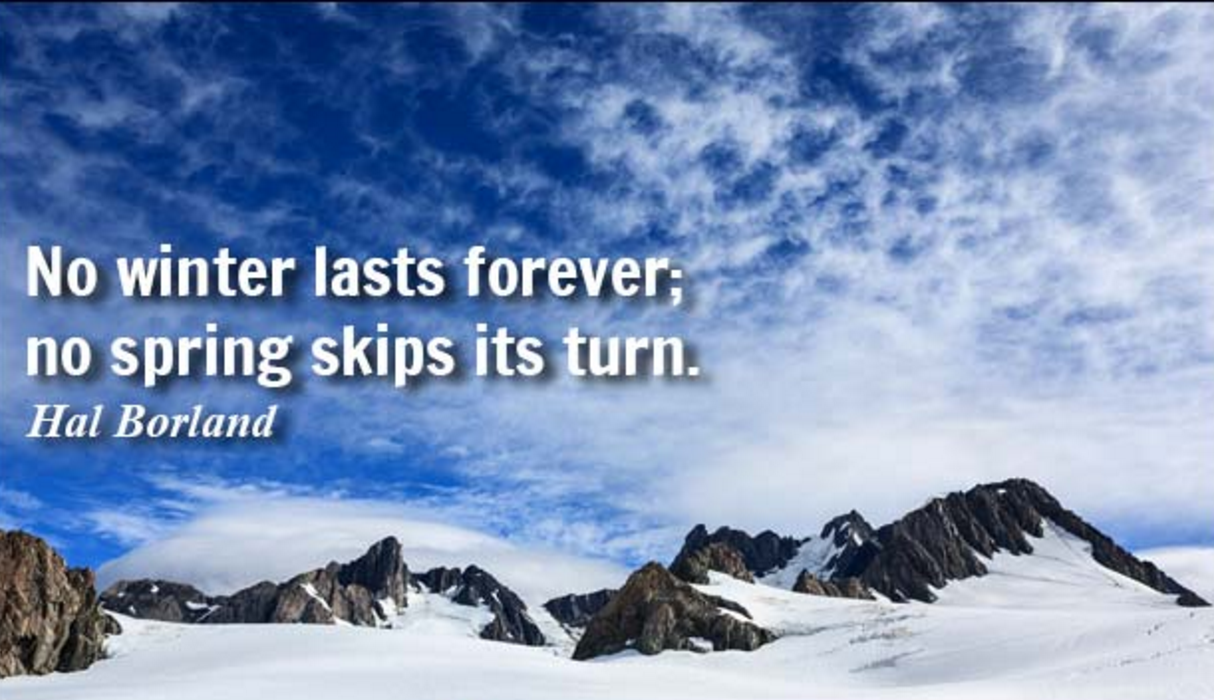
Borland in BrainyQuotes


Hast thou entered into the treasures of the snow?”   Job 38: 22a

* * *

New fallen snow is exquisite. But practical difficulties persist as snow lingers: messy cleanup, re-frozen slush, slick sidewalks.

Did you throw snowballs during recess at school? Help make an igloo? Snow memories welcome here.


Coming next: 5 Lessons Learned from a Birthday Cake

My Word, it’s 2016!

Have you started a diet? Renewed your gym membership or decided to walk more? Maybe you have resolved to cut down on Facebook time this year . . .

Along with such New Year’s resolutions, some of my friends each year choose a guide word to help navigate the unknown paths of the next twelve months. Last year I began my own tradition with the word Advance. You can read about why I chose it here.

My Special Word

This year my word is Whole-hearted!

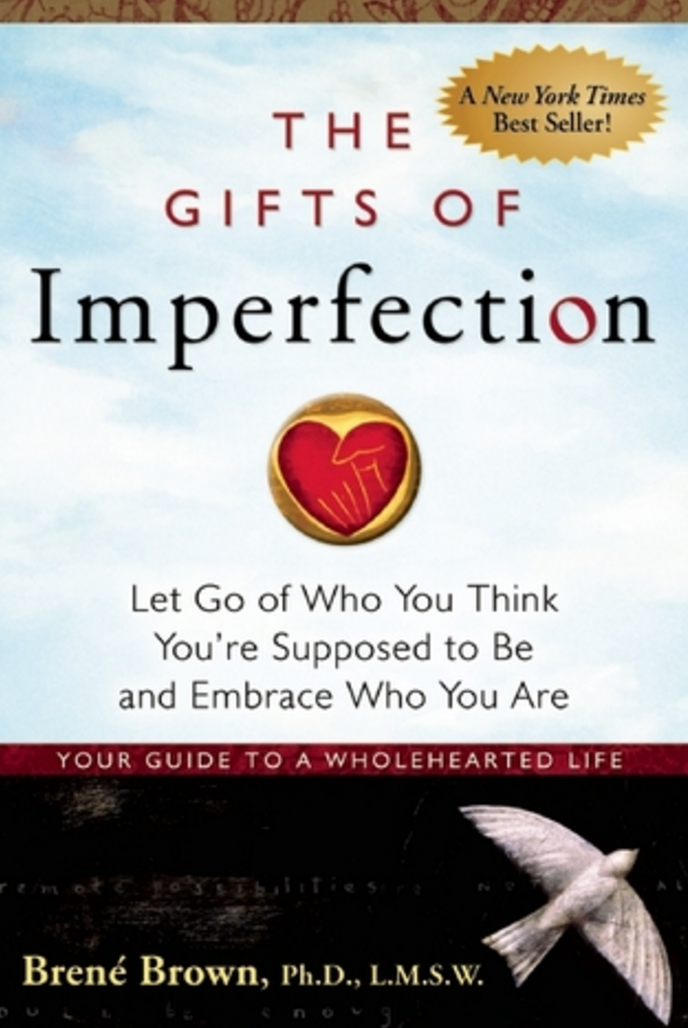
A few months ago I heard Brené Brown’s TEDx talk on expressing vulnerability. Though I’m generally not a fan of  self-help books, her presentation piqued my interest enough to read The Gifts of Imperfection, her short book (130 pages) labeled “Your Guide to a Wholehearted Life.”

Credit: Goodreads
Credit: Goodreads


On the first page appears her definition for such a life:

“Wholehearted living . . . means cultivating the courage, compassion, and connection to wake up in the morning and think, No matter what gets done and how much is left undone, I am enough. It’s going to bed at night thinking, Yes, I am imperfect and vulnerable and sometimes afraid, but that doesn’t change the truth that I am also brave and worthy of love and belonging.”

Dr. Brene Brown, author/researcher/professor, has collected thousands of stories in the course of her qualitative study on authenticity and wholehearted living, which she describes as an act of faith that “requires believing without seeing.” (91)

This description sounds very much like my definition of faith, fueled by grace and joy, a faith I tasted first as a child hearing the blessed words of an old hymn at Bossler Mennonite Church: True-hearted, Whole-hearted, in which the men and women in the chorus belted out antiphonally: “Peal out the watchword, silence it never / Song of our Spirit, Rejoicing and Free . . . King of my life, my Savior will be.”


Quotes on Wholeheartedness

Maybe stories are just data with a soul. ~ Brené Brown

Never shy away from opportunity and wholehearted living. Never be fearful of putting yourself out there. The courageous may encounter many disappointments, experience profound disillusionment, gather many wounds; but cherish your scars for they are the proud emblems of a truly phenomenal life. The fearful, cautious, cynical and self-repressed do not live at all. And that is simply no way to be in this world.”
Anthon St. Maarten

Marianne could never love by halves; and her whole heart became, in time, as much devoted to her husband, as it had once been to Willoughby.    ~ Jane Austen, Sense and Sensibility

And thou shalt love the Lord thy God with all thine heart, and with all thy soul, and with all thy might.     Deuteronomy 6:5, King James Version


A Look in the Mirror

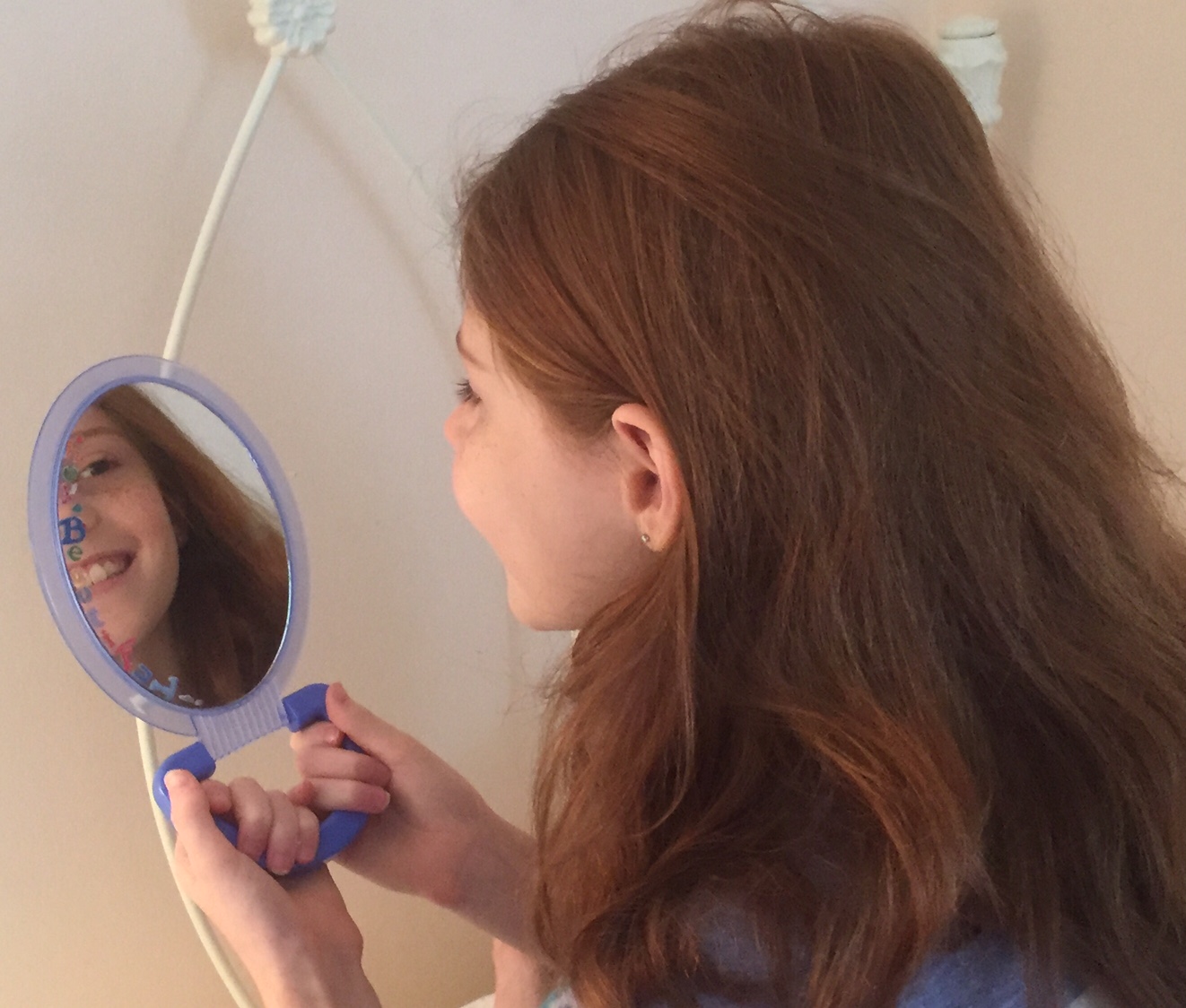
Last year, my good friend Sandra Cornelius gave me a mirror for my birthday. A survivor of many serious health challenges, Sandra took up the practice of placing mirrors in various rooms of her home during her recuperation, declaring with an inscription that she is beautiful even though she may have felt otherwise at the time.

With this object, granddaughter Jenna is learning the concept of self-acceptance, which is vastly different from pride or self-importance. Just as Aibileen, the maid, praised Elizabeth’s young daughter Mae in the novel The Help, Jenna is also hearing that she is kind, smart, and important.

JennMirror2

In the month of January, named for the ancient Roman god Janus, we look two ways, with gratitude and perhaps a sense of relief for having survived 2015, and with anticipation and hope for the new year ahead.

Thank you for being my companion this year. I hope 2016 will be your best ever.

Happy New Year!

Have you made a resolution or chosen a special guide word for 2016? Looking back, what are you particularly thankful for this past year?

Coming next: Moments of Discovery, Keys to a Riddle

Thanksgiving 2015: A Sweet Story, Pudgy Hands, and an Invitation

Are you a thankful person? Do you ever think about what your life would be like without certain blessings? Robert Emmons, touted as one of the world’s leading experts on the science of gratitude, says that “one effective way of stimulating gratitude” is to reflect on what you would be missing without the people, places, or possessions you value.

A Sweet Story

Some people are simply grateful for daily bread, like the two brothers cited in a Random Act of Kindness story published in AARP November 2015 issue. But then they got the surprise of their lives!

AARPRandomActsKindnesSMparson

David Parsons, then age 5, remembers a time when his Dad on the way to share a Thanksgiving dinner with him at school stumbled upon two brothers whose parents couldn’t afford the quarter for each of them to enjoy turkey and pumpkin pie. David’s dad noticed the boys on the steps of the lunchroom, trying to hide their humble sandwiches wrapped in wax paper, looking down at their feet in embarrassment.

Dad stopped with his hand on my shoulder. The expression on his face softened. He dug into his trouser pockets and found two shiny quarters. He called the boys by name and said, “We will all eat turkey and dressing today.” He gently pressed a quarter into each of their hands and opened the lunchroom door.

David remarks, “On that day compassion was given and received. I saw it in the eyes of those two boys. It was a lesson I’ve never forgotten.”

Powerful Posture

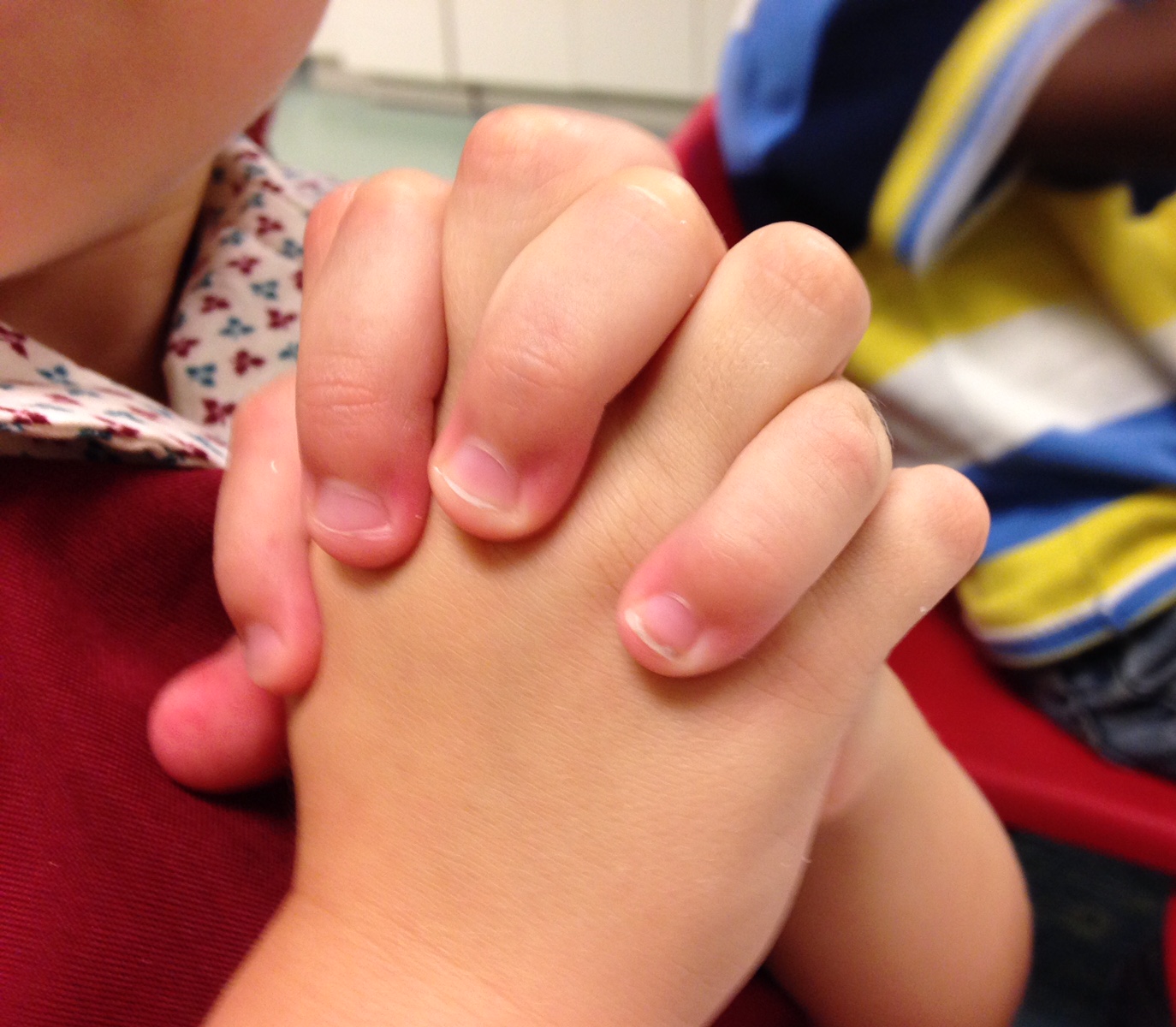
Gratitude can be expressed with our eyes open, our hands relaxed, looking straight ahead. But during this season of thanksgiving, it is lovely to contemplate eyes closed in gratitude, hands clasped in praise.

PudgyHandsFBC

Pudgy hands and some slightly older hands held in gratitude . . .

Grace before the ham loaf dinner, circa 2010 Patrick, Curtis, and Sarah
Grace before the ham loaf dinner, circa 2010
Patrick, Curtis, and Sarah

For the Lord is good; his mercy is everlasting; and his truth endureth to all generations.  Psalm 100:4  KJV

Two Invitations: Write a short story (250 words) or simply tell one

GreatTHanksgivingListenAARP

  • Why not connect with someone from a younger (or older) generation. Here is a link that will get you to the audio interview: http://www.thegreatlisten.org
  •  If David Parsons’ story in the introduction sparked an incident you can recount from your own experience, tell your good-deed experience in 250 words or less and submit it to kindness@aarp.org (Please cut and paste this link into your own browser.) You may be chosen to feature in a future publication!


I am thankful for you, dear reader, who appear here often, sometimes once a week to read and comment. Whether you read and respond or just stop by to read the postings, I thank you from the bottom of my heart.   ♥


Coming next: Learning 101: Role Reversal


Quiet Lives Matter: My Brother Mark

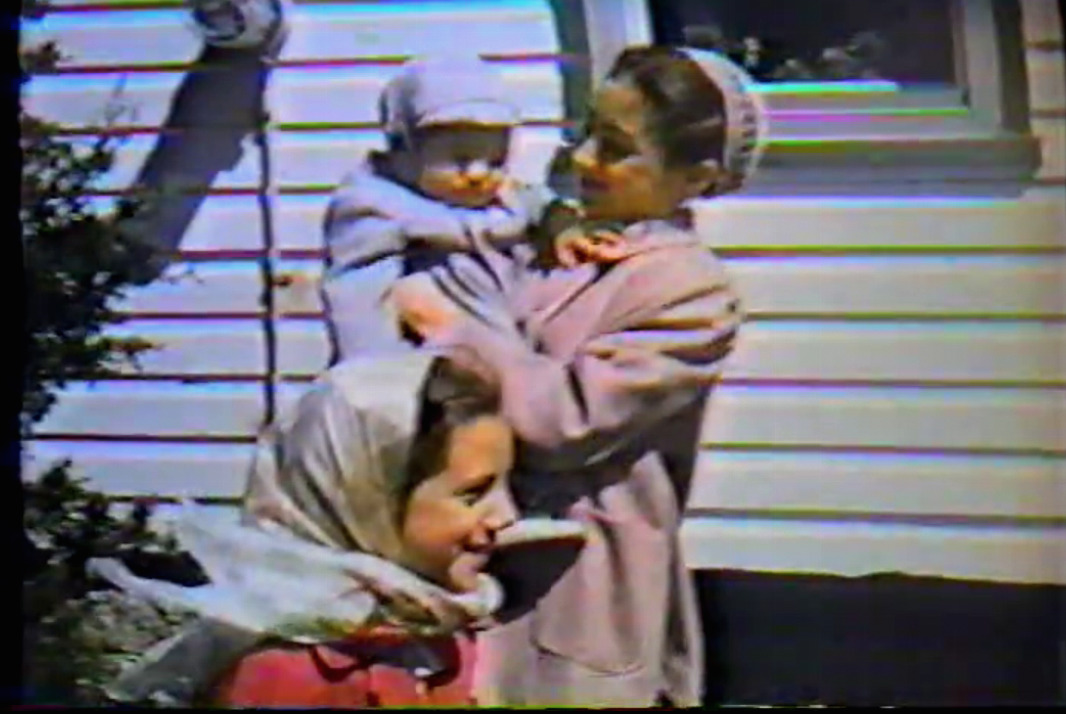
My brother Mark was my first baby. He was born when I was 12, and I soon became a mother to him. I even have a picture to prove it, a blurry movie still from one of Aunt Ruthie’s 16 millimeter camera shoots.

Holding brother Mark as my sister (age 7) Jean zooms on by
Holding brother Mark as my youngest sister Jean (age 7) happily zooms on by

I most certainly bottle fed him and changed his diapers. When he was a few months old, my sisters and I made up a little ditty often chanted repeatedly when we played with him:

De honey and de sweetie and de hon-ey boy

De hon, de hon, de hon-ey boy . . .

Practicing our Latin, we would refer to him as “Marcus -a -um” when he got a little older. Looking back, I wonder now how much the age difference and his being our longed-for brother played a role in such playfulness.

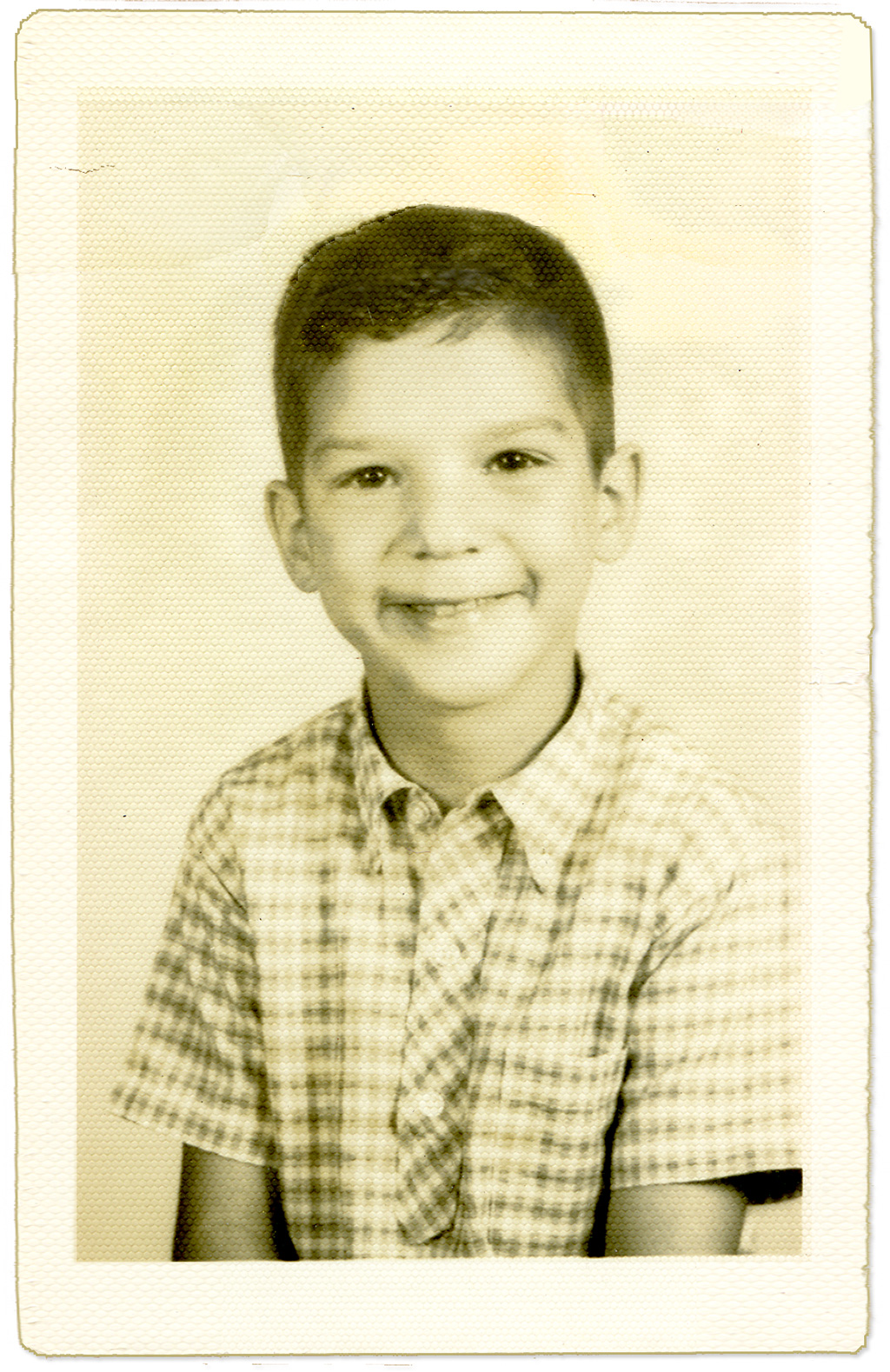
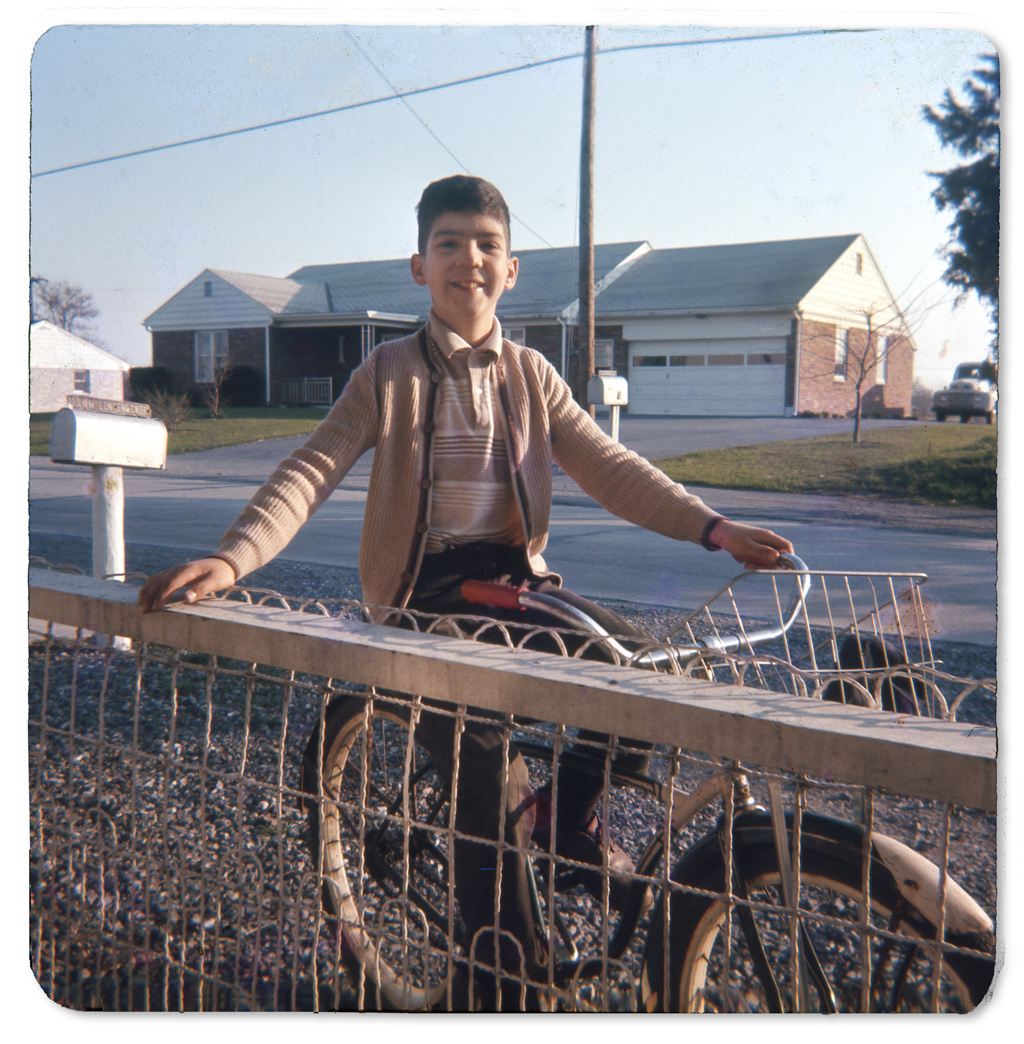
Mark passed through the usual boyhood stages, going to school at Rheems Elementary (here pictured at age 8) and learning to ride a bike.

Mark8yearsOld

MarkBikeFence

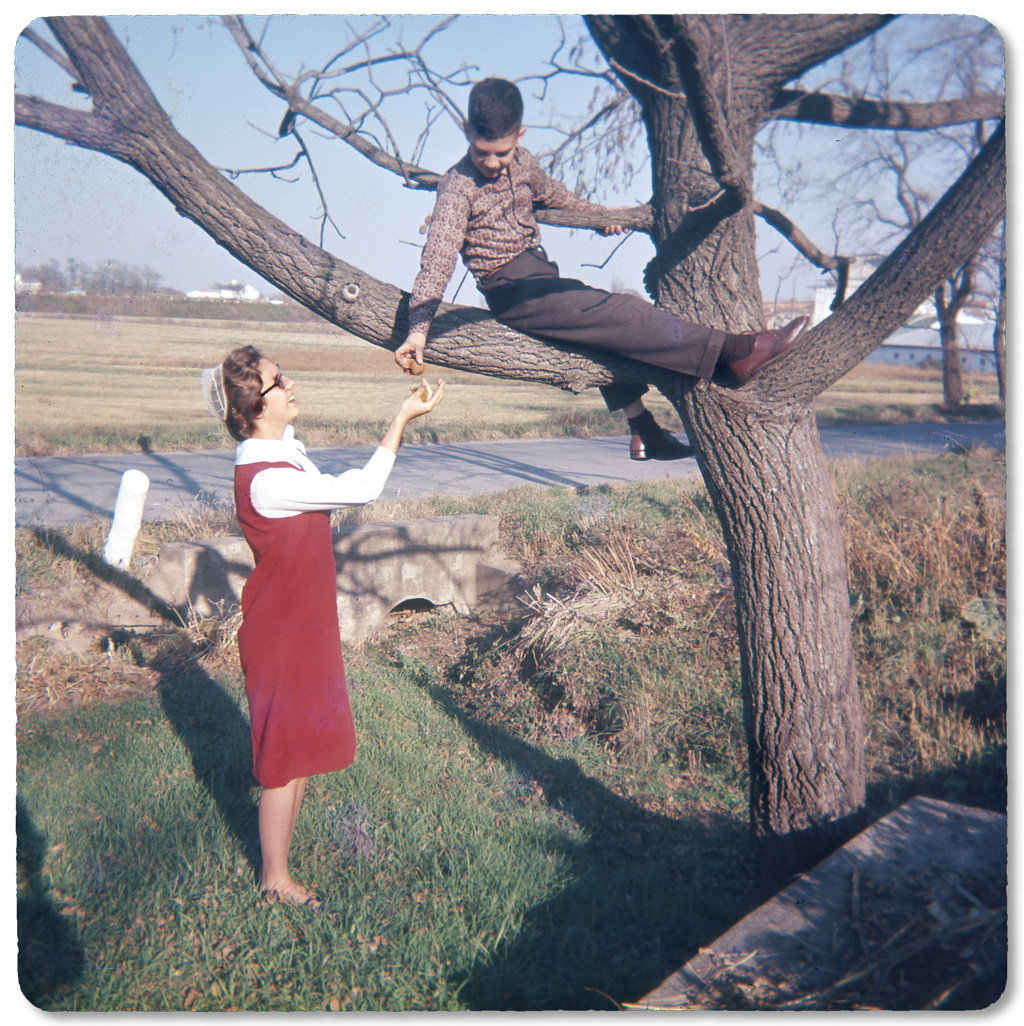
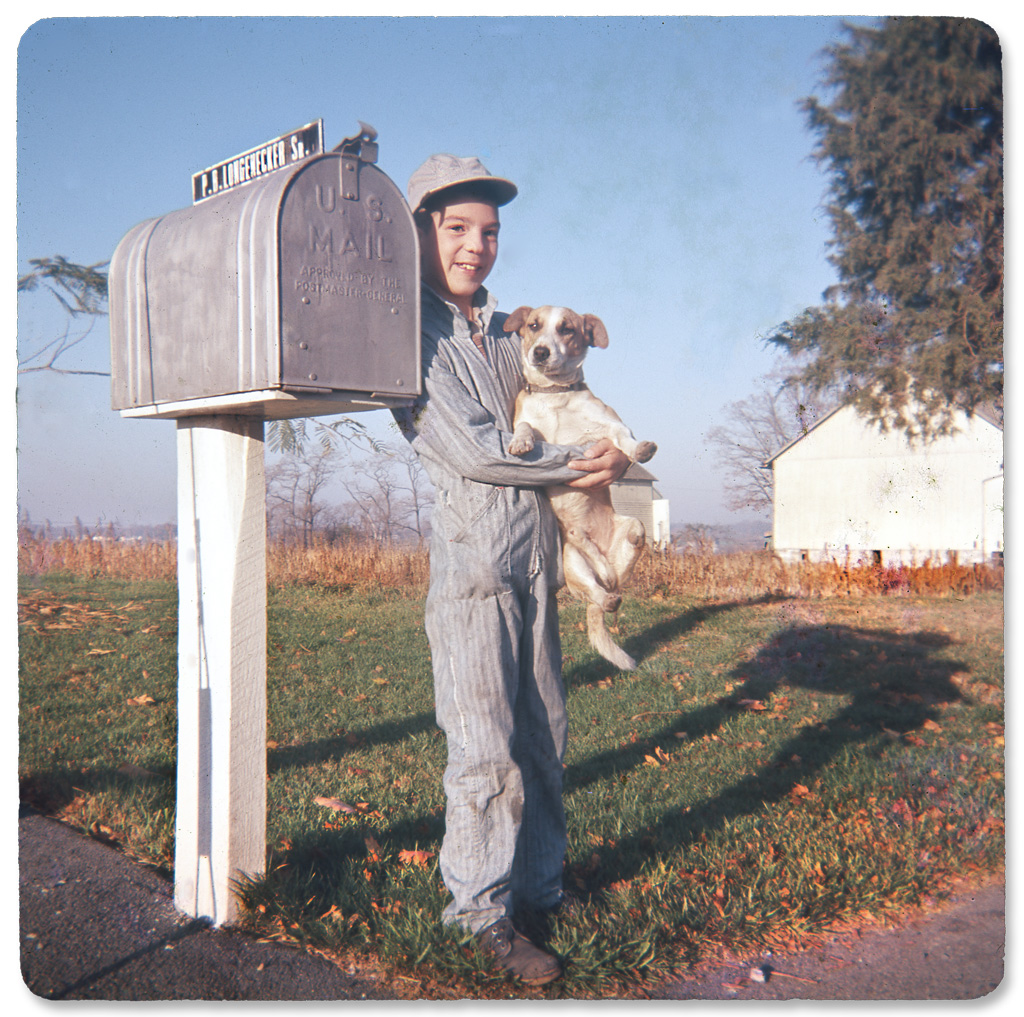
Like most boys this age, he climbed trees and played with his beloved dog, Skippy, butterscotch colored and 3-legged.

Mark handing walnuts to his sister Janice, 1964

MarkDogMailbox

In the doggy photo, Mark is already wearing shop overalls and shop shoes ready for work at Longenecker Farm Supply, our family business in Rheems, Pennsylvania.

Eventually, his work at the shop translated into industrial arts credit at Elizabethtown High School, where he earned a certificate of attendance.

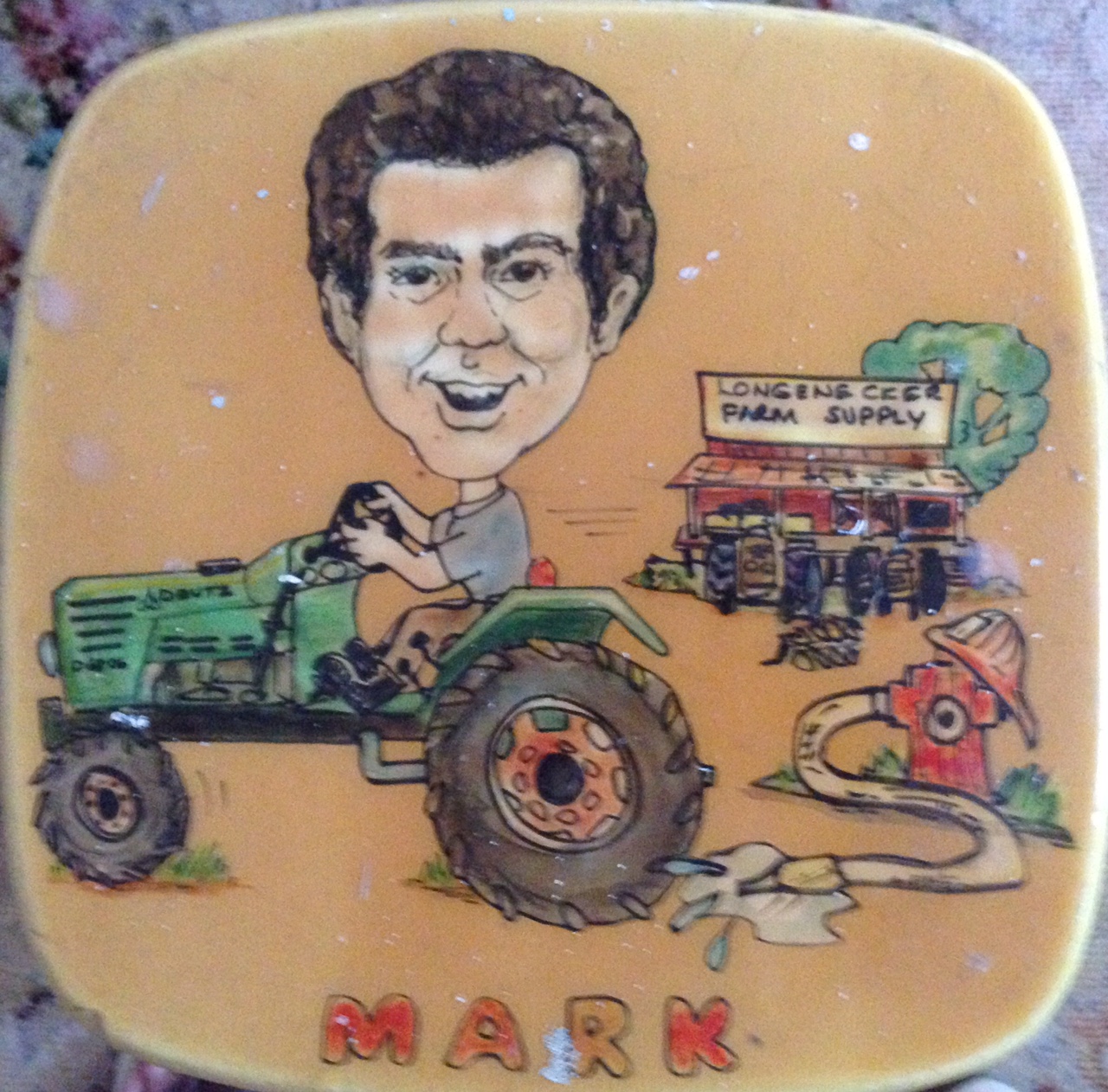
Here painted and sealed in polyurethane is a cartoon of Mark on a Deutz tractor which certified his skill at the wheel and gave a nod to his service with the Rheems Fire Department.

Stool art courtesy of Cliff-Toon Stools by Cliff Beaman, 1985
Stool art courtesy of Cliff-Toon Stools by Artist Cliff Beaman, 1985

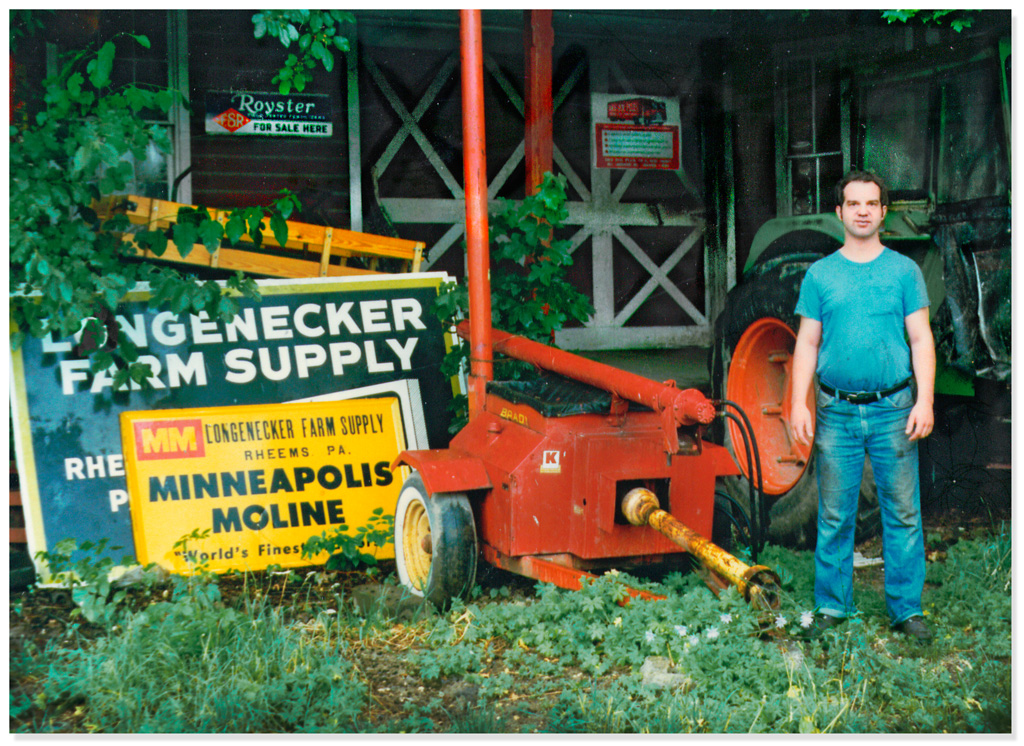
Later, he worked at our dad’s shop full time, from where he was often sent out to fix machinery when farmers were stuck needing repairs in the field.

Mark in front of shop beside soybean extruder, 1984

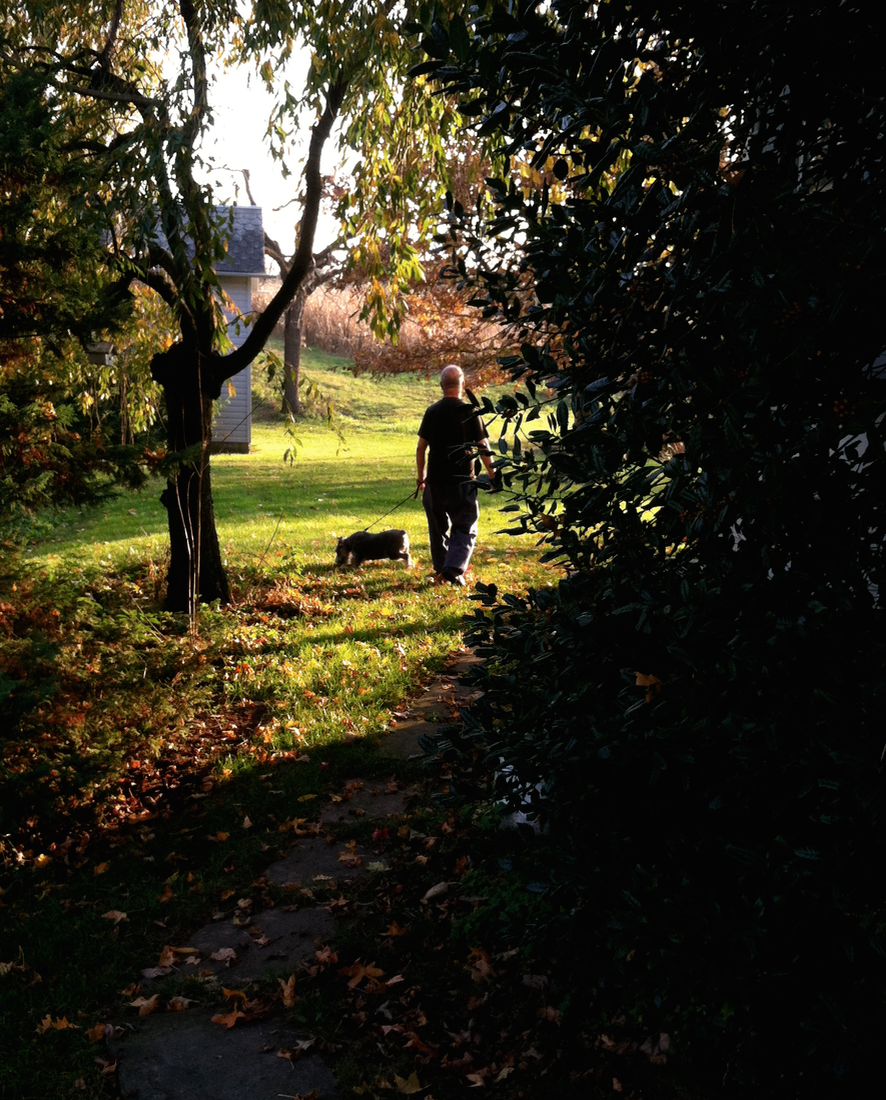
As family members aged, he kept the home-fires burning at the two houses on Anchor Road, first ministering to our Aunt Ruthie’s increasing needs as her memory loss progressed. Because of Mark’s care, Ruthie was able to stay in her own home at the bottom of the hill for four years longer than would have been feasible otherwise. He occasionally took her dog Fritzie IV for walks, a dog variously dubbed vicious, feisty or protective depending on whom you asked. Out of respect for Ruthie and her devotion to her Schnauzer, he took care of a dog he didn’t particularly like and certainly didn’t love.

MarkFritzieWoods

Simultaneously, he helped take our Mother Ruth to doctor and dentist appointments and often shopped for groceries, enabling our mother to stay in her own home at the top of the hill until she died last year at age 96.

When we realized we would be selling Mother’s house, Mark’s contacts from the shop along with his extended group of friends in the area enabled us to sell the property without a realtor’s assistance and accompanying fees.

Every Sunday now he takes Pearl Longenecker in her nineties to church at Bossler Mennonite Church.

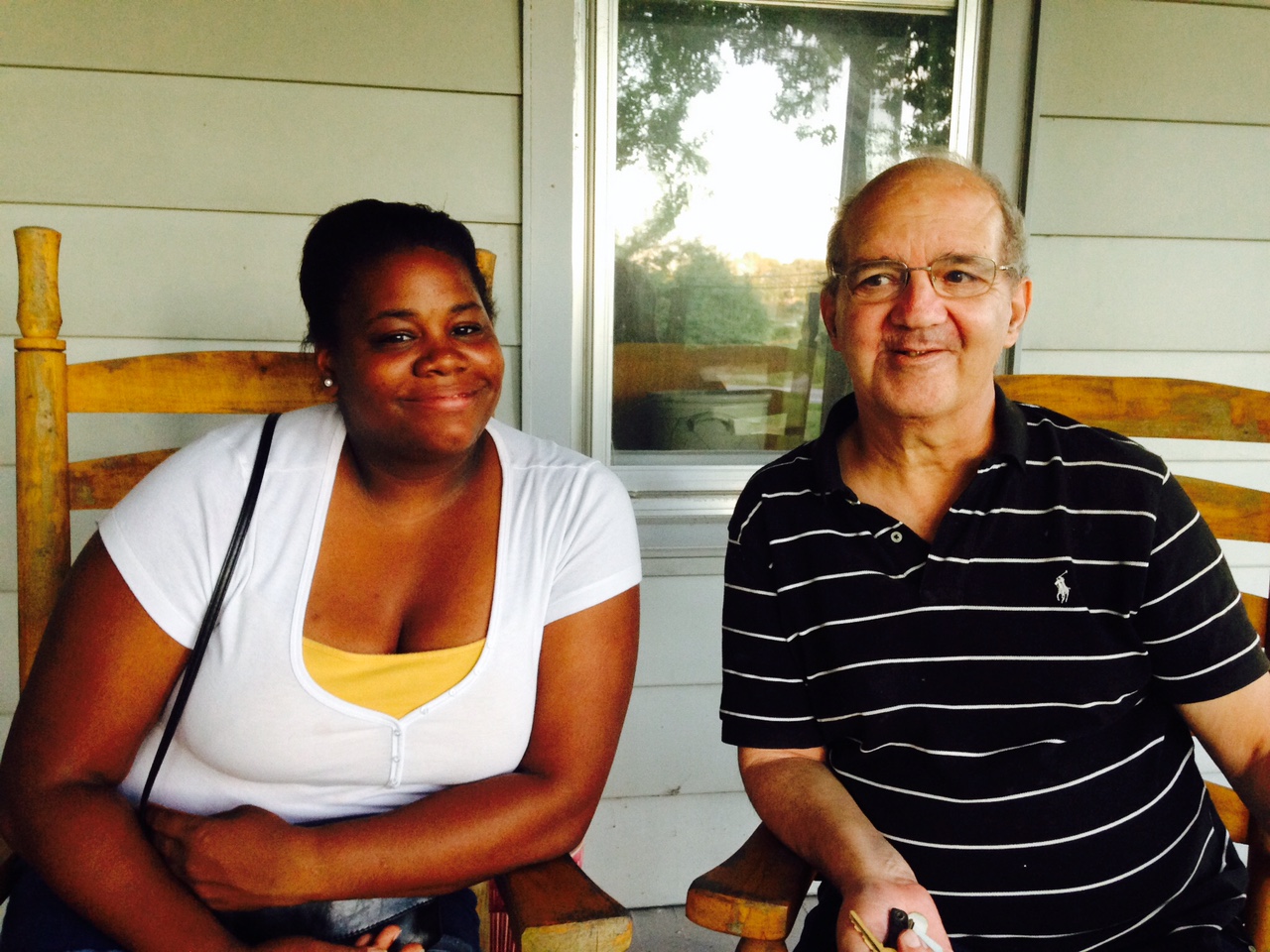
Mark continues to live in Aunt Ruthie’s house with his daughter Shakeeta (Kiki) who moved in recently, caretakers of the Longenecker homestead we hold dear.

MarkKiKi

* * *

From my point of view, Mark does not suffer from the effects of striving, the bane of modern existence. It’s safe to say he has never slavishly checked off items on a to-do list or reached for the benchmarks of fame and fortune as many do. In other words, he hasn’t made a big splash in this world. But my brother Mark is a helper, living a quiet life that matters.
Stephen Post, Hidden Gifts of Helping

We eat because it keeps us alive, and we help others because it keeps us human.  (29)

And whosoever shall give to drink unto one of these little ones a cup of cold water . . . , verily I say unto you, he shall in no wise lose his reward.     Matthew 10:42   King James Version


Are there unsung heroes in your family or among your group of friends and acquaintances? Thank you for spicing up our conversation here with your story!
Coming next: Help! A Vintage Photo in Need of a Caption

Ian and Jenna’s A-Mazing Mystery Trip with Nana’s Twisty Turns

Dr. Seuss explores the maze of life in his famous book Oh, the Places You’ll Go! On the first page he assures readers:

You have brains in your head. You have feet in your shoes. You can steer yourself any direction you choose.

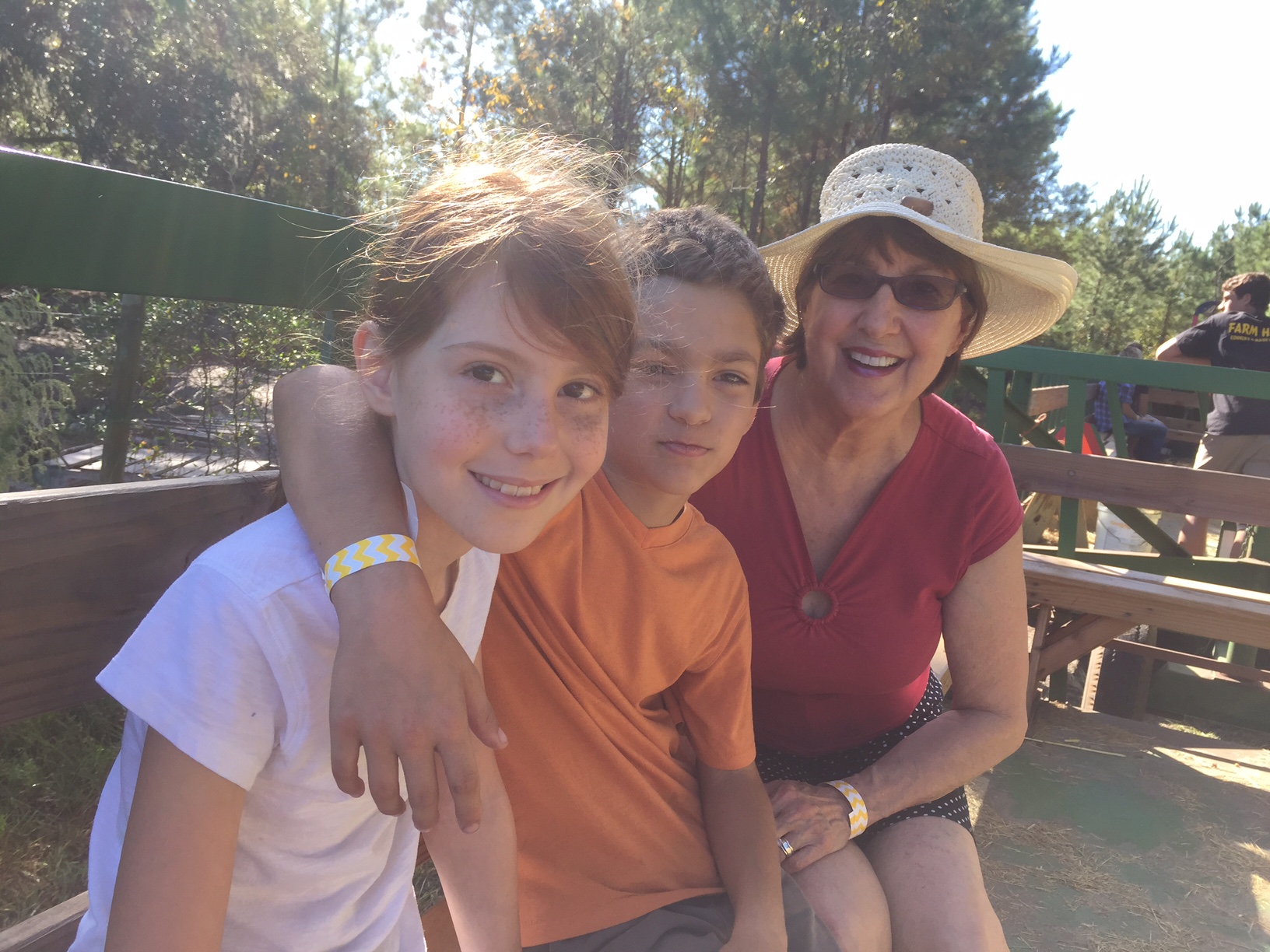
And that’s just what Jenna and Ian did when they visited Conner’s A-Maizing Acres this past October near Hilliard, Florida guiding their grand-parents from one station to the next. (Yes, they did learn “maize” is a type of corn.)

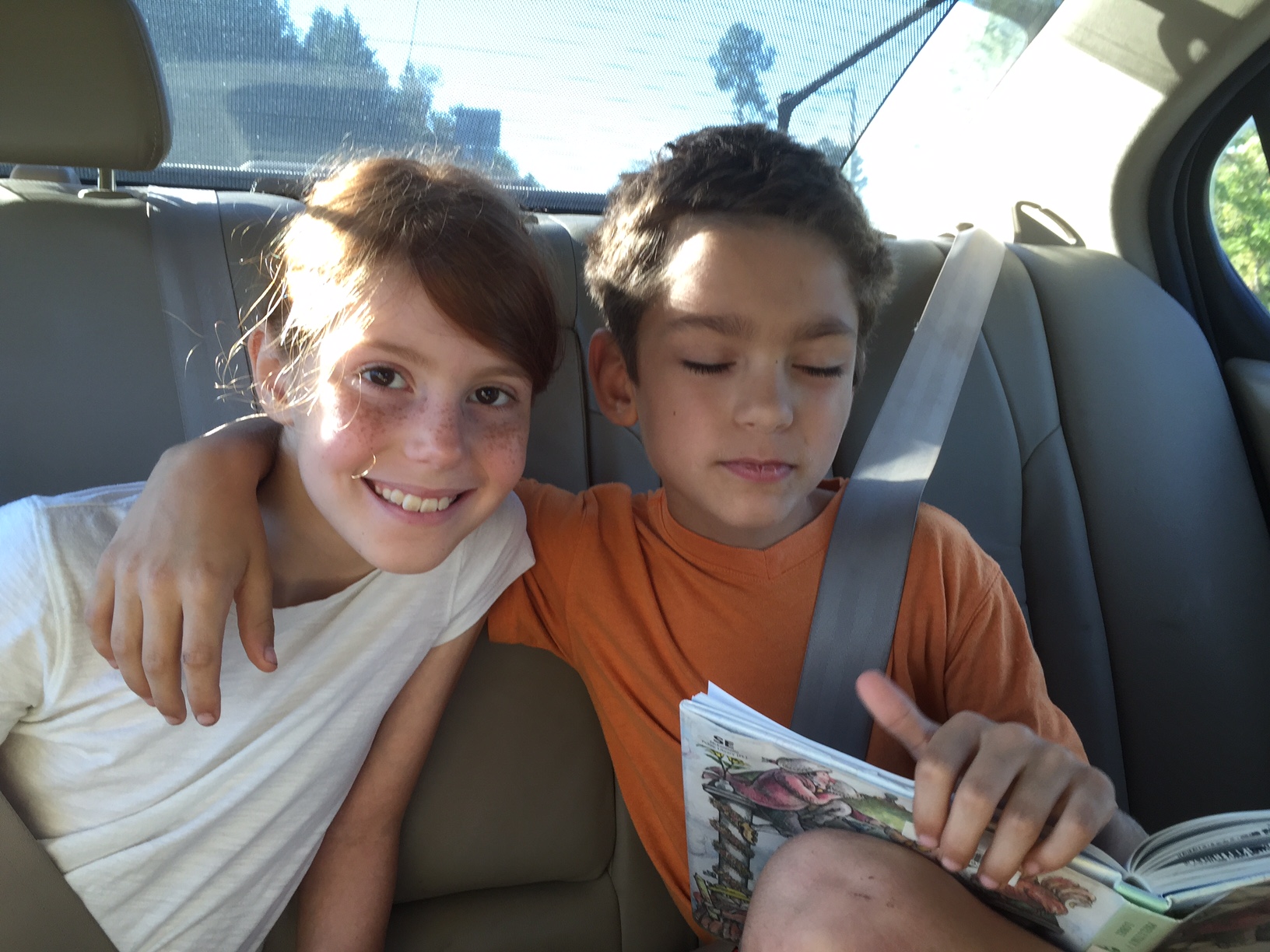
During the one-hour trip in the car, Ian read poems from The Random House Book of Poetry for Children to his cousin Jenna. He didn’t read from Dr. Seuss’ book, though whose wise words weave a web throughout this travelogue.

IanJennaBackseat

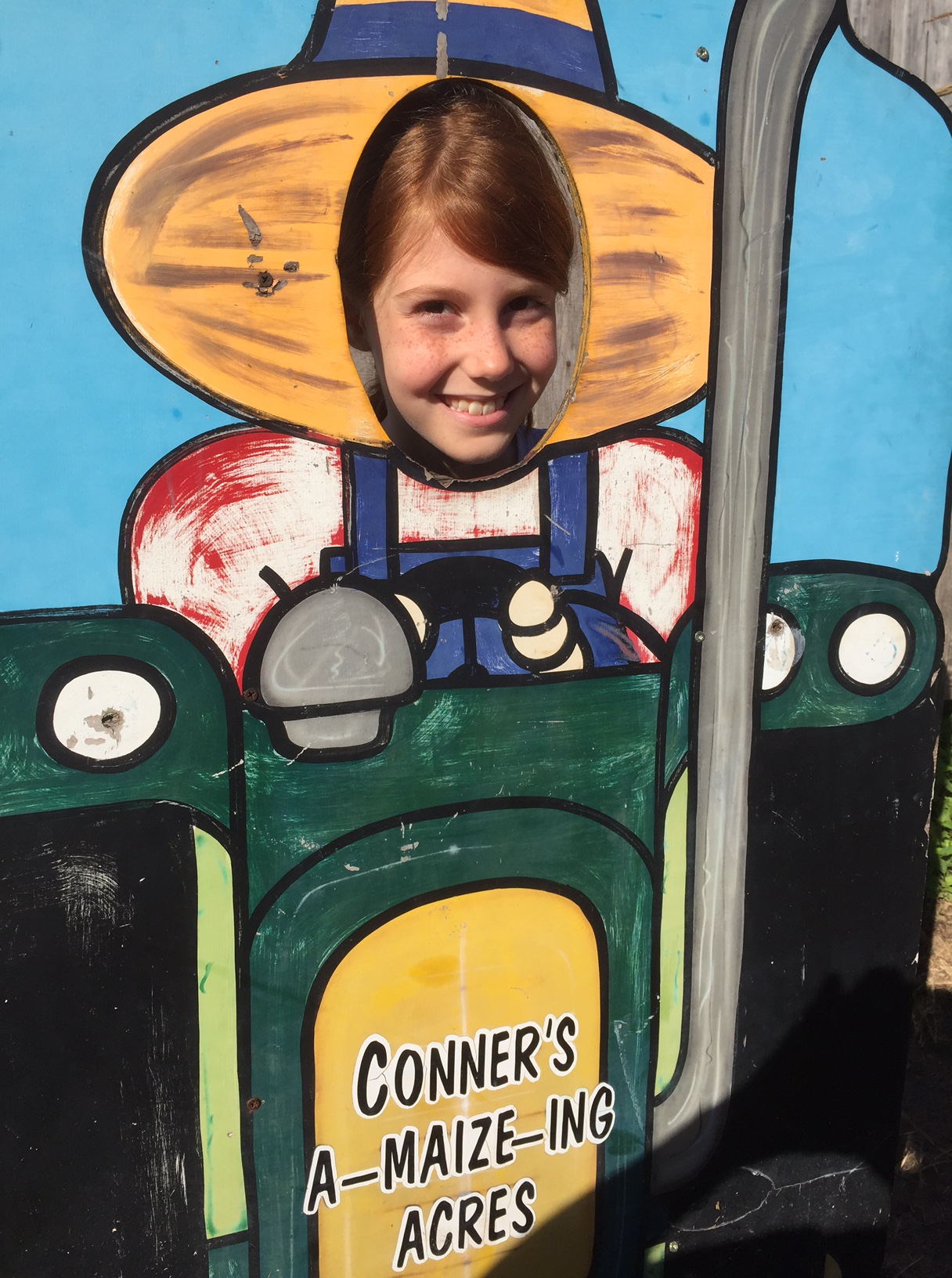
Then, a snapshot at the entrance . . .

JennaCutout

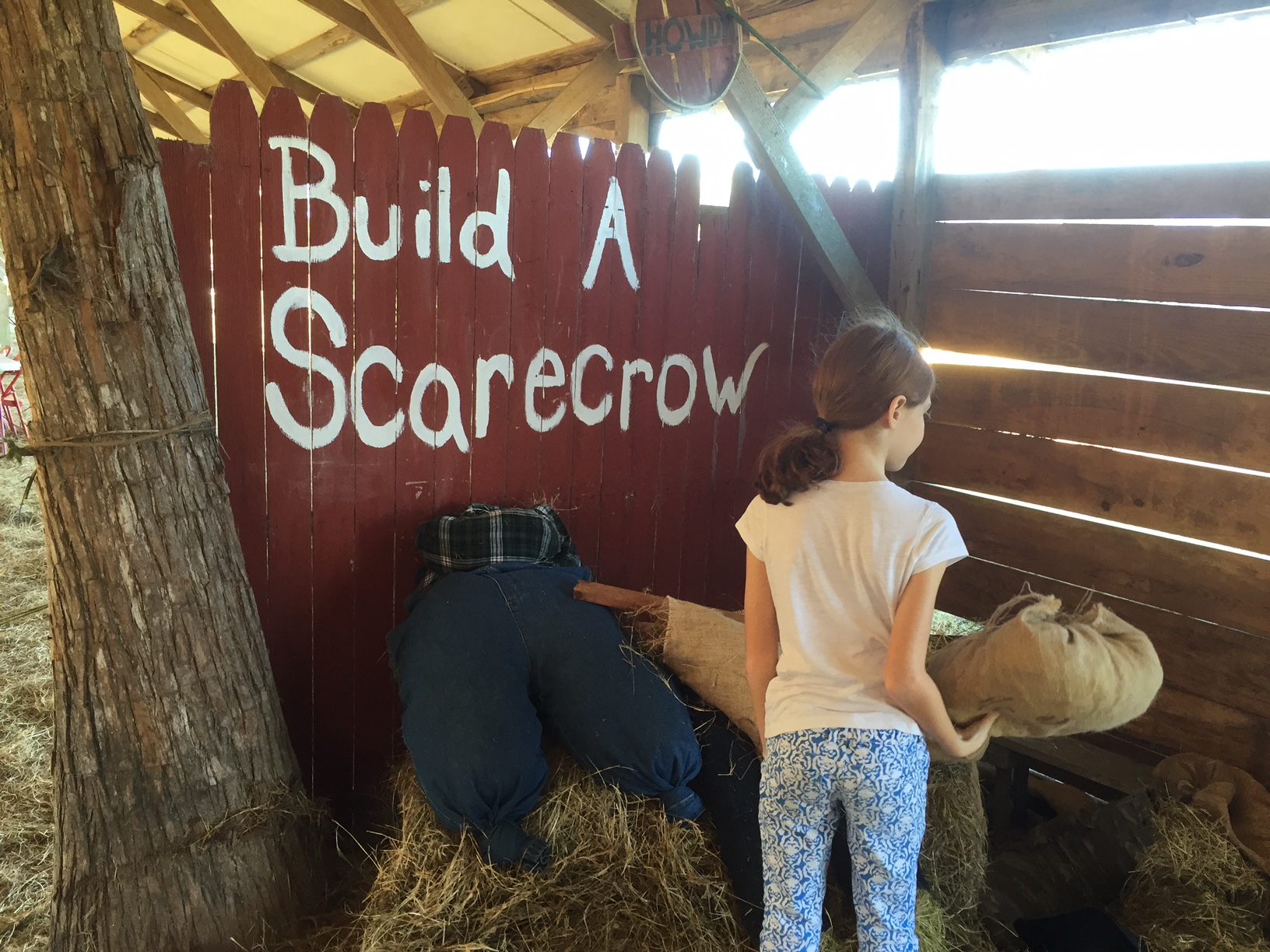
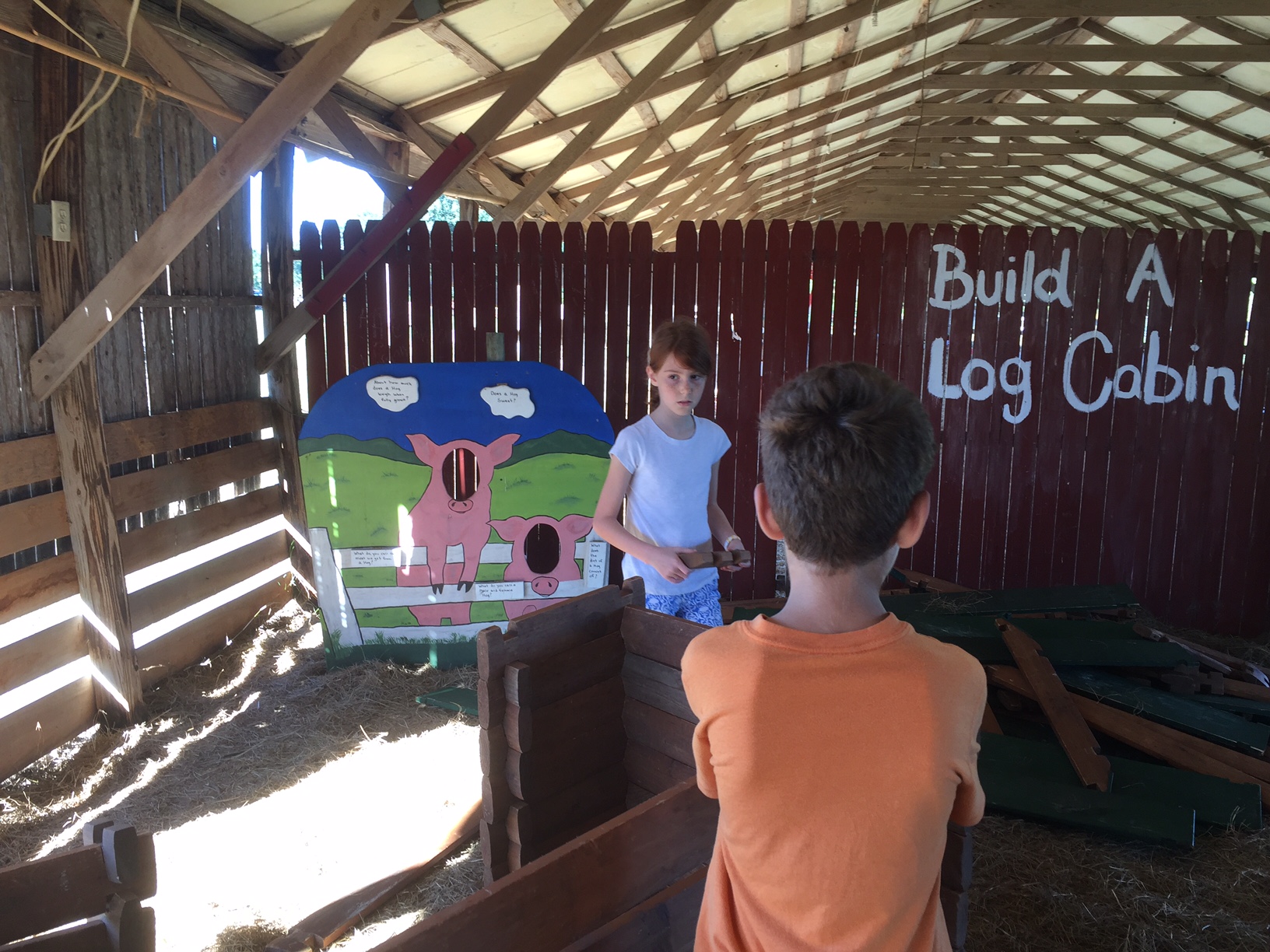
The Conner Barn offers much to keep little hands busy . . .

BuildScarecrowBuildLOGcabin

After a hayride to the field, we tackle the maze . . .

Hayride

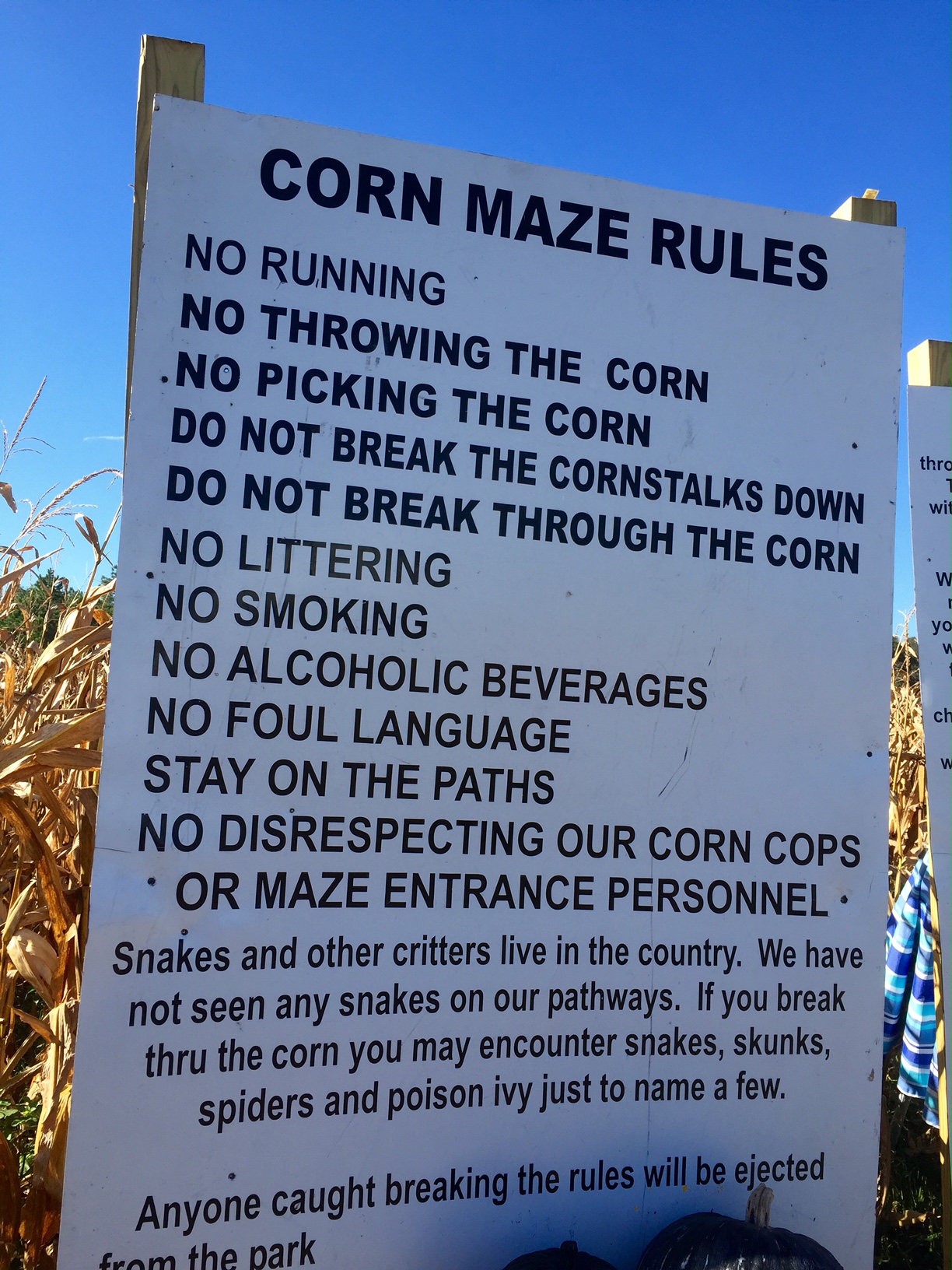
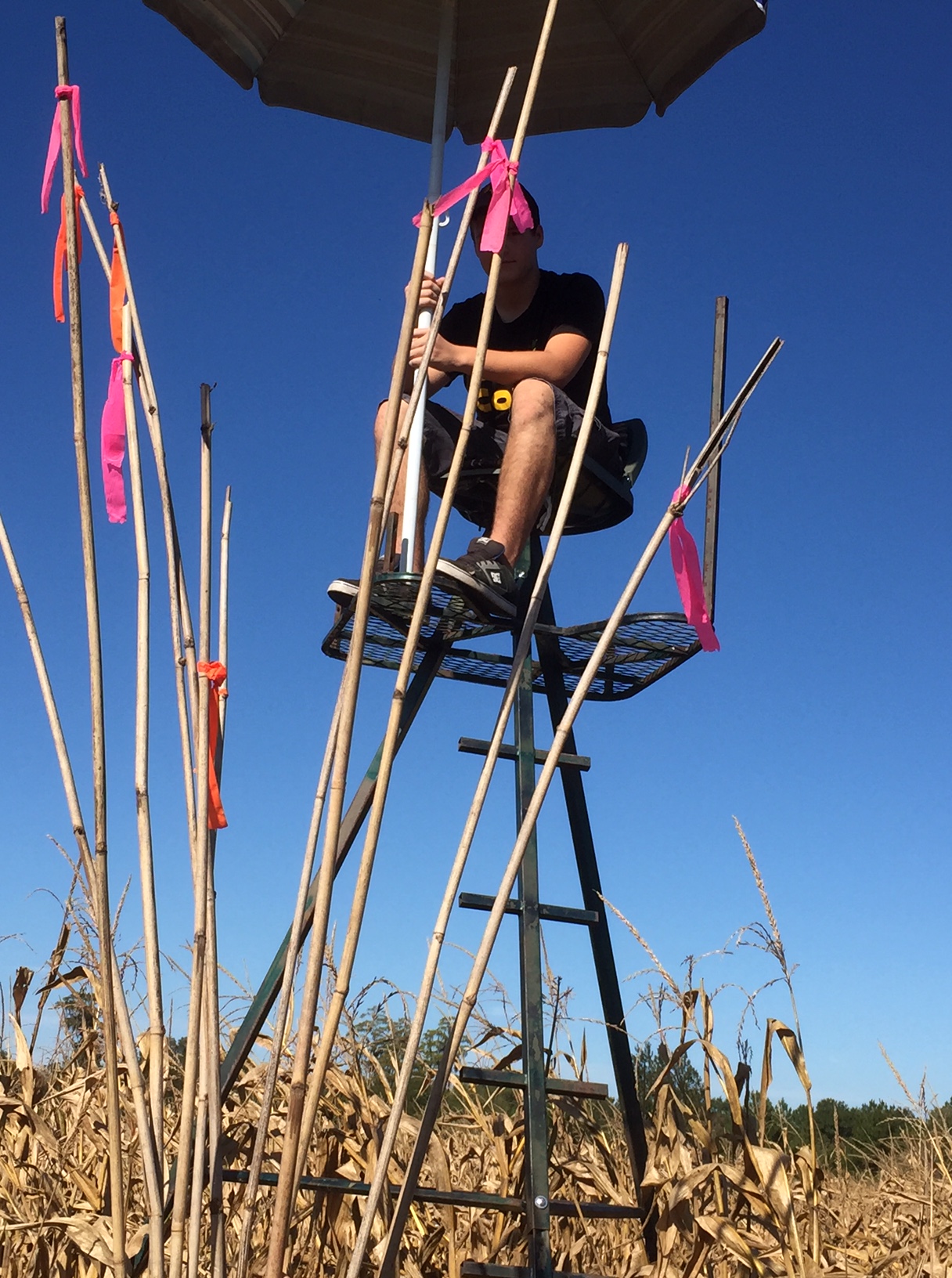
There were Rules and a Life-Guard at the entrance to make sure we didn’t get hopelessly lost or ejected!

The staff were exceptionally friendly. We imagine the rules were a response to previous infractions.

LifeGuardMaze

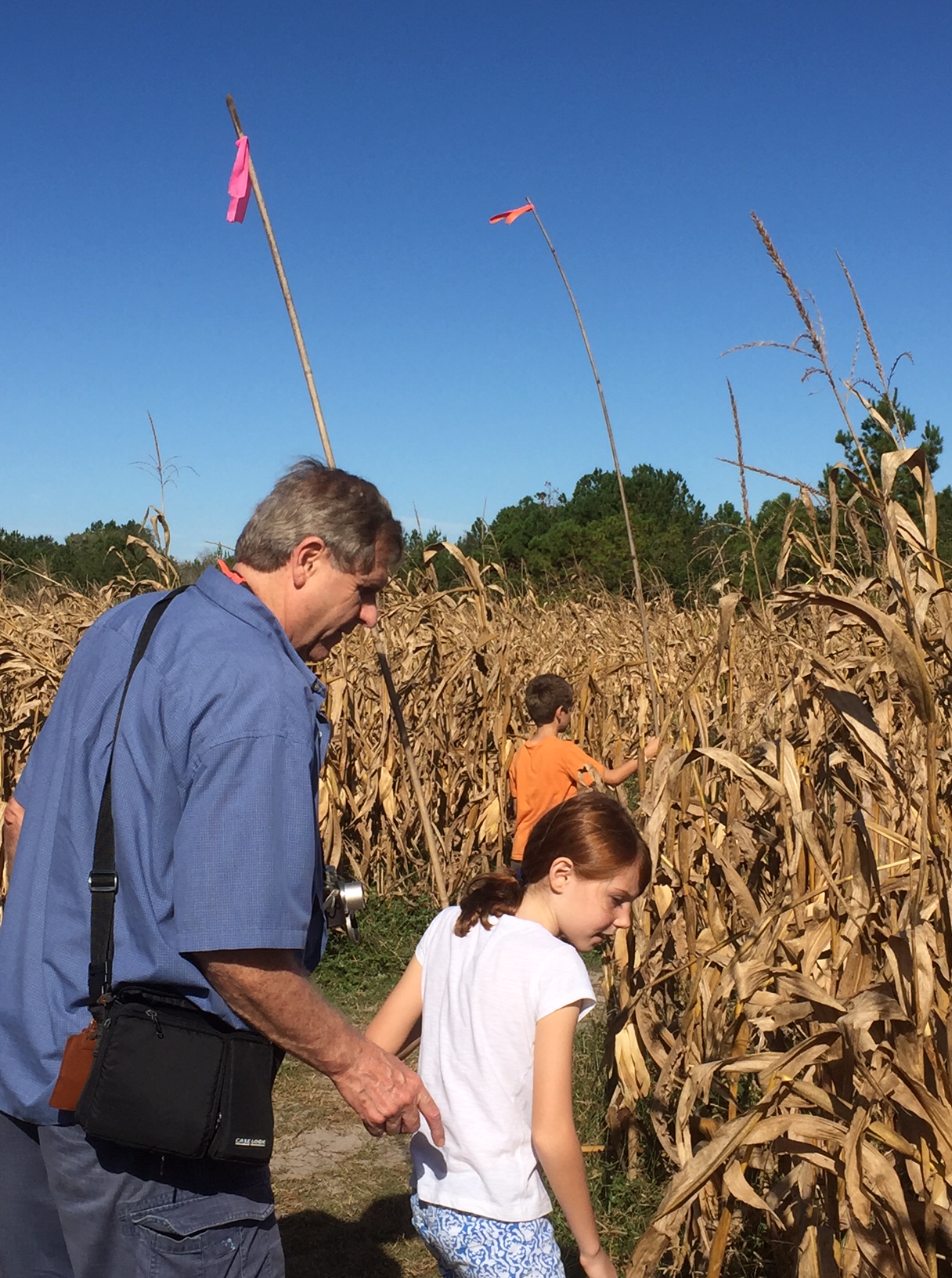
Jenna and Ian steered us away from blind alleys, saving us false steps and loss of sanity. No danger of losing our way with these two at the lead!

WalkingMaze

Like Dr. Seuss explains, it’s easy to take missteps and get lost.

You’ll get mixed up, of course, as you already know. You’ll get mixed up with many strange birds as you go. So be sure when you step. Step with care and great tact and remember that Life’s a Great Balancing Act. Just never forget to be dexterous and deft. And never mix up your right foot with your left.

But we had such good guides, not a chance this would happen to us fortunately!

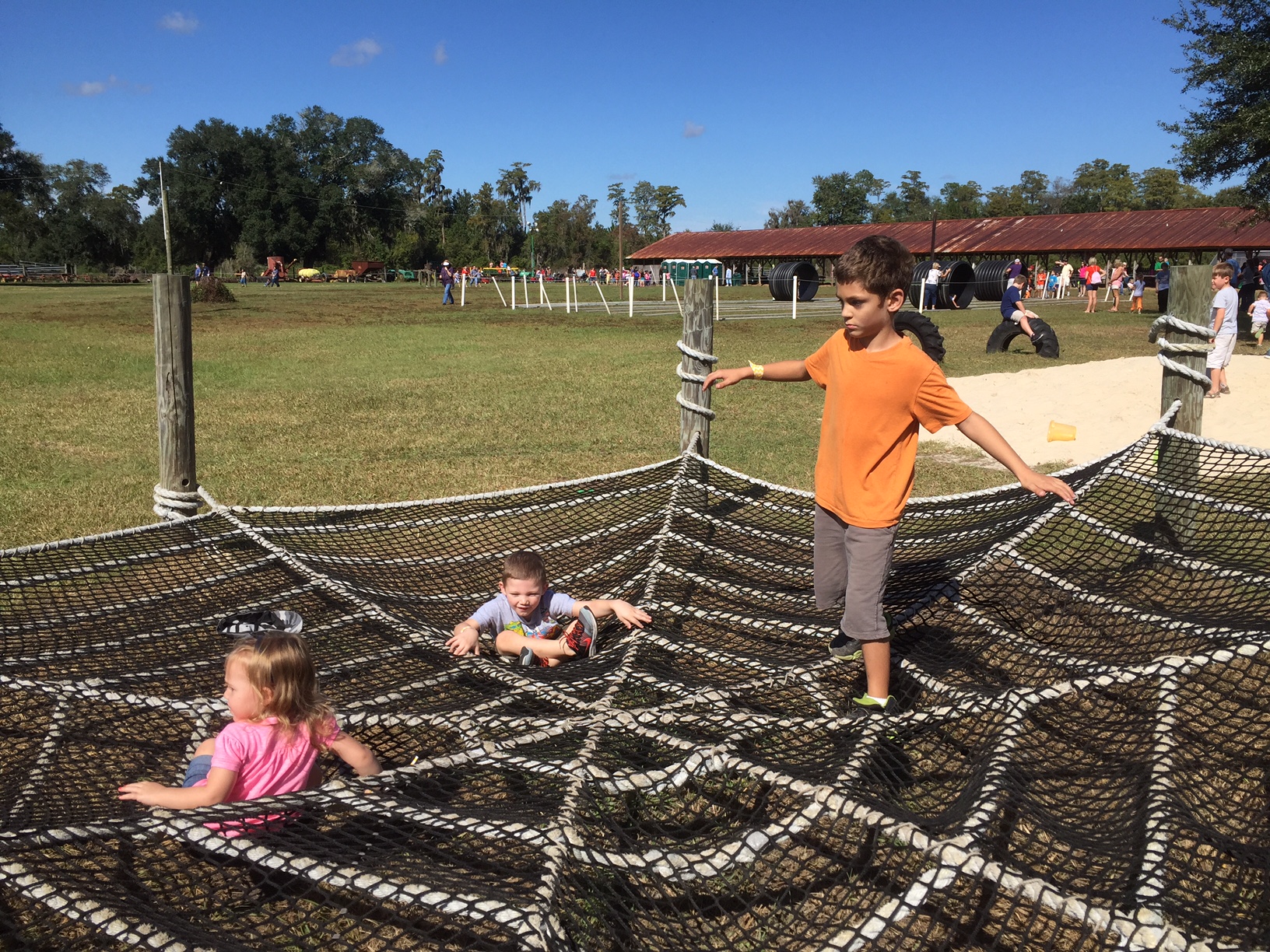
Next, while Jenna and I shopped for pumpkins, Ian bounced around on the spider web . . .

IanWalkWeb

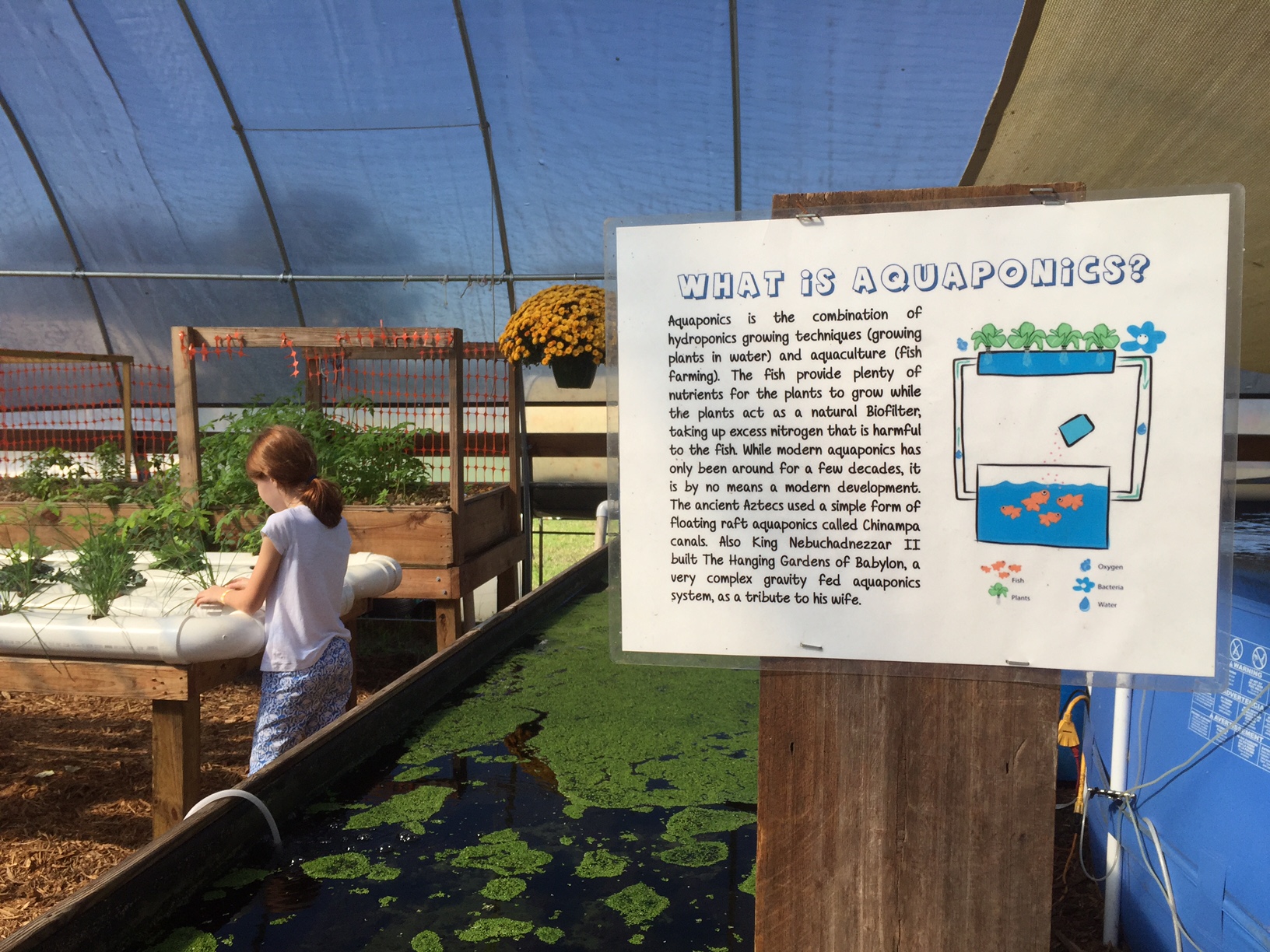
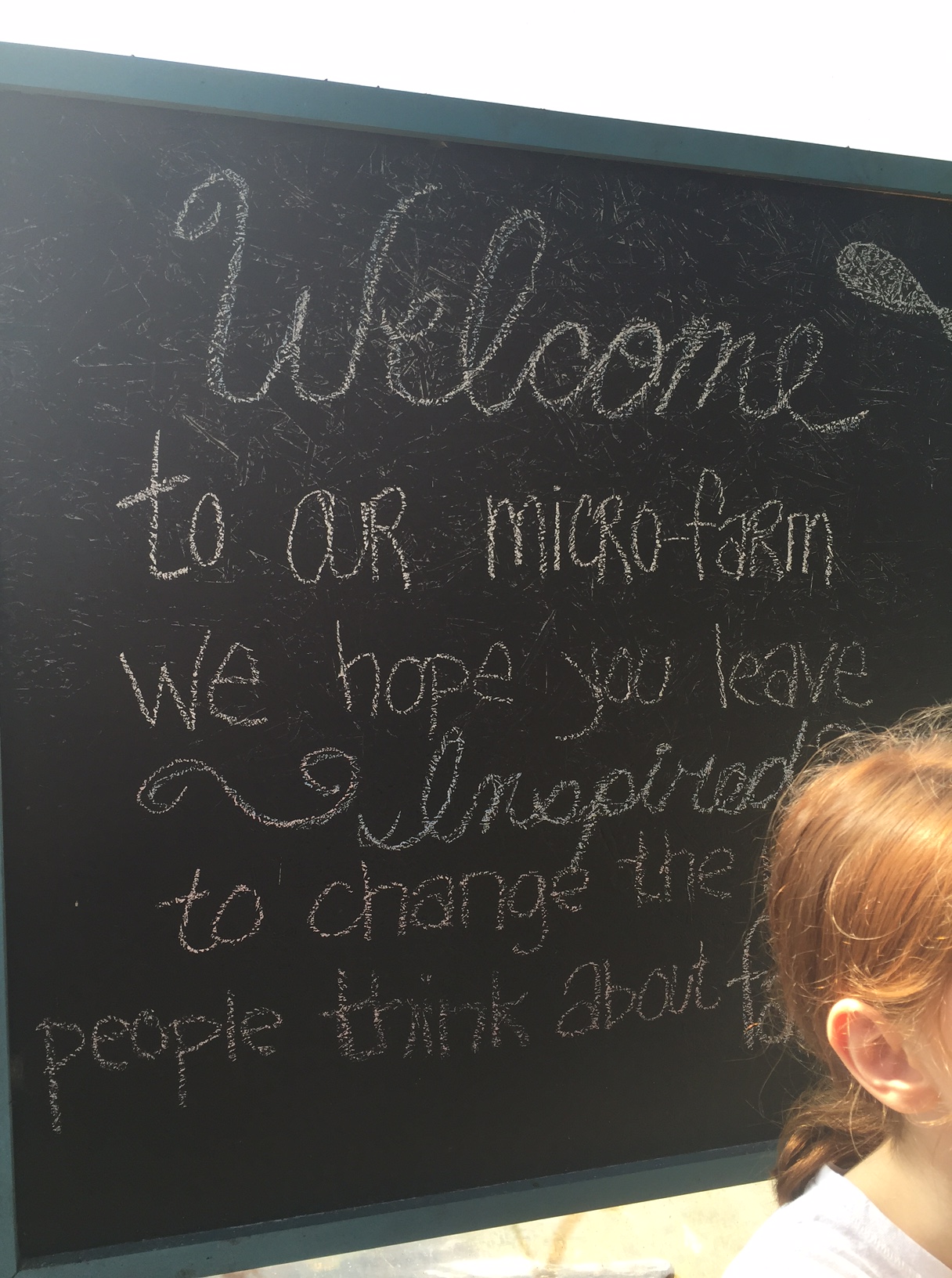
We also visited the Micro Farm with an aquaponic system:

WelcomeAquaFarm

AquaponicsJenna

Aquaponics: Growing plants in water and gravel, clay pebbles or lava rock.

We learned King Nebuchadnezzar built the Hanging Gardens of Babylon with an aquaponic system as a tribute to his wife.

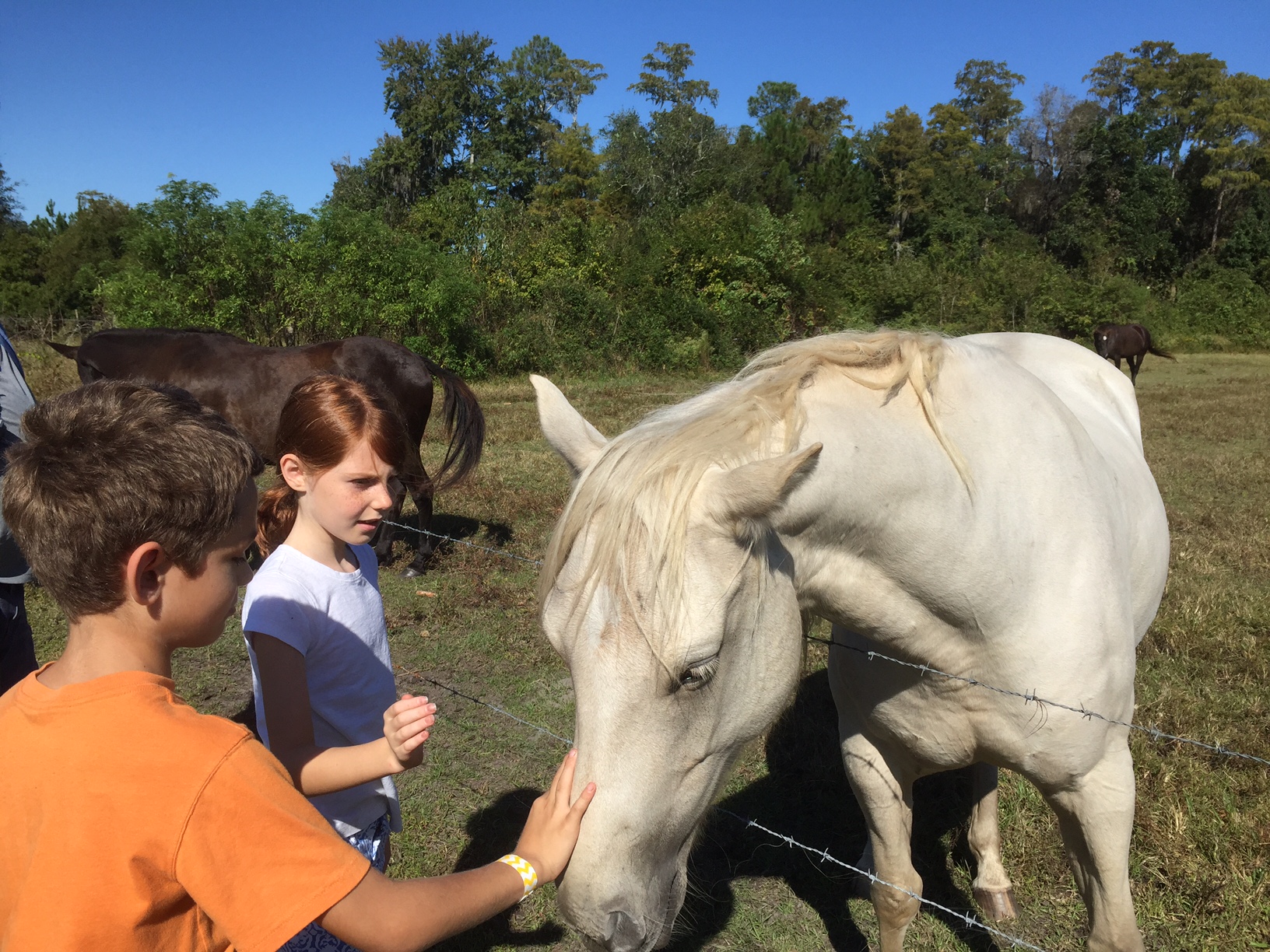
One of their favorite pauses: The horse farm . . .

WhiteHorse2Kids

Dr. Seuss continues . . . I’m sorry to say so / but, sadly, it’s true / that Bang-ups and Hang-ups / happen to you.

No, the Hang-up didn’t happen to either Jenna or Ian. It happened to their NaNa. The Cylinder-on-Rollers looked exciting and easy . . . until I got into one and right from the start, felt disoriented and dizzy and not very smart. Still, Jenna and I persisted through to the end – with less than wonderful results.

I’m physically fit and strong for my age (so I’m told),

but when I exited the roller I felt much less bold!

I had to wonder the truth of the Seuss line “You can steer yourself any direction you choose.” Yet, I suppose these closing lines below from Dr. Seuss still would apply to us. We made it to the end of the course, more or less . . .

And will you succeed?

Yes! You will, indeed!

(98 and ¾ percent guaranteed.)

Seuss’ shouts optimism and assurance on his last page:

Today is your day!

So . . . get on your way!


Have you done something lately to get out of your comfort zone, maybe even made a fool of yourself? Any memories of antics in times past?

Coming next: Quiet Lives Matter, My Brother Mark

Red, Yellow, Green Apples, Fall’s Traffic Lights: Purple Passages September 2015

Humorous Slices 

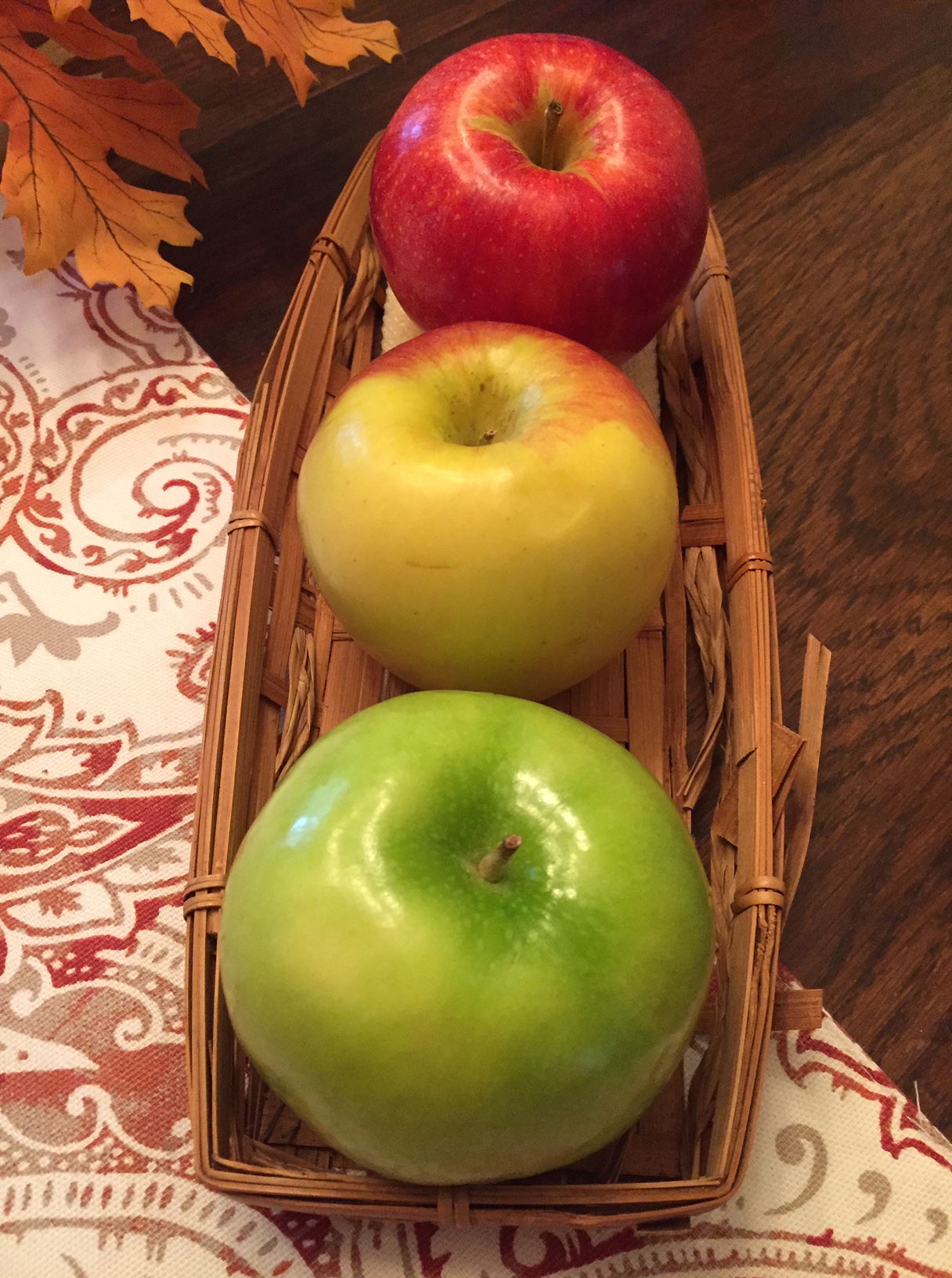
A green apple, a yellow apple, and a red apple, it’s like a fruity traffic light you can eat . . . . Did you know that my love has the consistency of applesauce? It’s true—and juicy.  ~ Jarod Kintz

ApplesTraffic Light

I ate a slice of humble pie, and it tasted like apples.   ~ Jarod Kintz

Thoughtful Slices

It is remarkable how closely the history of the apple tree is connected with that of man.   ~ Henry David Thoreau, “Wild Fruits”

Anyone can count the seeds in an apple, but only God can count the number of apples in a seed.   ~ Robert H. Schuller

Every thought is a seed. If you plant crab apples, don’t plan on harvesting Golden Delicious.    ~ Bill Meyer

Healthy Slices

Eating apples is good on so many levels. There’s fiber in the skin that’s really good for you. It helps with digestion and helps you absorb all the nutrients of everything you’ve eaten that day. Apples are a really good thing.   ~ Rebecca Romijn

A Story Poem

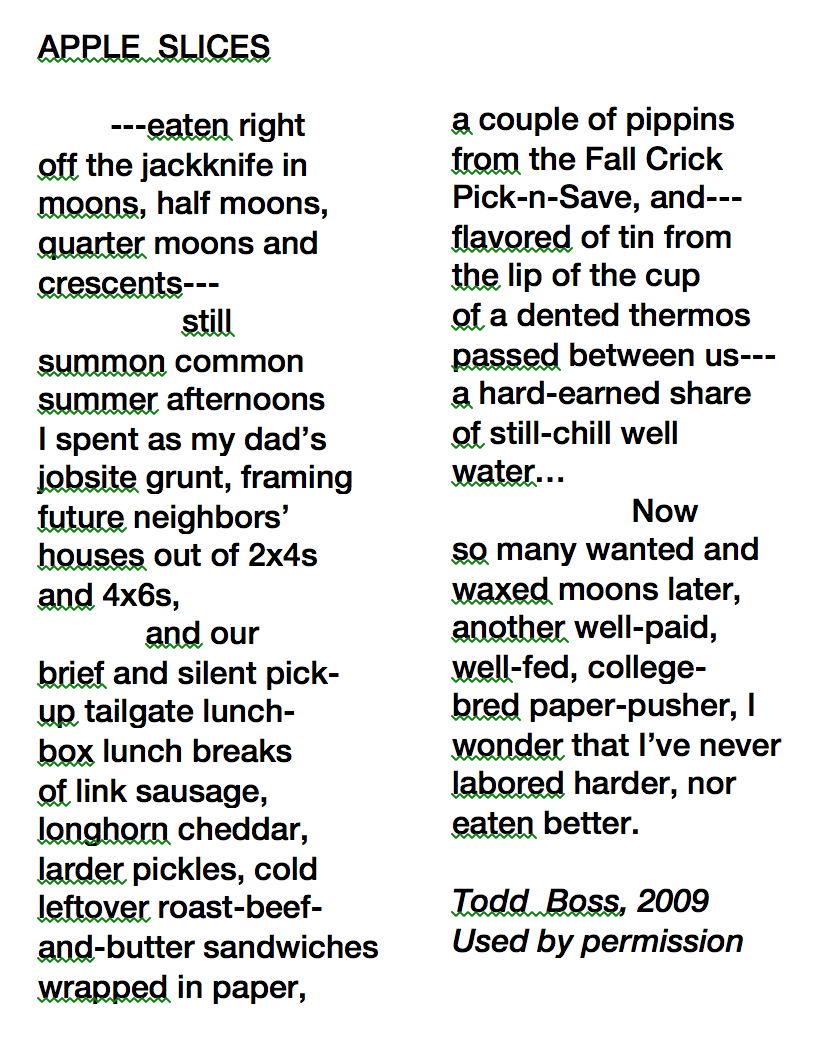
TinCup

RevisedAppleSlices

Grandma Longenecker’s Apple Schnitz

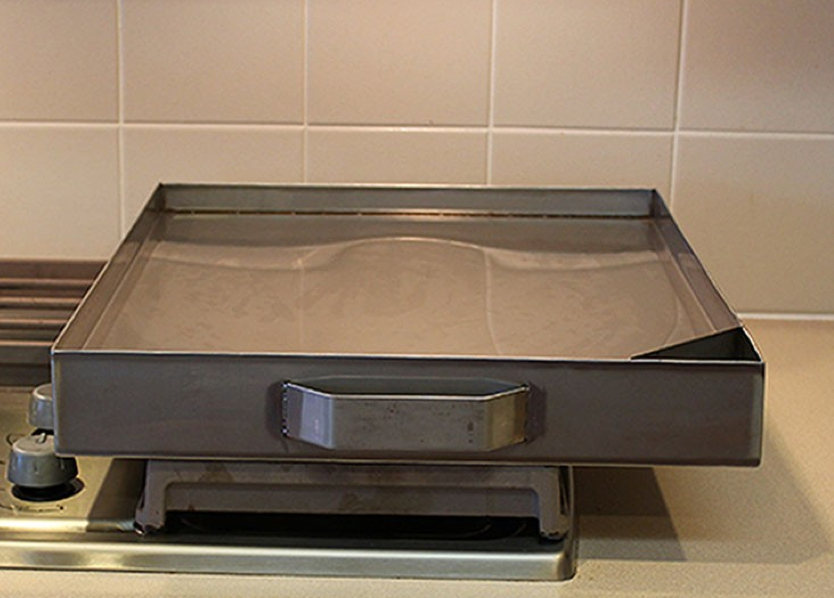
Grandma Longenecker dried apple slices locked in nutrients and flavor on a vintage food dehydrator similar to this updated one.

Food dehydrator: Google images

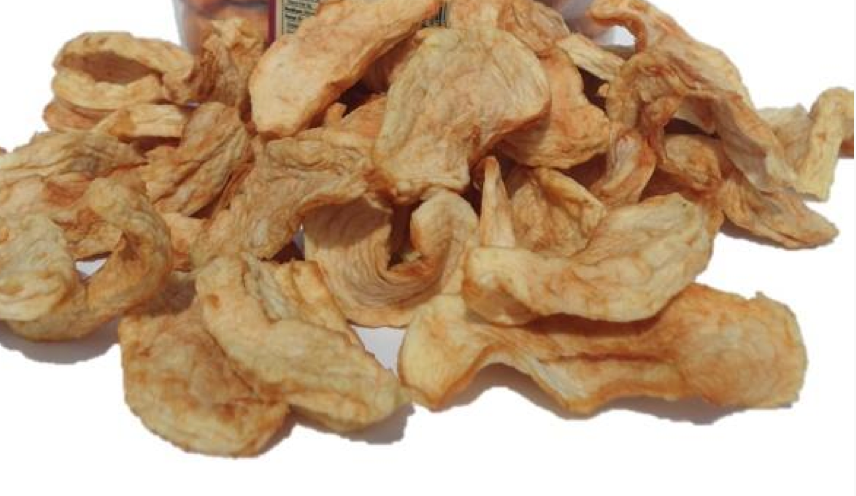
The flavor was concentrated, tart, and oh so chewy. Uh-um-good! These look just like Grandma’s! Later Aunt Ruthie Longenecker took over the tradition.

Apple Schnitz: Kauffman Farms

Red, Amber on Green Background – Van Gogh’s Apples

VanGoghAPPLES

Do you associate apples with this season of the year? Any favorite recipes with apples? Thank you for adding quotes, recipes, or anything else that comes to mind here!

Kids, Oaks, and Quotes: Purple Passages for August 2015

A Short Story

Once upon a time seven children from three different states came to visit their family in Pennsylvania. Some came from far away in a car, plane or train so they could see each other and get to know their grandparents and great-grandparents, who lived in the lush farmlands and wooded meadows of western Lancaster County.

The joy of reading: Great Grandma Longenecker and Crista, age 3


The joy of reading: Great Grandma Longenecker and Crista, age 4
Hearing bird sounds and reading stories: Great Grandma Longenecker with Crista, age 4

They liked too when Great Grandma would bring them warm strawberries from her patch in the spring time, and in the summer some ripe, pink-cheeked Bartlett pears from the tree planted near a gently flowing brook. Grandma loved trees and sometimes sat in the shade of a Japanese cherry tree as she rocked on the porch. She smelled the wisteria that twisted around a trellis close by and enjoyed the morning-glories climbing upon harp-like strings by the kitchen door.

One sad June day in 1980, their great grand-mother died, so all seven young children ages 1 1/2 – 11 gathered near the small village of Rheems to say “goodbye” to their Great Grandmother Fannie Longenecker, who was 89 years old. Some of the children called her Grandmother-of-the-Birds because she loved hearing birds chirp and gave them seeds to eat in the winter-time.

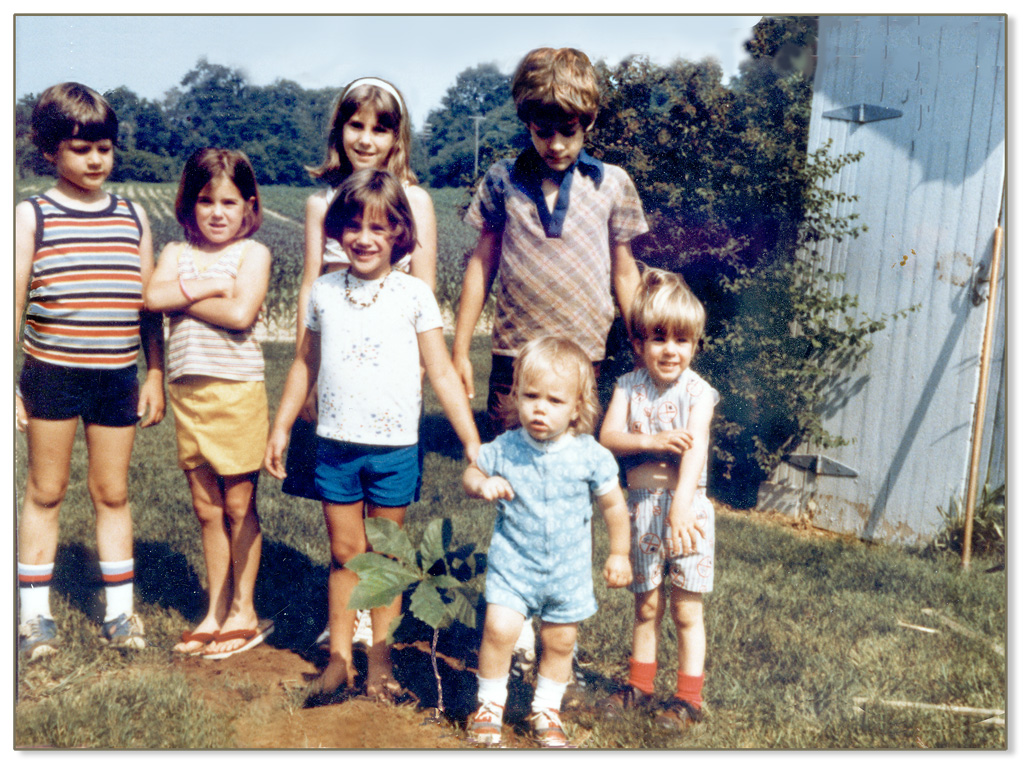
Great Grandma’s daughter, their Great Aunt Ruthie, loved trees too and when her mother died, she decided to plant an oak tree as a remembrance. All the children helped to plant the tree. Even the littlest one put some soil around the tree so the roots would be covered up tightly.

OakTreeGrandchildren

A Tall Tale

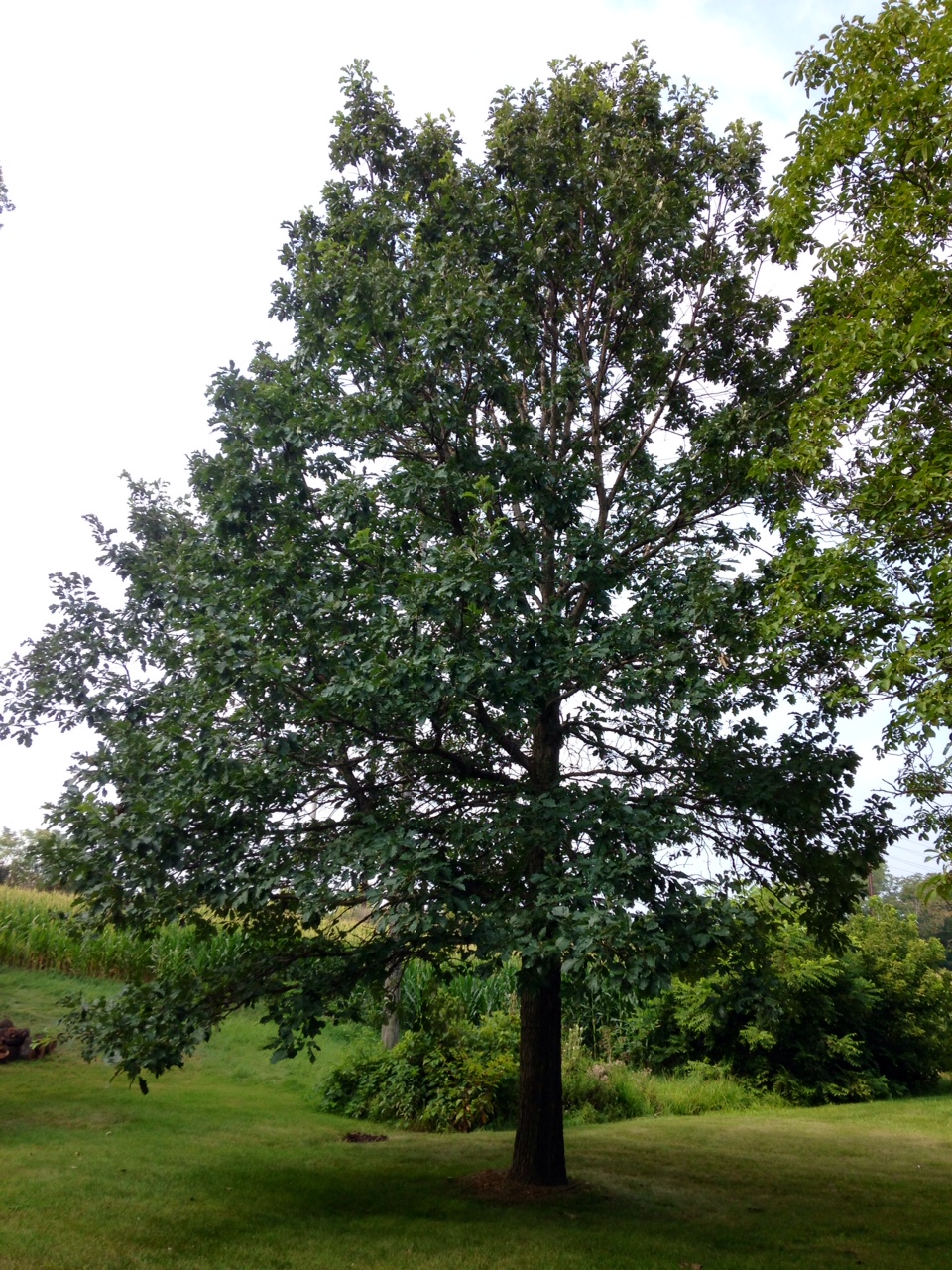
The tree grew and grew for thirty-five years. Now it is very, very tall. Cardinals, robins, and nuthatches hop around in its branches at various seasons of the year. In the summer squirrels enjoy the shade it sheds over the lawn.

Thirty-five-year-old oak tree in Grandma Longenecker's back yard 1980 - 2015
Thirty-five-year-old oak tree planted in 1980 in Grandma Longenecker’s back yard   2015 photo

The children visit Great Grandma’s house still, but they don’t often come at the same time now because they have grown up and have families of their own. When they do come, though, they can see how tall the tree has grown and imagine how deep the roots have spread out since they planted that tiny tree so many, many years ago.

Like birds, they have flown away on strong wings . . .

Like trees, they have memories deeply rooted in the Pennsylvania soil

 * * *

Someone is sitting in the shade today because someone planted a tree a long time ago.     ~  Warren Buffett

A people without the knowledge of their past history, origin and culture is like a tree without roots.      ~  Marcus Garvey

Even if I knew that tomorrow the world would go to pieces, I would still plant my apple tree.     ~ Martin Luther

Friendship is a sheltering tree.    ~ Samuel Taylor Coleridge

I like trees because they seem more resigned to the way they have to live than other things do.    ~ Willa Cather, 1913

Trees are your best antiques.   ~ Alexander McCall Smith

I think that I shall never see
A billboard lovely as a tree.
Perhaps, unless the billboards fall,
I’ll never see a tree at all.
~ Ogden Nash, “Song of the Open Road,” 1933   (parody of a Joyce Kilmer poem)

* * *

And he shall be like a tree planted by the rivers of water, that bringeth forth his fruit in his season; his leaf also shall not wither; and whatsoever he doeth shall prosper.

Psalm 1:3  KJV


Is there a tree of significance to your family? Where is it planted? What other images did you recall as you read this post?