Do you have winter fun – sledding, tobogganing, ice skating, even skiing? Maybe now it’s a vicarious experience with kids or grandkids. I wrote about it last year in another post. Since then, I’ve paged through albums to find photos of our Floridian family having fun in the ice and snow.
In winter, skating was even better, the whole body thrown into orbit. Ice-skating was my sport, the only athletic passion of my piano-playing, book-reading, indoor girlhood: A northern pleasure, a cold-weather art form (129).
SKATING
Grandson Ian wobbly at first on cold ice on a warm day in St. Augustine, Florida. Outside temperature was almost 70 degrees, the ice got slushy, maybe a good thing for beginners.
SKIING Gliding, sliding down a hill, that’s what skiing is under the best possible circumstances.
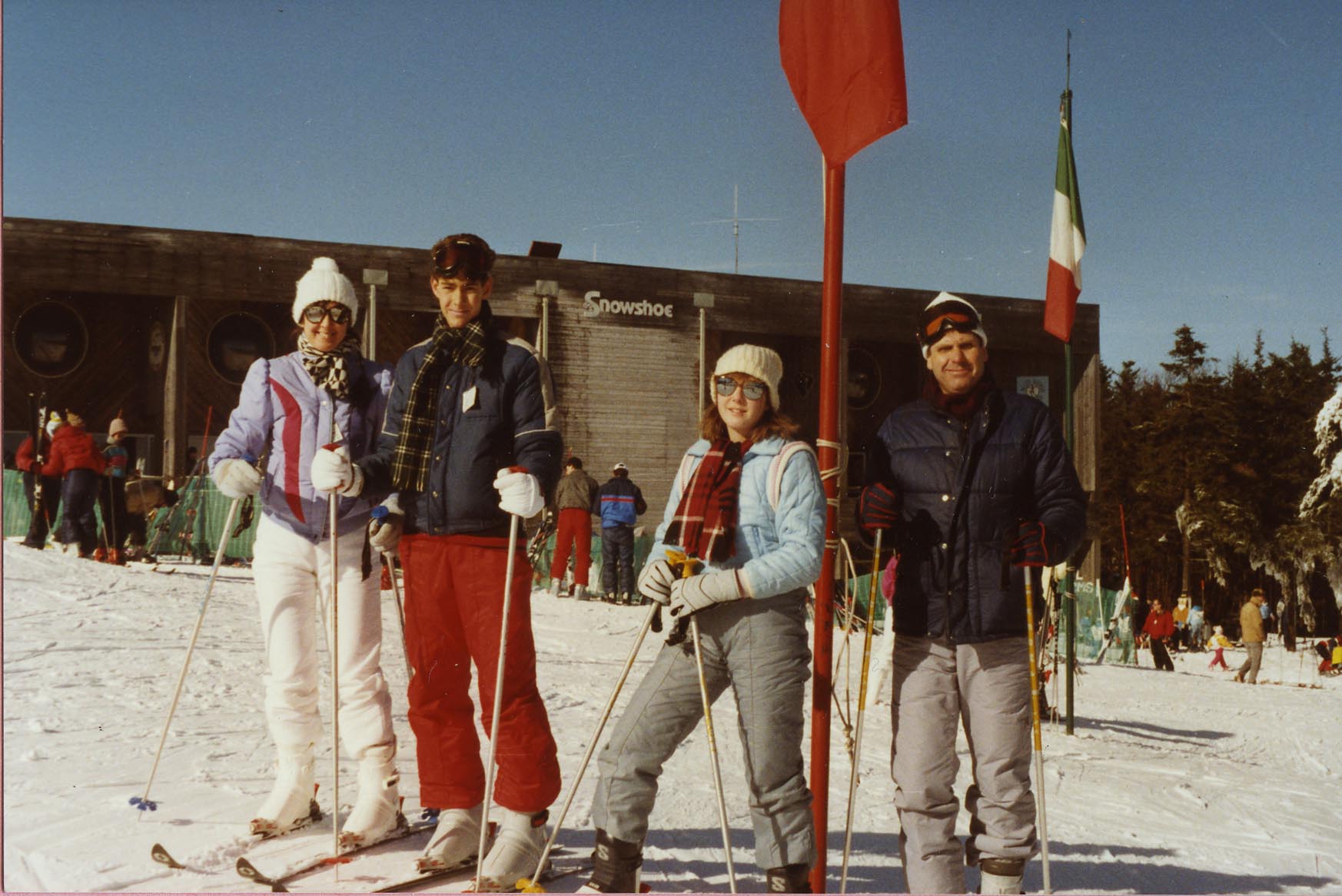
Before they left the nest, Joel and Crista with parents in Snowshoe, WV
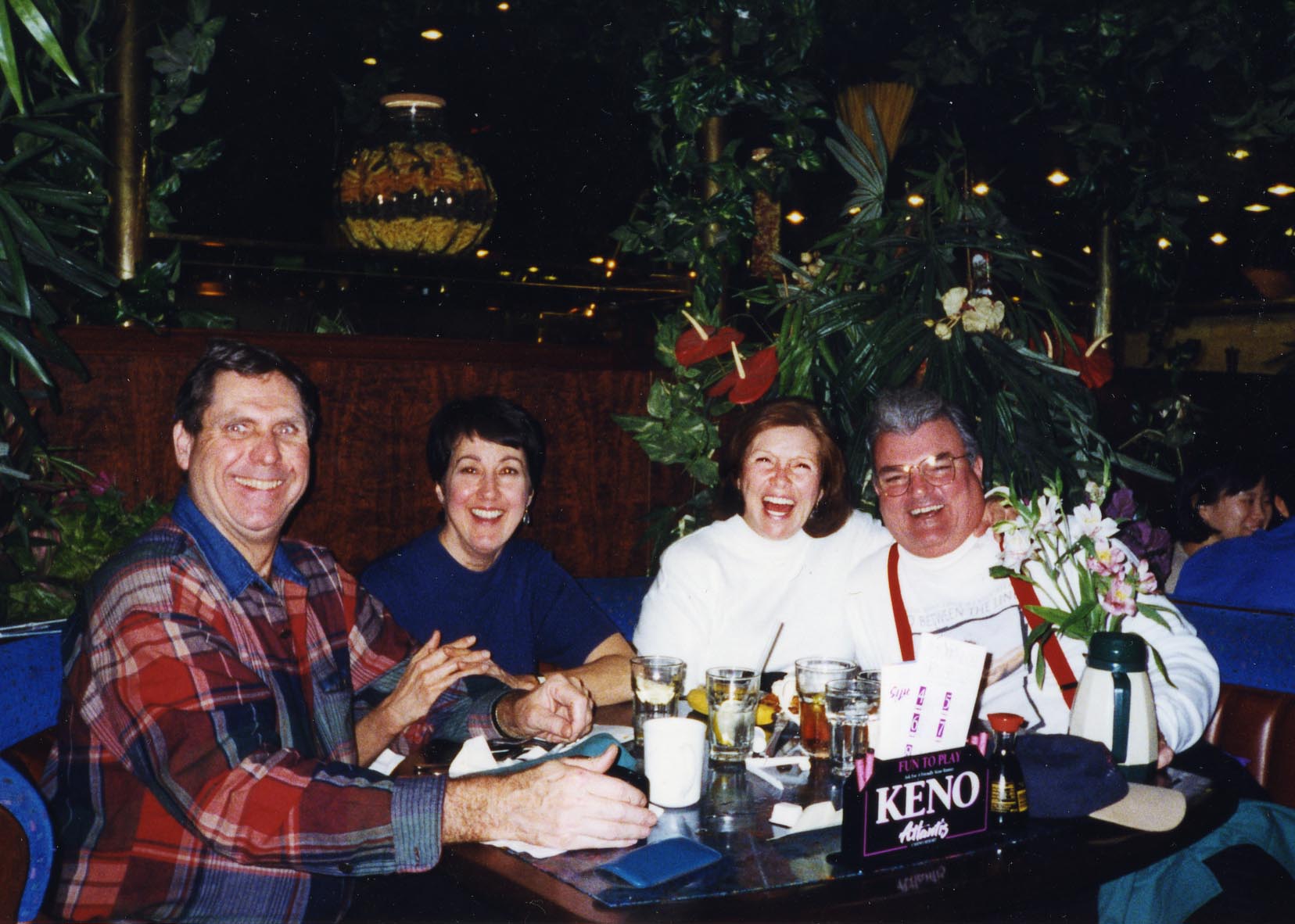
What’s so hiliarous?: Helen and Charles Blankenship warming up with us after a cold day on the slopes at Lake Tahoe, California
SNOWFLAKES
Do you remember cutting out paper snowflakes like this?
For detailed instructions with a video, click here.
Snowflakes make Emily Dickinson want to dance a jig, so she says!
I counted till they danced so
Their slippers leaped the town,
And then I took a pencil
To note the rebels down.
And then they grew so jolly
I did resign the prig,
And ten of my once stately toes
Are marshalled for a jig!
Your turn: What is your winter fun? Sledding, tobogganing, ice skating, even skiing? Maybe now it’s a vicarious experience with kids or grandkids. We’re dying to find out.
Remember the days when kisses and hugs displayed affection at the end of hand-written letters? XXX OOO
Then came smiley faces with a circle, two dots for eyes, and curvy mouth, maybe even a dot for the nose. Hugs were shown as parentheses: (((( )))) They still are!
With online communication, showing mad, sad, or glad emotions has become sophisticated, expressed graphically as emoticonswhichcan be divided into three styles, western or European, Asian, and a two-channel style which includes Japanese.When I write an email message, I can choose from these icons shown below. Just hover over the desired icon, click on it, and I can be cool, with glasses, cry, feign innocence, wink, claim my lips are sealed, ask for money, even YELL (last icon).
Facebook has even more choices: Confusion conveyed here!
Some Facebook icons are called stickers. And they are large and sticky! If perchance, you click on one of these, the emoticon swells to a one-inch size, gobbling up your text. I have learned to refrain!
If you want to get really fancy on Facebook, Beep the Meep is available, a fictional alien who appeared in the weekly comic strip Dr. Who Weekly.
If felines are your friends, by all means click on Pusheen the Cat, a roly-poly character in an animated comic series.
Author Angela Ackerman has commented on how writers can use words so they appear as pictures in readers’ minds in her book, The Emotion Thesaurus: A Writer’s Guide to Emotional Expression co-written with Becca Puglisi. The Amazon overview says this about her guide:
One of the biggest problem areas for writers is conveying a character’s emotions to the reader in a unique, compelling way. This book comes to the rescue by highlighting 75 emotions and listing the possible body language cues, thoughts, and visceral responses for each. Using its easy-to-navigate list format, readers can draw inspiration from character cues that range in intensity to match any emotional moment.
In other words, show in graphic detail that your character is angry, don’t announce it, easier said than done.
Blogger A. Piper Burgi has posted more vivid word choice suggestions for writers in a recent blog postentitled Increase Your Emotional Vocabulary.
+ + + + +
What do you think of the emoticon craze online? Is it right down your alley or do you think the icons are goofy or fake?
If you are a writer, what are your secrets to conveying emotion with words?
Bonus: A curious story: The man with a frozen smile (Jonathan Kalb, “Give Me a Smile,” The New Yorker, January 12, 2015)
Coming next: Acquainted with Grief: Author Elaine Mansfield Speaks
On December 29, author/blogger Joan Rough published a post declaring her optimistic intentions for 2015 and pondering a single word to characterize this new year while contemplating words of wisdom used other years. Some choices she suggested: Believe, Dare, Trust, Patience, Forward. Even the word Intention would be a good star to steer by, she mused.
Other commenters suggested words like Flow and Connection. Thus, Purple Passages for January is constructed from 3 of these words: Dare, Intention, Flow
DARE
“Daring ideas are like chessmen moved forward. They may be beaten, but they may start a winning game.”
― Johann Wolfgang von Goethe
“Somewhere over the rainbow, skies are blue, and the dreams that you dare to dream really do come true.”
― E.Y. Harburg
INTENTION
Any time women come together with a collective intention, it’s a powerful thing. Whether it’s sitting down making a quilt, in a kitchen preparing a meal, in a club reading the same book, or around the table playing cards, or planning a birthday party, when women come together with a collective intention, magic happens.
I learned this, at least, by my experiment; that if one advancesconfidently in the direction of his dreams, and endeavors to live the life which he has imagined, he will meet with a success unexpected in common hours. Henry David Thoreau, Walden
What do you think?
“Just go with the flow” is an expression offered sometimes as advice for tough times. How do you experience “flow” in your life now? How about daring, ― or intending?
Have you picked a guide word for 2015?
* * *
A final word: Trust in the Lord with all your heart; and lean not unto your own understanding. Proverbs 3:5
Coming next: Signs and a Wonder: St. Simons Island
Christmas is not [just] a time nor a season, but a state of mind. To cherish peace and goodwill, to be plenteous in mercy, is to have the real spirit of Christmas. – President Calvin Coolidge
I will honor Christmas in my heart, and try to keep it all the year. – Dickens
* * *
Time to be Aware
Time back tracking:Hezekiah prays for a longer life, and the sun moves backward 10 degrees, for a sign of that promise fulfilled.
Isaiah 38:8b So the sun returned ten degrees, by which degrees [on the dial thereon] it was gone down.KJV
Time standing still:Joshua asks God for the sun to stand still to ensure victory for Israel.
Joshua 10:13bSo the sun stood still in the midst of heaven, and hasted not to go down a whole day. KJV
Fretting over time:“But at my back I always hear / Time’s winged chariot hurrying near. . . “ — Andrew Marvell “To His Coy Mistress”
According to a recent study cited by Jennie L. Phipps (top 20 weekday activities), many retirees spend most of their time sleeping and watching TV or movies.
Apparently, not everyone hears “Time’s winged chariot hurrying near!”
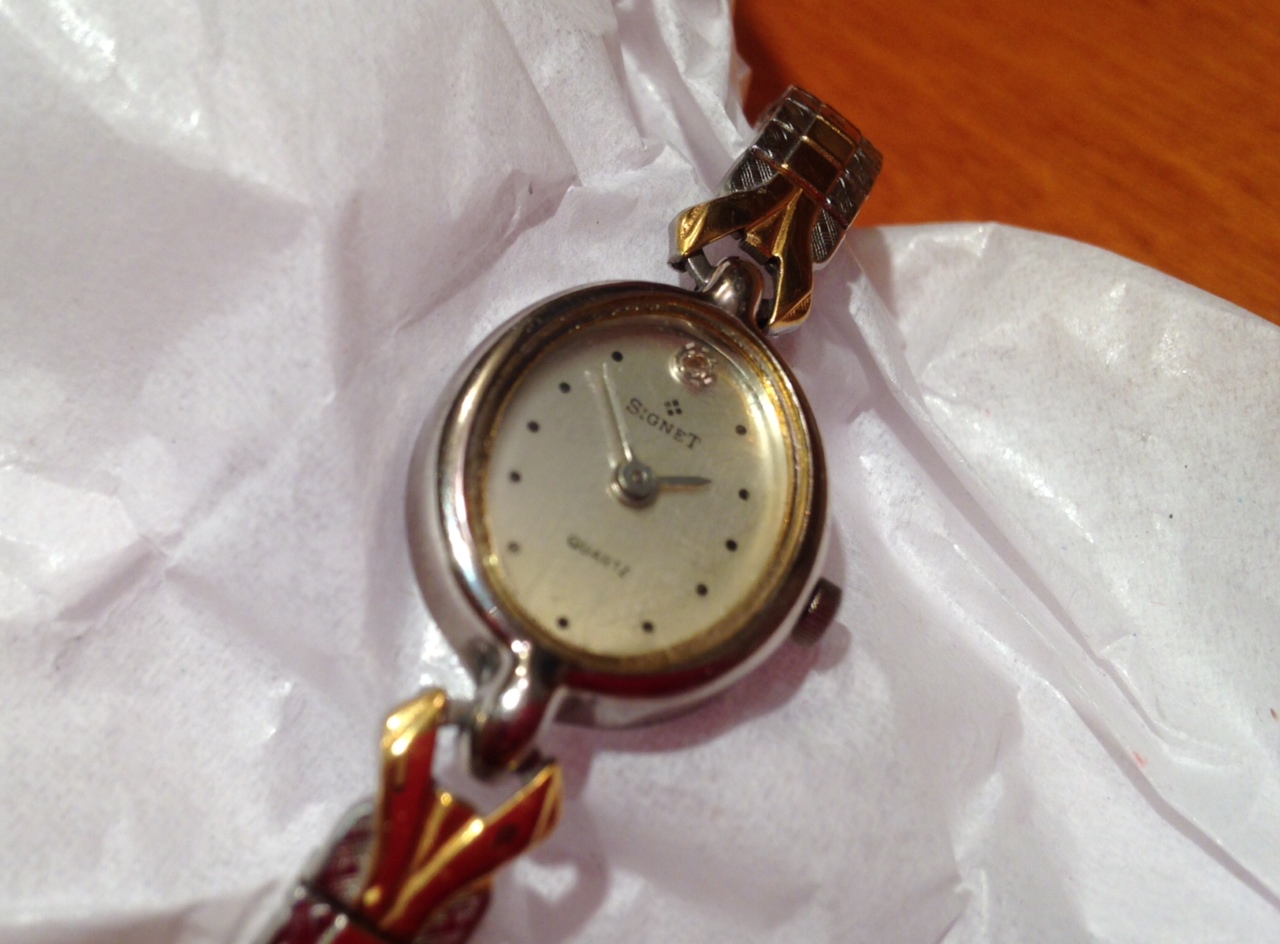
Mother’s wristwatch
Time, in Balance:
To every thing there is a season, and a time to every purpose under the heaven. Ecclesiastes 3:1 KJV
* * *
Holy Curiosity: Time to Stay Alive
The important thing is not to stop questioning. Curiosity has its own reason for existing. One cannot help but be in awe when he contemplates the mysteries of eternity, of life, of the marvelous structure of reality. It is enough if one tries merely to comprehend a little of this mystery every day. Never lose a holy curiosity. – Albert Einstein, German-born physicist
Life must be lived and curiosity kept alive. One must never, for whatever reason, turn his back on life. – Eleanor Roosevelt
Time for Blessing
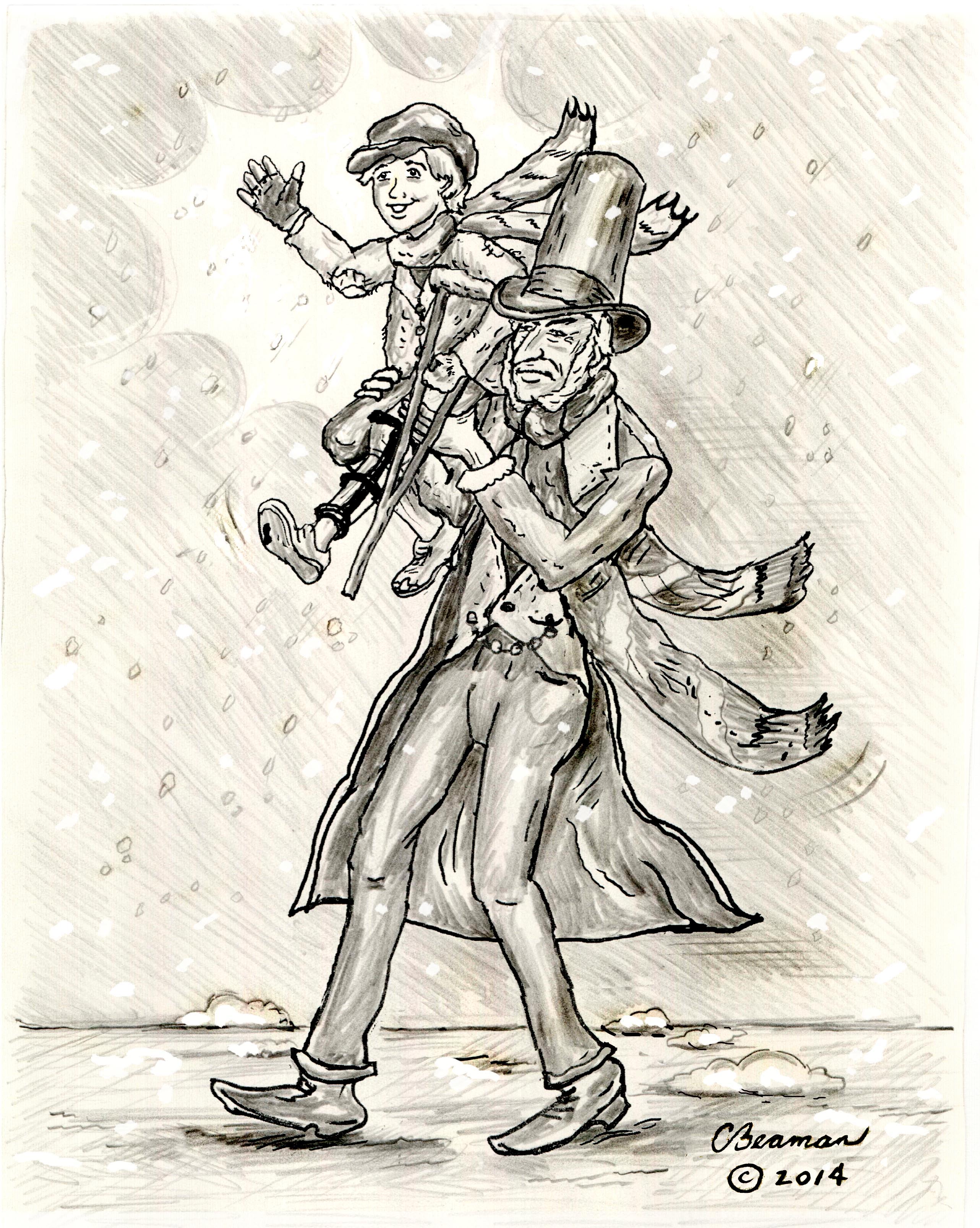
GOD BLESS US, EVERYONE! Tiny Tim
Your turn: How does the passage of time affect you? What are you most curious about? How do you keep the spirit of Christmas (or Hanukkah) alive after the season passes?
When I registered online for the 5th season premiere of Downton Abbey, there were fifty-nine (yes, 59!) salutations to choose from on the drop-down menu. These included Father, Monsignor, Cantor, Rabbi, Lieutenant Commander, Dean, Major, Mayor, and the humbler Mr. or Ms. I didn’t see “Lady”! Other designations included Sister and Professor. At different stages of life I have been both: Sister Longenecker and then Professor Beaman.
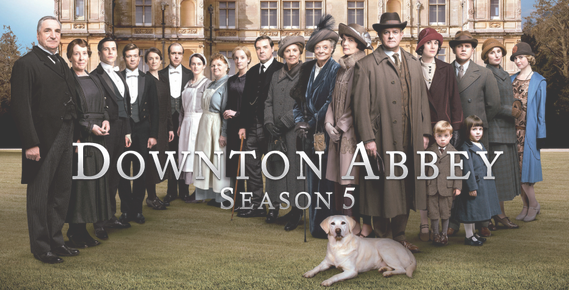
Downton Abbey is a cross-section of the social strata of post-Victorian England, an assemblage of characters from both upstairs and downstairs. Here it is reflected in the postures and apparel of cast members in the series: maids in aprons, ladies in plumed hats, men hatless or in fedoras.
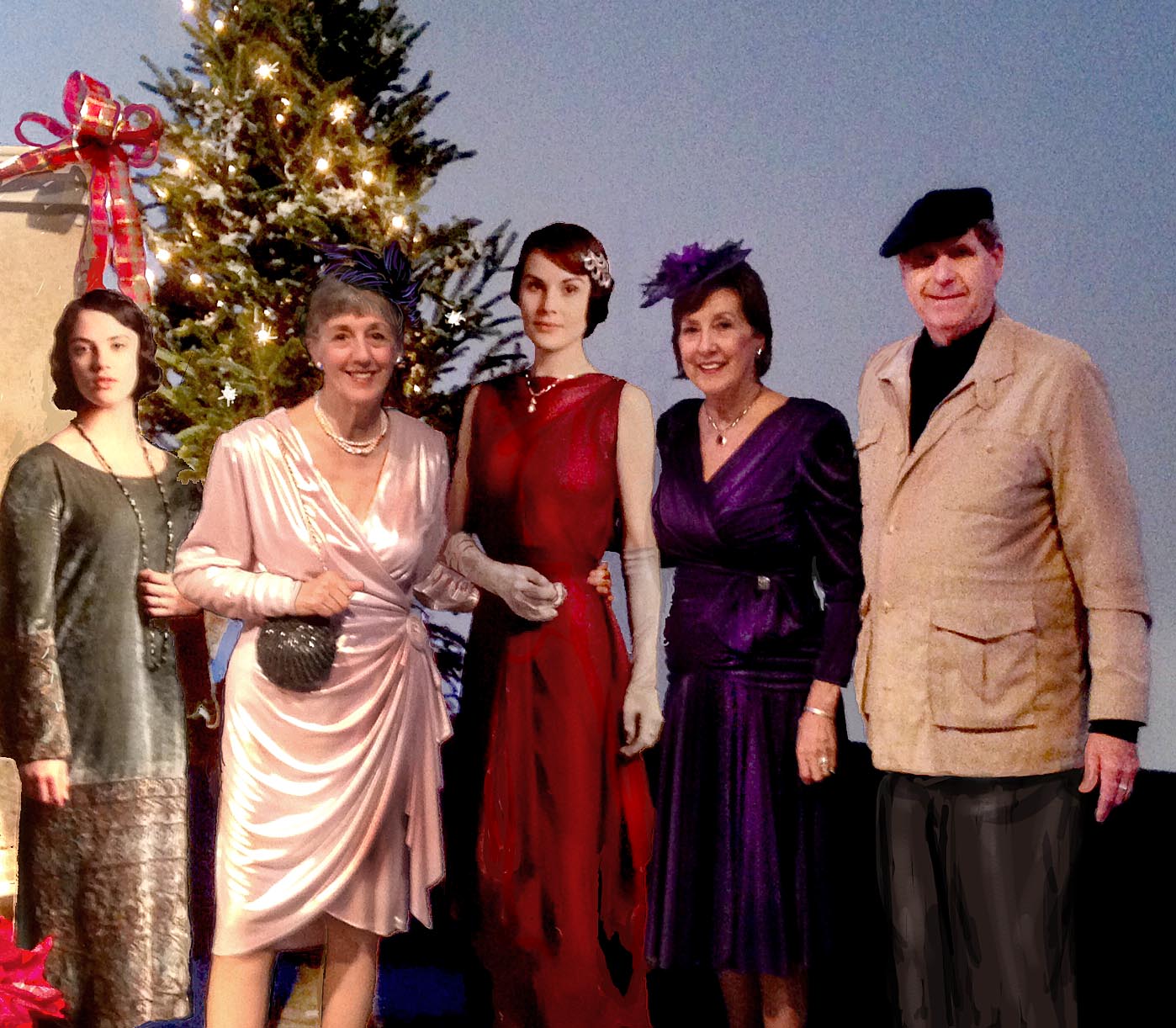
Last year when our PBS station invited us to a gala celebration for Season 4, we stepped right into the show along with other party goers wearing period costumes and cast members appearing as life-size cutouts for picture taking. You can see it here.
This year we were greeted at the door with a trivia card. Among the questions was this: Lady Violet thinks her new gardener, Pegg, has stolen what item for her home? The choices are knife, cane, bell, or nutcracker. I don’t remember, do you?
With souvenir tea bag and an invitation to join in the #BIGsip with #DowntonPBS
First, we met a maid from downstairs with duster in hand . . .
A clansman from across the border, clad in plaid . . .
Middle-class Americans making a vain attempt to mingle with the British aristocracy . . .
Sister Janice and I pose before the entire cast with headgear rivaling the goofiness of Princesses Beatrix and Eugenie at the wedding of Will and Kate:
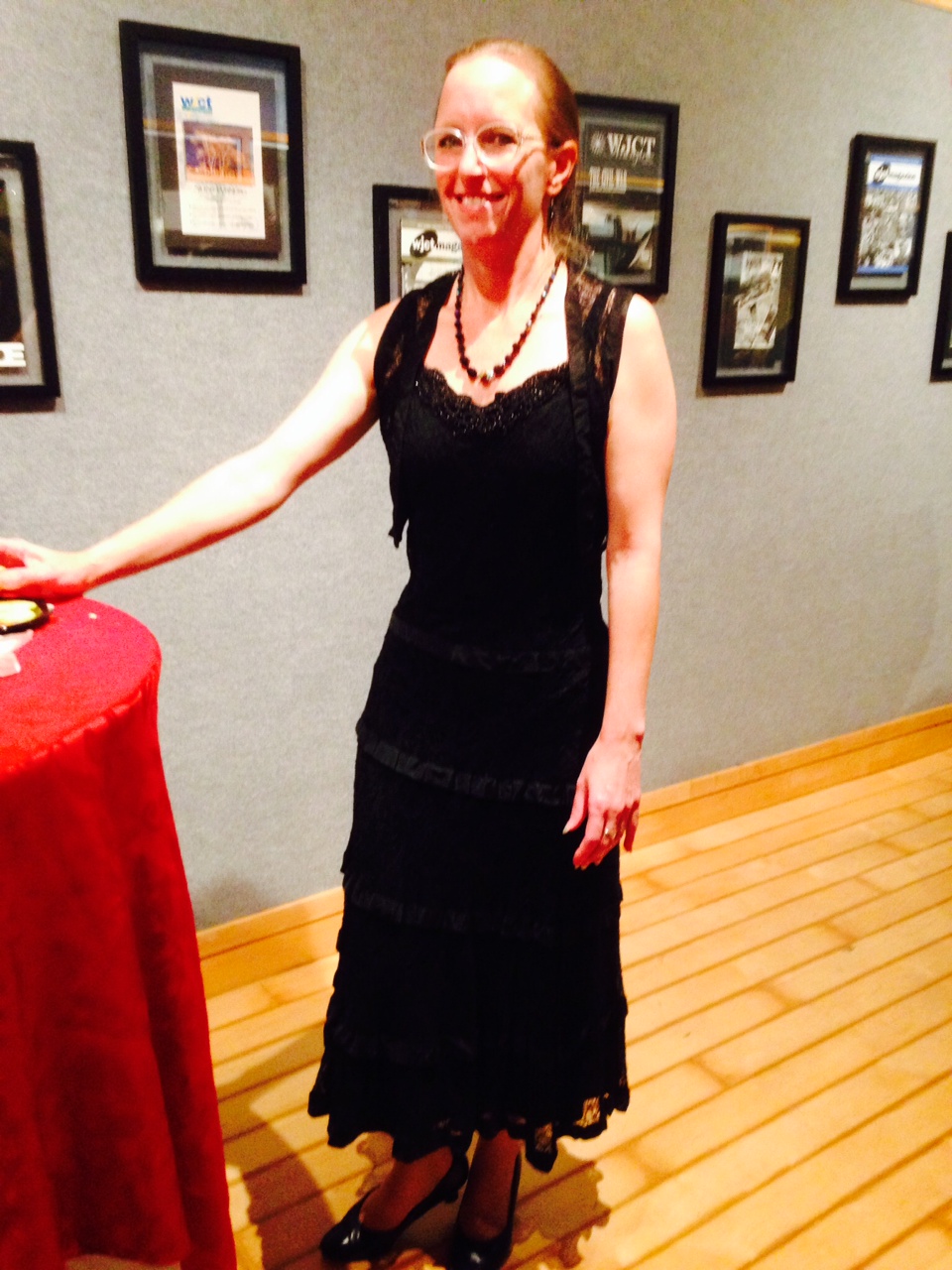
And finally, the genteel Jennifer Pastore, proudly garbed in a more-than-100-year-old dress worn by her great grandmother, Elizabeth Vann, the first woman editor of a newspaper in Florida (Madison, FL). A flawless little black dress – a perfect fit!
And then, the climax of the evening: the screening of episode 1, season 5, which begins in 1924 – the radio a hot, new technology.
We were on the edge of our seats as each scene unfolded, asking, What happened to Edith’s child? Where is the fire? What about Anna?
And then of course, scenes with seeds for future episodes:
Who outwits the wily Thomas?
Who wears a wedding gown?
Does Mary have a new love interest?
What is Carson up to?
Throughout the movie, there were more zingers than usual from the Dowager Countess, Lady Violet: “There’s nothing more simple than avoiding people you don’t like!”
Do you think Dowager Countess Violet is right in either quote? Why or why not?
Care to comment about social class in the show? Or in present-day society?
P.S. Despite rumors to the countrary, the station manager announced unequivocally that there will be a Season 6!
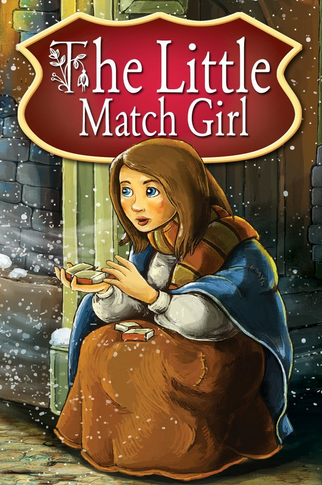
On a cold winter’s eve, a poor girl shivering on the street tries to sell matches afraid to return home to her father who would beat her for not selling all her matches.
Cover: Courtesy Amazon Books
Finding shelter in a nook, she lights matches to warm herself. The matches ignite her imagination and she envisions a Christmas tree and a holiday feast. As she looks skyward, she spies a shooting star and recalls her dead grandmother remarking that such a star means someone is dying and going to heaven. As she lights the next match, she catches a vision of her grandmother, the only person ever to treat her with love and kindness. Finally running out of matches, she dies and her soul is carried to heaven. The next morning, passersby find the little girl dead in the street. They feel pity for her but cannot bring her back to life.
Lives Cut Short
Trayvon Williams and Michael Brown must have had visions of a better life, a bright future. Their visions will be unrealized, their lives cut short by a bullet. While there is still controversy over the details surrounding each case of police intervention, there is no doubt that the outcome raises questions about police reaction in a perceived threatening situation. It should be noted here that black officers, greatly outnumbered by whites in the police force, account for little more than 10% of all fatal police shootings according to one report. But of those they kill, 78 % are black. Main stream media, however, gives little attention to such stories or to those involving black officers and white offenders.
Author Mary Gottschalk speculates on what prompts these high profile shootings of black teens. In a recent blog post, she comments on the lack of respect for cultural differences and asks, “. . . is it a system that trains a white police officer in a black community, when confronted by what appears to be an angry or aggressive black man, to shoot first and ask questions later?”
One commenter to this essay, Janet Givens, offered one explanation: “I’d say fear plays a factor . . . the fact that we often fear what we don’t know: we demonize our enemy to feel morally superior so we can justify defending ourselves.”
And so the conversation continues . . . .
Another Time – A Different Story
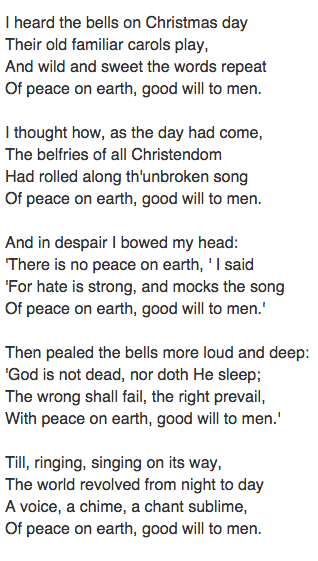
We tend to believe that we live in the worst of times. Maybe this is true. Yet poet Henry Wordsworth Longfellow (1807-1882) documents a terrible time in our nation’s history, the Civil War, fought to secure freedom from slavery. He wrote one of his most famous poems, I Heard the Bells on Christmas Day, having survived the outbreak of the Civil War, the untimely death of his beloved wife Fanny during a house fire, and a severely wounded son Charles. Theses lyrics written in 1864 show the depth of his sorrow but suggest hope and peace as the stanzas progress:
At Christmastime 2014, celebrating peace and joy seems like a mockery given the tumultuous year we have experienced. But wars and unrest have always existed. “Hate is strong and mocks the song of peace on earth goodwill toward men.”
Yet, hearts open to hope can bring a renewed call to action toward peace.
Call to Action
Author Gottschalk in her post last week revealed the little-known personal details about Michael Brown’s mother, Lesley McSpadden, who “was not allowed to approach him as he lay in blazing sunshine in a public street for four hours. Once his body was removed from the street, she was not allowed to see it for two weeks.”
Shirley Showalter, another commenter on Mary’s post, demonstrates what a peaceful call to action looks like as she remarks:
Because of this essay and the story you told about Lesley McSpadden (the mother of Michael Brown), I am going to write her a letter. It’s a little thing, but I want her to feel how this story touched me. Thank you for writing.
Like the little match girl, none of the lives lost on our streets or in our schools can be brought back, but they leave a legacy that can motivate us to hopeful action.
For a shorter version (2′ 20″) of “I Heard the Bells on Christmas Day” by Burl Ives, click below.
Your Turn
What is your take on any of these stories? An opposing viewpoint?
Welcome to my 200th blog post! It’s here because you have visited this blog, a time or two, or maybe way more often. Writers write for many reasons, most importantly to express themselves. But most writers don’t like to write in a void. Writing is communication. And communication, for me at least, is a two-way street.
Julie Powell agrees with me. Remember Julie Powell in the movie Julie & Julia?
Julie, using Julia Child as her muse, conceives an idea for her blog in this scene:
The quotes below are excerpted from the movie script, all based on her best-selling book with a much longer title:
WHY DO YOU DO IT?“It’s a regimen, Mom, like doing pushups!”
SOMETIMES IT’S FRUSTRATING!Julie shouts at her computer: Is there anyone out there reading me?
Then later: Today I had 12 comments from readers and I didn’t know any one of ‘em!
WHY WE CONTINUE . . .
Julie comments: Julia taught me what it takes to find your way in the world. It’s not what I thought it was. I thought it was all about-I don’t know, confidence or will or luck. Those are all some good things to have, no question. But there’s something else, something that these things grow out of. It’s joy.
My secret joys (and struggles) show up in my gratitude books. You can see some of them here. But my list this week has sprung from my 9-day trip to Pennsylvania to visit family and take care of Mother’s house in mid-November 2014.
In her devotional book One Thousand Gifts, Ann Voskamp begins with a chapter entitled Surprising Grace in which she discusses how she and her Farmer Husband “give thanks even when things look like a failure.” Or when one experiences loss.
This year Mother died, we’ve had to sell her beloved house and its contents, I’ve struggled with a motley crew of personal challenges, and still I give thanks:
Health – I have an odd muscular neck pain (yes, pain in my neck!) yet I went up and down 3 flights of stairs from attic to cellar dozens of times, no problem.
My sisters and brother – We sorted, boxed, laughed, cried, disagreed, but ultimately met the challenge on time.
My Aunt Cecilia – She’ll be 100 years old in March, still going strong. We found Aunt Ceci cheerfully playing the Tumbling Blocks game on the computer beside her. “It keeps my mind sharp!” she laughs. A Mennonite preacher’s wife, Aunt Cecilia Metzler raised a family of five children on a Lancaster County farm.
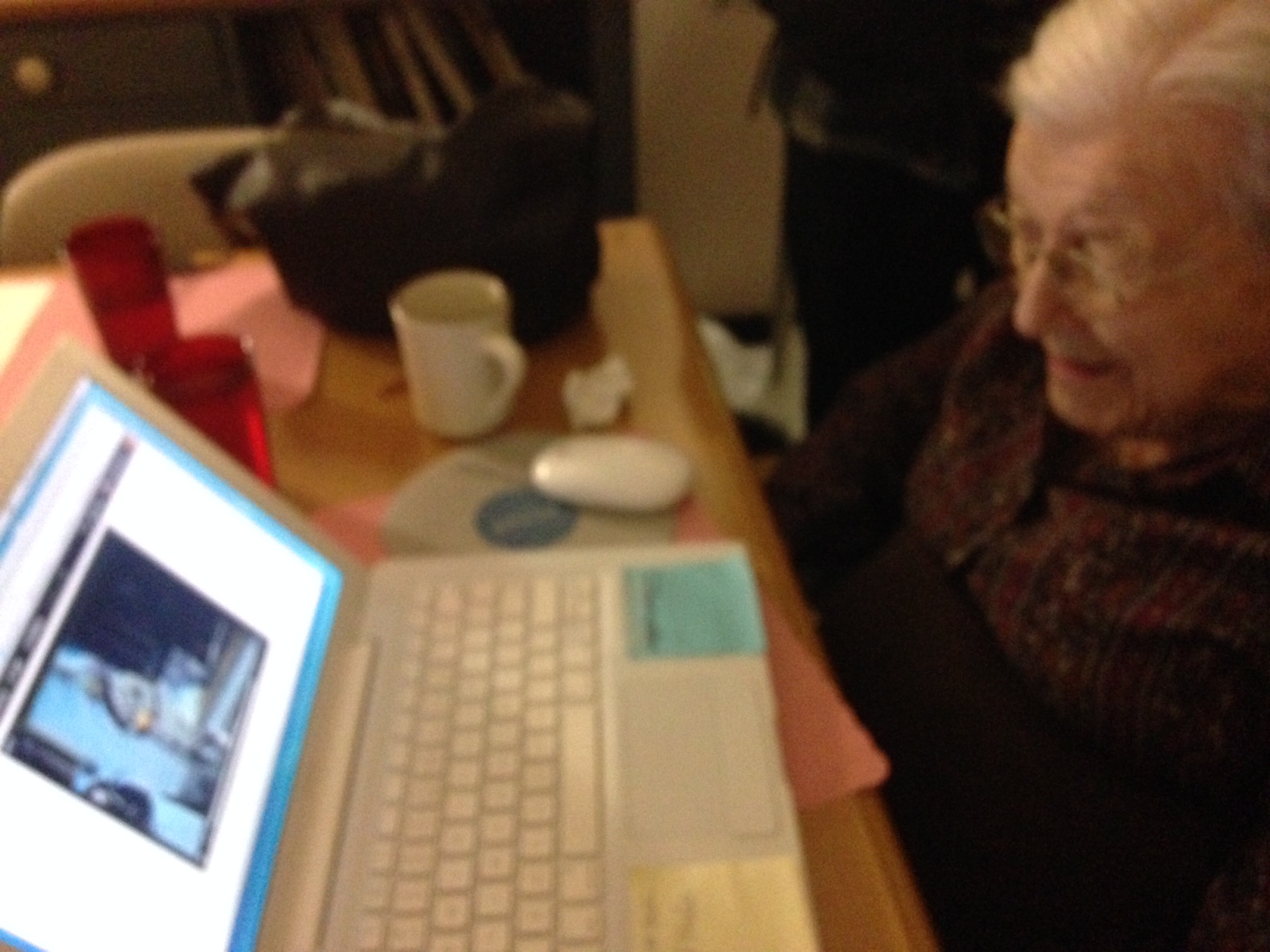
My Aunt Ruthie – The photo is fuzzy here, just like her memory. But after she viewed some of the movies she filmed in her 20s and 30s that appear on other blog posts (here and here) she smiles, “ These pictures really make my mind come alive.”
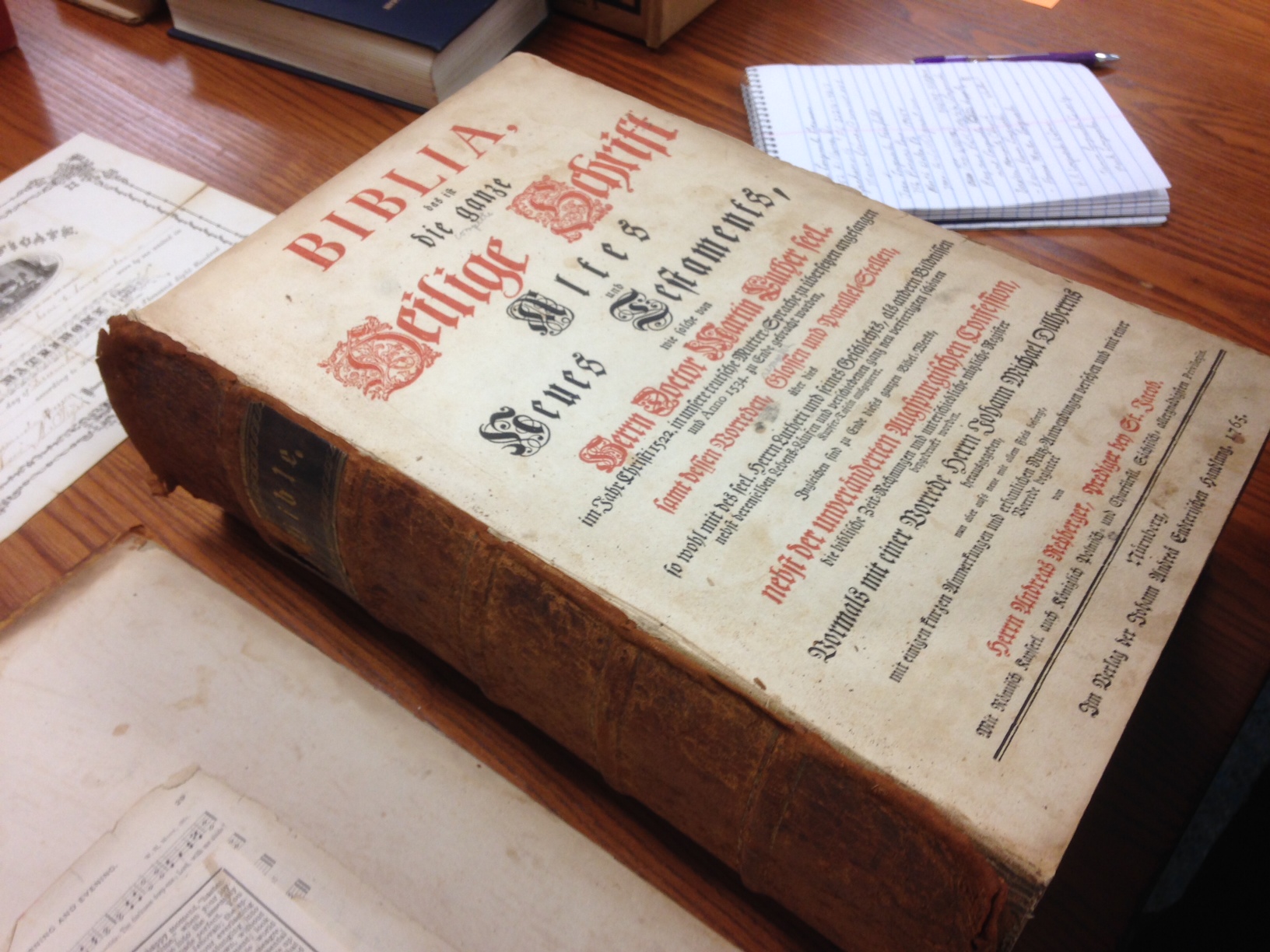
An heritage with spiritual depth – When my ancestors arrived in The New World, they brought with them the Holy Scriptures. This one, the Nuremberg Bible, is dated 1765.
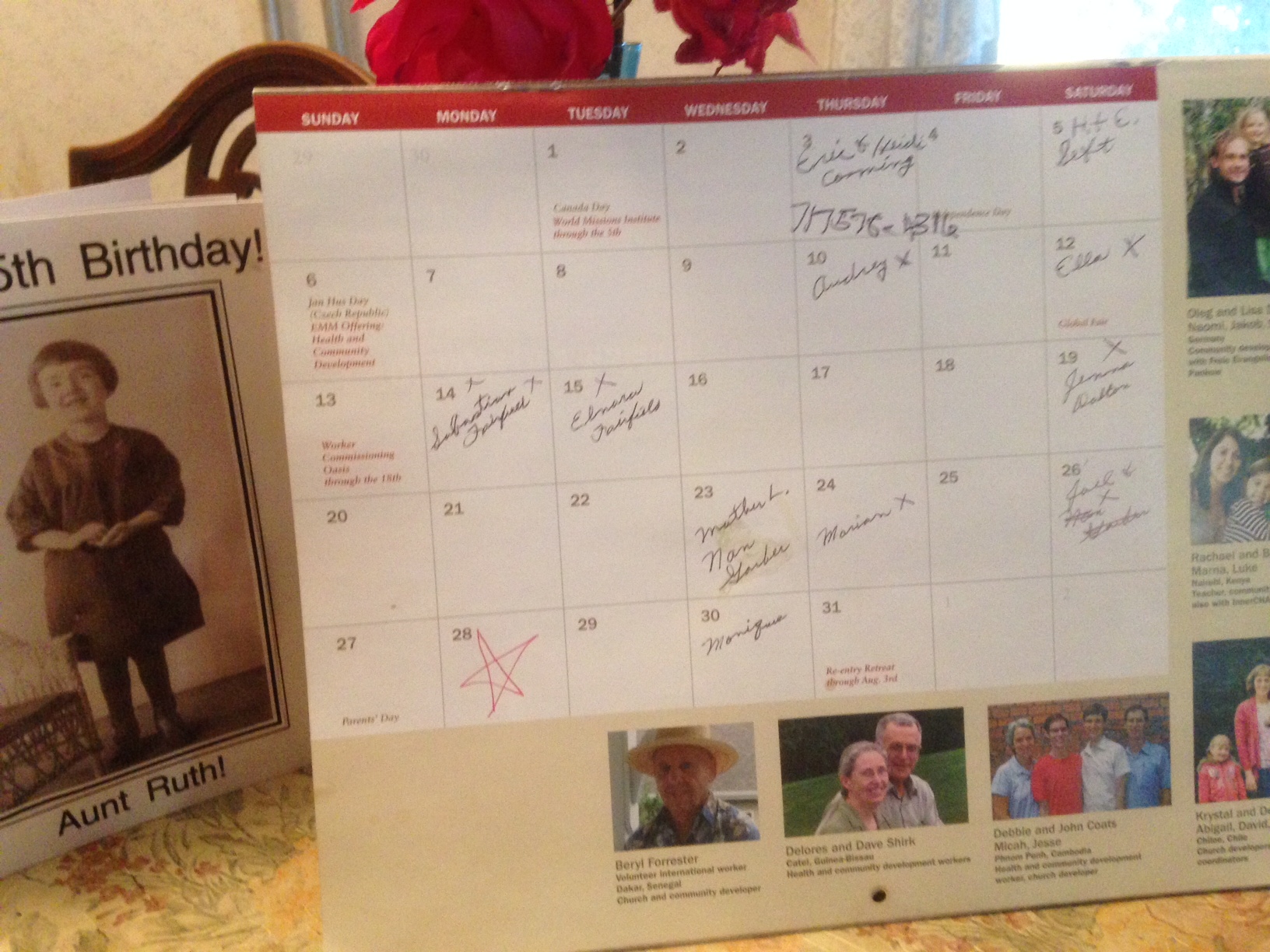
The memory of my Mother – When Mother died, she still had a current driver’s license, paid all of her bills by check, and kept appointments on her calendar. She sent birthday cards to all her children, grand-children, and great grand-children, represented by names penned into the blocks. She died on the 28th of July, a date we marked with a red asterisk.
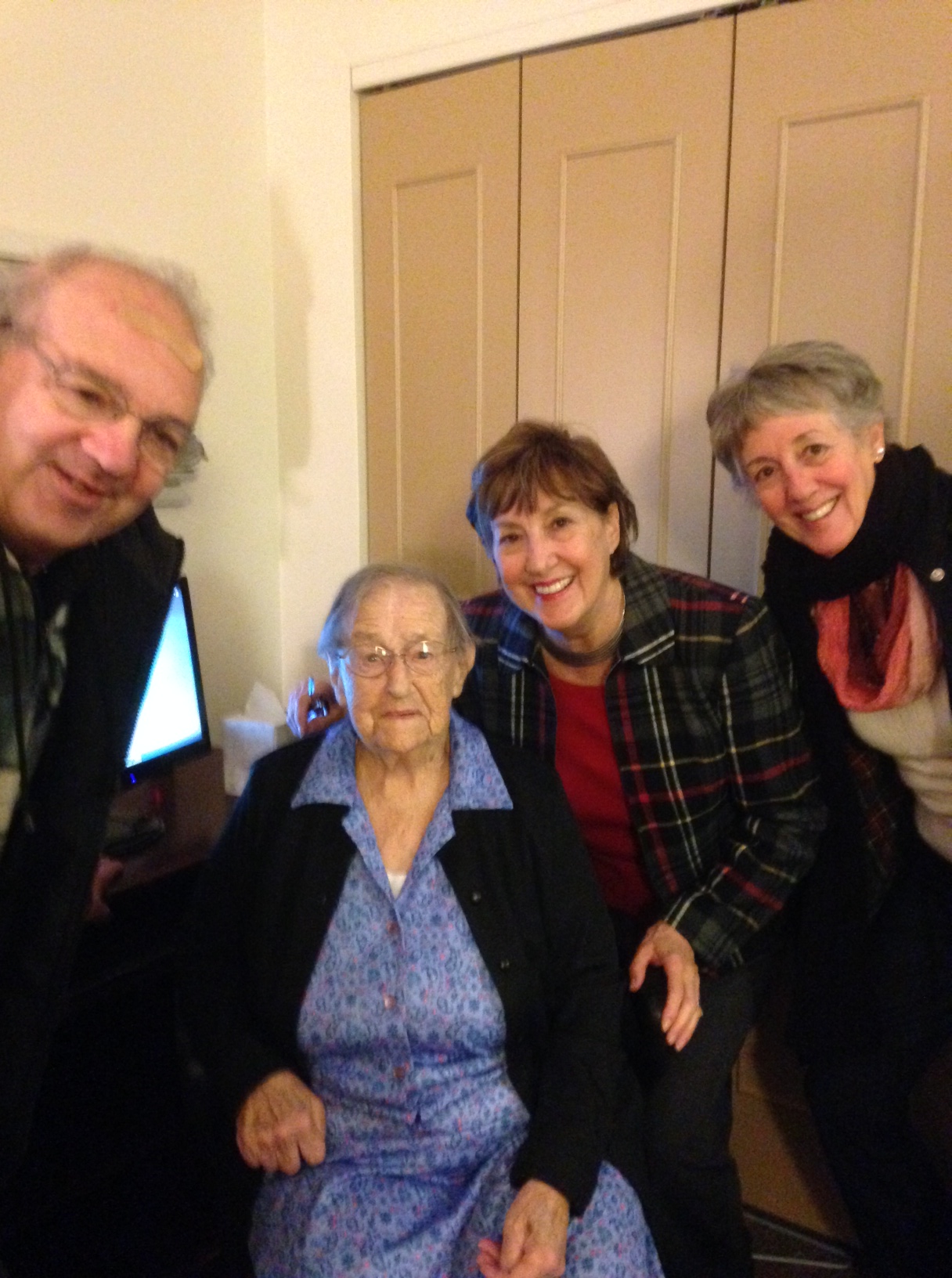
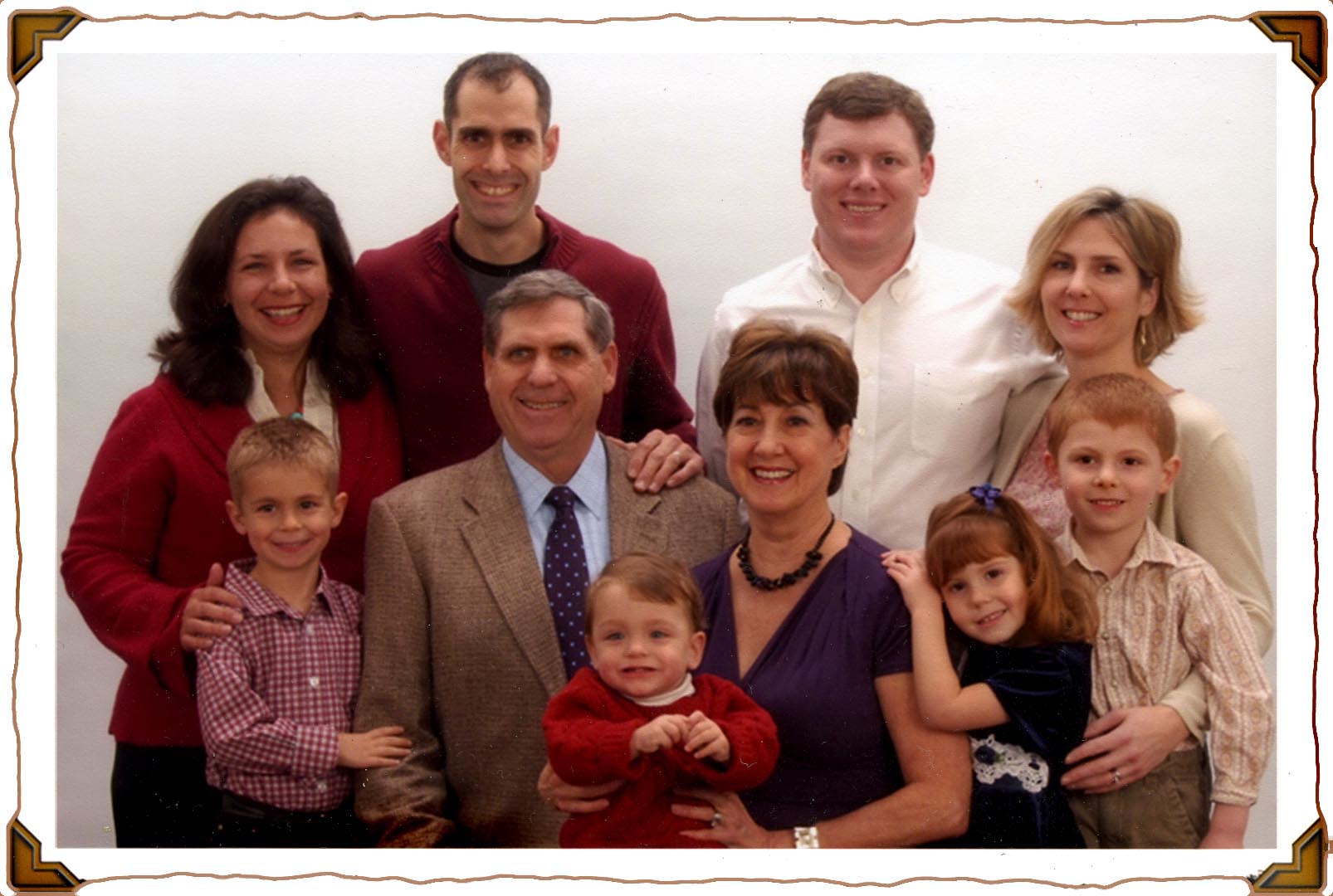
My family – This photo is six years old, taken when baby Ian no longer needed a breathing apparatus. Just so you know: our daughter Crista is blonde, Joel, dark-haired. With the older boys now 11 years old, we are due for an update!
Ann Voskamp continues by quoting the first reference in Scripture containing the word thanksgiving, mingling peace and gratitude:
And this is the law of the sacrifice of peace offerings that one may offer to the LORD. If he offers it for a thanksgiving, then he shall offer with the thanksgiving sacrifice unleavened loaves mixed with oil, unleavened wafers smeared with oil, and loaves of fine flour well mixed with oil. With the sacrifice of his peace offerings for thanksgiving he shall bring his offering with loaves of leavened bread.
Leviticus 7:11 – 13 ESV
My conclusion: Gratitude brings peace and ultimately joy.
Writer Voskamp concludes: ” . . . standing straight into wind is how to fly on His wings of grace.”
Finally, a song I remember from childhood from that seems appropriate for the season:
What are you grateful for? Join me in naming your blessings.
God did not create the world in black and white. Our world vibrates with vivid color from the cerulean blue sky above to fluorescent coral reefs sea deep.
Courtesy TED Radio Hour
Generally, colors are hues we see, but Neil Harbisson hears color. Now, you ask, what is it like to hear color?
Born completely color-blind, Neil once lived in a monochromatic world. Fortunately, colors have sound frequencies that can be transmitted through bone conduction. Thus, Neil now “sees” color via a device attached to his head that allows him to perceive color in this unique way.
Recently on NPR’s TED talks, Neil was showcased in a broadcast headlined as “Wearable Sensor Turns Color-Blind Man into “Cyborg” [electronic man]. Here’s more:
Neil Harbisson is an artist, cyborgist and colorologist. His unique experience of color informs his artwork, which before his device the “eyeborg” was strictly black and white. By working with cyberneticist Adam Montandon, Harbisson helped design a lightweight eyepiece that he wears on his forehead that transposes the light frequencies of color hues into sound frequencies.
Harbisson’s artwork blurs the boundaries between sight and sound. In his sound portraits series, he listens to the colors of faces to create a microtonal chord. “When I see someone, I hear their face,” he exclaims.
As an artist, Neil paints sounds, transposing music to color. In the City Colours project, he expresses the capital cities of Europe in two colors.
This system works in reverse too. When Neil hears Mozart, who composes with many G notes, he sees lots of yellow. Justin Bieber, on the other hand, shows up as pink because of his many E notes.
Neil’s dressing is influenced by sound and key signatures as well. He admits, “I dress so it sounds good.” On the day of the interview, Neil admitted to being attired in C-sharp major. I have no idea what color this would be though he did say his favorite color is the invisible infrared, which emits a very low, soothing sound.
Neil suffers from or is blessed with (depending on how you look at it) the phenomenon of synesthesia which Dictionary.com defines as “asensationexperiencedinapartofthe bodyotherthanthepartstimulated.Forexample,a soundmayevokesensationsofcolour.”
Most of us are not color-blind like Neil nor do we experience color as a shape or sound. Yet like him we value a colorful life.
Your turn: What color makes you sing? How does color affect you?
Postscript
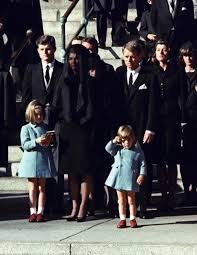
Today marks the 51st anniversary of the assassination of President John F. Kennedy. On that day, the world stopped. We as a nation were mute with sorrow and, accordingly, many wore sombre clothing as a token of respect. None can forget the valiant Jackie Kennedy veiled in black and by her side, John-John and Caroline, both in light blue suggesting hope for the future.
















 Plain and Fancy