Give and Take with Cake

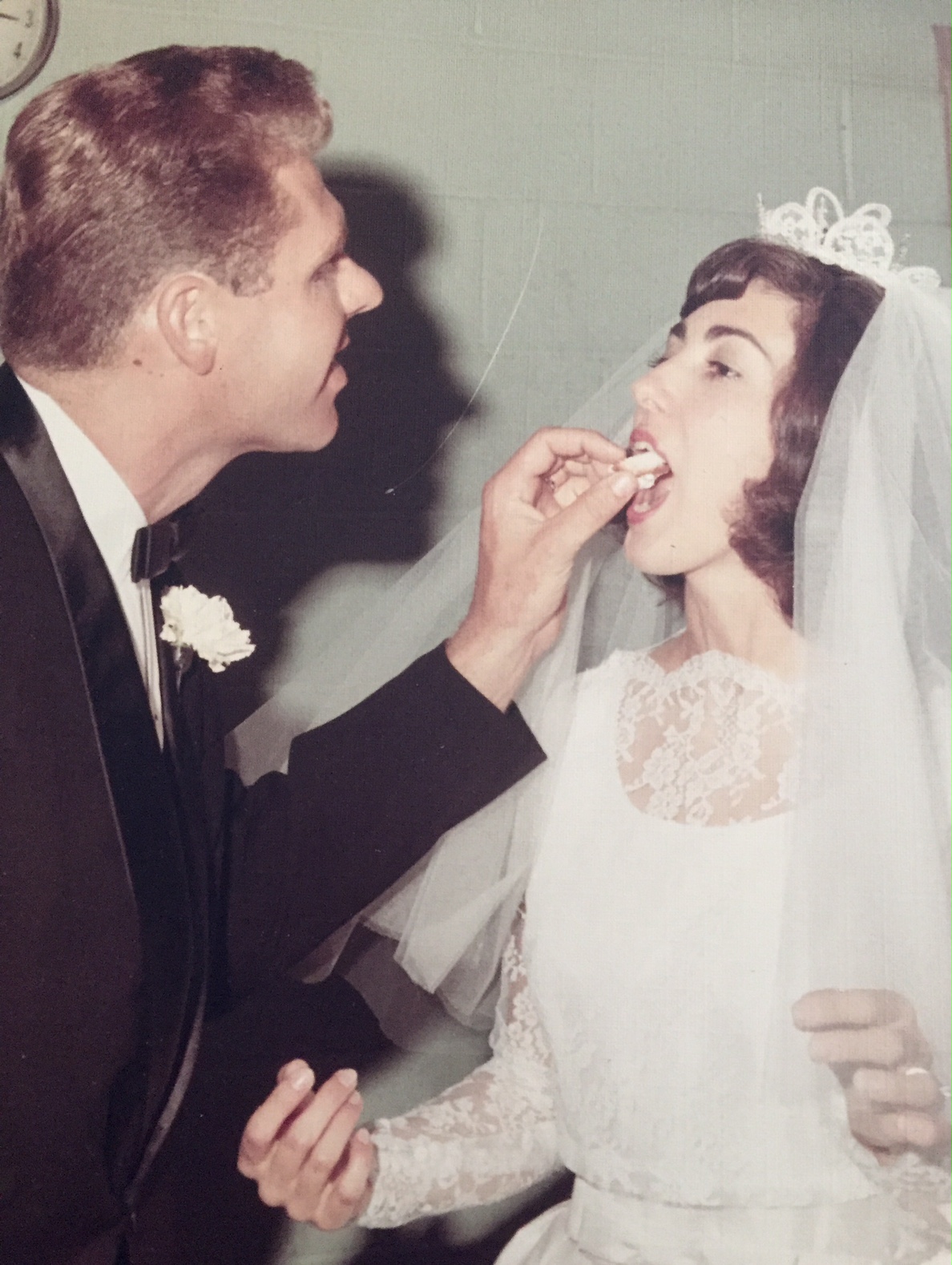
“Let them eat cake!” That’s what newly weds and their guests do at wedding receptions. At 9 ½ minutes after three o’clock on August 5, 1967, I fed my groom a huge mouthful of cake, and he returned the favor more gingerly ten seconds later, if the clock on the wall is any indication.
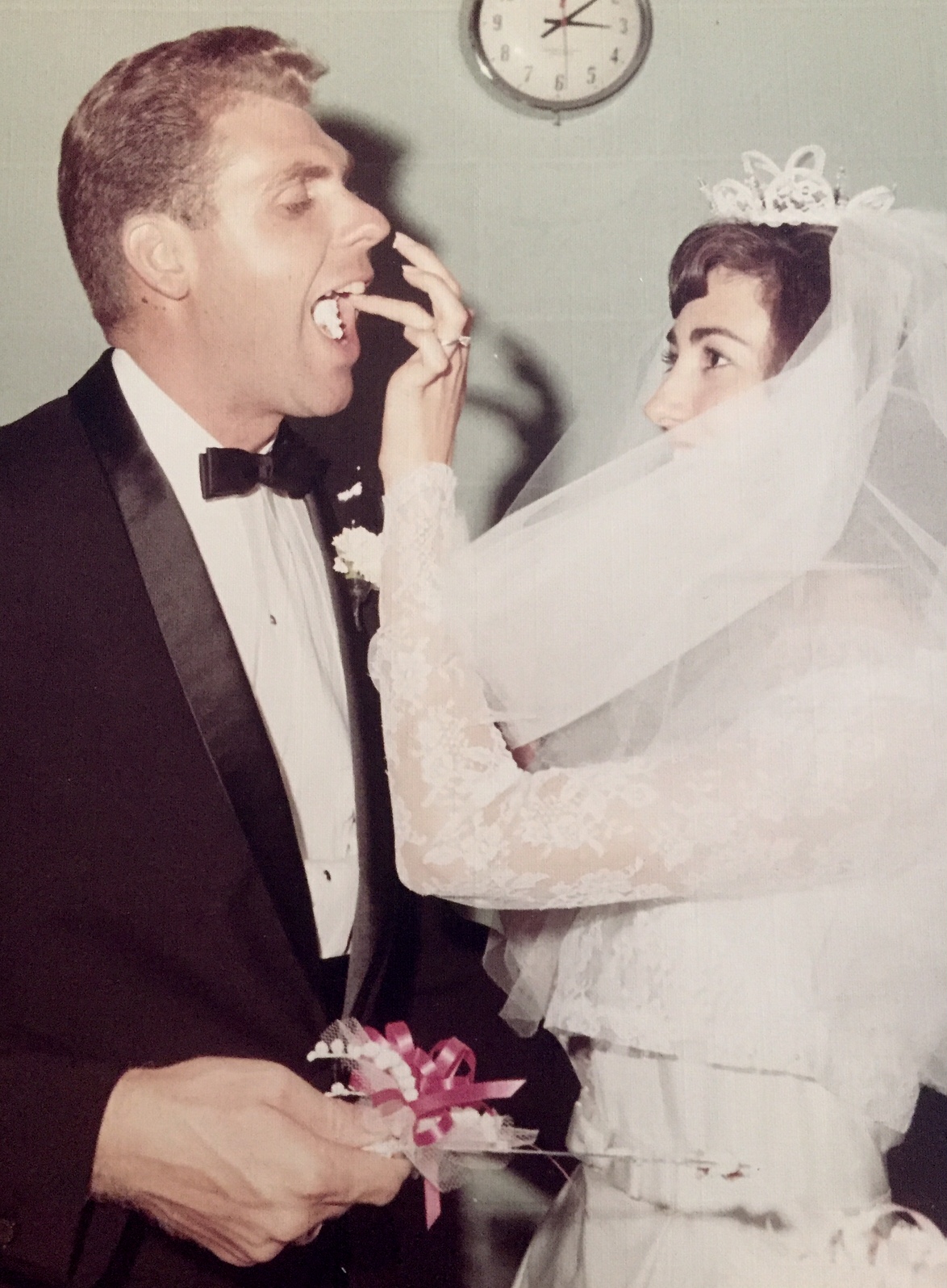
WeddingCakeCliff

WeddingCakeMe

We are on the verge of celebrating our 49th anniversary. Like the seventh note in an octave, we are almost there, but have not yet reached the golden mark.

How have we gotten this far without hitting the skids? I could make a long list of suggestions, but right now I have only one:

Watch Your Words

Cake is sweet to the tongue just as our words should be to one another. Words have power. Let your spouse or partner hear “please” and ”thank you” every day. Sarcasm is out. Surely contempt must go. Public humiliation, a big NO!

  1. Say “Yes” as often as humanly possible.
  2. Wait for the best time to make a request, offer a suggestion. Everyone needs 5-10 minutes to decompress after walking through the door. Let your spouse have time to breathe before requiring a response.
  3. Once a day, notice the positive out loud: the way they look, something they’ve said, or done.

Michael Hyatt, author and speaker, affirms that “Marriage is a powerful visual of how you treat the people you value the most. (“Why Speaking Well of Your Spouse is So Important”)

Ever the tip and list maker, Hyatt in another post shares his recipe for how to become your spouse’s best friend. Many of items on the list regard minding our words, for example: “Extend grace to me when I am grumpy or having a bad day. Speak well of me when I am not present.”

“Listen without judging or trying to fix me.”

Humorist Ogden Nash adds a dash of rhyme and reason to the mix:

If you want your marriage to sizzle

With love in the loving cup.

Whenever you’re wrong, admit it.

Whenever you’re right, shut up!

And finally, Let your speech always be gracious, seasoned with salt, so that you may know how you ought to answer everyone.”  

~ Colossians 4:6, New Revised Standard Version


Light a Candle
CandleWedding

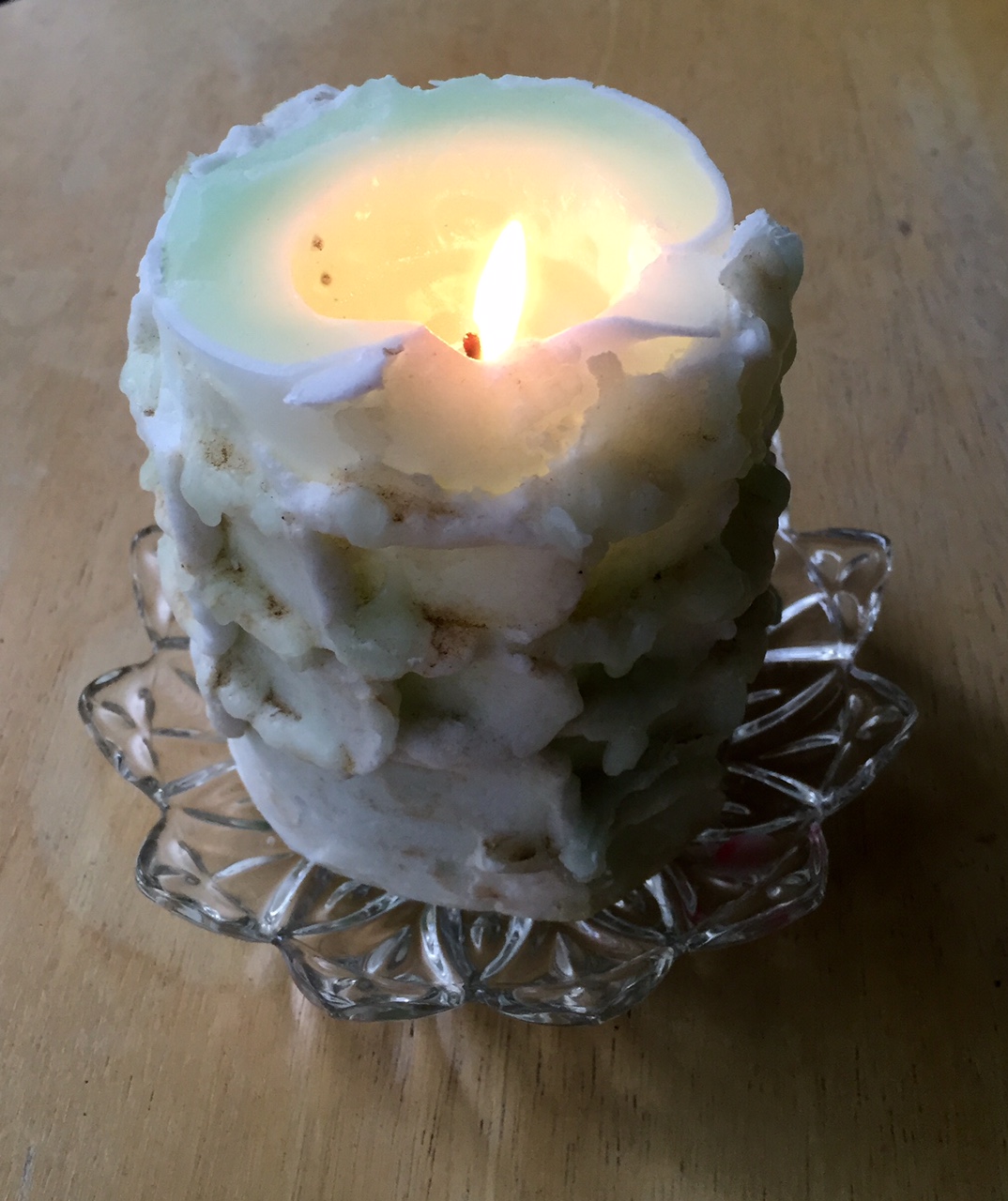
This candle first flickered and then burned brightly on a pedestal at Calvary Presbyterian Church in Charlotte, North Carolina. The candle came with instructions to burn for one hour on our anniversary date. Some years the candle probably has shone for more than an hour. But we may have even skipped a year or two. Nevertheless, the long, tapered candle is very short and stubby now. Yet the flame still burns brightly.

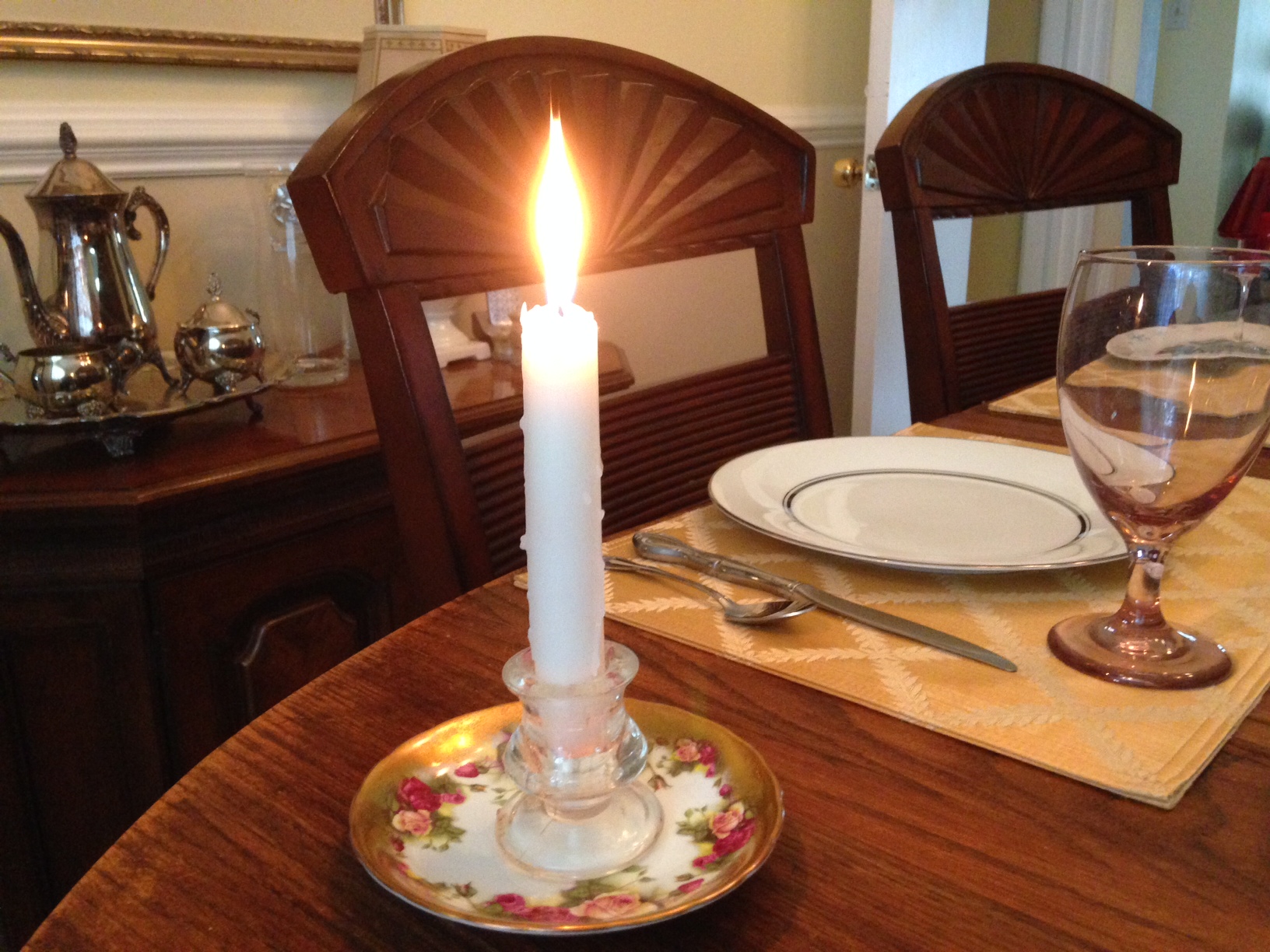
Whether you are married or not, on this day I light a candle for you and whatever family relationship is most important in your life.
 

CandleDiningRoom


Your thoughts, recollections, or advice are welcome here. Thank you!


Coming next: Drawing on Love: A Brief Retrospective
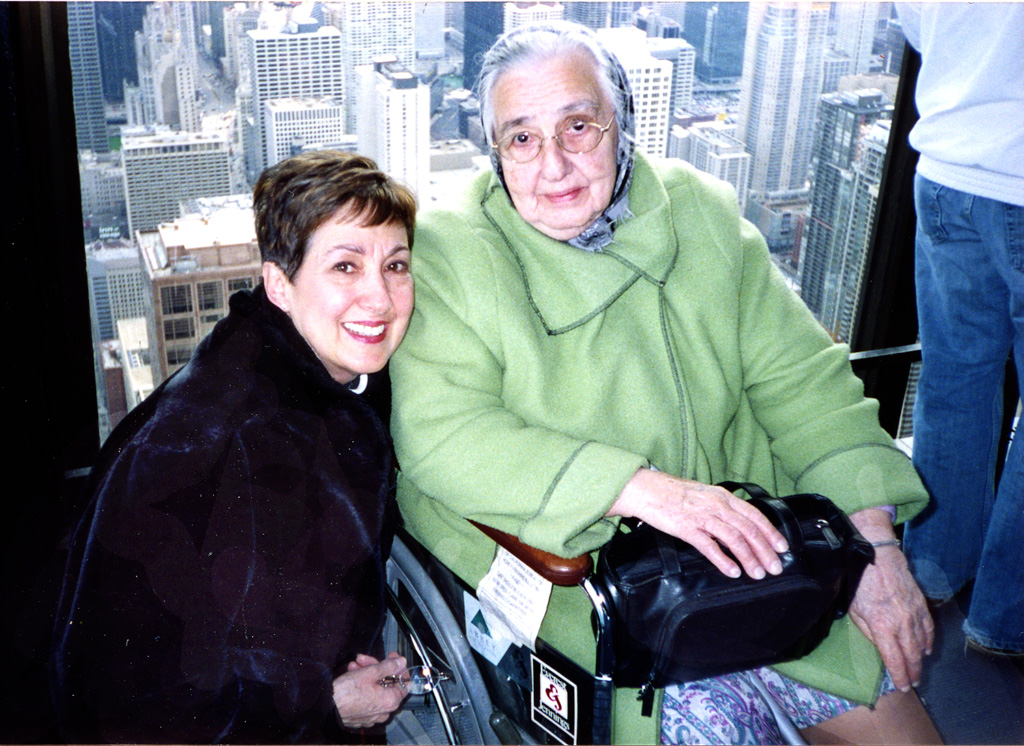
Mother’s Sky View: The Beautiful City

This week two years ago Mother was snatched from our world just five days after her 96th birthday. Late on a Monday evening, July 28, 2014, she was transported into a new and better land.

Mother lived on a dairy farm in the Manheim – Lititz area of Pennsylvania. When she married my father Ray, she moved about 12 miles west, still in Lancaster County. Like many Mennonite couples in the 1940s, they honeymooned in Niagara Falls, New York, where I most likely was conceived.

Over the years, she visited the Philadelphia Flower Show and strolled through Longwood Gardens exclaiming, “Oh, my, such beautiful flowers we saw!”

When my sisters and I studied at Eastern Mennonite College, she and daddy drove to Harrisonburg, Virginia several times, back then a four-hour drive to the Shenandoah Valley. “My, look at the mountains in the distance – so pretty,” she said.

Mother seemed happy to be a homebody. She never seemed curious about seeing world capitals as her daughters were. Traveling around the United States in five weeks with a friend as I did once would seem incomprehensible to her. “Why would I want to do that?” I can hear her say.

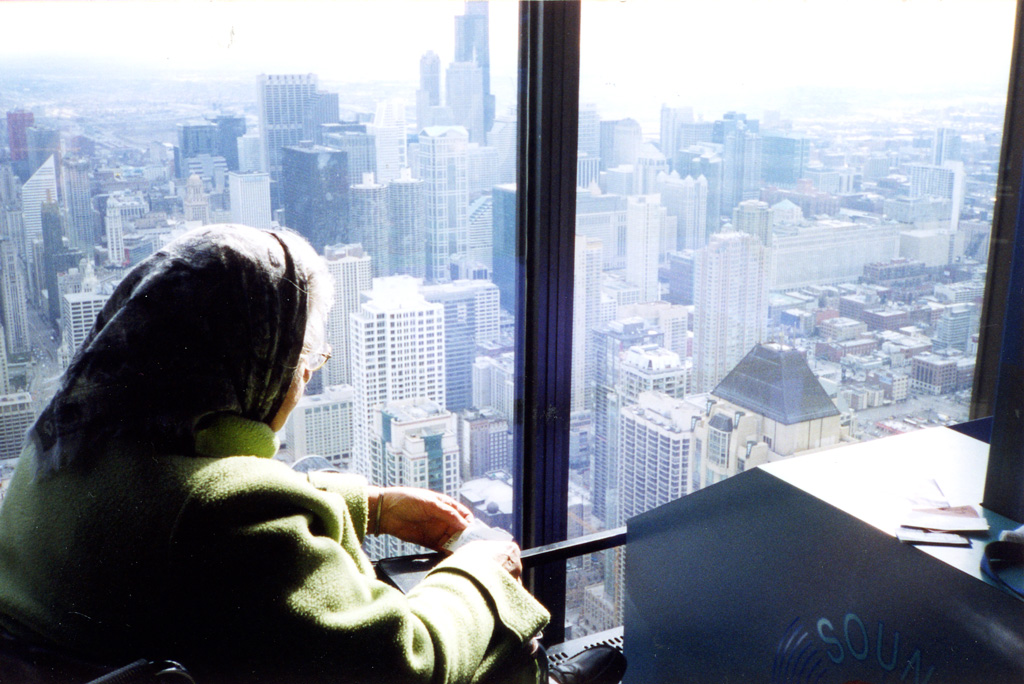
But when her first great grandsons were born seven weeks apart in 2003, I was able to goad her to fly to Chicago where our son and daughter lived.

MomMarianHancock

Viewing the city from the Hancock Building, she sat in awe at the vast expanse of skyscrapers.

MomViewingChicago

These photos recall pleasant memories and now re-confirm in my heart and mind her citizenship in a heavenly world.

In her life on earth, she was confident she would one day live in a Beautiful City full of brilliant light and everlasting joy.

Hebrews 11:10

For s/he looked for a city, which hath foundations, whose builder and maker is God.

Mother often sang about heaven at the top of her lungs in front of the kitchen stove, making breakfast for her children before school. Her voice, always off key, sang about a beautiful city I imagine she could visualize as she scrambled eggs with shakes of pepper and filled cups with cocoa, each with a dollop of butter.

We miss you, Mom!


magnoliasCRISTA

July 23, 1918 – July 28, 2014


Mother kissing her great grandson Patrick, held by Grandpa Cliff
Mother embraces her great grandson Patrick, held by Grandpa Cliff, 2004


Coming next: Give and Take with Cake

Louisa Adams’ Moving Adventure

Remember the Beverly Hillbillies? The Clampetts strike oil in the Ozarks and move to Beverly Hills in a rags-to-riches sitcom of the 1960s.

Beverly Hillbillies Moving Van, courtesy Google Images


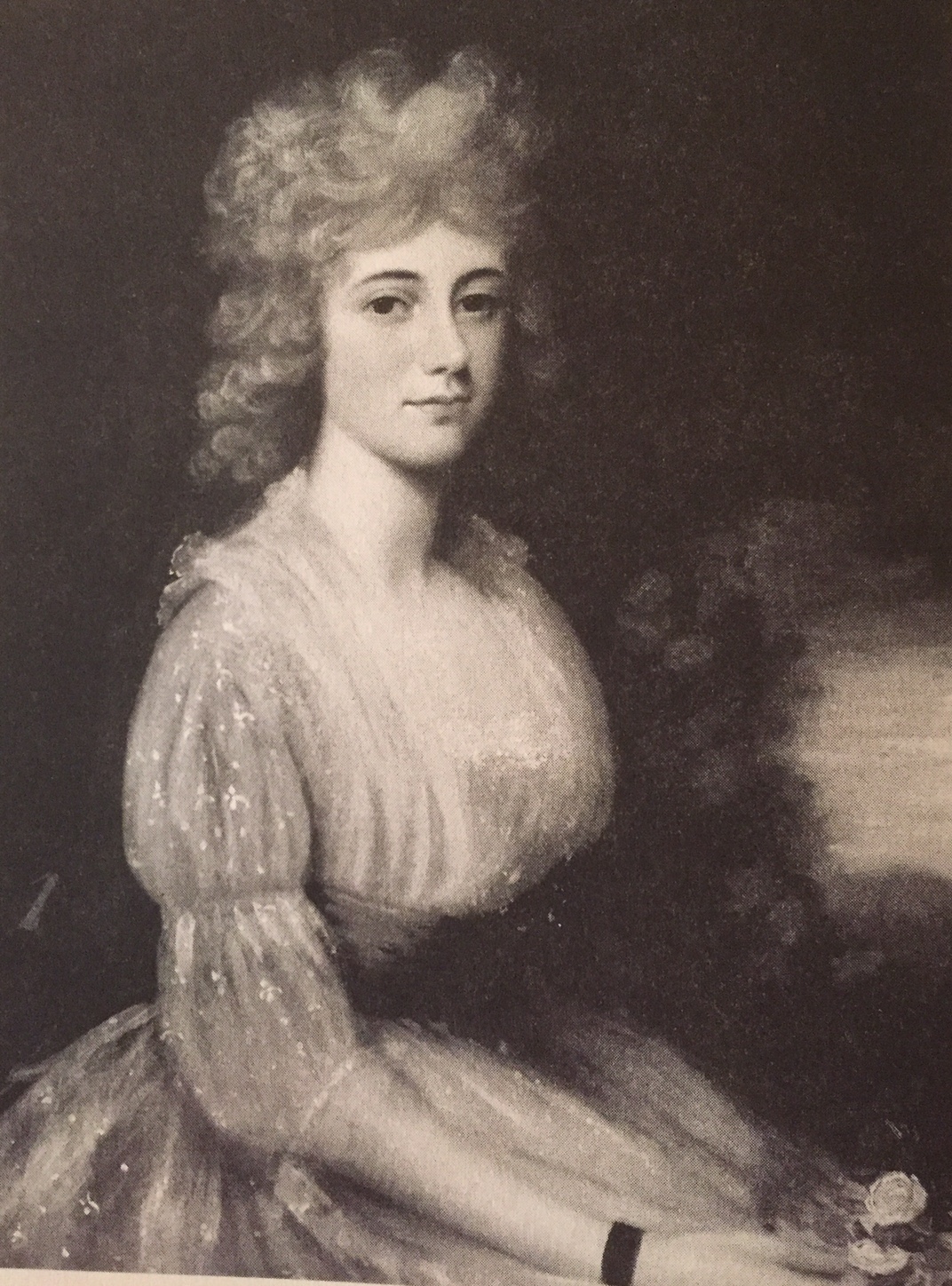
Of an entirely different era and social class, diarist Louisa Catherine Adams, wife of the 6th American President, John Quincy Adams, writes about multiple moves – both in European nations where John Quincy was diplomat and in the United States serving variously as senator, secretary of state, president, and finally congressman again.

LouisaPortrait

Woman on the Move

After the birth of her third child, “as soon as she could rise from her bed, she lifted the lids of her empty trunks and opened her packing cases to prepare to leave for Washington. She was ‘a wanderer’ again.” (140)

In her boldest move, Louisa traversed the passage from St. Petersburg to Paris while Napoleon rampaged through Europe. She traveled 2000 miles in 40 days, a journey almost unheard of for a woman alone.

Louisa and Son Charles’ Wild Ride

In 1815, while John Quincy was gone to Paris, Louisa in St. Petersburg had to “sell the furniture, dispose of the house, and buy a carriage that could carry her across the continent” to Paris. She needed supplies: food, drink, clothing, maps, tools and enough medicines for a small apothecary. She had read the map herself, not having heard from her husband, and unflinchingly set her course.

Her largest expense was the carriage, “a berline, a large vehicle with four seats and glass windows, all balanced on an elaborate suspension of springs intended to smooth the rough ride.” Leaving St. Petersburg, the carriage was outfitted with sleigh runners. Wheels were packed when she met melting roads traveling west and south. (206)

She sewed gold and silver into her skirts to hide her wealth from robbers and from her male servants. (206)

Touch of Humor:

During the sojourn, though her two male servants were armed, she put on her son’s military cap and held his toy sword so that what she hoped was a menacing silhouette would show through the carriage window. (221)

True to her declaration when she married Adams, “When my husband married me, he made a great mistake if he thought I only intended to play an echo.” (8)

Her Most Moving Adventure

Louisa, often sickly and afflicted with self-doubt, recorded her grief in “Diaries of a Nobody.” After all, she was often geographically separated from her husband during his ascendance to power, she suffered multiple miscarriages, all of her children except Charles preceded her in death, and she struggled with erysipelas, a skin inflammation.

But her vividly told “Narrative of a Journey from Russia to France” enabled her to tunnel “her way out of depression with the sharp spade of her sardonic humor . . . .“ (396)

She wrote about Baptiste, innkeepers, haggard soldiers she has passed on the road, frightened faces of the women she met, cries of Vive Napoleón! She remembers the practical difficulties she had overcome: the moment the carriage wheel had come loose, the problem of procuring servants, the dangerous decision to ford a half-frozen river. She wrote about her growing confidence, which rippled out of her descriptions and into her voice. (411)

“Her story was her own. No other woman in America had experienced anything like it. But she made its lessons universal. It was a story about women and what women could achieve . . . . She wrote: ‘Under all circumstances, we must never desert ourselves.’” (411)

Move for Equality

At 62, in an era when a woman’s life span was about 40, she was blossoming. Like the Grimké sisters of Charleston, with whom she corresponded, she championed women’s rights and the freeing of slaves.

The Lesson of a Cracked Washbasin 

Cracked Washbasin, Google Images

John Quincy and Louisa Adams observed their 50th wedding anniversary, a milestone almost unheard of in the mid-1800s. Before she died, Louisa presented her daughter-in-law Abby Adams with a cracked washbasin, symbolic of the naked faces bent toward it sometimes joyful and other times full of inconsolable pain, mirroring life itself. (444)

Want More Louisa?

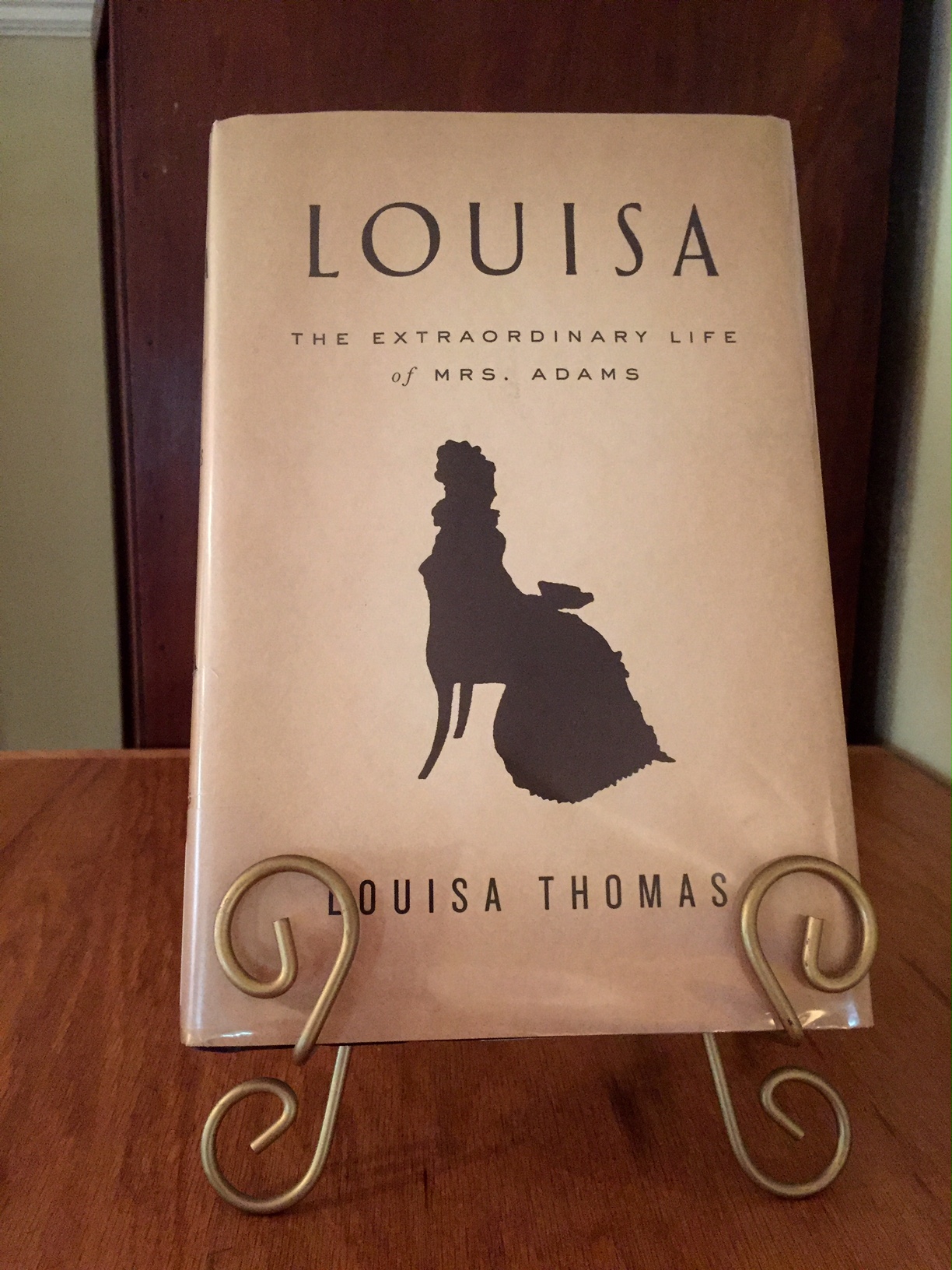
Writer and editor Louisa Thomas has written a stunning account of a memorable woman entitled Louisa: The Extraordinary Life of Mrs. Adams, 2016.

LouisaBookCover

Thomas’ biography sings with color as she describes an incandescent sun on their approach to St. Petersburg, which edged “the statues with fire and [made] creamy walls blush.” (90)

You can read my full review here.


Your turn: Can you recall any other historical characters with moving stories?

One of your own to tell here? Go right ahead.

Coming next: Mother’s Sky View: The Beautiful City

A Glorious Fourth, 1909 Style and a Memoir Tip

Would you pass up an invitation to a lawn soirée on a holiday weekend? This week 107 years ago my grandma, Miss Fanny Martin, then a single woman, received a penny postcard invitation to such a gathering on July 3, 1909.

PostcardBackFourthJulyGrandma


Mary Elizabeth Kob writes in neat cursive: “You are heartily invited to attend a Lawn Soirée July 3, 1909 in honor of Jacob S. Kob at his home. Meet 7:30. Refreshments. Respectfully, Mary Elizabeth Kob.” I assume my grandmother attended the party.

PostcardFourthJulyGrandmaFRONT

From my vantage point in the 21st century, it’s hard to piece together the details. Was Mary Elizabeth Jacob’s wife, daughter, or sister? Based on the name alone, it’s hard to tell. Was the occasion a combination birthday and Fourth of July celebration? If so, the emphasis may have been on the national holiday judging from the red, white, and blue postcard colors.

Leo Kob was the only “Kob” name familiar to me when I was growing up in Elizabethtown, Pennsylvania. Leo, whom I heard my parents refer to as “Kobbie,” owned a G. E. Oil and Gas Heating business in Elizabethtown, a family business that boasted the phrase “Since 1904” in a page in my high school yearbook. Maybe Leo bought or inherited the business from his grandfather or father. Was Leo related to Jacob? A search of genealogical records could prove or disprove any relationship.

Yes, excavating one’s family history leads to questions, some without clear answers.

Piecing together fragments of family history requires a measure of conjecture and speculation. Therefore, when one reaches the limits of family history and historical record, what happens next? Memoir writers can use a technique known as “perhapsing,” a tool for supplying detail in a scene when memory is unreliable or when facts are simply missing. According the writer Lisa Knopp, “The word perhaps cues the reader that the information [the writer] is imparting is not factual but speculative.” Because deviating too far from fact could result in fiction, life story writers have a tight rope to balance here. Yet “perhapsing” used sparingly or a well-placed “it might have been” can occasionally provide motivation and action, adding richness and complexity to the narrative.

Knowing about Leo Kob and his family is not critical to my own memoir writing, but writing about the details of my visit to New York City to distribute gospel tracts as a young Mennonite girl is significant, as this excerpt illustrates:

Perhaps my memory has amped up the details, but I can now imagine this frightful creature grabbing me by the shoulder in a death grip as I am spun round and round like a whirling dervish. In my film clip of this horror show there was little I could do to resist the grasp of this drunken prophetess. I felt dizzy and afraid.


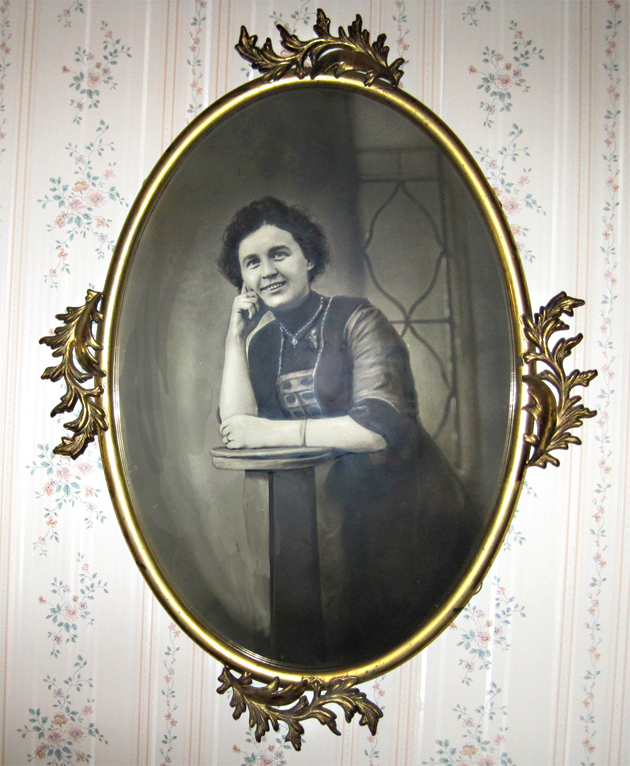
About this 1909 postcard? When my plain Grandma Longenecker received this post card, she looked like this:

Fancy Victorian Fannie Longenecker before she became Mennonite

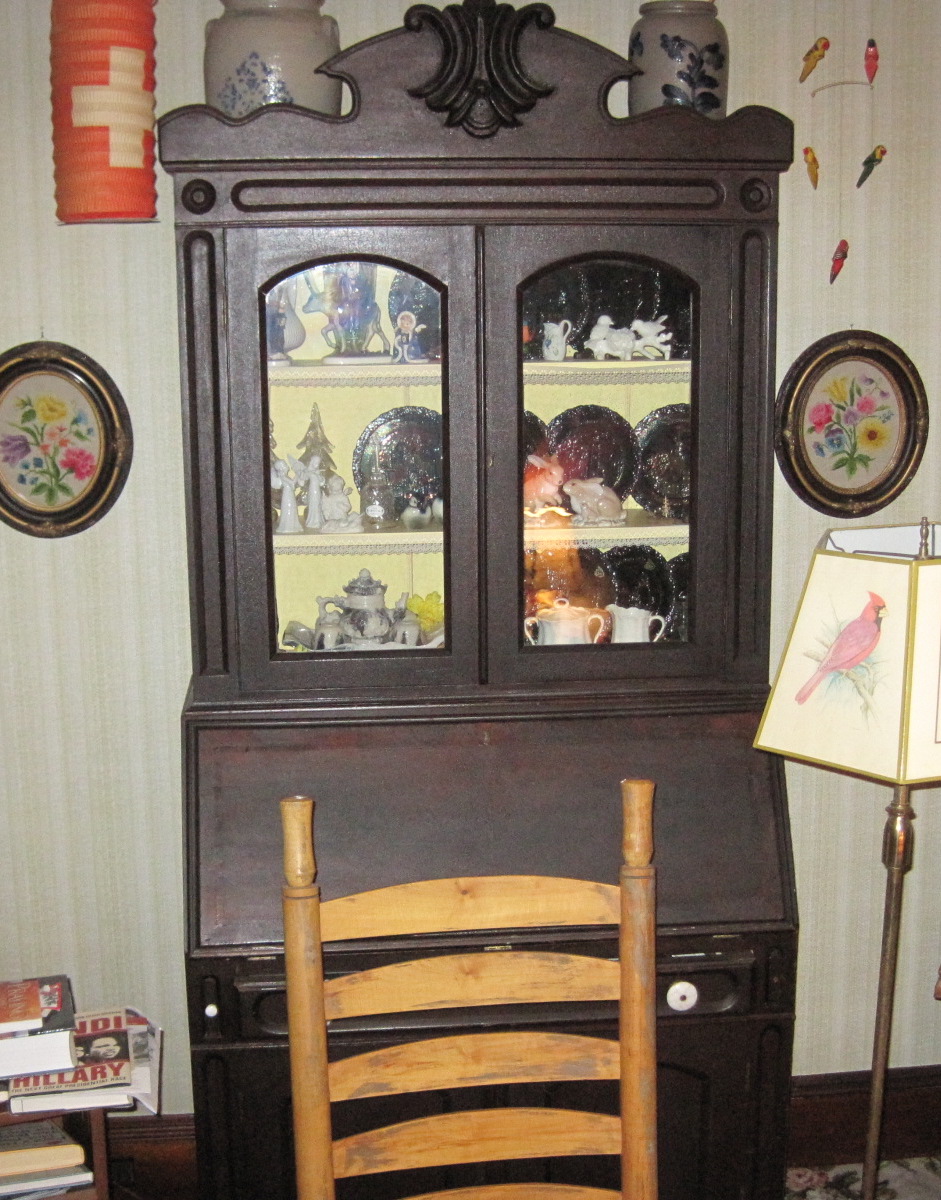
I found it in a stash of other cards inside the fold-out compartment of Aunt Ruthie’s secretary. What other treasures may be hiding there? I wonder.

Secretary_Ruthies_0520


What treasures have you found either by design – or unexpectedly?

As a reader, what do you think of the literary device called “perhapsing”? Have you used it as a writer?

A Rollicking Review: Marie Kondo’s Tidy Book and a Messy View

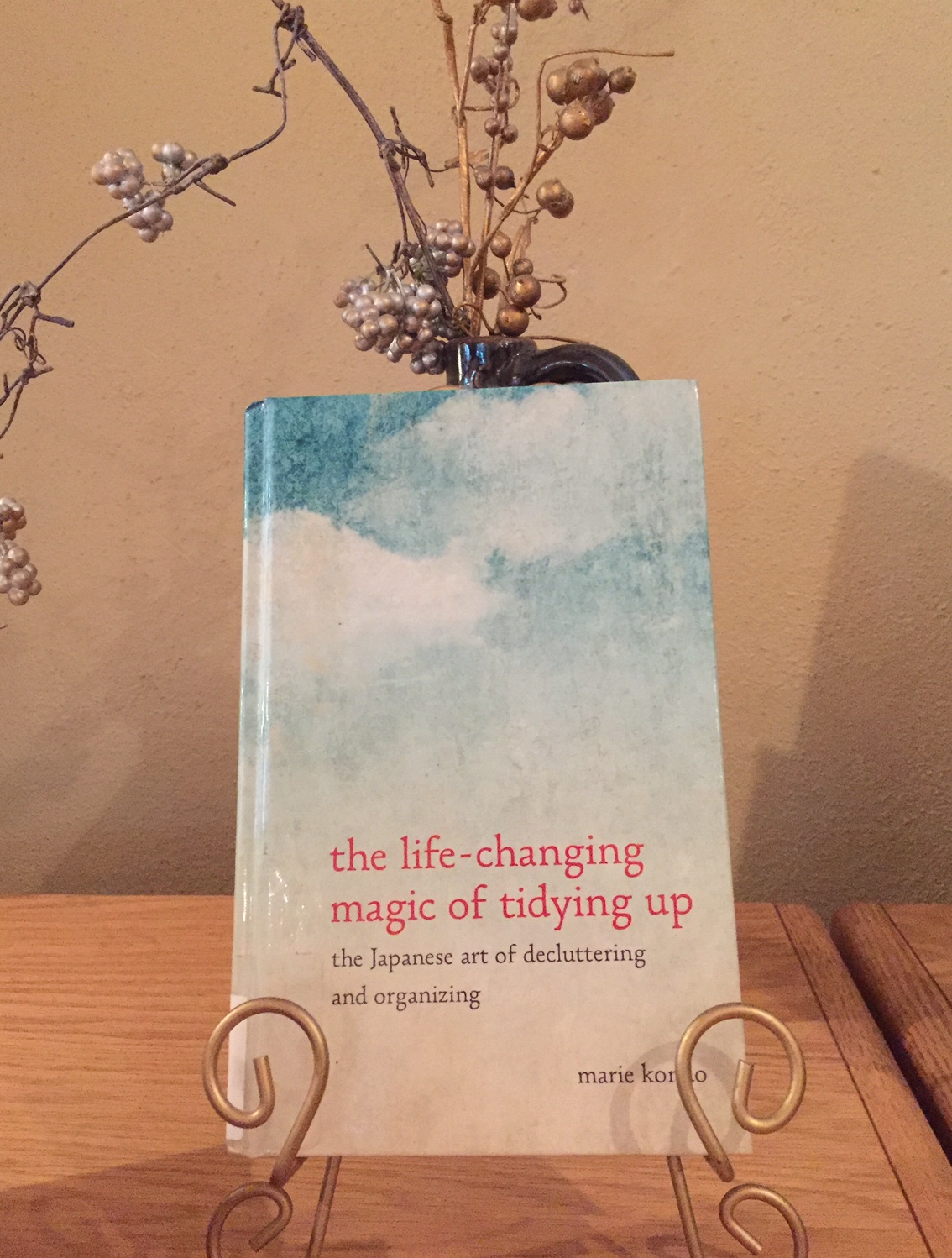
In last week’s post Paring Down and Tidying Up, I referred to Marie Kondo’s New York Times best-selling book, The Life-Changing Magic of Tidying up. Her book has sold over 5 million copies and is being translated into 40 languages.  I promised you a review and here it is.

KondoBookCover

The Review: The life-changing magic of tidying up, Marie Kondo

“Organize your home once, and you’ll never have to do it again.” Tidying consultant Marie Kondo, who has a three-month waiting list, insists you will never again have to sift through snowdrifts of papers or endure clothes that pile up like a tangled mess of noodles. Just follow her revolutionary category-by-category system.

Kondo’s solution is simple but not necessarily easy, especially for pack rats. Effective tidying, she admits, involves only two essential actions: Discarding things and deciding where to store what you keep. Kondo instructs her clients to pick up items one by one and ask, “ Does this spark joy?” If it does, keep it. If not, dispose of it.” (60)

Simply put, tackle major categories like clothing, books, and papers. Sort by category, not rooms: Sort all clothing at the same time, then move on to books, and so on.

Her chapter headings are iconoclastic: “Clothing: Place Every Item Of Clothing in the House on the Floor.” Do the same with books. Interestingly, her chapter titles yell in capital letters while her book title sits calmly on the cover, lower-case, in a cloud of blue.

Kondo’s wit and humor permeates her 254-page instruction book. She admits to coming home and falling asleep on the floor without even changing her clothes (195) writing this book. In the Afterword, she confesses that she once had to call an ambulance because the day before she had tidied too much and found her neck and shoulders frozen stiff from “looking into the cupboard above the closet and moving heavy furniture” (255).

Why do clients of the eponymous KonMari Method not relapse? The secret lies in a chapter entitled “Reduce Until You Reach the Point Where Something Clicks.” Apparently, satisfied clients have reached their clicking point! Some have even lost weight and experienced a clearer complexion as “detoxing” their houses has had a refreshing effect upon their bodies. (241)

One of her most valuable bits of advice was the functionality of sturdy shoeboxes to store lingerie and socks. Then, she suggests, use the tops like a tray to keep cooking oils, spices, and odd utensils in their rightful place. I may use such advice moving into our new space.

Marie Kondo’s tidying impulse began at age 5 while reading home and lifestyle magazines. She volunteered to be the classroom organizer in grade school. Now in her New York Times best seller, Kondo enthusiastically promotes the Japanese art of de-cluttering and organizing, a magical system that has become her life’s calling.


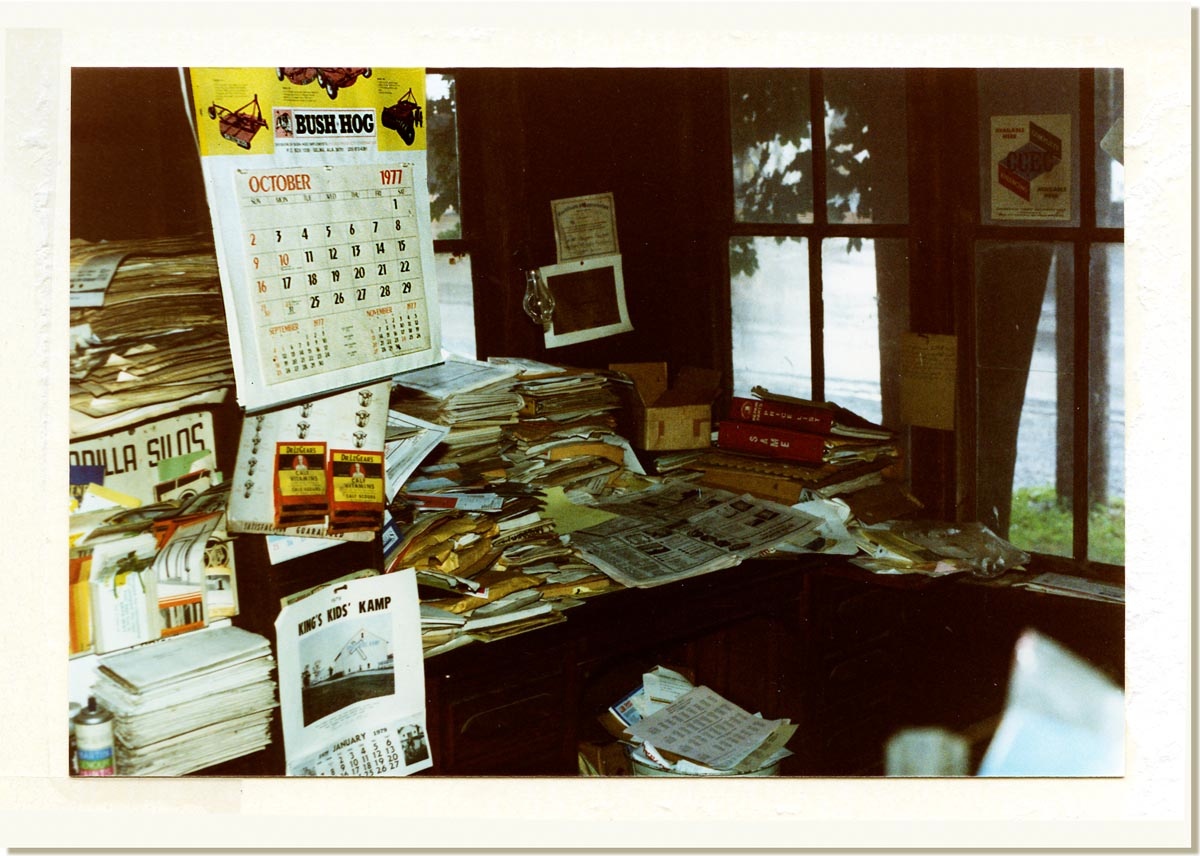
Not everyone buys into this magic. Sanford in the TV series, Sanford and Son didn’t, and neither did my father as I show in a blog post entitled Neat Versus Messy. It features a poem “Delight in Disorder.”

Dad's Office

My father died many years ago in 1985. During this Father’s Day week, I pause to give thanks. Though my dad did not give me a love for order (Mother did that), he gave me other sterling values: love of music, intellectual curiosity, and appreciation for the natural world. For those I give thanks.
Daddy in his later years, taking a breather
Daddy, often winning trips and other prizes for top sales, takes a breather. Sign courtesy of Cliff Beaman, 1976


* * *

One day soon, we will take what we have curated from our possessions and move it to our next home. It will be very messy for a while.

MovingBoxes2005

What is your take on the KonMari Method? What tried and true tips can you add?


As we make the transition – painting, packing, and re-assembling in another space, future blog posts may be sparse and my comments on your blogs may be spotty too.

I love our weekly connections here and will miss them temporarily. Soon I’ll be back. Enjoy each summer day!

Paring Down, Tidying Up – Some Tips

“Listen to this” I said to Cliff as I began reading the page on sorting papers: “Rule of Thumb – Discard Everything. ” As I continued reading the chapter on sorting papers in Marie Kondo’s New York Times best seller, The Life-Changing Magic of Tidying Up, I saw my husband’s eyes bug out, his jaw go rigid. I imagined his next move would be grabbing the book from my bare hands. (He didn’t.) Even though papers accumulate in our house like snowdrifts, he was having none of it.

It’s hard to dispute the dictum of a Japanese cleaning consultant like Kondo who claims that none of her clients have lapsed – and who has a three-month waiting list. She insists that if you organize your house properly, you’ll never have to do it again.

At the heart of her message is this: Keep something only if it sparks JOY in your life. And related to this: Give it away, if you think it will inspire joy in others.

So, I have divested myself of possessions I’ve held onto for decades.

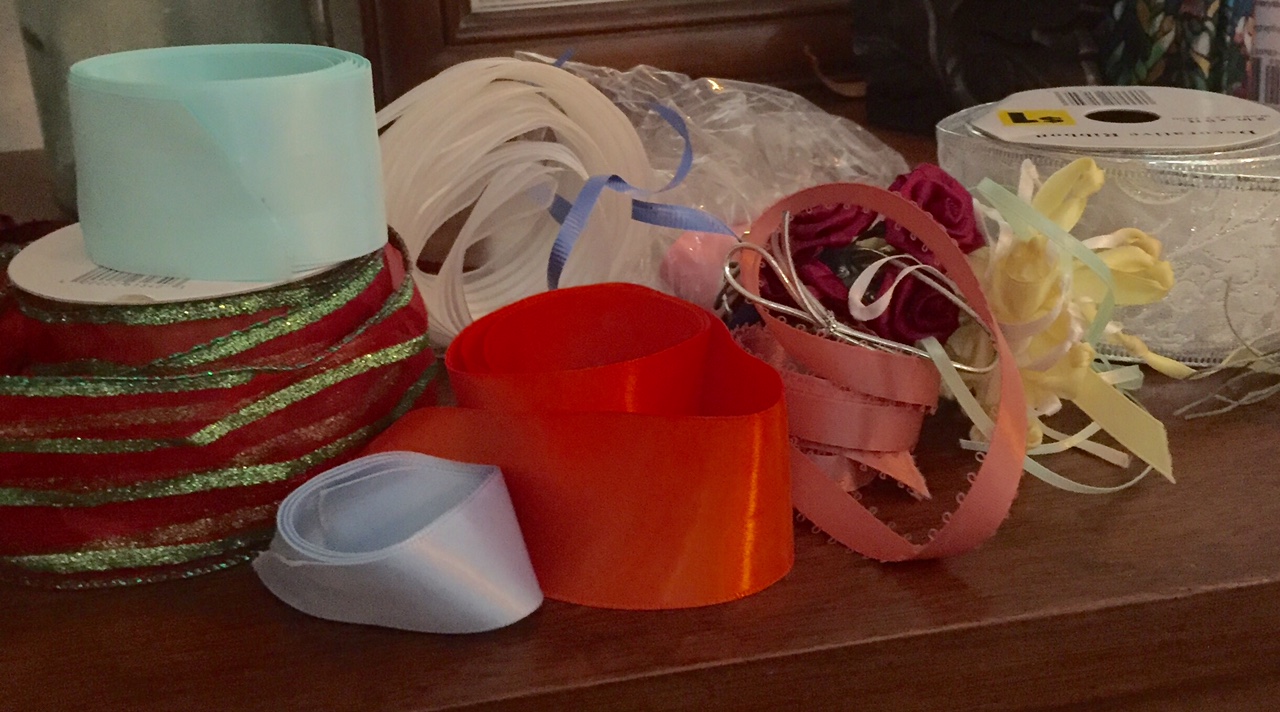
Ribbons and sewing notions have gone to a church friend, Donna, seamstress extraordinaire, who has connections to talented women needing supplies.

RibbonGiveaway

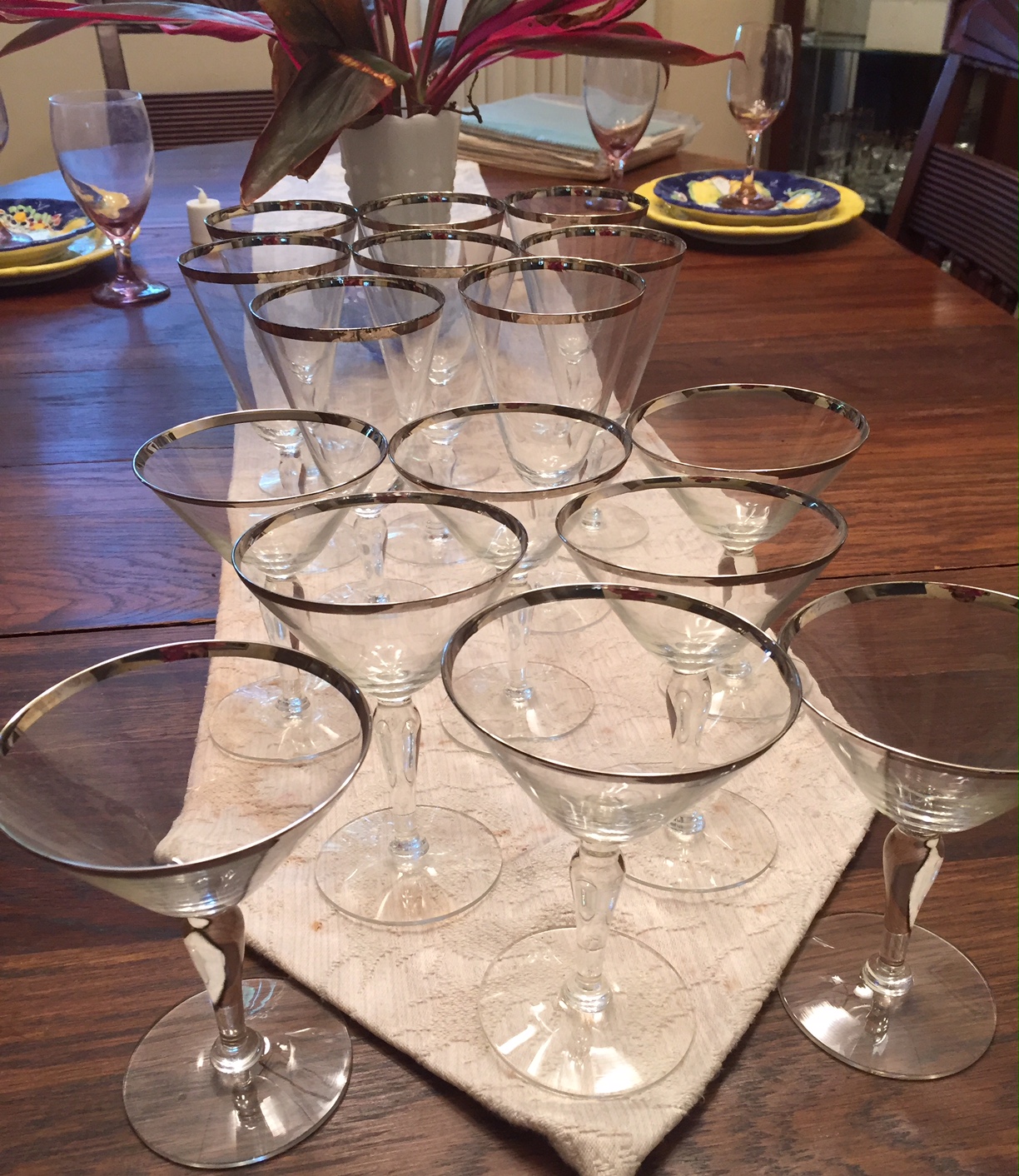
Like my friend Carolyn, I have passed on items of fine dining. My wedding crystal went to my hair stylist and super hostess Jackie. Originally, I intended to donate my crystal (from The Susquehanna Glass Factory in Columbia, Pennsylvania) to The Community Hospice Thrift Shop. But before I ever got to the donation center, Jackie took a look, fell in love, and the crystal sherbets and glasses became hers.

Crystal

By far the hardest thing to divest myself of is MY BOOOOOKS! They are part of my self-hood, my identity for the decades of my long teaching career. I am not the only book lover who wrestles with such impulses. Summer Brennan writes about the heartache of such a task here. Like her, I feel torn by the lure of Kondo’s promise of the magic of recycling and my impulse to embrace William Dean Howell‘s advice, “Oh, nothing furnishes a house like books.”

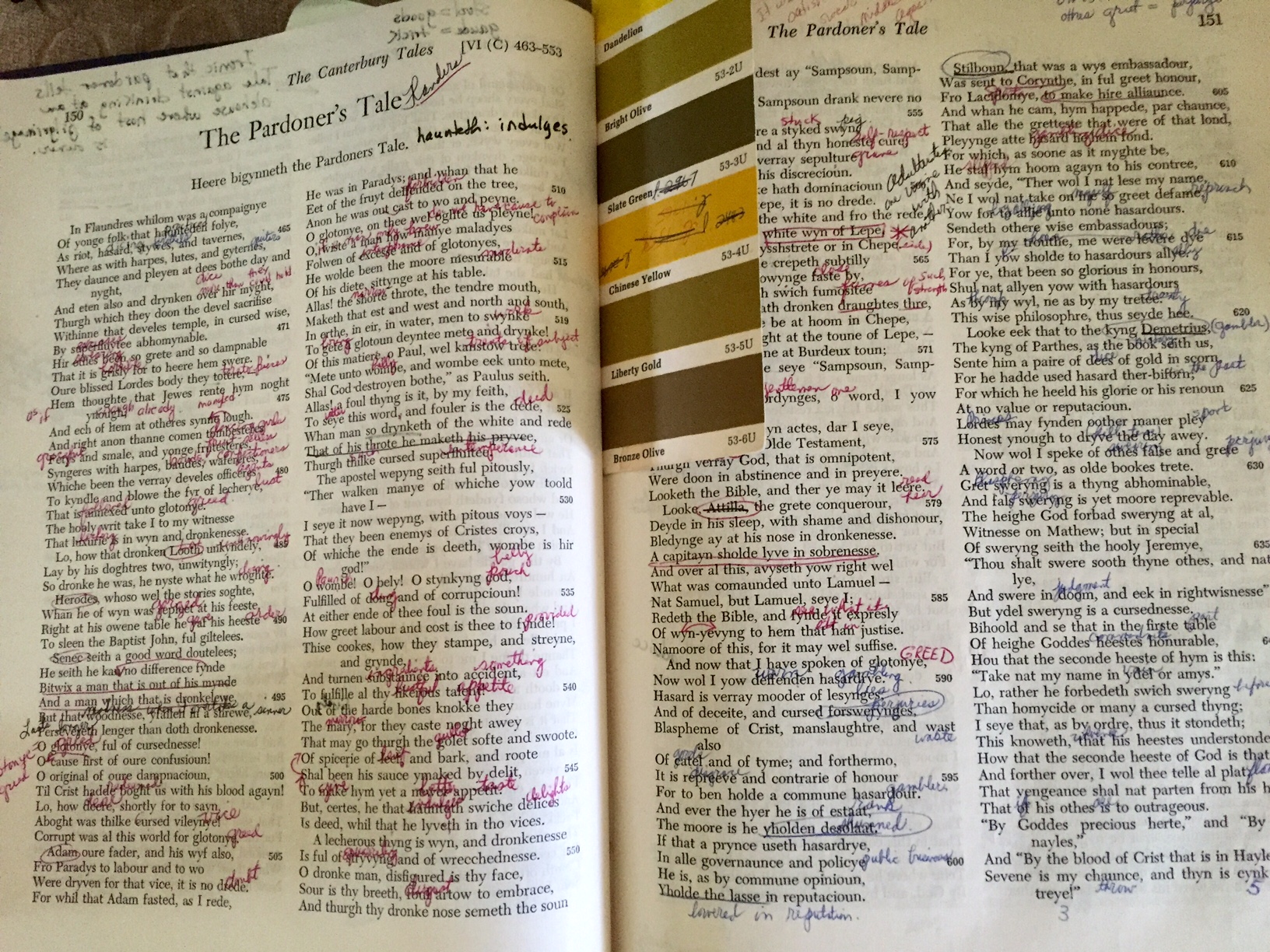
I’ve given dozens of books to Angel Aid, a charity for women and children. But I feel just as good when they land in the hands of young scholars, like Matthew, who can appreciate the nerdy translation of my Chaucer texts from Middle to Modern English, pre-digital translate days.

ChaucerTranslation

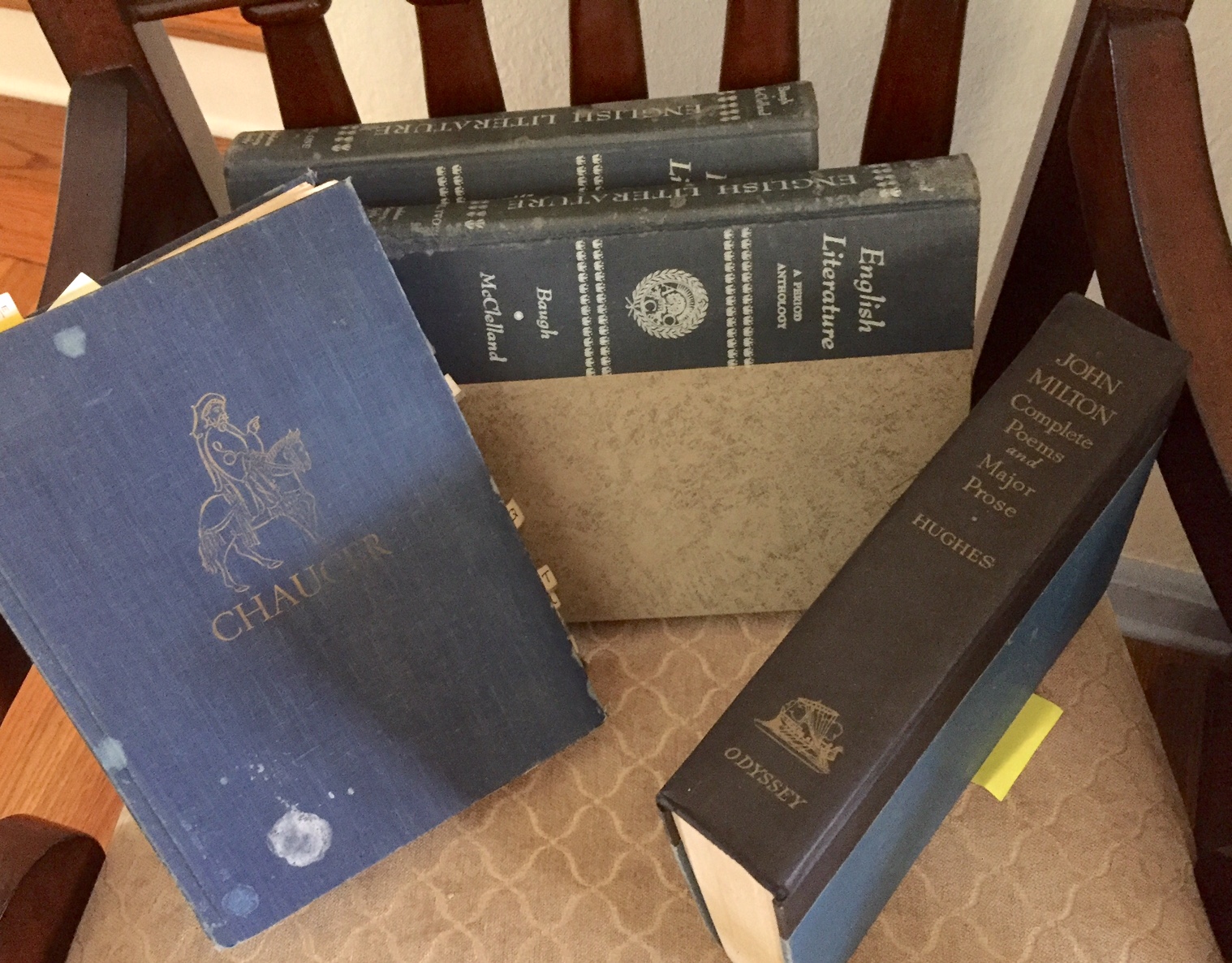
­­­­Matthew took my Milton text too, and two Survey of English Lit texts. He exclaimed, “I appreciate this. I can’t thank you enough,” followed by a smiley face and book emoticon.

ChaucerMilton

I feel a certain lightheartedness at getting rid of stuff, especially if I can pass them on to people who appreciate their worth.

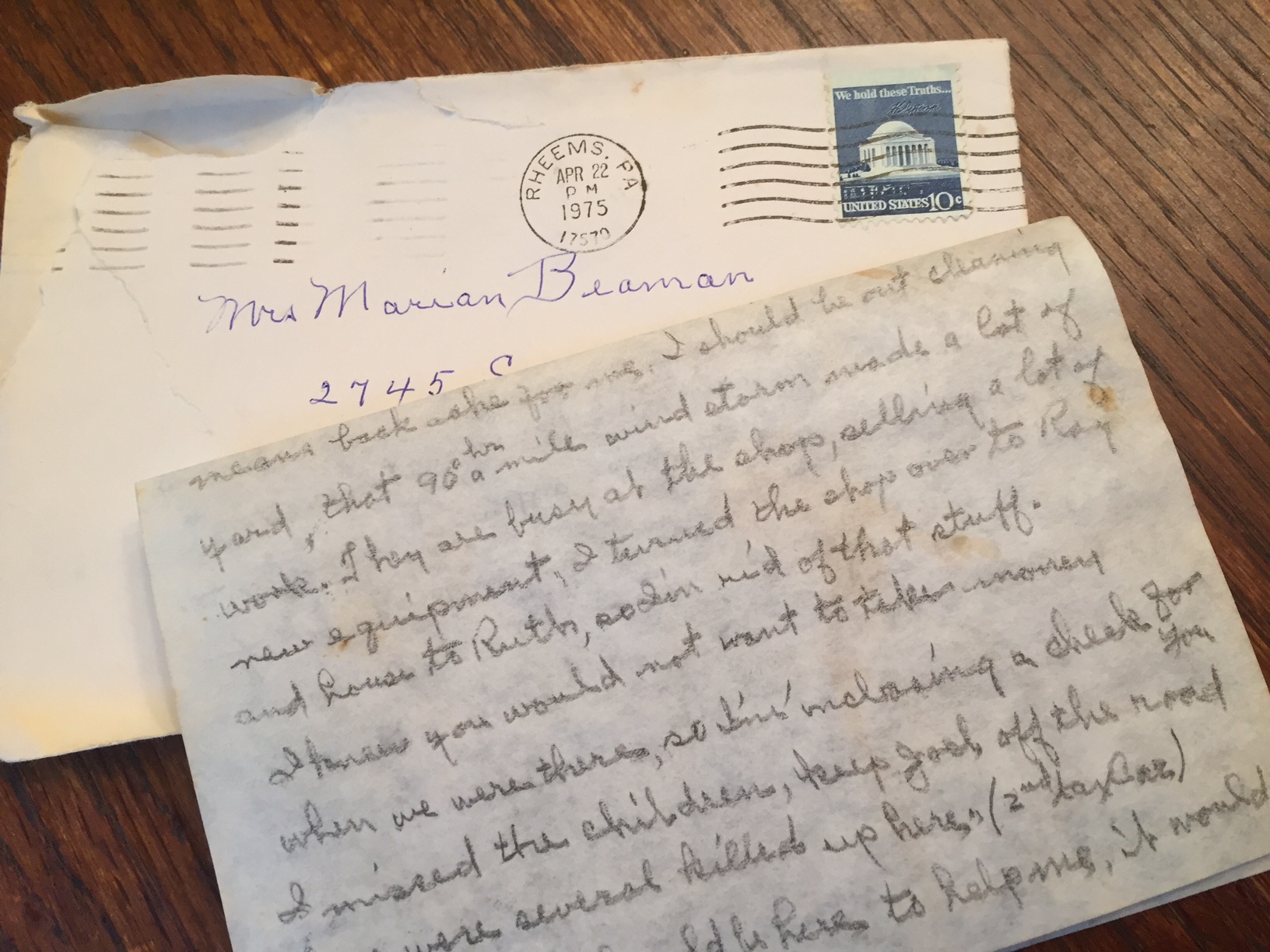
Grandma Longenecker can relate to such a feeling. She told me so in a letter from Rheems, Pennsylvnia in April 1975.

GrandmaRidStuffLetter

“They are busy at the shop, selling a lot of new equipment, I turned the shop over to Ray and house to Ruth, so I’m rid of that stuff.”

In other words, Grandma divested herself of two properties by deeding them over to my father and aunt. I’m guessing that she was immensely relieved of responsibilities for either property.

She continued to live in her lovely Victorian home until the day she died.

1989RuthieHouse

Coming next: A rollicking review of Marie Kondo’s book and a glimpse of the shop Grandma deeded to my dad. Neat versus messy? You decide.

Your tips for paring down and tidying up are welcome here.   🙂


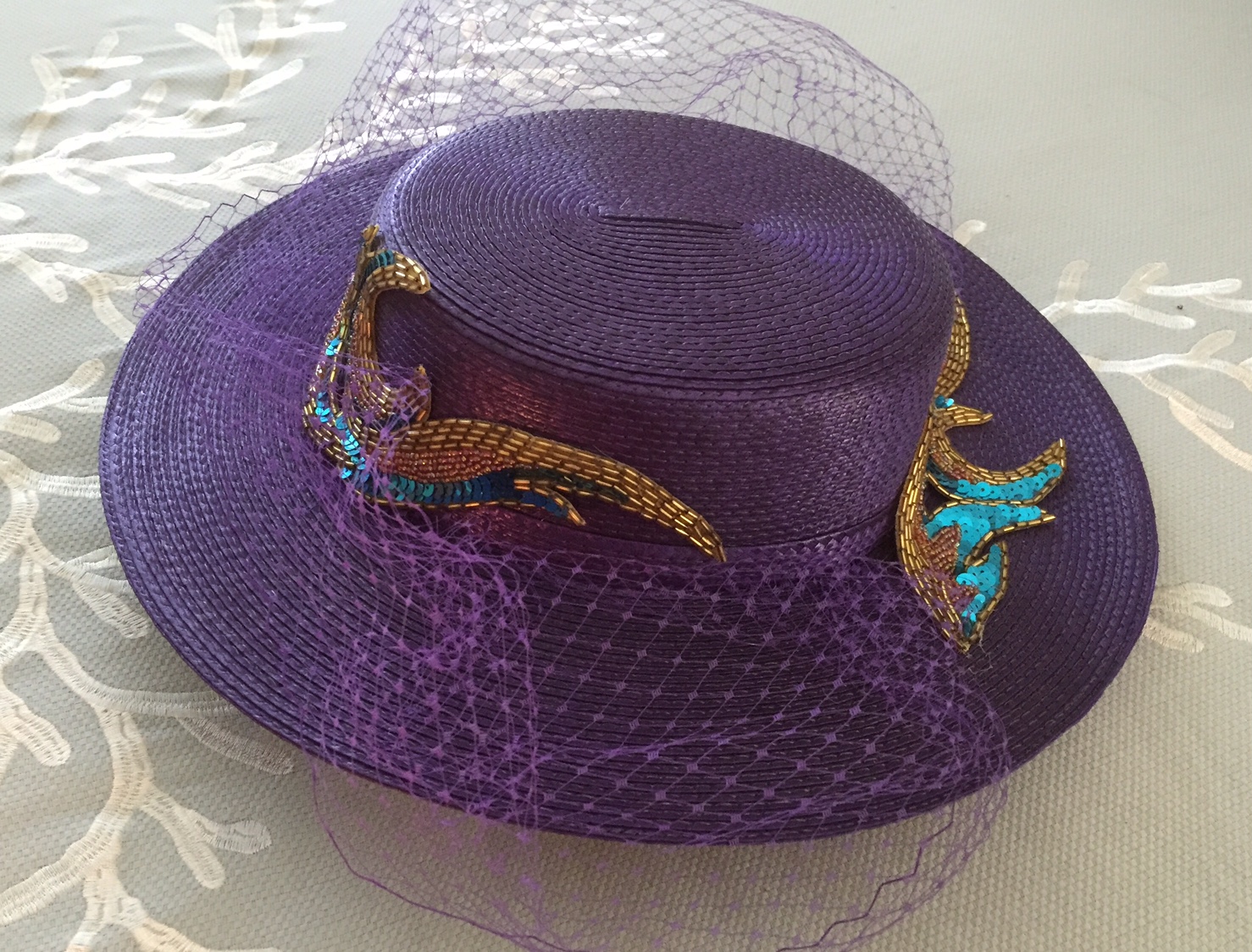
My purple hat - Out the door!
My purple “Downton Abbey” hat – Out the door!


Secrets of My Blue Madras Dress

Did you wear a madras dress? Did it bleed?

Popular in the USA in the 1960s this cool summer fabric originated in Madras, India. Loosely woven cotton threads created a plaid patchwork of soft fabric that didn’t cling to the body during sweltering summer days. Some madras was made with dyes that “ran” when the fabric was washed, creating a trendy washed-out look, known as bleeding madras, according to this article in the Chicago Tribune.

I bought into the fad then with a blue madras dress, smocked, sleeveless and zippered down the back. With no cinched belt, the dress felt light and airy – cool. After it was no longer in vogue and looked worn, I used it for home painting jobs.

BlueMadrasDress

Before we move into our next home, we want to do some interior painting. Whether I will wield the brush or ask/hire someone else to do the job remains to be seen.

Soon the paint-spattered madras dress will fade into history. I will recycle it.

* * *

The Secret: 

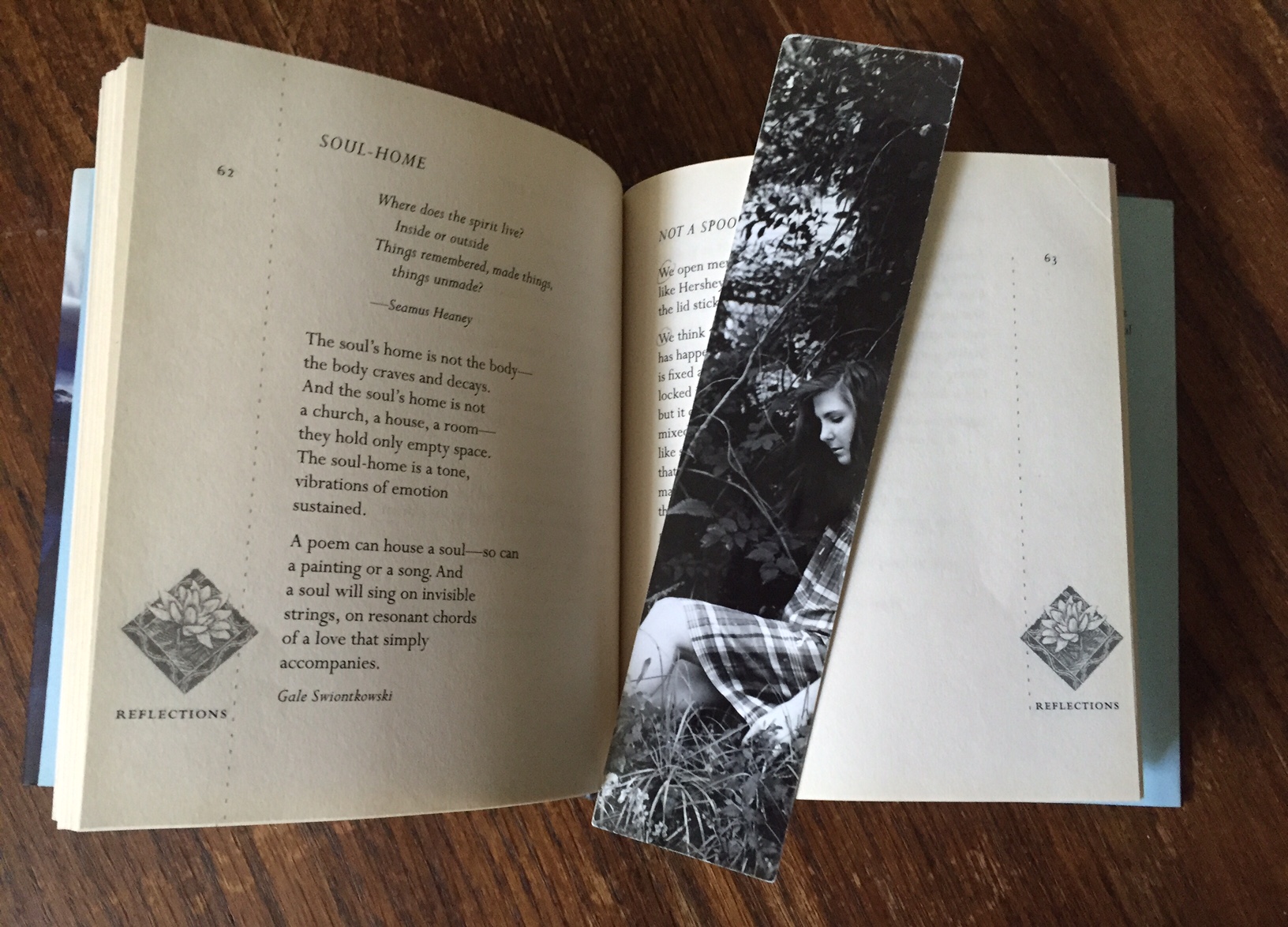
In July 1992 daughter Crista took a time-delay shot of herself wearing my blue madras dress to complete an assignment for her Photography 101 course. “Make sure you are in the picture,” the professor had said. So, with a 35 mm camera poised on a tripod, she snapped a black and white self-portrait in our back yard. Obviously, she didn’t need my assistance, and I didn’t know about the photo until she had it developed in the photo lab dark-room. A selfie before the era of smart phone selfies.

I made one of the prints into a book mark shown here. On the reverse side, I printed a verse from III John 1:4  “I have no greater joy than to hear that my children walk in truth.”

Photography takes an instant out of time, altering life by holding it still. ~ Dorothea Lange
Photography takes an instant out of time, altering life by holding it still.   ~ Dorothea Lange


It’s no secret that I have paraded a lot of (treasured) stuff on the pages of these posts, evidence that I keep things. With a move imminent, I’m in the mood now though to discard, digitize, or recycle.

When it comes to STUFF, are you a hoarder or a “throw-away-er”? Maybe you fit a different category? Do you have a dress with secrets?


Your opinions are always welcome here. So are your stories.

Thank you!


Coming next: Paring Down and Tidying Up


Mouse Moves House and So Do We

We are planning to move. It’s not a long-distance move to another country or across our own land. Not even to another state. And we are not retiring to Florida. Why, we’re already there. And we’re not moving to another city. Our re-location involves a move just 9 miles south in the same quadrant of Jacksonville.

But it is a gigantic step for us. We have lived in our current homestead for 37 years. Our children grew up here, and when I open the kitchen door to the garage I see pencil marks revealing Crista and Joel’s increasing heights since their ages of 8 and 9.

People in our age demographic make similar moves, often called downsizing. A Texas couple, Joe and Judy Powell, had a ranch to sell, 20-acre cattle ranch, mind you, in order to move to a nearby college town. Their move involved a huge acreage to a small property, from rural to town.

Photo credit; AARP magazine online
Photo credit: AARP magazine online


Of course, Cliff and I have accumulated lots of stuff, which about a year ago we’ve started sorting through, recycling, keeping the most necessary and precious. An art-creating husband and book-reading/writing wife produce/save lots of stuff.

About the Stuff 

Yes, we must cull, re-cycle, throw out, even. We have called the city for bulk recycling pickups.

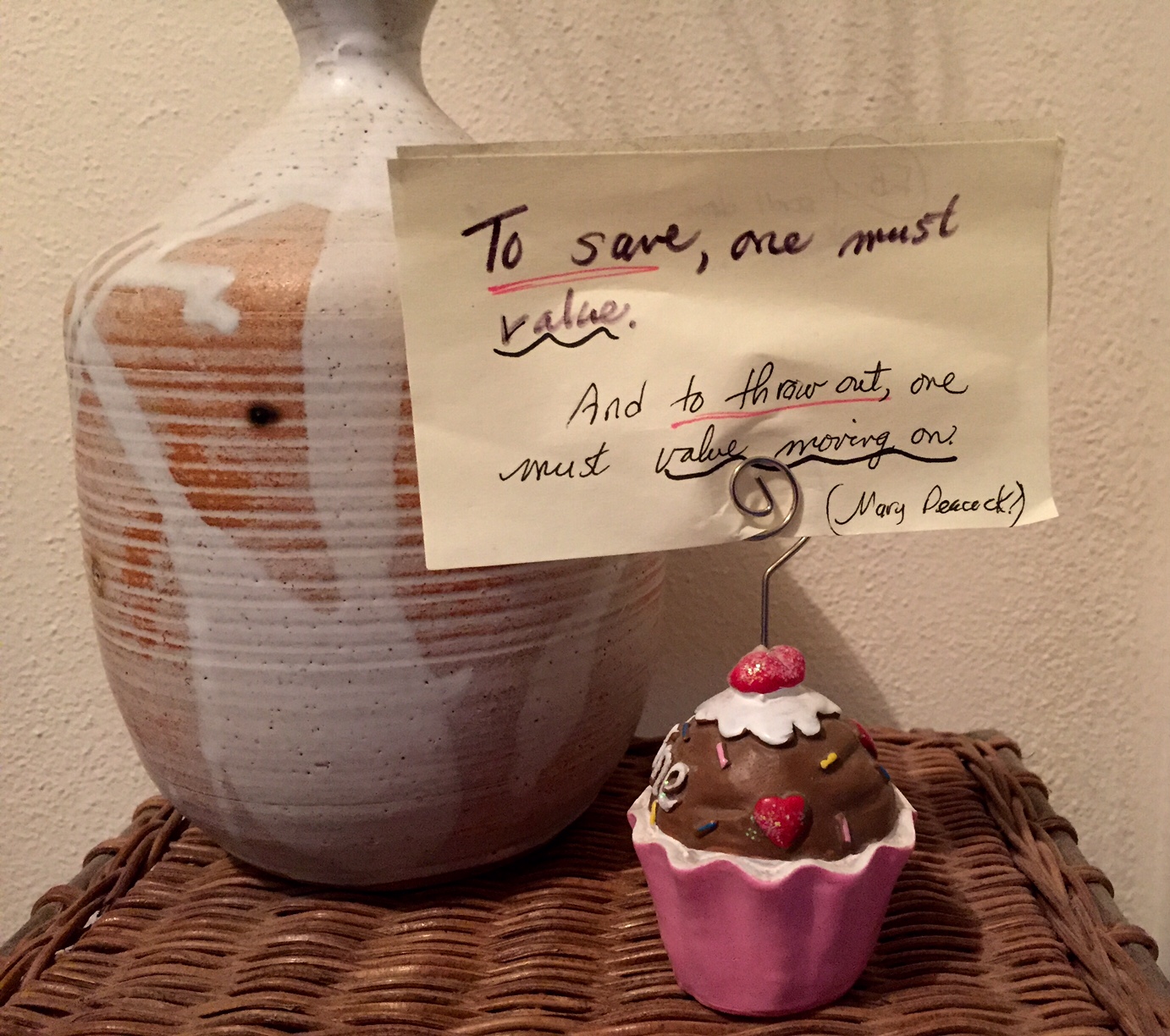
To save one must value. And to throw out, one must value moving on.    ~ Mary Peacock, The Paper Garden


CupcakeQuotation


What I’ll Miss

  • My clothesline. Our new homeowners association won’t permit such. I’ll look at old videos of sheets flapping.
  • The dowager live oak tree on the edge of our property spreading its sheltering arms . . .

OakFrontDowager

  • Wall space to display my husband’s art work. Our new home has an open floor plan and limited space for drawings and paintings.

The Emotional/Philosophical Shift

Before, during and after the move, we have felt and will continue to feel out of sync. Our daily rhythms will be interrupted for a time. We’ll have to get used to operating in a new space. We’ll feel out of balance for a while, a sensation I am already experiencing.

In the Holmes-Rahe Stress Inventory, the transition to a new home ranks # 28 on a list of 43 life events, coming far after major events like the death of a spouse, serious personal injury or illness, change in job or even retirement. Truthfully, I think I would elevate moving to a higher level. Anyone who has changed addresses recently may agree.

Writer and blogger Sharon Clymer Landis discussed an imminent change in her household last year, observing parallels between the physical and spiritual aspects of moving to a new location:

She says, “As we work our way from the comfort of the known, from the cozy nest, inching toward our edges before slipping into the wild unknown, we are usually filled with doubts, fears and dread.  How little we trust the process, or God’s great holding of us, or the drawing towards growth that results in greater love, spaciousness, and freedom.”

When we finally take flight, we realize the air under our wings is the same air that lined our cozy nest. The nest, the struggle to launch, the flying, and the very air around us is all part of the Great Holding. 


The Move and Story-telling

As she continues, author Landis draws an analogy between physical moves and good storytelling:

Good storytelling often moves us forward, opens a reader’s heart toward greater understanding or toward something in life’s horizon. Add the element of God, of the Divine Mystery (how do those stories and images end up right where we’ll find them when we need them?) and you’ve got a hint of how things work:  equilibrium to disequilibrium, and back to equilibrium…on and on in the cycle of life and growth – kissed by Eternal Wisdom, a God holding us in Love always. Whether we’re in the midst of being drawn to concepts or changes beyond our understandings, whether we’re dug in and resisting, or flying wild and free, we are equally loved!


A Story Told

“Flying wild and free” evokes the image of a bird in flight, not usually mouse movements. But a storybook mouse can go wild and move. Maybe you remember reading Mouse Moves House, a charming children’s book by Phil Roxbee Cox.

Ian's family is moving this spring, mimicking Mouse Mack.
Ian’s family is moving too this spring, mimicking Mouse Mack.

Mouse Mack, backpack in tow, appreciates his friend Jack, who helps him pack and load his stuff onto a moving van named Fat Cat.


How have you experienced moving?

You must have some advice for me and other readers. Here’s where to share it.

Moments of Extreme Emotion: Where’s My Spyglass?

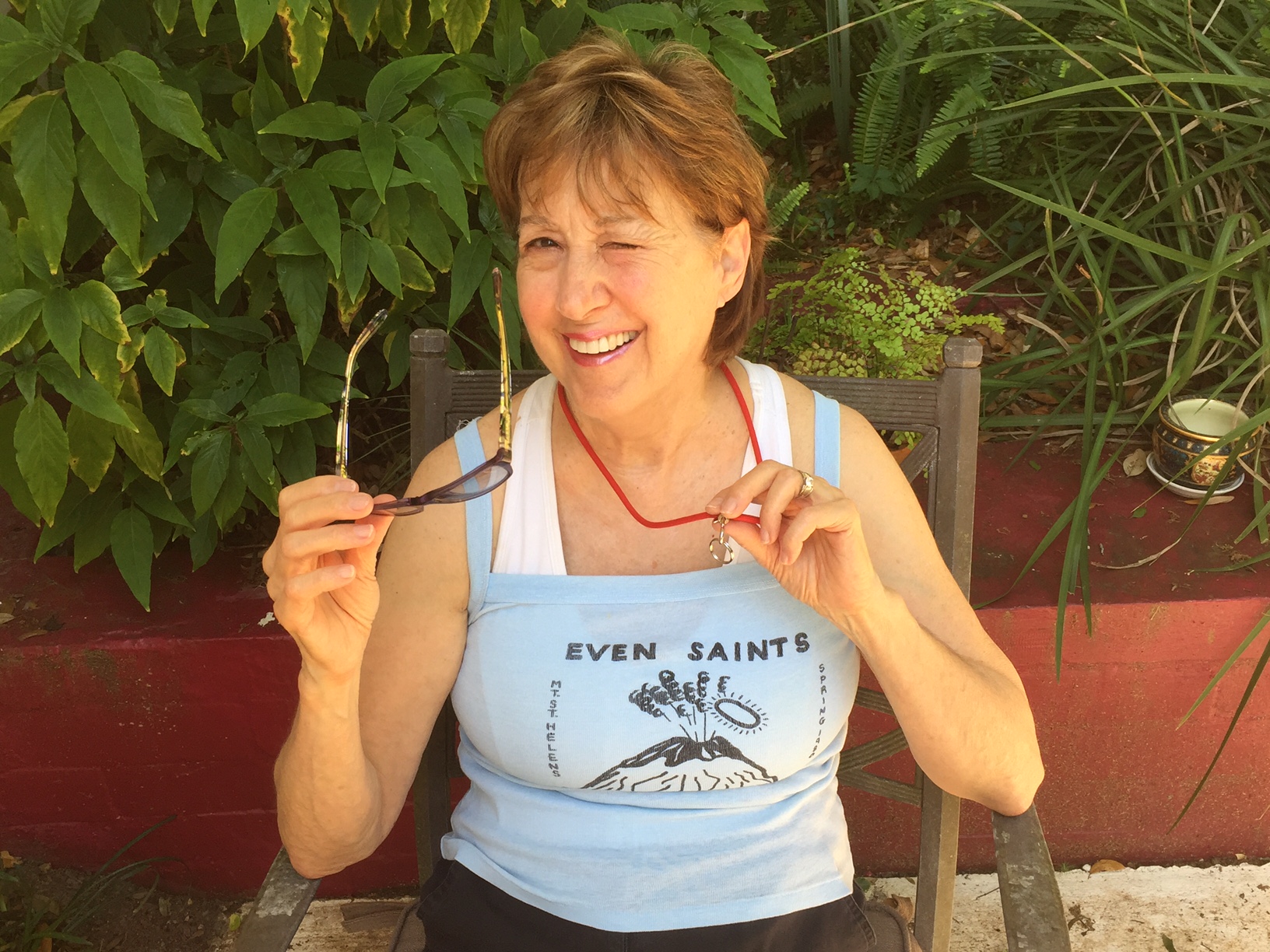
The photo of a pair of transitions eye glasses attached to a scarlet lanyard is still posted on my Facebook page dated April 14, 2016. “Hubby makes a lanyard for my glasses today. He is not being kind. He just doesn’t want to look for my glasses anymore! . . . well, yes, he is being kind.” Those were my words.

“The accompanying script in red and black reads “Forsake not the assembling of your glasses with your body.” St. Cliff 1:1 with date 4.14.16

CliffLanyardGlasses

Comments came from sympathizers and a naysayer: “Funny that I got a store bought one in my Christmas stocking.” “Doesn’t look very practical. I predict you don’t use it much.” ” I can absolutely relate!”

Reading over my Facebook heading again now I sense myself thinking at the time, “I won’t lose my glasses again.” A trace of boastfulness? Perhaps. Presumption? Probably.

Here’s how the glasses story subsequently unfolded: On Friday, April 29, I went to my power-pump class at the gym. Obviously I wore glasses to drive there and back. I’m nearsighted without them. Why, without glasses I might have a wreck.

That evening, we saw a scary Netflix movie, a British gothic flick “The Making of a Lady.” I must have worn my glasses then. I don’t remember squinting or sitting up close cross-legged to see the screen. I also don’t remember whether my lanyard was around my neck or somewhere else at the time.

The next morning I planned to drive to Curtis’ soccer game at 8:30 a.m. At 8:10 I grabbed my keys and and my glasses. My g – g – g l a s s s e e s s s; where are they? Too embarrassed to ask Cliff for help right away, I scoured the usual places: My computer desk, my dresser, the coffee-table, the kitchen counter. I couldn’t even find my back-up pair usually sitting snugly in the console by the driver’s seat.

Then, I go into full-out search mode. With and without Mr. Red Lanyard Maker, I . . .

  1. Look on every surface without a flashlight.
  2. Check every surface with a flashlight, lifting seat cushions.
  3. Walk outside and check the patio furniture, flower-bed containers.
  4. Re-visit the front porch table.
  5. Repeat steps 1 and 2 at night.  I hoped I’d catch a gleam with my flashlight, after five hours of searching all told.
  6. I awoke with a jolt at 2:00 a.m, with the strong image that my glasses had fallen off my lanyard and into a garbage bag. So I cull through two plastic bags of trash to no avail.
  7. I prayed ardently. After alI, I do remember the story of the Woman with the Lost Coin in Luke 15, a woman who lost one of her pieces of silver, lit a candle, swept the house, found it, and called her friends together to celebrate. I was ready for celebration!

Catholics would appeal to Saint Anthony, the patron saint of lost items. One online source printed a prayer: “Saint Anthony, Saint Anthony, please come around: Something is lost and needs to be found!”  A woman named Madeleine suggested that one call off the hunt as a sign of faith, claiming that “once you say the prayer stop looking for whatever it is you lost.”

Well, I did call off the hunt on Sunday, yet kept an eye out. There is always a chance for a miracle. Maybe those two shiny lenses would spontaneously appear.

Apparently, I am not alone. Hunting for lost or misplaced items is common. According to one source, the average person spends one year of life looking for keys, wallet — glasses. Among the more distressing losses are diamond rings (Oh, I lost one of those too!) and honeymoon tickets (We didn’t need tickets for air travel – just a pickup with a topper.)

Websites about lost items are usually accompanied by blatant suggestions to get more organized and be more mindful going about one’s daily tasks.

Sunday afternoon, the highly-motivated Red Lanyard Maker drove me to LensCrafter’s to fix the problem. After all, Mr. RLM can’t be my chauffeur for the foreseeable future.

At the office, I got an eye examination, another prescription, and new glasses with identical frames promised in a fortnight.

GlassesWink

As I write now, my lanyard is securely hugging my neck with glasses attached. More mindful? Yes, I believe so.

To this day, I haven’t found my glasses. Nor have the back-up pair appeared either. How had some genie or sprite spirited away both sets of glasses? Odd and distressing! If the originals make their appearance, I’ll be thrilled to use them as my spare.

* * *

From my experience, our possessions seem to disappear in direct proportion to their degree of importance in our lives.

How about you? Tales of woe – or discovery are welcome here!