Visions of the Little Match Girl: 1846 and 2014

What do Trayvon Williams, Michael Brown and the Little Match Girl have in common?

Read on!

The Little Match Girl – Hans Christian Andersen, 1846

On a cold winter’s eve, a poor girl shivering on the street tries to sell matches afraid to return home to her father who would beat her for not selling all her matches.
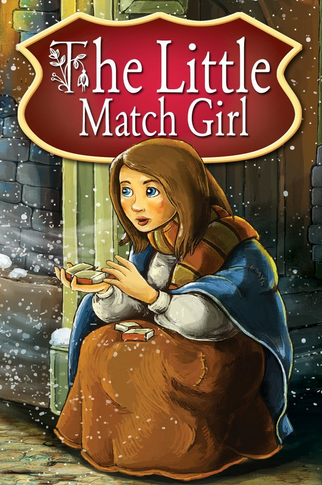
Courtesy: Amazon Books
Cover: Courtesy Amazon Books

Finding shelter in a nook, she lights matches to warm herself. The matches ignite her imagination and she envisions a Christmas tree and a holiday feast. As she looks skyward, she spies a shooting star and recalls her dead grandmother remarking that such a star means someone is dying and going to heaven. As she lights the next match, she catches a vision of her grandmother, the only person ever to treat her with love and kindness. Finally running out of matches, she dies and her soul is carried to heaven. The next morning, passersby find the little girl dead in the street. They feel pity for her but cannot bring her back to life.

Lives Cut Short

Trayvon Williams and Michael Brown must have had visions of a better life, a bright future. Their visions will be unrealized, their lives cut short by a bullet. While there is still controversy over the details surrounding each case of police intervention, there is no doubt that the outcome raises questions about police reaction in a perceived threatening situation. It should be noted here that black officers, greatly outnumbered by whites in the police force, account for little more than 10% of all fatal police shootings according to one report. But of those they kill, 78 % are black. Main stream media, however, gives little attention to such stories or to those involving black officers and white offenders.

Author Mary Gottschalk speculates on what prompts these high profile shootings of black teens. In a recent blog post, she comments on the lack of respect for cultural differences and asks, “. . . is it a system that trains a white police officer in a black community, when confronted by what appears to be an angry or aggressive black man, to shoot first and ask questions later?”

One commenter to this essay, Janet Givens, offered one explanation: “I’d say fear plays a factor . . . the fact that we often fear what we don’t know: we demonize our enemy to feel morally superior so we can justify defending ourselves.”

And so the conversation continues . . . .

Another Time – A Different Story

We tend to believe that we live in the worst of times. Maybe this is true. Yet poet Henry Wordsworth Longfellow (1807-1882) documents a terrible time in our nation’s history, the Civil War, fought to secure freedom from slavery. He wrote one of his most famous poems, I Heard the Bells on Christmas Day, having survived the outbreak of the Civil War, the untimely death of his beloved wife Fanny during a house fire, and a severely wounded son Charles. Theses lyrics written in 1864 show the depth of his sorrow but suggest hope and peace as the stanzas progress:
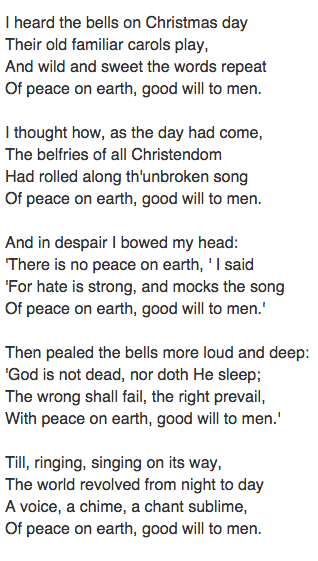
LyricsIHearBells

At Christmastime 2014, celebrating peace and joy seems like a mockery given the tumultuous year we have experienced. But wars and unrest have always existed. “Hate is strong and mocks the song of peace on earth goodwill toward men.” 

Yet, hearts open to hope can bring a renewed call to action toward peace.

Call to Action

Author Gottschalk in her post last week revealed the little-known personal details about Michael Brown’s mother, Lesley McSpadden, who “was not allowed to approach him as he lay in blazing sunshine in a public street for four hours. Once his body was removed from the street, she was not allowed to see it for two weeks.”

Shirley Showalter, another commenter on Mary’s post, demonstrates what a peaceful call to action looks like as she remarks:

Because of this essay and the story you told about Lesley McSpadden (the mother of Michael Brown), I am going to write her a letter. It’s a little thing, but I want her to feel how this story touched me. Thank you for writing.

Like the little match girl, none of the lives lost on our streets or in our schools can be brought back, but they leave a legacy that can motivate us to hopeful action.

For a shorter version (2′ 20″) of “I Heard the Bells on Christmas Day” by Burl Ives, click below.

Your Turn

What is your take on any of these stories? An opposing viewpoint?

What other peaceful actions can you suggest?

Coming next: Downton Abbey Gala Redux: Season 5

Moment of Extreme Emotion: 200th Post Mark with Julie & Julia

Welcome to my 200th blog post! It’s here because you have visited this blog, a time or two, or maybe way more often. Writers write for many reasons, most importantly to express themselves. But most writers don’t like to write in a void. Writing is communication. And communication, for me at least, is a two-way street.

Julie Powell agrees with me. Remember Julie Powell in the movie Julie & Julia? 

Julie, using Julia Child as her muse, conceives an idea for her blog in this scene:

The quotes below are excerpted from the movie script, all based on her best-selling book with a much longer title:

Julie and JuliaCover

WHY DO YOU DO IT?    “It’s a regimen, Mom, like doing pushups!”

SOMETIMES IT’S FRUSTRATING!  Julie shouts at her computer: Is there anyone out there reading me?

Then later: Today I had 12 comments from readers and I didn’t know any one of ‘em!

WHY WE CONTINUE . . . 

Julie comments: Julia taught me what it takes to find your way in the world. It’s not what I thought it was. I thought it was all about-I don’t know, confidence or will or luck. Those are all some good things to have, no question. But there’s something else, something that these things grow out of. It’s joy.

Catch joy on the wing . . .

– William Blake

And so I do today, thanks to  you, dear reader!

Blog_200 Posts

Coming next: Visions of the Little Match Girl

Accepting the Red Heart: One Lovely Blog Award

Remember getting a gold or silver star on your homework papers in grade school? Well, writers who read each other’s blog posts do something similar – they nominate those they admire for the One Lovely Blog Award. It’s not a gold star. It’s a red heart and looks like this:

OneLovelyBlog Award

In October, two admirable authors nominated me. Thank you to authors Kathy Pooler and Mary Gottschalk. In November, notable writer Joan Rough nominated me, so it is high time to acknowledge this honor and pass on the baton. I consider all three of these writers my mentor/encouragers.

The Rules:

Name and thank those who nominated you.

Share 7 things about yourself that others may not know.

Nominate 15 bloggers (or as many as you like) to whom you would like to pass on the nomination.
7 Little-Known Facts about Me:

  1. I don’t wear false teeth.
  2. My hair was not cut until I was 26 years old.
  3. I’m still married to my first blind date.
  4. My first engagement ring was flushed down the commode by our 3-year-old daughter. She doesn’t remember. I forgave. She was only three.
  5. One summer after college I traveled to 47 states with a friend from college. I had no idea then that my husband-to-be was living in the Pacific Northwest.
  6. One winter a snowboarder hit me while skiing. I became a pretzel, untwisted myself, and stood up again, wobbly but unharmed. I thank God and Mr. Pilates.
  7. First time in over 30 years I haven’t washed the windows in my house. (They didn’t crack or hit me with blinding light.)

My nominees come from South Africa, Australia, and all over the United States. Two are men, who I hope are not too shy to accept an award with a red heart in it. Note: I did not nominate those whom others have named.

These nominees may choose to participate or not. Also, there is no pressure to respond immediately. Remember, it’s taken me more than a month! Just know that I admire your writing and want to honor you in this way:

My Nominations (in random order):

Gwendolyn Plano   http://www.gwenplano.com/

Susan Scott    http://www.gardenofedenblog.com/ 

Patti   https://everypagewhispershisname.wordpress.com/

Diane Reed   http://dianereedwiter.wordpress.com

Judy Berman    http://earth-rider.com/

Steve Piscitelli  http://stevepiscitelli.wordpress.com/

Debby Gies   http://dgkayewriter.com

Jennifer Simpson  http://jennsmidlifecrisis.wordpress.com/

J. T. Weaver   http://jtweaverblog.wordpress.com/

Alexa   http://www.alexa-asimplelife.com/

What blogger not on the list would you like to recognize? Tell us please.

Coming next: The 200th Post Mark with Julie and Julia

Signs and Wonders: Manheim and Elizabethtown, PA Style

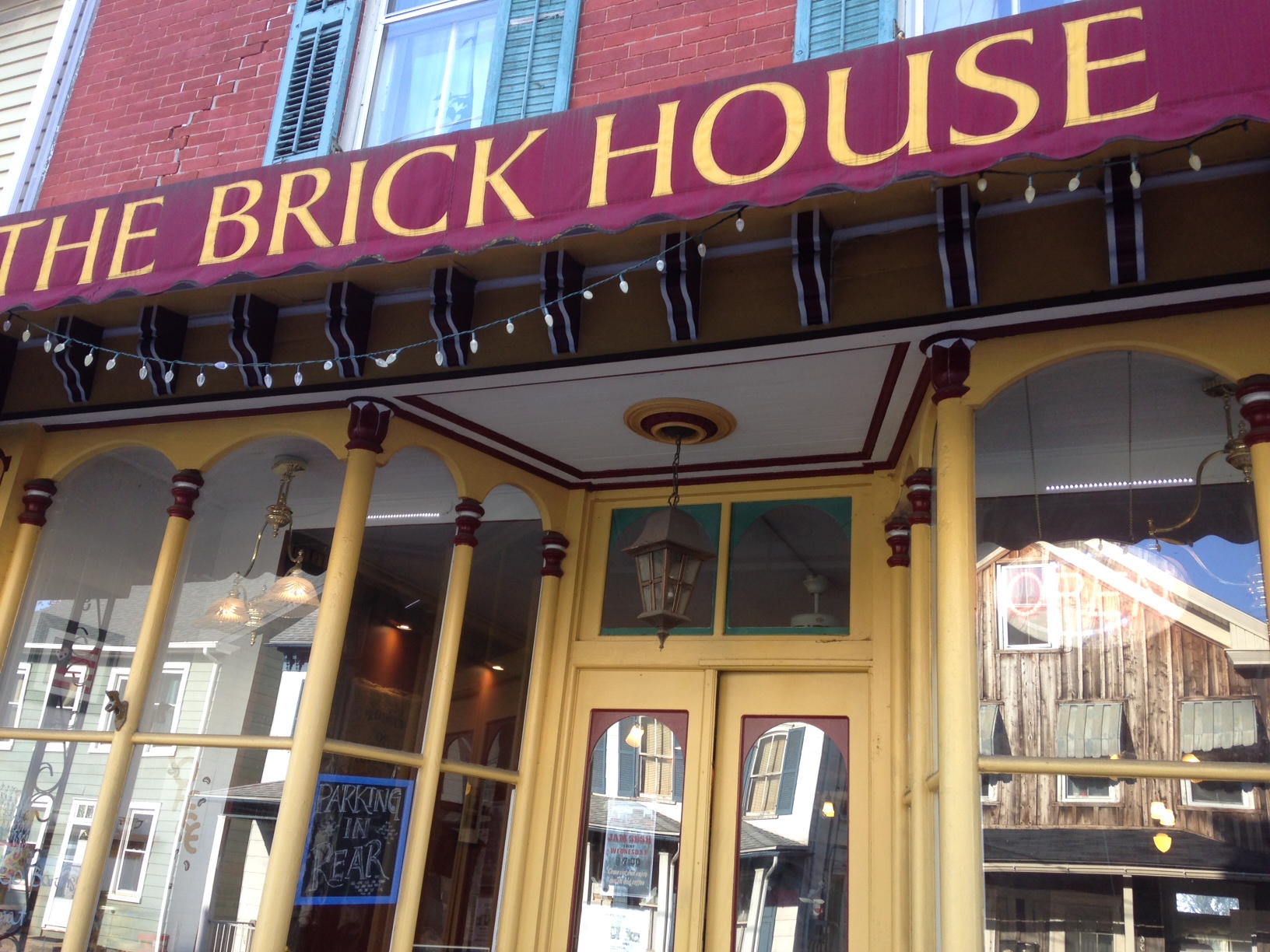
The Brick House Cafe along Main Street in Manheim, Pennsylvania, is getting free advertising from me today.

BrickHouse1

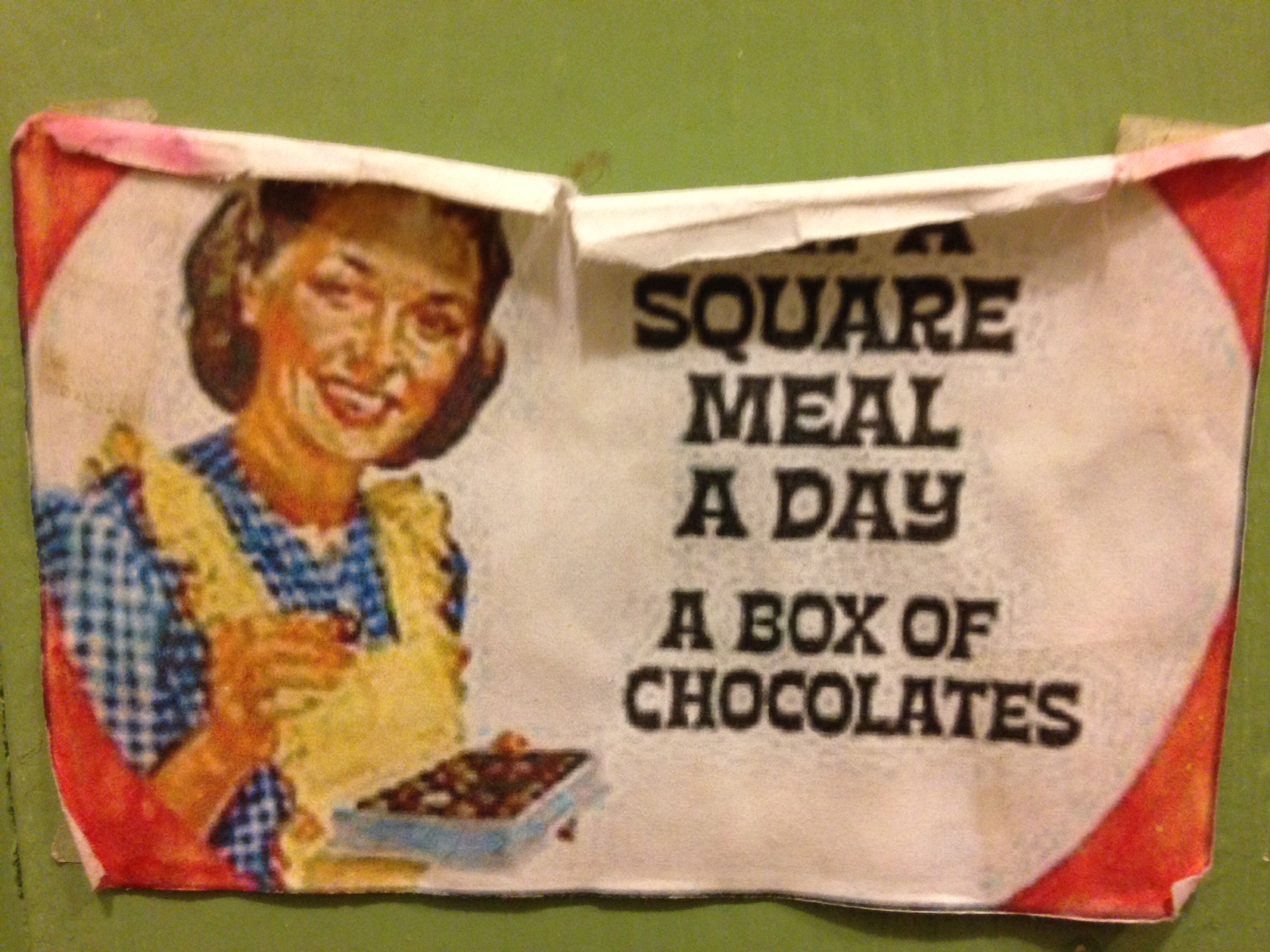
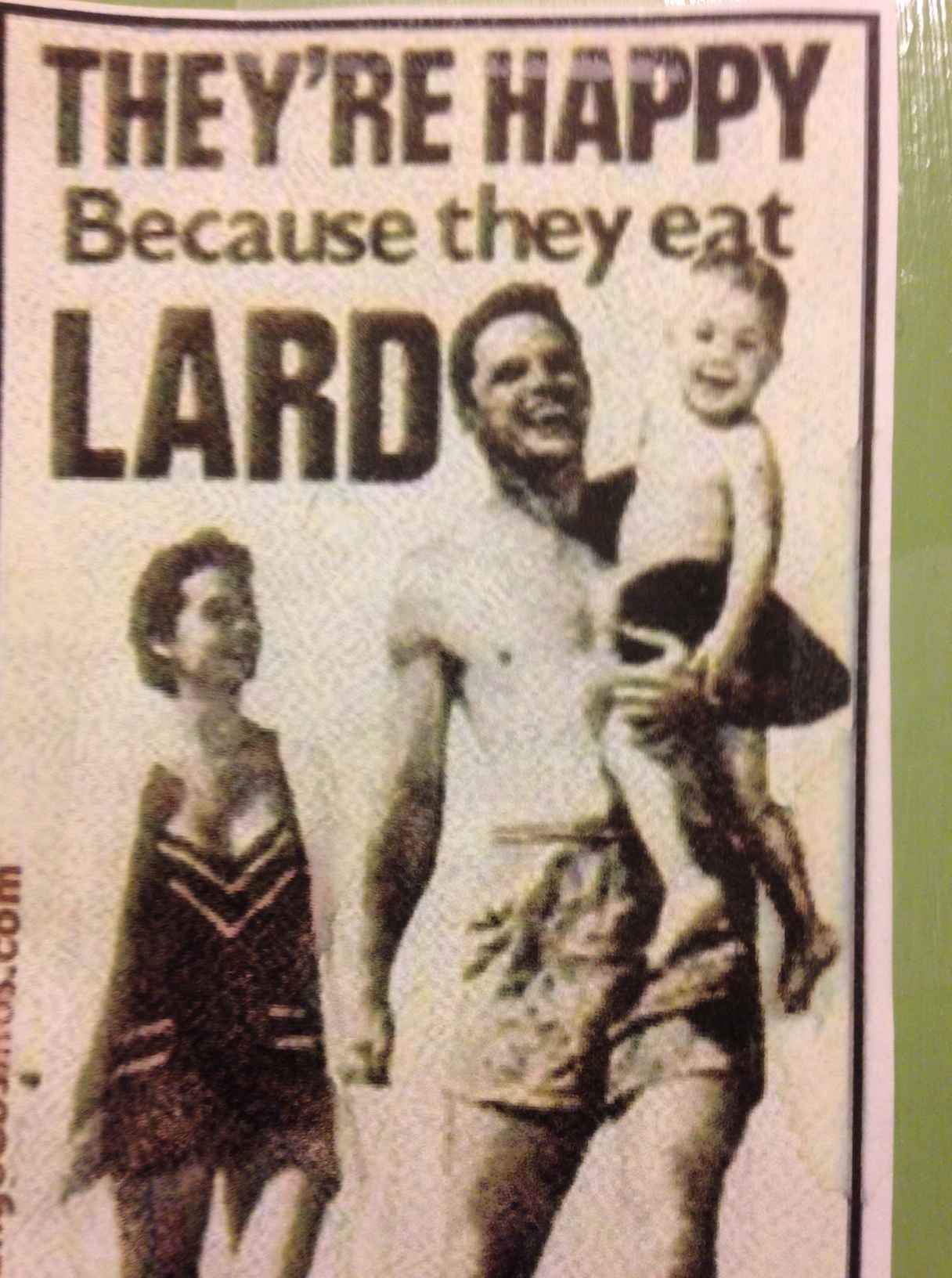
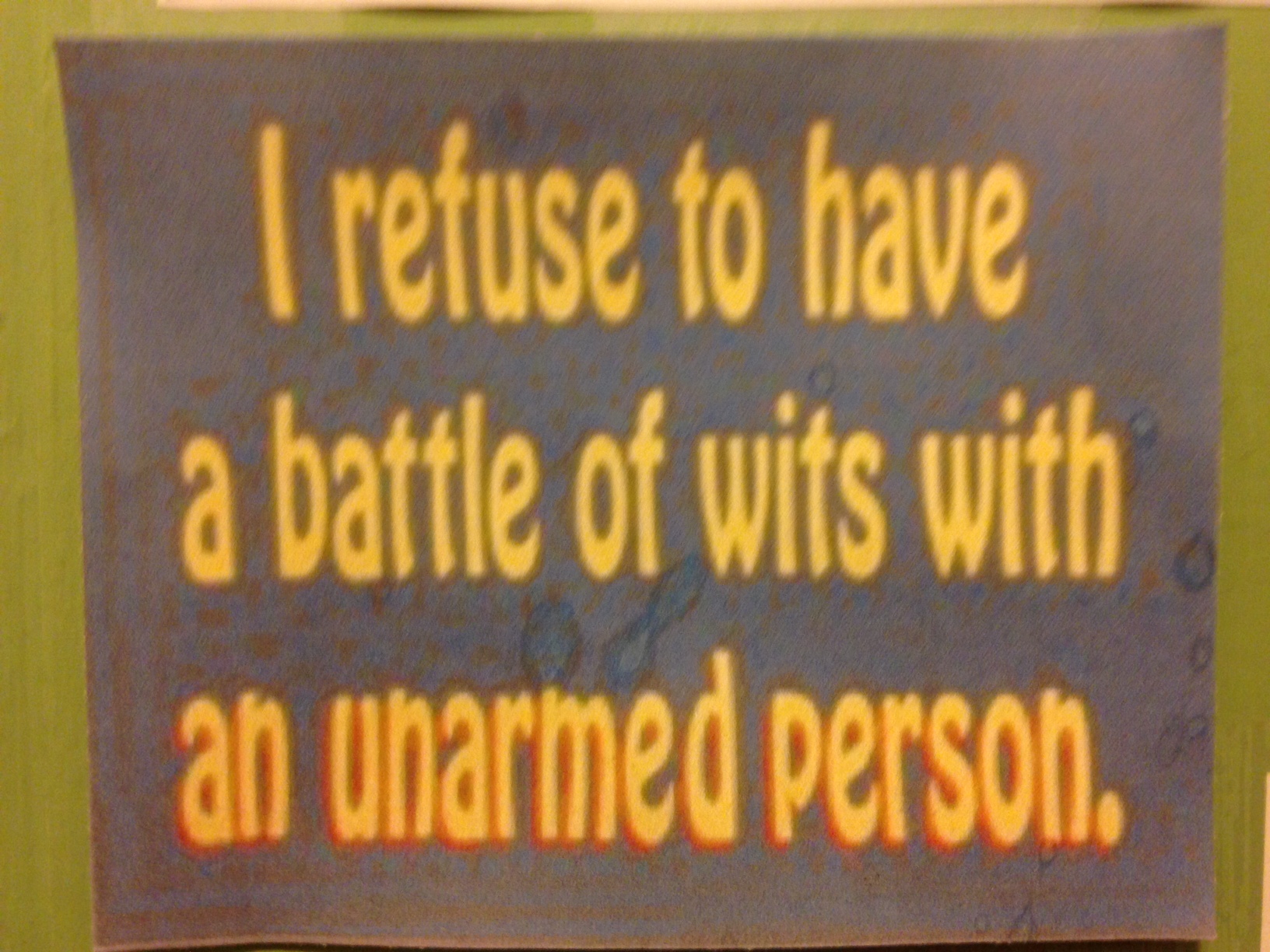
In a sister city named for its counterpart in Mannheim, Germany, The Brick House serves freshly prepared soups, salads, and sandwiches. It also serves up another “S” – Signs from the 1950s. Take a look!

BoxChocolatesHarassingCookSignLardFamilyBattleOfWitsSign

And finally, this:

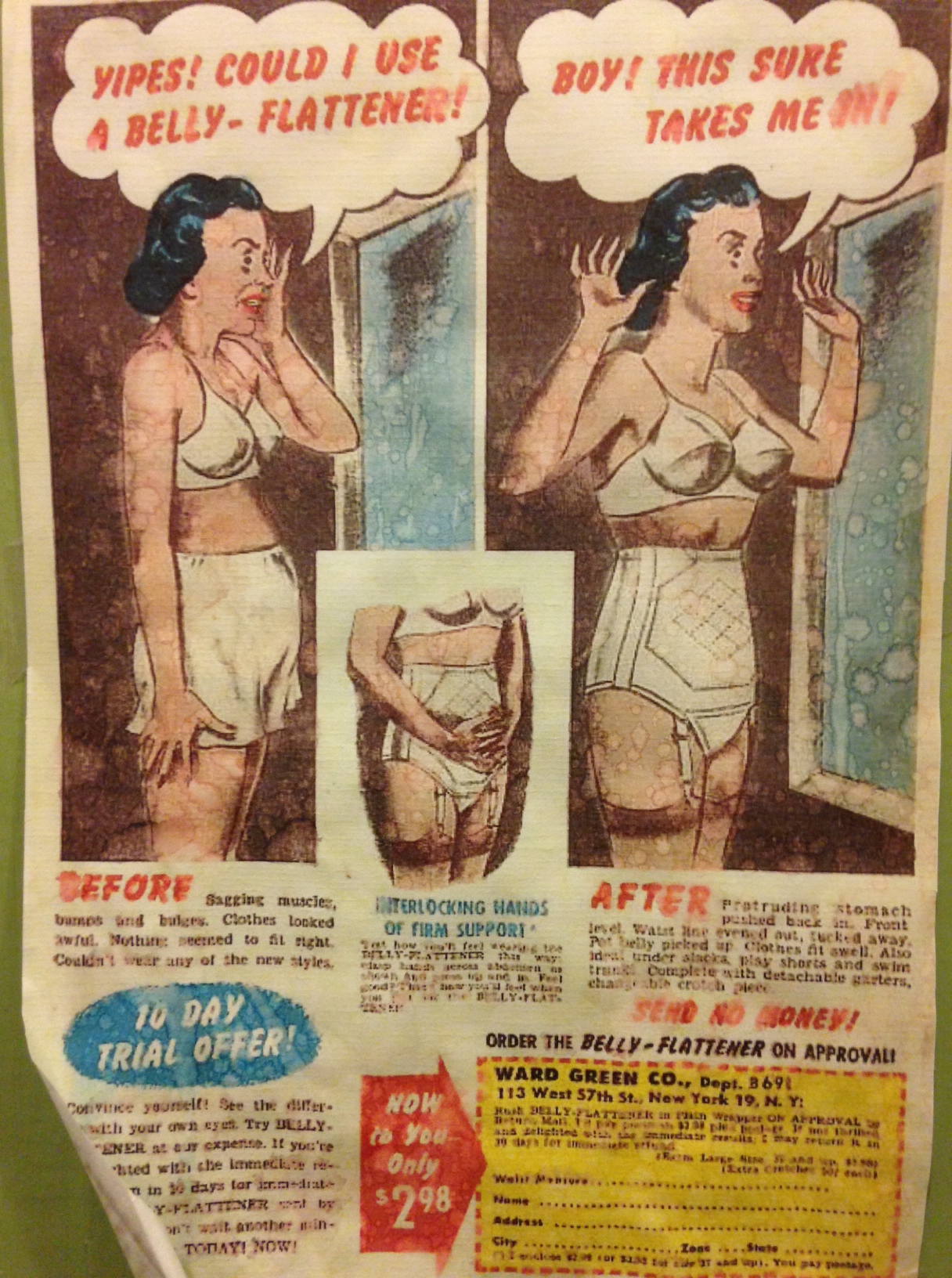
CorsetWoman

All posted on the back of the Ladies’ Restroom door! Now I have to wonder what was posted in the Men’s Restroom. . . .


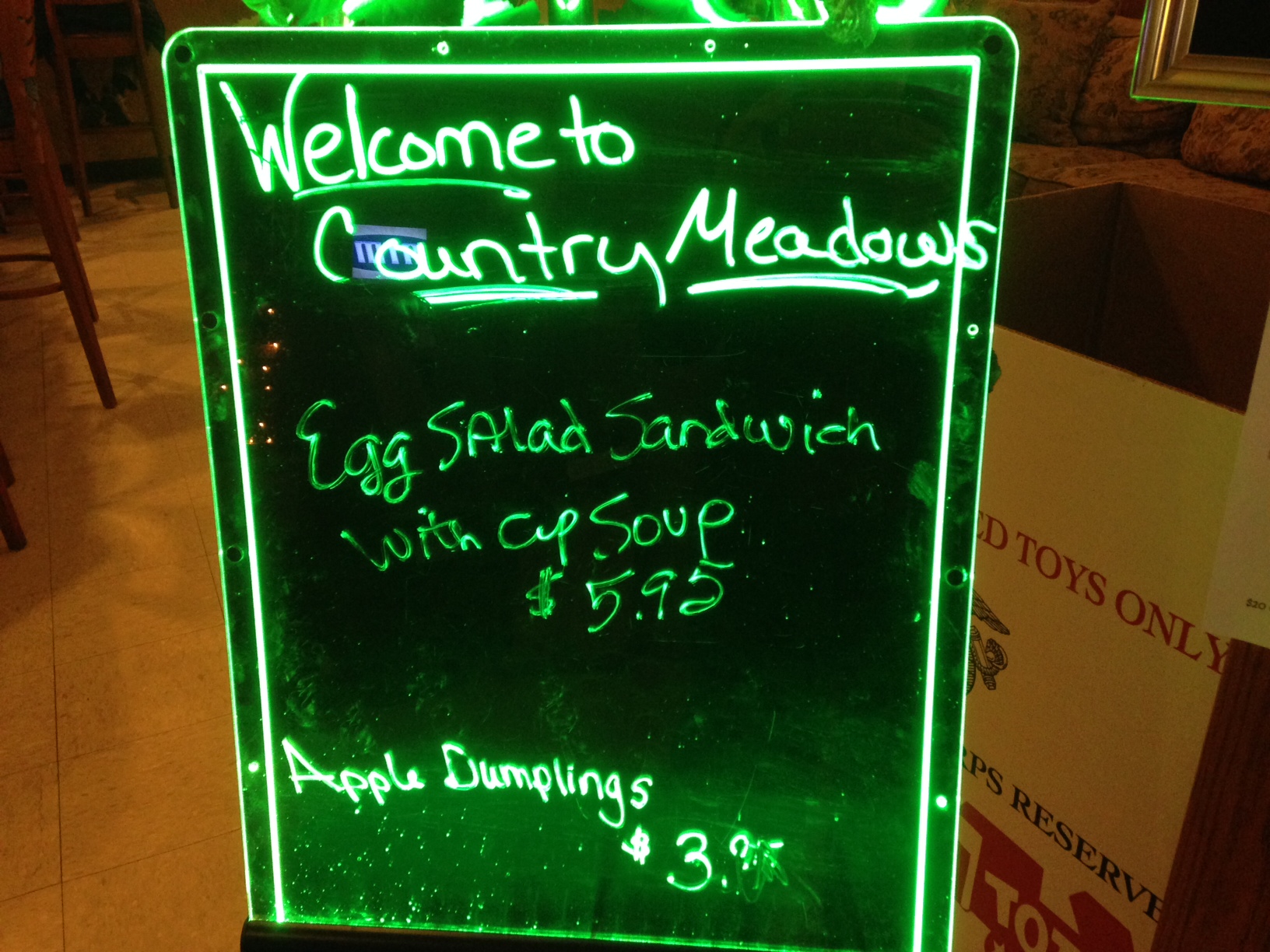
Country Meadows restaurant, nestled in a grassy knoll northwest of Elizabethtown, boasts a menu of stick-to-your-ribs PA Dutch food along with some high-calorie choices.

Screen Shot 2014-11-24 at 1.02.51 PM

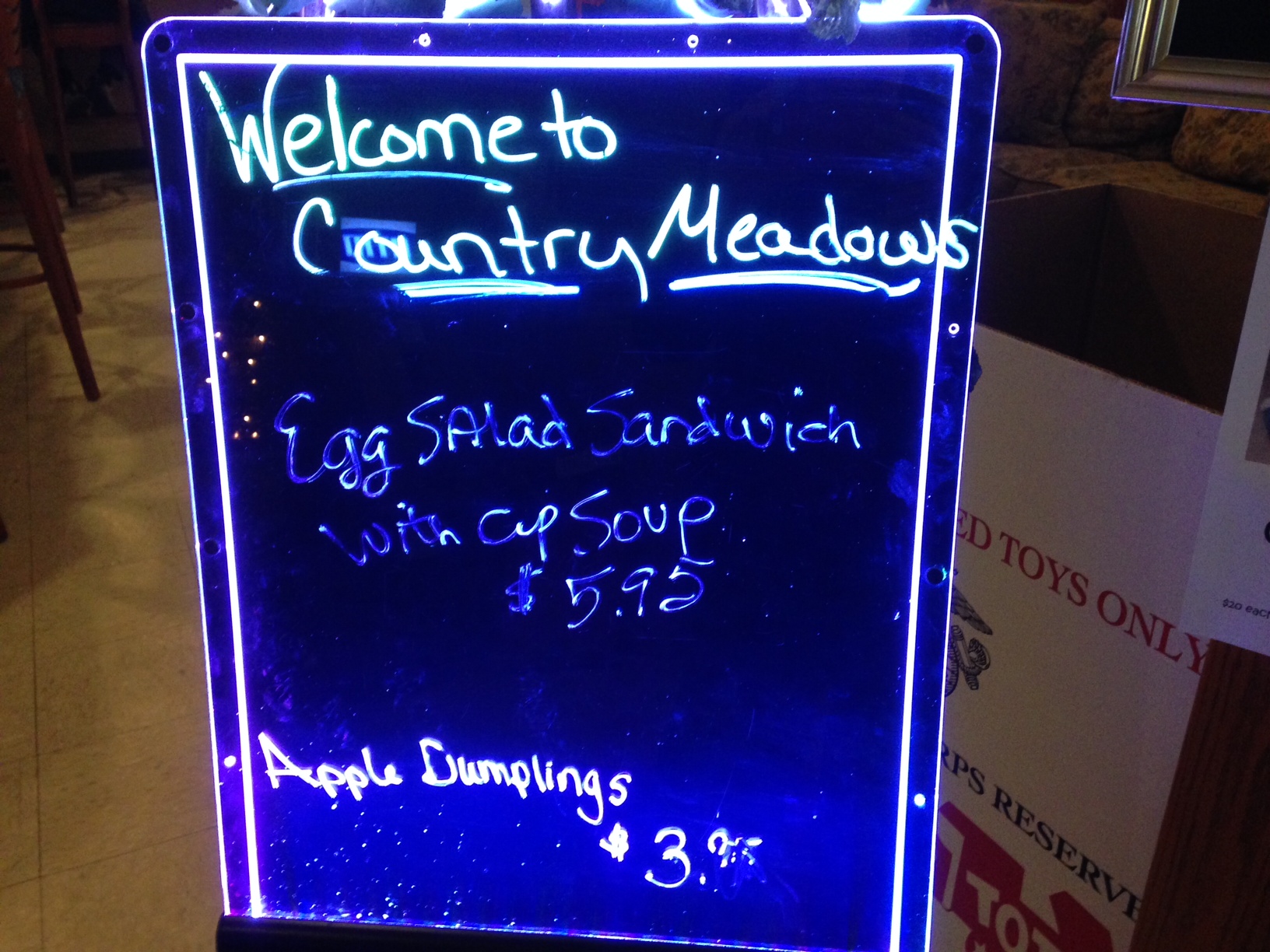
Signs are few here, but there is lots of neon in the decor . . .

CountryMeadowsGold

. . . and advertising their specials:

CountryMeadowsBlue

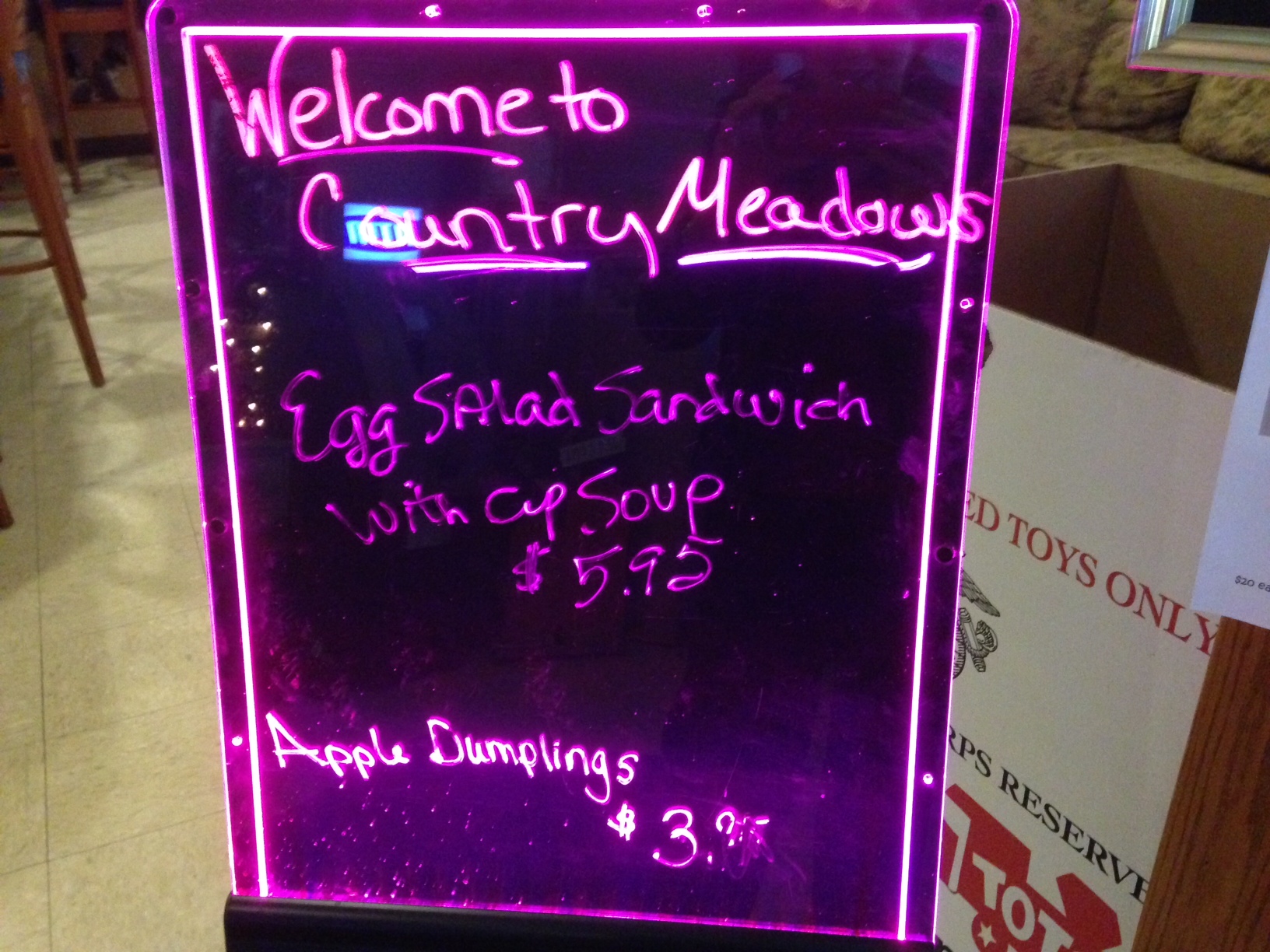
CountryMeadowsPurpleCountryMeadowsGreen

If you are waiting for a table, you can see all the specials in every rainbow hue.


John Lanchester, a confessed foodie, talks about our eating habits in the November 3, 2014 issue of The New Yorker. In an essay entitled “Shut Up and Eat” Lanchester explains that

Once upon a time, food was about where you came from. Now, for many of us, it is about where we want to go–about who we want to be, how we choose to live. Food has always been expressive of identity, but today those identities are more flexible and fluid: they change over time, and respond to different pressures.

Then he elaborates on the craze of pickles, kale, and his mother’s favorite dish, spag- bol, a British recipe “that blends a meat ragù of a northern-Italian type with the dry pasta beloved in the south. . . .”

*  *  *

Signs and Wonders has been a theme in several previous blog posts: once in Monterey, CA, Jacksonville, FL and earlier in Elizabethtown, PA. Check them out if you missed them.

Today’s post is a hodge-podge: Restaurants in Lancaster County and their menus, goofy signs in restrooms, and a New Yorker article on how we identify with food.

Care to comment? Any or all of the above topics are fair game. You may even add a strange sign you’ve seen!

7 Things I’m Thankful For

My secret joys (and struggles) show up in my gratitude books. You can see some of them here. But my list this week has sprung from my 9-day trip to Pennsylvania to visit family and take care of Mother’s house in mid-November 2014.

In her devotional book One Thousand Gifts, Ann Voskamp begins with a chapter entitled Surprising Grace in which she discusses how she and her Farmer Husband “give thanks even when things look like a failure.” Or when one experiences loss.

This year Mother died, we’ve had to sell her beloved house and its contents, I’ve struggled with a motley crew of personal challenges, and still I give thanks:

  • Health – I have an odd muscular neck pain (yes, pain in my neck!) yet I went up and down 3 flights of stairs from attic to cellar dozens of times, no problem.
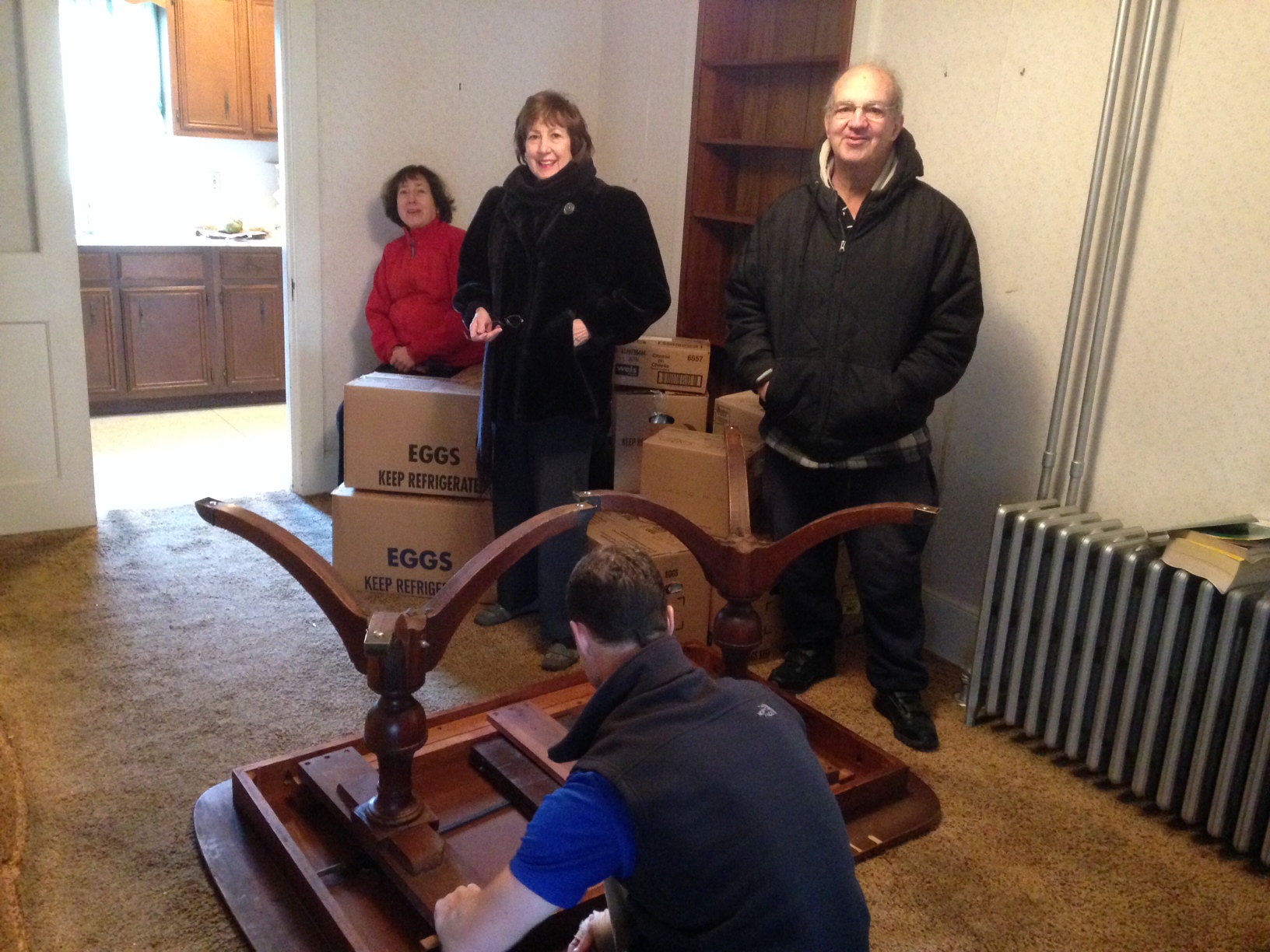
  • My sisters and brother – We sorted, boxed, laughed, cried, disagreed, but ultimately met the challenge on time.   MarianJeanMark
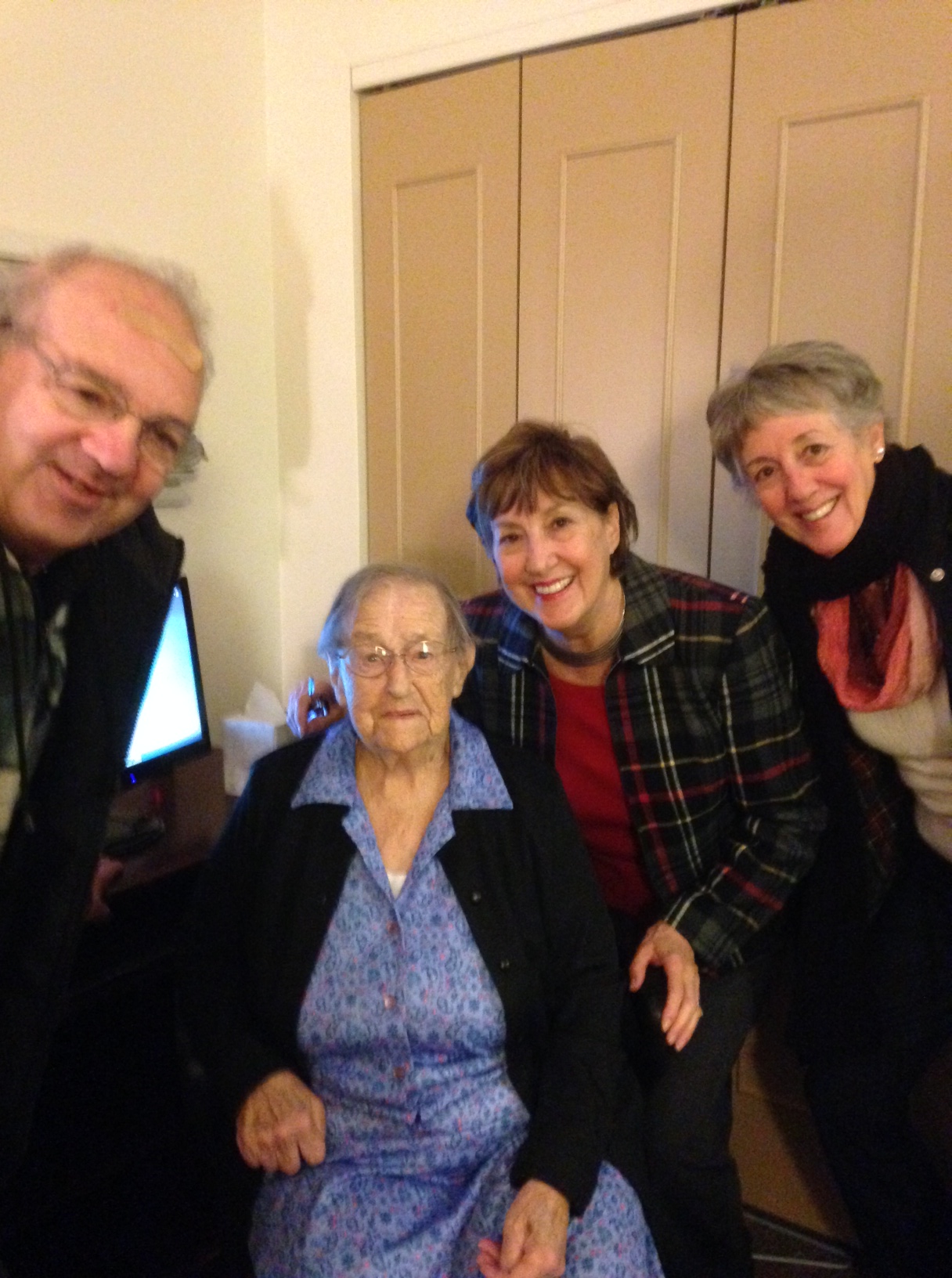
  • My Aunt Cecilia – She’ll be 100 years old in March, still going strong. We found Aunt Ceci cheerfully playing the Tumbling Blocks game on the computer beside her. “It keeps my mind sharp!” she laughs. A Mennonite preacher’s wife, Aunt Cecilia Metzler raised a family of five children on a Lancaster County farm.AuntCecilia
  • My Aunt Ruthie – The photo is fuzzy here, just like her memory. But after she viewed some of the movies she filmed in her 20s and 30s that appear on other blog posts (here and here) she smiles, “ These pictures really make my mind come alive.” RuthieLookingVideo
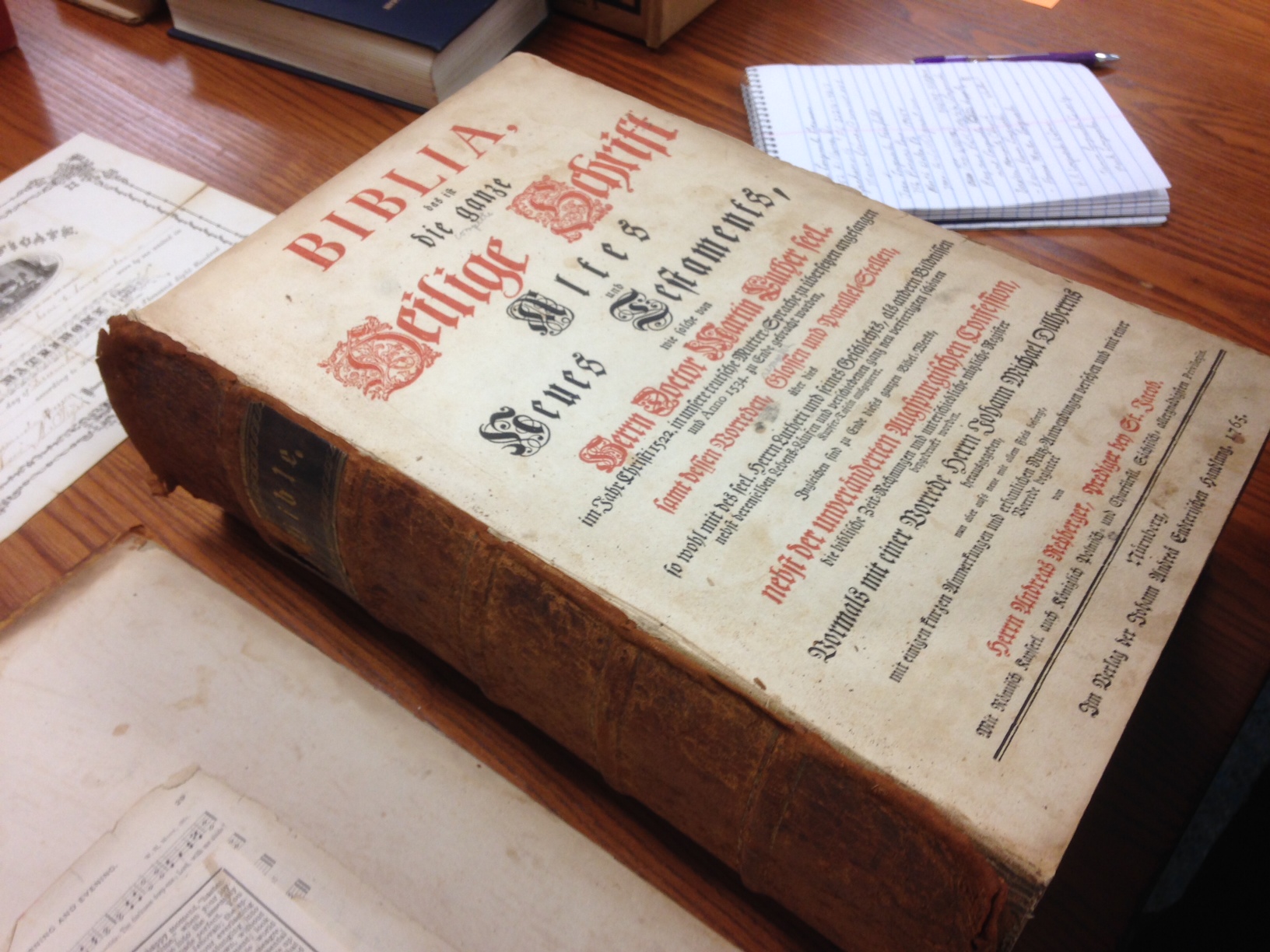
  • An heritage with spiritual depth – When my ancestors arrived in The New World, they brought with them the Holy Scriptures. This one, the Nuremberg Bible, is dated 1765.

BibleNuremberg

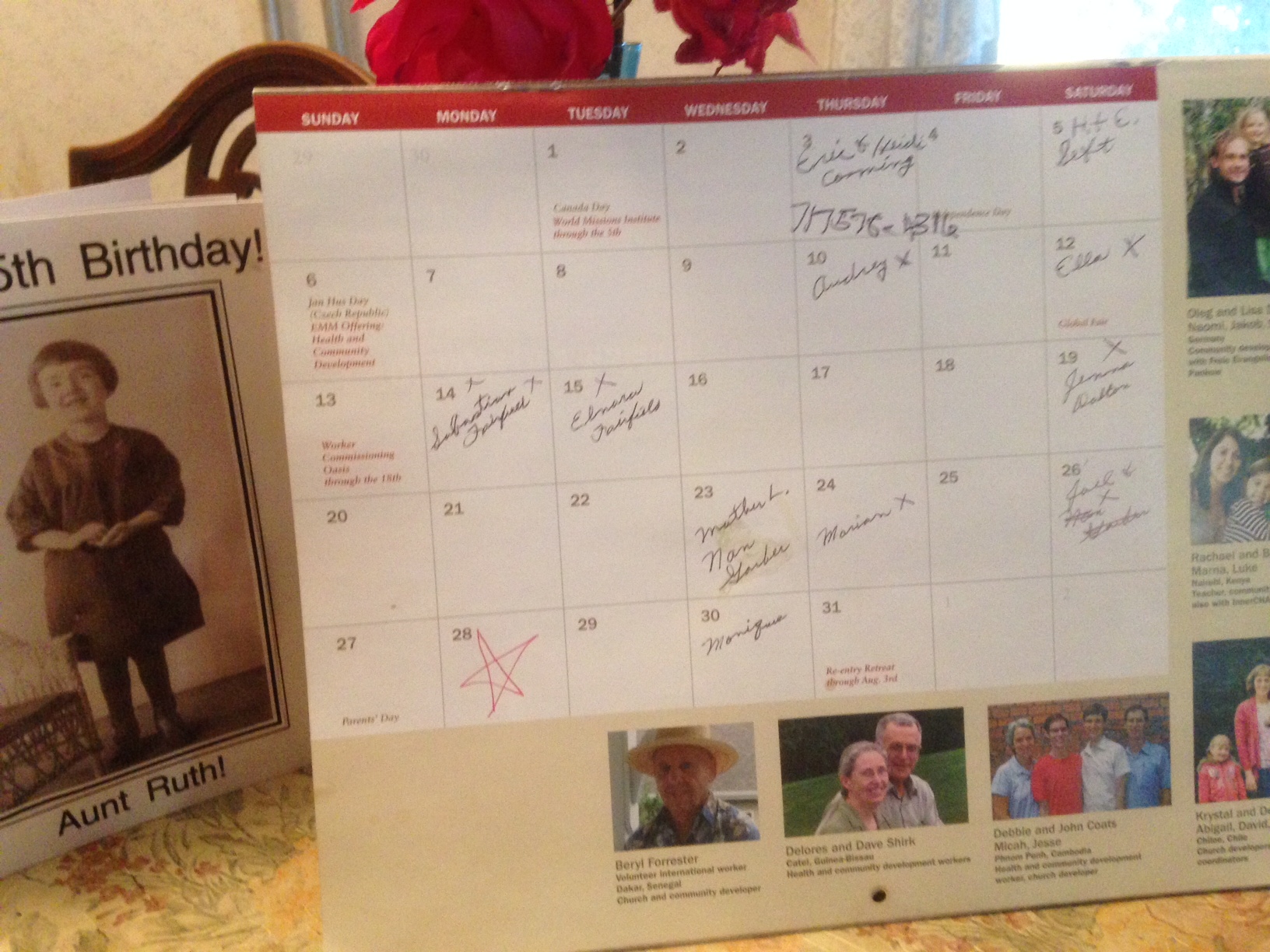
  • The memory of my Mother – When Mother died, she still had a current driver’s license, paid all of her bills by check, and kept appointments on her calendar. She sent birthday cards to all her children, grand-children, and great grand-children, represented by names penned into the blocks. She died on the 28th of July, a date we marked with a red asterisk.

MomCalendar

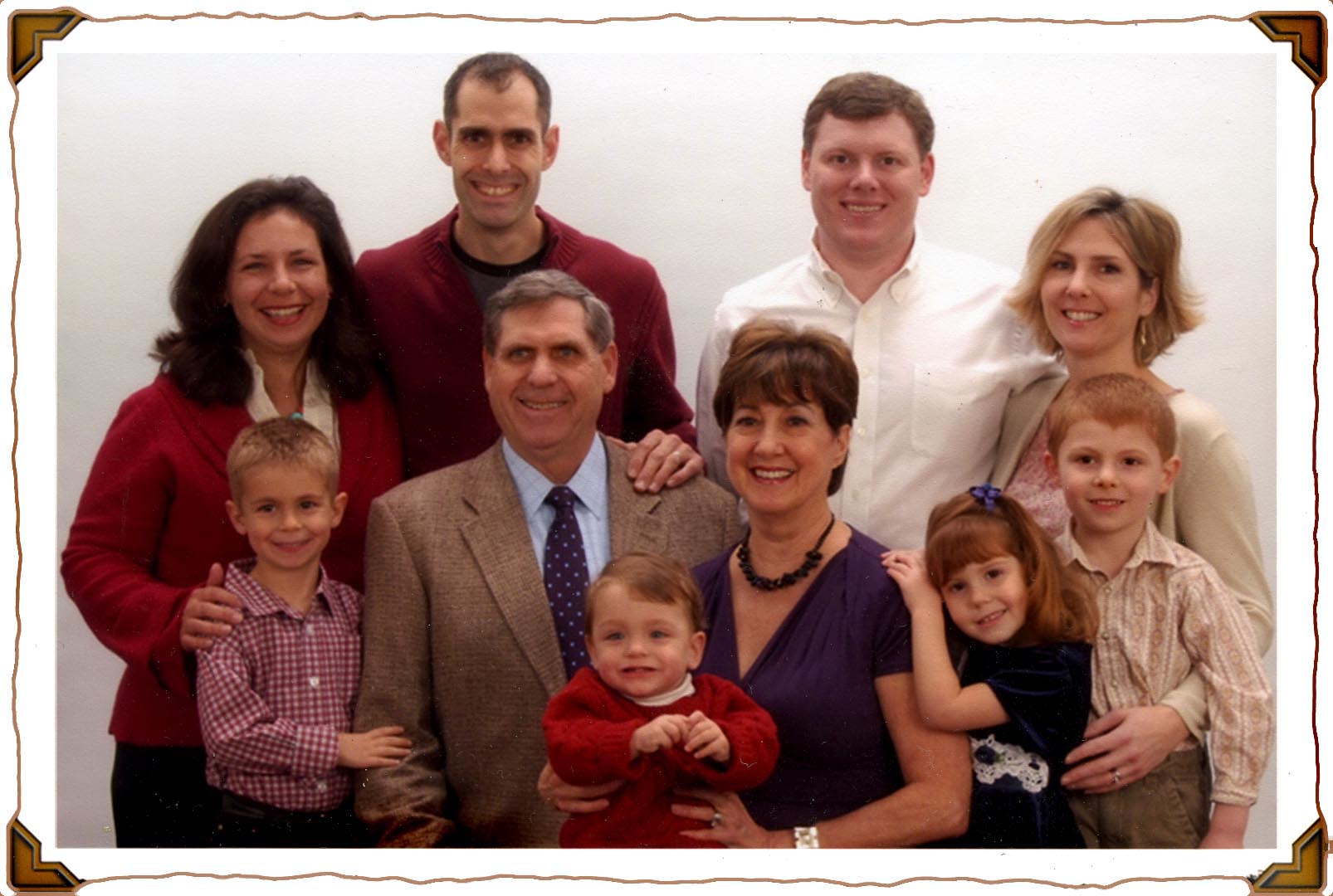
  • My family – This photo is six years old, taken when baby Ian no longer needed a breathing apparatus. Just so you know: our daughter Crista is blonde, Joel, dark-haired. With the older boys now 11 years old, we are due for an update!

Beaman_Dalton_Christmas Card_2008

Ann Voskamp continues by quoting the first reference in Scripture containing the word thanksgiving, mingling peace and gratitude:

And this is the law of the sacrifice of peace offerings that one may offer to the LORD. If he offers it for a thanksgiving, then he shall offer with the thanksgiving sacrifice unleavened loaves mixed with oil, unleavened wafers smeared with oil, and loaves of fine flour well mixed with oil. With the sacrifice of his peace offerings for thanksgiving he shall bring his offering with loaves of leavened bread. 

Leviticus 7:11 – 13   ESV

My conclusion: Gratitude brings peace and ultimately joy.

Writer Voskamp concludes: ” . . . standing straight into wind is how to fly on His wings of grace.”


Finally, a song I remember from childhood from that seems appropriate for the season:

What are you grateful for? Join me in naming your blessings.

What Color Makes You Sing?

In praise of color!

God did not create the world in black and white. Our world vibrates with vivid color from the cerulean blue sky above to fluorescent coral reefs sea deep.

Courtesy TED Radio Hour

Generally, colors are hues we see, but Neil Harbisson hears color. Now, you ask, what is it like to hear color?

Born completely color-blind, Neil once lived in a monochromatic world. Fortunately, colors have sound frequencies that can be transmitted through bone conduction. Thus, Neil now “sees” color via a device attached to his head that allows him to perceive color in this unique way.

Recently on NPR’s TED talks, Neil was showcased in a broadcast headlined as “Wearable Sensor Turns Color-Blind Man into “Cyborg” [electronic man]. Here’s more:

Neil Harbisson is an artist, cyborgist and colorologist. His unique experience of color informs his artwork, which before his device the “eyeborg” was strictly black and white. By working with cyberneticist Adam Montandon, Harbisson helped design a lightweight eyepiece that he wears on his forehead that transposes the light frequencies of color hues into sound frequencies.

Harbisson’s artwork blurs the boundaries between sight and sound. In his sound portraits series, he listens to the colors of faces to create a microtonal chord. “When I see someone, I hear their face,” he exclaims.

As an artist, Neil paints sounds, transposing music to color. In the City Colours project, he expresses the capital cities of Europe in two colors.

This system works in reverse too. When Neil hears Mozart, who composes with many G notes, he sees lots of yellow. Justin Bieber, on the other hand, shows up as pink because of his many E notes.

Neil’s dressing is influenced by sound and key signatures as well. He admits, “I dress so it sounds good.” On the day of the interview, Neil admitted to being attired in C-sharp major. I have no idea what color this would be though he did say his favorite color is the invisible infrared, which emits a very low, soothing sound.


Neil suffers from or is blessed with (depending on how you look at it) the phenomenon of synesthesia which Dictionary.com defines as “a sensation experienced in a part of the body other than the part stimulated. For example, sound may evoke sensations of colour.”

Most of us are not color-blind like Neil nor do we experience color as a shape or sound. Yet like him we value a colorful life.

Your turn: What color makes you sing? How does color affect you?

Postscript

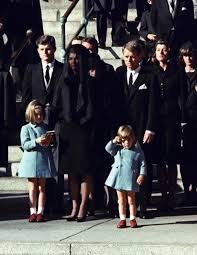
Today marks the 51st anniversary of the assassination of President John F. Kennedy. On that day, the world stopped. We as a nation were mute with sorrow and, accordingly, many wore sombre clothing as a token of respect. None can forget the valiant Jackie Kennedy veiled in black and by her side, John-John and Caroline, both in light blue suggesting hope for the future.

KennedyFuneral

Moments of Discovery # 3: Two Butter Stories and an Autograph Book

In June Mother Longenecker and her daughters Marian and Janice created butter-shaking memories in a two-quart jar, making butter using three easy steps:

  1. Pour cream into 2-quart jar.
  2. Shake until you rattle and roll.
  3. Remove the congealed mass from the jar. Add a pinch of salt.

In July, my Southern friend Carolyn honored my birthday in a “Shake-Rattle-and-Roll Butter-Shake” party. Today you can open up an old-time textbook with me and behold first-graders learning about butter making in a reader published by Lyons and Carnahan with the copyright dates spanning the years 1927-1936.

Reader1920s

Interestingly, the Child’s Story Reader also lists three simple steps for butter making expressed in first-grader language:

We got the cream from a cow.

We put the cream in a jar.

We shook the jar.

Jack and Jane even added a pinch of salt to the mixture, and afterwards they had a party of butter on bread!

ButterMakingSchool

Another page shows a recipe for butter milk made with a churn with Aunt Ellen assisting.

ButterChurnBook

More Moments of Discovery

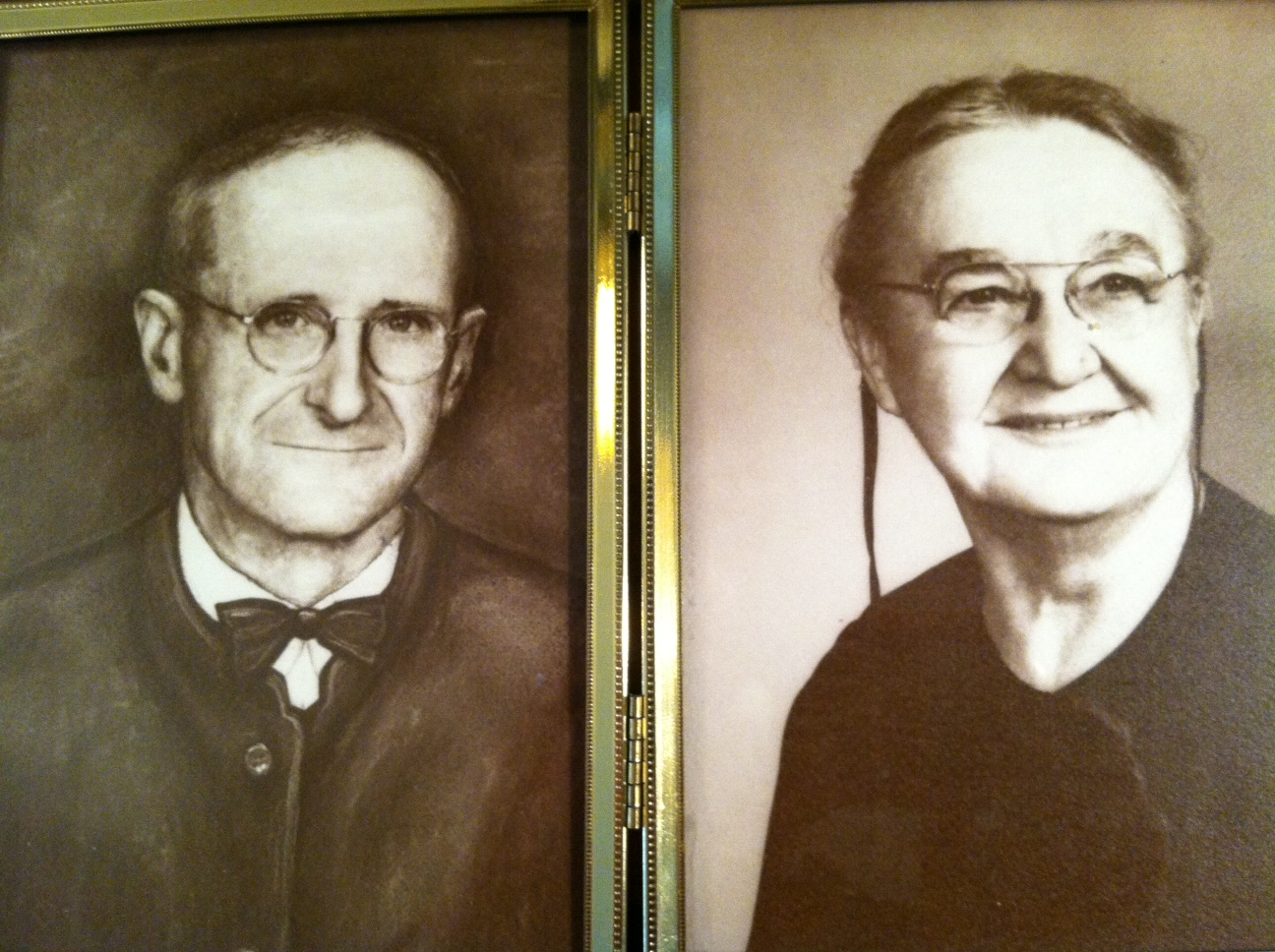
Henry and Fannie Longenecker, Grandparents
Henry and Fannie Longenecker, Mennonite Grandparents

Henry Risser Longenecker, referred to by friends and family as H. R. or “Hen,” was my grandfather on Dad’s side of the family. He died when I was five, but I have a distinct memory of him killing a snake in the grass with a long stick. Like my father, he was a doctor of motors interested in steam engines, Model A Fords, and farm equipment. Until I unearthed his autograph book, I had no idea he had artistic leanings as revealed in his autograph book. Autograph books, common in classrooms in the 1800s, contained signatures, artwork, and bits of poetry. According to Folklore: An Encylopedia of Beliefs, Customs, Tales, Music, and Art, Vol. 1 (edited by Thomas A. Green) autograph books, existed as early as the fifteenth century and were seen as “a mark of gentility until the beginning of the twentieth century.”

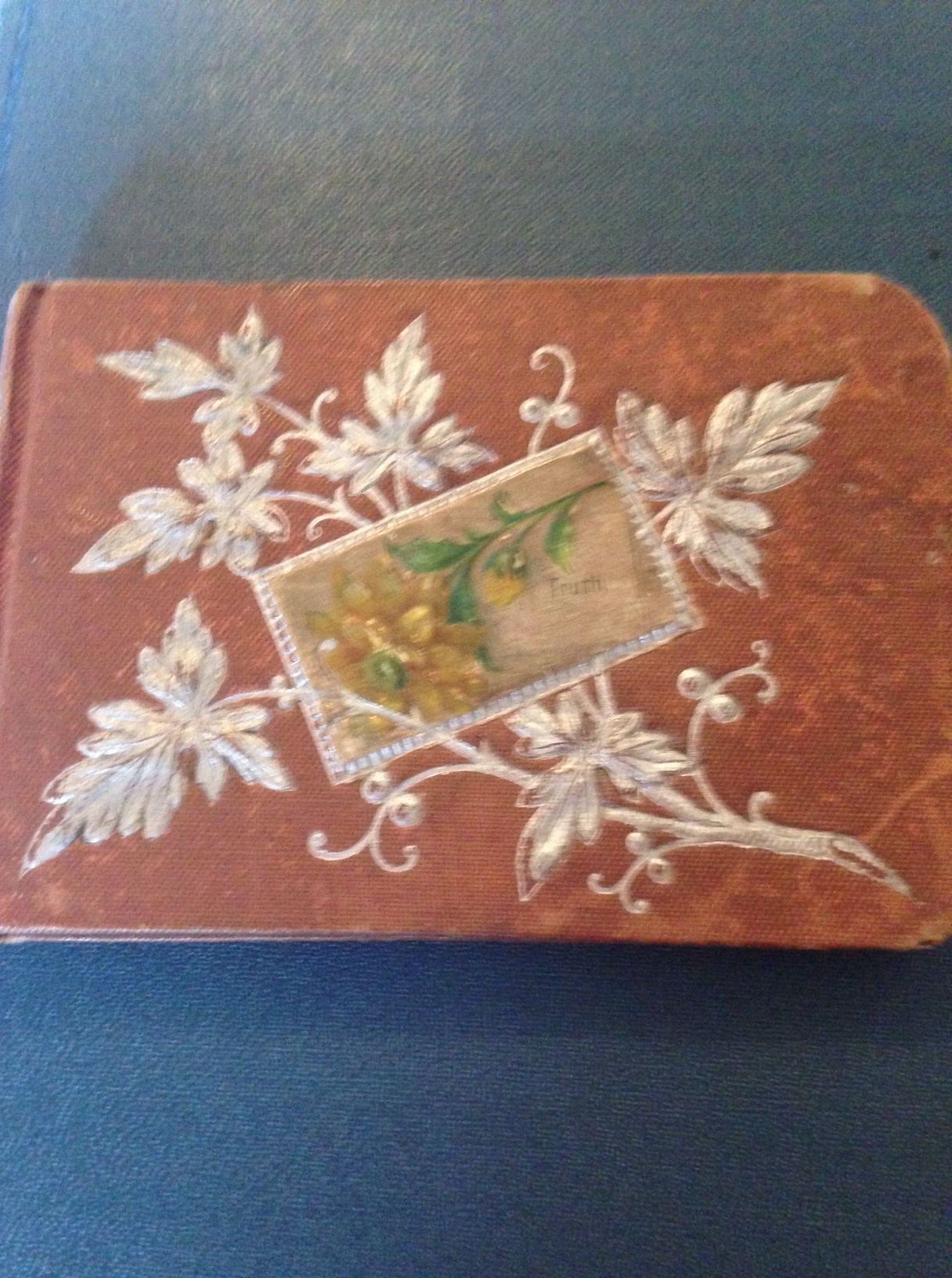
The cover of Henry Longenecker’s autograph book reveals artistic flair with a faint inscription of a great virtue taught to every school child, the word Truth visible if you squint carefully at five faint letters appearing close to the embossed yellow flower.

HRLAutographBook

The dedication appears in flowing cursive penmanship with a dove’s beak clasping Cupid’s arrows

HRLsignatureAutograph_final

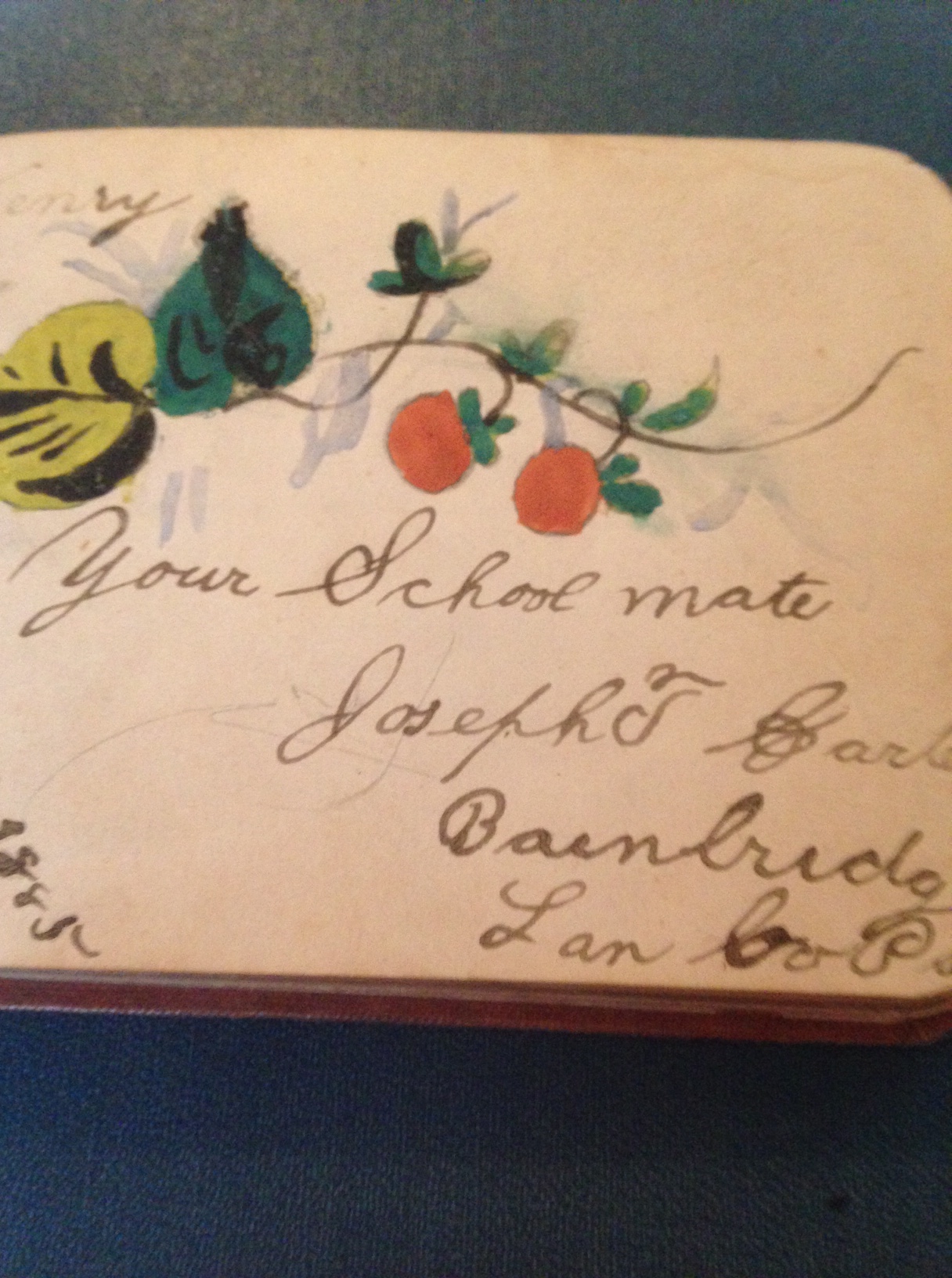
Painted artwork, still-brilliant, graced most pages like this one, complete with signature and date.

Signature: Joseph T.  Garber     Complete date: February 3,1885
Signature: Joseph T. Garber           Complete date: February 3,1885

 Autograph books tell us several things about students in the late 1800s:

1. Penmanship was taught and valued as an artistic skill.

2. Friendship and learning were intertwined. Both were expressed as an art form.

3. Students took great pride in their work.

*  *  *

What else can these books teach us?

Coming next: What color makes you sing?

At Home with Grandkids: Fun Stuff to Do

BAKE
It’s cold outside, maybe even Polar-vortex cold, and Saturdays with Grandma or Aunt or Mom will be spent indoors. One cold day three of our grandkids warmed up the house, at least the kitchen, with cupcake baking.

Gkids_2 kids_ top_chocolate +lowers_071008

Gkids_2 kids_bottom_chocolate+flowers_071008

Yes, it’s fun to help mix up the batter and lick the beaters, but the grandest thing is putting the plastic Gerbera daisy in the flower pot or scooping up the “chocolate” dirt. It’s okay that we get frosting all over our arms and face – Grandma doesn’t care, now does she?


TINKER and LINK

Downstairs the grand-kids find the ottoman/toy chest with classics like Lincoln Logs, just like sets from the 1960s but with added plastic gadgets. Tinkertoys – there is just no way to improve on Tinkertoys!

LincolnTinkerToys


STACK

Do you have a deck of jumbo cards? If so, you are in business. Patrick and Curtis both learned the meaning of the expression “house of cards” as they tried to stack playing cards on a shaky foundation. Incredibly they persisted even after a collapse or two. Bryan Berg, who holds the world record for a 75-story card tower, can rest easy. Still, both boys couldn’t enjoy the challenge more, as Patrick illustrates:

HappyPyramid6162_mod


FLICK

Their dad Cliff retooled this marble flick board from an old oaken desk in 1978 when Crista was 9 and Joel, 7. They both competed in “Flick the Marble,” trying to earn the higher number of points, best out of three! All four grandkids have since enjoyed the board. Even grand-nephew Noah and grand-niece Emily give it a whirl here.

EmilyNoah

GameBoard


WRITE with GRATITUDE

Back in February 2013, when “plain and fancy” launched, the theme of Grah-ti-Tood, announced my first blog post. The grandkids’ gratitude books were featured along with pictures Curtis and Ian had drawn. They are a year older now, and their thanksgiving continues. Sometimes reluctantly. But this time spontaneously, as conversation around the breakfast table last month moved around to things to be thankful for.

GratitudeCurtisIan

Curtis_Ian_Gratitude Book_102514

On October 25, 2014, Curtis is grateful for friends and thankful that the wars are not hurting me badly (Oh, my)! Ian says, “I am thankful that blueberry pancakes are the best!” Curtis’ illustrations are cartoon-like. Ian’s pancake is realistic with shading.

Each unique.


I am sure you thought of a game or activity to add to the assortment here. Suggestions, comments – it’s your turn!

Coming next: Moments of Discovery # 3: Two Butter Stories and an Autograph Book

Purple Passages and Fine China

READING

La Lectura es el viaje de los que no pueden tomar el tren.        – F. Croisset

(Reading is the journey of those who cannot take the train.)

Marian Reading_14mos._2x4_300

Some books are to be tasted, others to be swallowed, and some few to be chewed and digested . . . .           Sir Francis Bacon  “Of Studies”

I find television very educating. Every time somebody turns on the set, I go into the other room and read a book.     Groucho Marx

It is what you read when you don’t have to that determines what you will be when you can’t help it.    Oscar Wilde

LAUGHTER

When we laugh, a sort of temporary anesthesia is released within us that blocks the pain as our attention is diverted.      Chuck Swindoll in Five Meaningful Minutes a Day

I love people who make me laugh. I honestly think it’s the thing I like most, to laugh. It cures a multitude of ills. It’s probably the most important thing in a person.    Audrey Hepburn

CHINA   

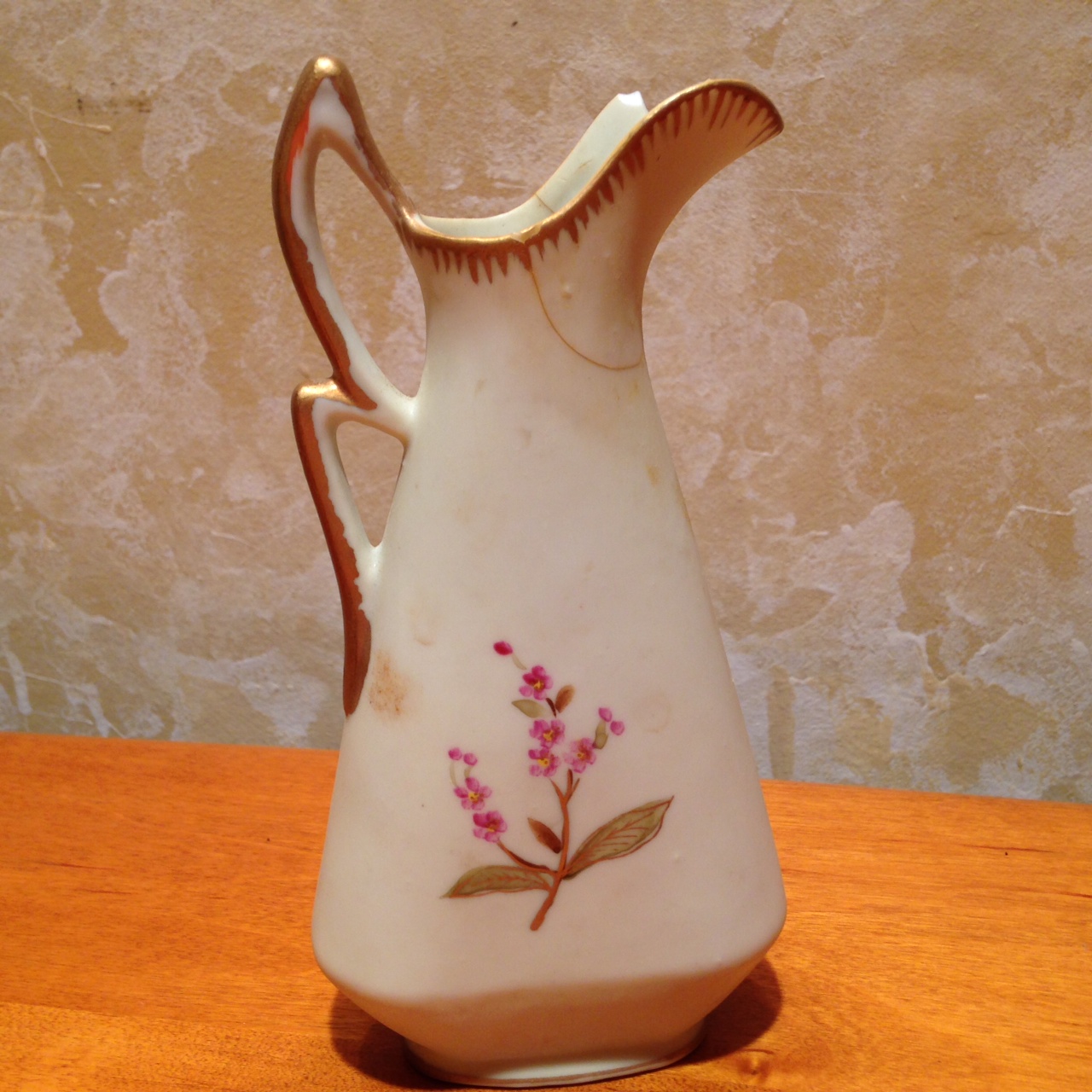
Friendship is delicate as [china], once broken it can be fixed but there will always be cracks.    Waqar Ahmed

Pitcher Broken

It’s a wise husband who will buy his wife such fine china that she won’t trust him to wash the dishes.    – Honoré de Balzac

ChinaFine

I’ll love you, dear, I’ll love you till China and Africa meet and the river jumps over the mountain and salmon sing in the street.      – W. H. Auden

We have a week and a half left of work and we are like delicate china speeding toward a brick wall. Sounds fun, huh?     – Jennifer Anniston

Start living now. Stop saving the good china for that special occasion. Stop withholding your love until that special person materializes. Every day you are alive is a special occasion. Every minute, every breath, is a gift from God.     

                   Mary Manin Morrissey

A comment? Another quotation? Both are welcome here!

How to Tell Your Children What’s What

Unlike Hansel and Gretel, whose mother tried to starve them and then lock them out of the house, Mother Longenecker provided well for her children and left behind, not white pebbles or bread crumbs, but hand-written notes tucked away to tag her heirlooms. Each note provides a designated recipient sometimes with a bit of family history.

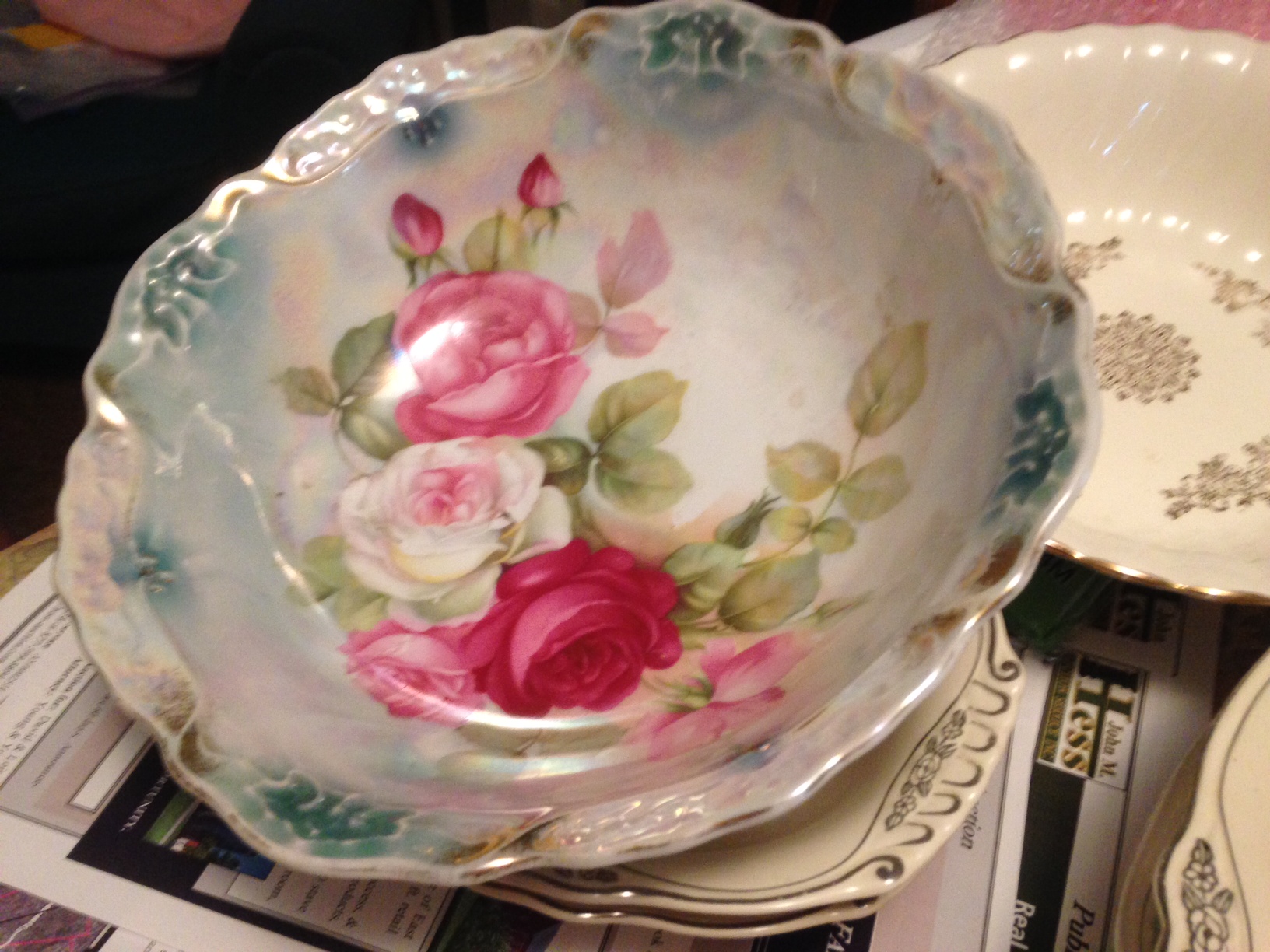
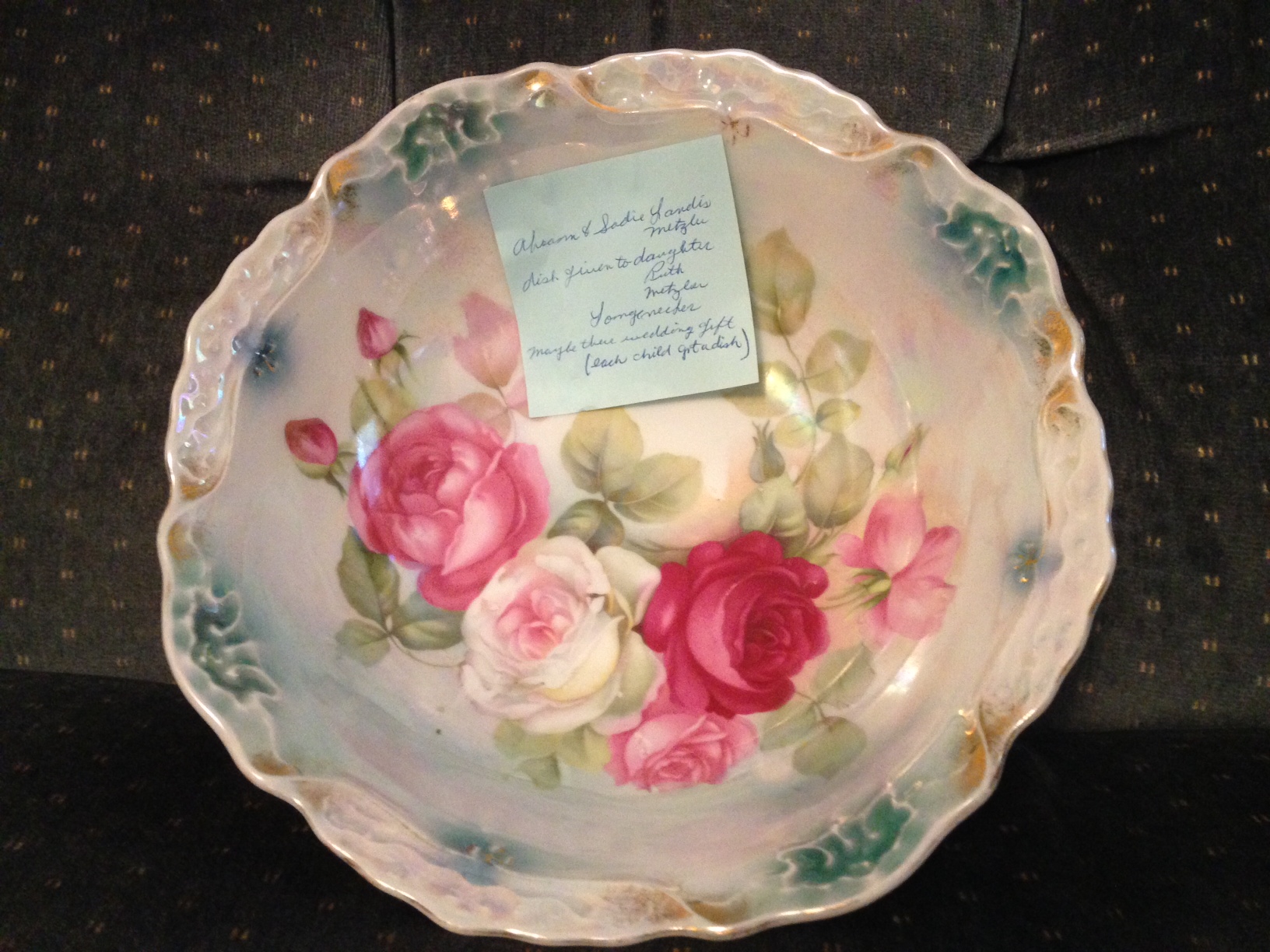
1. Floral Serving Dish

Dish given to my mother from her parents, Abram and Sadie Metzler on her wedding day

FloralDishMomNoteOne of Mother’s grand-daughters will get this dish no doubt and will know its provenance, which would probably be lost forever, without the note .


2. Keepsake from Mother’s Sunday School teacher at Erb Mennonite Church with teacher Mrs. Kathryn Bomberger. The note emphasizes the biblical account of creation found in the book of Genesis and on the reverse side a quick guide to prayers, parables, and verses commemorating sacred events. You can find more of the history of the Erb Mennonite Church here, including its roots in the Swiss-German Anabaptist culture.

Ruth Longenecker_SS card_front_back_note

Mother's Sunday School Class at Erb's Mennonite Church     Kathryn Bomberger, teacher
Mother’s Sunday School Class at Erb’s Mennonite Church       Mrs. Kathryn Bomberger, teacher

For many months now, this photograph has served as the banner on my Facebook page. When I posted it, I was totally unaware of Mother’s imminent death. Now I am loath to replace it with a different photo. All the ladies are plain here, except the smiling woman seated on my mother’s left. I imagine this shot was taken after Sunday dinner at the home of the teacher.


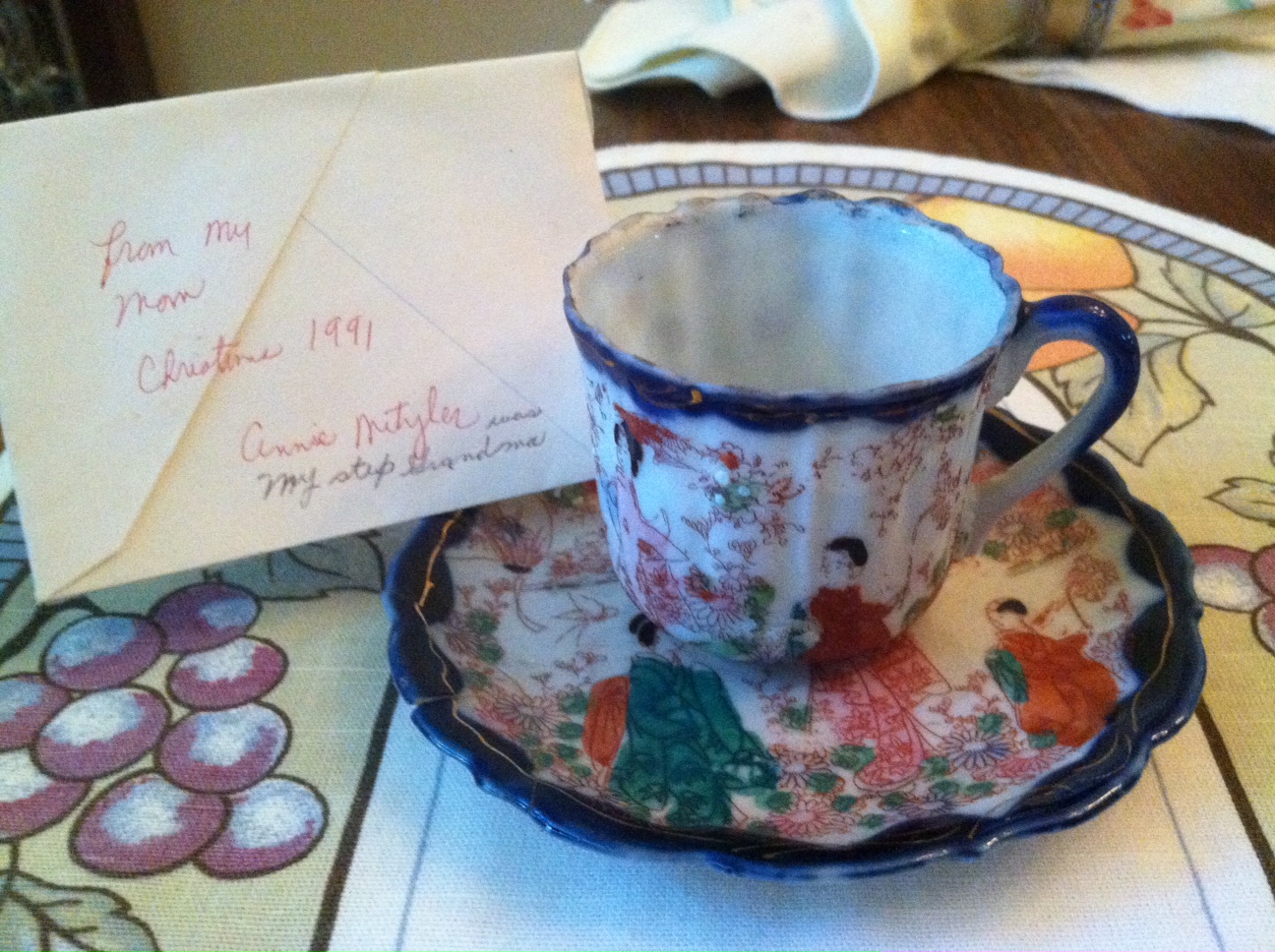
3. Japanese Cup & Saucer

Japanese Cup 2

According to my notation in red in 1991, Annie Metzler gave this set to my mother, who notes in her own hand-writing that she was Mom’s step-mother. This vintage piece is hand-stamped Made in Japan, possibly created during the Golden Age of Japan’s trade with the United States in the 1921-1941 era.

Mother had “secret smarts” that we became more aware of recently, revealing her keen interest in the continuity of memory as she passes both artifacts and notes on to the next generation.


Do you have any family notes like these? Do you tag things you want to pass on? Here’s where to share your wise observations . . .