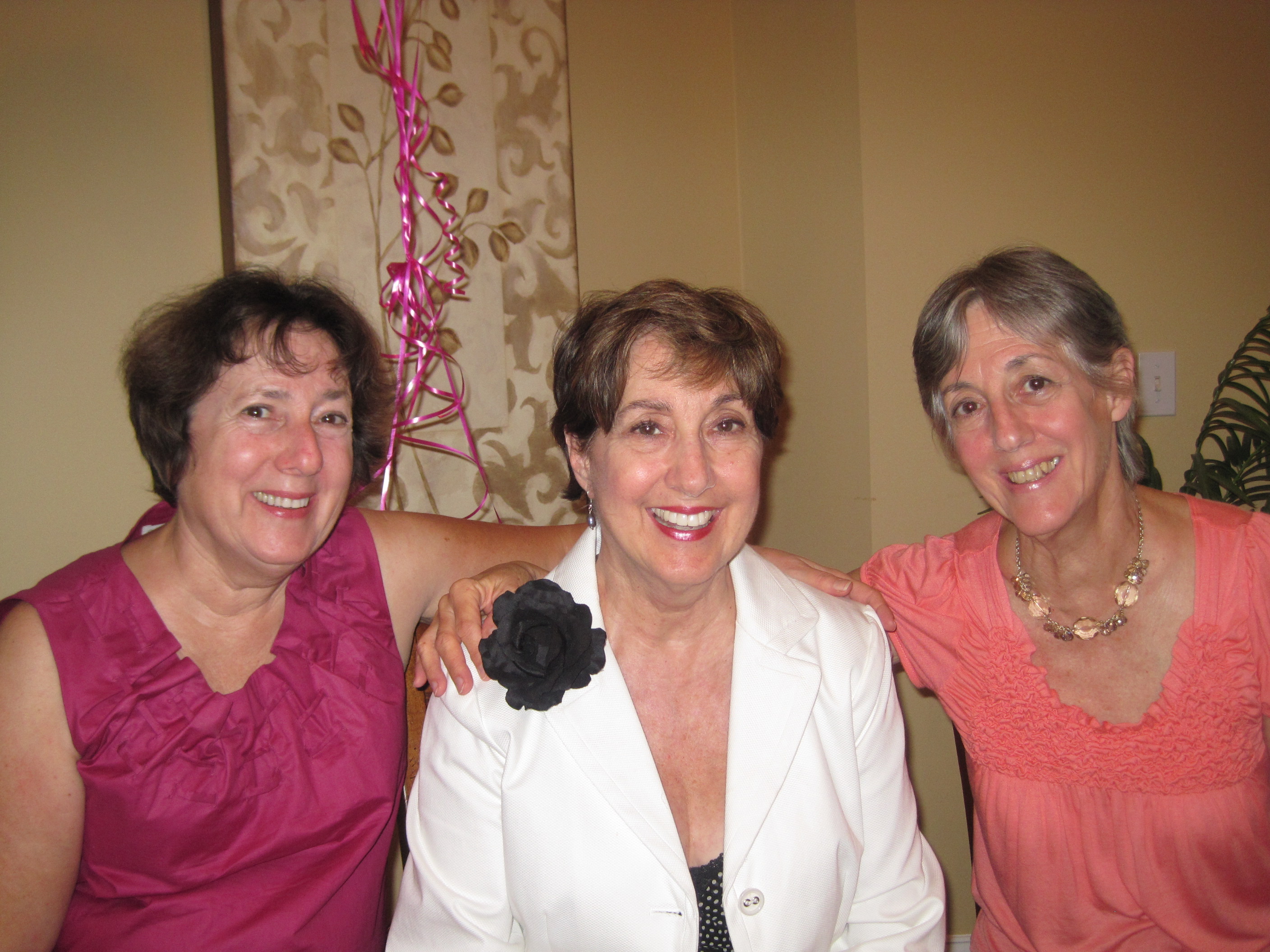
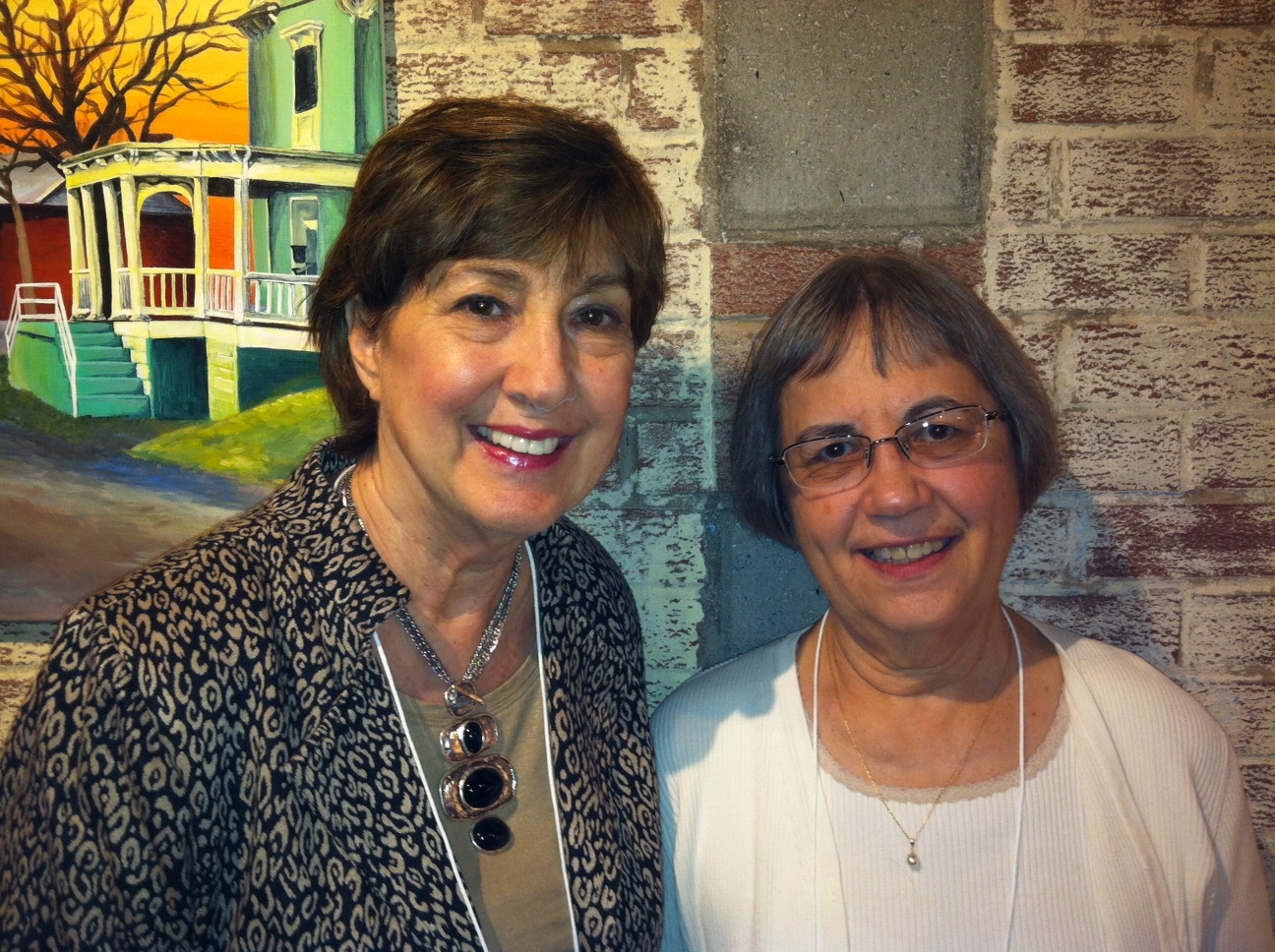
Ian and Jenna’s A-Mazing Mystery Trip with Nana’s Twisty Turns

Dr. Seuss explores the maze of life in his famous book Oh, the Places You’ll Go! On the first page he assures readers:

You have brains in your head. You have feet in your shoes. You can steer yourself any direction you choose.

And that’s just what Jenna and Ian did when they visited Conner’s A-Maizing Acres this past October near Hilliard, Florida guiding their grand-parents from one station to the next. (Yes, they did learn “maize” is a type of corn.)

During the one-hour trip in the car, Ian read poems from The Random House Book of Poetry for Children to his cousin Jenna. He didn’t read from Dr. Seuss’ book, though whose wise words weave a web throughout this travelogue.

IanJennaBackseat

Then, a snapshot at the entrance . . .

JennaCutout

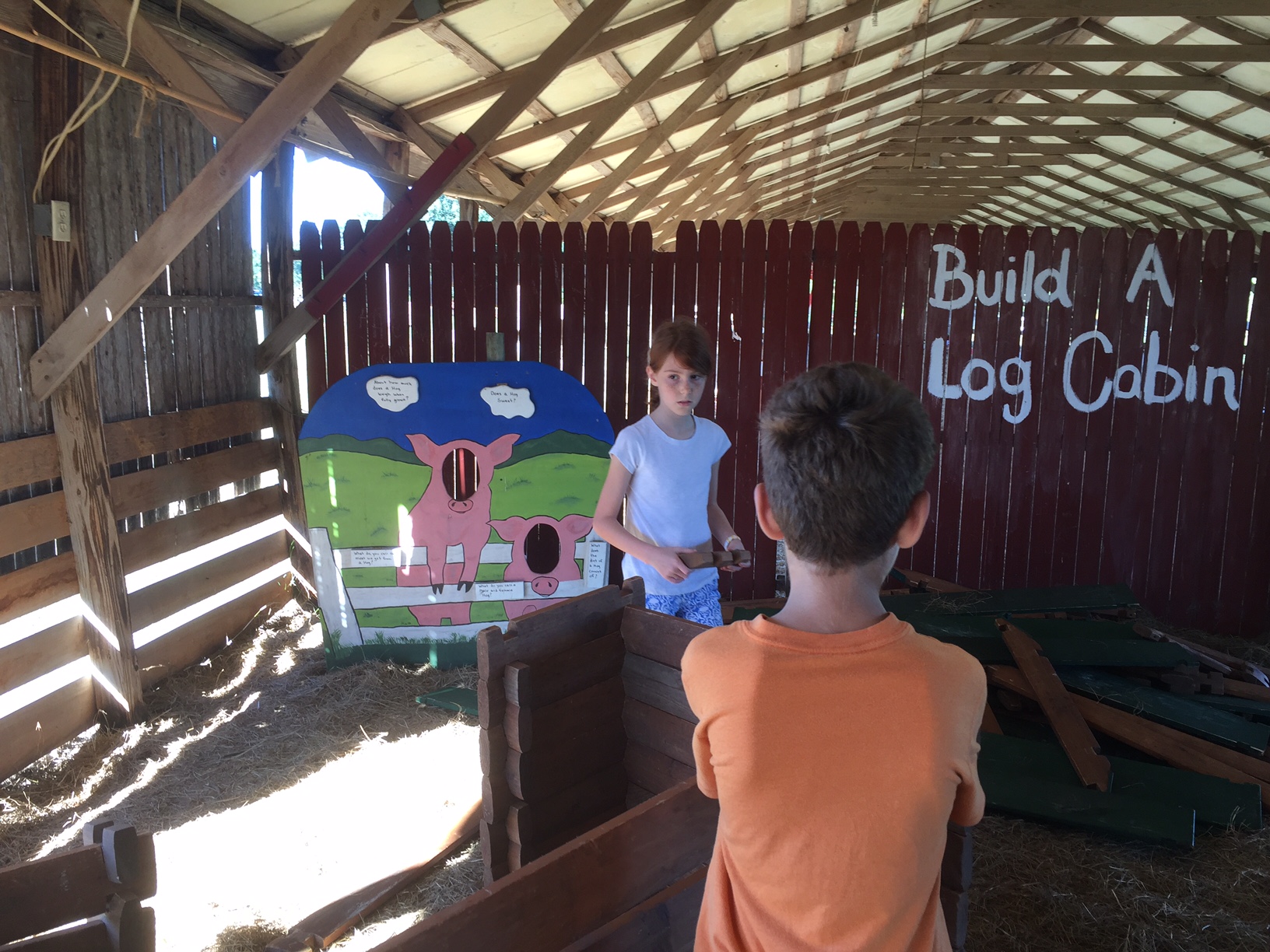
The Conner Barn offers much to keep little hands busy . . .
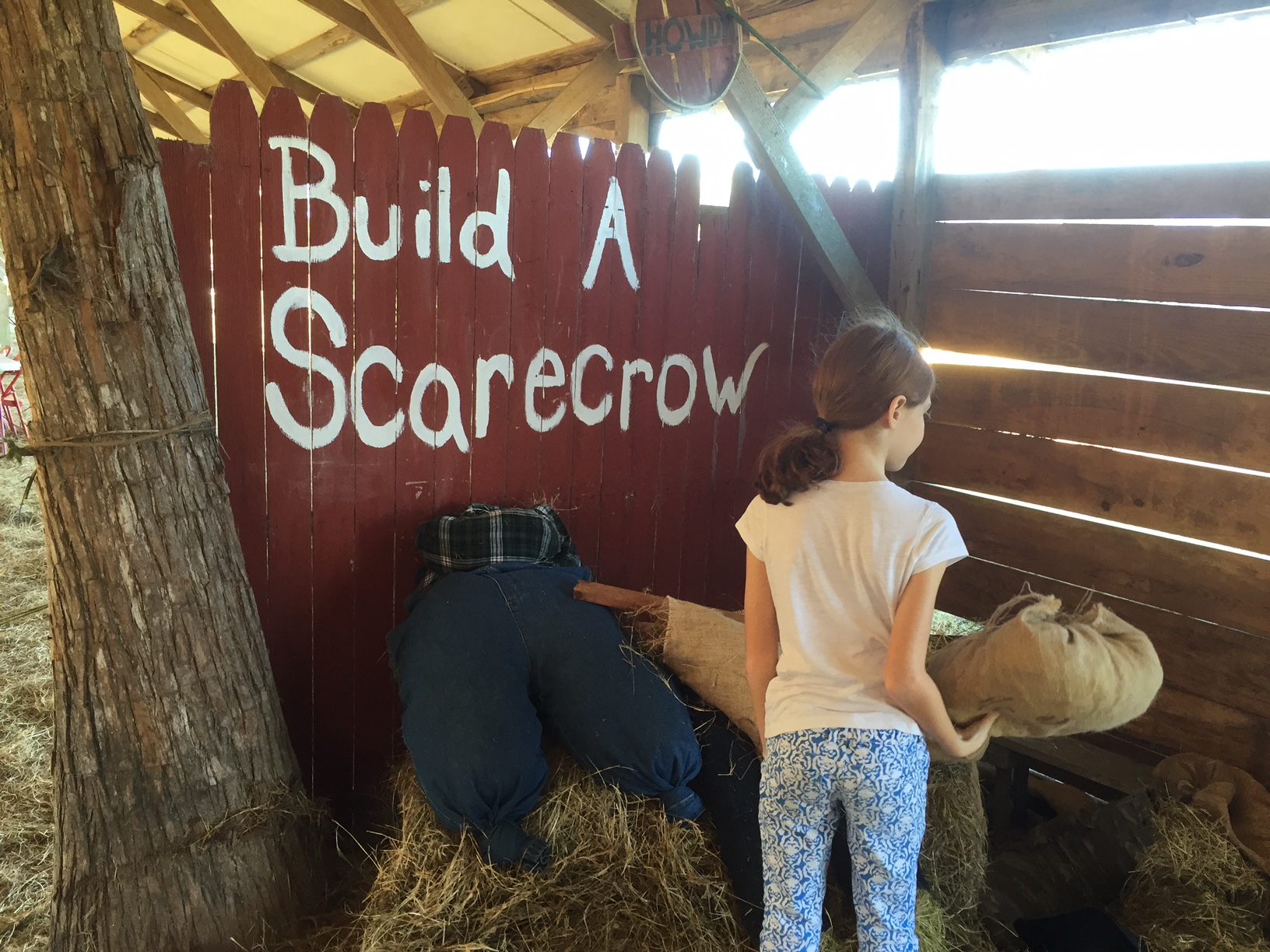
BuildScarecrowBuildLOGcabin

After a hayride to the field, we tackle the maze . . .

Hayride

There were Rules and a Life-Guard at the entrance to make sure we didn’t get hopelessly lost or ejected!

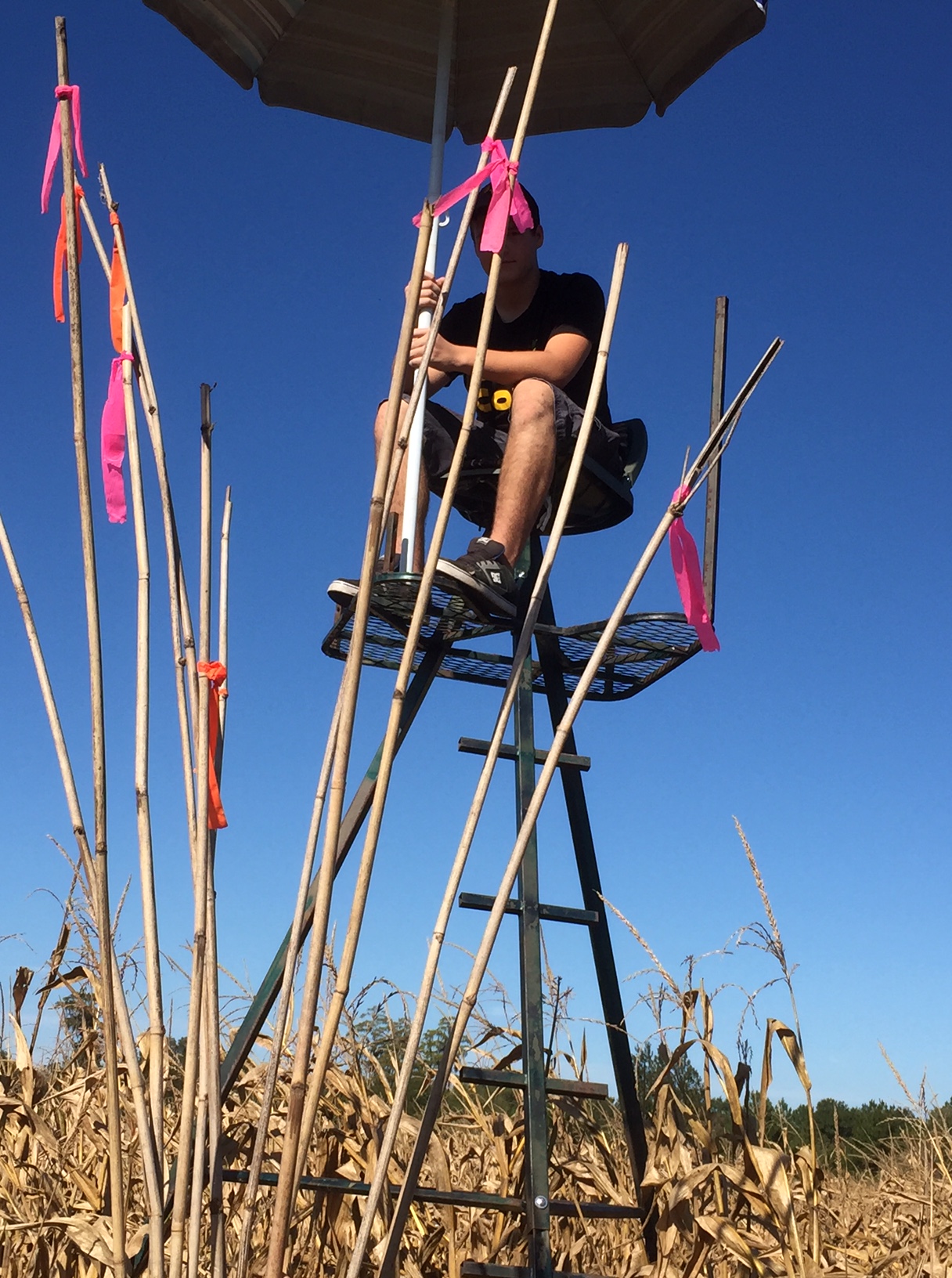
The staff were exceptionally friendly. We imagine the rules were a response to previous infractions.

LifeGuardMaze

Jenna and Ian steered us away from blind alleys, saving us false steps and loss of sanity. No danger of losing our way with these two at the lead!
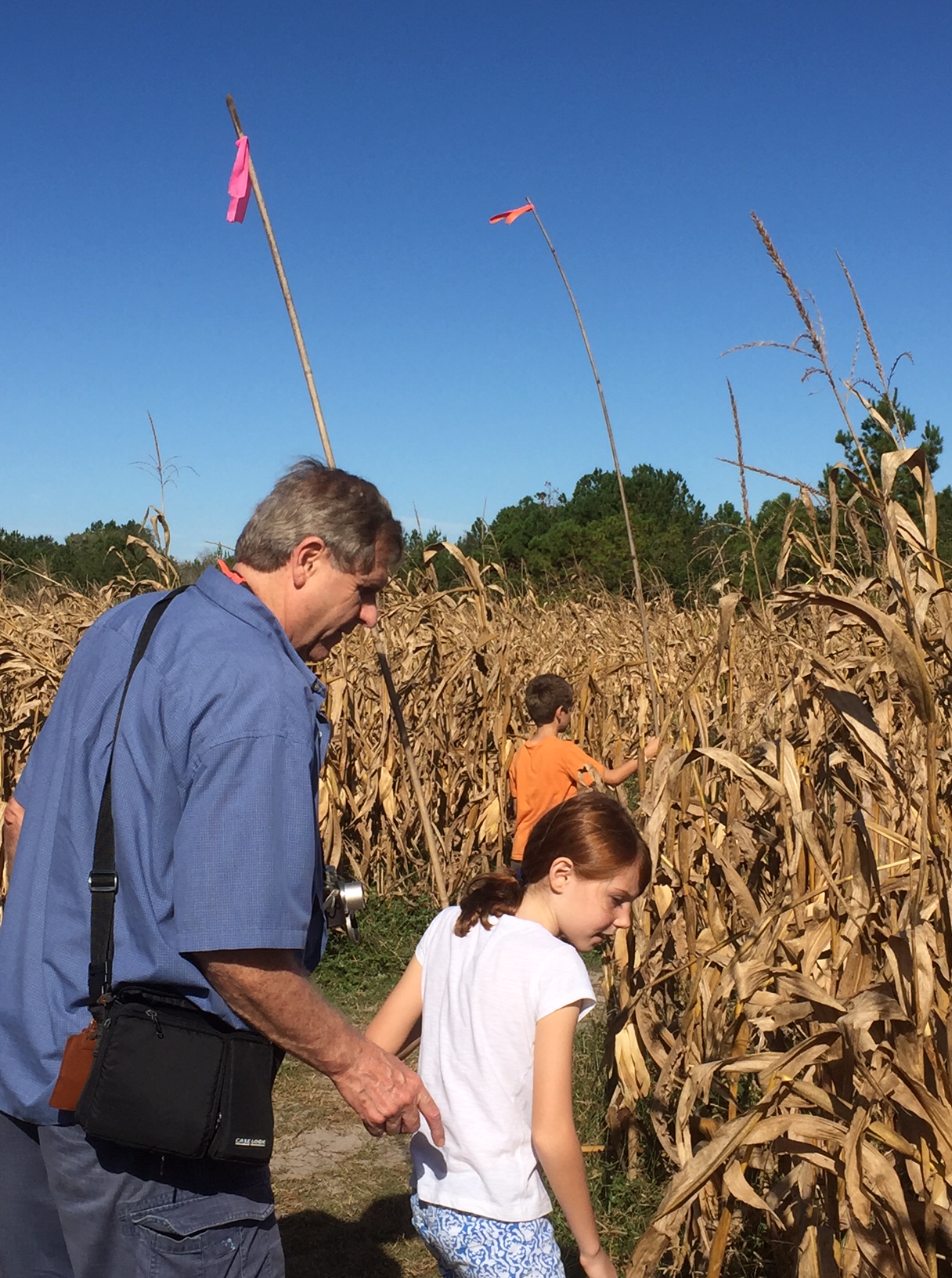
WalkingMaze

Like Dr. Seuss explains, it’s easy to take missteps and get lost.

You’ll get mixed up, of course, as you already know. You’ll get mixed up with many strange birds as you go. So be sure when you step. Step with care and great tact and remember that Life’s a Great Balancing Act. Just never forget to be dexterous and deft. And never mix up your right foot with your left.

But we had such good guides, not a chance this would happen to us fortunately!

Next, while Jenna and I shopped for pumpkins, Ian bounced around on the spider web . . .

IanWalkWeb

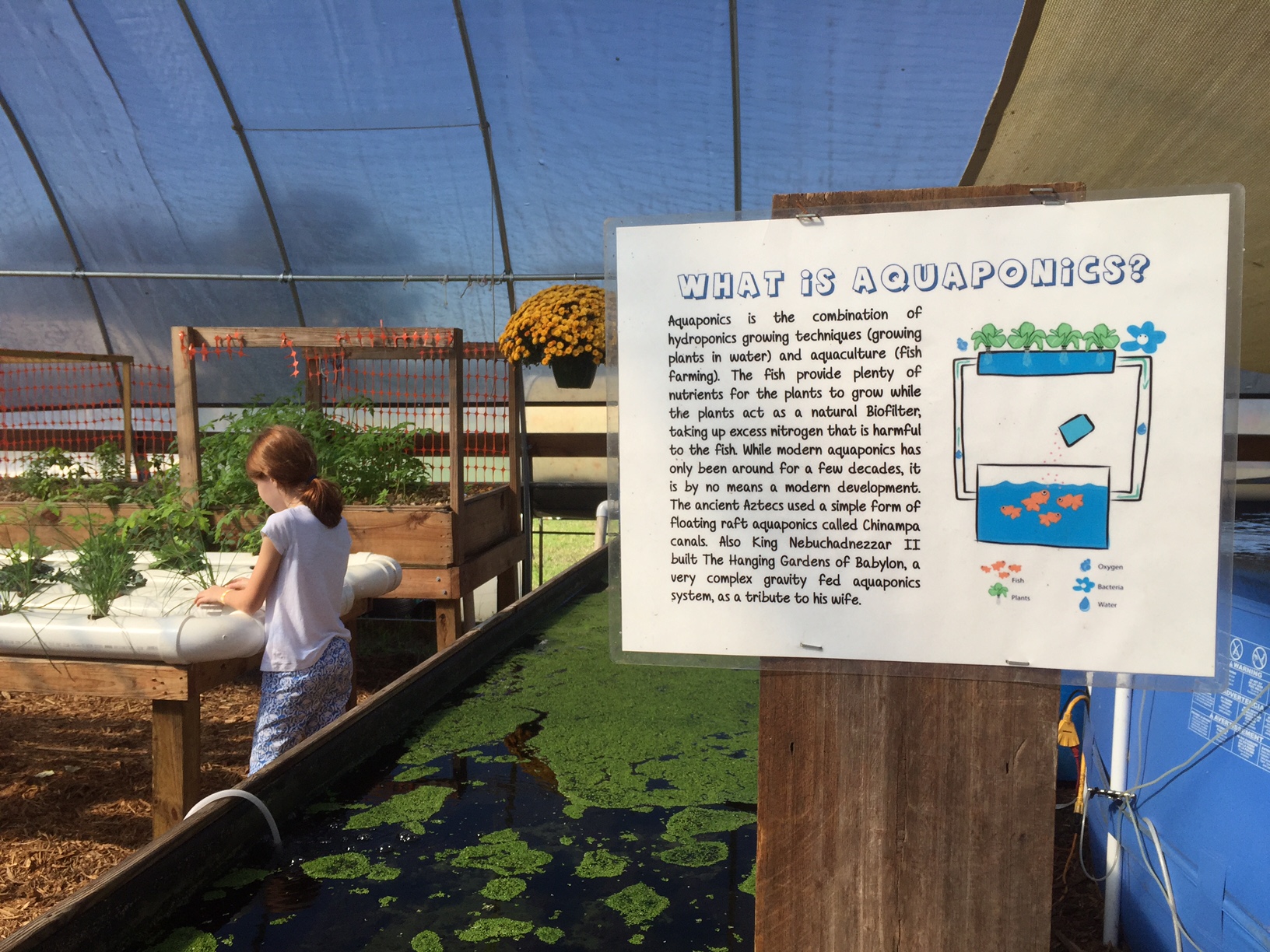
We also visited the Micro Farm with an aquaponic system:

WelcomeAquaFarm

AquaponicsJenna

Aquaponics: Growing plants in water and gravel, clay pebbles or lava rock.

We learned King Nebuchadnezzar built the Hanging Gardens of Babylon with an aquaponic system as a tribute to his wife.

One of their favorite pauses: The horse farm . . .
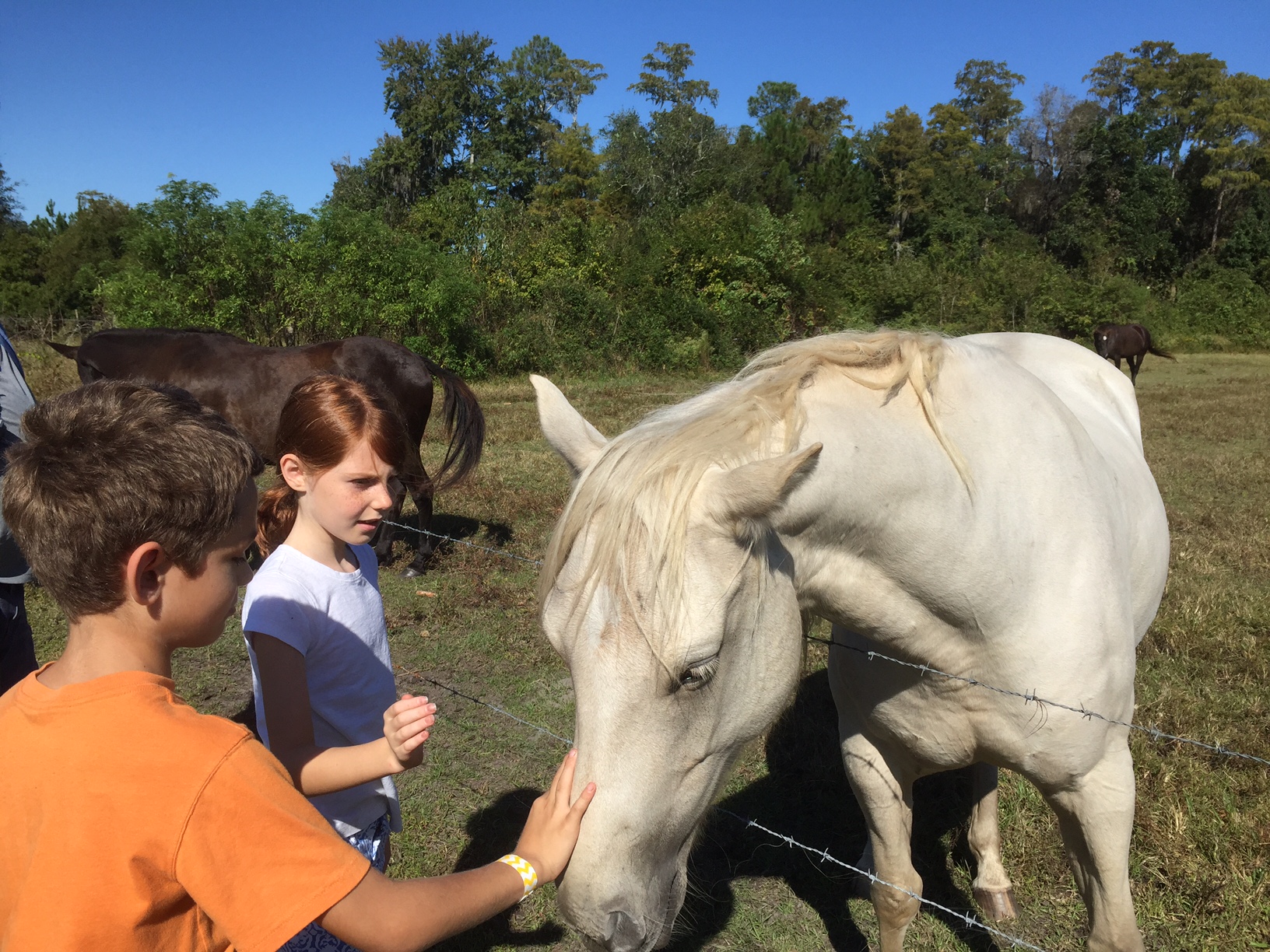
WhiteHorse2Kids

Dr. Seuss continues . . . I’m sorry to say so / but, sadly, it’s true / that Bang-ups and Hang-ups / happen to you.

No, the Hang-up didn’t happen to either Jenna or Ian. It happened to their NaNa. The Cylinder-on-Rollers looked exciting and easy . . . until I got into one and right from the start, felt disoriented and dizzy and not very smart. Still, Jenna and I persisted through to the end – with less than wonderful results.

I’m physically fit and strong for my age (so I’m told),

but when I exited the roller I felt much less bold!

I had to wonder the truth of the Seuss line “You can steer yourself any direction you choose.” Yet, I suppose these closing lines below from Dr. Seuss still would apply to us. We made it to the end of the course, more or less . . .

And will you succeed?

Yes! You will, indeed!

(98 and ¾ percent guaranteed.)

Seuss’ shouts optimism and assurance on his last page:

Today is your day!

So . . . get on your way!


Have you done something lately to get out of your comfort zone, maybe even made a fool of yourself? Any memories of antics in times past?

Coming next: Quiet Lives Matter, My Brother Mark
Halloween Advice from my Good Witch of the North

MY STORY

Dorothy had the Good Witch of the North to give her “magical protection from fatal harm” on her journey to the land of Oz and back. Yet she followed an uneven path, using her brain, sometimes thinking with her heart, and slowly but surely developing courage.

I had my own Good Witch, Aunt Ruthie Longenecker from Pennsylvania, not Kansas. As a plain Mennonite, she never gave me glittering red shoes. I had to buy them on my own after I turned from plain to fancy. But she gave me plenty of golden advice, none more emotionally charged than the time she perceived I was veering off course at college and falling for a young man she imagined would be my downfall.

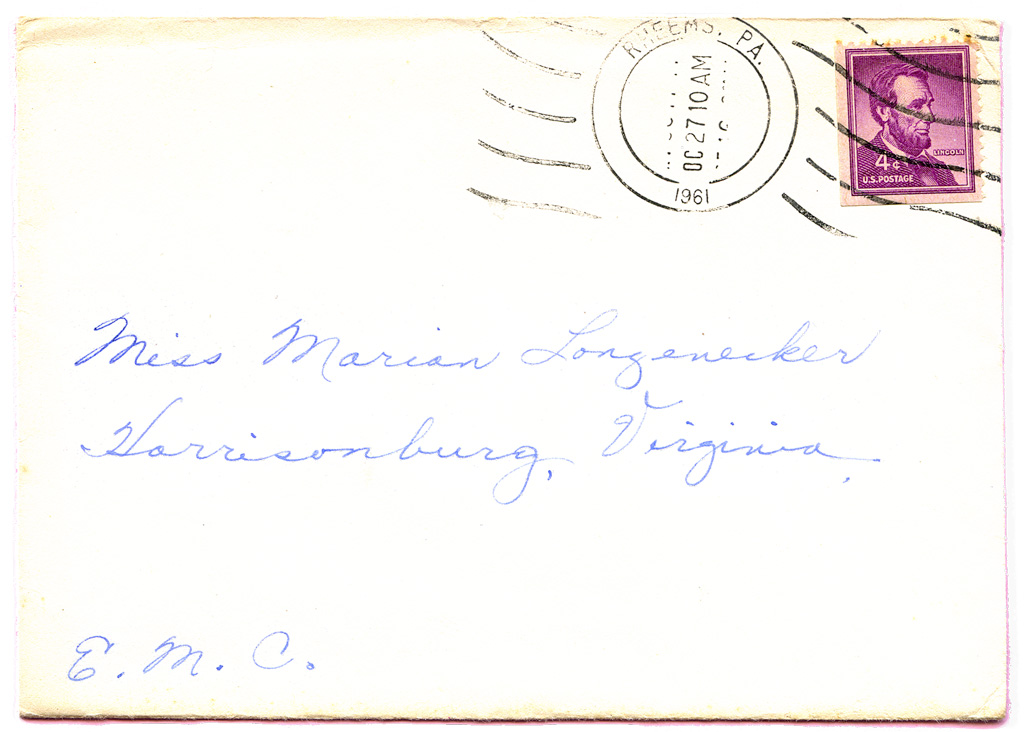
The advice arrived in a 4-cent envelope written in her flowing, left-handed cursive:

Envelope_note-to-Marian_layers

The Gibson greeting card is a cute pop-up.

HalloweenCardRuthie

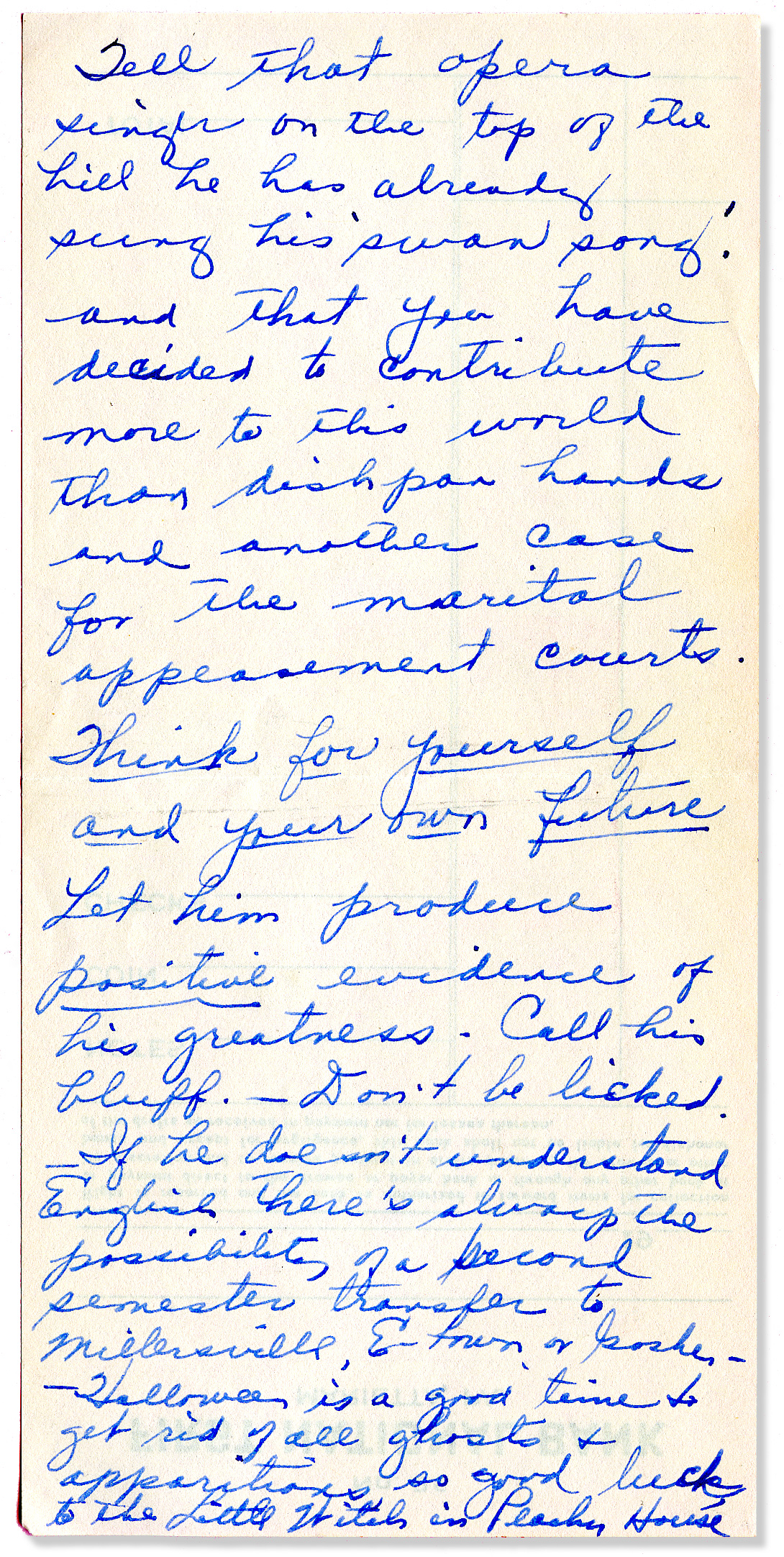
Enclosed with the card was a terse note written on the back of a deposit slip from the First National Bank of Marietta, a curious choice of stationery. (You can read this note or the text below it in print.)

RuthieNoteMarianHalloween

Here is her message in print form, directing me to forsake that boyfriend (aka “opera singer”) at the top of the hill:

Tell that opera singer on the top of the hill he has already sung his “swan song” and that you have decided to contribute more to this world than dishpan hands and another case for the marital appeasement courts. Think for yourself and your own future and let him produce positive evidence of his greatness. Call his bluff. – Don’t be licked. If he doesn’t understand English there’s always the possibility of a second semester transfer to Millersville, E-town or Goshen – Halloween is a good time to get rid of all ghosts and apparitions, so good luck to the Little Witch in Peachey House.


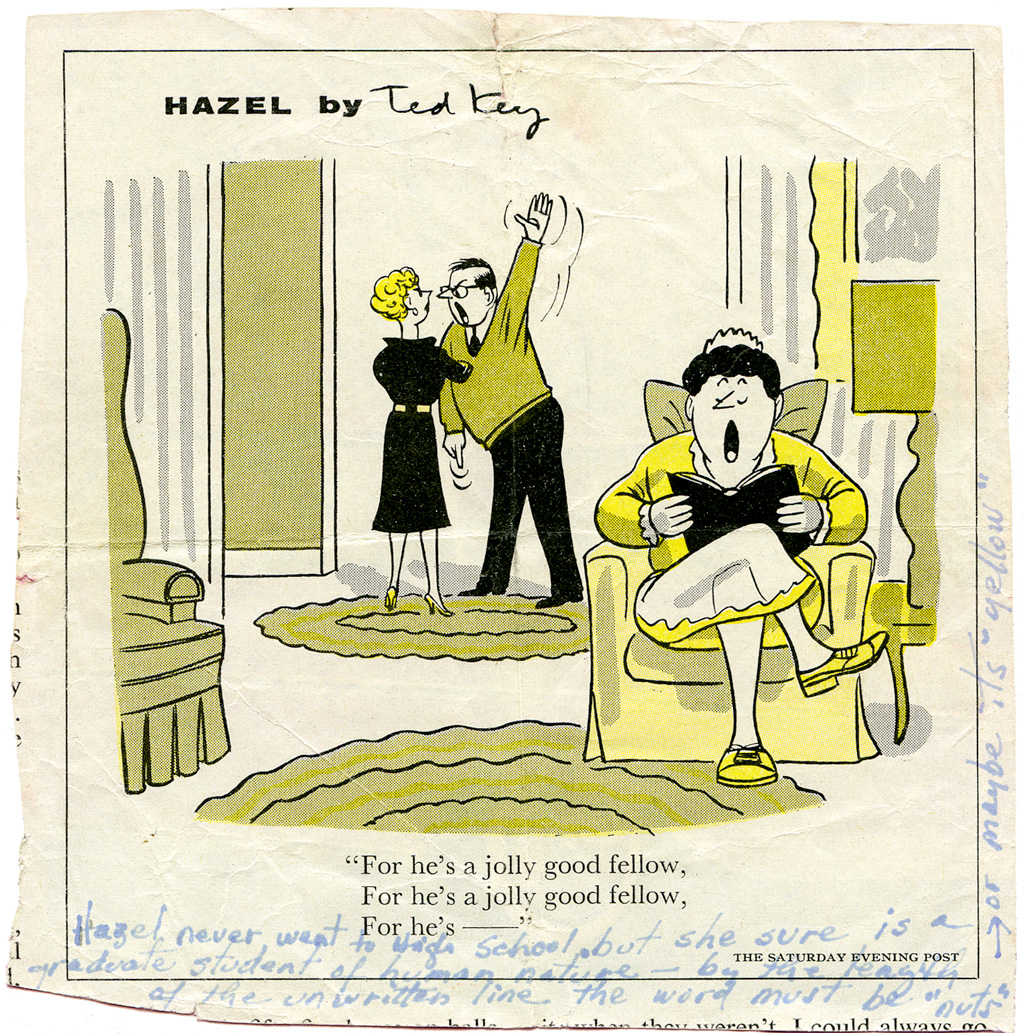
Added to this note was a “Hazel” cartoon clipping to reinforce her words:

Hazel-cartoon_Ruthies-note-to-Marian_layers

The ink jotting has become almost indecipherable over the years, but she notes:

Hazel never went to High School, but she sure is a graduate student of human nature – by the length of the unwritten line the word must be “nuts” – or maybe it’s “yellow.”

At the time (my sophomore year at Eastern Mennonite College), I was trying to keep my life on track academically despite romantic upsets and did not then realize the full force of Aunt Ruthie’s words or the depth of feeling behind then. Squinting back through the telescope of years as a much older adult, I do now.

MY REFLECTION:

In Aunt Ruthie’s day, women usually chose either the single life and a career or motherhood and maintaining a household. Hardly ever both.

I was beginning to see from the models emerging in the 1960s that one could answer the call of both vocations, professional and domestic. Choices did not have to be an either-or proposition, and they didn’t have to happen simultaneously either.


How about you?

Did you ever benefit from unsolicited advice?

What models of vocational choice made an impression on you growing up? How did these influence you?

Ray & Ruth: A Sparkling 40th Wedding Anniversary

True Love

This month would be the 75th wedding anniversary of my parents, Ray and Ruth Longenecker had they lived. True, they bickered from time to time, but I knew their love was deep and abiding. I rested in the assurance that they would never divorce. There were signs: Before Daddy left for work down at his shop after the noon meal, he often played a little game with Mom, chasing her around the house to get his hug and kiss, as she pretended wanting to escape him. Daddy dried dishes once a week, on a Sunday somewhat unusual for a culture with strict divisions of labor between husband and wife.
They celebrated their 25th anniversary with the attendants at their wedding, Howard and Pearl Longenecker, also married twenty-five years.

When their 40th came along, we had a big shindig in early November, a week after their actual anniversary date of October 26, 1940. My sister Jean sent out fancy invitations:
40thAnnivCardFront

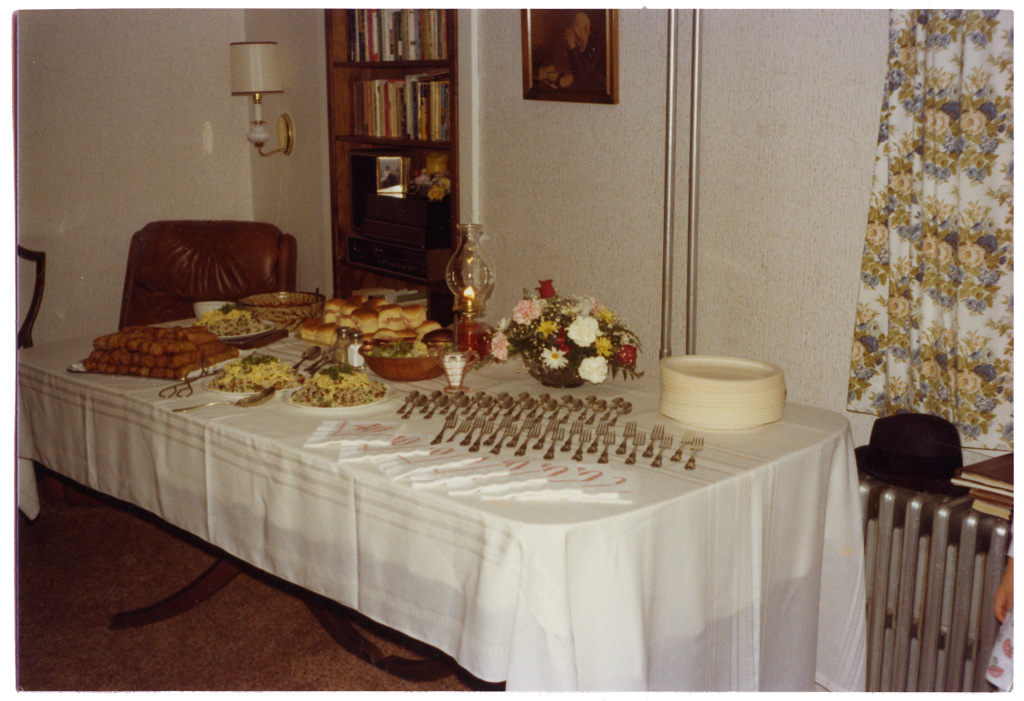
The table was set just so with the “tulip” design wedding silverware, a florist’s bouquet, and finger food with cake the grand finale.

40thAnnivTable

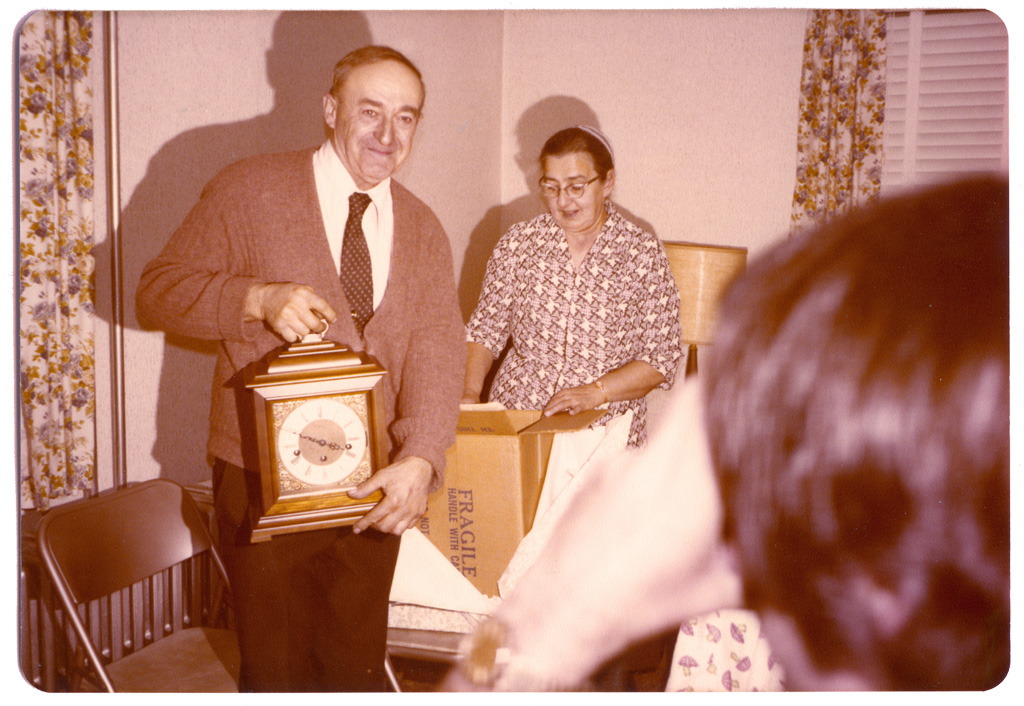
All four of us, my sisters and brother chipped in money to buy a chiming clock that sat for years on top of Mother’s buffet in the dining room, the ticking heart of the home. Our son Joel has inherited this clock.

40thAnnivClock

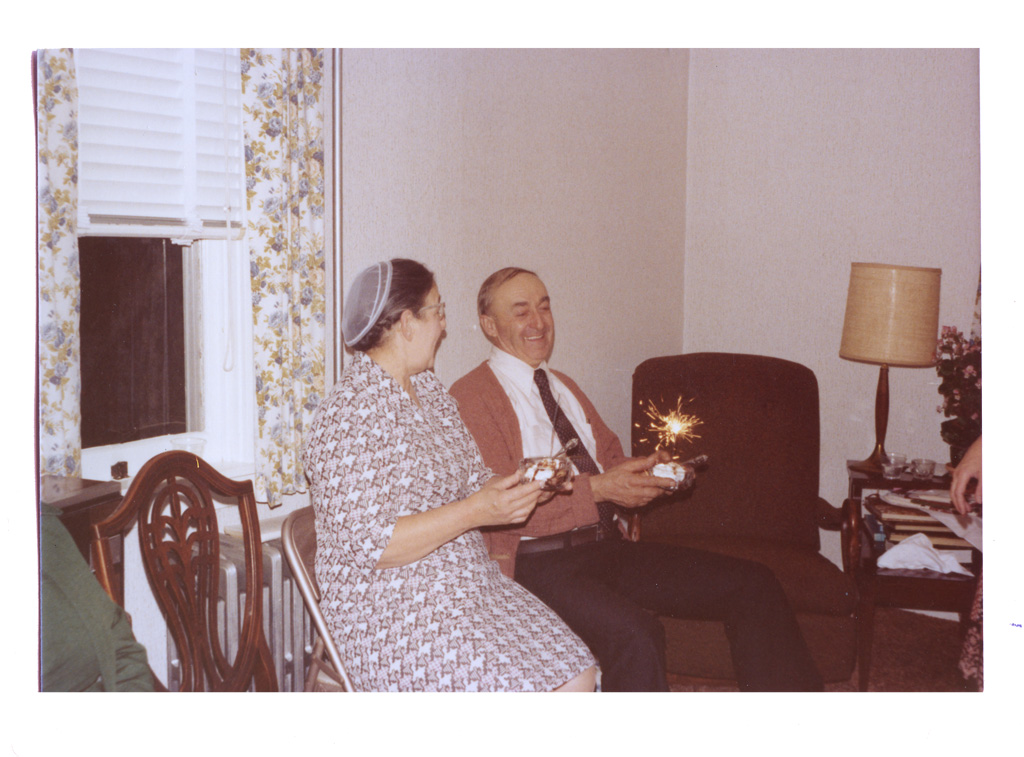
And there were sparklers – and smiling faces on this happy day when I heard Daddy say, “I could never have found a better wife!

40thAnnivCandle

How It All Began

October was a favored month for weddings, at least among Mennonite couples in the 1940s-1960s. Farmers had harvested their corn, wheat, and sweet potatoes. The sowing-hoeing-harvesting cycle was slowing down. The land was preparing to lie fallow for the winter. Thus, plain weddings were often celebrated amid the riotous colors of fall.

I was born in July — 9 months, almost to the day, from my parents’ honeymoon night the previous October. When I got older and could figure out such things, my mother simply said, “Nothing happened before we were married.” Because she said it, it must be true, I reasoned. In those days, abstinence was the professed norm for engaged couples, and a white dress almost certainly meant the bride was a virgin. A couple whose first child arrived too soon after the wedding date had to appear in front of the congregation and confess their sin of fornication before they could be restored to church fellowship. I saw it happen once.

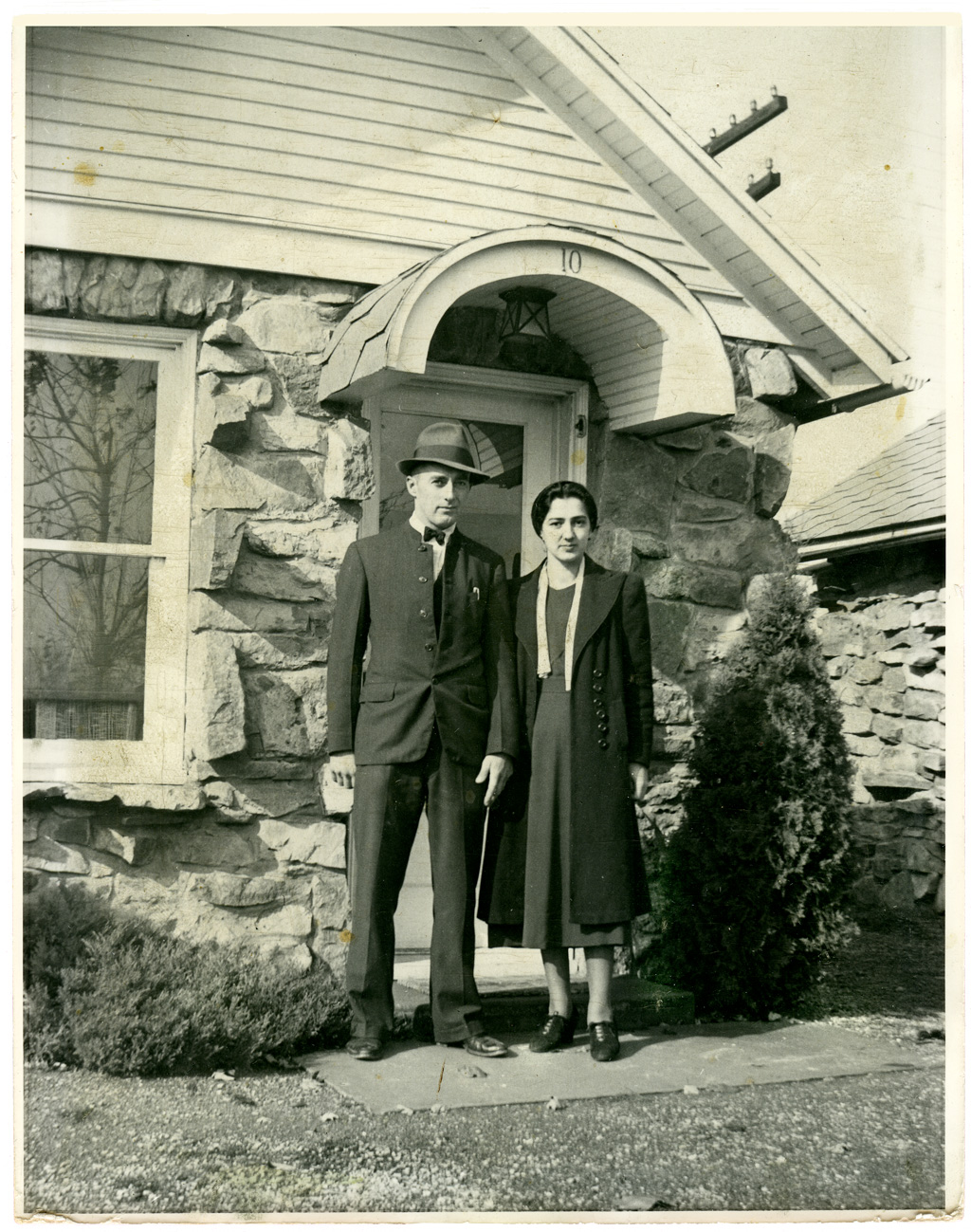
That was not the case for my parents, of course. I was born right on time, a honeymoon baby, possibly conceived right here within this idyllic, stone cottage.

HoneymoonNiagaraCottage

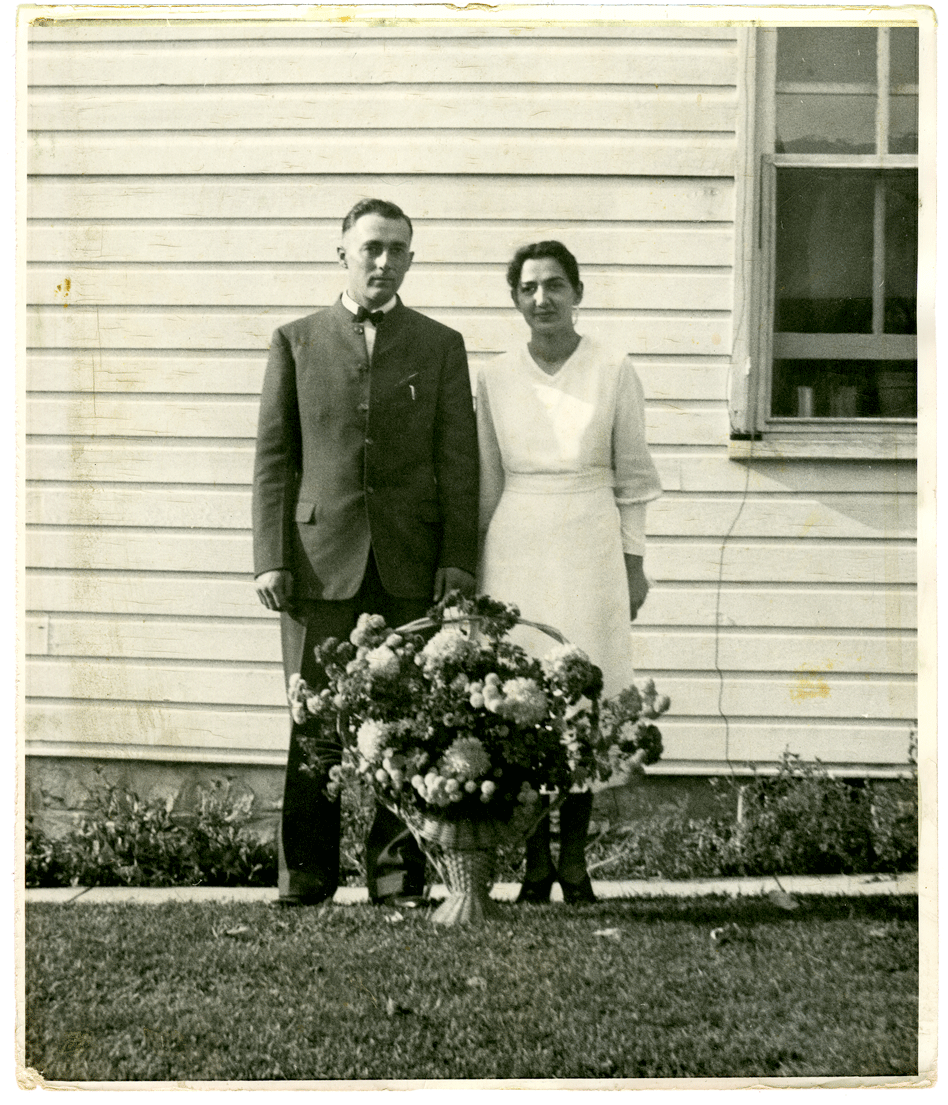
My parents were married by the bishop of Hernley’s Mennonite Church and then returned to the bride’s home on Charlotte Street in Manheim, Pennsylvania where these pictures were taken. My father was wearing a plain, Mennonite “frock” coat with bow-tie paired with a natty fedora hat on his honeymoon. My mother too sneaked in some fancy touches on her dress. Another, of course, a large, fancy bouquet on the lawn.

WeddingMomDadFlowers

And though Mother wore covering strings attached to her prayer veiling and her dress was plain with no collar or lace, tiny buttons covered in white crépe traced a vertical line on the snug cuff of her sleeves. They don’t show on the photograph, but as a child I remember seeing them all in a row, sewn on her dress then draped on a hanger and pushed to the back of her clothes closet. Were there five? Seven? I don’t know or remember, but in my mind’s eye I can see them attached there. And I thought they looked pretty!

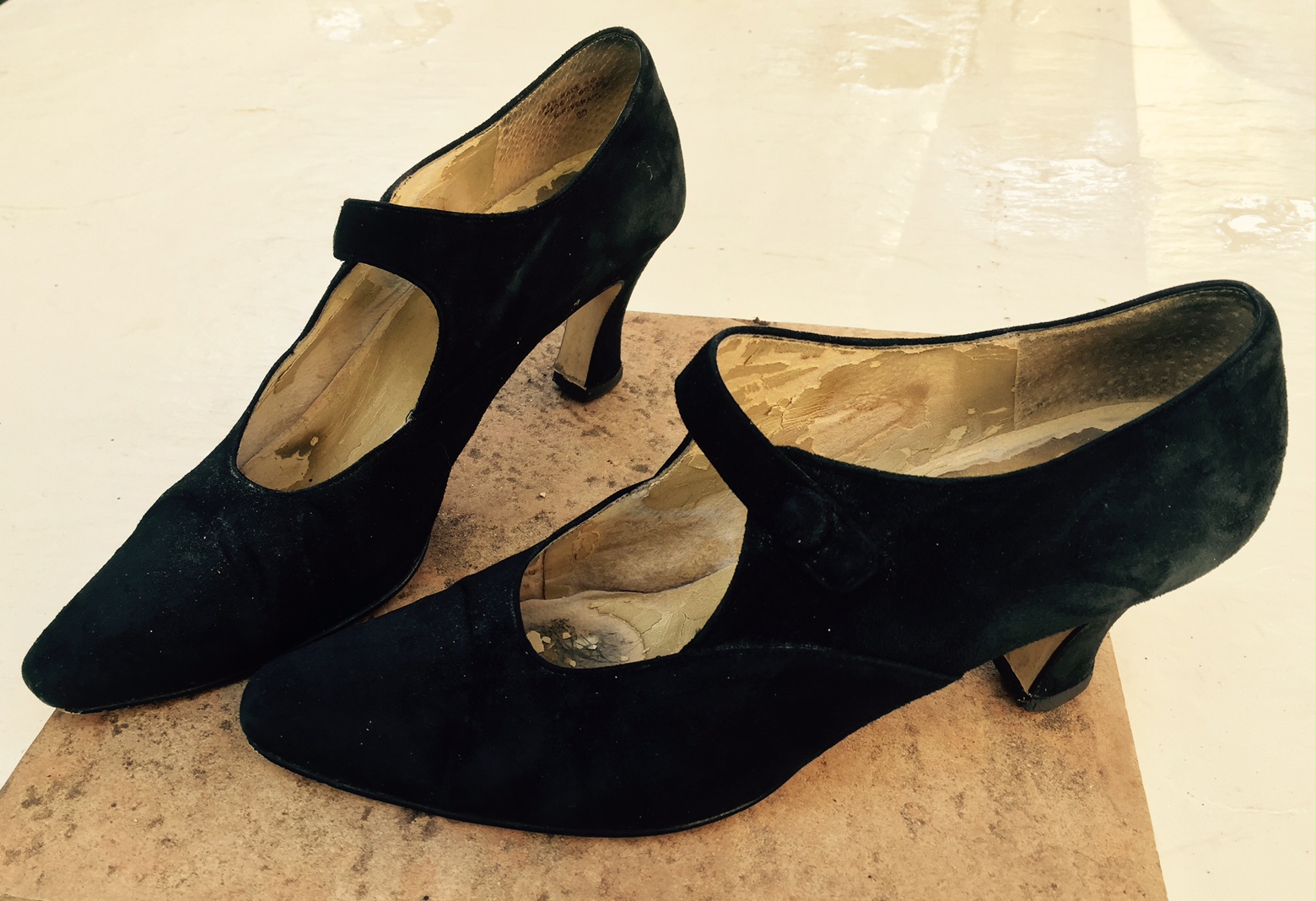
I liked her wedding shoes too, black suede with a vamp that reached almost to her ankle, very modish, I thought. When I saw Nine West with a similar vintage shoe and a button on the strap, I knew they had to be mine.

ShoesVintage9West

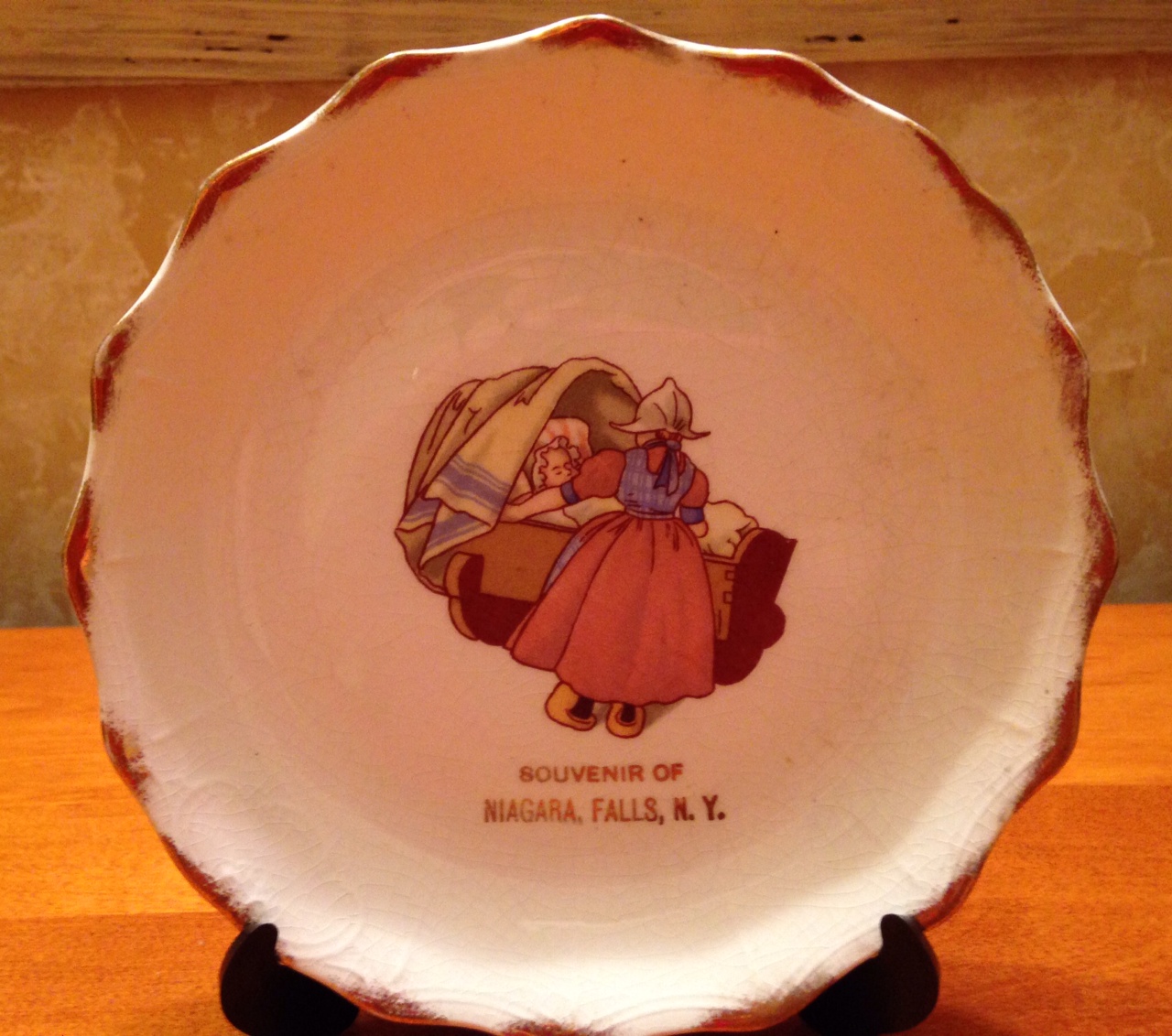
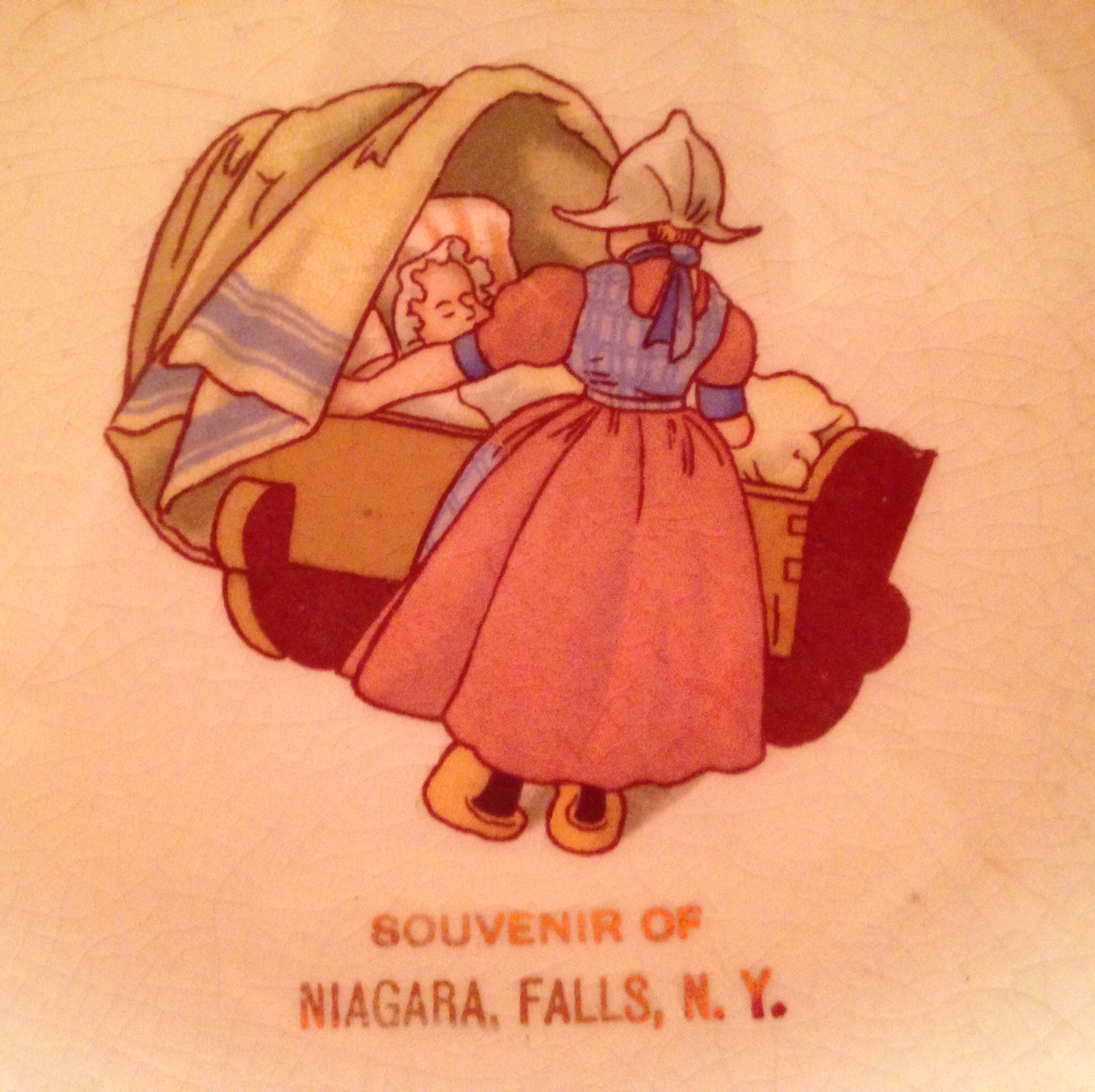
When we cleared out Mother’s house after her death, we discovered a saucer I had never seen before with a charming pink & blue imprint, a prophecy of things to come. They would have a baby, a girl, in fact three daughters and then a son.

NIagaraFallsSaucerNiagaraFallsSaucerDetail

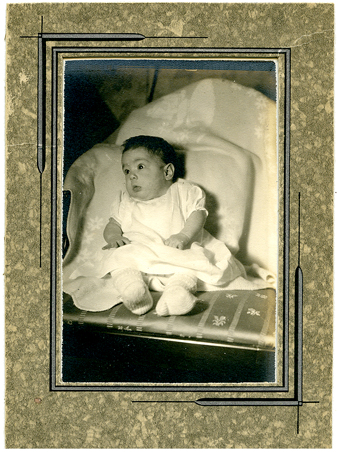
Marian_as baby_5x5_72 19-05-17

Sparkling or not, what anniversaries (or other milestones) can you recall?

Coming next: Halloween Advice from My Good Witch of the North, Aunt Ruthie

Grace Notes: Mary Grace Martin & her Pump Organ

Great Aunt Mary Grace would turn 117 this week on October 14 if she were still alive. When I was young, the Longenecker family visited Mary Grace Martin at her cottage at Mt. Gretna, PA. What I remember most about her appearance was her pleasant aura and a gap-toothed smile. To my childish eyes, her teeth looked like widely spaced ivory pegs.

MaryGraceFace

Mary Grace Martin, the only child of a Church of the Brethren pastor, A. L. B. Martin, and my Great-Grandpa Sam Martin’s niece, traveled with her parents all around the country from Long Beach, California to Philadelphia, Pennsylvania and Baltimore, Maryland moving from one pastorate to another.

MaryGraceArticle

At a time when few women led a professional life and fewer still held advanced degrees, Mary Grace was in the vanguard:

  • A graduate of Goucher College (1921), she taught high school boys, who “thought they knew more than their teacher.” The stint lasted just one year.
  • Mary Grace returned to Goucher College and taught physics to college students – pay $ 75.00/month.
  • Then she earned a master of arts in education degree from Boston University in 1928. A master’s of religious education followed in 1935 from Hartford Seminary Foundation with postgraduate work at Johns Hopkins University.
  • Later she became national children’s editor for the Church of the Brethren in Elgin, Illinois.
  • And finally she wrote two books: “Teaching Primary Children” In 1937 and an inter-denominational guide “We Worship Together” in 1948.

Mary Grace vividly remembers the sinking of the Titanic in 1912 and the end of World War I in 1918. In the Lancaster Intelligencer Journal article, she mentioned that her dad taught her to drive, but chuckled as she remarked she’d rather have a chauffeur. She also preferred cruise ships to air travel.

Years ago, when our family visited Mary Grace in Mt. Gretna, PA, I loved tramping around the fairyland–like ferns and mosses leading up to the steps of her cottage in the dell. Inside, amid plain plank floors and piney furnishings was a gorgeous pump organ that enjoyed pride of place in her tiny living room. That old instrument was the first thing I looked for when I stepped through the screen door. It was an ornate wooden instrument that looked much like this:

Image courtesy of Pump Organ Restorations

From top to bottom, her wheezy pump organ required energy to operate. As I slid onto the swirly seat, I would put my feet on the two pedals each carpeted with a faded, fraying floral design, my knees touching wooden paddles that would make the volume swell or fade, and finally my fingers pulling out or pushing in stops to adjust the tone. It was thrilling to experiment with more than a dozen timbres engraved in Old English Script on the ceramic tags identifying each wooden stop: “Vox Humana,” “Bass Koppler” and “Celeste” which to me sounded like a pretty girl’s name. My favorite pull stop was the fancy word “Diapason” which emitted a majestic, thunderous roll as my knees fanned out to amplify a few bars of “Here Comes the Bride.”

Here two young men enjoy the charms of a vintage pump organ:


“I didn’t expect to live into my 90s, “ Miss Martin said. “Mom lived to be 93 1/2 , but I didn’t think I would repeat that. But God planned otherwise. I’ve had a rich life with travels and many friends. I don’t know what I’d do without them.”


Mary Grace Martin lived a full life enriched with books, music, and friends. I remember her gentle spirit. Of course, through the years her example has been reflected in my own life, though I certainly didn’t recognize this until now.


Your story fits here: memories of a special relative, maybe an old pump organ, something else this post has sparked in your memory.


Coming next: A Sparkling 40th Wedding Anniversary


A Touch of Amish: Busy-Day Recipe

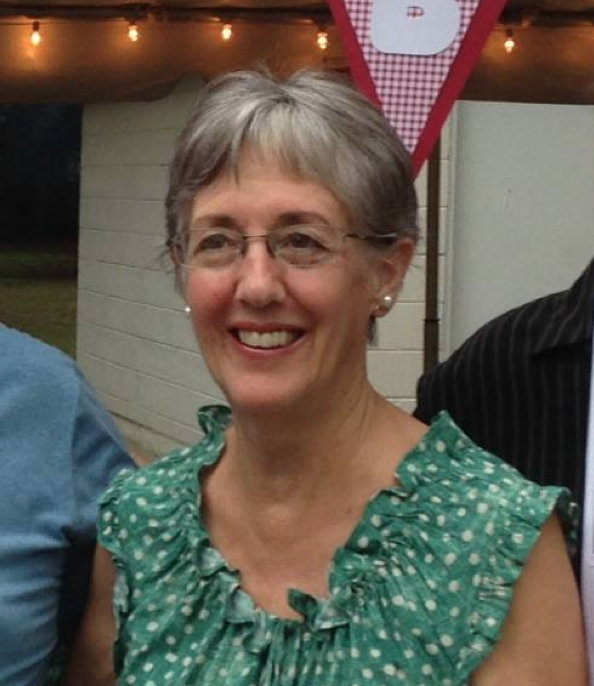
JanHeadShot

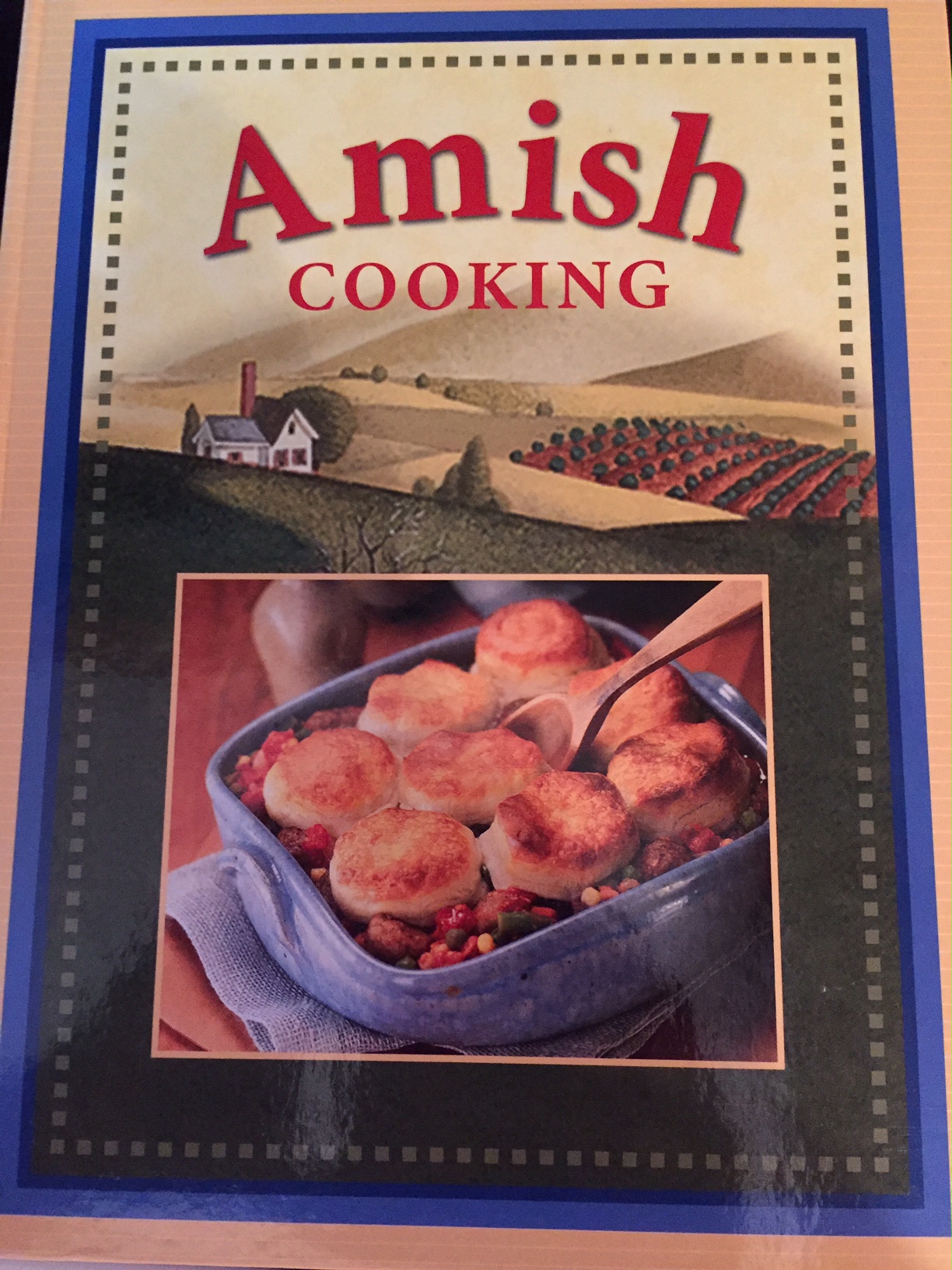
My sister Jan (“Janice,” growing up) is easily the best cook in our family. One of my birthday presents from her last year was a cookbook entitled Amish Cooking.

AmishCover

In the head-line this week, I say “A Touch of Amish” because the recipes are quick and easy and many contain shortcuts with ingredients like commercially prepared soup mixes, an item not usually associated with authentic Amish cooking. Still, when we’re pressed for time, quick and easy may be the way to go. Besides, as temps grow cooler, who doesn’t welcome a warmer kitchen made fragrant with an herbal mix from the oven.

Used by Permission: Publications International, Ltd.

Barring any need to skip off to the grocery store first, ten minutes is a short prep time, but extend the time just a bit so you don’t feel rushed.

If you are a purist, and prefer making recipes from scratch, you can substitute these herbs and spices for the mix: finely chopped onion or onion salt, diced garlic, chicken broth thickened slightly with one tsp. corn starch, chopped parsley

About the vegetables: To make sure the veggies are soft enough by the end of the baking time, I microwave them for 2-3 minutes before baking. Also, I use more potatoes and carrots than called for in the recipe and add an onion too.

OvenReadyRecipe

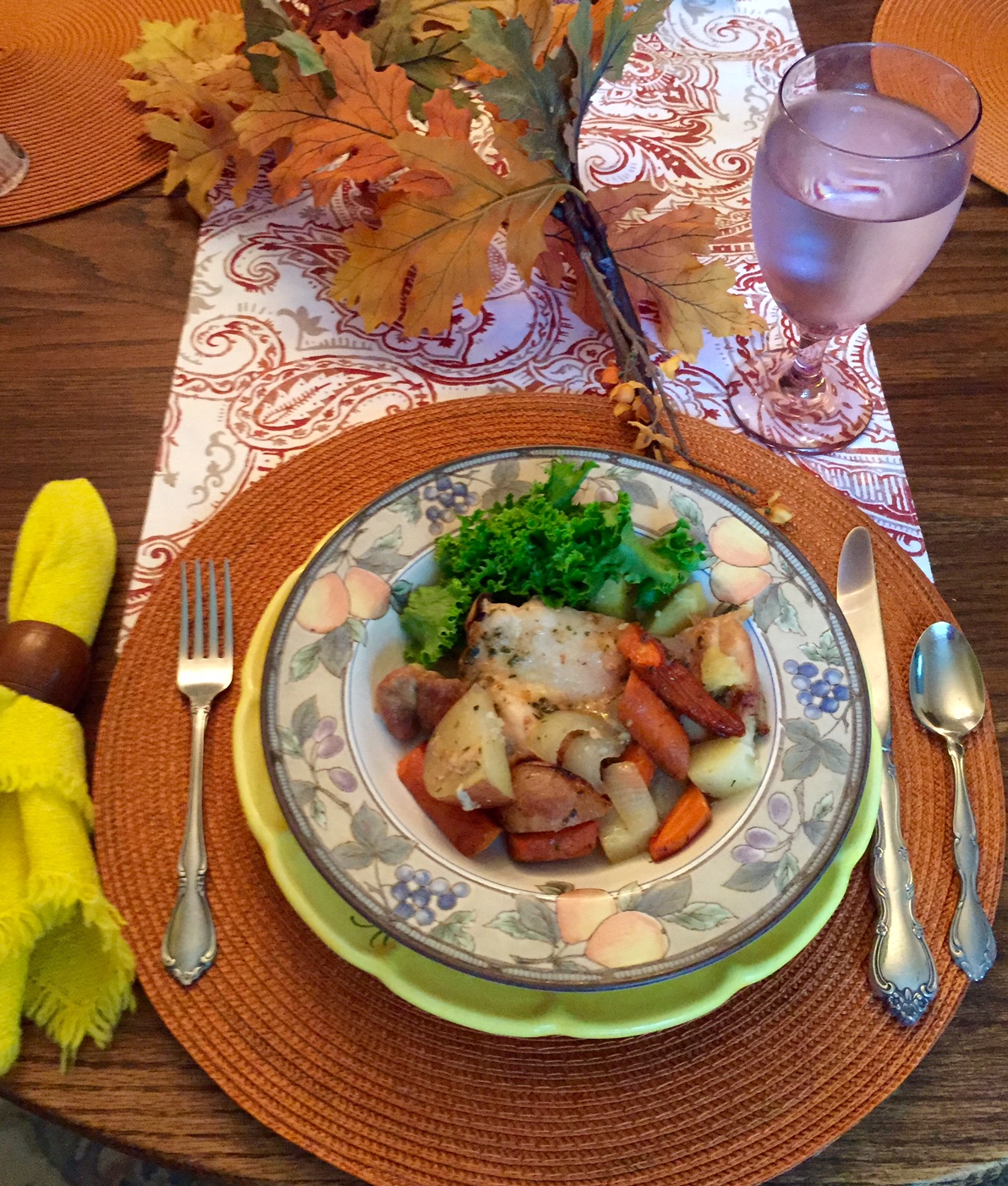
Plated, a savory dish for harvest time this fall!

Plated Recipe

While the earth remaineth, seedtime and harvest, and cold and heat, and summer and winter, and day and night shall not cease.

Genesis 8:22

Busy day recipe or fall favorites – all are welcome here!

Coming next: Grace Notes: Mary Grace Martin & Her Pump Organ

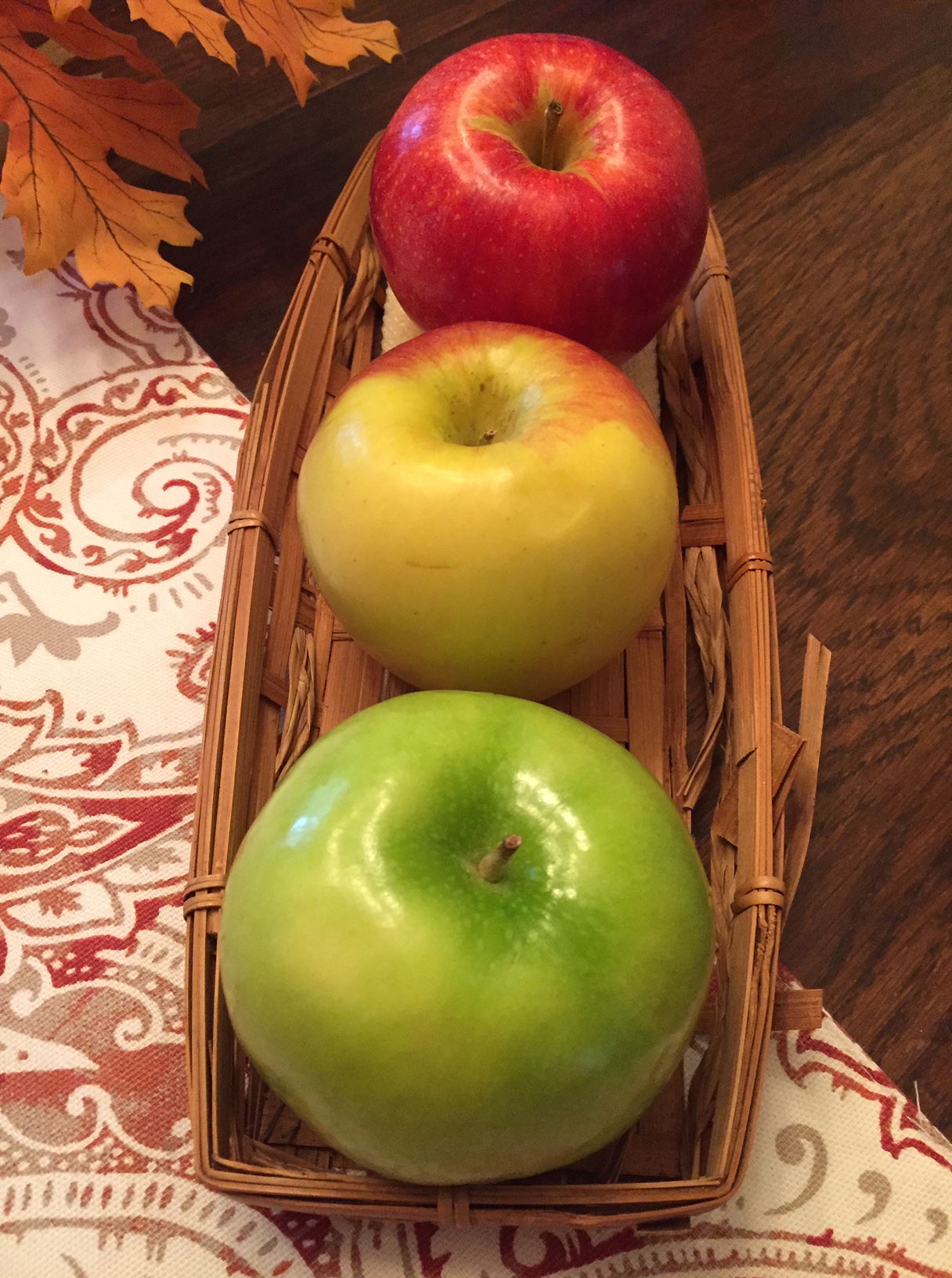
Red, Yellow, Green Apples, Fall’s Traffic Lights: Purple Passages September 2015

Humorous Slices 

A green apple, a yellow apple, and a red apple, it’s like a fruity traffic light you can eat . . . . Did you know that my love has the consistency of applesauce? It’s true—and juicy.  ~ Jarod Kintz

ApplesTraffic Light

I ate a slice of humble pie, and it tasted like apples.   ~ Jarod Kintz

Thoughtful Slices

It is remarkable how closely the history of the apple tree is connected with that of man.   ~ Henry David Thoreau, “Wild Fruits”

Anyone can count the seeds in an apple, but only God can count the number of apples in a seed.   ~ Robert H. Schuller

Every thought is a seed. If you plant crab apples, don’t plan on harvesting Golden Delicious.    ~ Bill Meyer

Healthy Slices

Eating apples is good on so many levels. There’s fiber in the skin that’s really good for you. It helps with digestion and helps you absorb all the nutrients of everything you’ve eaten that day. Apples are a really good thing.   ~ Rebecca Romijn

A Story Poem

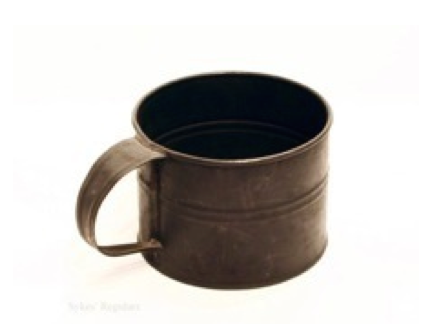
TinCup

RevisedAppleSlices

Grandma Longenecker’s Apple Schnitz

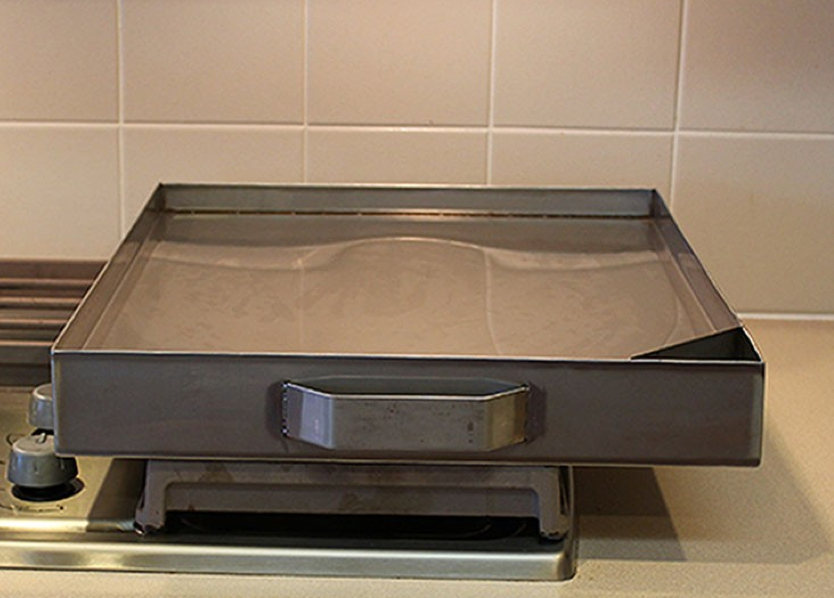
Grandma Longenecker dried apple slices locked in nutrients and flavor on a vintage food dehydrator similar to this updated one.

Food dehydrator: Google images

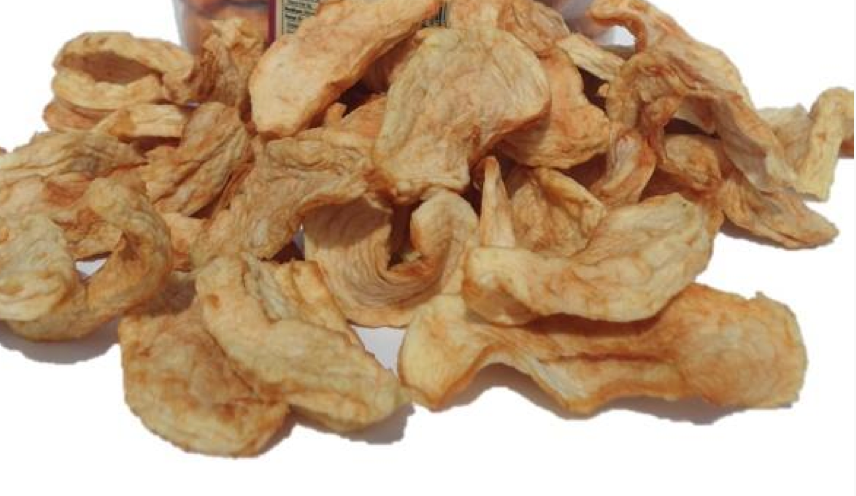
The flavor was concentrated, tart, and oh so chewy. Uh-um-good! These look just like Grandma’s! Later Aunt Ruthie Longenecker took over the tradition.

Apple Schnitz: Kauffman Farms

Red, Amber on Green Background – Van Gogh’s Apples

VanGoghAPPLES

Do you associate apples with this season of the year? Any favorite recipes with apples? Thank you for adding quotes, recipes, or anything else that comes to mind here!

Moments of Discovery # 7: The Story Behind the Hidden $ Bill

Dollar Discovery! On September 10, 2015 I opened an envelope dated April 30,1962 that Mother sent me in college. I had read her letter then, but did not open the Bossler Mennonite Church bulletin where she had tucked a dollar bill (series date 1957) until now. I wonder now whether she was testing to see if I had taken the time to open the bulletin she enclosed.

When I opened the bulletin commemorating Church College Day, a few weeks ago, out tumbled a “Silver Certificate” dollar bill backed by REAL money, not the “Federal Reserve” bills we carry around in our wallets nowadays.

Dollar

What was going on in the world in April 1962?

  • US district Judge J. Skelly Wright ordered the desegregation of elementary schools in New Orleans, LA.
  • John Kenneth Galbraith, then U.S. Ambassador to India, wrote a letter to President Kennedy proposing a negotiated peace between North Vietnam and South Vietnam.
  • At the Ealing Jazz Club in London, Brian Jones was introduced to Mick Jagger and Keith Richards. The three would become the heart of The Rolling Stones.
  • Walter Cronkite replaced Douglas Edwards as the anchorman for the CBS Evening News.
  • The Century 21 Exposition World’s Fair opened in Seattle, Washington on April 21, 1962

What was happening in the Longenecker house then?

MotherLetterMe1962

Here are unadulterated excerpts from Mother’s letter:

“Hello to all the gals at Peachey House. . . . “Did you get your book – – – I mean your ‘Books,’ The Post Master want to know when you got the book we send. Don’t for-get to tell us he want to see know how long it took to get to E. M. C.”

“. . . I called LaVon’s mother on Fri. the way it sounds Maybe you are taking her place. she is going to work for Dr. Walmer 5 weeks then she is going to be counsler at a few camps. She is sure you will like it. She said you even get off the fourth of July with Pay. she knows they pay over a $ a hour but she didn’t know right yet how much.” (Lavon Nolt (Kolb) is a school friend: We attended first grade → college together. Here Mother is discussing summer work for me.)

“. . . I started to tell you Janice [sister] and I were at the Mother & daughter banquet on Fri. eve. they really had a nice program. & plenty of food such as fruit cup, a very large slice of Ham loaf, baked potato, corn & peas, cold slaw, pickles & olives, celery & carotts, ice cream & cake Mints & nuts. Well, we were just stuffed.”

“. . . When you get your check get it cashed then you will have when you need.”

There are two references to money in this letter, three if you count the dollar bill I didn’t discover until now. I don’t remember what the check was intended for or the amount, but it was probably not enough for books or tuition. And seldom did Mother write a letter that didn’t mention a menu or food preparation.

I know now that she equated food with love. And she knew that money, even a little bit, would sweeten my passage through my college days too.

God bless the memory of my mother, who knew the value of a dollar . . .

2002RuthPotatoes_small. . . and the appeal of a home-cooked meal!

Did this post prod memories of happy surprises about money or food? Join the conversation here.


A Cloistered Life at Peachey House: A Prequel

The closest thing I ever came to living in a convent was my year in the dormitory at Lancaster Mennonite School. It was much like living in the dorm at my alma mater, Eastern Mennonite College, now a University, but only more awkward. “Awkward?” you ask. “In what way awkward?”

As beginning teachers Verna Mohler (Colliver) and I were squirreled away in the LMS girls’ dormitory. Because of our tiny salaries, living here represented a major cost savings, but being so close to students, we sacrificed privacy. You can read all about this experience in last week’s post.

Students and faculty alike dressed plainly at LMS, no jewelry or fancy dress allowed. Students were sequestered from the world in other ways too: no competitive sports teams, no band or orchestra, and no theatre department.

My prior life in college was similar but a tad looser. There were intramural sports at EMC but musical expression was limited to various choruses which sang a cappella in four-part harmony. A highlight of the year came each spring when the music department presented Alfred Robert Gaul’s oratorio The Holy City, its celestial strains ringing in the rafters. However, no band or orchestra existed there either. And certainly no theatre department. To be fair, students performed plays staged in the chapel as for example Thornton Wilder’s Our Town. Our graduating class donated to the college its first piano.

During my junior year at EMC when the college dormitory was filled to overflowing, eight women students were selected to live on the edge of campus in a home called Peachey House.

MarianPeachey1962

Verna Mohler and I lived with six others including Martha Maust, who wrote in Verna’s yearbook: ” What with mice sitting on the kitchen floor, a chicken in a book-bag, plus eight girls with plenty of vim, vigor, and yelling power you couldn’t expect anything but great times.” Then too we lived through the mighty snowstorm in the winter of 1961-62 that cut us off from the rest of the campus.

One of my fondest memories is playing the violin with Thelma Swartendruber (Chow) one of my roommates here in the Peachey House living room.

ThelmaMarianviolin1962

I had played my instrument at Elizabethtown High School, where I was the only Mennonite girl in the orchestra simply thrilled to wear a fancy dress for concerts. My violin case followed me to college. Sunday afternoons we played with others, sometimes even with a faculty member whom I later dated.

* * *

Mennonites have always had a love affair with music ~ hymn books, tuning forks, and four-part a cappella singing a staple of all worship services in this era.

Though the Lancaster Conference Mennonite Church did not allow instrumental music in the 1960s, many Mennonite families had a piano at home. We had one, a mahogany Marshall & Wendell upright with melodious richness, especially evident when I pushed down on the damper pedal for a gorgeous, sustained tone.

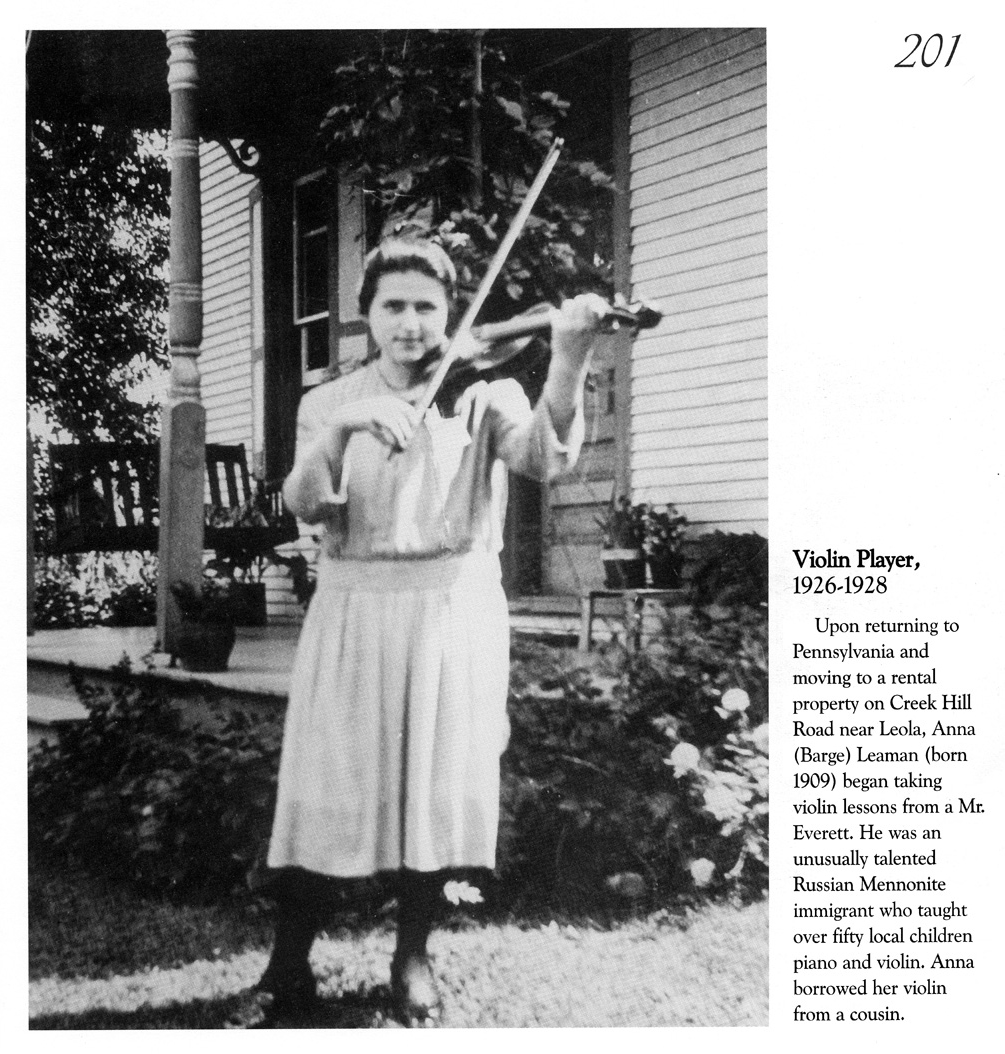
The photo below portrays a young Mennonite girl, Anna Leaman, with covering and caped dress circa 1926 playing the violin. Whether Anna was posing to please her parents or whether she loved playing the violin, it’s impossible to say. I do see a faint smile playing around her lips. Obviously she had been taking lessons and making music solo here.

Credit: Mennonite Women of Lancaster County, Joanne Hess Siegrist 1996

But rest assured, when she went to church on Sunday, no piano, organ or violin would drown out the blend of soprano, alto, tenor, and bass voices who worshipped in blessed harmony.


Did you play an instrument during school or college days? Do you still play it? Any anecdotes to add to the dorm life episodes here, or living with a roommate in an other arrangement?

Coming next: Moments of Discovery, The Story Behind the $ Bill

My Year in a Convent

Nuns live in convents. At least that was true in America in the1960s. Strictly speaking I was not an actual nun, a Catholic sister with a habit like Karen Leahy, who left her convent at Mount Maria to pursue a literary life and experience more freedom. (My review of her book The Summer of Yes here.)

As a student at Eastern Mennonite College, where my un-cut hair was piled neatly under a prayer cap, serving the church was held in high esteem. In fact, the idea of service was drummed in to me as a teaching intern. And so, when the dean of education at the college suggested I apply to Lancaster Mennonite School for my first teaching job, I jumped at the chance. I could serve God and pursue a career I already knew I loved.

I didn’t wear a wimple, scapular, or tunic either. But, as a Mennonite girl in the 1960s, I did wear a prayer veiling and caped dress. My prayer veiling served to acknowledge my obedience to church rules while a cape over my bodice muffled whatever feminine contours I may have had then. Like Karen Leahy, known as Sister Marie Cordé, my clothing announced my separation from the world before I uttered a word. It also assumed a higher set of expectations from me.

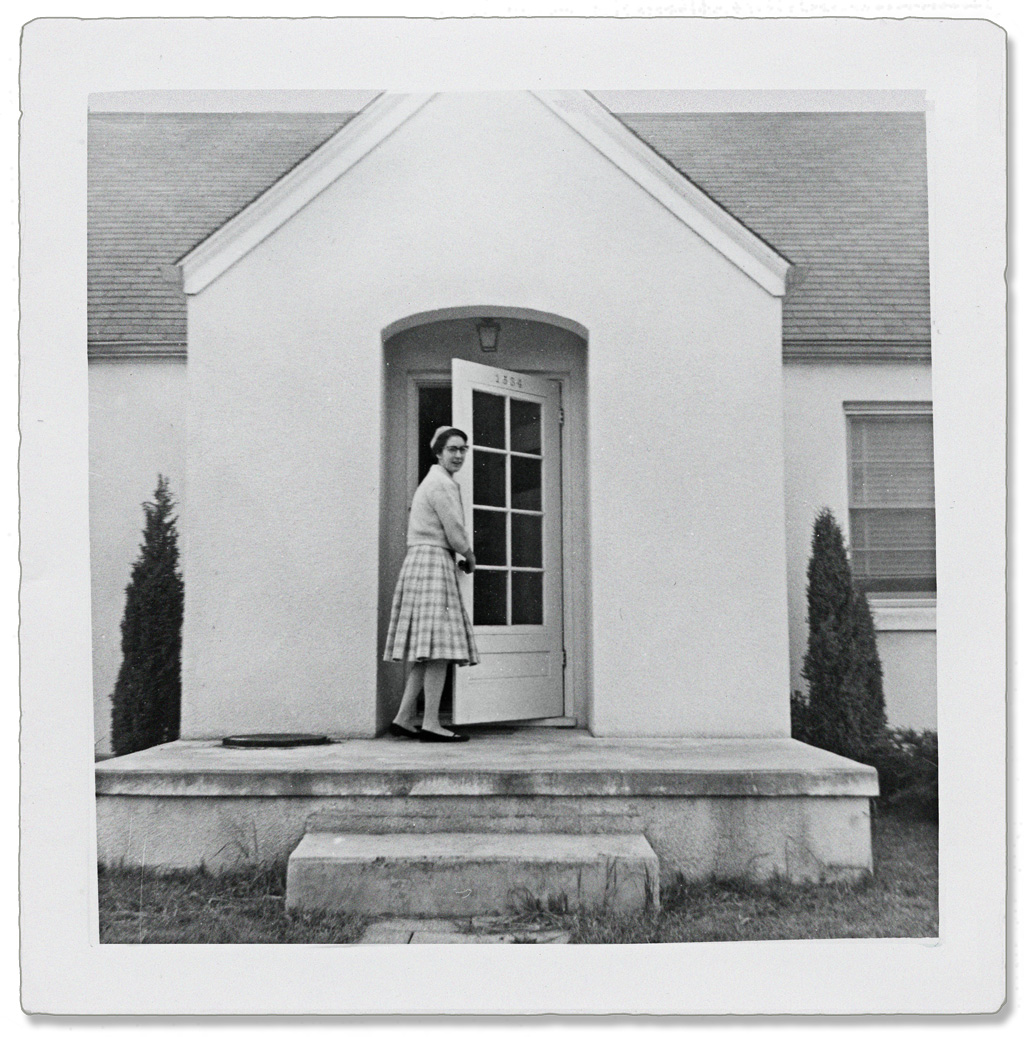
Even before I joined the faculty at Lancaster Mennonite School, I wore a prayer veiling and a caped dress, but not all the time. Just for church. But now as Sister Longenecker, a teacher at LMS, plain clothing was de rigeur, not optional.

And I could do so with one of my EMC classmates, Verna Mohler. She and I had shared dorm space at EMC. Now we would transplant ourselves into a similar arrangement as beginning teachers at LMS.

Laurel Wreath yearbook, 1965

Verna and I were side by side and plain. She taught American Literature, and I English Literature along with Penmanship and Spelling.

Yes, side by side in the yearbook, The Laurel Wreath, whose table of contents featured 5 divisions: Faculty, Students, Organizations, Activities, and Worship. There was no orchestra or band – no football or basketball teams then either. Certainly no theatre.

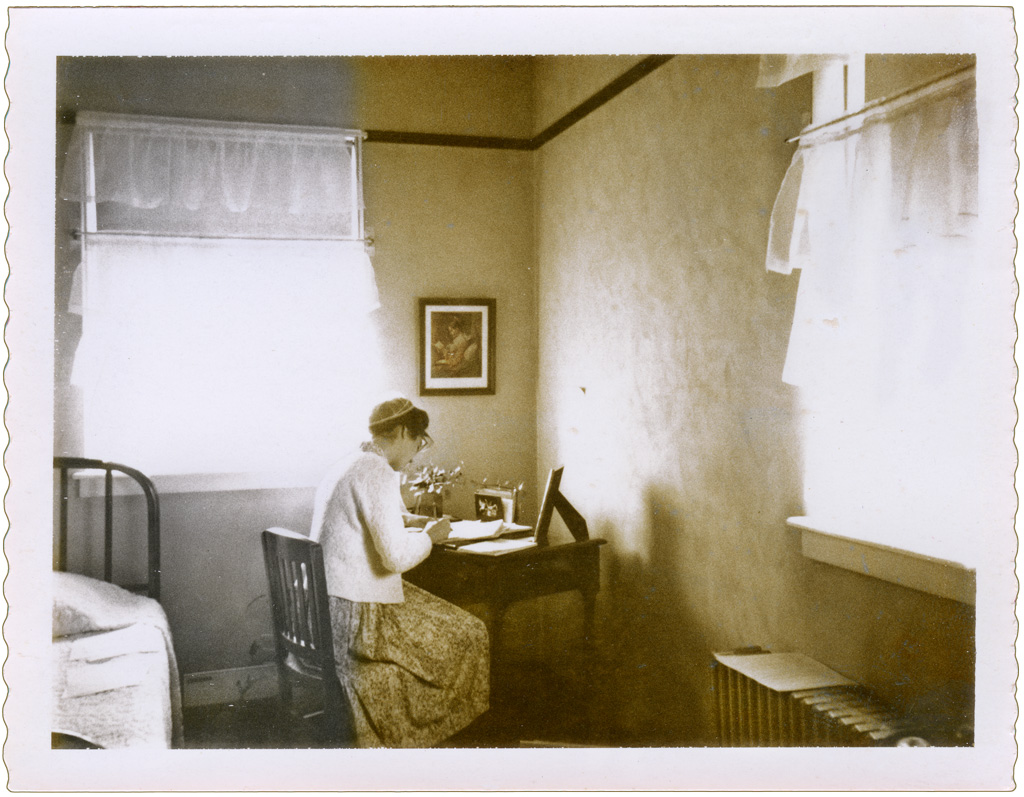
Filmy, white curtains filter pure, virginal light into this teacher's dorm room study
Filmy, white curtains filter pure, virginal light into this teacher’s dorm room study

During our first year of teaching we lived in adjoining rooms in the girls’ dormitory, an awkward situation because of the proximity of students. One evening before supper, I took off my cape and went to the dining hall with just a sweater over my dress. A perceptive student reported me to the Dean of Girls, who gently suggested I mend my ways and remain caped around students at all times.

Of course, our students were plain too . . .

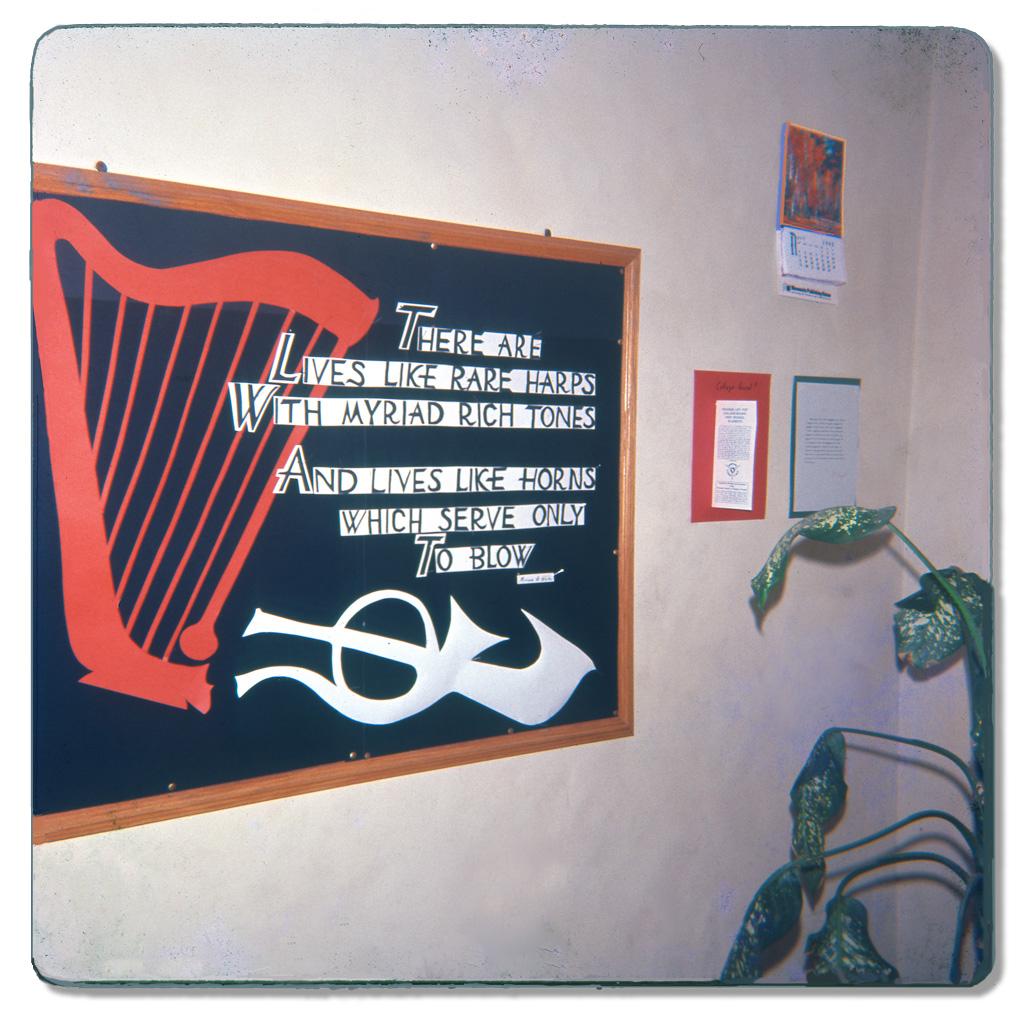
LMSclassStudentsBut my bulletin boards were fancy

Even then I liked quotations

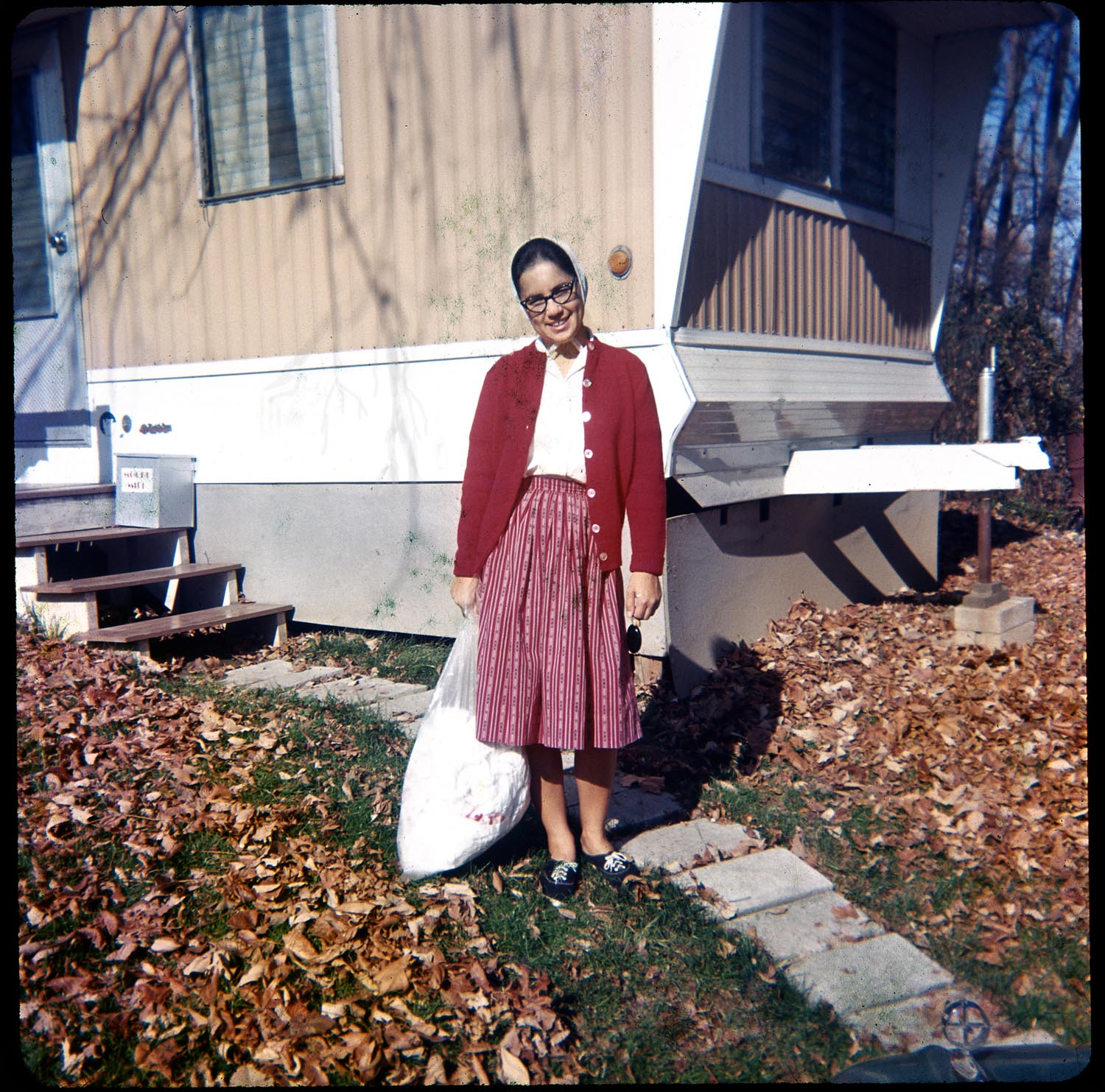
The second year Verna and I moved out of the girls’ dormitory and lived on the edge of campus in a mobile home, which we shared with June Sauder, the Home Economics teacher.

VernaTrailer

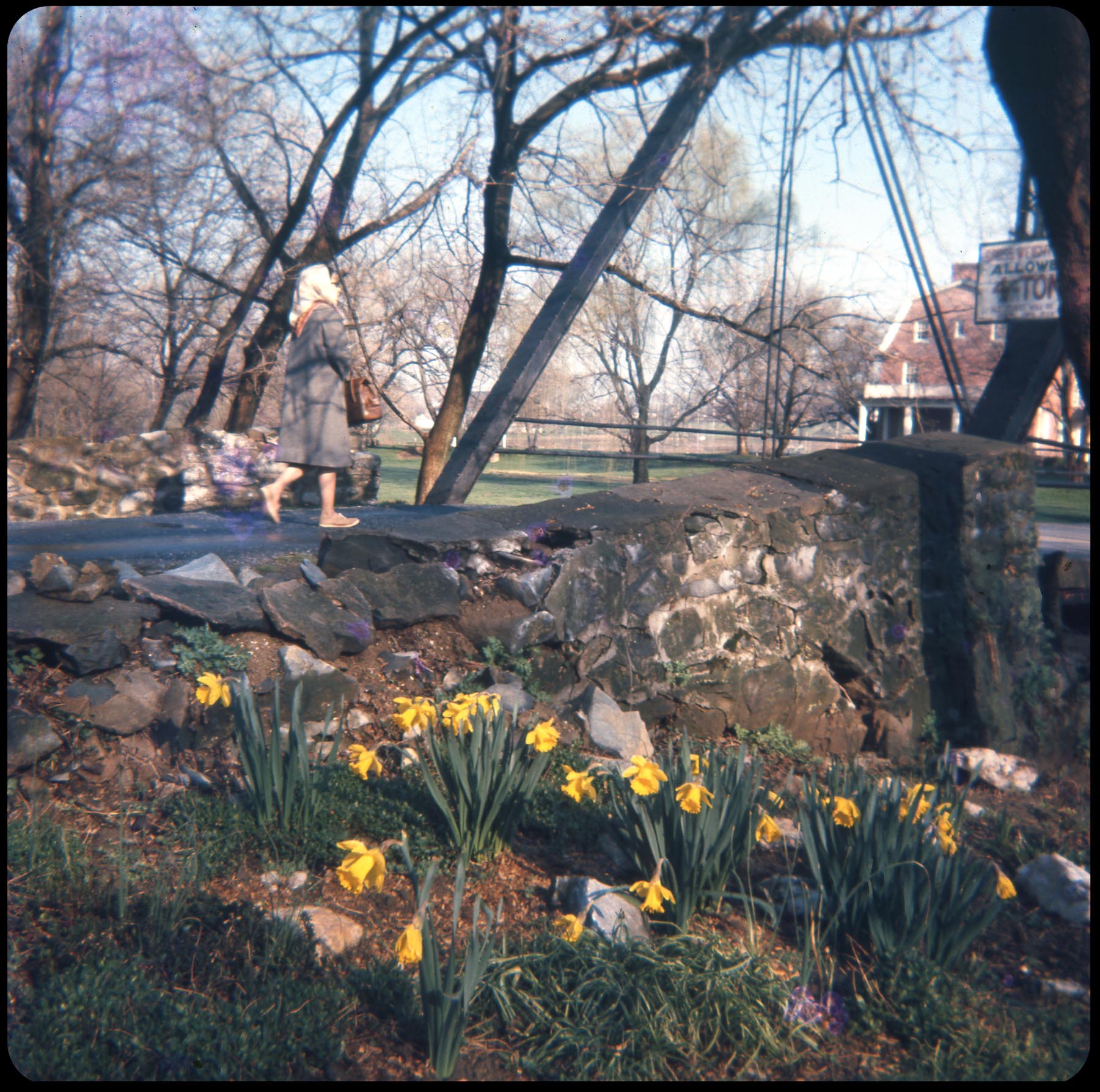
Our trailer was situated in a park-like setting on the other side of the Mill Stream, a bridge between us and campus buildings.

VernaDaffodilsHere again I flirted with danger. One of us rented a TV to see the shocking story of the Kennedy assassination unfold and subsequent funeral proceedings. A student noted the blue glow from our trailer window and reported us to the administration, an action for which we were reprimanded. However, words that we heard on the broadcasts became additions to our students’ vocabulary knowledge: cortege, caisson, requiem.

Sometimes after hours, we skipped wearing the prayer coverings, but always had our heads covered, even if it was with a filmy white bandanna.

CometVernaMarian

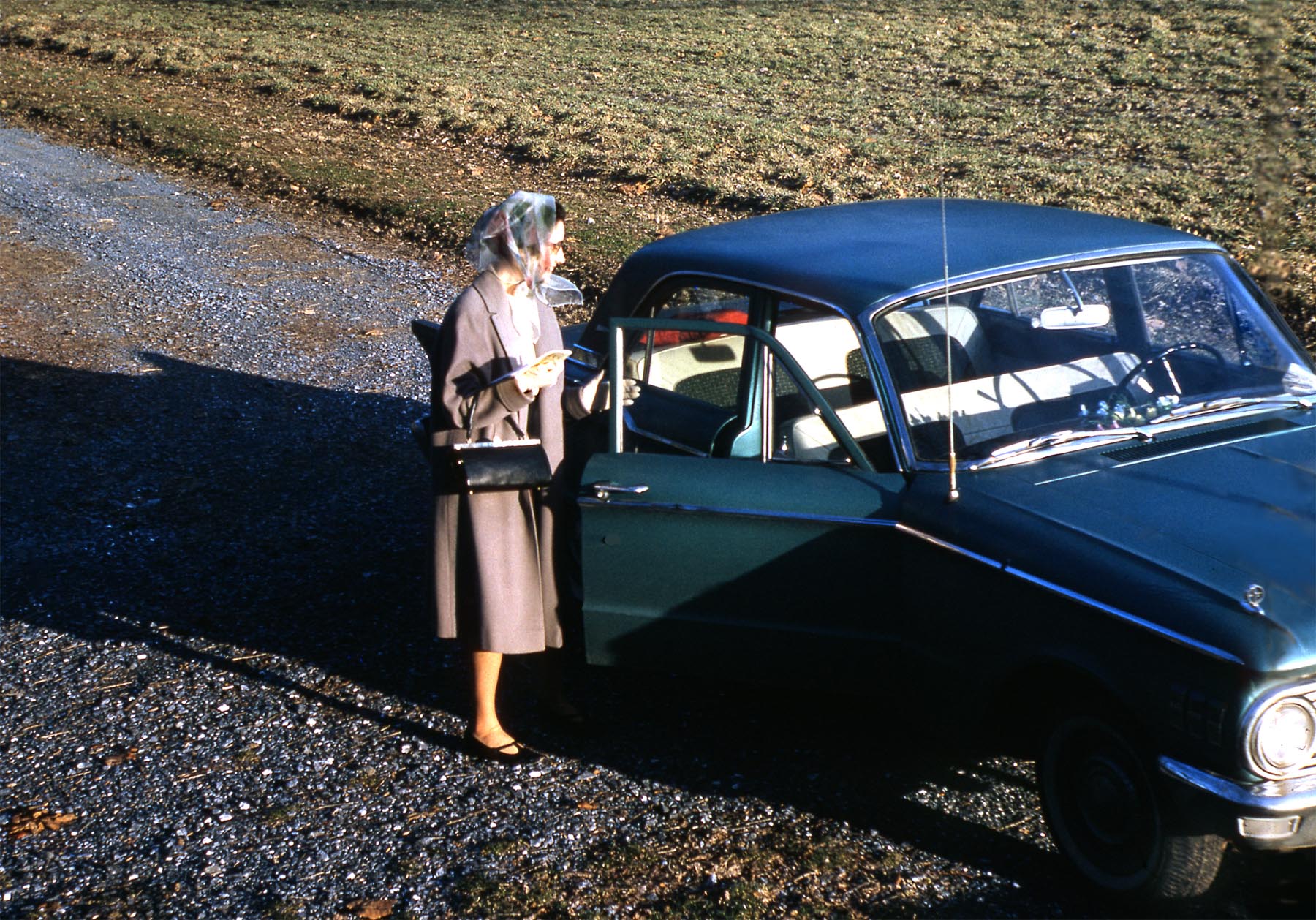
Verna’s Comet became our get-away car when June, Verna and I drove into Lancaster city with serviceable black purses to admire fancy red ones in a shop window, our expressions hopeful.

Our coverings are smaller when we go shopping in Lancaster
We wore smaller coverings and no capes when we went shopping in Lancaster

The Lancaster Mennonite School publication, Bridges, to which I still subscribe, has changed dramatically since Verna’s and my short tenure there. Student rosters now include names like Rodriguez, Rosenfeld, and Fukuhara along with the typical Lancaster County Mennonite names Weaver, Harnish, and Nissley.

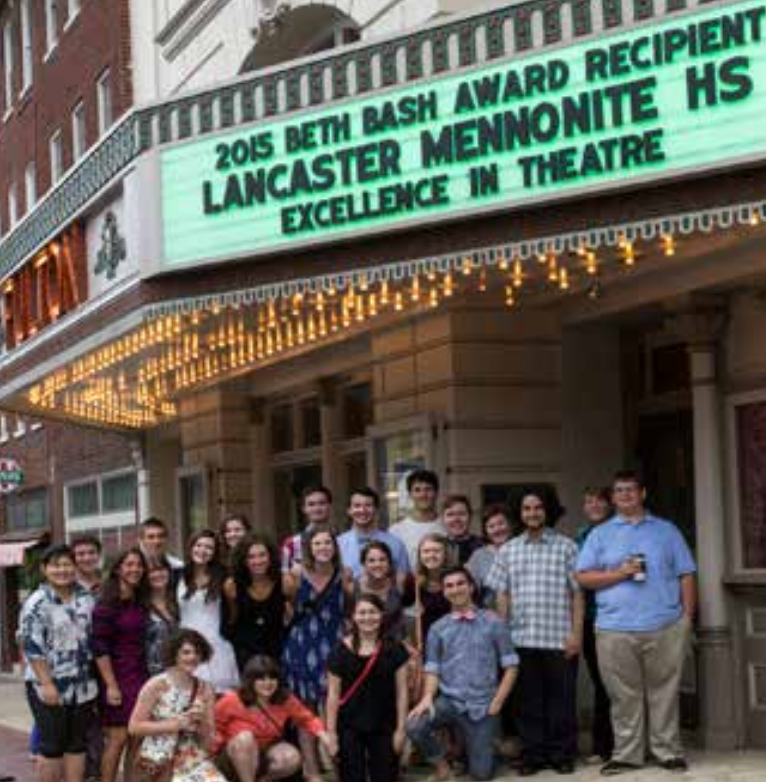
The LMS sports teams are going to the playoffs this year. Lancaster Mennonite and Lancaster Catholic are competing in an international ping-pong tournament. Most interesting of all, the name of Lancaster Mennonite High School appears on the Fulton Theatre marquee in downtown Lancaster displaying the 2015 Beth Bash Award for Excellence in the performance of Shakespeare’s The Tempest. Imagine!

TheatreLMS

A statement from their current principal J. Richard Thomas reveals the continuing strong spiritual mission of LMS:

As a school, we are building stronger wings and growing deeper roots one student at a time. Here students encounter a risen Christ who calls them to transformation, empowering them to be world changers. Our Graduate Profile states that our graduates will “practice global awareness, cultural sensitivity and humility, respect, an anti-racist lifestyle and compassionate living.”

With stronger wings and deeper roots, the graduates of the class of 2015 were commissioned to walk humbly with Jesus . . . and, in doing so, partnering with God in building a kingdom where individuals “from every tribe, language, people and nation” are gathered together around the Lamb.           Revelation 5:9

Is your life, like mine, dramatically different now from your childhood experience? Share your story here.

Coming next: Peachey House, a Prequel

Finding Friends & Hatching Plans

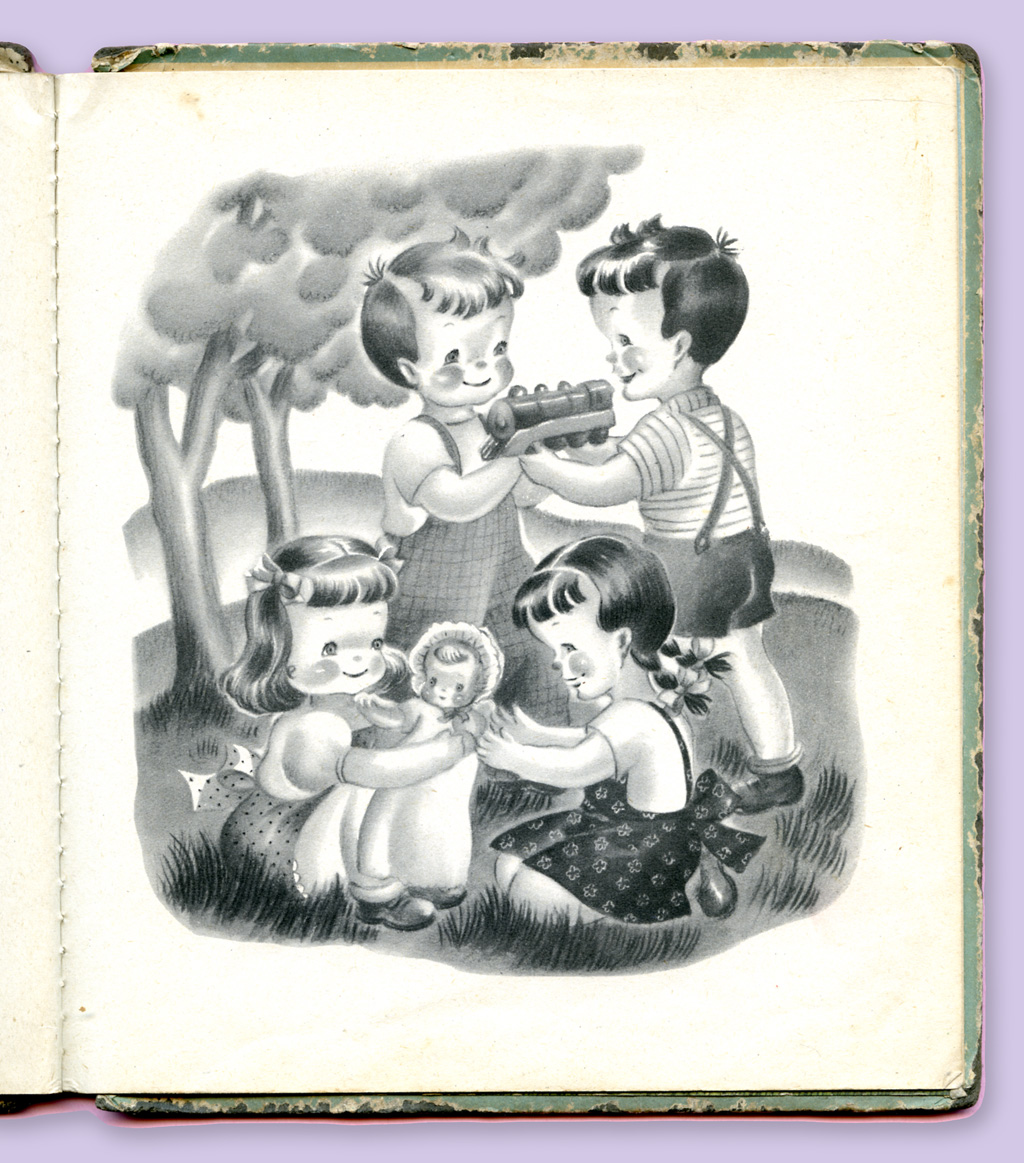
A toy train and a baby doll. That’s what these brother and sister pairs are exchanging with each other.

My Bible Book 1948, page 32
My Bible Book, 1948   ( 32)

Trading is fun among friends, no matter what their size. Big or little, old or young – most people like to exchange gifts, conversation, sometimes even big ideas.

It is a giant leap from tots trading toys to literary giants exchanging thoughts, but the principle is the same and so are the benefits.

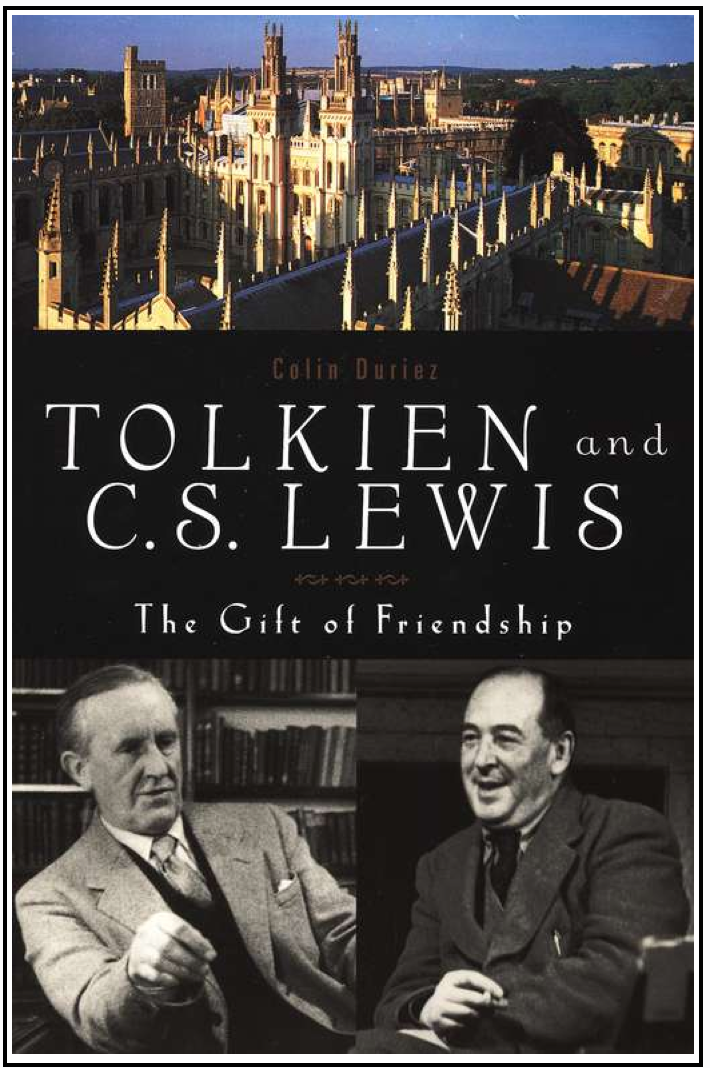
C. S. Lewis and J. R. R. Tolkien, both scholars at Oxford University fired one another’s imaginations in a small group called The Inklings. Both yearned to write science fiction with faith and morality as a central theme. Legend has it that “they literally tossed a coin to decide who would write a book on space travel versus time travel.” Though their early attempts were not completely successful, C. S. Lewis went on to pen The Chronicles of Narnia, and J. R. R. Tolkien wrote the Lord of the Rings series. Generations since then have enjoyed the fantasy of Tolkien’s hobbits and elves of Middle-earth and Lewis’ charming children and Narnian nymphs.

TolkienLewisCover

Their haunt? Frequently The Rabbit Room, a snug space tucked away in the Eagle and Child pub, Oxford, where a roaring fire, animated conversation and pipe smoke fueled their imaginations. At least twice weekly these brilliant minds hatched plans for plots and both nurtured and challenged one another’s brain children.

The Eagle and Child - Tuesday morning meeting place of the Inklings including Lewis and Tolkien
The Eagle and Child – Tuesday morning meeting place of the Inklings with Lewis and Tolkien

* * *

Christiane Northrup, M. D. a frequent PBS-TV presenter, promotes friendship as one of the paths to glorious agelessness. A sub-topic on her website exhorts women of all ages to cultivate varied friendships that she dubs “tribes” of friends. Though I never thought of my friend groups as tribes, I do recognize various kinds of friends I’ve been privileged to know at various times and places in my life.

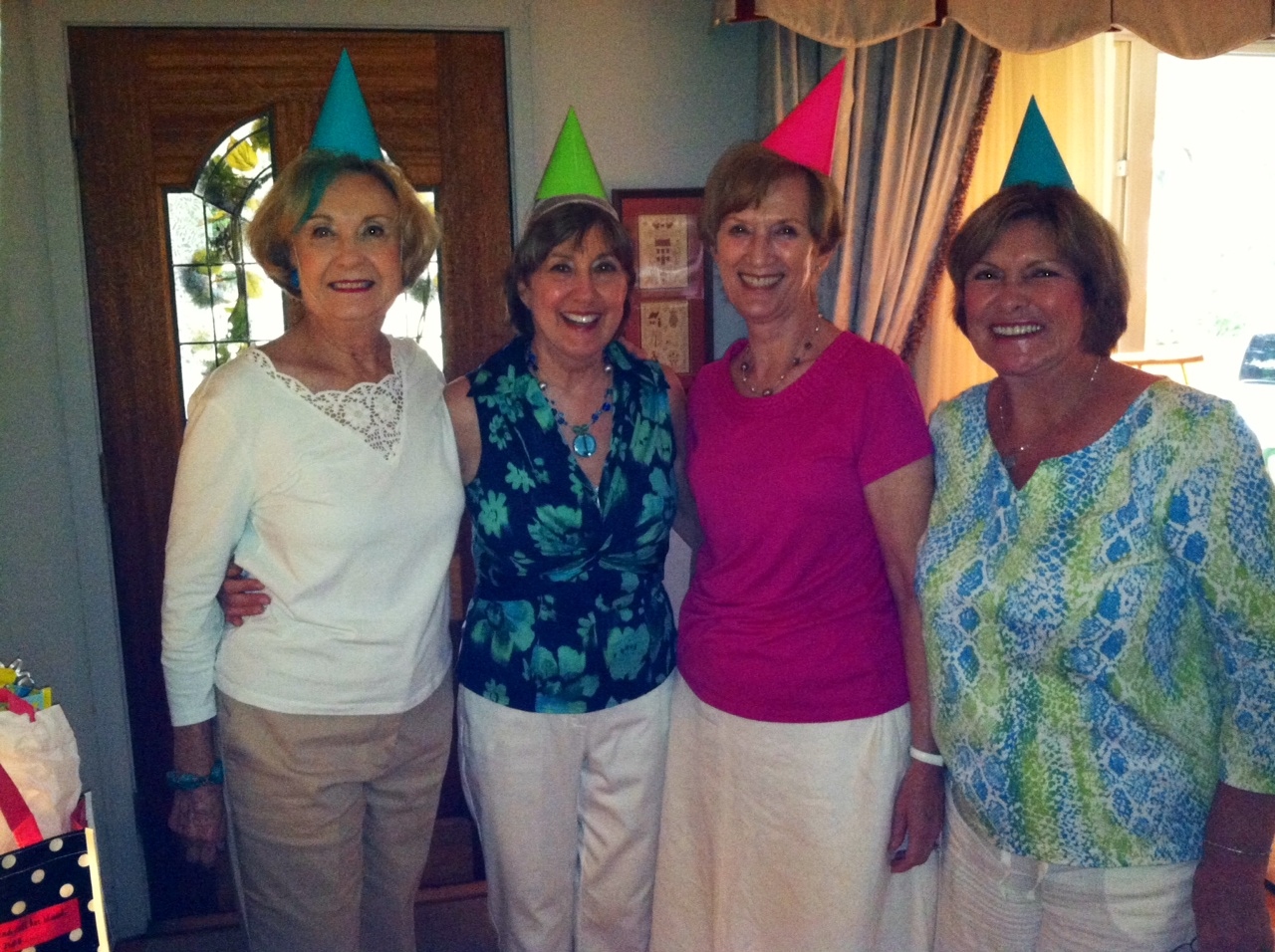
Church Friends

4 friends party hars

Writer Friends

Standing: Janet Givens, Kathy Pooler, Marian Beaman Seated: Shirley Showalter, Joan Rough
Standing: Writers Janet Givens, Kathy Pooler, Marian Beaman
Seated: Shirley Showalter, Joan Rough at Chincoteague Island, February 2015

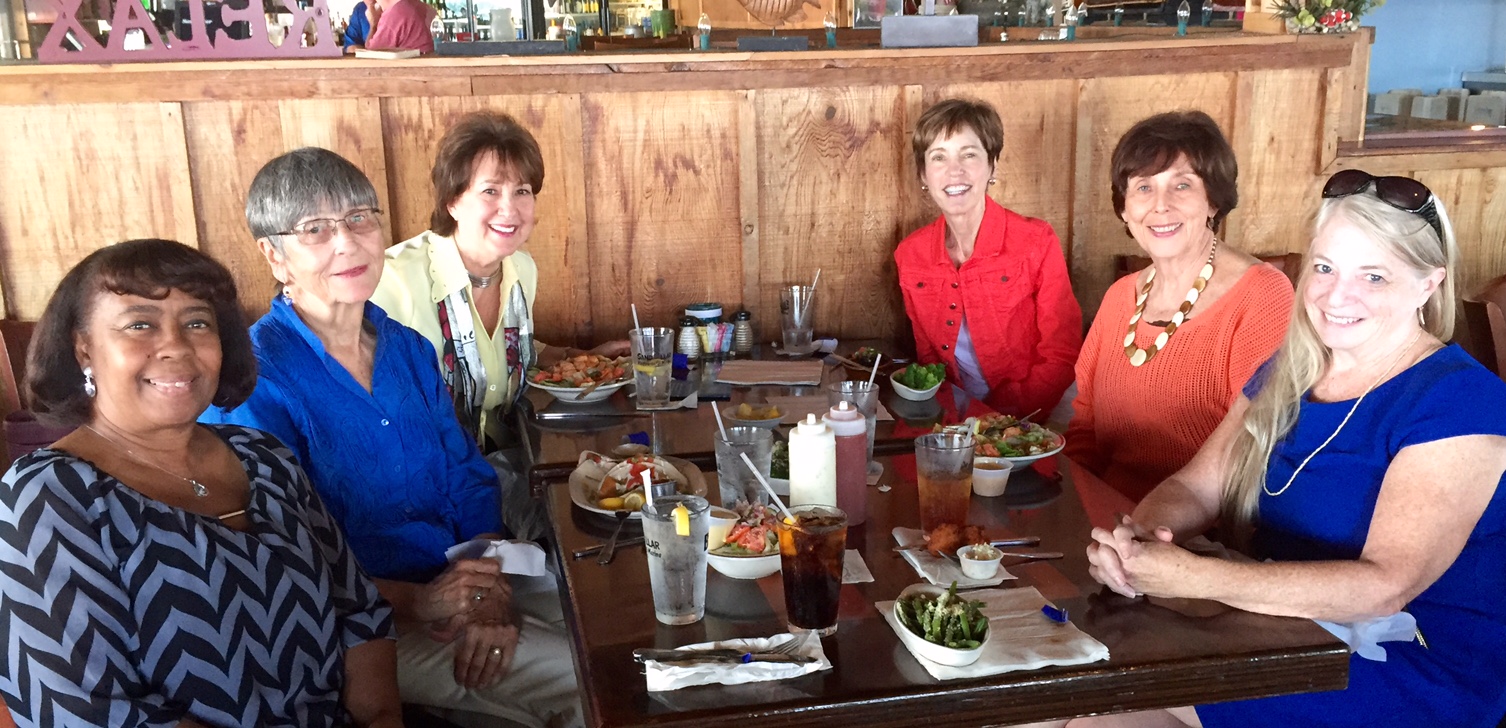
Colleagues at Florida State College in Jacksonville

FSCJ English faculty women, friends and former colleagues
Retired FSCJ English faculty women, friends who lunch

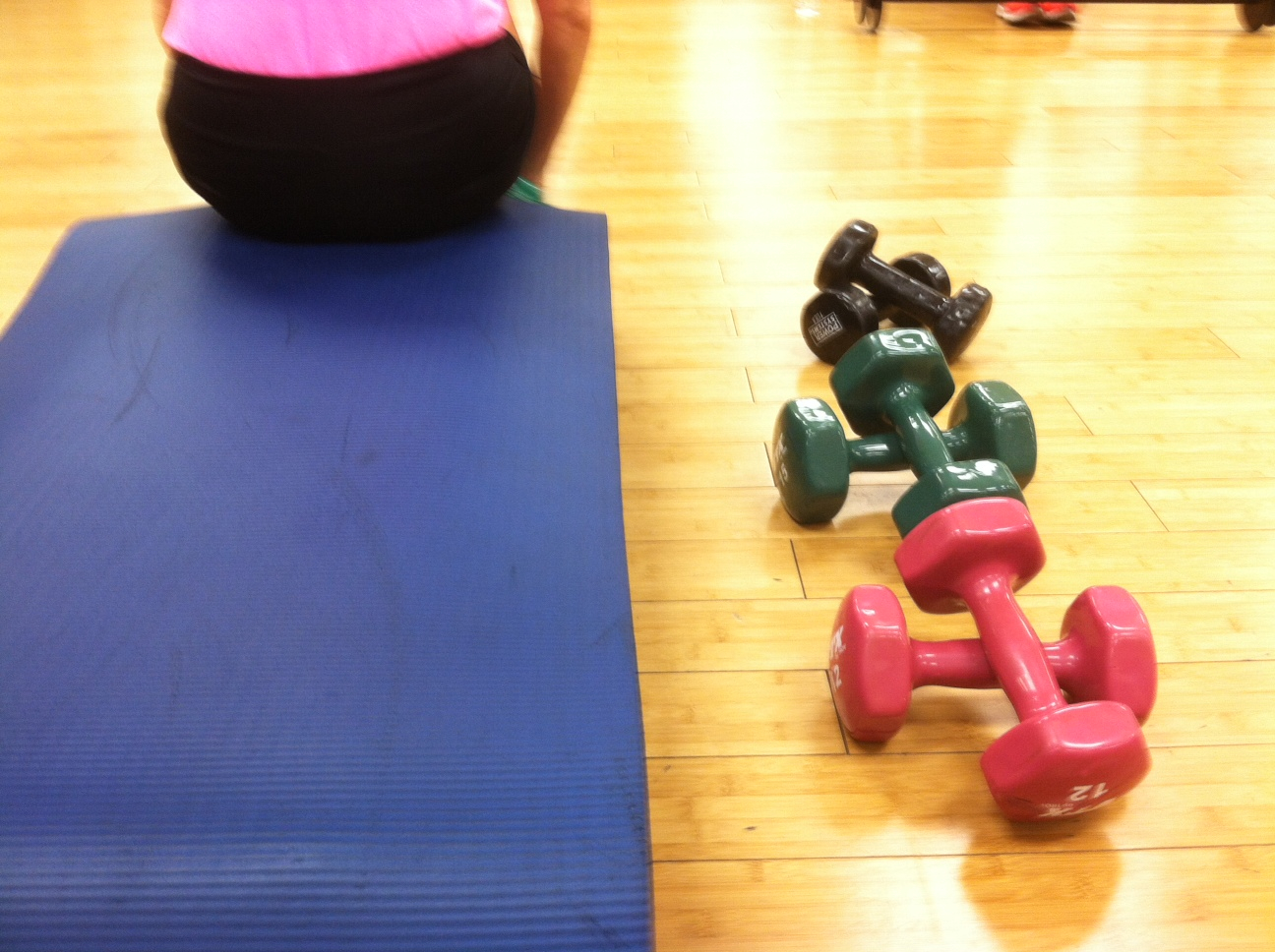
Friends at the Gym (They’re bashful!)

gymWeights

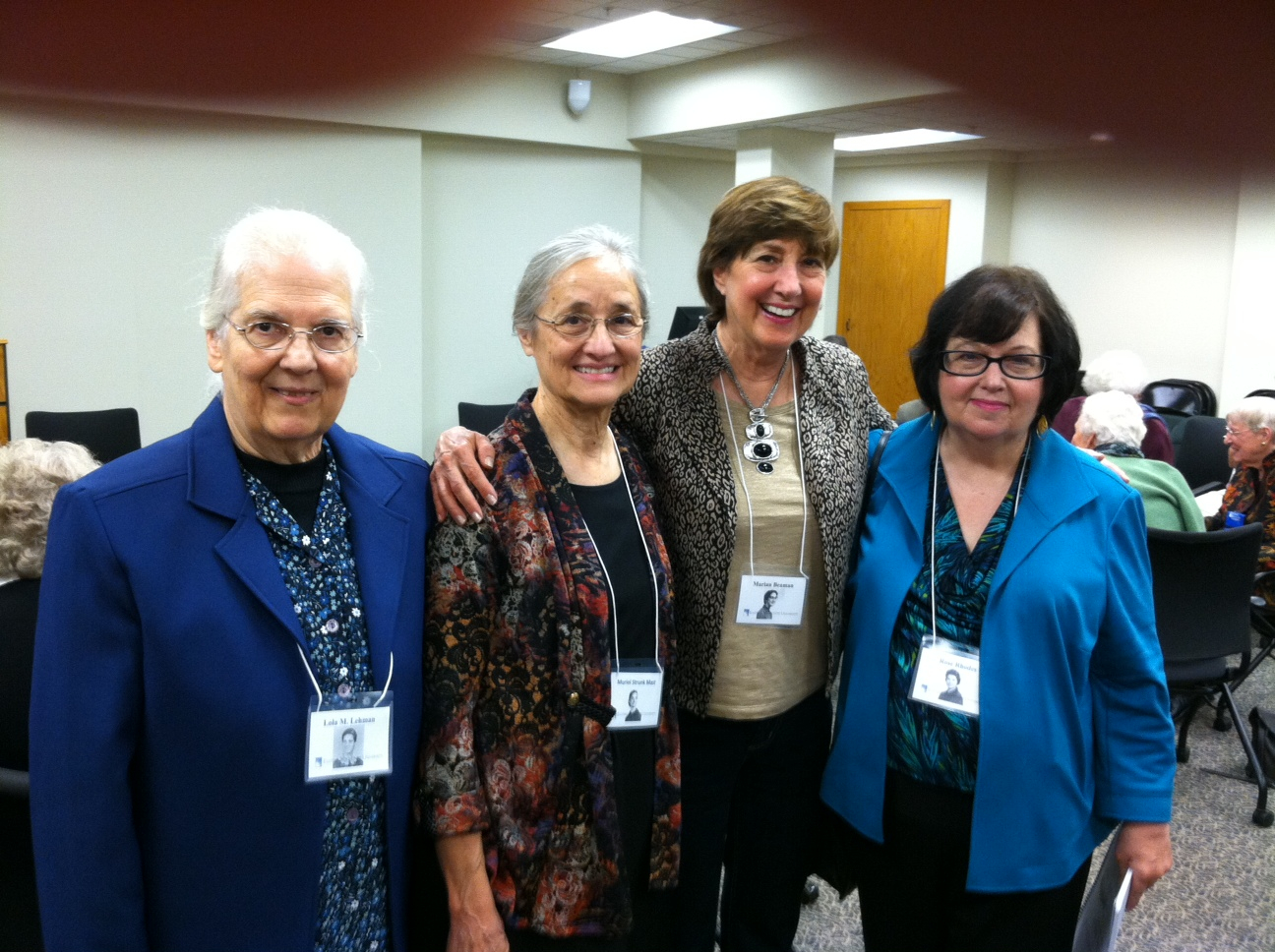
Friends from Eastern Mennonite College

Other room-mates and friends: Our name tags imprinted with college yearbook photos.

Even sisters can be friends!

Sisters2011


My friendship with Verna Mohler Colliver is one I’ve maintained since college days as room-mates at Eastern Mennonite College (now University). I caught up with Verna at our last college reunion.

My college room-mate Verna Mohler Colliver and me
My college room-mate Verna Mohler Colliver and me at EMU Homecoming, 2013


Since the reunion, Verna and I have exchanged photos and slides of ourselves as beginning teachers at Lancaster Mennonite School in the 1960s. Indeed, she helped me hatch a plan to reflect on those early years in our careers by providing some photo “fuel” for two upcoming blog posts. That’s what friends do. And I appreciate it too!

As iron sharpens iron, so a man sharpeneth the countenance of his friend.

Proverbs 27:17    King James Version


Do you have “tribes” of friends? Do you see them often? How do you keep your friendship(s) alive?